
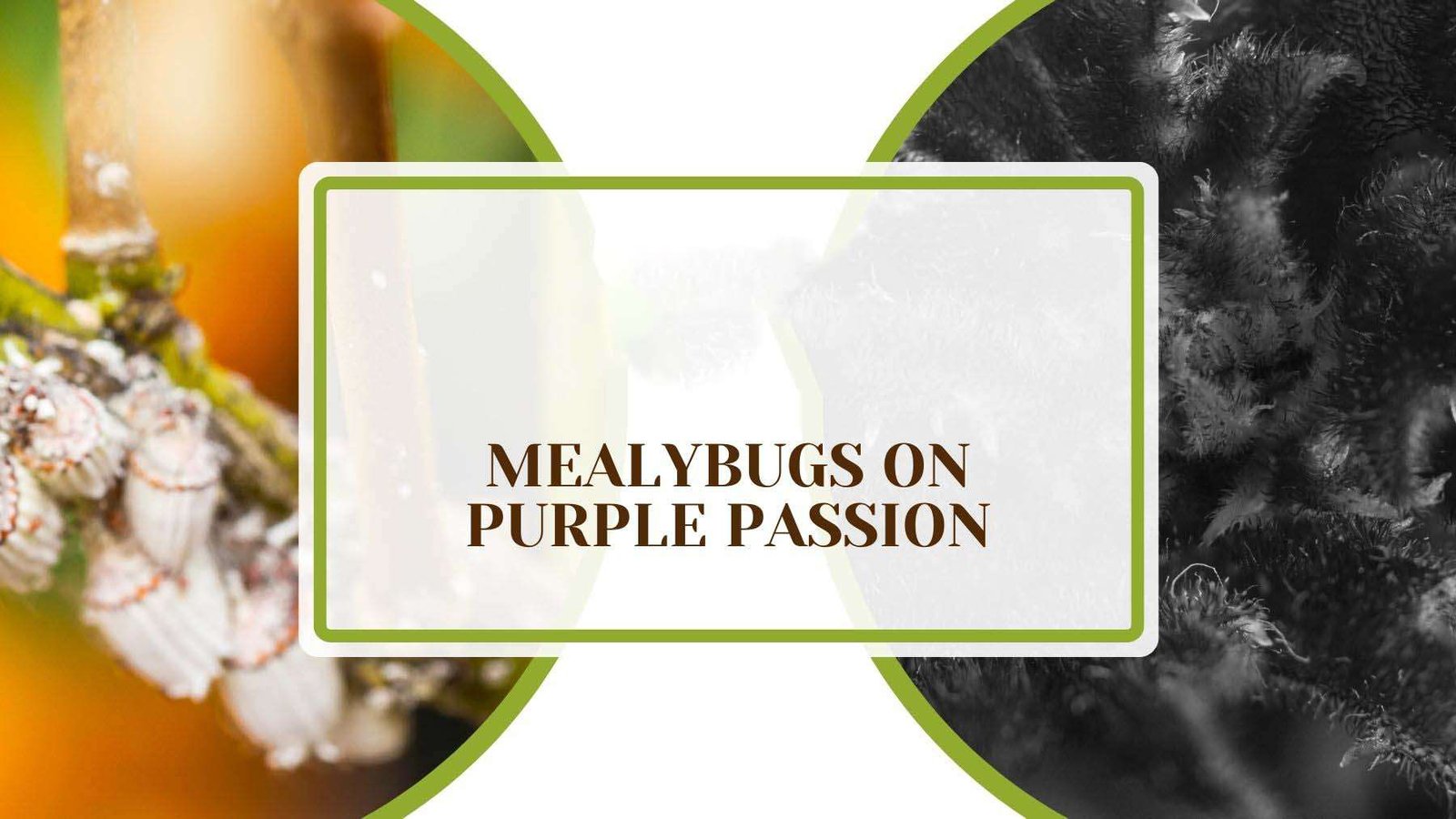
Mealybugs on purple passion of the Asteraceae family might seem like a minor concern, but in reality, they can weaken and damage the lush growth of your plants. Well, you know, these insects don’t wait around.
You must act immediately and control the infestation before it goes out of hand. So, join us as we discuss easy methods to shield your purple passion (scientific name: Gynura aurantiaca) from these unwelcome visitors.
What Are the Signs of Mealybug Infestation? (Things to Look For)
The signs of mealybug infestation include a white, cottony appearance on the plant, leaf discoloration, and sticky honeydew. If you see many ants in your garden, it can also indicate that mealybugs have attacked. Other clues include stunted growth and overall plant weakness.
– Plant Leaves Turning Yellow: An Unfortunate Indication
One of the most alarming signs of a mealybug infestation is when you notice your purple passion plant leaves turning yellow. This discoloration is a clear signal of distress, often due to the sap-sucking activities of mealybugs.
The Beginning of Yellowing usually starts with one or two leaves showing a pale yellow tint. If left untreated, the yellowing spreads to other leaves, gradually affecting the entire plant. So, the mealybug attack can impact the visual appeal of your garden.
– Presence of a White Cotton-like Substance: One of the Biggest Signs
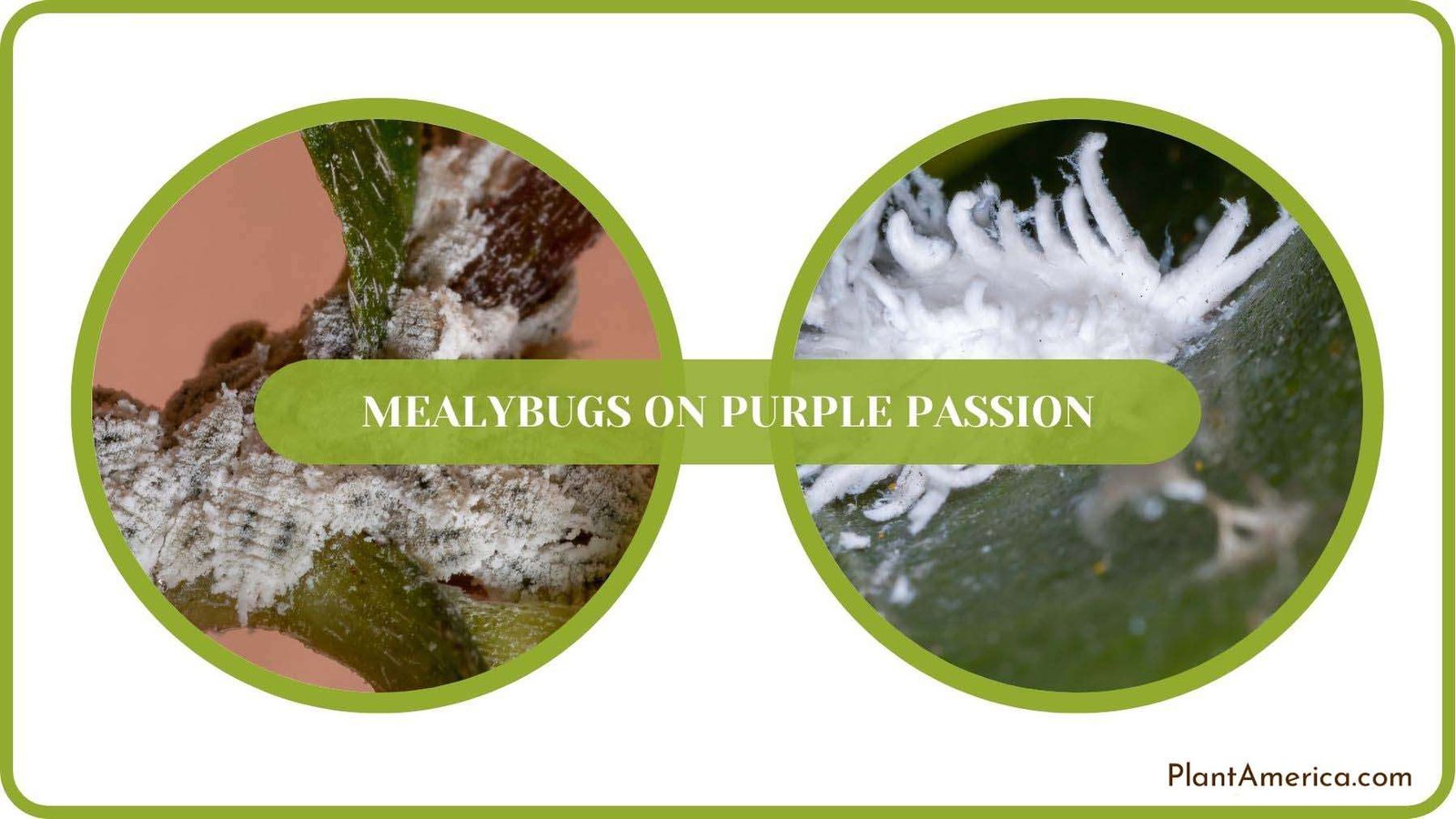
Mealybugs are known for leaving a white, cotton-like substance on the parts of the plant they infest. It’s one of the unmistakable signs of their presence.
You might find this substance on stems, under leaves, or near the base of the plant.

– Wilting and Stunted Growth: Sign of Severe Infestation
Mealybug feeding also introduces toxins that can lead to wilting and stunted growth. These signs might be subtle initially but become more pronounced over time.
Detecting Wilting: The leaves and stems may appear limp and lifeless, losing their natural vigor.
Stunted Growth: New growth may appear smaller and deformed, lacking the typical lush appearance of a healthy passion plant.
– Unusual Sooty Mold: Byproduct of Mealybug Feeding
A dark, sooty mold on your plants can also signify a mealybug infestation. This mold grows on the sugary excrement that the mealybugs leave behind. It can cause more issues for you, as its sweetness attracts other bugs to the garden. Therefore, you will likely deal with more pests if you don’t treat mealybugs.
What To Do When You Confirm Mealybugs on Purple Passion?
When you confirm mealybugs on purple passion, it is essential to physically remove them and apply measures such as using a dish soap trap. Specific treatments like applying neem seed oil or using products containing dinotefuran can be highly effective.
– Physically Remove: Works Every Time if the Infestation Is Small
When you’ve confirmed mealybugs, physical removal can be an immediate action. Here’s how to get rid of mealybugs from indoor plants:
- Look for mealybugs on each plant part to know where they are infesting.
- Gently pick the bugs with tweezers or wipe them with a damp cloth.
- A small vacuum can suck up the bugs for larger infestations without harming the plant.
- If you have other plants, keep the infested ones separate to prevent spreading.
- Keep an eye on the plant and repeat the process if you see any signs of mealybugs returning.
– Try Dish Soap Trap if the Bugs Become a Nuisance
A homemade dish soap solution can be your next defense if the infestation persists.
Here’s a guide to using insect-killing soap:
- Mix 3-4 drops of liquid dish soap with water in a spray bottle.
- A little rubbing alcohol can enhance the effect, but be cautious with the amount.
- Spray the entire plant, focusing on areas where mealybugs are present.
- Let the solution sit for a few hours, then rinse the plant thoroughly with water.
- Monitor the plant for the next few days, repeating if necessary.
- Consider buying a commercial insecticidal soap if the homemade solution doesn’t work.
– Plant-Based Oils Are Super Effective Too
In addition to the above methods, you can also go for plant-based oils, especially neem seed oil, if you prefer a natural and effective solution.
- Mixing a few tablespoons of neem seed oil with a gallon of water and a teaspoon of liquid soap creates a spray that can be applied to all plant parts.
- Make sure to thoroughly cover the undersides of the leaves, as mealybugs often hide there.
- Repeating the treatment weekly can help eliminate an existing infestation, while bi-weekly sprays can prevent future issues.

– Apply Hydrogen Peroxide: A Right Strategy For Many Pests
Are you dealing with mealybugs, aphids, and many other pests on your passion plants? Then, consider using hydrogen peroxide. Its oxygen-rich composition is effective against most garden pests we encounter.
- Creating a solution with one part 3 percent hydrogen peroxide and ten parts water is a good starting point.
- Carefully spraying the solution on the affected areas ensures that it reaches all potential hiding spots of the pests.
- Watering your plants with the hydrogen peroxide solution for soil infestations can kill larvae and eggs without damaging the plant.
Using hydrogen peroxide as part of your purple passion plant care routine allows for a multifaceted approach that targets the immediate problem of mealybugs and contributes to the long-term well-being of your passion plants.
– Rubbing Alcohol Spray: An Affordable Method of Bug Elimination
When facing the stubborn challenge of mealybugs, a rubbing alcohol spray can be an excellent remedy.
- Preparation: Start by mixing equal parts of rubbing alcohol and water.
- Application: Using a spray bottle, mist the solution on the affected areas, covering both tops and undersides of leaves. Mealybugs often find refuge in crevices, so apply the alcohol solution there too.
- Frequency: Repeating this process every few days can quickly diminish the population of mealybugs. It’s essential to monitor closely and reapply as needed to prevent resurgence.
- Added Benefits: The rubbing alcohol spray targets mealybugs and can also be effective against other common pests, such as aphids and spider mites.
Rubbing alcohol spray represents an accessible and cost-effective strategy that gardeners and plant enthusiasts widely trust.
– Remove Weeds: Crucial Step For Thriving Plants
Weeds are often more than just an eyesore in your garden; they can contribute to purple passion plant problems. Here’s why:
Competition: Weeds compete with your passion plants for nutrients, water, and sunlight.
Harboring Pests: Some weeds can act as hosts for pests like mealybugs, providing them with a breeding ground near your valuable plants.
Removal Techniques: Hand-pulling weeds, using specialized weeding tools, or applying organic mulches can prevent weeds from overtaking your garden.
Regular Monitoring: Regular inspection and removing weeds can reduce pest infestation chances and promote a healthier growing environment.
Preventive Measures: Planting ground covers or using mulches can suppress weed growth. Companion planting with pest-repelling plants may also be beneficial.
– Wash Foliage Regularly To Deter Pests
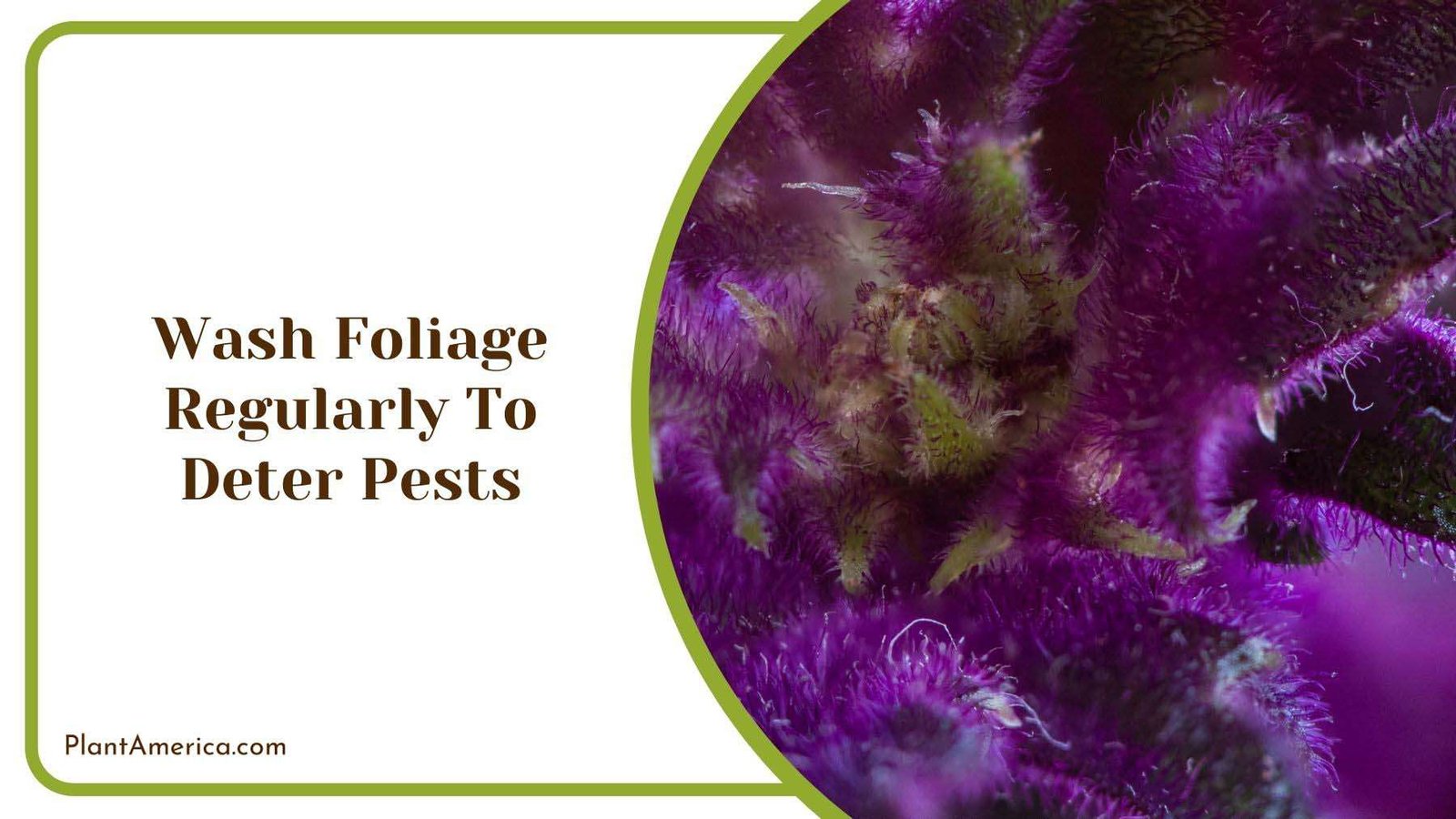
When it comes to maintaining the health of purple velvet plants, regularly washing the foliage is not just about aesthetics; it’s an integral part of a comprehensive care guide. You can mist the plant or gently shower the leaves with lukewarm water. For stubborn pests, a soft cloth can aid in removal.
Cleaning leaves remove dust, grime, and potential pests (each thing will make plants happy). A weekly or bi-weekly wash can make a significant difference depending on the environment. If you’re propagating new plants from stem cuttings, keeping the foliage clean is even more critical to prevent disease (like root rot) and promote healthy growth.
– Use Products Containing the Systemic Insecticide Dinotefuran
Dinotefuran is a neonicotinoid insecticide taken up by the plant’s system, making all parts toxic to pests. It’s especially effective against sucking insects (like mealybugs).
- Application: Available in various formulations such as granules, sprays, or soil drenches, the application must be made according to the product’s specific instructions.
- Effectiveness: The systemic nature ensures that even the hidden mealybugs feeding on the plant are affected, leading to rapid control.
- Considerations: The use of dinotefuran should be done with care of its impact on non-target insects like bees. It should not be used on flowering plants or where pollinators are active.
- Regulatory Compliance: Follow local regulations and guidelines, as restrictions on neonicotinoid insecticides might apply in certain jurisdictions.
- Alternative Strategies: If dinotefuran is not an option or if you prefer a more environmentally friendly approach, refer back to methods like neem oil, hydrogen peroxide, or rubbing alcohol sprays.
– Do Ant Control
Ants are associated with mealybugs because they feed on the honeydew produced by these pests. In return, they protect mealybugs from natural predators, making an infestation harder to manage.
Therefore, controlling ants is an essential step in dealing with mealybugs.
- Baiting Techniques: Using ant bait stations with slow-acting toxins can target the ants without harming other insects. Place them near ant trails but away from children and pets.
- Barriers: Using diatomaceous earth or sticky tape to create obstacles around the plant can prevent ants from reaching the mealybugs.
- Natural Repellents: Citrus peels, cinnamon, or peppermint oil can deter ants without using chemicals.
- Avoid Excess Watering: Puddles can attract ants, so avoid overwatering your plants.
- Monitor and Repeat: Monitor the situation and repeat treatments as necessary until the ants are under control.
– Manage Lighting and Fertilizing To Prevent Mealybugs
Providing suitable lighting conditions and fertilizing regularly can also force bugs to leave your garden. Let’s discuss light requirements first.
- Sunlight Needs: Purple passion (Gynura aurantiaca) thrives in bright but indirect sunlight.
- Artificial Light: During winter or in low-light conditions, artificial grow lights can supplement the plant’s light needs. Make sure to choose the right spectrum and intensity.
- Shade and Timing: If the plant is exposed to strong sunlight, using shades or adjusting its position during peak hours can prevent damage.
- Monitoring Growth: Pay attention to the plant’s growth patterns. Leggy growth may indicate a lack of light while yellowing leaves could signal too much.
Fertilizing properly also prevents bug infestation. If you over-fertilize, plants can become “extra green,” inviting bugs to attack. The problem can worsen because the lush green color also invites other pests, which means the life of your garden plants will be at risk. Therefore, feeding nutrients correctly will keep your purple plant garden “Insect-free” zone.
Note that Purple passion plants or Gynura aurantiaca require a balanced fertilizer for all essential nutrients.
During the growing season, fertilize every 4-6 weeks. Reduce or skip fertilization in winter as the plant’s growth slows down.
You should use a balanced liquid or slow-release granular fertilizer. Organic options like compost or worm castings can also be used. Occasionally, soil testing can help understand what nutrients are lacking and adjust fertilizing accordingly.
Conclusion
In summary, managing mealybugs on a purple passion plant is not complicated if you follow the proper techniques/methods. This discussion covered the simplest and most potent methods suitable for beginners and seasoned gardeners. Let’s recap:
- Employ Multiple Strategies: From physical removal to the application of specific products, a varied approach often yields the best results.
- Care for the Whole Plant: Beyond pest control, understanding purple passion care, including light, fertilizing, and general maintenance, is essential.
- Monitor and Adjust: The situation may change, and being able to adapt your strategies ensures long-term success.
- Avoid Common Mistakes: Over-fertilizing, incorrect lighting, or neglecting regular checks for signs of infestation.
You can quickly deal with the mealybugs using these methods and help your purple passion plants grow strong. It’s that easy!