
Mealybugs on haworthia are a garden nightmare you wouldn’t wish upon your worst enemy. These small bugs can rapidly transform beautiful succulents into weak, discolored plants, which is why getting rid of them is super important.
But don’t worry! Learn how to defeat mealybugs here in this guide easily.
Why Are There Mealybugs on Hawthornia? 3 Reasons
There are mealybugs on Hawthornia due to various factors, but the most common one is overwatering. But if the air passage is poor, then mealybugs can also reside in your garden and breed. Furthermore, bringing infested plants can also lead to a mealybug infestation.
– Overwatering: The Moist Magnet
Mealybugs are drawn to the soft, moist tissues that result from excess water. They flourish in this environment because the moist conditions promote mold growth, which serves as a food source for some mealybug species.
Moreover, the soft, waterlogged tissues of the plant make it easier for mealybugs to pierce through and feed. It’s also worth noting that overwatered plants often exhibit weakened immune responses, making them more susceptible to a variety of pests, including mealybugs.
– Poor Ventilation: A Breeding Ground
Ensuring proper air circulation around your Hawthornia is crucial. Poor ventilation promotes high humidity levels, which, in turn, creates an ideal breeding ground for mealybugs. With stagnant air, the moisture levels around the plant can easily become elevated, especially if the plant is placed in a location with limited airflow.
When the air around Hawthornia doesn’t circulate, it also allows the honeydew (a sticky substance excreted by mealybugs) to accumulate. This honeydew not only attracts other pests but also fosters the growth of sooty mold. Both the presence of other pests and the growth of mold make the environment even more appealing to mealybugs, causing their population to spike.
– Bringing Infested Plants Indoors: The Unknowing Introduction
It’s a common practice among gardening enthusiasts to bring outdoor plants indoors, especially during unfavorable weather conditions. However, if not inspected properly, this can lead to the unintentional introduction of pests, including mealybugs, to the indoor environment.
A single infested plant can serve as the source of an infestation that can quickly spread to other plants, including Hawthornia.
What to Do When You Spot Mealybugs on Hawthornia
When you spot mealybugs on hawthornia, immediately quarantine the plant and start treatment. You can spray alcohol, use a potassium fatty acids solution, or use neem seed oil and soap to reduce the population. Applying commercial mealybug sprays in severe cases is also a good idea.
– Quarantine the Plant: Try LockdownTactics
Your foremost step should be to separate your succulent plant from the rest. Mealybugs are notorious for their ability to spread rapidly from one plant to another, creating a white, cotton-like snowstorm of bugs. This is where the term white cottony mealybugs comes from.
These insects can move from the infested plants to their neighbors. In doing so, they keep destroying the ones they reach. Quarantining the affected haworthia immediately can help minimize the spread and save your other plants from potential doom. It could mean moving your haworthia to a separate room or a different part of your garden.
Remember, mealybugs are minute and could still lurk in the soil or pot. Cleaning will ensure that no stragglers are left behind to reinfest your plant or threaten the others.
– Treat With Isopropyl Alcohol
The benefit of using alcohol is twofold. Firstly, it’s safe for your plants. You don’t have to worry about it damaging your haworthia. Secondly, it’s lethal to mealybugs. Alcohol dehydrates the bugs, effectively killing them on contact.
For severe infestations, consider a spray approach. Fill a spray bottle with the same 70% alcohol solution and thoroughly spray your plant. The key is ensuring the alcohol comes into direct contact with the mealybugs. Don’t worry if some areas of your haworthia get a little more alcohol than others.
– Use High-Pressure Water Stream
Using a water stream to remove mealybugs is a simple yet effective method. All you need is a garden hose, bug blaster, or a spray bottle filled with water. Adjust the nozzle to a setting that provides a strong but gentle spray.
You want enough pressure to knock the bugs off, but not so much that it harms the plant. Aim the spray at the affected areas, especially under the leaves where mealybugs like to hide.
Spray the plant thoroughly, and you’ll see the mealybugs being washed away. It might be a bit wet and messy, so doing this outdoors or in a sink is a good idea.
Monitor your plant over the next few days to see if any mealybugs return. If they do, simply repeat the process. This water spray method is a natural way to tackle the problem without harsh chemicals. It’s like giving your plant a refreshing shower and getting rid of unwanted guests simultaneously!
– Soak in a 1 Percent Solution of Potassium Fatty Acids
Soaking the affected plant in a 1 percent solution of potassium fatty acids is another effective strategy that complements the earlier steps. Potassium fatty acids are a kind of soap that can kill insects. This solution is perfect for dealing with bugs that have dug into the soil and set up a strong base around the roots.
To prepare the solution, mix potassium fatty acids (as per the manufacturer’s instructions) with water. Then, gently unpot the plant, ensuring not to damage the roots, and soak the root ball in the solution for 10 to 15 minutes.
After the soaking, please dispose of the old soil, as it may still have mealybug eggs or nymphs. Rinse the roots thoroughly under running water to ensure all the dead mealybugs and old soil are washed away. Then, repot the plant and use fresh, pest-free soil. Soaking is crucial in the mealybugs treatment protocol and should be followed diligently.
– Apply Neem Oil and Soap Mixture To Control Mealybugs
Another weapon in our arsenal against mealybugs is a mixture of neem seed oil and soap. It gradually reduces the population of the bugs and, in turn, the severity of the mealybug population.
To prepare the mixture, combine equal parts of neem seed oil and insecticidal soap (or mild dish soap if pesticidal soap is unavailable) with water in a spray bottle. Spray the mixture generously on the haworthia, covering both the top and bottom of the leaves, the stem, and the soil around the plant.
The mixture will do two things – it will kill the mealybugs and create a protective barrier that prevents new pests.
– Replace the Pot If It Has Cracks
Broken pots give these pests snug spots to hide and lay eggs. It’s sort of like their secret hideout underground, where they plan their next moves. Therefore, replacing any pots with cracks is better to eliminate mealybugs from your haworthia.
Also, when changing pots, scrub and rinse the new pot thoroughly, removing any dirt or dust that could harbor pests or diseases. Choosing a well-draining pot is also beneficial as succulents like haworthia prefer dry conditions, and excess moisture can invite a host of other issues.
– Dust Diatomaceous Earth/Diatomite
DE or diatomite is a natural and effective remedy for dealing with not only mealybugs but also a variety of common pests like spider mites and scale insects. Comprising fossilized remains of tiny aquatic organisms known as diatoms, It is a powder that causes dehydration and death in bugs that come into contact with it.
If you’re wondering how to get rid of mealybugs on string of pearls or other succulents, diatomite might be your answer. To use it, dust a light layer of the powder onto your plant, ensuring it reaches crevices where mealybugs might be hiding. You can also sprinkle some in the potting mix for a comprehensive approach.
Also, reapply after watering your plant or rainfall, as the powder loses effectiveness when wet.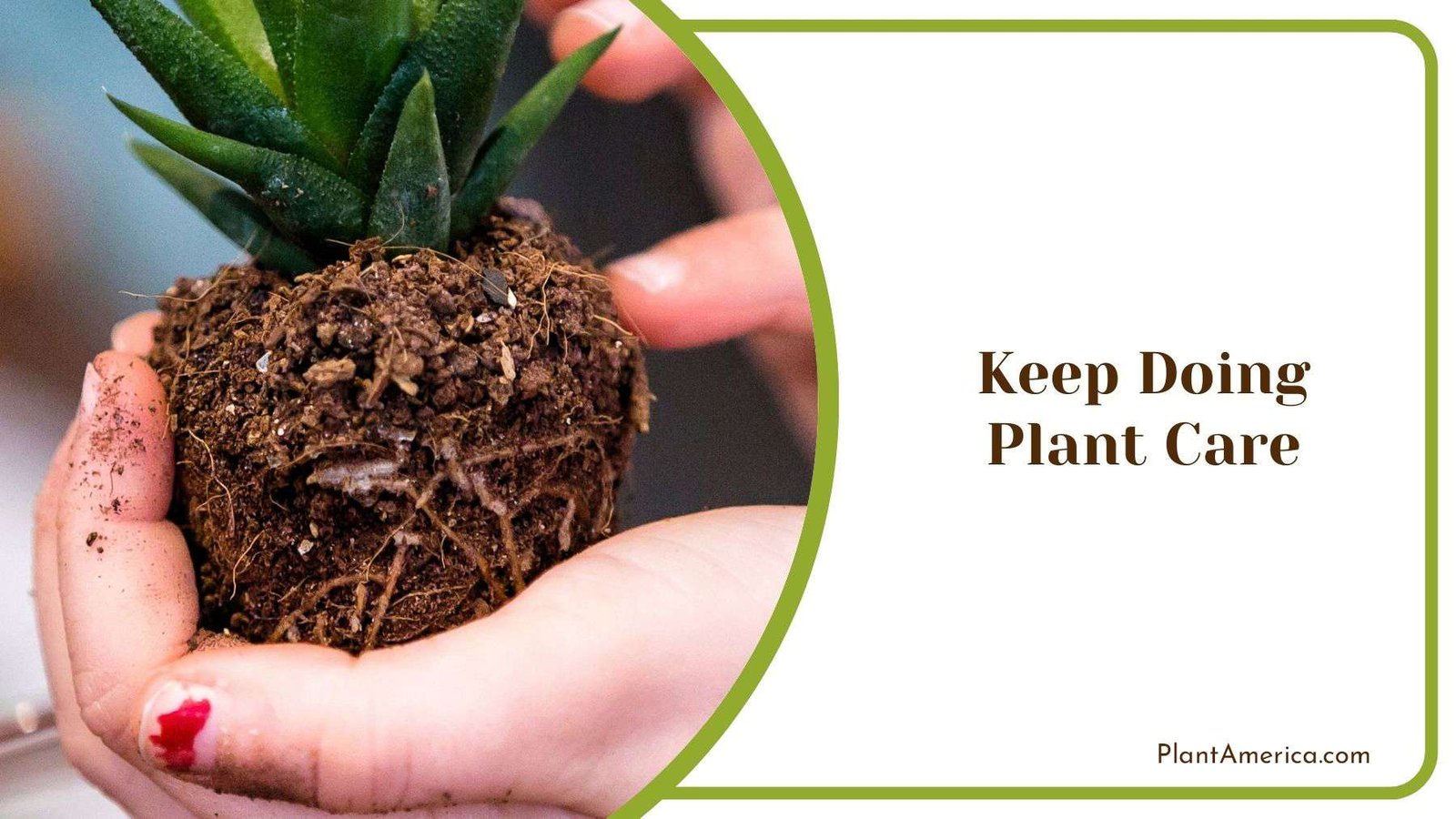
– Shield Up With Hot Pepper Wax Spray
Consider using a hot pepper wax spray for an extra layer of protection. In fact, most gardeners say that having this natural product in your gardening supplies is handy if you’re trying to stop mealybugs on succulents.
The spray works like a bug repellent. It puts a barrier on the plant’s surface, making mealybugs and other pests not want to hang out there. The wax in the spray helps the repellent stick to the plant, so it keeps working for a while.
To apply, spray the hot pepper wax on your plant, covering all areas, including the undersides of the leaves. Be careful not to spray it on blossoms, as the capsaicin in the spray (the compound that makes peppers hot) could potentially harm pollinators. Reapply the spray every two to four weeks or after heavy rain or watering for continuous protection.
– Go for Mealybug Sprays
If you’re faced with a severe infestation and wondering how to treat mealybugs on succulents immediately, these sprays can offer a faster and more potent solution.
The best insecticide for mealybugs is usually a systemic insecticide. Unlike contact insecticides, which only kill the bugs they directly touch, systemic pesticides are absorbed by the plant and spread throughout its system. It means that when the mealybugs feed on the plant’s sap, they ingest the insecticide and are killed.
Following the manufacturer’s instructions carefully is crucial, as misuse can harm the plant and the surrounding environment.
While we’re on the subject of mealybug sprays, a common question arises: can hand sanitizer kill mealybugs? Well, hand sanitizers contain a high percentage of alcohol, which, as we’ve discussed, can kill mealybugs. But while it might work in theory, hand sanitizer isn’t the ideal choice for a mealybug treatment.
So, stick with treatments specifically for mealybugs, whether rubbing alcohol, neem seed oil, or a commercial insecticide.
– Keep Doing Plant Care (Prevent Mealybugs)
Regular care is your best defense against these and other pests. Providing your haworthia with the right conditions – the proper amount of light, the correct watering schedule, well-draining soil, and suitable temperature and humidity levels – will help keep it healthy and more able to resist pests and diseases.
Regularly examine your plant for signs of pests or other problems. Spotting problems early can really change how well the treatment works and stop the issue from spreading to your other plants.
After treatment, monitor your plant closely to ensure the mealybugs don’t make a comeback. If you do spot any mealybugs, take immediate action. That’s all about how you can stop mealybugs from hurting your plants.
Conclusion
To sum up, dealing with mealybugs on haworthia plants can be challenging, but with the right strategies, you can handle it well. Here’s what we’ve covered:
- Spotting the problem early is important, so keep checking your plants regularly for mealybugs or other pests.
- If you find any, act quickly by isolating and treating the affected plants right away.
- Treatments involve wiping with alcohol, using a potassium fatty acids solution, applying a neem oil and soap mixture, or even resorting to commercial mealybug sprays in severe cases.
- Changing a cracked pot, dusting, and applying hot pepper wax spray are all effective preventative measures to help stop mealybug infestations before they start.
- Providing your haworthia with the right conditions and care will bolster its resistance to pests and diseases.
Adhering to these steps will control an existing infestation and create an environment less conducive to future mealybug invasions. Keep up the good work, and here’s to a healthier, happier garden!