
White perennial flowers are a beloved option for adding long-lasting color and charm to your garden from season to season. In this article, we’ll explore 17 varieties of white perennial flowers that will brighten your outdoor space with delicate blooms year after year.

Whether you love classic favorites like iris and daisies or want to discover new additions, we’ve covered you with perennials for sun and shade, tall and short options, and flowers that deer rarely touch.
By planting a few of these white perennial flowers this spring, you can look forward to a fresh, flower-filled retreat every time you step outside.
The Best White Perennial Flowers to Brighten Your Blossom Beds
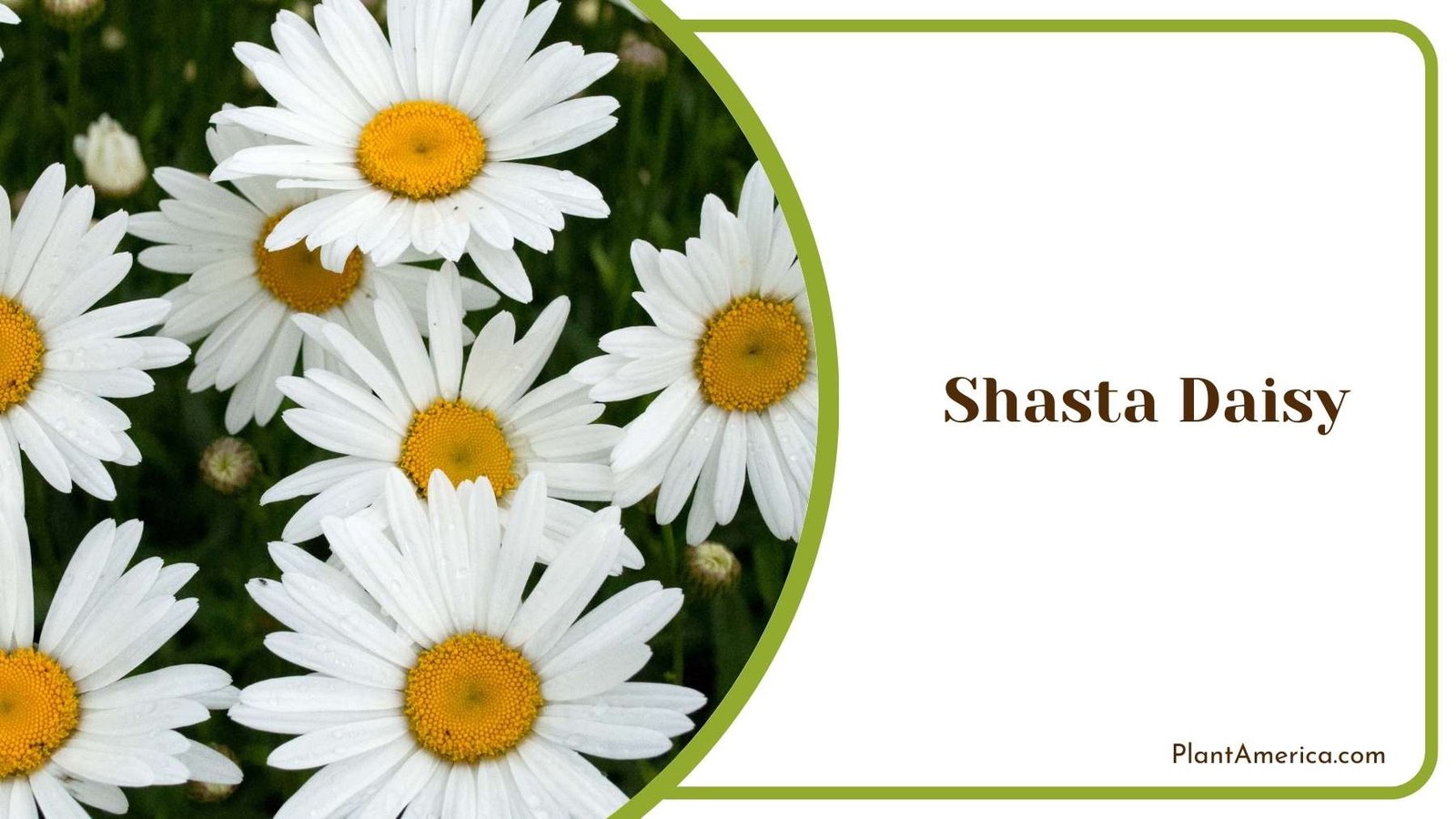
1. Shasta Daisy
- Growing Season: Spring, Summer, Fall
- Leaf Type: Medium green, Rounded leaves in a basal rosette
- Specific Needs: Full sun, Moderate water, Drought tolerant
- Common Pests: Aphids
Shasta daisies are a beloved white flowering perennial commonly found in home gardens. Their large, simple flower heads resembling tiny daisies typically feature white ray florets surrounding a yellow central disk. From early summer through fall, the plants erupt in blooms up to 2 inches wide, brightening patches with a refreshingly pure white color.
Thriving with adequate sun exposure and well-draining soil, Shasta daisies remain highly popular perennials admired for reliability. Their rapid basal growth produces dense clumps of medium-textured, rounded foliage. The leaves emerge chartreuse in spring, intensifying to a dark, shiny green through the warm months. By late fall, the foliage remains attractive despite natural senescence setting in for the season.
After growing for a few seasons undisturbed, mature plants spread into fuller circular patches averaging 12 to 18 inches tall. While grazing animals tend to leave their short-stemmed flowers be, occasional pests like aphids may cluster on new growth if conditions allow. However, these perennial flowers prove highly resistant to most diseases and usually rebound from mild infestations without intervention.
Shasta daisies continue blooming freely for many growing seasons with the proper sunny placement and occasional division every three to four years. Their constant cheerful colorfast earns a place among other perennial flowers in borders, fields, and cottage gardens.
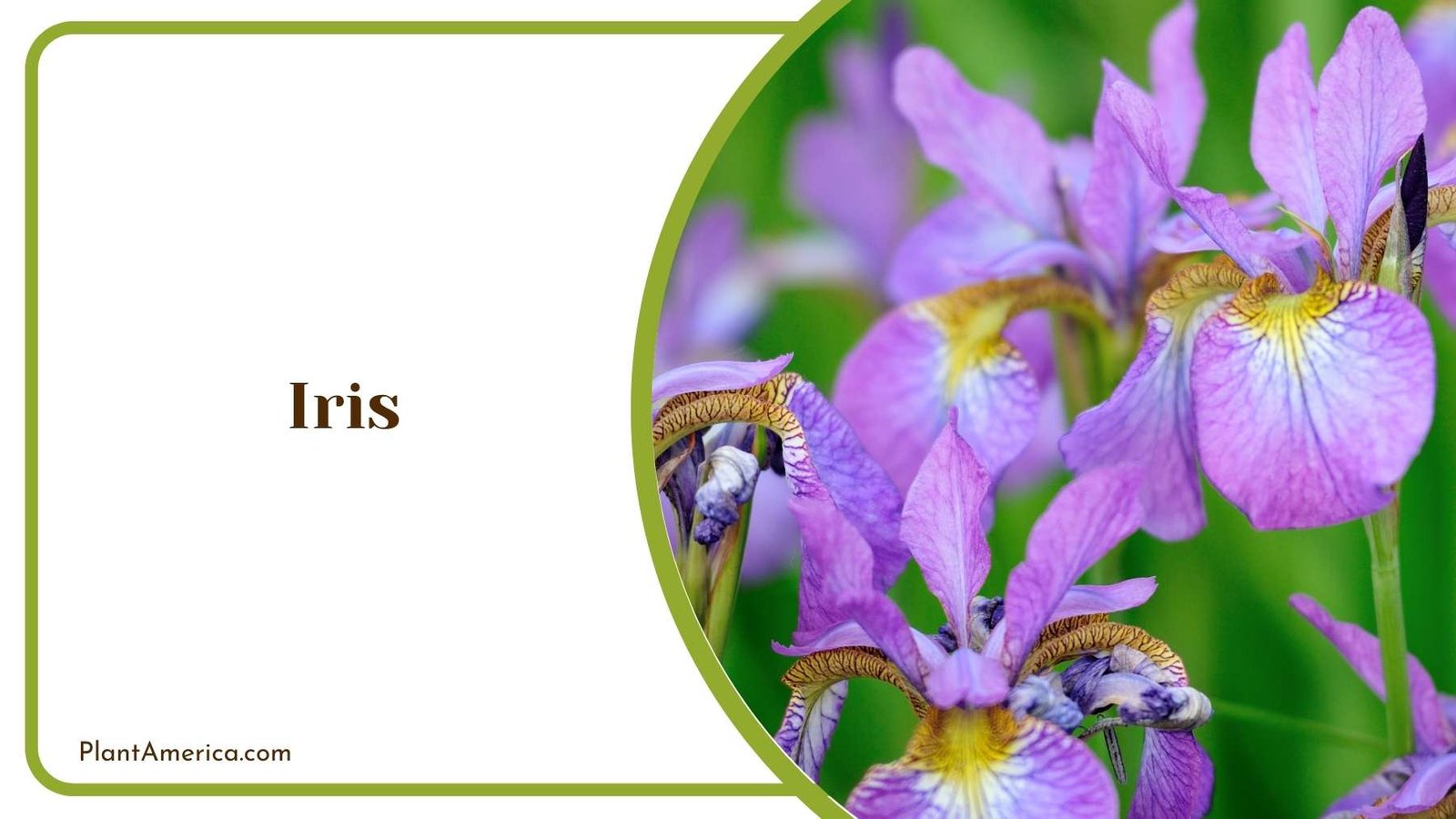
2. Iris
- Growing Season: Spring, Summer
- Leaf Type: Erect, sword-like leaves, Fan shape
- Specific Needs: Full sun, Moderate water, Adapted to various soil textures
- Common Pests: None
Iris thrives in garden beds graced with morning sunlight. Often called flags, these rhizomatous perennials emerge each spring bearing graceful leaves that arch upward from underground stems. Come early summer; their unique six-lobed flowers grace the landscape in various hues. Among the many cultivars, white varieties impart an aura of serenity and purity.
Within the Iris genus, bearded types remain a gardener’s treasure for reliable blooming. Originating from woodland habitats across Europe and Asia, these sturdy flowers adapted to cultivation withstand seasonal extremes and variable moisture levels. Hybridizers coaxed abundant color forms in late May and June, including ivory, pearl, and snowy white charmers. Crowning pastels with pale center markings, many cultivars evoke fanciful images while viewing them en masse.
Adapting to myriad soil types, excluding only extremes, Iris thrives when established in consistently moist yet well-draining placements. Their whiskered blooms nod gracefully amid lush basal leaves, typically forming upright fans around one to three feet tall, depending on the species.
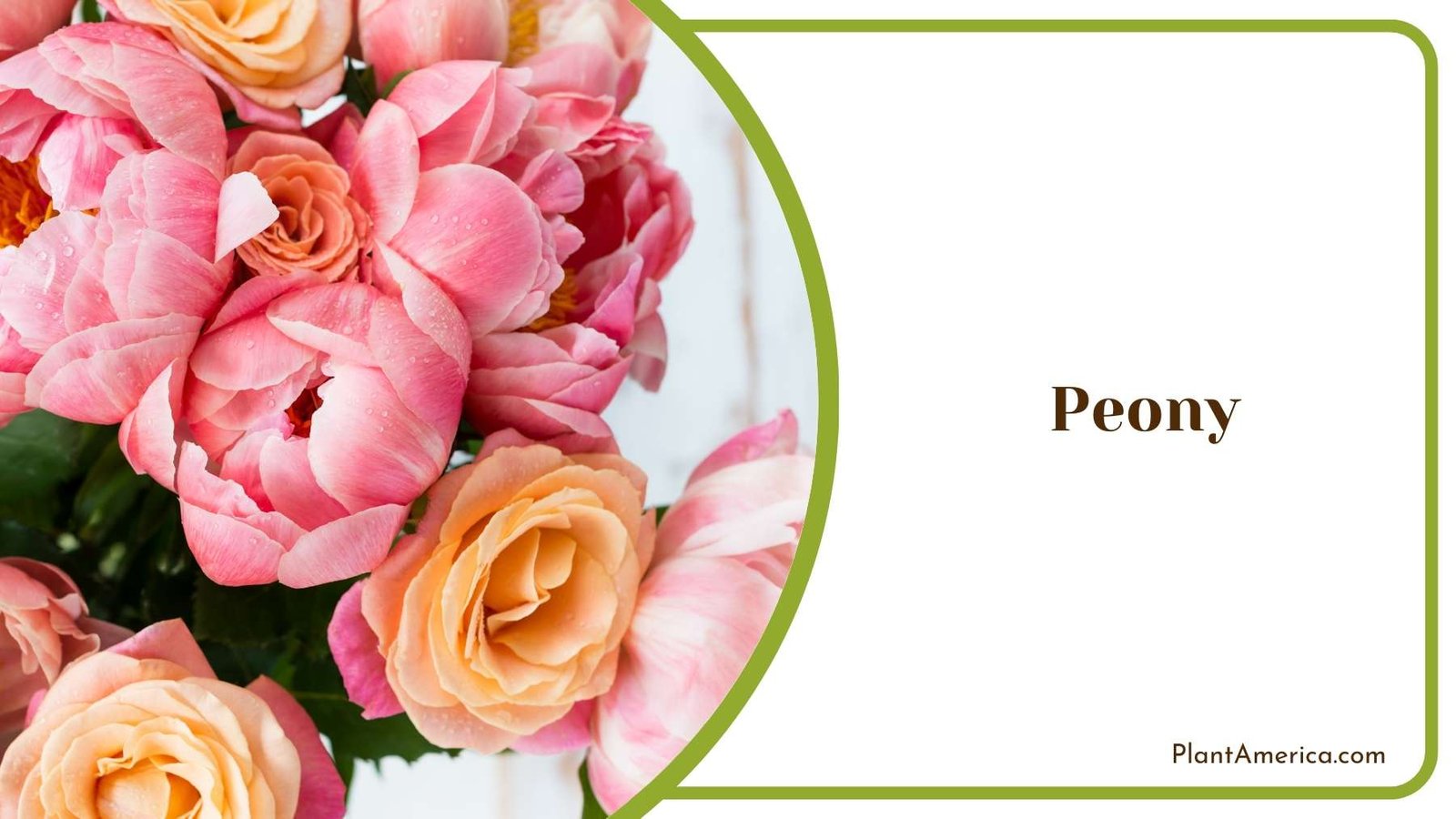
3. Peony
- Growing Season: Late Spring, Early Summer
- Leaf Type: Large, compound leaves, Basal rosette
- Specific Needs: Full sun, Rich and moist soil
- Common Pests: None
Peonies enchant gardens with their large, lush blooms displaying intricate inner petals. Native to Asia and Europe, these herbaceous perennials thrive when provided with optimal growing conditions. Come late spring, dense rosettes of handsome foliage precede spectacular blooms carried atop stout stems.
Among the white-flowering selections, simple singles or doubles in pristine ivory captivate onlookers. Low-maintenance established peonies flourish with fertile, moisture-retentive grounds in full sun. Their sturdy rootballs develop over the years, gradually expanding circular mounds to three feet in diameter. Later blossoms make fine-cut flowers resplendent in bouquets.
Selecting a planting position allows airflow while consistently moist soil nourishes robust root growth. Peonies perform reliably for many years with minimal fuss. Periodic division opens room for new seedlings while maintaining vigorous mature sectors.
Graced with lush greenery and showy blooms, peonies invigorate borders, symbolizing prosperity, compassion, and a happy life. Their abundant flowers appear destined for artistic admiration as porcelain sculptures, brooches, and works of remembrance. Beyond visual splendor, peony fragments lend soothing scents to sachets and potpourri, infusing interiors with a summer atmosphere year-round.
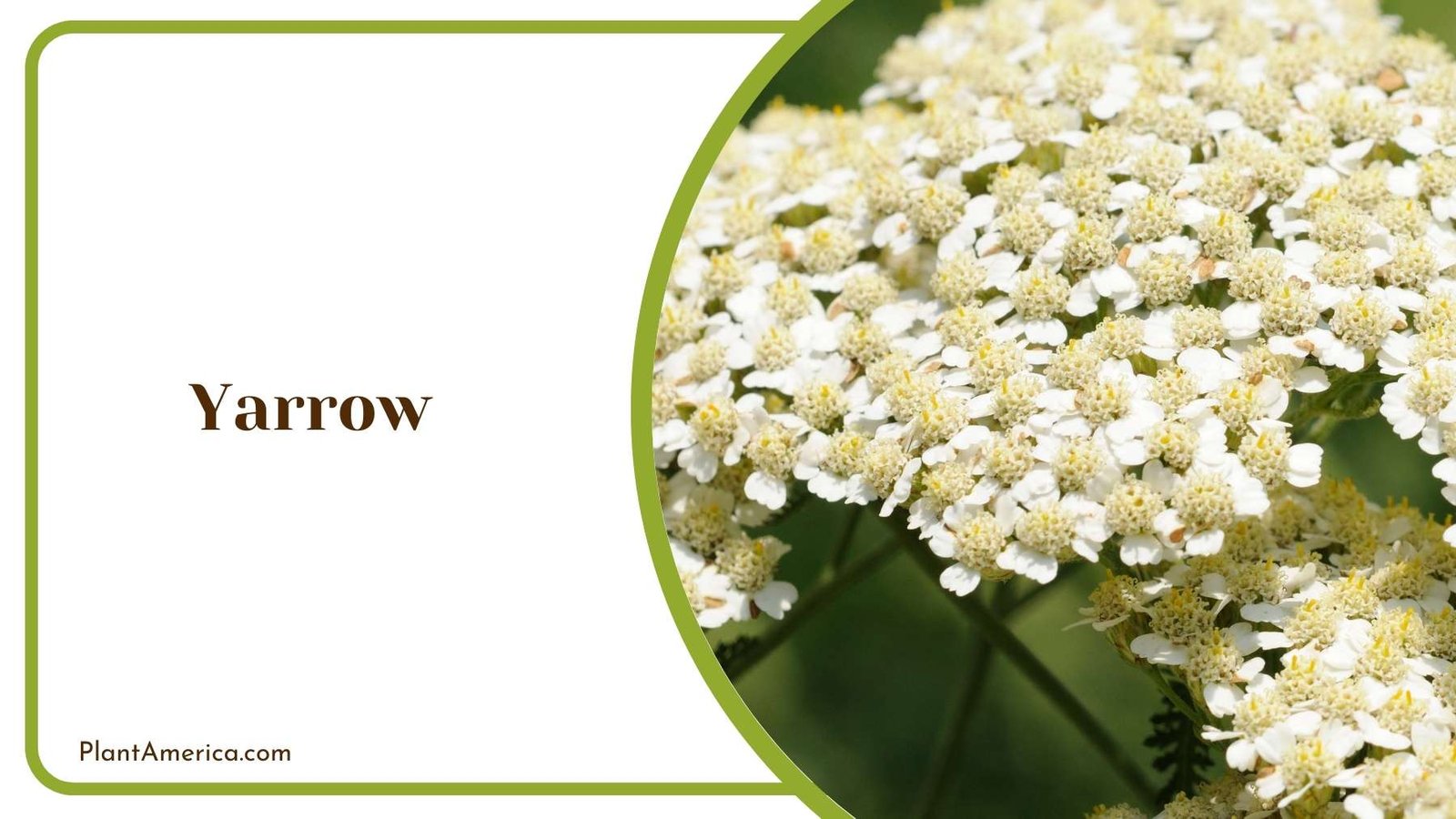
4. Yarrow
- Growing Season: Spring, Summer, Fall
- Leaf Type: Fern-like, Feathery leaves
- Specific Needs: Full sun, Drought tolerant, Adaptable to soil type
- Common Pests: None
Yarrow is a sun-loving perennial known for its attractive foliage and fluffy flowers that bloom from summer into fall. Native to temperate regions of Asia, Europe, and North America, this hardy plant comes in various colors, including whites, pinks, yellows, and reds.
The white flowering yarrows stand out nicely in the landscape, providing fragrant flowers that attract pollinators. Their ferny, green leaves form a dense basal clump, and the thin, gracefully arching stems bear clusters of tiny florets. Yarrow is drought tolerant once established and thrives with little water or nutrient inputs in the garden.
Thanks to its adaptability and low maintenance needs, yarrow is a popular choice for meadow and prairie plantings and ornamental gardens. It prefers full sun but will tolerate some light shade. The soft flowers and foliage create a nice texture in flowerbeds and borders. In fall, the stems can be tied in small bundles and dried for graceful winter arrangements indoors.
5. Geranium
- Growing Season: Spring, Summer, Early Fall
- Leaf Type: Palmate leaves, Composed of 5 lobes
- Specific Needs: Full sun, Moderate water, Adaptable soil
- Common Pests: Leafhoppers, Aphids
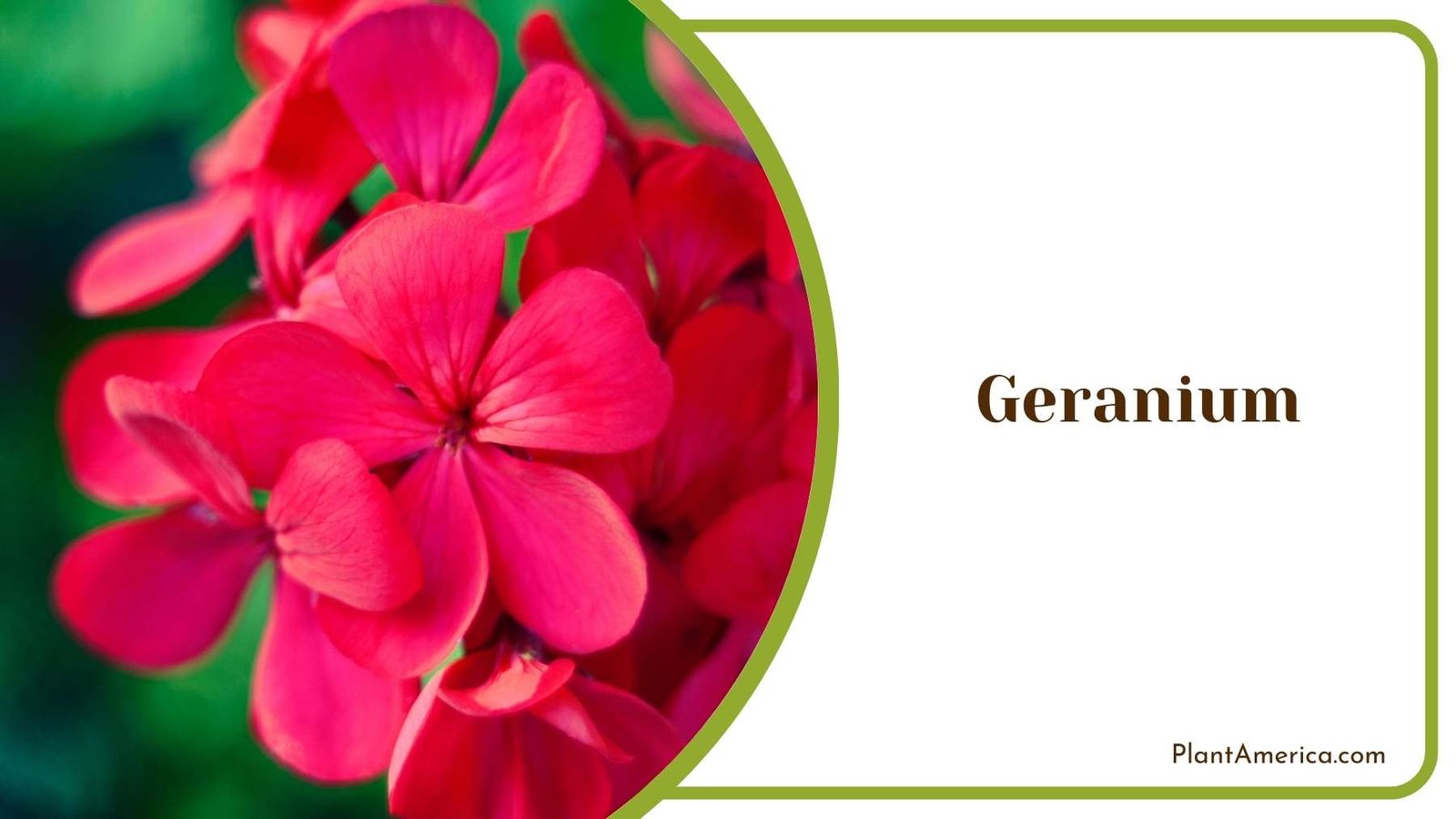
Geraniums offer a splash of color to gardens from early summer through fall. Their globe-shaped white flowers emerge above cut leaves composed of multiple lobes.
Within the genus, Geranium Phaeum is a toughened perennial variety prized for dependability. Commonly called white cranesbill, its stalks of nodding blooms reinforce plantings through humid conditions and draughts alike. Thriving from coastlines to mountain meadows, cranesbills tolerate myriad soils yet flourish with fertility and drainage.
When established in full sun, Geranium Phaeum carpets garden beds with growth habit low and spreading. Tapered leaves form an attractive basal rosette by mid-spring, followed by stems to 20 inches bearing rounded clusters. Periodic deadheading encourages reblooming for months on end until fall frost. Despite attracting occasional leafhoppers and powdery mildew, plants readily overcome minor issues without intervention.
As clumps fill in, division opens space for expansion every few years with sharp tools. New segments take readily when replanted securely in amended soil. Enduring robustly for years with scant care, cranesbills complement borders and containers with sturdy architectural foliage and vibrant flowers.
6. Catmint
- Growing Season: Spring, Summer, Early Fall
- Leaf Type: Gray-green, Aromatic, Oval leaves
- Specific Needs: Full sun, Tolerates dry soils
- Common Pests: Aphids, Powdery mildew
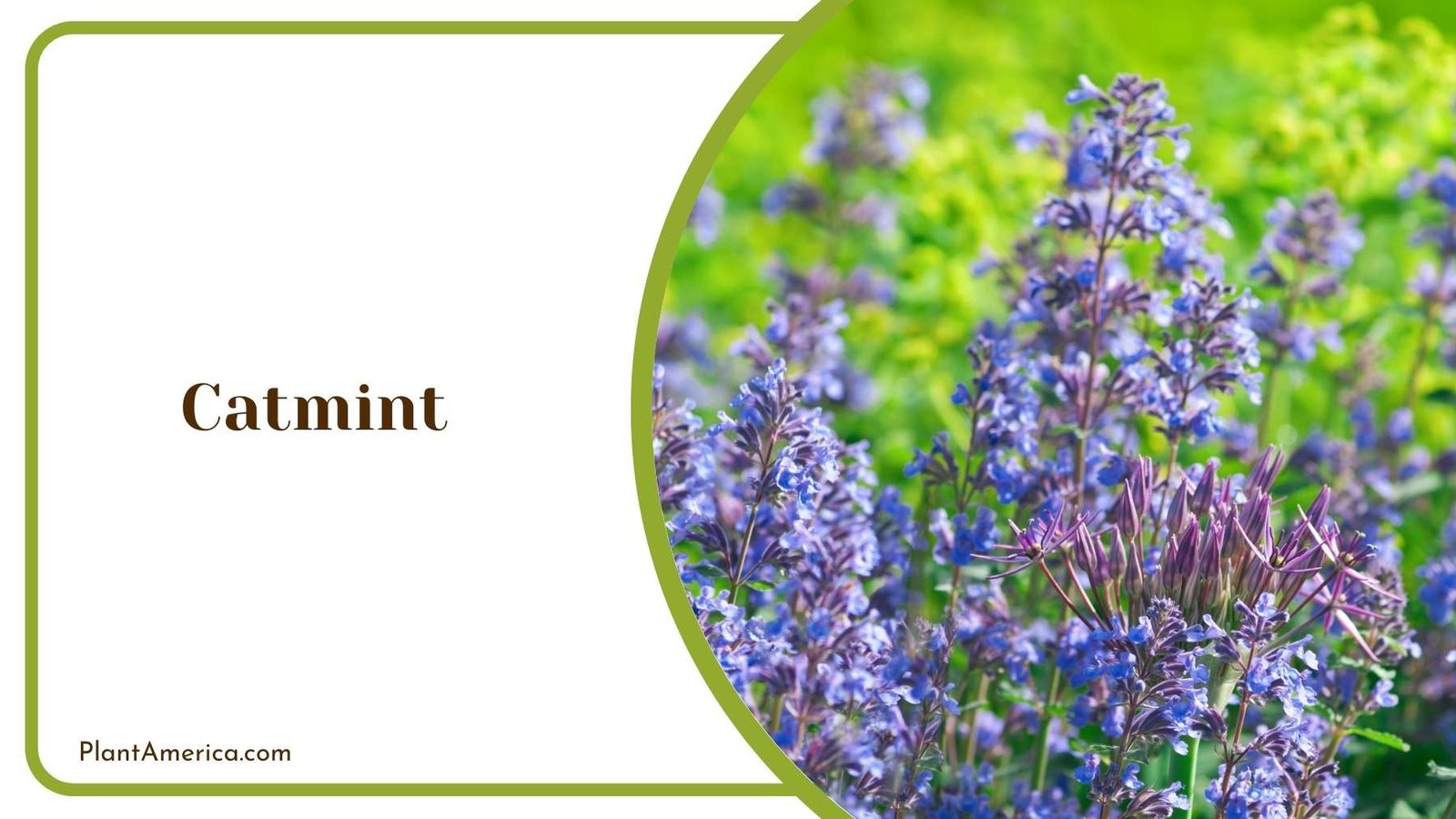
Catmint flowers gracefully atop spreading mounds of aromatic foliage beloved by feline companions. Native to Mediterranean regions, Nepeta species naturalized readily throughout temperate zones. Their square stems bear whorls of small, lavender-blue blooms that attract butterflies and bees.
Among these hardy plants, the pure white variety ‘Crystal Catmint’ contributes elegant color to borders for months. Thriving in lean soils with good drainage, individual plants spread steadily by underground rhizomes. Come mid-spring, gray-green aromatic leaves form a mat followed by bloom spikes to two feet.
Periodic deadheading prolongs Catmint’s show into fall. Only occasionally may powdery mildew or clusters of tiny aphids affect plants, usually disappearing without intervention. Division or seed collection every two to three years reinvigorates them. Dry flower stems also interest wintertime bouquets when tied into small bunches.
Renowned for naturally deterring pesky outdoor cats from trampling spaces, ‘Crystal Catmint’ softens the edges of other gardens with a subtle fragrance. Interweaving patches among lush companions like summer phlox or shasta daisies lend to their serenity.
7. Primrose
- Growing Season: Spring, Early Summer
- Leaf Type: Soft, Lobed, Tufted basal leaves
- Specific Needs: Partial shade, Moist well-draining soil
- Common Pests: Aphids
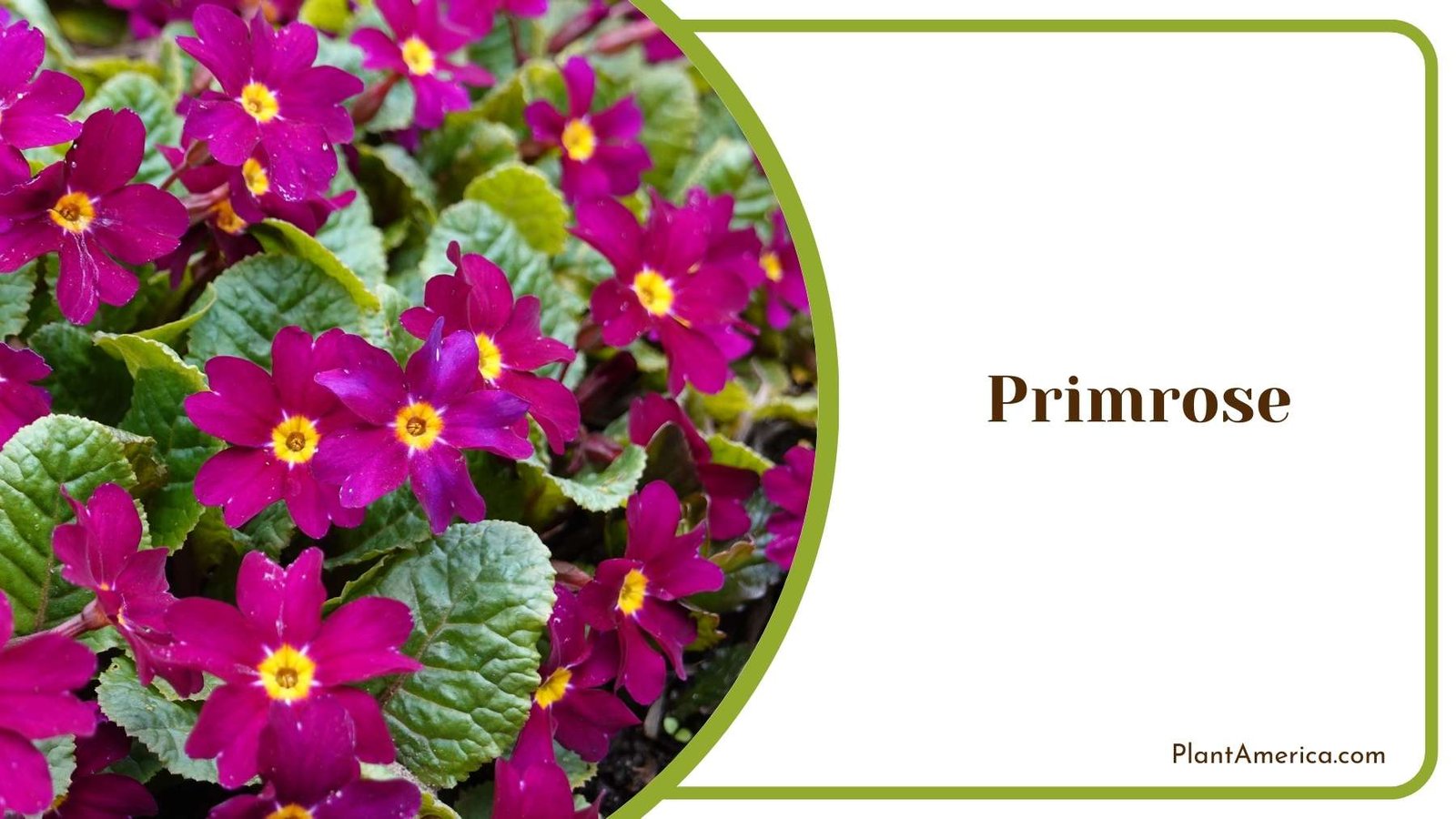
Primroses lighten shaded areas under trees and bushes with cheerful blooms. Native to Europe and Asia, these plants bear fragrant clusters atop delicate stems. Throughout early spring, various colorful cultivars emerge, including wispy white varieties.
Primroses thrive with protection from harsh sun, yet ample moisture and well-draining soil allow good drainage. They flourish along woodland borders or among taxa in containers. Come spring, the soft basal leaves form dense tufts followed by stalks holding clusters of tiny flowers.
In ideal conditions, a few white primrose blossoms elongate into summer. Deadheading spent blooms encourage additional rounds of color. Occasionally, powdery mildew or aphids may become issues, usually resolving without intervention given good air circulation. Root rot only poses risks in poorly drained, overwatered settings.
Division benefits primroses every two to three years to reinvigorate clumps and replace aging outer sections. Newly divided portions appreciate a gentle start away from excess humidity and total sun exposure until established. Their cheerful blooms and lightening shaded nooks need minimal fuss, making primroses a welcoming addition alongside trees and shrubs.
8. Clove Pinks
- Growing Season: Spring, Summer, Early Fall
- Leaf Type: Gray-green, Lance-shaped basal leaves
- Specific Needs: Full sun, Average well-draining soil
- Common Pests: Slugs, Powdery mildew, Aphids
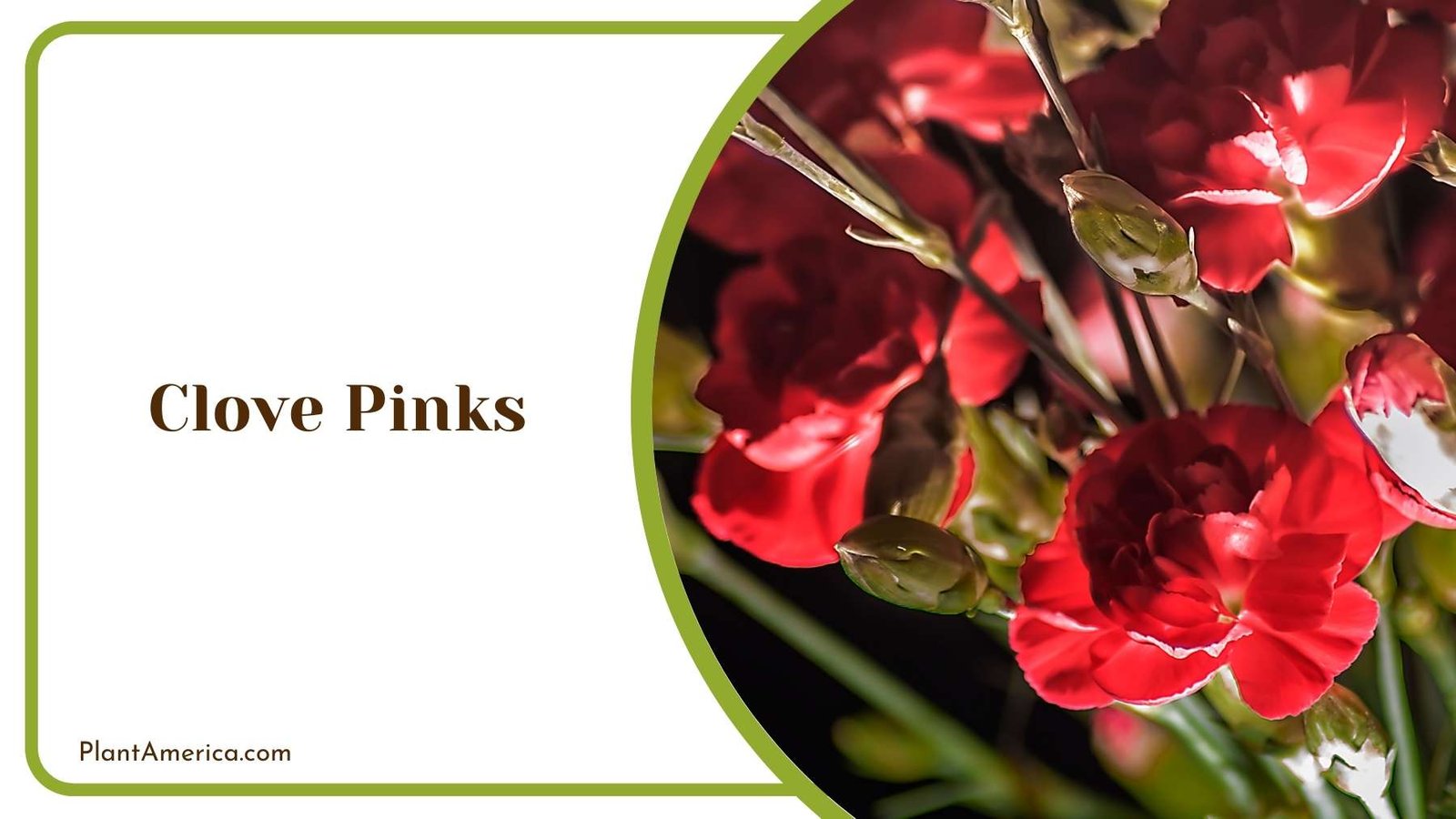
Clove pinks impart a fragrant vintage charm to garden borders with their frilly blooms. Also called pinks or gilliflowers, these tender perennials native to Southern Europe produce delicate flowers resembling miniature carnations.
Many cultivars exist, including varieties bearing solitaire-type white blooms. Thriving in full sun with soil containing organic matter, clove pinks send basal rosettes of lance-shaped foliage followed by flower stalks.
Their ruffled blooms resemble small pomanders and appear unique from early summer into fall. Good airflow prevents powdery mildew buildup, while occasional slugs may be attracted. Deadheading spent blossoms encourages a more extended bloom period.
With scant other needs, clove pinks reliably self-sow readily where happy. Every two to three years, gentle division thins clumps to redistribute or share with friends. Their softened scent lingering on fingers imparts nostalgic impressions well after handling blooms have faded for winter.
9. Bellflowers
- Growing Season: Spring, Summer
- Leaf Type: Long-stalked medium green leaves, Basal rosette
- Specific Needs: Partial shade, Average, moist, well-draining soil
- Common Pests: Powdery mildew, Slugs, Snails
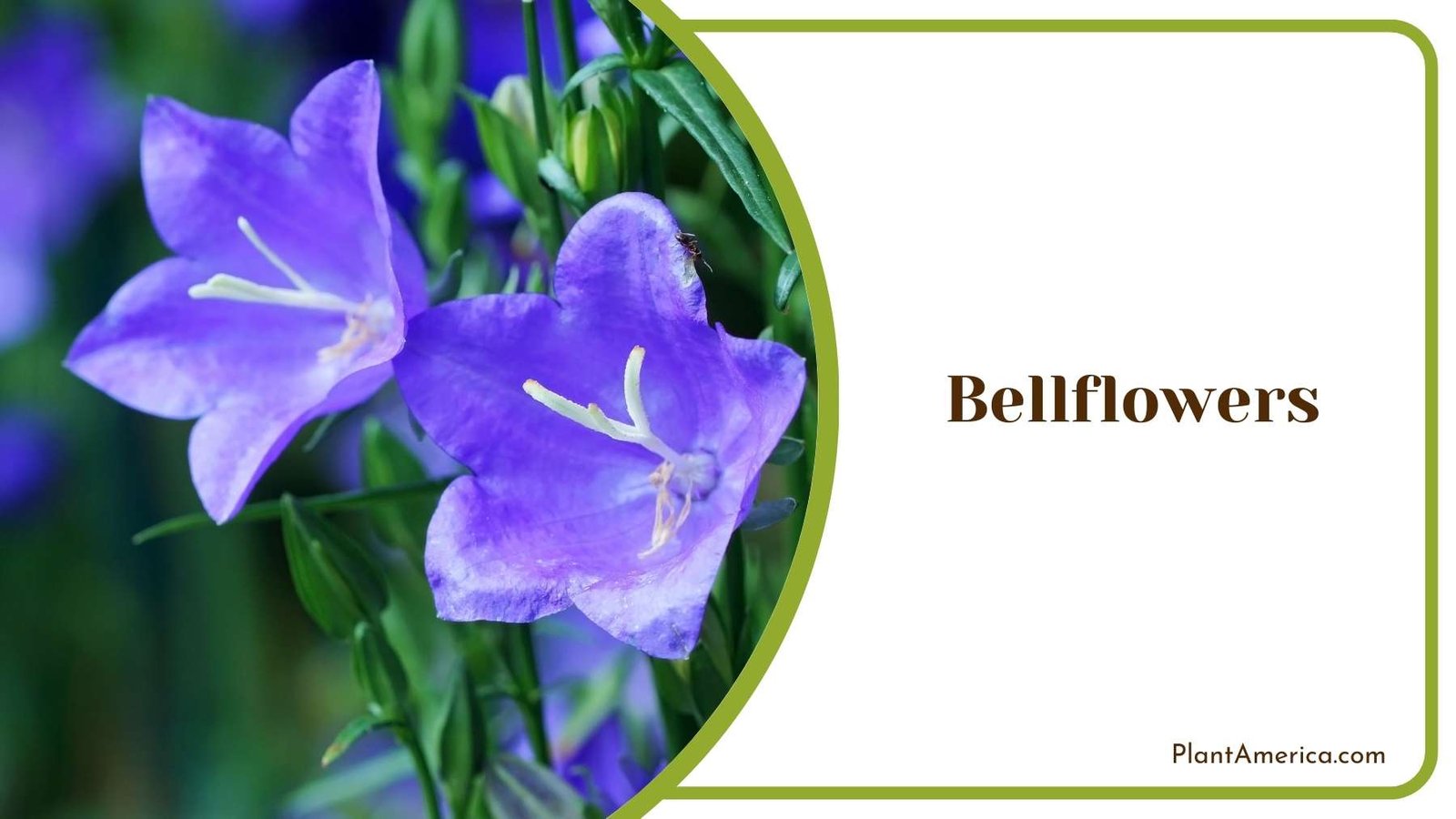
Bellflowers are cherished woodland perennials that produce charming bell-shaped blooms in white, pink, and purple shades. Among the many Campanula species, the Carpatica cultivars are prized for their pristine white flowers that nod gracefully on delicate stems from mid-spring into early summer.
Thriving in dappled light and rich, moisture-retentive soils with excellent drainage, Carpatica bellflowers send dense basal rosettes of long-stalked green leaves. Come spring, curved stems emerge carrying pendulous clusters of bell-shaped florets. Regular deep watering during flowering ensures continuous blooms throughout their season.
Proper care and growing conditions help bellflowers avoid common issues like leaf spots and powdery mildew. Ensuring good airflow around plants is essential, as is removing spent flowers to encourage reblooming. Occasional damage from slugs and snails may occur but typically does not seriously impact plant health.
Their graceful blooms also make bellflowers an ideal choice for containers on patios or porches, where regular watering can be more closely monitored. With minimal care requirements beyond its preference for woodland-style conditions, Carpatica bellflowers thrive reliably for many springs.
10. Bleeding Heart
- Growing Season: Spring, Early Summer
- Leaf Type: Heart-shaped green foliage, Arching hairy stems
- Specific Needs: Partial shade, Rich, moist, and well-draining soil
- Common Pests: Slugs, Snails
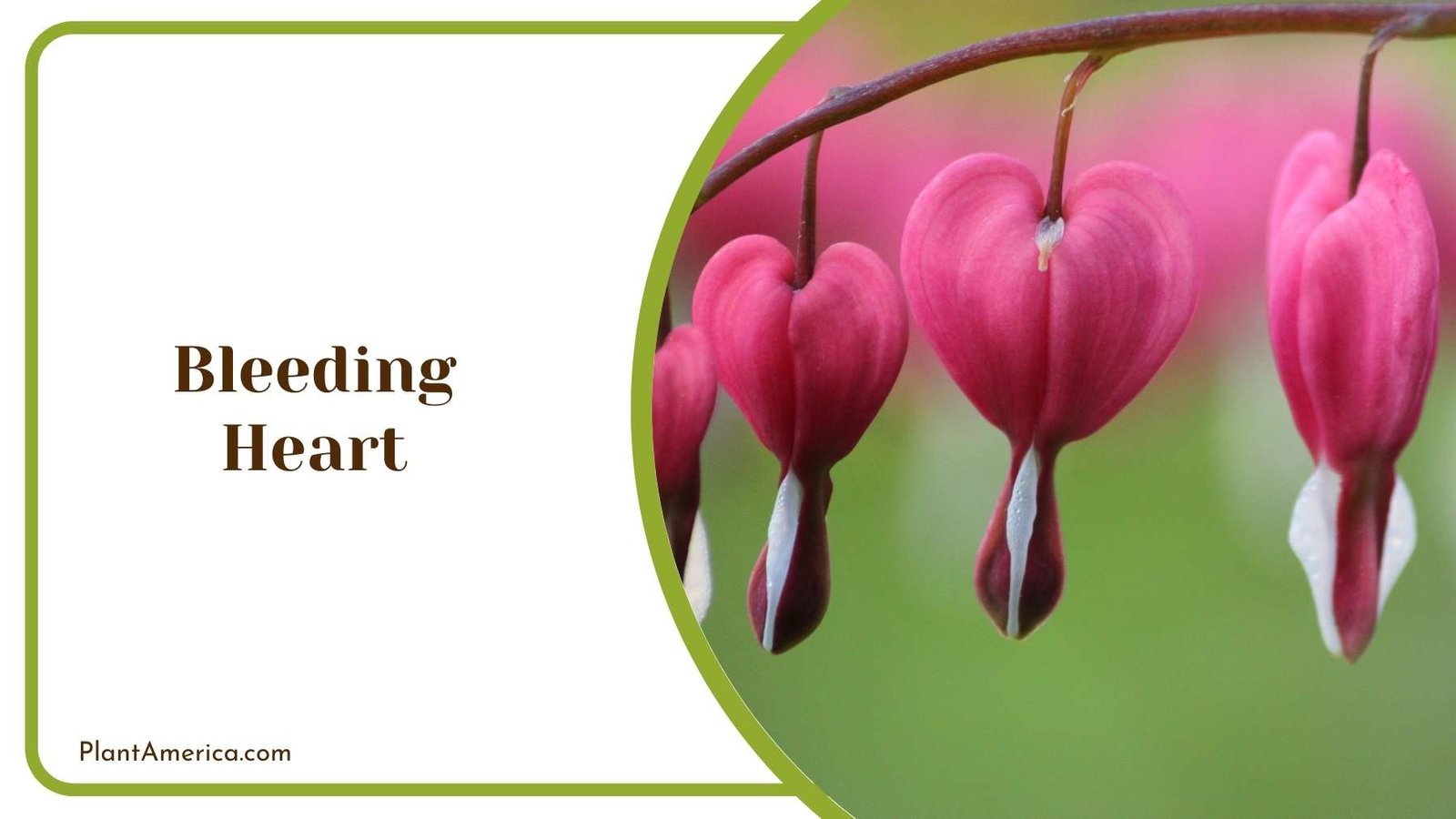
Bleeding Heart brings charming bloom and whimsical foliage to woodland gardens each spring. Several species within the genus Lamprocapnos thrive naturally across Asia and Europe. Notable cultivars bear lengthened pendulous pink or white flowers.
Originating from deciduous forest floors, bleeding hearts thrive yet remain contained with neat vertical branching. Their alternating heart-shaped leaves emerge in spring, followed by arching stems laden with pink or white blooms. Within six weeks, colorful flowers fade gradually, replaced with rounded seedheads lending further charm until autumn.
Partial shade suits bleeding hearts best with moist yet free-draining nutrient-rich soils. Excess sun drying their foliage too rapidly. Regular water supports continuous blooming throughout springs. Occasional powdery mildew, leaf spot, or slug damage affecting plants resolves quickly without treatments given adequate care otherwise.
Every several years, divisions share values with friends or rearrange placements. Graceful weeping blooms accent woodland pathways, rockeries, and shaded container edges for springs, followed by lively seedheads. Minimal needs within preference for woodland conditions see bleeding hearts thrive as companions in such settings for many years.
11. Coral Bells
- Growing Season: Spring, Summer, Early Fall
- Leaf Type: Dark green, Heart-shaped or variegated foliage
- Specific Needs: Partial shade to full shade, Moist well-draining soil
- Common Pests: Powdery mildew
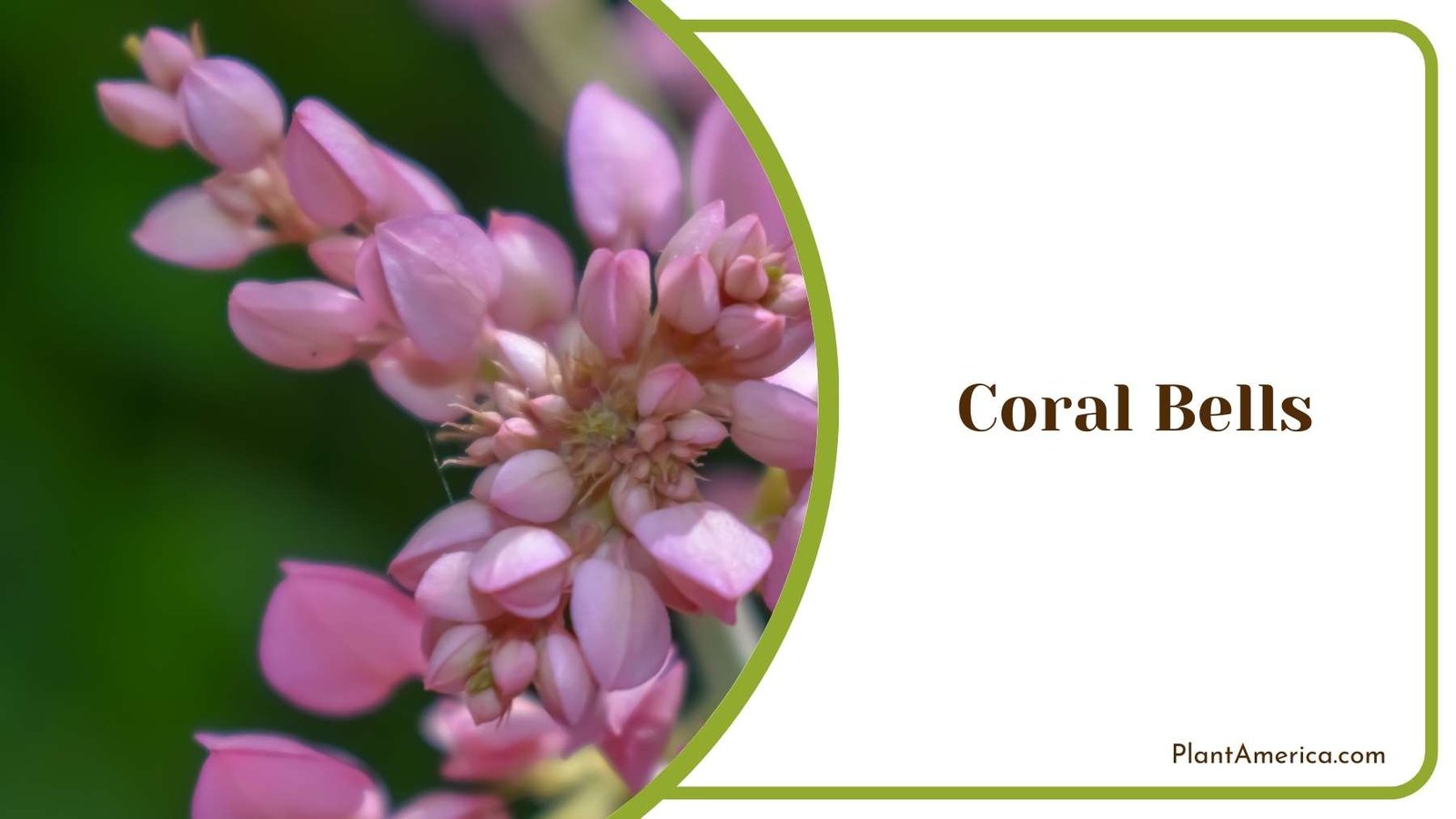
Coral bells thrive as graceful accents under trees with arching stems bearing nodding blooms. Several Heuchera species native to eastern Asia and North America naturally became effective perennials. Their colorful flower bracts appear as delicate tissues wrapped over clusters tantalizing hummingbirds and butterflies during springs and summers.
Among selections, pure white cultivars contribute softness below canopies with bright foliage and flowers lasting for months. Optimal partial shade protects coral bells from scalding, while regular moisture sustains growth without discouraging good drainage. In spring, leaf basal tufts emerge in various caramel, purple or green combinations.
Stemming upward shortly after that, arching panicles with small blooms amongst foliage nod gently during breezes, attracting visits. Occasionally, coral bells may experience minor leaf spotting or powdery mildew requiring no treatment, resolving with the next season’s growth. Dividing every three to five years lifts and replants portions invigorating established clumps with fresh soil.
Coral bells integrate successfully among companion flowers, preferring cooler temperatures such as hostas, astilbes, and ferns. Their fine textures and seasons-long charm welcome birds and butterflies below trees and within beds accented by stones. With minimal needs beyond average moisture and dappled light, coral bells prove reliably low-maintenance perennials.
12. Phlox
- Growing Season: Late Spring, Summer, Early Fall
- Leaf Type: Medium green leaves, Basal rosette
- Specific Needs: Full sun to partial shade, Moist well-drained soil
- Common Pests: Slugs, Snails
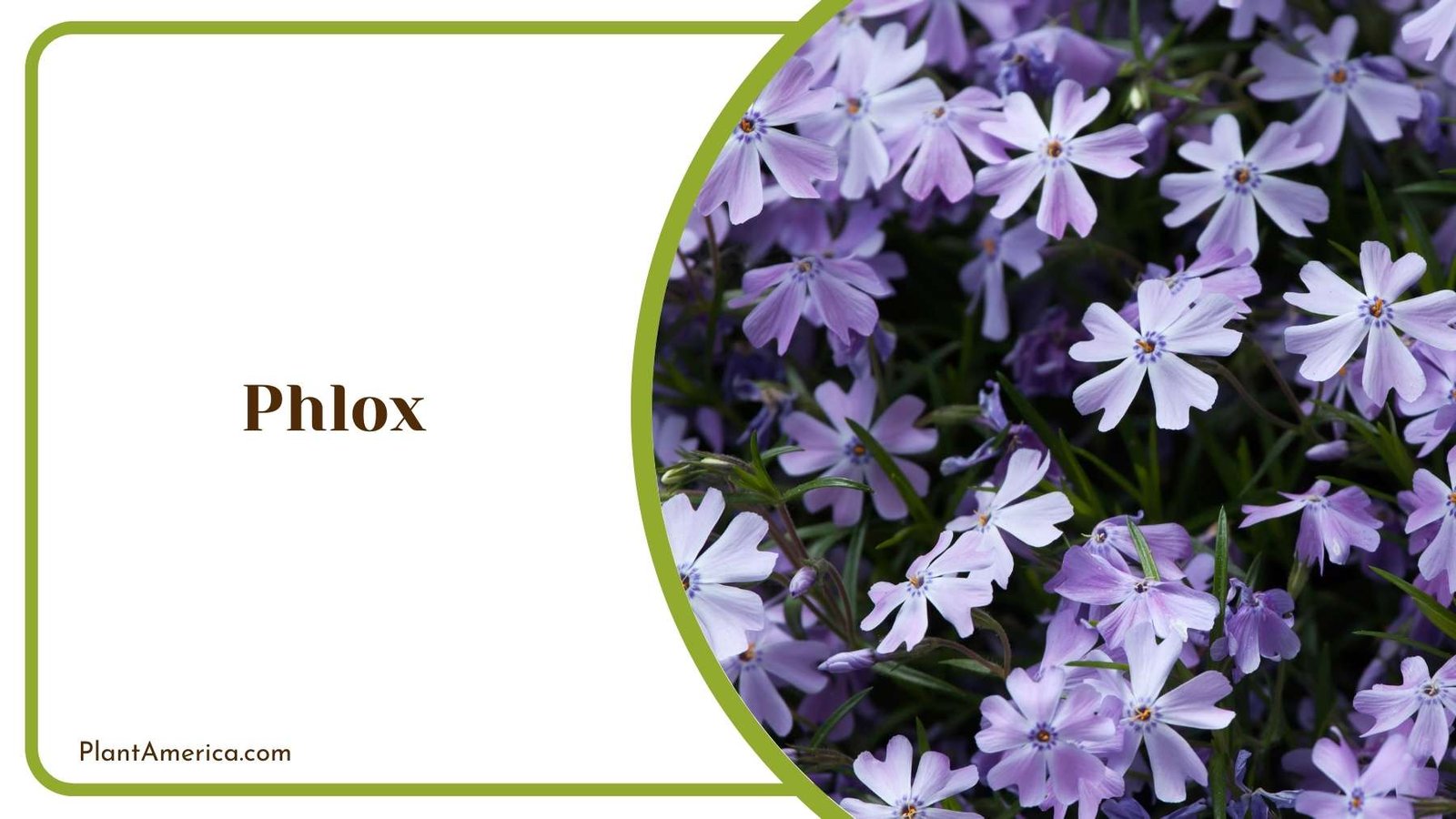
Phlox brighten gardens with large panicles of colorful blooms beloved by pollinators. Native to eastern North America, these sturdy perennials spread steadily to form clumps ideal for borders or meadow plantings. Starting in late spring, various cultivars emerge bearing clusters of ruffled flowers in various hues, including pure white shades.
Thriving in moist yet free-draining soil, phlox appreciates consistent moisture, especially during flowering. Those preferring partial shade flower progressively through summer. Good air circulation helps prevent powdery mildew buildup, while occasional pests like leaf spots or slug damage affect plants minimally.
‘David’ produces rounded clusters of pristine ivory lightly dusted in pale pink hues at the center. Reaching two to three feet tall, depending on conditions, its branching stems an abundance of flowers attracting swarms of butterflies and bees. Deadheading spent blooms encourage further rounds of color through early fall.
Phlox proves reliably long-lived and resilient perennials within woodland gardens and meadow edges alongside companion flowers equally prizing sun or shade, such as coneflowers and daisies. Minimal requirements beyond regular moisture and nutrient-rich soil see phlox thrive with spread habit naturalizing quickly where suited.
13. Chrysanthemum
- Growing Season: Late Summer, Fall
- Leaf Type: Silvery-green to gray foliage, Rounded basal rosette
- Specific Needs: Full sun, Average well-draining soil
- Common Pests: Spider mites
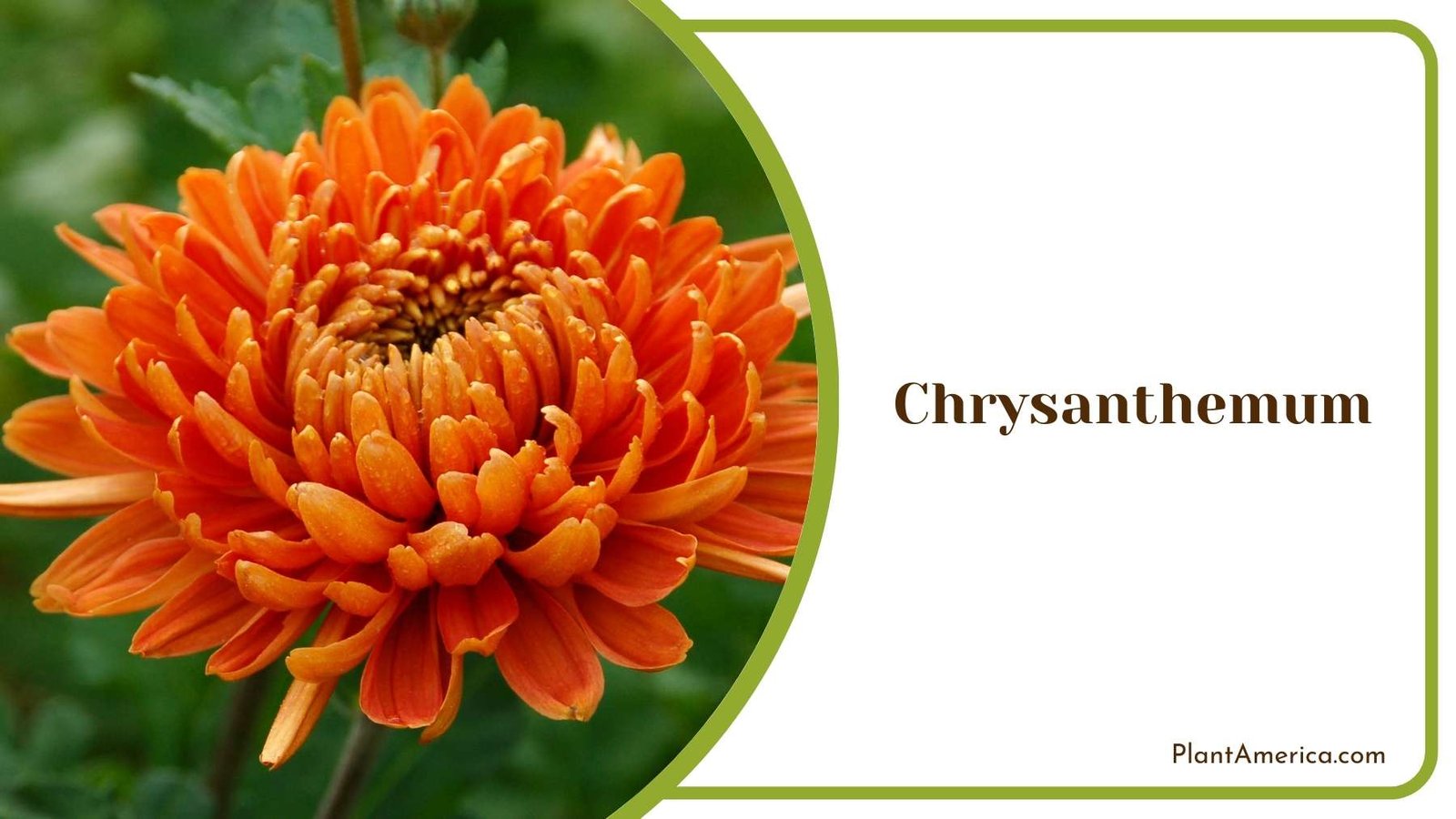
Hardy chrysanthemums cheer up autumn gardens with their bright blooms beloved by foragers. Native to East Asia and Northeastern Europe, several species adapted readily as reliable perennials. In late summer, their rounded basal rosettes emerge wrapped in silvery green hues, followed by sturdy flower stalks bearing pom-pom blooms.
Among varieties, pale cultivars resembling crested poms are highlighted in fresh white elevated beds, borders, and containers. Thriving best in full sun with fertility and moisture retention, plants spread steadily, dotting landscapes in ethereal blooms through first frosts. Regular deadheading encourages reblooming for weeks onward.
Occasionally, rust or powdery mildew may spot foliage, usually resolving without treatment. Vibrant flowers often attract spider mites, appearing as tiny red specks and creating webbing requiring spraying with a strong water jet to deter spread. Given adequate moisture and nutrition, plants naturally endure occasional pest or disease issues with scant impact.
Hardy chrysanthemums lend cheerful color, serving as cut specimens vibrant in bouquets or uplifting spirits during late Autumn alongside Michaelmas daisies.
14. Daylily
- Growing Season: Summer
- Leaf Type: Long, thin, Sword-like leaves
- Specific Needs: Full sun, Moisture-rich soil
- Common Pests: Fungal rust, Scale insect, Daylily borer moth
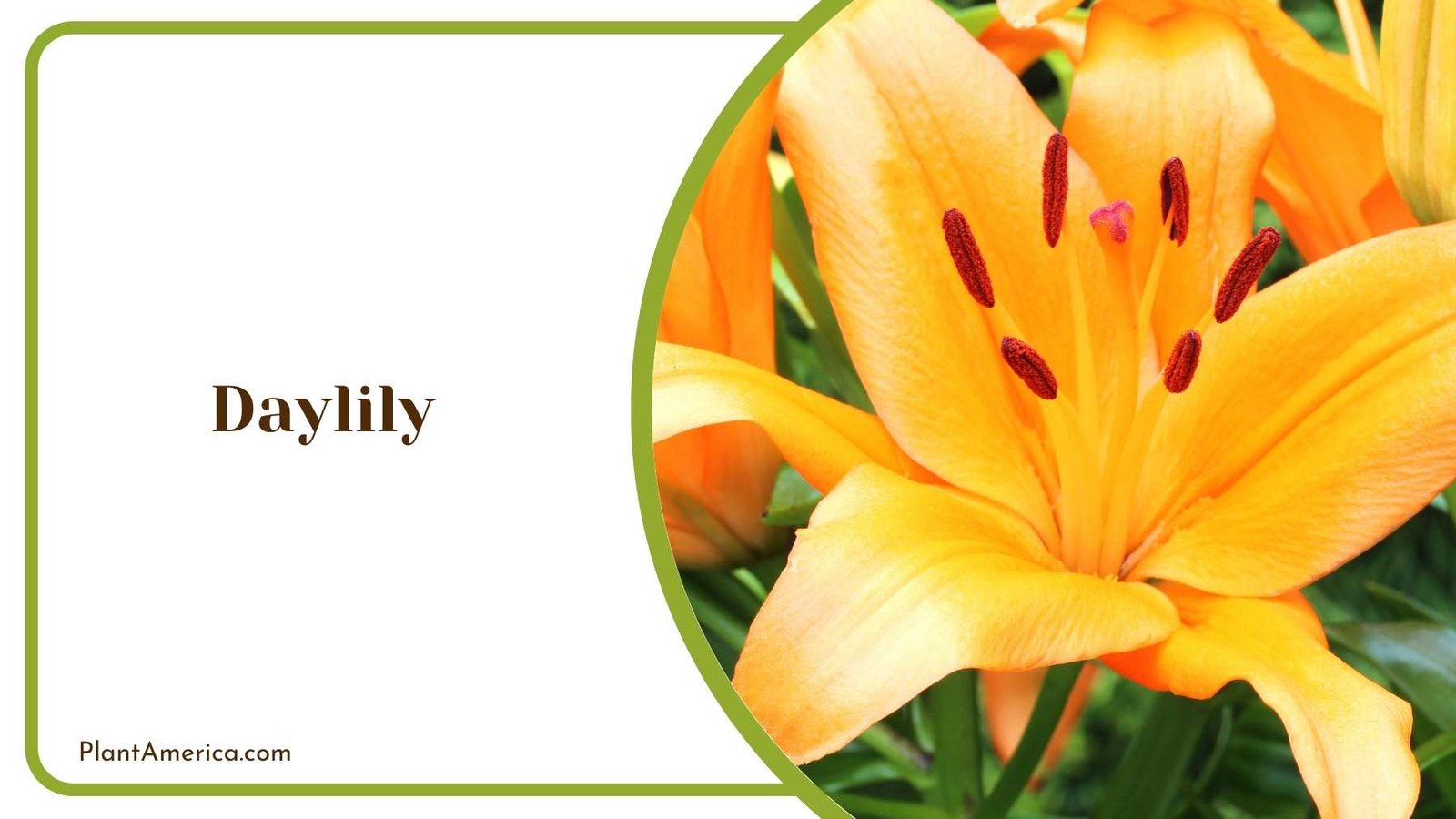
Daylilies brighten summer gardens with an abundance of sculptural blooms beloved by pollinators. Numerous cultivars, including snowy white bloom varieties, have been selectively bred from East Asian species. Appreciating full sun and fertile moisture-retentive ground, these hardy perennials thrive, prospering via underground tubers.
By early summer, daylilies send up tufts of sword-like leaves followed rapidly by Branched flower stalks studded with intricate blooms. Individual flowers self-clean over days to encourage further blooms through mid-summer. Deadheading spent blooms promote additional flower cycles through fall if moisture remains sufficient.
Periodic division redistributes underground tubers throughout beds, reinvigorating mature stock for years ahead. Freshly replanted tubers take hold quickly. Occasionally rust, scale, or borers may cause minimal leaf spotting or damage, usually resolving without treatment given suitable conditions.
Easy to grow and spectacular summer blooms make daylilies outstanding perennials welcoming butterflies and hummingbirds. Snowy white varieties impart delicate charm amidst colorful cultivars alongside pathways, containers, or naturalizing casually within borders.
15. Goatsbeard
- Growing Season: Late Spring, Summer, Early Fall
- Leaf Type: Alternating hairy, oval leaves, Square stems
- Specific Needs: Full sun, Average well-drained soil
- Common Pests: Leaf spot, Powdery mildew, Aphids
Goatsbeard lends an ornamental presence to prairie-style gardens with unique seedheads and attractive foliage. Native to Europe and Asia, several Aruncus species were established readily across temperate zones.
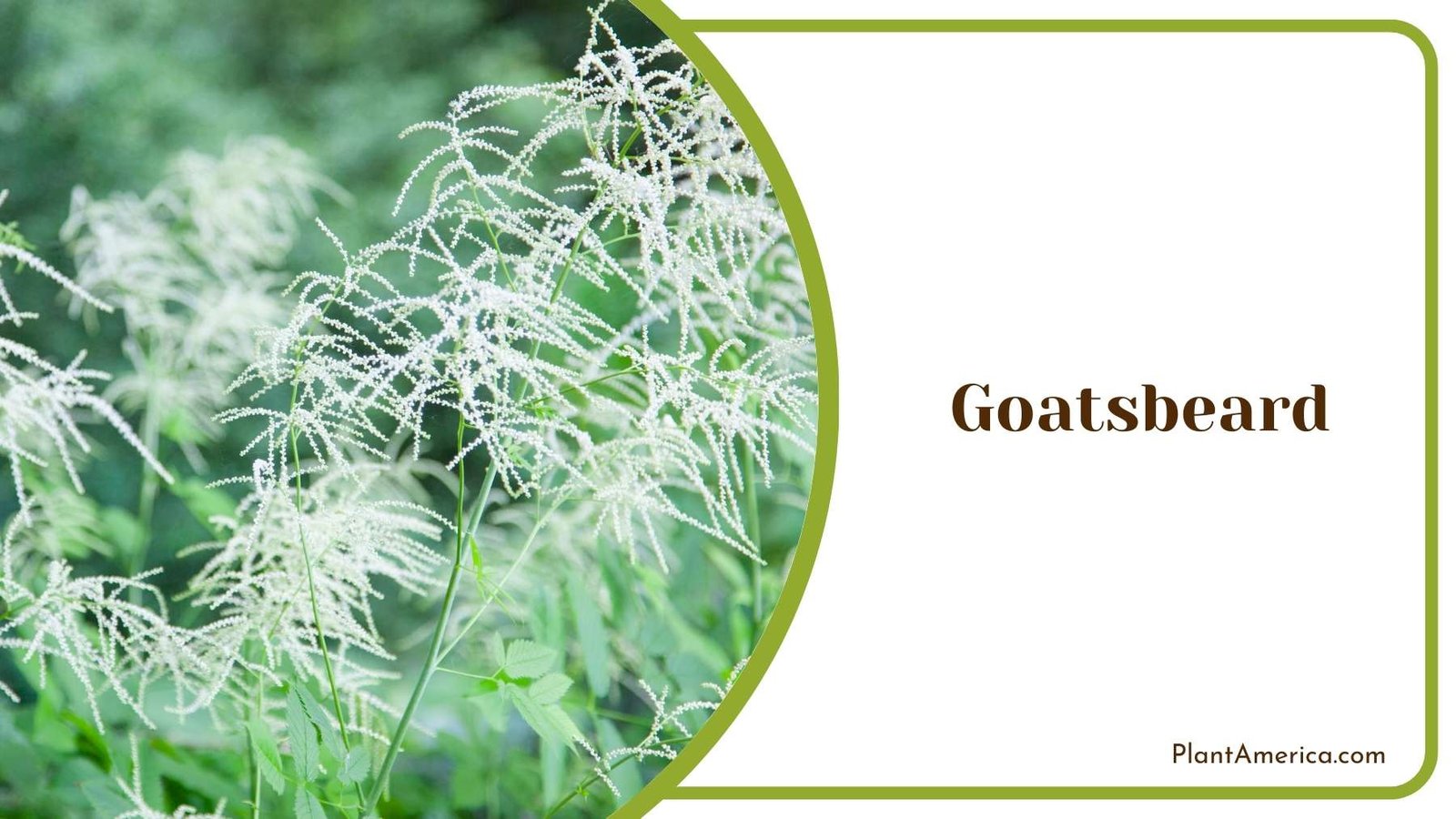
Distinctive cultivars like ‘Knefelsii’ produce fragrant white plumes arising during early summer. Appreciating fertile moisture-retentive grounds in full sun, goatsbeard spreads steadily to form bushy clumps around three feet tall by late season. Good airflow helps prevent occasional buildups of leaf spots or powdery mildew requiring no treatment.
Towering seedheads composed of feathery plumes swaying gently during breezes persist, intriguing small songbirds through fall and winter. Their singular silhouette provides architectural structure, prolonging visual interest. Division invigorates established patches every third year, lifting and replanting portions.
Goatsbeard integrates beautifully among wildflower plantings and prairie restorations. Along woodland edges, their fine-textured ornamental foliage complements blossoms of summer phlox and purple coneflowers. Minimal needs beyond regular moisture see goatsbeard naturalize readily as dependable perennials suited to wildlife value and unique character.
16. Spiderwort
- Growing Season: Spring, Summer, Early Fall
- Leaf Type: Narrow linear leaves, Loose basal rosette
- Specific Needs: Full sun to partial shade, Moisture-rich well-draining soil
- Common Pests: Powdery mildew
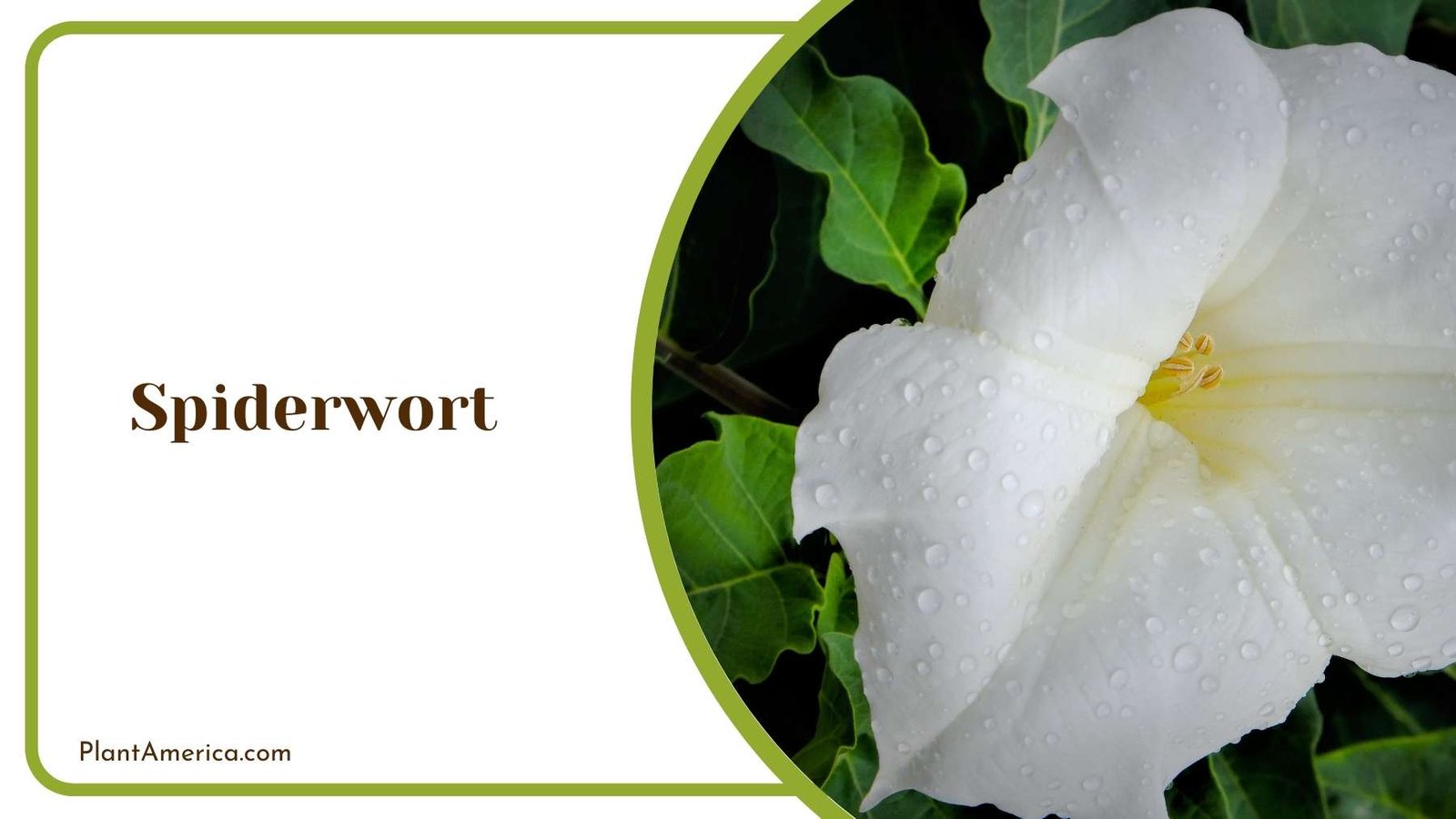
Spiderwort lends an airy presence to beds and meadows with their delicate blooms beloved by pollinators. Numerous Tradescantia species native to Central and Eastern North America thrive scattered or en masse. Spring trailing stems bear clusters of pale flowers resembling small spiders suspended via fine filaments.
Several white or soft pink cultivars emerge among coarse grass-like foliage ideally suited to prairie plantings. Thriving in sun or dappled conditions with regular moisture, spiderworts form loose clumps spreading steadily via underground rhizomes as seasonal growth follows rainfall.
Deadheading spent blooms encourage additional flowering rounds through summers. Given adequate airflow and drainage, occasional powdery mildew or leaf spots affecting plants resolve naturally without impacting health. Cut stems make charming small bouquets, especially alongside wildflowers.
Fresh segments settle quickly when replanted within native seed mixes or alongside companion perennials favoring sun or shade, such as coneflowers and blackeyed susans. Spiderworts lend ethereal summer texture, uplifting meadows, rain gardens, and Waterwise beds, keeping company with pollinators.
17. Poppies
- Growing Season: Late Spring, Early Summer
- Leaf Type: Grayish-green lobed leaves, Coarse texture
- Specific Needs: Full sun, Well-draining soil
- Common Pests: Aphids
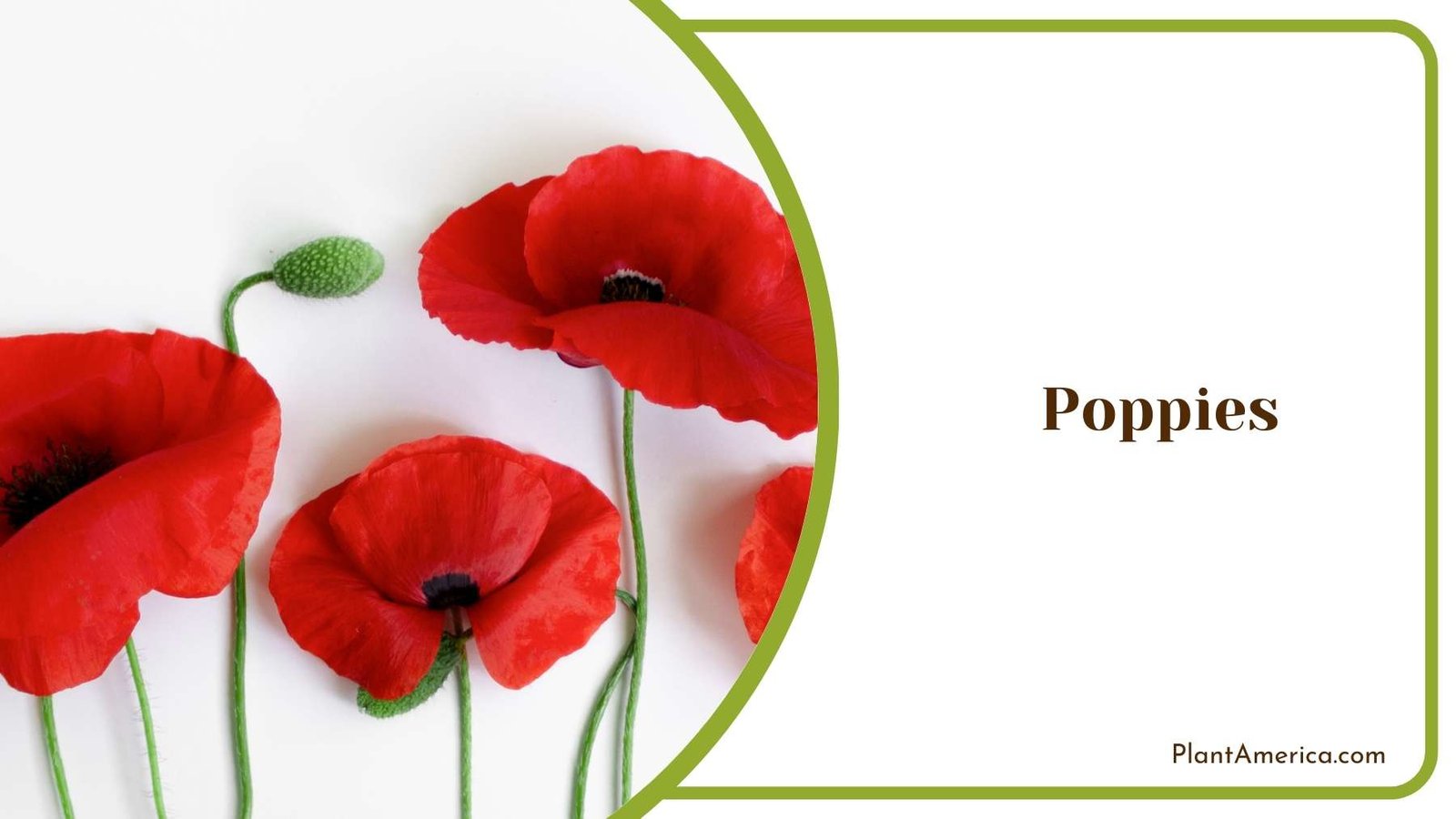
Poppies impart an ethereal air to gardens with their silky blooms beloved by pollinators. Several varieties native to Asia, Europe, and northern Africa grow freely across temperate climates. Come spring, lobed gray-green foliage emerges within a coarse texture perfect for cottage gardens.
Among varieties, pure white cultivars resplendent in solitary blooms offer delicate contrast amongst lavish companions. Ideal conditions involve total sun exposure and nutrient-rich soils with sufficient drainage to prevent root rot.
Poppies send vibrant flowers atop slender stems from late spring into early summer. Regular deadheading keeps plants blooming through early summer, supported by moisture during growth. Occasionally powdery mildew or aphid infestations affect leaves or stems, often dispersing naturally without intervention given suitable drainage.
Self-seeding readily Poppies naturalize easily, their seedlings popping up throughout suitable areas year after year. Deadheaded seed pods disperse silky seeds along pathways and within borders. Minimal needs beyond drainage and deadheading see Poppies thrive freely interwoven amongst perennials, roses, and wildflower meadows where pollinators flock to ample nectar.
Conclusion
This collection of 17 white perennial flowers provides numerous options to brighten any garden with fresh colors all season. A few top selections include:
- Catmint and clove pinks bloom profusely, spreading steadily to attract pollinators with fragrant blooms through mid-season.
- Daylilies and goatsbeard fill summer borders spectacularly until chrysanthemums take the spotlight in fall.
- Chrysanthemums are sturdy blooms that decorate autumn beds and borders, brightening as nights grow chillier.
Whether seeking flowers, foliage, or wildlife appeal, these versatile perennials invite discovery. Every garden has room for highlights of white, so choose your favorites and get planting – your efforts will be rewarded all season long.