
Mealybugs on Aucuba plant are a concern for garden enthusiasts. If you’re facing this currently or simply want to avoid this situation for all Aucuba varieties, then we’ve got the perfect guide for you!
Let’s dive in right now, shall we?
Why Are There Mealybugs on Aucuba Plants?
There are mealybugs on Aucuba plants, or Japanese laurel, the Aucuba japonica common name, due to the presence of a warm and humid environments, lack of natural predators, overcrowding of plants, weakened or stressed plant conditions, poor plant hygiene, and the introduction of infested plant material.
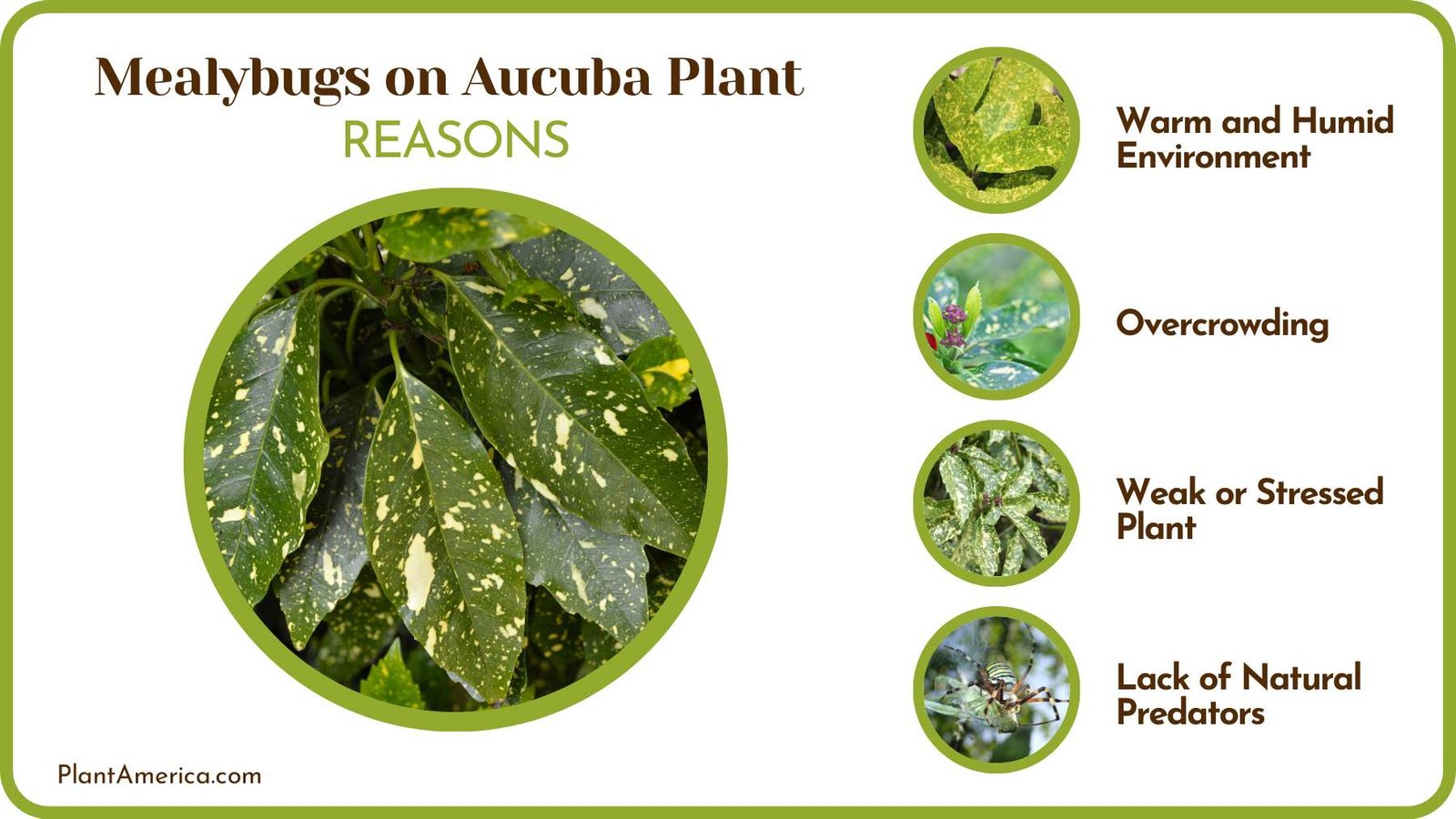
– Warm and Humid Environment
Mealybugs are drawn to Aucuba plants when the surrounding environment offers warmth and humidity. These pests love it when things get damp and warm. That kind of environment is extremely conducive to their growth and makes them reproduce even more. Moisture doesn’t just help them survive. It actually makes them grow up faster!
This means more mealybugs in less time. And guess what? A warm and humid environment is like a welcome mat for these bugs on Aucuba plants. If and when you leave these mealybugs alone, you might just find your plants dealing with a full-blown invasion.
– Lack of Natural Predators
When there is a lack of natural predators in the environment, mealybug populations on Aucuba plants can flourish unchecked. Ladybugs, lacewings, and parasitic wasps are nature’s own defense against mealybugs. They dine on these pests, keeping their populations in check.
When these helpful bugs are around, mealybugs don’t get the chance to multiply uncontrollably and take over the plant. But if these defenders are absent, mealybugs seize the opportunity to breed swiftly and conquer the plant. This unchecked growth can eventually result in a full-blown infestation.
– Overcrowding
When plants are densely packed, it restricts air circulation and creates shaded, sheltered areas where mealybugs can thrive. Insufficient spacing between plants creates difficulties in spotting and handling infestations.

At the same time, the closeness between them accelerates the quick movement of mealybugs from one plant to another. When plants are too close together, it’s also tough to reach all areas of the Aucuba plant to thoroughly check and take care of it. This can happen whether they are outdoors or indoor plants.
– Weak or Stressed Plant
Weak or stressed Aucuba plants are more susceptible to mealybug infestations due to their compromised natural defenses. When a plant is under stress, it allocates fewer resources to keep itself healthy. This opens the door for pests like mealybugs to take hold and becomes a bothersome issue, which is one of the Aucuba japonica problems
Plant stress can arise from not getting enough sunlight, improper watering, lack of nutrients, extreme temperatures, or physical harm. Stressed plants release chemicals that attract mealybugs and weaken the plant’s defense.
– Poor Plant Hygiene
Poor plant hygiene, characterized by neglecting to clean the plant’s surroundings, can contribute to mealybug infestations on Aucuba plants. Leaves fall, debris gathers, and plants break down near the plant’s roots, making secret spots where mealybugs can grow and multiply.
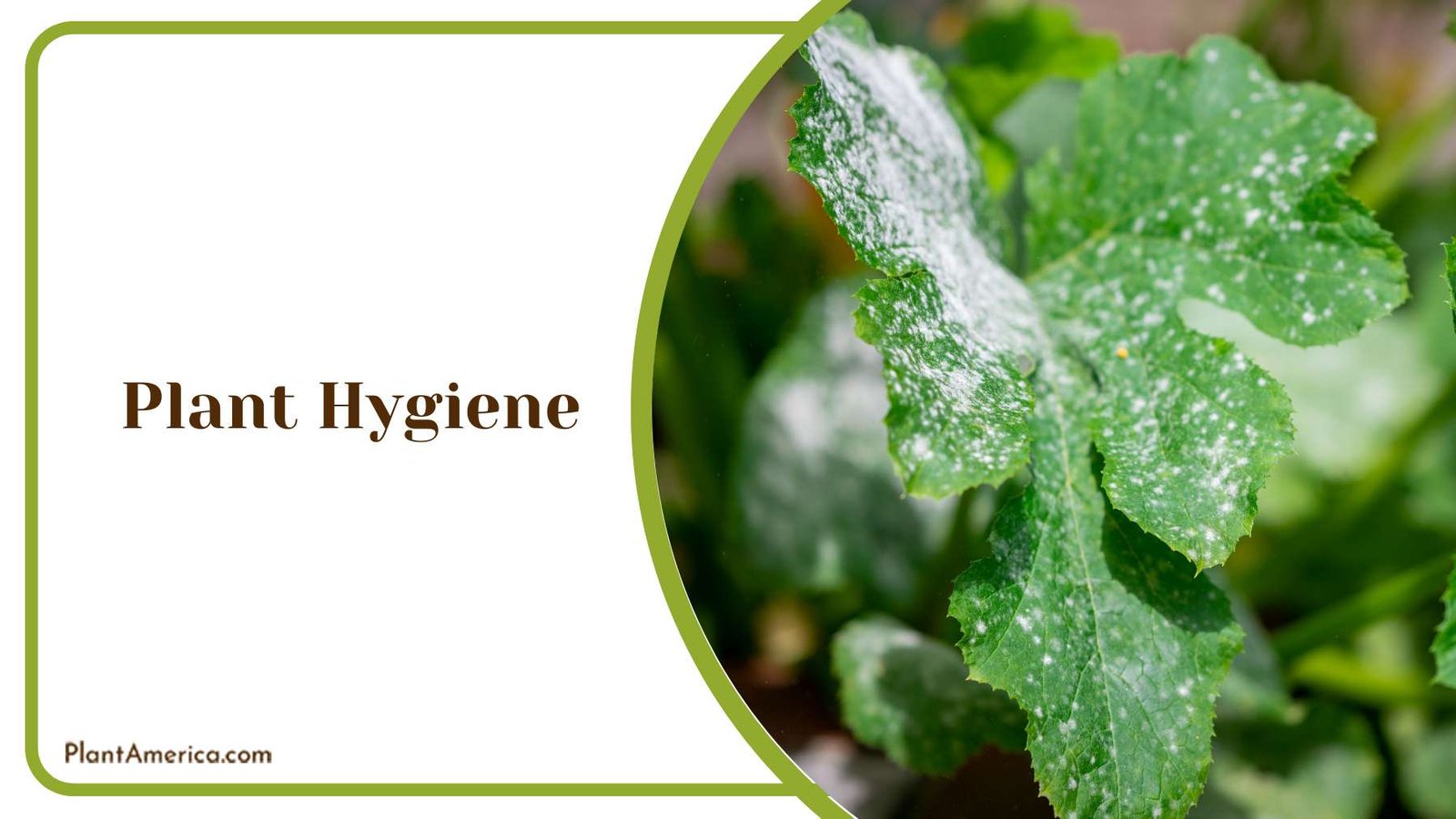
These hidden areas can also become a potential food source for these pests. Furthermore, if you don’t keep your gardening tools and containers clean, you might accidentally transport mealybugs or mealybug eggs from one plant to another, helping the infestation spread.
– Infested Plant Material
Infested plant material, such as new plants or cuttings introduced into the vicinity of the Aucuba, can serve as a primary source of mealybug infestations. Mealybugs can quickly attach to these surfaces, often hiding in cracks or folds. Once they get in, these pests can swiftly spread to the Aucuba plant and the plants around it.
How To Treat and Prevent Mealybugs from Infesting Aucuba Plants
To treat and prevent mealybug infestations on Aucuba plants, consider isolation, natural predators, pruning, neem oil, soap solutions, physical removal, soil management, proper watering, and regular monitoring as preventive and control measures. Each on is effective, but using them together is helpful too.
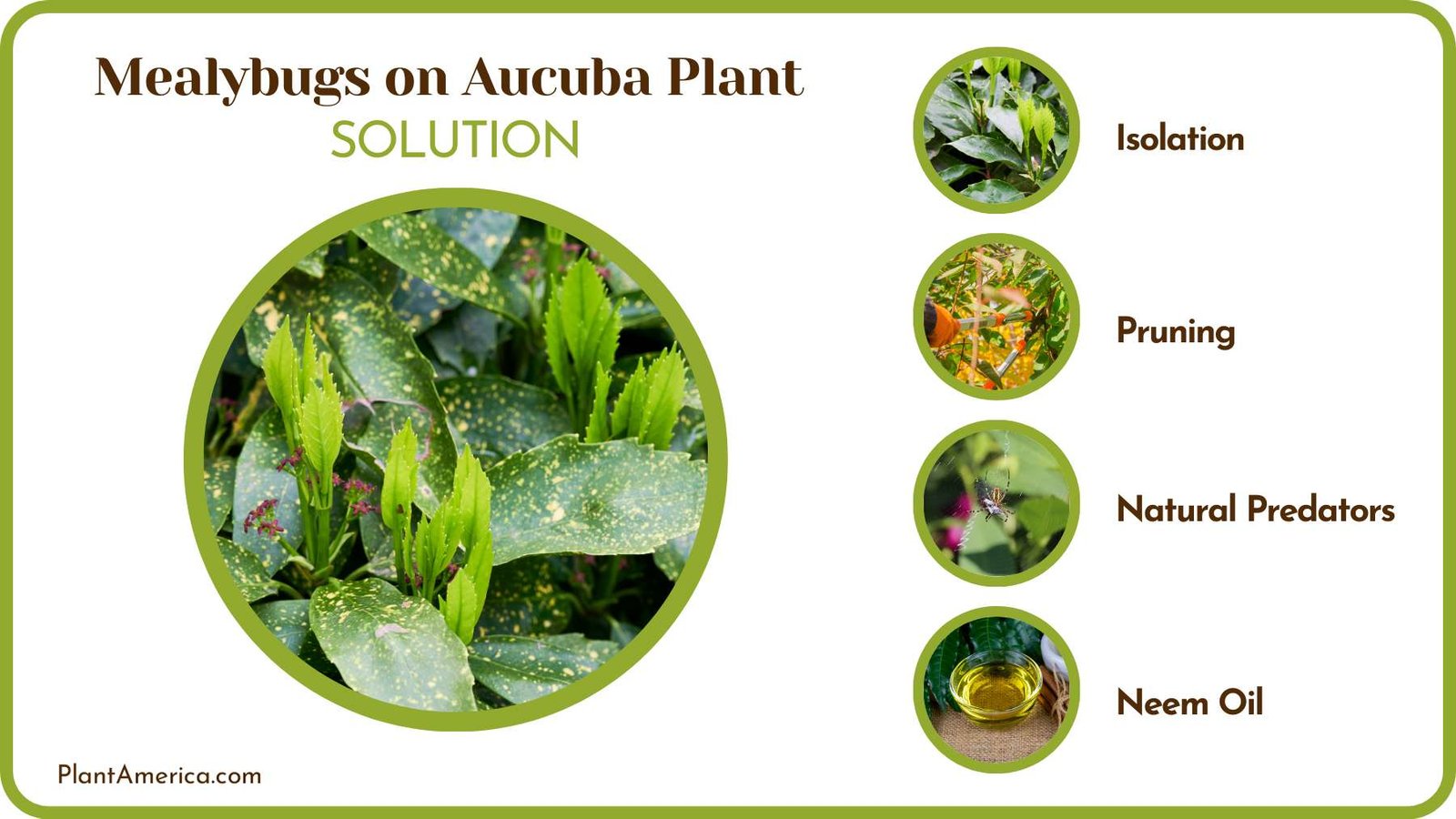
– Isolation
Isolation involves physically separating newly acquired plants from your existing Aucuba plants. This step is crucial to avoid bringing mealybugs into your thriving plants. Set aside a separate area, a quarantine spot, for new plants, away from your main plant group. Keep them there for a few weeks and keep a close watch.
Look out for any signs of mealybugs like fuzzy bunches or sticky leftovers. If the plants remain bug-free during this time, you’re good to add them to your regular collection. Doing this really cuts down on the chances of mealybugs causing trouble and keeps your Aucuba plants in top shape.
– Pruning
Pruning involves systematically removing affected plant parts, such as leaves, stems, or branches, that show signs of mealybug infestation. For successful pruning, begin by closely examining the plant for any signs of mealybugs.
Pay special attention to spots where they usually gather, such as the junctions of leaves and stems. Use sharp and clean pruning shears or scissors to make precise cuts slightly above the points where healthy growth is taking place. It’s important to discard the contaminated plant parts into a sealed bag to halt any potential spread.
Properly dispose of the bag. Consistently keeping an eye on the plant’s well-being and performing the pruning procedure when necessary can effectively manage mealybug populations and promote the overall vitality of the Aucuba plant.
– Natural Predators
Encouraging natural predators is an effective method to control mealybug infestations on Aucuba japonica plants. Ladybugs, lacewings, and parasitic wasps are common predators that feed on mealybugs. Attract these helpful bugs to your garden by planting nectar and pollen-rich flowers.

You can also buy and release ladybugs and lacewings onto your Aucuba plant. To create a friendly environment, skip the strong bug sprays that could hurt these allies. By keeping a natural balance with predators, you’ll naturally control those mealybug numbers.
– Neem Oil
Neem oil, extracted from the seeds of the neem tree, serves as a natural solution to combat mealybugs on Aucuba plants. The active components within the oil disrupt the growth and development of mealybugs, ultimately leading to their decline.
To use neem oil, dilute it as per the instructions provided by the manufacturer. Apply the solution evenly across the plant’s leaves, stems, and areas impacted by the infestation, using a sprayer for this task. It’s recommended to repeat this process every seven to fourteen days to sustain its efficacy.
While implementing this approach, closely observe the plant for any unfavorable reactions. Neem oil functions by suffocating mealybugs and impeding their feeding, rendering it an ecologically considerate alternative for managing infestations.
– Diluted Soap Solution
A diluted soap solution can be an effective method to deter and control mealybugs on Aucuba plants. To make this solution, combine a mild liquid soap like dish soap with water in a spray bottle. Use approximately a teaspoon of soap for every gallon of water.
Thoroughly mix the solution until the soap is completely dissolved. When you’re ready to apply it, lightly spray the affected parts of the plant, ensuring that both the upper and lower leaf surfaces are covered. The soapy mixture interferes with the protective waxy layer shielding mealybugs, leading them to lose moisture and eventually perish.
Once you’ve applied the solution, give the plant a gentle rinse with clean water to prevent any residue from the soap from accumulating. It’s a good idea to test a small area before treating the entire plant, just to confirm that the plant leaves won’t be negatively impacted.
– Physical Removal
Physical removal involves manually removing mealybugs from the Aucuba plant using non-chemical methods. Begin by putting on gloves to shield your hands. Examine the plant closely, particularly in spots where mealybugs usually take cover, like the base of leaves, creases in stems, and the undersides of leaves.
Delicately remove the mealybugs using a gentle brush, a cotton swab moistened with rubbing alcohol, or a forceful stream of water. Be sure to observe their groups of eggs too. Handle the eliminated mealybugs and any impacted plant sections with care as you discard them. Keep up with this routine to stop them from coming back.
– Soil Inspection
Begin by gently loosening the top layer of soil around the plant’s base using a small hand tool or your fingers. Thoroughly check the soil for any signs of mealybugs, including their eggs or the white waxy substance they produce.
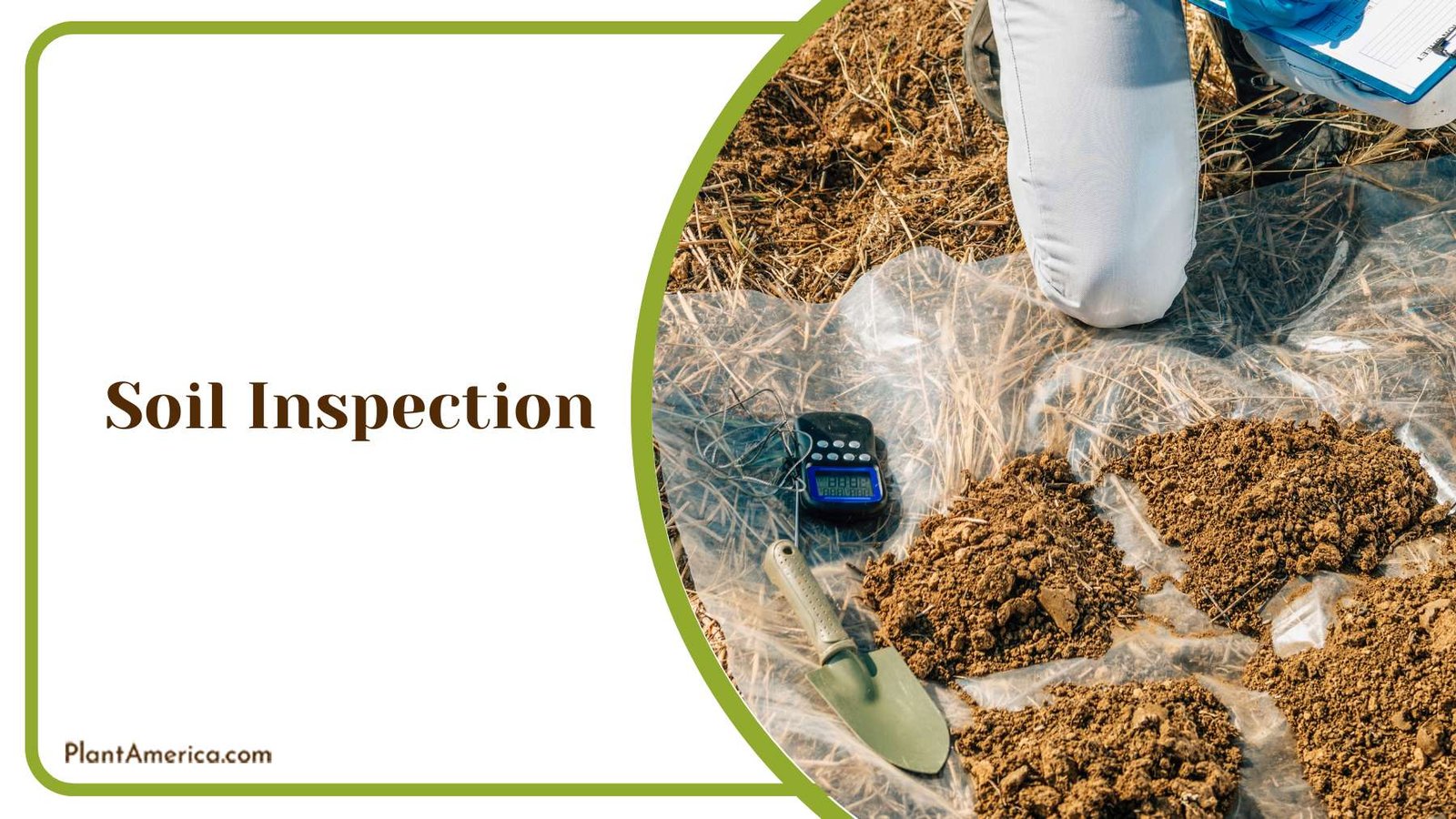
If you spot any, delicately eliminate them using a soft brush or by applying a mixture of water and mild soap onto the soil’s surface. Mealybugs tend to lay their eggs in the soil, so by examining and tending to the soil, you can interrupt their life cycle and decrease the chances of an ongoing infestation.
It’s worth noting that maintaining the right soil moisture levels can discourage these pests. Excessively damp soil provides a favorable setting for their development. Keeping a regular watch on the soil and taking proactive steps will play a key role in effectively managing mealybugs.
– Proper Watering
Steer clear of overwatering, as it can lead to a damp atmosphere that fosters the proliferation of mealybugs. Make sure to water the soil of your plant generously, and allow the upper inch or so to parch before the next watering session.
It’s essential to guarantee effective drainage to avert waterlogged circumstances. Go for a potting mix that facilitates good drainage and contemplate utilizing a saucer to capture surplus water. Remember to dodge splashing water onto the leaves, as damp foliage can similarly add to the humidity levels.
– Regular Monitoring
Begin by closely examining the leaves, stems, and the Aucuba japonica plant’s overall appearance. Search for clusters that resemble white cotton, gooey residue, and twisted growth. These are clear signs that mealybugs might be around. Be sure to examine the undersides of leaves, where leaves and stems meet, and leaf joints as these are their favorite hiding spots.
Don’t forget to give the soil around your plants a look too, as sometimes you might catch them crawling on the surface. To catch any trouble early, consider making it a habit to inspect your plants, maybe once a week. And if you do happen to spot any mealybug signals, don’t wait. Take action right away to stop the invasion from spreading any further.
FAQs
– Can Mealybug Infestations on Aucuba Plants Lead to Long-Term Damage?
Yes, mealybug infestations on Aucuba plants can lead to long-term damage to the plant’s health. Exposing your plants to these conditions for an extended period can lead to stunted growth and leaves losing their healthy color. In the worst cases, it might even cause the plant to die.
Conclusion
Mealybugs on your Aucuba plant will no longer be a concern as long as you remember these important points:
- Mealybugs thrive in warm and humid environments.
- Early detection and action are crucial to prevent infestations.
- Natural predators can help control mealybug populations.
- Proper plant hygiene and the isolation of new plants can reduce risks.
- Conduct regular monitoring and timely intervention to ensure the health of indoor and outdoor plants.
Use our plant care techniques to treat these pests and keep those unwanted mealybugs away!