
Companion Plants For Russian Sage of the Salvia genus are ultimate because keeping these Russian sage is prized for its silvery grey, scented foliage, and lavender-purple flowers, which make a striking statement in the garden. Many of these companion plants can be added to other Sage varieties as well.
Russian Sage can be grown as a display plant or as a ground cover for wide spaces and thrives in extremely dry environments, making it the perfect plant. Just keep reading to discover the ideal companion plants for Russian Sage and those you should avoid.
“Companion planting can help you to achieve some important goals in the garden. It can protect your plants from insects.”University of Minnesota Extension
JUMP TO TOPIC
List of Companion Plants That Go Well With Russian Sage
Consider your preferred color schemes and which leaf forms and textures would best complement your existing garden area when choosing which to plant alongside your Sage. The Russian Sage is an ornamental garden plant that thrives in the presence of other plants.

Other than adding color to your garden, companion planting can serve as a habitat for helpful insects. Tall plants like lilies or hollyhocks and short plants like pansies or violas make excellent companions for Russian Sage.
1. Daylilies

Resilient plants that are simple to grow are daylilies. Even though the bloom only lasts for one day, some exceptional cultivars have several buds, extending the bloom period.
These daylilies are available in various shades, including cream, red, orange, purple, and pink. There are numerous well-known types, including Whichford and Stoke Poges. They can be used as Sage companion plants and range in height from eight inches to five feet on average.
Overall, more than 50,000 recognized varieties are available, and they are frequently found growing in fields and ditches.
2. Petunias

A lovely border plant that blooms, petunia thrives in rich, healthy soil. This flower has a long blooming season that lasts from summer to fall and only needs watering when the weather is dry.
It is a great companion plant for Sage due to its comparable growing circumstances. Petunia is one common kind of Sage that blends well with other plants. They are available in various hues, such as blue, purple, white, pink, and red. They stand 18 inches tall and 18 inches wide as well. The Thumbelina, Crazytunia, and Double Wave series of petunias are a few well-known types.
3. Hebe
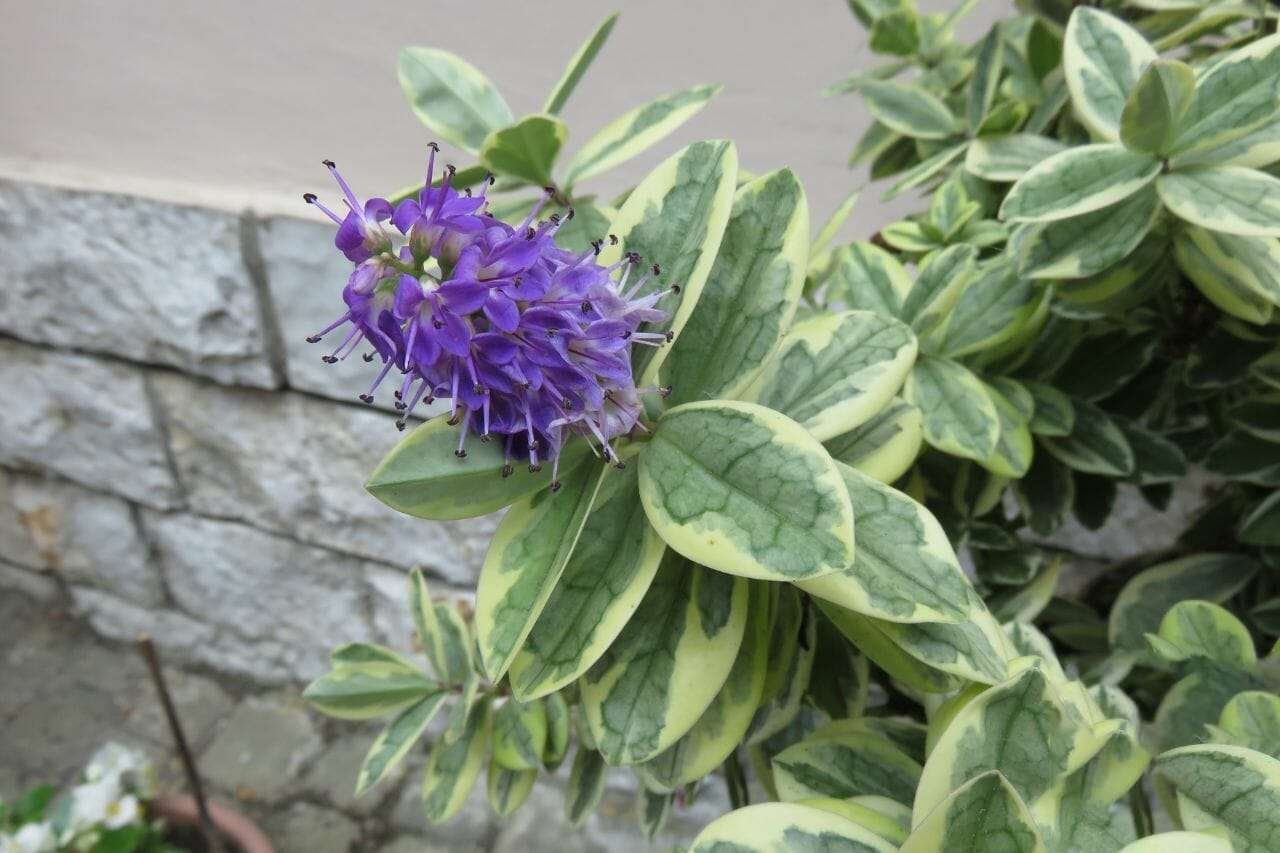
Hebe is a tough, perennial evergreen plant with various shades, like pink, purple, blue, and white. It is an ornamental plant that may be utilized as a ground cover or border plant and adds beauty to any garden. Hebe grows between three and six feet tall and prefers a sunny location with well-draining soil.
Hebe is a genus of flowering plants in the Plantaginaceae family that is indigenous to southern South America and New Zealand. Due to their stunning colors, Golden Pixie, Red Edge, and Rosie are the most popular hebe types.
4. Purple Coneflower
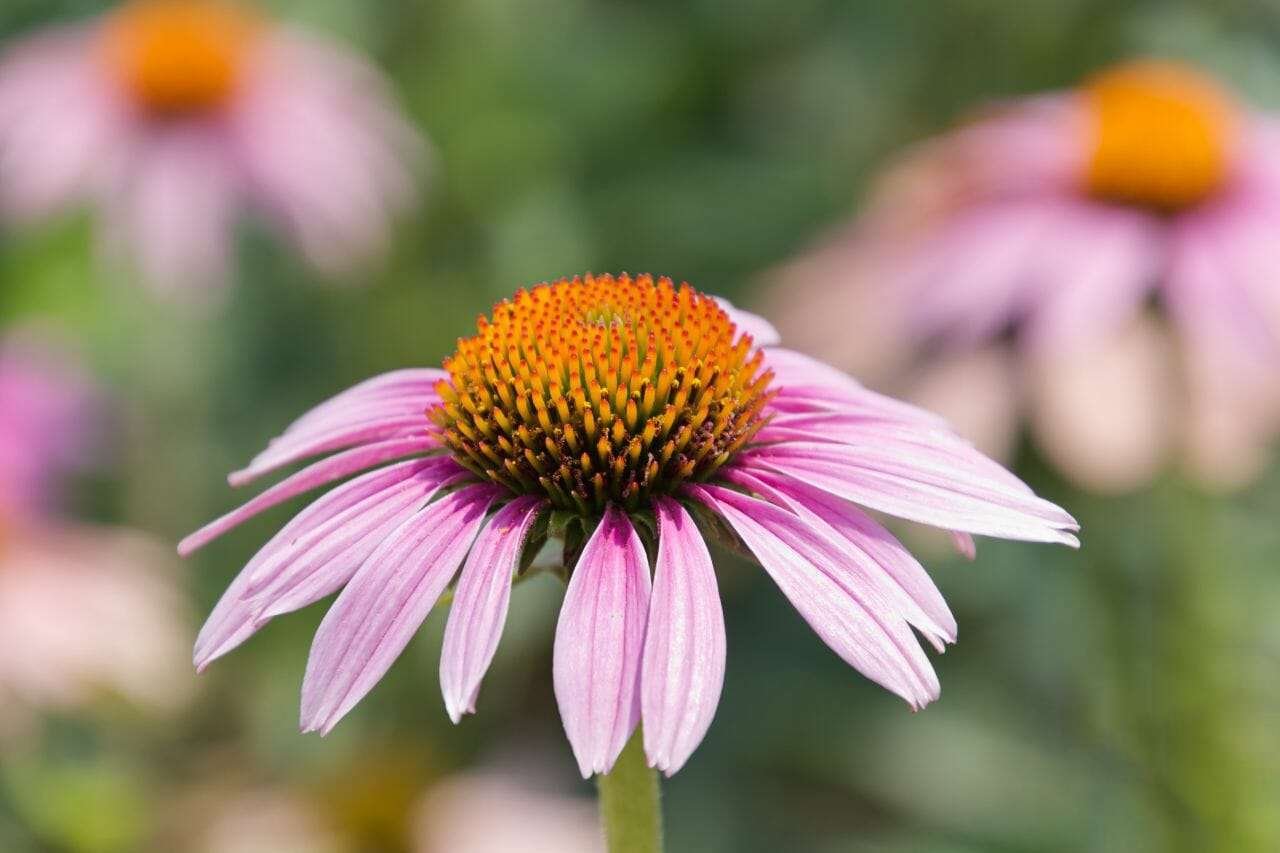
Among the several plants that get along well with Russian Sage, Bee balm, catnip, and purple coneflower are a few of the finest. These plants will help draw bees and other pollinators to your garden and share similar growing conditions with Russian Sage. However, since they can compete for nutrients and space, then, fennel and dill should not be planted too close to Russian Sage.
5. Mexican Hat
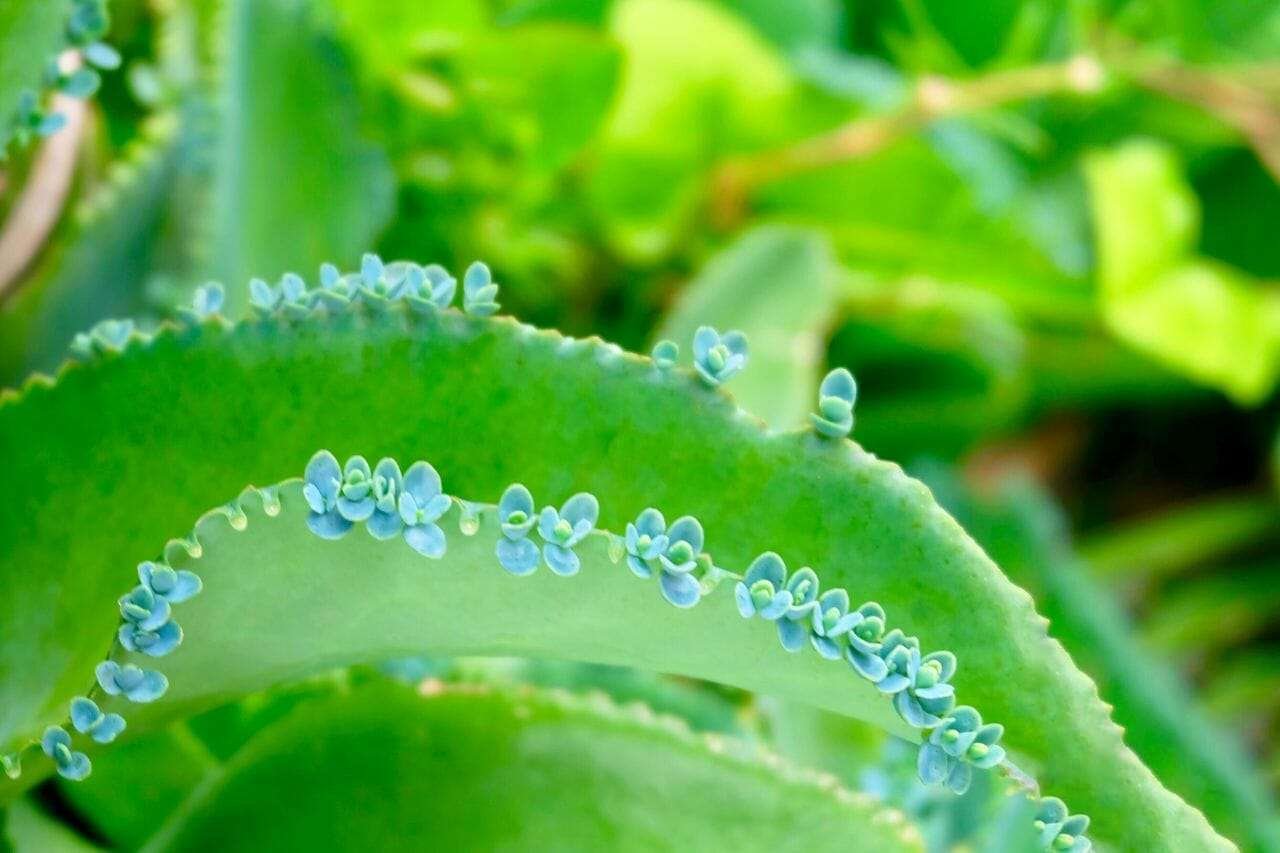
North American wildflower Ratibida columnifera, also called the Mexican hat, is stunning; with pink, purple, yellow, and green flowers, it spreads out to a width of one to two feet. Perovskia atriplicifolia is another Asteraceae family coneflower that grows near Ratibida. This flowering plant that prefers full light needs soil that drains properly.
6. Phlox

The family Polemoniaceae includes the floral species phlox. They produce vibrant flowers that can be as varied in color as purple to white. They are an essential component of any sizable sunny flowerbed or border and can grow up to 3 feet tall.
Phlox come in various types, and each has a special function in the garden. Phlox provide the border height, bulk, and charm, and creeping phlox, moss pinks, and low-growing wild sweet William work well as ground covers. In addition, most of today’s options are resistant to mildew, so you don’t have to worry about them contracting a disease.
7. Black Eyed Susan

A hardy native plant that blooms in the summer is the black-eyed Susan. They complement the bigger bushes in the garden and create a pool of sunshine there. For a more natural appearance, black-eyed Susans can be put in native plant gardens or meadows of wildflowers.
They are Hardy perennials that thrive in normal soil, can be sown in the spring or the fall, and bloom all summer long. The flowers have tones of yellow, orange, and red, and both butterflies and birds are drawn to them.
8. Milkweed

The milkweed plant, which looks lovely and flowers, is a favorite of monarch butterfly larvae.
It generates brilliant colors and flowers all summer long. It is crucial to remember that you should deadhead, and remove dead flower heads, from the flowers before they set seed since fully developed pods can emit sap that is poisonous to monarch butterflies. Typically, milkweed appears in the spring.
Beautiful animals called monarch butterflies rely on milkweed to exist. Milkweed sprays are frequently a pinkish-purple tint, though they can also be white, red, or beige. Sage plants, it makes a great plant for monarch butterflies. Milkweed often grows to a height of two to four feet.
9. Yarrow
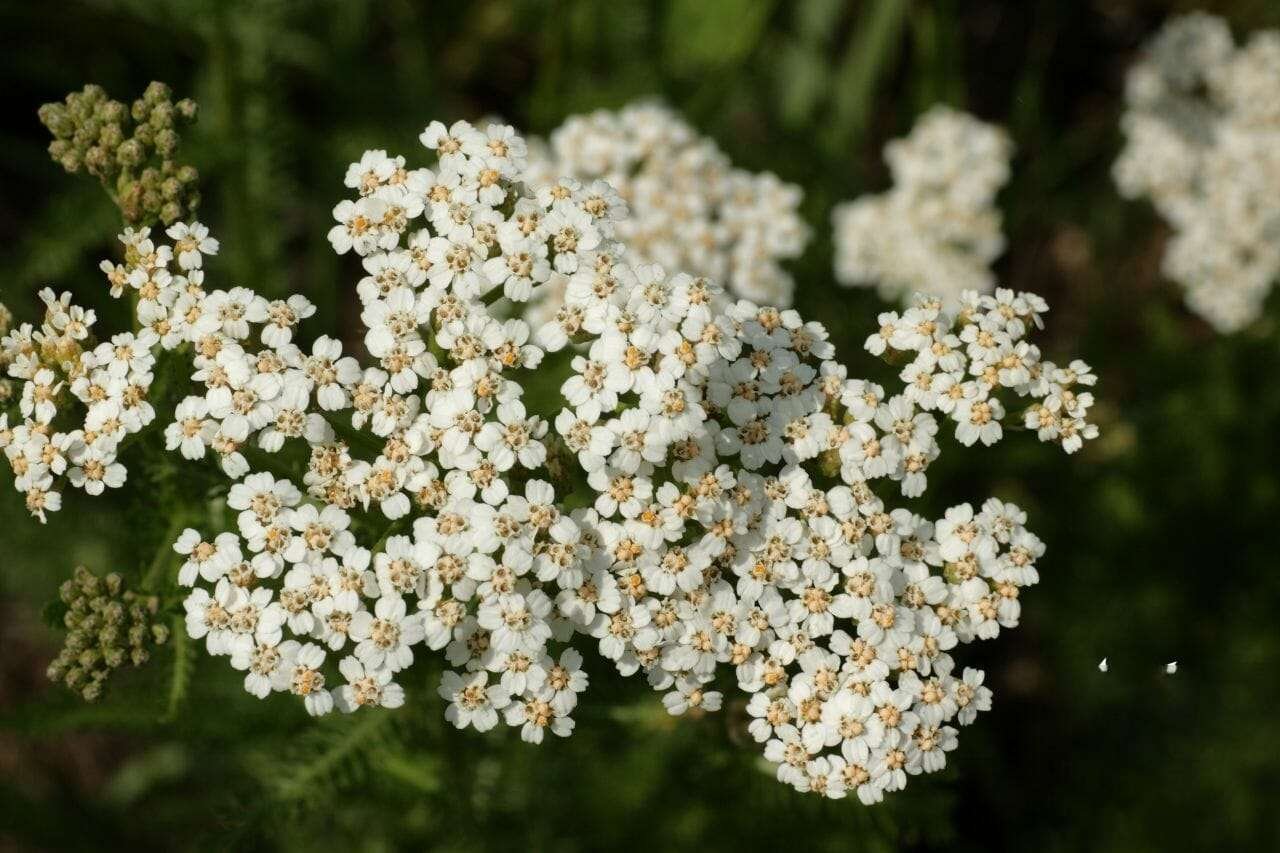
The soil must be rich and well-draining for these plants to grow and thrive. They are helpful to surrounding plants and those prone to disease since they are drought tolerant.
This plant also makes an excellent companion for when you plant Russian sages. The plant height and width of Achillea millefolium are about two to three feet.
Sage does well with this variety, as well as with daylilies and other Achillea species as companion plants. Keep in mind that these plants keep pests away while also attracting beneficial insects to the garden.
10. Sweet William

Beautiful flora Russian Sage and Sweet William go well together. Russian Sage is a perennial with bluish-purple flowers that can reach heights of one to two feet.
The short, upright annual Sweet William has pink, red, and white flowers; it prefers damp soil over dry soil. The lovely, drought-resistant Sweet William plant has a height of up to four feet. It is hardy to Minnesota and produces enormous clusters of light blue blooms.
11. Sedum

When grown alongside Russian Sage, sedum makes a wonderful companion plant. Due to its succulent nature, it is drought-tolerant and does well in the hot sun. Its fall-blooming, small yellow flowers are the ideal complement to Russian Sage’s blue-purple blossoms.
Overall, Sedum comes in many different types, but two of the most well-known are Sedum adolphi and Sedum acre.
12. Red Hot Poker

This is a type of flower that features a fiery bottlebrush-like bloom. It is well-liked since it is available in several colors, such as yellow, orange, and red. Pineapple Popsicle, Ice Queen, and Lady Luck are some of the most well-known variations.
These plants make great companions because they grow in a manner akin to Russian Sage.
Kniphofia, commonly known as red-hot poker, is a perennial plant native to Africa. It thrives in environments with six to eight hours of direct sunlight daily. It has tubular flowers that are various hues of red, orange, and yellow.
The plant can be multiplied by division or seeds and prefers damp but well-draining soil.
13. Coreopsis

Asteraceae is a family of flowering plants that includes the genus Coreopsis. They make excellent Russian sage companion plants since they are attractive to butterflies and bees. As a native of Central and South America, Coreopsis verticillata is perfectly adapted to flourish in the same conditions as Russian Sage.
It favors healthy, well-drained soil and full sun over partial shade. In full sun, Coreopsis, a perennial or annual flower, blooms. It is frequently grown with Russian Sage as a companion plant because of its vivid orange-yellow blossoms. It has deep orange-yellow flower colors and draws butterflies and other pollinators.
14. Red Salvia

Similar to Russian Sage, red salvia is a perennial herb. It prefers damp but free-draining soil and six to eight hours of direct sunlight per day. These are usually deer resistant because deer and rabbits are deterred from nibbling on the foliage by the leaves emitting aroma. Salsa Scarlet Bicolor and Ablazin Purple are some of the other popular variants.
Perennial red salvia is frequently used in gardens as a companion plant. It is about one to two feet tall and between nine and 18 inches wide. Red is the normal color, but other colors are also present.
15. Goldenrod
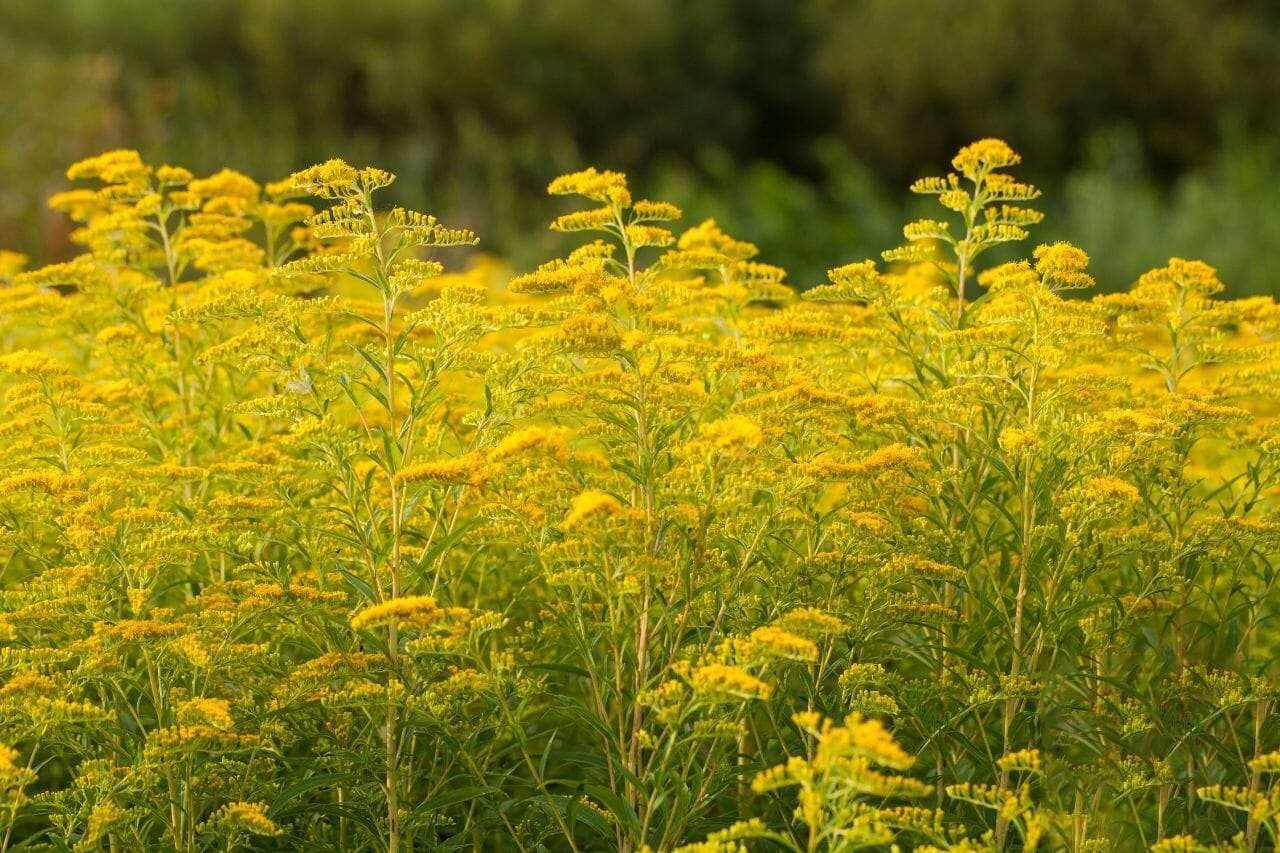
Goldenrod is a sun-loving, well-drained plant. Although it self-seeds, it also requires water. The daisy family is linked to the Goldenrod. In addition, it does not need to be watered frequently because it receives all its water from rainfall. Its tiny yellow petals, related to daisies, contrast gorgeously with Russian Sage.