
How to transplant weigela bushes without mentioning the need to prioritize timing and opting for the dormant season, such as the onset of spring or the conclusion of autumn, would be pointless.

Considering factors such as sunlight, soil drainage, hydration, and trimming makes transplanting weigela a relatively smooth process. Find valuable hints as you read this informative guide.
How to Transplant Weigela Bushes
To transplant weigela bushes involves preparing the new area and removing your transplants. You proceed by planting your bushes and watering them thoroughly to provide sufficient moisture. Mulching your transplanted area and monitoring transplants will follow for a successful transplanting process.
1. Prepare the New Area
Before you dive into transplanting, let’s get the new location all prepped up. Start by clearing away weeds or grass that may be lurking around. You want your weigela bush to have all the space it needs for it to flourish.
Loosen the soil by gently breaking it apart with a tiller. This will create a welcoming environment for the Weigela’s roots to spread out. Adding organic matter like compost into the soil is advisable. It boosts fertility and enhances drainage, thereby keeping your bush happy and healthy.

Take your gardening tools and get ready to transform that new area into a paradise for your weigela bush. Planting weigela is easy in a place that is prepared well. You should prepare a good growing medium if you opt for growing weigela in containers.
2. Dig a Trench Around Weigela Shrubs
You have to dig a trench around the weigela bushes. Avoid digging on flowering shrubs as these are not ideal for transplanting. Several weeks before the actual transplanting procedure, start digging a shallow trench around the perimeter of the bush. The idea here is to aid the development of new roots within the root clump.
By creating this trench, you are essentially giving your weigela bush a head start. The new roots that develop within the trench will help anchor the plant and improve its chances of survival after transplanting. When the big day arrives, lifting the plant will be easier because you will have already done some pre-digging.
It’s important to give those new roots ample time to establish themselves within the trench. This process usually takes a few weeks, so be patient. During this time, the Weigela bush will continue to draw nutrients and moisture from the soil, thereby strengthening its overall health. While you wait, keep an eye on the plant, ensuring it receives proper care and watering.
3. Water Before Transplanting
Gather your tools and provide a refreshing splash of water to Weigela. Gently pour water in the beds or pots with the bush to ensure that the soil gets a good soaking. You should quench the thirst of your Weigela bush and prepare it for a smooth transplanting process while also reducing the chances that the plant will experience shock.
Remember, you should aim not to overwater. The goal is to moisten the soil, but not saturate it excessively. Distribute the water evenly, allowing it to gradually seep into the soil. This way, the roots can absorb the moisture they need to stay nourished and prepare the whole plant for the upcoming transplant.
4. Take the Root Ball Out
You will need a sharp shovel for this step. Begin to dig around the trench that you prepared earlier, making sure to maintain a distance of about 12 to 18 inches away from the bottom of the bush. The goal here is to loosen the root ball and encompass the majority of the bush’s root system.
Gently work your way around the trench, gradually loosening the soil and creating a circular shape. Think of this process as carefully scooping up the precious root system of the weigela bush, ensuring that it remains intact and protected. By creating a well-formed root ball, you will give our bush the best chance for a successful transplant.
5. Lift Your Weigela
It’s that time to lift your weigela bush. With the root ball carefully created, you can gently lift the bush from the ground. As you do this, getting a helping hand could be beneficial, such as an assistant, to support the root ball while you lift the plant. This teamwork will minimize the risk of any damage to the roots or the bush itself.

Ensure a secure grip on the basal region of the plant, taking note of the fragile root ball. Slowly and steadily lift the weigela bush, keeping it as level as possible to maintain the integrity of the root ball.
6. Wrap the Root Ball
Now it’s time to give our weigela bush’s root ball some extra protection for the journey to its new home. When you take it out of its original home, make sure a wrap (such as burlap wrapping) is ready, and spread on the ground. Place the root ball on the wrap and cover it to ensure its moisture retention and to prevent the roots from drying out. Wrapping the burlap around the root ball also helps to curb the chances of splitting weigela.
Another option is to place the root ball in a pot or bucket. This container will act as a shield to keep the roots safe from mechanical damage and dehydration. Think of the wrapping or container as a blanket or a safe haven for the root ball. It’s like creating a little protective cocoon for your weigela bush, ensuring its delicate roots stay moist and well-nurtured throughout the journey.
7. Transport to the New Space
It is time to embark on the journey of transferring your weigela bush to its new planting location. With the root ball securely wrapped or placed in a container, handle it with utmost care as you transport it. The key here is to avoid jostling or excessively disturbing the root ball during the transfer process.
As you carry the bush, imagine that you’re cradling a fragile treasure. Keep a steady grip on the container or wrapped root ball, making sure it remains stable and balanced. Avoid any sudden movements or rough handling that could disrupt the delicate root system.
During the transfer, be mindful of potential obstacles or uneven terrain that could pose risks to the plant. Take your time and navigate the path with caution, ensuring a smooth and gentle journey for your weigela bush.
8. Plant Your Weigela
Take the carefully transported plant and gently place it into the prepared hole in its new location. Aim to put your plant at the center of the hole that suits the Weigela size and ensure it is perfectly aligned. You want to ensure that your beauty is planted at the same level as it was before transplanting. Adjust the position, making sure that the root ball is neither too high nor too deep in the ground.

Once you have the bush in the desired position, you need to start backfilling. Gradually fill the hole with the soil that you initially removed, gently tamping it down as you go. This will provide stability and support to the weigela that is newly growing.
When you plant weigela, the root ball is set correctly to curb the occurrence of root rot, and planting it too high can expose the roots and cause them to dry out.
9. Water Your Plants
After carefully filling the hole around the transplanted weigela bush, it is good to provide it with a thorough watering. This step plays a significant role in settling the soil and ensuring proper hydration for the roots, thereby setting the stage for a successful transition to its new location. It also reduces the probability of weigela transplant shock scenarios.
Start watering by letting a gentle stream of water flow onto the soil. Consider moving around the perimeter of the bush, aiming to distribute the water evenly. The goal is to saturate the soil, allowing the water to penetrate deeply into the root zone.
Continue watering till you observe water pooling around the base of the bush. This indicates that the soil is adequately saturated. Pay attention to any runoff and adjust the water flow to prevent excessive water loss. By thoroughly watering the bush, you are providing the necessary moisture for the roots to absorb while promoting proper root establishment.
10. Mulch the Transplanted Area
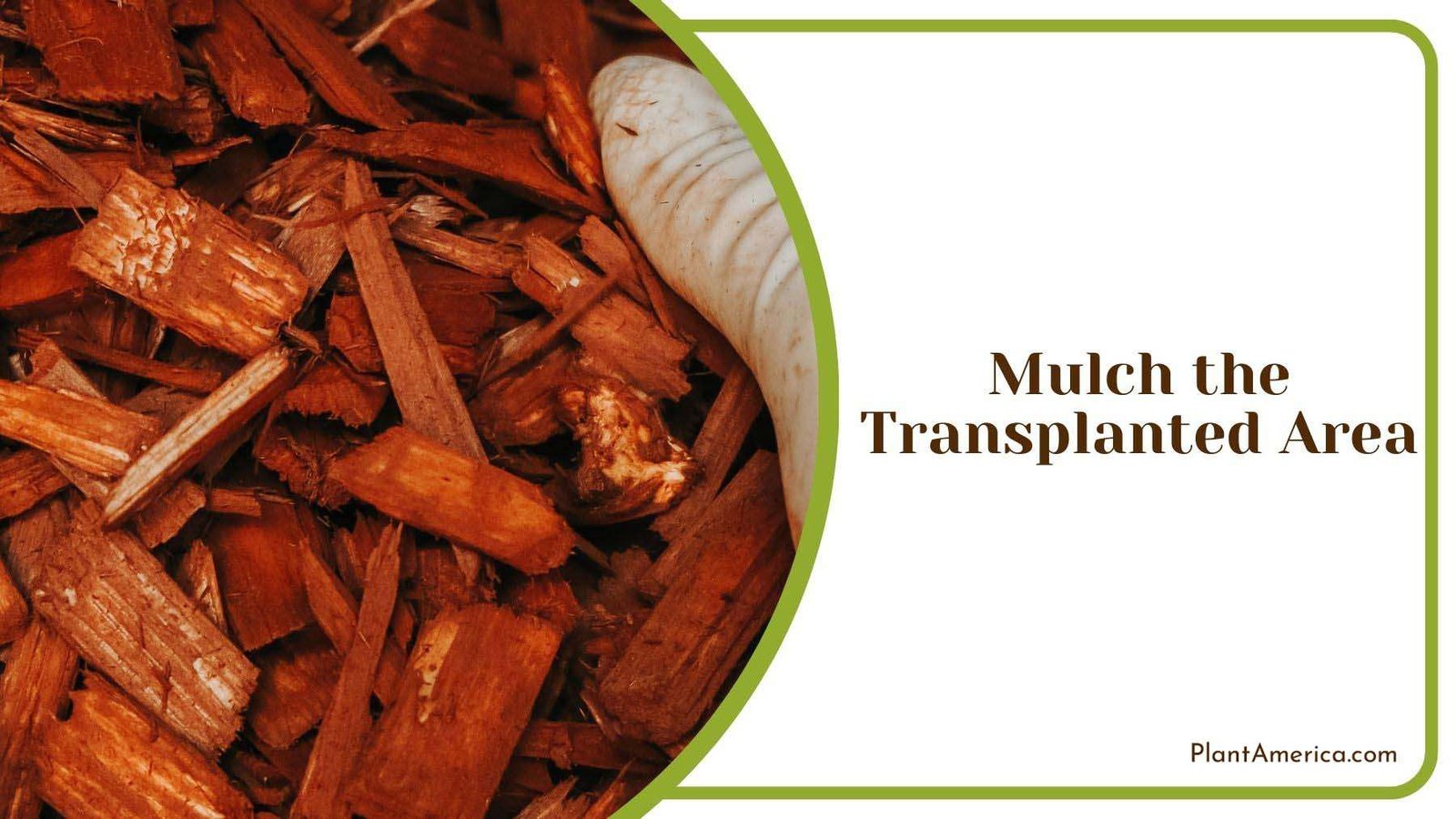
Mulch your new transplanted weigela plants for benefits like moisture retention, weed suppression, and improved soil fertility. Wait for plant establishment, apply two to four inches (5 centimeters to 10 centimeters) of organic mulch. Please, avoid direct contact between the mulch and the stem. You will need to maintain the depth of the mulch accordingly.
11. Monitor the Area
Get your hands dirty and feel the soil to make sure it’s not too soggy or dry. Finding the right balance is key here. Adjust your watering routine accordingly and give the plants the amount of water they need to thrive. You wouldn’t want them drowning or suffering from dehydration.
You should keep tabs on any pesky weeds that might pop up around your transplanted weigela plants. Weeds are notorious for competing with your plants, stealing their nutrients, water, and sunlight. Regularly inspect the area and pull out any weeds that you spot to prevent them from hindering the growth and well-being of your plants. These are some of the vital care tips that you should keep in mind
Again, pay attention to the temperature, humidity, sunlight, and wind exposure that your weigela bushes are experiencing. It’s important to make sure they are not subjected to extreme conditions that could stress or harm them. If needed, provide some shade during scorching periods or shield them from strong winds to keep them comfortable.
Frequently Asked Questions
– Are Weigela Roots Invasive?
No, weigela roots are not invasive. The invasive nature of the Weigela bush primarily stems from its ability to produce and disperse seeds, allowing it to spread and outcompete native vegetation. However, the root system itself does not possess aggressive or invasive characteristics
Conclusion
Master the art of transplanting weigela bushes using the steps that we outlined in this guide. Before you go, here’s a quick recap of the essential points to incorporate when transplanting your bushes:
- Before transplanting, gently loosen the tightly bound or circling roots of the weigela bush to encourage outward growth and better nutrient absorption.
- Prioritize watering the weigela bush during the days leading up to the transplantation procedure to ensure that it is well-hydrated before the move.
- Carefully transport the weigela bush to its new location, being sure to avoid excessive disturbance to the root ball.
- Avoid planting the weigela bush too deep or too shallow.
By familiarizing yourself with these essential steps, you can confidently proceed with transplanting your Weigela bushes. Take immediate action and implement these valuable hints now!