
How to transplant string of pearls (Senecio rowleyanus) of the Curio genus is worth learning so that when transplanting the plants, you will do so effortlessly. As succulent plants, you have to be careful when transplanting the pearls plants.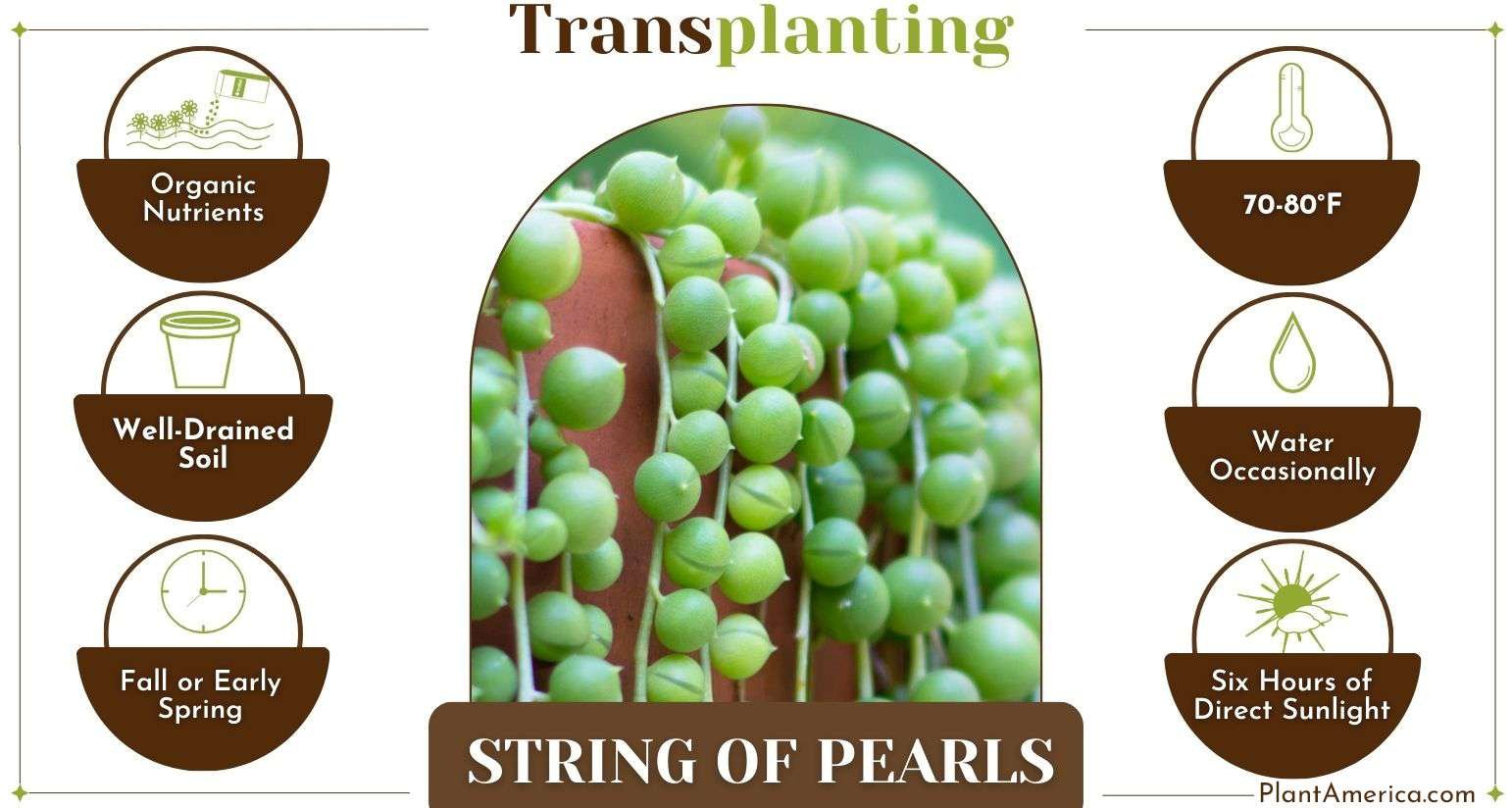
Ensure that the plants are ready for transplanting and that the new location or pot is suitable for them. Learn all that you need to know about transplanting your string of pearls by reading this article.
How to Transplant String of Pearls
To transplant string of pearls, wait until the right time and then gather all your tools. If the new location is suitable for the plants, transplant the pearls after removing them from their roots. Before planting them, consider treating their roots and propagating them. Plant and water them afterward.
1. Wait for the Best Time
You can’t just transplant your string of pearls whenever you want. This is because you may stress the plants, especially if you choose to transplant them in their growing season. To help the plants quickly adapt to their new location or pot, wait until their dormant season before you transplant them. This can be in the fall or early spring. String of pearls grow actively in their growing season, so if you transplant them in mid-spring to summer, you will interrupt their growth. While they have a chance of surviving, the chance is slim, as they are tender plants. Therefore, ensure that you wait for the right time.
2. Gather Everything That You Need
To transplant your string of pearls, you need a few items. Some things that you need are:
- Pot or basket: the pot or basket should be well-drained. You can ensure that it is well-drained by perforating holes in the walls.
- Substrate: string of pearls are succulents, so they need a succulent mix. This is a very airy potting mix.
- Knife: you will use this to divide your plants for the sake of propagation.
- Pruning shears: to divide your plants for propagation.
- Disinfectant: to keep your plants safe from microbes.
- Water: every plant, including succulents, needs water.
- Fertilizer: just in case the substrate is not richly nutritious, you have to occasionally fertilize your plants.
Ensure that you gather all you need. After gathering everything, move on to the next step.
3. Consider the Temperature Requirements of Your Plants
Before you transplant your string of pearls indoors or wherever you choose, you have to consider a lot of things. One of the first things to consider is the temperature needs of your plants. These plants rely on temperature for almost every growth process, so the temperature has to be suitable. The plants need 70-80 degrees Fahrenheit for optimal growth.
If you are simply repotting the plants, you don’t have to worry about the temperature needs of your plants, as they are already growing well in your home. However, if you are bringing them from a far place, ensure that the temperature is suitable. If the temperature is not suitable, grow your period in a controlled environment.
4. Consider the Light Requirements of Your Plants
Another thing worth considering is the light exposure of your pearls. As succulents, the plants need at least six hours of direct sunlight daily. They will have slower growth if they don’t have enough light exposure. Therefore, only place them in strategic parts of your home if you are growing them indoors. If some shades or objects are blocking sunlight from reaching your plants, remove them. However, note that the plants will also grow fine in indirect sunlight. You can also grow them using grow lights, especially if the room is not well-lit. If using grow lights, expose them to at least 10 hours of light daily.
5. Prepare the New Pot and Potting Mix
String of pearls are special plants, so they need a special pot and soil mix. Use any pot size of your choice. Just remember that the size of pot you use determines how often you will repot the plants. Also, remember to make holes in the pot so that if you overwater your pearls, the excess water will drain off quickly.
About the substrate, you need airy or loose substrate for your plants. Go to any gardening store and buy a mix made specifically for a string of pearls or a general mix for succulent plants. If you’d love to use a regular potting mix, add more perlite or wood shavings to make it looser.
6. Prepare the String of Pearls Plants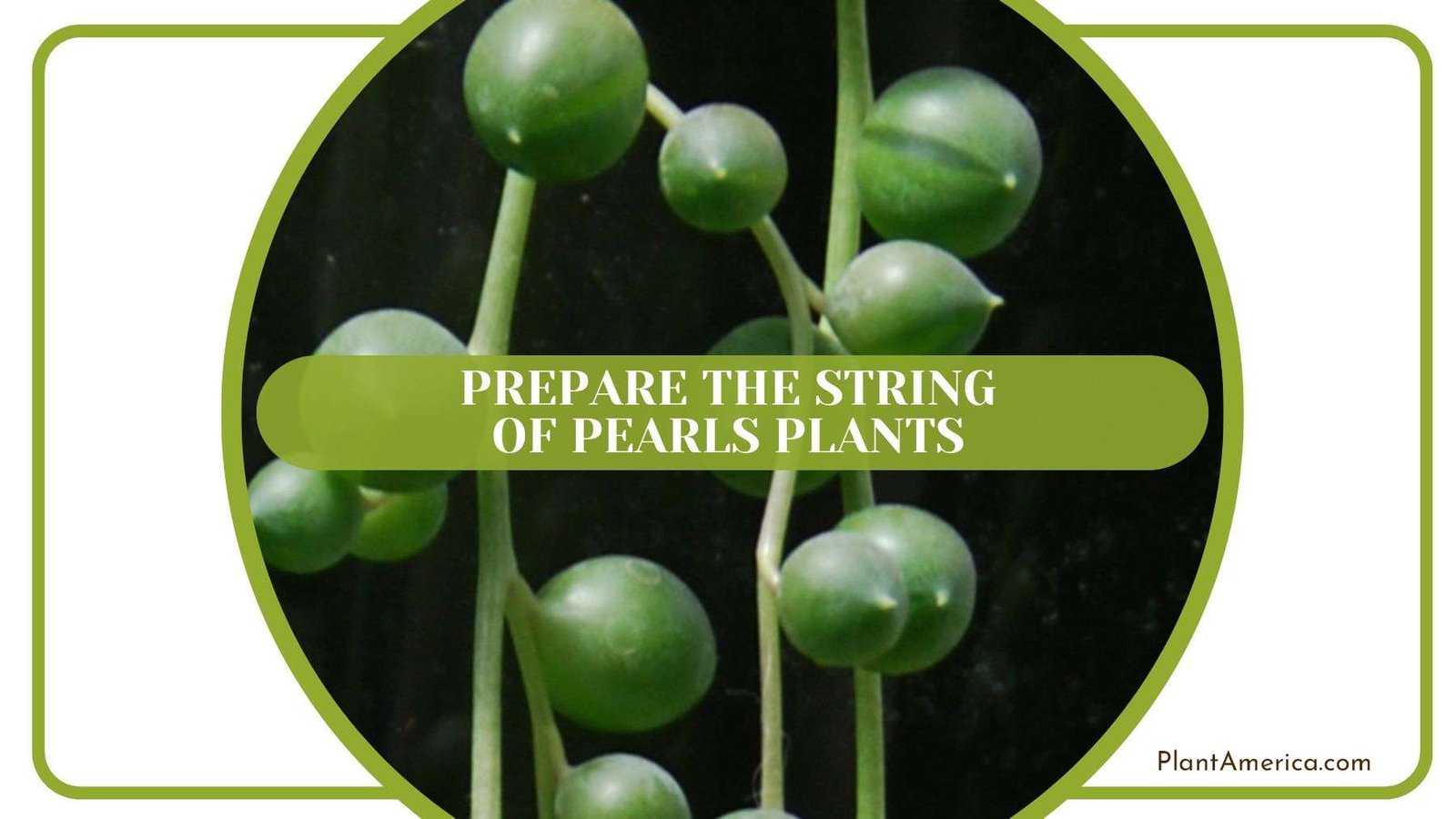 Before you remove your plants from their current pot, you have to prepare them first so that the transplanting process won’t shock them too much. Preparing them is simple, you just have to water them so that they will be hydrated. Also, remove dead or dying leaves so that you will be transplanting only beautiful and healthy plants.
7. Remove Your Plants From the Substrate
It is time to remove the plants. If you watered them earlier, the substrate will be soft and easy to remove from the pot or container. Using your hands or any hand-held tool, remove the entire root system of your string of pearls from their current pot. Ensure that you are careful with the roots so that you don’t harm anyone.
8. Inspect and Treat the Roots
Before you plant the pearls in a new pot, you have to treat their roots. Check the root system for weak or dying roots. To successfully grow string of pearls, their roots have to be healthy. Healthy roots are either white or pale while unhealthy or dead ones are brown, black, and look very weak.
If you find unhealthy roots, prune them using your sterilized knife or scissors. After removing all the weak roots, rinse the remaining (healthy) roots with running water. You can also disinfect the fresh cuts first. When your plants are dry, you can move on to the next step.
9. Divide and Propagate Your Plants
If you want more string of pearls, now is the chance to do so (i.e., before you plant them). To propagate a string of pearls, you can use either the soil or water propagation method. Collect 6 inches of stem cuttings and then plant them in soil or clean water. If you are using the water method to propagate string of pearls, remember to replace the water with a clean one every two days.
While dividing or cutting your plants, please be sure to use very clean tools so that you don’t expose the plants to harmful microbes. Also, you can disinfect the fresh cuts using a plant-safe disinfectant before planting the strings.
10. Plant the String of Pearls
After treating and working on your pearls plants, it is time to plant them. Ensure that you already have your pot or hanging basket and substrate ready before you proceed to plant the pearls. Planting the pearls is easy, you just need to make holes in the substrate and then cover the roots in the holes. You can also place the roots in an empty pot or substrate, place the roots inside the pot, and then cover the roots with substrate. Ensure that you cover the entire root system so that no root will be exposed. Don’t cover the leaves of the plant, cover only the roots.
11. Water the String of Pearls
After planting your string of pearls, you have to water them. Watering them will help settle the roots in the new substrate and encourage them to start getting used to their new environment. Remember that these plants are succulents. Therefore, water them just the way you water other succulents; occasionally and not too regularly.
Remember to use only a substrate that is suitable for succulents. If the substrate is compacted, it can lead to root rot, as you will be overwatering your plants. Therefore, don’t fail to plant your pearls in a very loose and airy substrate.
12. Fertilize the String of Pearls
After watering the plants, consider fertilizing them, especially because of the airy substrate. Most loose substrates cannot hold nutrients for long, so the best way to feed succulents is to fertilize them often. When growing string of pearls, you have to feed them occasionally.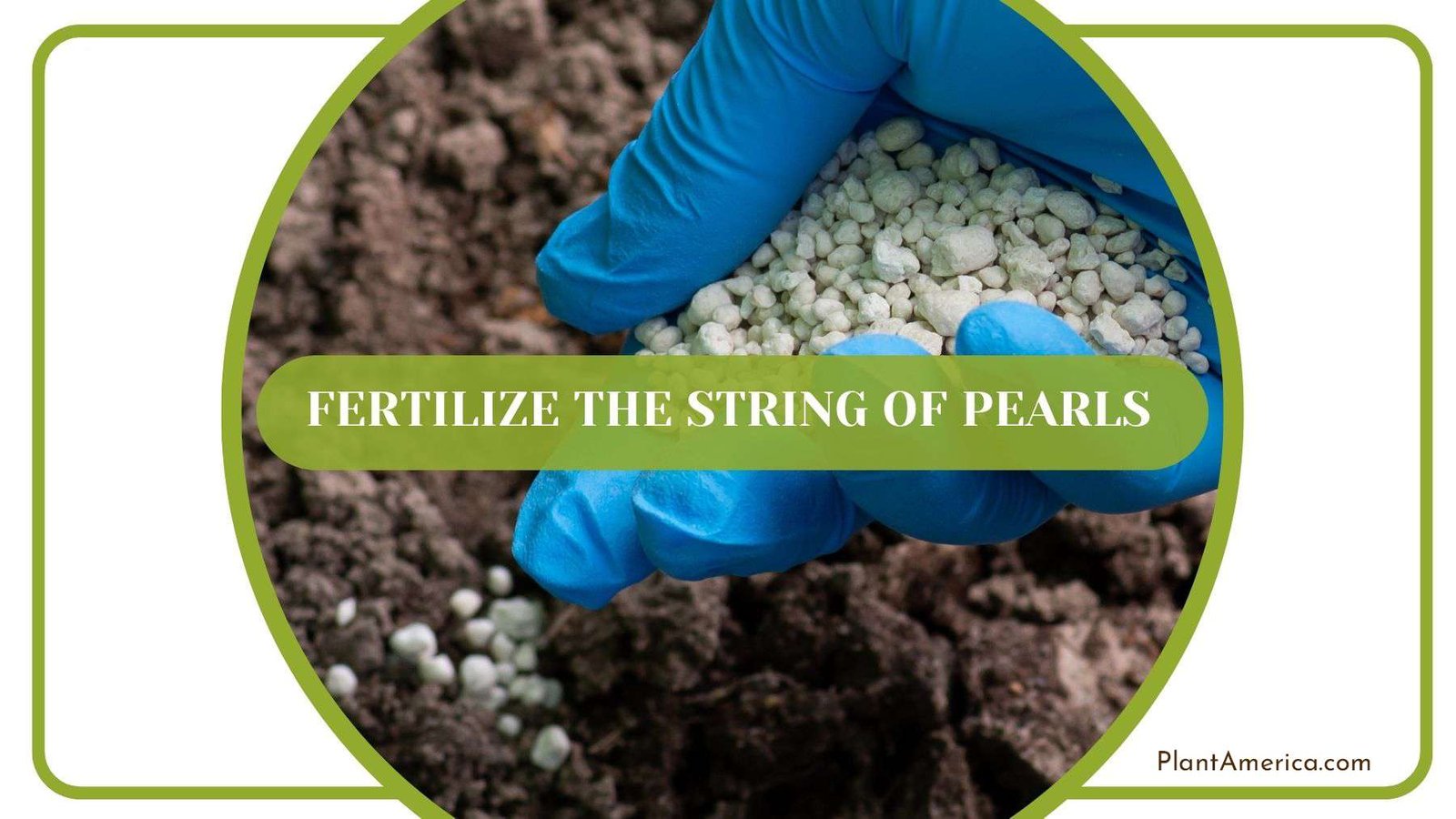 Feed the plants every month with a succulent fertilizer. You can also use a regular fertilizer for indoor plants, just ensure you dilute it as specified in the instructions. If you choose to enrich the mix with organic nutrients, add more perlite so that the mix will stay well-drained and aerated.
Frequently Asked Questions
– What Should You Consider Before Transplanting String of Pearls?
Before transplanting string of pearls, consider their light and temperature needs and check if the new location is suitable. Remember that the plants are succulents and need a special substrate, so ensure that you have everything in place first. Also, transplant your pearls in that dormant period.
– What Challenges Can You Face While Transplanting String of Pearls?
Some challenges that you can face while transplanting string of pearls are the damaging of the roots and root rot due to overwatering your plants before and after transplanting them. These common problems can lead to the loss of your plants if you don’t detect and fix them quickly.
– How Do You Care For Transplanted String of Pearls?
You can care for transplanted string of pearls by feeding and watering them, getting rid of pests, such as aphids and mealybugs, mulching the plants, pruning the plants when needed, and removing all the weeds. Take these plant care hints seriously so that your transplanted plants can grow successfully and with ease.
– How Often Should You Divide and Transplant the String of Pearls?
You should divide and transplant the string of pearls every one to two years or according to the size of the pots and the growth rate of the plants. If the pot is large, it can take your plants’ leaves over a year to cover it. Also, consider substrate conditions.
Conclusion
Now, nothing is stopping you from transplanting or reporting your pearls, right? Before you get started, here are a few points from the article:
- Ensure that the potting soil is very loose for your plants, as string of pearls loves airy substrates.
- You can buy a succulent soil mix for your plants if you cannot make the substrate by yourself.
- Ensure you keep the plants in a place where they will get at least six hours of daily sunlight.
- Repot string of pearls every one to two years so that they can grow without stress
- Consider propagating string of pearls while repotting them.
You are good to go. Remember to take the pearls care tips in this article seriously