
Outdoor plants for Texas can be tolerant to come by when dealing with the extreme heat and sunshine, and we’ve got some beautiful, low-maintenance options perfect for any tough Texas garden.

Whether you want colorful flowers, architectural succulents, or evergreen groundcovers, we’ll show you the hardiest plants that thrive in the challenging Texas climate with little effort. With the right plants on your side, you can enjoy a gorgeous outdoor oasis all year round without spending hours of high-maintenance upkeep. Let’s get started!
19 Outdoor Plants For Texas Perfect for Gardens and Greenhouses
1. Lantana
- Growing Season: Perennial, Spring through Fall
- Leaf Shape: Glossy, Oval
- Specific Needs: Full sun, Well-drained soil
- Common Pests: Spider Mites, Leaf Spot
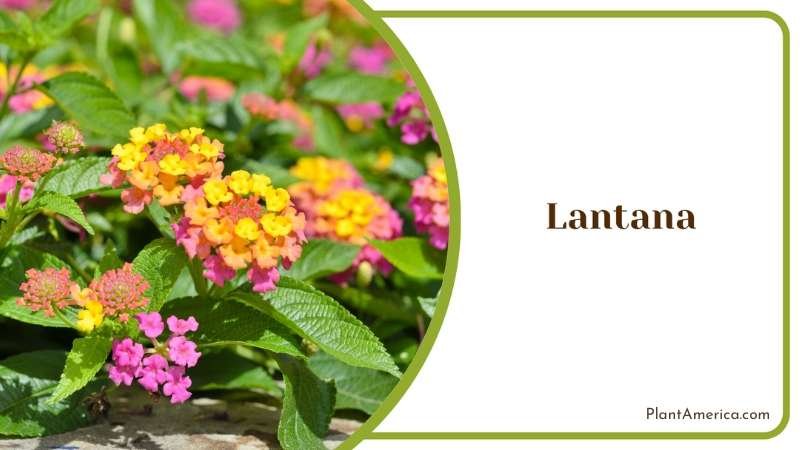
Lantana plants work well in Texas gardens due to their tough, drought-resistant nature and ability to withstand heat. The clusters of tubular flowers bloom all season long in various colors, attracting beneficial insects to your garden.
You can plant Lantana in borders, containers, or as a groundcover. Lantana shrubs feature leathery, opposite leaves ranging from one to four inches long and tubular flowers in various colors, including yellow, orange, red, pink, and purple. Lantana typically grows one to three feet tall, but trailing and mounding varieties will spread wider.
The tubular flowers appear nonstop all season, from spring through fall. Lantana attracts the eye, but the flowers provide an invaluable nectar source for butterflies, bees, and other pollinators. The foliage may also host caterpillars for butterfly larvae.
Lantana thrives in hot, full-sun conditions with well-drained soil. Once established, the woody stems, thick leaves, and small leaf size enable Lantana to withstand drought and heat stress. Shearing or trimming Lantana lightly after bloom periods will encourage fuller, bushier growth. Lantana spread quickly by underground rhizomes.
You may contain large lantana plants in borders with edging or allow Lantana to naturalize freely as a groundcover. The trailing varieties cascade beautifully over walls and from containers. Look no further than Lantana for an explosion of color that needs minimal TLC. The variety of flower colors ranges from pastels to brights, ensuring you’ll find a hue to suit your color scheme, plant several varieties together for a kaleidoscopic display.
With clusters of nicely scented flowers, attractive foliage, and requiring so little effort, I highly recommend Lantana if you’re looking for reliable color all season. The spreading habit can fill empty spaces and naturalize quickly once established, especially if you avoid harsh winter freezes that can damage Lantana.
2. Purple Fountain Grass
- Growing Season: Evergreen, Grows year-round
- Leaf Shape: Flat, Grass-like
- Specific Needs: Full sun, Sandy soil
- Common Pests: None
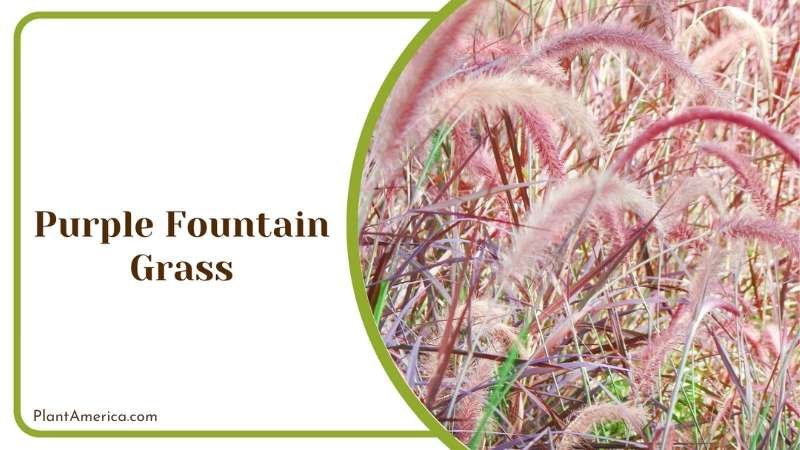
Purple fountain grass features purple blades that whorl around reddish midribs. The purple blades contrast beautifully with golden blooms and silvery-pink seed heads. This fast-growing ornamental grass grows two to four feet tall and provides color and motion year-round in a Texas landscape.
The blades emerge maroon tinged in spring, deepening to a rich purple by summer. The purple hue intensifies as blooms develop on slender stems atop the foliage. Flower spikes rise above the grass in summer, consisting of tiny golden flowers that yield silvery-pink plumes once the blossoms mature.
Purple fountain grass handles high temperatures, humidity, and neglect like a champ. The dramatic flower spikes dance all summer and endure well into fall. The dried seed heads add winter interest before being sheared back in late winter to freshen growth for the new season. Plant purple fountain grass in full sun for the darkest foliage color and most prolific blooms.
Purple fountain grass prefers well-drained, average soil and tolerates wet and dry conditions once established. Minimal fertilizer and infrequent watering are all that’s needed. Plant purple fountain grass as a screening plant in flower borders or massed in groupings to add size and structure. The purple blades and golden flowers provide a lush contrast and year-round movement with every breeze.
Prune fountain grass in late winter or early spring before new shoots emerge. Cut stalks back to about six inches from the soil surface. Timely shearing ensures attractive, dense growth throughout the growing season and discourages straggling.
For a fountain grass that offers gorgeous foliage contrast, reliable blooms, and low care needs, purple fountain grass fits the bill. The ever-changing color display from new growth to faded plumes will delight throughout every season in your Texas landscape. Consider mixing different varieties of fountain grass for extended interest and vibrancy.
3. Mexican Bush Sage
- Growing Season: Semi-evergreen, Grows until the first frost
- Leaf Shape: Fragrant, Gray-green leaves
- Specific Needs: Full sun, Well-drained soil
- Common Pests: Leaf miners, Chewing insects
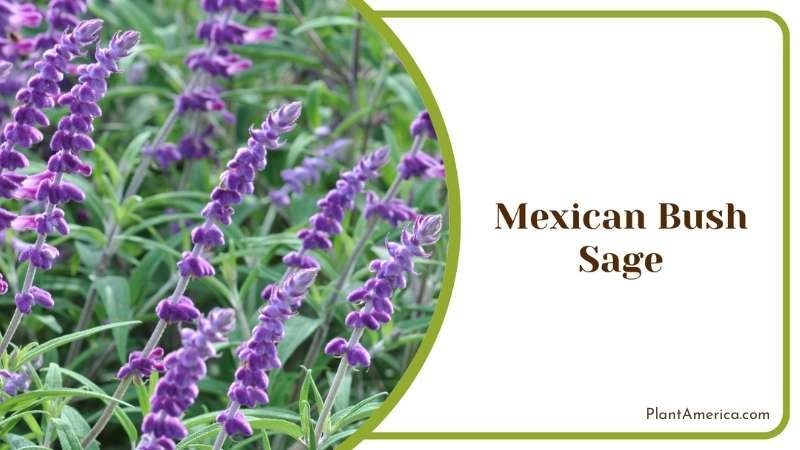
Mexican bush sage is a native perennial shrub featuring fragrant, gray-green leaves and showy clusters of purple flowers. Mexican bush sage tolerates heat, humidity, and poor soil conditions in Texas gardens. It grows three to four feet tall and features attractive textured foliage.
The gray-green leaves of Mexican bush sage are wooly, giving the foliage a soft and fuzzy texture. The slender, aromatic leaves are one to three inches long and arranged oppositely on the square stems.
Mexican bush sage produces spikes of violet to purple tubular flowers from mid to late summer. The flower spikes emerge from the leaf axils and gradually elongate as they bloom. The flowers attract bees, hummingbirds, and butterflies seeking nectar.
Mexican bush sage grows best in full sun but tolerates partial shade. The plant prefers well-drained soil but is otherwise adaptable. Infrequent watering and minimal fertilizer are all that is needed after establishment.
Plant Mexican bush sage as a low hedge, in mixed borders, or contained beds. Mexican bush sage can form a tidy, rounded, or broader spreading shape depending on the cultivar. Prune heavily after flowering to maintain a densely branching habit and compact shape.
The fragrant foliage makes Mexican bush sage ideal for container plantings on patios and decks where its aromatic nature can be appreciated up close. Mexican bush sage remains relatively pest and disease free, making them ideal choices for low-maintenance gardens.
With its ability to thrive in poor soils with minimal inputs, attractive foliage, and colorful flowers, Mexican bush sage offers a native charm that is well suited to the challenging conditions of Texas gardens. Consider growing multiple cultivars for extended seasons of interest and variation in shape and size.
4. Nandina

- Growing Season: Evergreen, Year-round
- Leaf Shape: Compound, Fan-shaped leaves
- Specific Needs: Partial sun, Moist soil
- Common Pests: Leaf miners, Nandina scale
Nandina, or heavenly bamboo, is an evergreen shrub prized for its striking foliage and interesting fruit. The fan-shaped leaves emerge bronze-red in spring before maturing to dark green. In fall and winter, Nandina puts on a show with bright red stems and clusters of crimson berries.
Nandina grows well in partially shaded gardens throughout Texas. Mandina’s coarse texture and vertical shape make it a useful screen or hedge plant. Prune lightly in late winter to remove dead wood and rejuvenate shape. This adaptable evergreen withstands heat, humidity, and neglect. So for a good-looking, trouble-free addition to your perennial beds or foundation plantings, nandina is ideal.
5. Red Yucca
- Growing Season: Spring, Summer
- Leaf Shape: Narrow, Stiff leaf blades
- Specific Needs: Full sun, Dry soil
- Common Pests: None
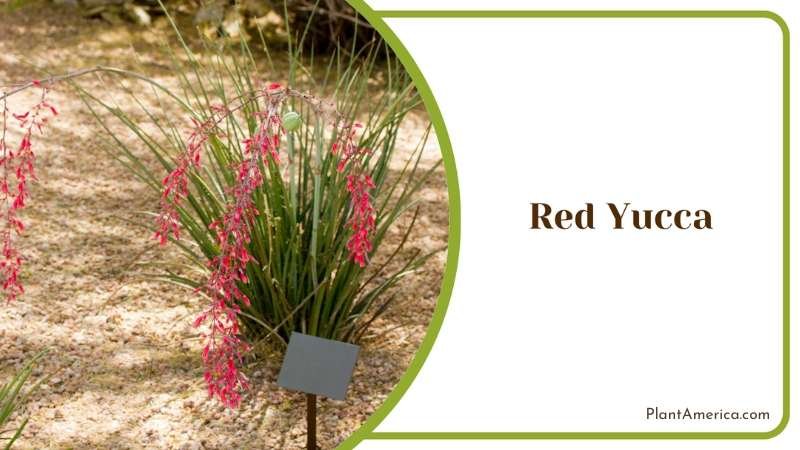
Red yucca features tall, spear-like foliage contrasting beautifully with the showy red tubular flowers blooming on upright stems. This drought-tolerant perennial grows two to three feet tall and thrives in hot, dry conditions.
In Texas gardens, red yucca spreads by underground runners to form dense clumps. The stiff, narrow leaves reduce water loss through the leaf surface. Red yucca flowers from spring through summer attract hummingbirds, bees, and butterflies. This low-maintenance perennial requires no pruning or support.
Plant red yucca as a foundation plant in rock gardens and xeriscape landscapes. Red yucca is ideal for hot, sunny, well-drained locations and is treated because of its spectacular blooms and drought tolerance.
6. Texas Mountain Laurel
- Growing Season: Spring
- Leaf Shape: Oval, Glossy leaves
- Specific Needs: Partial sun, Acidic soil
- Common Pests: None
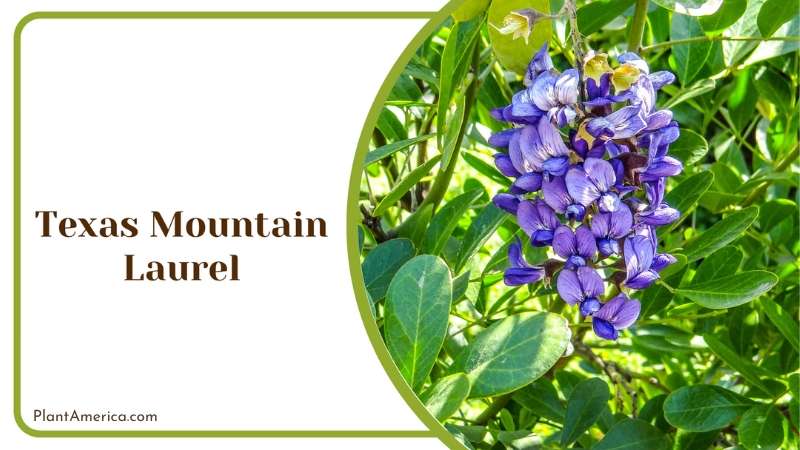
Texas mountain laurel is an evergreen shrub native to the state, featuring fragrant white flowers in spring and attractive glossy foliage year-round. In Texas gardens, mountain laurel grows eight to 12 feet tall and wide, forming a dense oval shape.
The glossy oval leaves provide shade and shelter for birds and small mammals. Texas mountain laurel flowers profusely and offers a nectar source for hummingbirds, bees, and butterflies. Mountain laurel prefers partial shade and acidic, well-drained soil.
Prune only after flowering to maintain a dense shape and encourage new growth. This low-maintenance native shrub adds beautiful greenery and fragrance to borders, foundation plantings, and screening areas.
7. Turk’s Cap

- Growing Season: Spring, Summer
- Leaf Shape: Palmate, Deeply divided leaves
- Specific Needs: Partial sun, Moist soil
- Common Pests: Leafhoppers, Caterpillars
Turk’s cap features attractive, lobed leaves and showy bright red flowers that resemble a Turkish soldier’s cap – hence the name. In Texas gardens, this native perennial shrub thrives in partial shade and consistently moist soil.
Turk’s cap typically grows three to five feet tall with thick, palmate leaves deeply divided into lobes. The stem and leaves are hairy, producing an untidy appearance that some gardeners prize.
Turk’s cap flowers from spring through summer, attracting hummingbirds to feed on the nectar of its tubular scarlet blooms. Turk’s cap reseeds readily but can also be propagated from cuttings. Occasionally trim to shape and control size.
This tough, drought-tolerant plant prefers moist but well-drained soils. Plant Turk’s cap in mass plantings, mixed borders, or beside water features to maximize its impact.
8. Mexican Bird of Paradise
- Growing Season: Spring, Fall
- Leaf Shape: Fleshy, Thick leaves
- Specific Needs: Full sun, Well-drained soil
- Common Pests: None
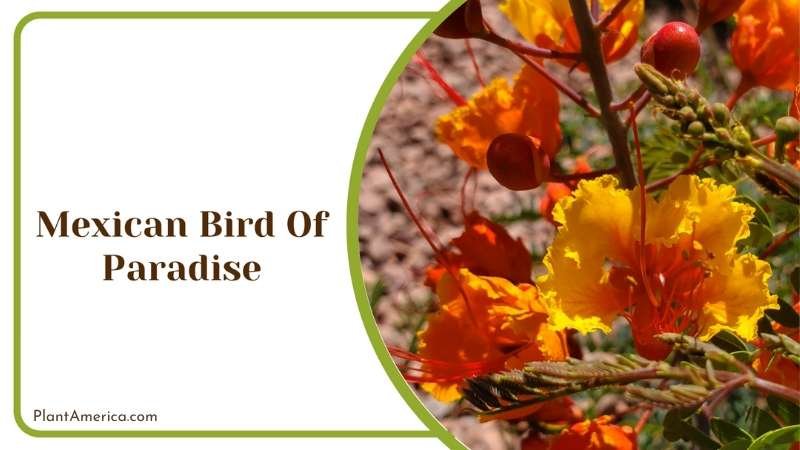
Mexican bird of paradise is a tall, tropical-looking perennial with large leaves and showy orange-red tubular flowers. This tough plant blooms nearly year-round in Texas, with a peak from spring through fall.
Mexican bird of paradise features fleshy, sword-like leaves arising from a thick trunk. The thick leaves reduce water loss and help the plant tolerate drought and heat stress. The tubular flowers bloom in long, slender spikes at the top of upright stalks. The flowers attract hummingbirds, bees, and butterflies with their nectar. The Mexican bird of paradise grows five to six feet tall and wide.
The Mexican bird of paradise fits the bill for a striking tropical accent in your Texas garden. With large architectural leaves and colorful blooms nearly year-round, this tough perennial packs a big visual punch for minimal water and care.
9. Rosemary
- Growing Season: Evergreen, Year-round
- Leaf Shape: Aromatic, Needle-like leaves
- Specific Needs: Full sun, Well-drained soil
- Common Pests: None
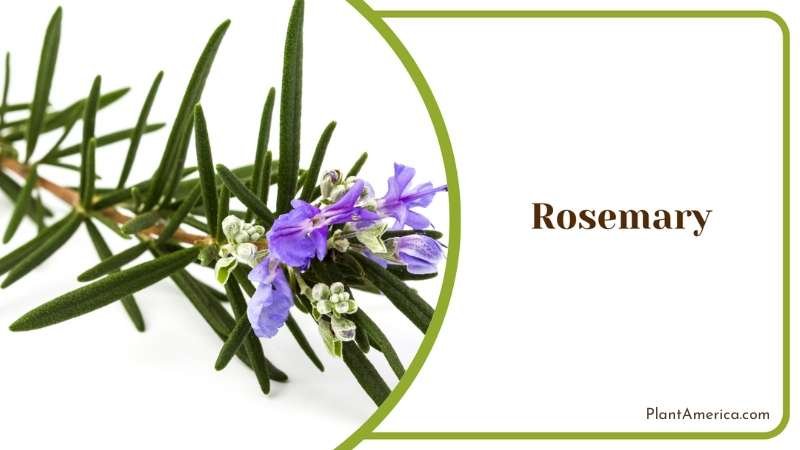
Rosemary is an evergreen herb prized for its fragrant needle-like leaves and ornamental value. In Texas gardens, rosemary grows well as both an herb and ornamental shrub, offering culinary and aesthetic benefits.
Rosemary features gray-green aromatic foliage in an upright, rounded form. The leaves have a powerful medicinal and culinary scent resembling pine and eucalyptus. Rosemary is easy to grow and maintain. This versatile herb thrives in hot, dry conditions with full sun and well-drained soil.
Rosemary remains evergreen year-round in warm climates, offering winter interest and fragrance. For Texas gardens, I highly recommend rosemary as a low-maintenance evergreen with usefulness beyond its ornamental value. Plant rosemary in borders, rock gardens, or near pathways where the fragrance can be enjoyed.
10. Agave
- Growing Season: Evergreen
- Leaf Shape: Tall, Fleshy leaves
- Specific Needs: Full sun, Dry soil
- Common Pests: None
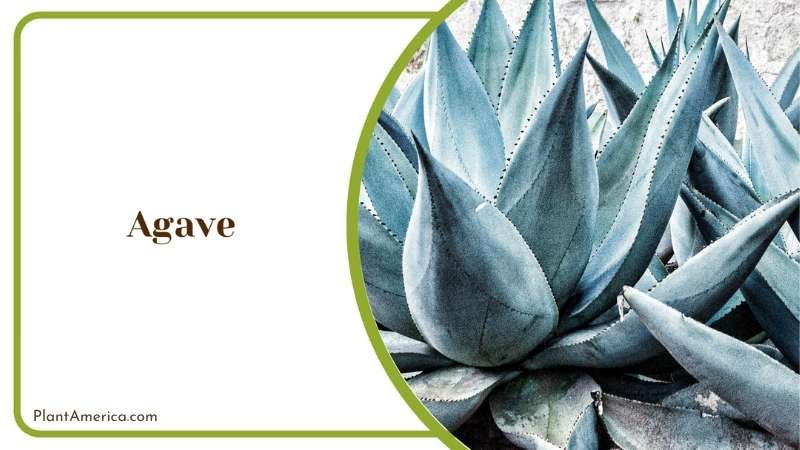
Agave is a genus of succulent plants well-suited to Texas gardens and landscapes. Agaves feature rosettes of thick, fleshy leaves that emerge from a thick base. Though not true cacti, agaves are adapted for extreme drought and heat.
In Texas, agaves grow best with full sun exposure and well-drained, dry soil. The thick, waxy leaves store water to help agave tolerate long periods of drought. Leaf margins are armed with spikes to deter animal predators. Agaves grow slowly to form fountain-shaped rosettes ranging from two to 10 feet tall, depending on the variety Agaves bloom infrequently, producing a tall stalk covered in yellow flowers.
For a low maintenance, architectural accent plant, agave shines in Texas gardens. Place agave in groupings, along walkways, and in xeriscape installations. The thick trunks of mature agaves also make striking sculptures.
11. Hibiscus
- Growing Season: Spring, Fall
- Leaf Shape: Palmate, Lobed leaves
- Specific Needs: Full sun, Moist soil
- Common Pests: Aphids, Ladybugs
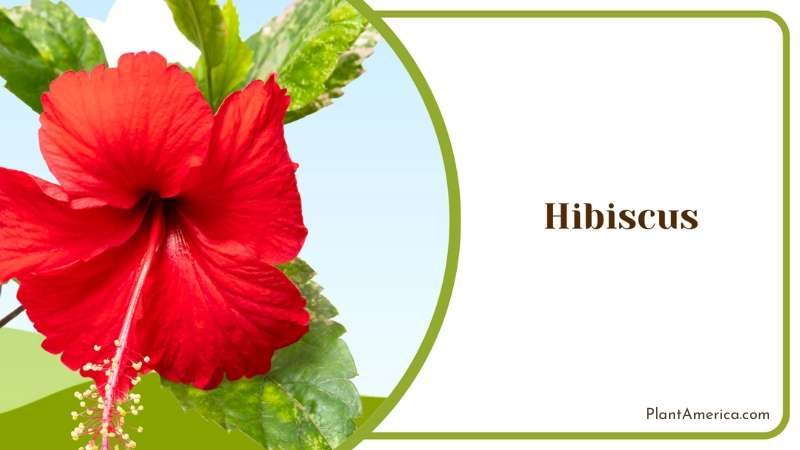
Hibiscus plants offer beautiful large flowers and glossy foliage for Texas gardens. Hibiscus flowers bloom continuously from spring through fall in a wide range of colors. Hibiscus features palmate lobed leaves and thick branching stems. The lobed leaves reduce water loss and enable hibiscus to withstand seasonal drought periods.
In Texas, hibiscus grows best with full sun and consistently moist, well-drained soil. Hibiscus flowers require deadheading to prolong bloom time. Prune it back, and spend flowers to encourage new growth. Hibiscus offers beautiful tropical accents without the tropical climate demands.
Use hibiscus to line pathways, anchor garden beds, or spill from containers. The vivid flower colors and large blossoms create bold garden focal points. For continuous summer color and texture, hibiscus is an ideal choice for Texas gardens; pair different varieties in combination plantings for maximum impact.
12. Engelmann Daisy
- Growing Season: Spring, Fall
- Leaf Shape: Compound, Fern-like leaves
- Specific Needs: Partial sun, Moist soil
- Common Pests: None
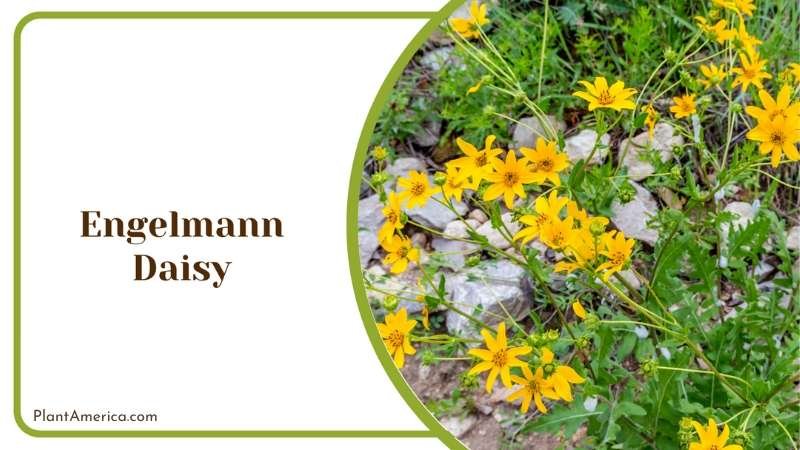
Engelmann daisy is a perennial Texas native wildflower featuring beautiful clusters of white or pink daisy flowers. In Texas gardens, Engelmann daisy blooms continuously from spring through fall. Engelmann daisy features delicate fern-like leaves that form a dense clump.
The compound leaves reduce water loss and enable Engelmann daisy to withstand heat and seasonal droughts. Engelmann daisy grows best in partial shade and consistently moist, well-drained soil. This low-maintenance perennial requires minimal care once established.
Engelmann daisy provides an excellent nectar source for bees, butterflies, and hummingbirds. Plant Engelmann daisies in naturalistic landscapes, meadow gardens, and along pathways. For long-lasting color and native charm, the Engelmann daisy adds beauty to Texas gardens with minimal demands. The spreading habit makes Engelmann daisy ideal for softening ground cover.
13. Golden Barrel Cactus
- Growing Season: Evergreen
- Leaf Shape: Flattened, Segmented stem
- Specific Needs: Full sun, Dry soil
- Common Pests: None
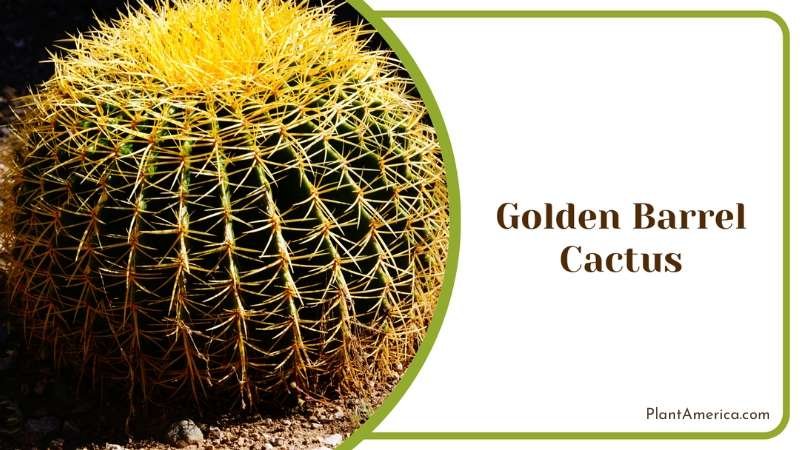
Golden barrel cactus is a hardy, drought-tolerant succulent well-suited to Texas gardens. As the name suggests, the golden barrel cactus features a cylindrical barrel-shaped stem. In Texas, golden barrel cactus grows best with full sun exposure and well-drained, dry soil. The stem stores water to help golden barrel cactus tolerate extended periods of drought.
Golden barrel cactus stems are flattened and segmented, appearing ribbed. Areoles along the stem produce clusters of sharp spines for protection. Golden barrel cactus features bright yellow flowers that appear during or after rainy periods. The vibrant yellow hue certainly warrants the name!
For a striking, low-maintenance accent plant, the golden barrel cactus pairs beautifully with other desert plants native to Texas. The golden barrel cactus brings a distinctly Southwest flair to any landscape with its barrel shape and attractive yellow blooms.
14. Texas Sage
- Growing Season: Spring
- Leaf Shape: Fragrant, Gray-green leaves
- Specific Needs: Full sun, Dry soil
- Common Pests: Leaf miners, Aphids
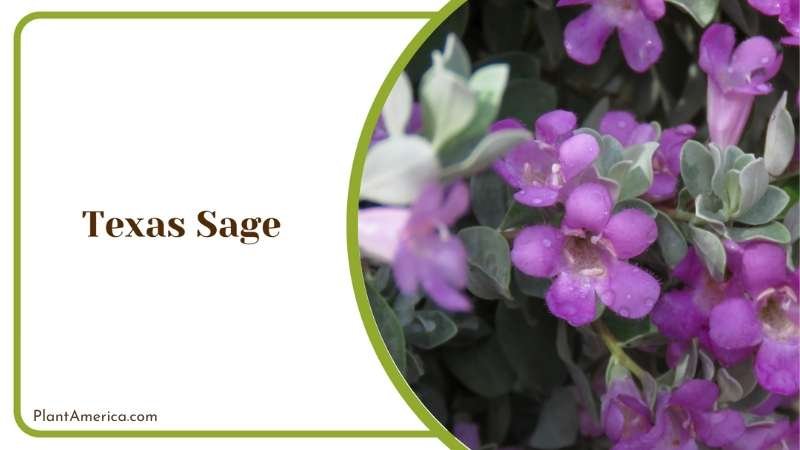
Texas sage is a drought-tolerant, fragrant perennial shrub native to the Lone Star State. Texas sage features silvery gray-green aromatic leaves and beautiful violet-blue flower spikes in spring.
In Texas gardens, Texas sage grows two to three feet tall and wide. The fragrant gray-green leaves reduce water loss and help Texas sage withstand seasonal droughts. Texas sage prefers hot, dry conditions with full sun and well-drained soil.
Texas sage blooms profusely in spring, attracting bees, butterflies, and hummingbirds to feed on its nectar. Prune lightly after flowering to encourage bushy new growth and maintain a compact shape. This low-maintenance native shrub requires no irrigation once established. Texas sage offers fragrance, vibrant spring color, and a habitat for native pollinators. Plant Texas sage in borders, rock gardens, or groupings for an attractive addition to xeriscape landscapes.
15. Texas Betony
- Growing Season: Spring
- Leaf Shape: Ovate, Gray-green
- Specific Needs: Partial sun, Moist soil
- Common Pests: None
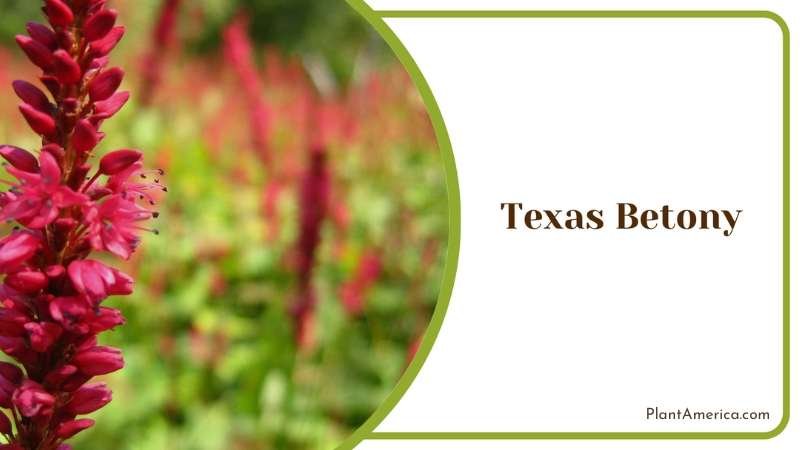
Texas betony is a tough, drought-tolerant perennial wildflower native to the Lone Star State. Texas betony features dense clumps of ovate gray-green leaves and fragrant pink flower spikes in spring. In Texas gardens, Texas betony grows one to two feet tall and wide, forming a spreading mound. The gray-green leaves reduce water loss, enabling Texas betony to withstand heat and seasonal drought.
Texas betony grows best in partial shade and consistently moist, well-drained soil. Once established, this low-maintenance native wildflower requires minimal care. The fragrant pink blooms attract hummingbirds, bees and butterflies. Texas betony spreads by rhizomes and self-seeds readily.
For graceful spring color, abundant nectar sources, and Texas native charm, add Texas betony to meadow gardens, borders, or rock gardens. The spreading habit makes Texas betony ideal as a drought-tolerant groundcover. The textural foliage provides interest even when not in bloom. Prune gently after flowering to remove spent blooms and dead foliage. Dividing clumps every few years also helps reinvigorate growth.
16. Penstemon
- Growing Season: Spring, Summer
- Leaf Shape: Lance-shaped, Gray-green
- Specific Needs: Full sun, Well-drained soil
- Common Pests: None
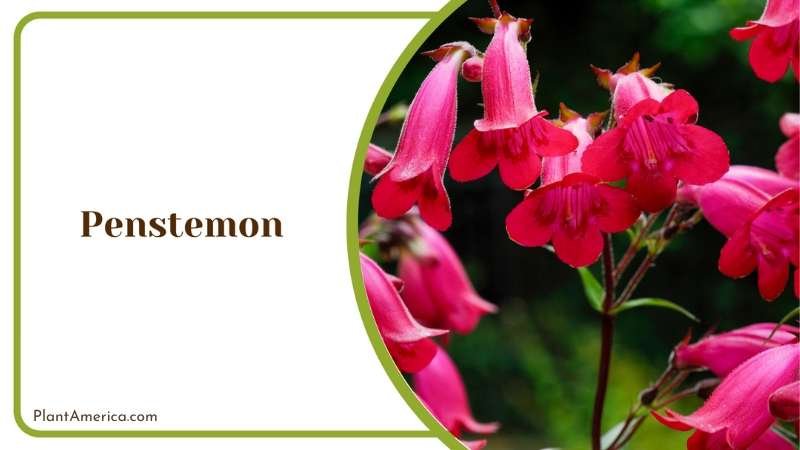
Penstemon is a genus of perennial wildflowers native to Texas and the surrounding region. Penstemon wildflowers feature tubular flowers in a variety of colors arising from clumps of lance-shaped leaves. In Texas gardens, penstemon blooms from spring through summer, providing long-lasting color.
The gray-green leaves reduce water loss and help Penstemon tolerate heat and drought. Penstemon grows best in hot, dry conditions with full sun and well-drained soil. Penstemon requires minimal care once established, and deadhead regularly to prolong bloom time.
The tubular blossoms attract hummingbirds, bees, and butterflies with their nectar. Penstemon self-seed readily and also propagates easily from stem cuttings. For a profusion of colorful tubular blooms and drought tolerance, consider Penstemon for Texas gardens. Use penstemon to naturalize on hillsides, meadow gardens, and pathways.
17. Frost Muhly
- Growing Season: Fall, Spring
- Leaf Shape: Fine, Thread-like leaves
- Specific Needs: Full sun, Well-drained soil
- Common Pests: None
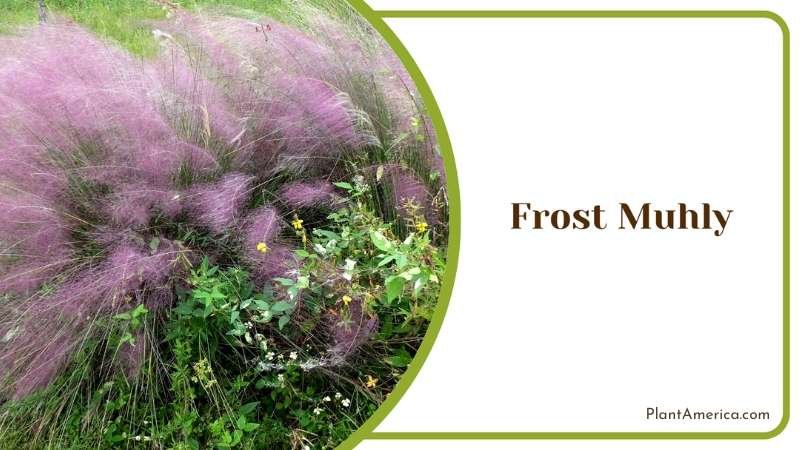
Frost muhly is an ornamental grass prized for its airy fall and winter display. In Texas gardens, frost muhly features thread-like green leaves and fluffy panicles of purple-pink flowers. In fall, the thread-like leaves of frost muhly turn various shades of yellow, orange, and gold. The colorful leaves combine with the plumes of flowers to create an attractive winter display.
Frost muhly grows two to three feet tall and wide, forming a clump-like habit. Frost muhly prefers hot, dry conditions with full sun and well-drained soil. Frost muhly makes an excellent native alternative to pampas grass.
The delicate flowers add winter interest without the high water requirements of other flowering grasses. Grow frost muhly for colorful interest in the dormant season. Mass plantings create an appealing textural contrast to the surrounding landscape. Prune back spent flower stems in late winter.
18. Copper Canyon Daisy
- Growing Season: Spring, Summer
- Leaf Shape: Ovate, Gray-green leaves
- Specific Needs: Full sun, Well-drained soil
- Common Pests: None
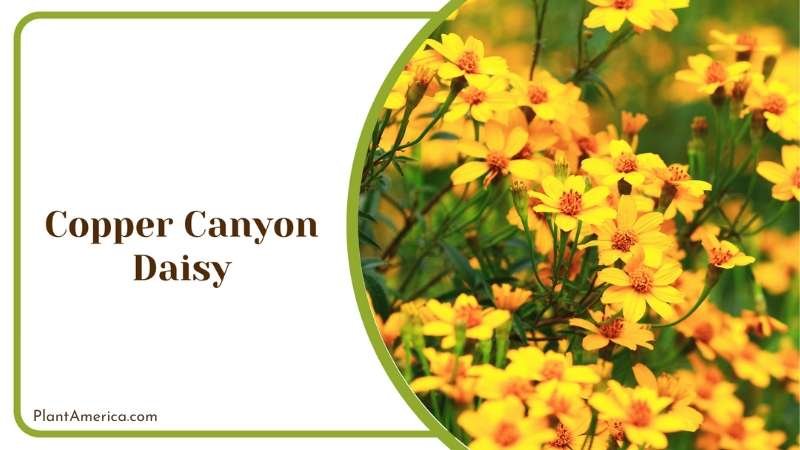
Copper Canyon daisy is a colorful Texas native wildflower featuring sunny yellow daisy blooms. In Texas gardens, copper canyon daisy blooms continuously from spring through spring through summer. Copper canyon daisy features ovate gray-green leaves that form a spreading mound. The foliage reduces water loss enabling copper canyon daisies to withstand heat and seasonal droughts.
Copper Canyon daisy grows best in hot, dry conditions preferring full sun, and well-drained soil. Deadhead regularly to prolong bloom time. The daisy blooms attract beneficial pollinators, including bees, butterflies, and hummingbirds. Copper canyon daisy spreads by underground rhizomes and will self-seed readily.
19. Bromeliad
- Growing Season: Evergreen
- Leaf Shape: Rosette, Sword-shaped
- Specific Needs: Partial sun, Moist soil
- Common Pests: None
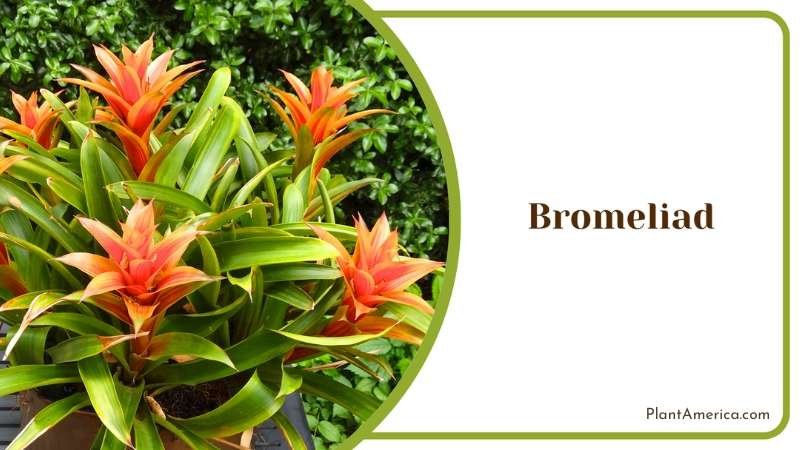
Bromeliads are drought-tolerant perennials native to tropical regions and well-suited to Texas gardens. Bromeliads are epiphytes, typically growing attached to trees in the wild.
In Texas gardens, bromeliads grow best with partial shade and consistently moist soil. Bromeliads form rosettes of sword-shaped leaves that prohibit excess water loss. Most bromeliads form “tanks” in the center of the rosette to collect and store rainwater.
Many insect larvae and small animals live in these tanks, creating an entire micro-ecosystem. Bromeliads flower infrequently on upright stalks arising from the center of the rosette. Blooms range in color from reds and pinks to oranges and yellows.
For an unusual evergreen accent, consider bromeliads for Texas landscapes. Pair different varieties for stunning visual impact. The low care needs and architectural forms of bromeliads make ideal additions to modern landscapes.
Conclusion
There are many beautiful yet low-maintenance plants that thrive in Texas gardens. Here is a brief summary:
- Frost muhly is an ornamental grass prized for its airy fall and winter display in Texas gardens.
- Turk’s cap features attractive, lobed leaves and showy bright red flowers that resemble a Turkish soldier’s cap.
- Mexican bush sage is a native perennial shrub featuring fragrant, gray-green leaves and showy clusters of purple flowers.
With a bit of planning and the right plant selections for your conditions, you can fill your Texas garden with natural beauty that demands minimal effort on your part. Focus on plants that thrive with minimal pampering, and commit to occasionally trimming, weeding, and deadheading. With diligence, your low-maintenance garden will soon provide years of joy with little work on your part.