
“How to transplant an Easter Lily outside?” Gardening enthusiasts frequently ask this question. Transplanting an easter lily plant outside requires careful handling and maintaining optimum requirements such as soil, temperature, potting medium, etc.

This transplantation guide will discuss the detailed method to successfully transplant these sweet lilies.
How Do You Transplant an Easter Lily Outside in Six Simple Steps?
To transplant an easter lily outside, start by preparing the potting medium and maintaining the humidity level. Then, wait for the right time, dig the holes, and prepare the soil. After that, plant lilies and provide them with proper aftercare.
1. Prepare the Plant
The first step in transplanting your lily involves preparing the plant for its new environment. If your lily is currently in a pot, you need to remove it. Also, remove any decorative foil or wrapping that might be around it.
This step is vital because foil or wrapping materials can restrict the plant’s growth. It can also inhibit proper drainage, which is essential for the lily’s survival.
For this, you may need some tools. So, ensure you have all the necessary tools at hand. These tools include a trowel for digging the hole, a watering can, and perhaps some gardening gloves to protect your hands.
Also, make sure you pick a suitable location for your lily. The area should receive bright, indirect sunlight and be well-drained.
2. Maintain Humidity
The next important step for transplanting a lily is maintaining the humidity level. Lilies thrive in a humid environment. If you are moving your lily from an indoor setting to outdoors, it is essential to ensure that the plant does not dry out during the process.

So, maintain the humidity by Keeping the soil moist but not waterlogged. You can attain this by watering the plant thoroughly a day before transplanting. It will also help to maintain the humidity around the plant by misting it with water.
3. Wait for the Right Time
The right timing is critical when it comes to transplanting lilies. The best time to move your lily outside is after the last frost has passed and the soil has heated up. It usually occurs in late spring or early summer.
Transplanting at this time ensures the plant has enough time to establish itself before colder weather comes in.

Most people question, “How to transplant an easter lily outside in Florida?” Transplanting a lily outside in Florida is similar to doing so in other regions. After the lily has bloomed, trim back the flowers in a way that leaves the foliage. After frost, choose a well-drained, sunny site and plant the bulb 6 inches deep.
4. Soil Preparation
Lilies prefer well-drained soil with a slightly acidic pH. They may have difficulty growing in soggy and harsh soil. So, make sure to prepare the soil carefully.
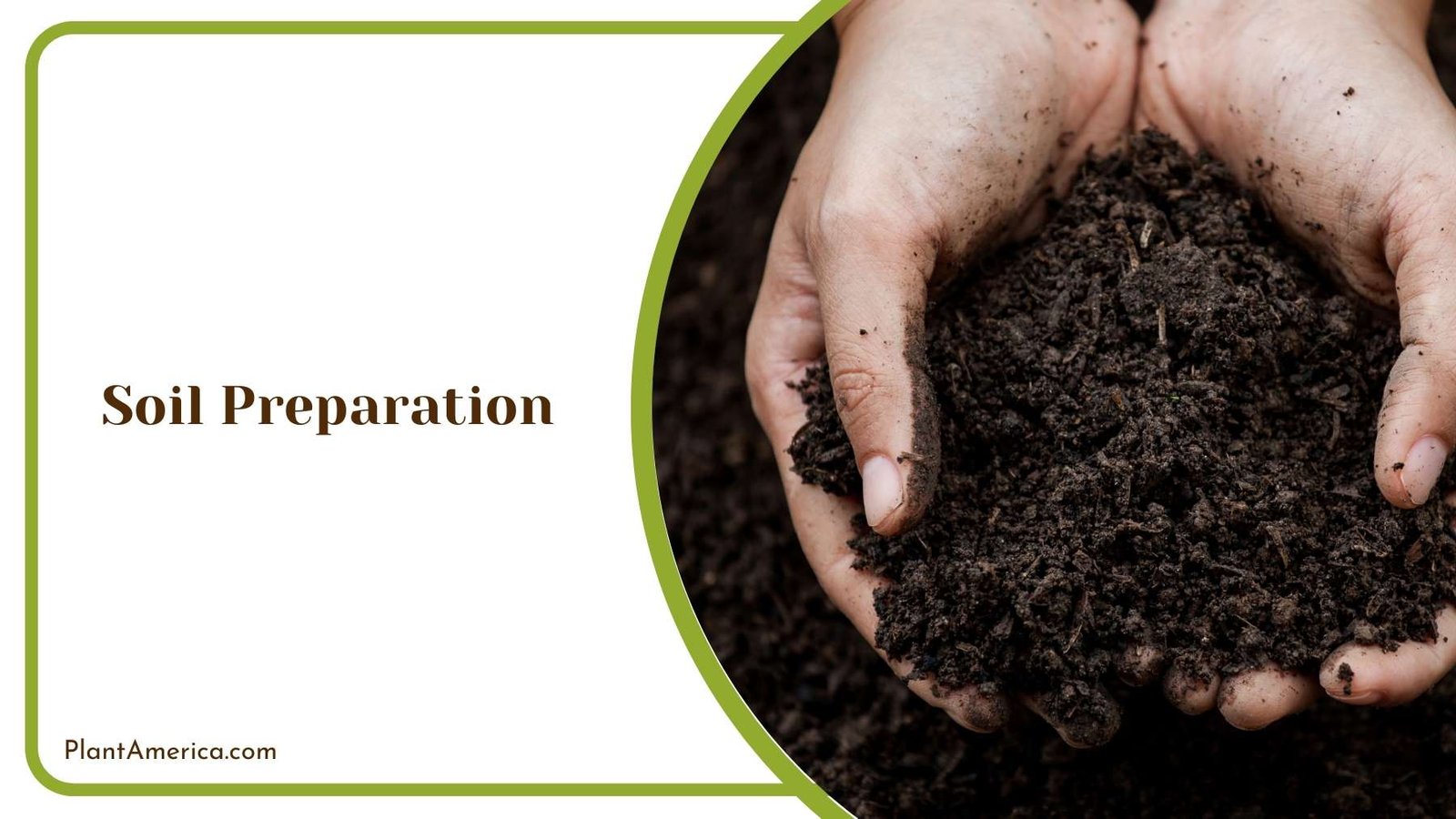
If your soil does not naturally meet these conditions, you may need to amend it. Adding organic matter like compost or peat moss can improve the soil structure. It can also help improve the soil’s drainage and acidity.
Also, a layer of mulch around the base of the plant can be beneficial. It helps retain moisture, suppress weeds, and regulate soil temperature. Thus, try to incorporate these things into the soil for better results.
5. Planting
Now, here is the most crucial step of planting. When you are ready to plant, start by digging a hole. This hole should be about three times wider and deeper than the root ball. It allows the roots plenty of room to spread and grow.
Then, place the lily in the hole and ensure the top of the root ball is level with the ground. Now, backfill the hole with soil and firm it around the plant to remove any air pockets.
To see practical videos of transplanting, search for how to transplant an easter lily outside YouTube, and you will get many videos regarding lilly transplantation.
You might wonder, “Do easter lilies multiply?” Yes, lilies do multiply. When planted and cared for properly, they can produce more bulbs over time. These new bulbs can be separated and replanted to create more plants.
6. Aftercare
Taking care of your Lily after transplanting is just as crucial as the transplanting process itself. Keep an eye on the plant for any indications of stress or disease. Also, prune off any dead or dying foliage to encourage new growth.
Depending on the variety and size of your lilies, you may need to provide support, such as stakes, to keep the tall stems from flopping over.
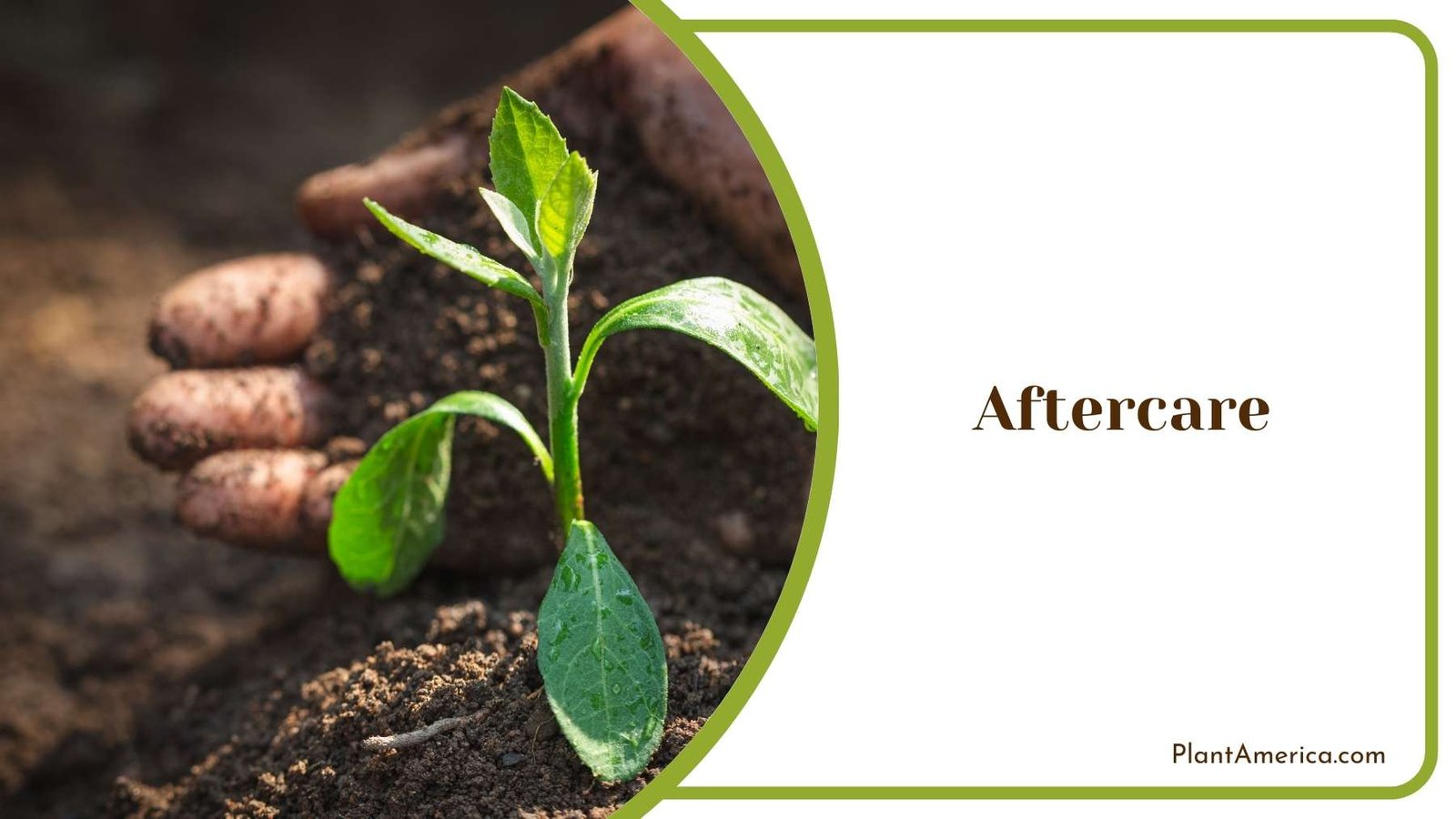
Moreover, periodically fertilize your lily to give it the nutrients it needs to thrive. After planting the lily, water it thoroughly to help settle the soil around the roots.
Continue watering regularly, especially during dry spells. However, prevent overwatering as this can lead to root rot and other plant-related diseases.
People usually ask, “Do easter lilies come back every year?” Yes, Easter lilies can return annually if planted outside and adequately cared for. They can bloom for several years but need well-drained soil, plenty of sunlight, and the right amount of water to return. So, if you provide these ideal conditions, you can cultivate them every year.
Factors To Consider When Transplanting an Easter Lily Outside
When transplanting an easter lily outside, consider factors such as light or temperature and potting medium. Proper watering is also essential. Also, consider the fertilization requirements and best time of transplantation, as they can affect the lilies.
– Light Requirements
Like most plants, easter lilies also require sufficient light for photosynthesis. This process is necessary for their food production, growth, and survival. So, providing them with a good amount of sunlight is crucial.
They thrive best in areas receiving bright, indirect sunlight. Although they can tolerate direct sunlight, too much of it can cause leaf burn. Also, insufficient light can lead to weak growth and fewer blooms.
– Temperature Requirements
The following important factor to keep in mind while transplanting is temperature. Providing optimal temperature is essential for the success of any transplantation process. So, lilies are also temperature sensitive and require an ideal temperature to grow well.

Easter lilies are sensitive to frost and can be damaged or killed by freezing temperatures. If you live in a colder climate (zone 5 or lower), consider providing some frost protection in the form of mulch or covering the plants during cold nights or unexpected late spring frosts.
They can grow best at temperatures up to 90 degrees Fahrenheit. However, their ideal temperature range lies between 60 to 90 degrees Fahrenheit.
Any fluctuation in this range can stunt their growth and may also lead to plant death. Therefore, ensure they have the ideal temperature for successful transplantation.
– Potting Medium
The type of soil or potting medium you use to transplant your lily is also essential. Lilies prefer well-draining soil with a slightly acidic pH. Heavy clay or overly sandy soil will not provide the conditions for these lilies to thrive.
For planting easter lilies in pots, it is vital to use compost or other organic matter. You can use a mix of equal parts garden soil, compost, and perlite or sand to improve drainage. It will allow for the improvement of the soil structure and drainage. Also, consider adding a layer of mulch. It will aid in retaining moisture and regulate soil temperature.
– Fertilization
Fertilization is vital for the growth and flowering of potted easter lily. You should use a balanced, slow-release fertilizer to provide the necessary nutrients. Also, avoid over-fertilizing because it can lead to excessive foliage growth.

Fertilizers aim to enhance the fertility of the soil. This fertility will help the lilies to grow well by improving soil quality and drainage. Easter Lilies benefit from a balanced, slow-release fertilizer.
Apply a balanced, granular fertilizer according to the package instructions when planting them and again in early summer.
Moreover, remember that the timing of fertilization is crucial. Fertilize just before the growing season begins and continue through the blooming period for best results. You might ask, “Can you plant easter lilies outside in Minnesota?” Yes, you can plant lilies outside in Minnesota. However, it would help if you considered some factors for doing so.
Lilies are not typically hardy in Minnesota’s cold winters, so they must be planted in a well-drained, sunny site and provided with proper easter lily care. But, as an alternative, you can consider other lily varieties known to be hardy in Minnesota’s climate.
– Watering
Watering is another critical factor. Lilies prefer evenly moist soil but prefer to avoid sitting in soggy conditions. They like a balance and grow best in gently damp conditions.
Also, overwatering can lead to root rot. This is a common problem in many plants that affects their roots. Moreover, underwatering can cause the plant to wilt and its leaves to turn yellow.
A frequently asked question is, “How to save easter lily bulbs?” To save lily bulbs, allow the plant to continue growing after blooming. Then, gradually reduce watering until the leaves turn yellow.
At this point, remove the bulb from the pot and clean off any soil. Store the bulbs in a cool, dark place until you are all ready to replant them in the following spring.
– Best Time to Transplant
Finally, the best time to transplant a Lily outside is after the danger of frost has passed and the soil has warmed up. As lilies are sensitive to cold temperatures, they must be planted in warm soil.
The best time to transplant them is during late spring or early summer. Transplanting at this time ensures the plant has plenty of time to establish itself before the colder weather sets in. This season also provides them with a good amount of sunlight they need to carry out their metabolic processes.
Have you ever thought, “Can you plant easter lilies outside in Michigan?” Yes, lilies can be planted outside in Michigan. For this, you need to choose a well-drained, sunny location for planting.
Conclusion
So, you are now ready to transplant your lily outside with the proper knowledge you have gained from our comprehensive transplantation guide. Here is a quick recap of the crucial points discussed in the guide:
- Preparation is the first step in the transplantation process, ensuring the plant and location are ready.
- Maintaining humidity is essential as lilies thrive in humid environments.
- Timing is vital, so make sure to transplant them at the right time. Late spring or early summer is the ideal time for transplantation.
- Proper planting techniques and soil preparation can significantly impact the lily’s growth and survival.
- Careful aftercare, including regular watering and fertilization, ensures the lily thrives well in its new environment.
Now that you have these easy-to-follow steps, you can confidently transplant a lily outside.