
Figuring out how to lower pH in water for plants organically is important, but it’s not an easy task. Lowering the pH level of water helps to create a more acidic growing environment, which can be beneficial for certain plants that prefer a lower pH.
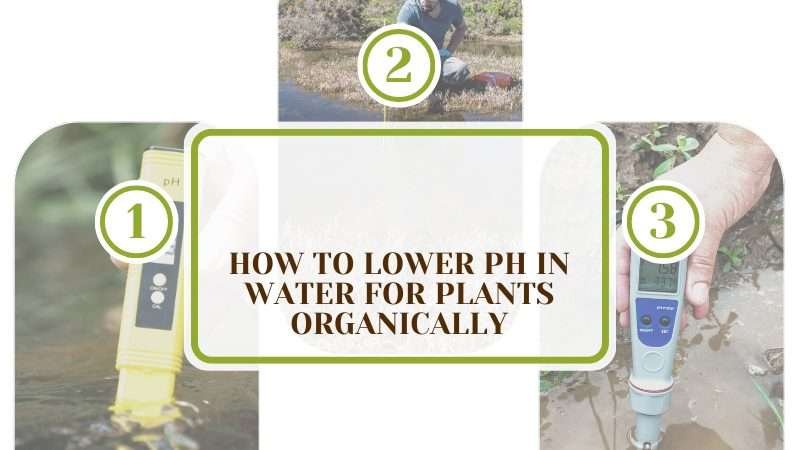
This guide consists of simple steps to help you lower the pH in water for plants organically. Continue reading to know more about how to lower the pH safely.
How To Lower pH Levels in Water for Plants Organically?
To lower pH levels in water for plants organically, you can use several methods, like adding a small amount of peat moss or vinegar. Sulfur is another organic material that can be used to decrease the pH of water for plants. You can also use lemon juice and aluminum sulfate.
– Adding Peat Moss
Peat moss is an organic matter that can be used to decrease the pH of water for plants. It is naturally acidic and helps to lower the level of pH in water when added to it. It is formed from decomposed moss and is commonly used as a soil amendment in gardening and agriculture. To use it, purchase high-quality peat moss and soak it in water for several hours or overnight. You can also use some peat moss alternatives.
Strain the water to remove any large pieces of peat moss and use it to water plants or add it to a watering can. Regularly test the level of pH of the water to ensure it remains at the desired level, as peat moss can lose its effectiveness over time. Peat moss is a great option but can be expensive and may not be readily available in all areas.
Before you go out and buy bags and bags of the stuff, it’s a good idea to be informed of the environmental repercussions of peat moss harvesting. You really don’t need to use a lot of peat moss because a little bit goes a very long way. Overuse of it can lead to soil or water that is too acidic and harm plants, so use peat moss in moderation.
– Adding Vinegar
Vinegar is an easy and accessible option for lowering pH of water for plants. White distilled vinegar, with a pH level of around 2.5, is the best choice for this purpose. To use vinegar to lower pH in water for plants, measure out one tablespoon per gallon of water and add it to your watering can or directly to the soil around your plants.

However, it is essential to use caution when adding vinegar, as too much can harm your plants.
Keep in mind that vinegar is not a permanent solution for lowering the pH of water, as the pH will eventually return to its original level. You may need to reapply vinegar periodically. Additionally, the strong odor of vinegar may be unpleasant, so it’s best to use it in a well-ventilated area.
Ordinary home vinegar already contains significant water, making it a diluted acid. The vinegar mixture is relatively mild when combined with additional water for usage in soil. Do not put raw vinegar on plants or the soil to hasten the soil-acidifying process. Although vinegar won’t necessarily kill something permanently, it can kill off blossoms or make the soil too acidic. Be careful of using vinegar on grass since it will cause some burnings for sure!
Vinegar is a quick and easy option for lowering pH in water for plants organically, but it is not a long-term solution and should be used with caution. If you’re searching for a more sustainable option, consider using more organic materials such as sulfur powder.
– Adding Sulfur
Sulfur is an effective and natural option for lowering the pH of water for plants. Sulfur works by releasing sulfuric acid into the soil, which can then lower the pH of the water. Sulfur can be found in a variety of forms, including elemental sulfur, sulfur powder, and sulfate compounds.

To use sulfur to lower the pH of water for plants, first determine the current level of pH of the water. If it’s a high pH, add a small amount of sulfur to the water or soil and mix it well. Be sure to follow the recommended guidelines for the type of sulfur you use, as using too much can harm your plants.
It’s important to note that sulfur takes time to lower the pH of water and soil, so be patient. You may need to reapply sulfur periodically to maintain the desired level of pH. Additionally, sulfur can produce a strong odor and may be harmful if inhaled, so be sure to use it in an adequately ventilated area and wear protective gear if necessary.
– Using Epsom Salt
Using Epsom salt to lower the pH of water for plants, you first need to determine the current pH of the water using a pH scale. Then, add 1-2 tablespoons of Epsom salt per gallon of water, stirring until the salt has dissolved.
Check the pH levels again to see if it has been lowered, and repeat the process until the desired level of pH is reached. Use the modified water to hydrate your plants and monitor the pH regularly to make sure they remain within the optimal range.
It’s important not to lower the pH too much, as this can harm your plants. Epsom salt is a natural source of sulfur and a simple, cost-effective solution for adjusting the levels of pH in the water for plants. Using Epsom salt, you can provide your plants with the ideal growing conditions they need to thrive.
Wondering how to lower pH in water with baking soda? You can’t actually lower the pH with soda because it is a base. You can, however, use it to raise the pH by using it, and this can help when dealing with acidic water.
References:
- Douglas Cox. (August 1995). Water Quality: pH and Alkalinity. University of Massachusetts Amherst.
Retrieved from https://ag.umass.edu/greenhouse-floriculture/fact-sheets/water-quality-ph-alkalinity - R. Adeleke, C. Nwangburuka, B. Oboirien. (January 2017). Origins, roles and fate of organic acids in soils: A review. ScienceDirect.
Retrieved from https://www.sciencedirect.com/science/article/pii/S0254629915315167