
Hardy perennials are gardeners’ secret weapon for low-maintenance gardens. This post will explore 21 hardy perennial flowers and plants that thrive with little care. These rugged beauties return reliably year after year, so you can spend less time fussing over your flowers.
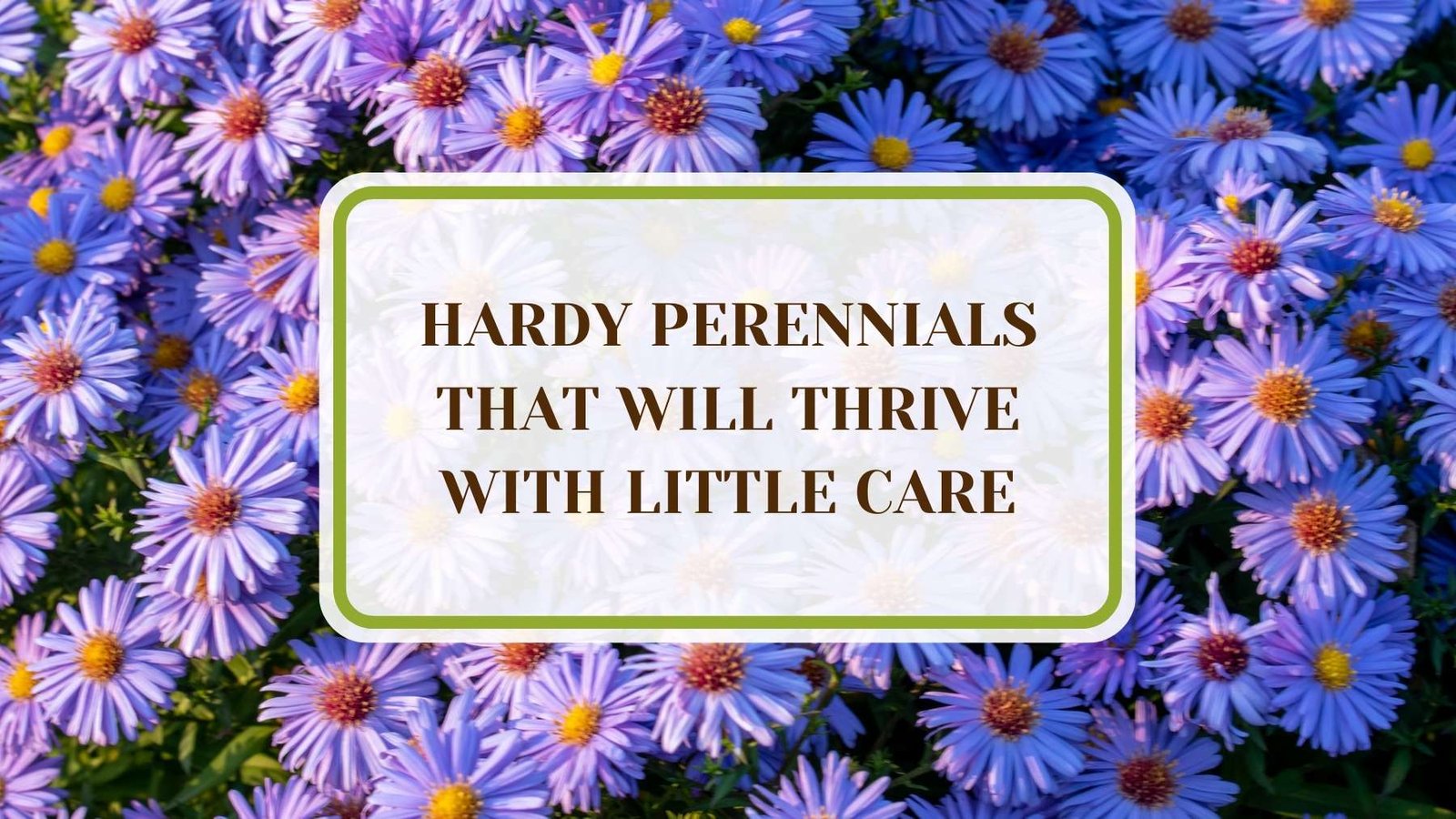
Whether you crave vibrant colors, delicate textures, or eye-catching blooms that last all summer, this list has enduring options for every landscape.
Hardy Perennial All-Stars for Low-Effort Gardens
1. Black-eyed Susan

- Growing Season: Spring, Late Summer, Fall
- Leaf Type: Aromatic, narrow leaves
- Specific Needs: Sun, Well-draining soil
- Common Pests: Aphids, Spider mites
Black-eyed Susan is one of the most carefree flowering perennials. This stalwart produces copious golden blooms throughout the summer and fall seasons. With its hardiness and ability to naturalize easily, you’ll wake to a bounty of cheerful faces gazing up at you each morning.
As a hardy perennial, black-eyed Susan thrives with little care in prairie-style plantings and makes an excellent cut flower that will last for days when brought inside. Its ornamental seed heads also provide winter interest and nutrition for birds. Being drought tolerant, black-eyed Susan is perfect for low-maintenance gardens.
Black-eyed Susan spreads calmly but reliably by self-sowing each year. You only need to plant it once, and it will keep your garden glowing with color season after season with very little effort on your part.
The abundant blooms and neat clumping habit of the common black-eyed Susan make it an excellent candidate for the back of borders, naturalized plantings, meadow gardens, or prairie restorations. Its bright golden color also adds happiness to casual bouquets cut from the garden.
2. Shasta Daisy

- Growing Season: Spring, Late Summer, Fall
- Leaf Type: Green, gray-green foliage
- Specific Needs: Sun, Well-draining soil
- Common Pests: Aphids, Spider mites
This familiar border beauty dons frilly white blooms that resemble their namesake. Shasta Daisy flowers consistently all season long. Its mounding habit makes it an excellent choice for the foreground of beds.
You’ll appreciate this perennial’s tidy habit and resistance to most problems compared to other choices. Plant it and then sit back and inhale the soothing scent of its blossoms with little ongoing attention required.
Shasta Daisy thrives with minimal care as one of the hardiest and most resilient perennials. Ideal for cottage gardens, Shasta Daisy produces an abundance of large, double flowers on sturdy stems just right for cutting.
The Shasta Daisy spreads slowly but covers ground effectively with its mounding growth habit. Instead of aggressive runners or seeding, it creeps softly outward each season, sharing its cheer.
Low water needs and resilience against pests qualify the Shasta Daisy as an excellent addition to low-maintenance perennial gardens. Partner it with later blooming perennials for the succession of color from spring through fall.
3. Liatris Spicata

- Growing Season: Summer, Fall
- Leaf Type: Fragrant, Gray-green leaves
- Specific Needs: Full sun, Average soil
- Common Pests: Rare pests
Also called blazing star or gayfeather, Liatris spicata draws attention wherever it grows with its unique spikey flower clusters. Tall, airy blossoms bloom in shades of purple, pink, or white at the tips of sturdy stalks that are great for cutting. This elegant perennial prefers dry, lean soil and will thrive even in poor soil where other flowers struggle.
With its slender grass texture, Liatris spicata adds an attractive textural component to borders and prairie plantings. Fleshy roots allow it to survive periods of drought without Missing a beat once established. Originating on the North American plains, Liatris spicata is home in zones three to nine with little care. Provide full sun and average soil; this prairie native takes it from there.
As a clumping perennial, Liatris spicata spreads slowly at its own pace to fill gaps naturally. But it remains happily contained without aggressive runners. Tall flower stalks soar above most companions to showcase the intricate blooms. Unlike many summer bloomers prone to powdery mildew or insect pests, Liatris rarely experiences issues.
4. Phlox Paniculata

- Growing Season: Spring, Late Summer, Fall
- Leaf Type: Broad, tapered leave
- Specific Needs: Sun, Well-draining soil
- Common Pests: Aphids, Spider mites
This classic summer bloomer astounds with multi-colored pyramidal flower clusters atop airy stems. Phlox paniculata offers timeless cottage garden charm while attracting hummingbirds, butterflies, and more with its sweet nectar.
Phlox paniculata tolerates average soil conditions but may sulk in heavy clay soil. Water generously through the establishment and try amending clay with compost for best results. In lean years, pinch-back stems emerge to concentrate buds lower. Otherwise, P. paniculata requires sparse care despite occasional mildew issues more common further east.
Greater finch, bunny, and human appeal emerge as these beauties develop their fragrant seedheads, nourishing birds through fall and winter. Their delicate texture lends whimsy to bouquets long after blooms fade. As the spring arrives; tidy P. paniculata presents fresh regrowth ideal for cottage gardens with loving dependability and modest demands in return.
5. Russian Sage

- Growing Season: Summer, Fall
- Leaf Type: Fragrant, Gray-green leaves
- Specific Needs: Full sun, Average soil
- Common Pests: Rare pests
Russian sage enthralls pollinators summer through fall with puffed flower spikes of violet-blue. Its fragrance permeates gardens from tall, airy stalks reaching three to five feet with minimal needs.
Prefers well-draining, nutrient-rich soils and at least six hours of direct sun daily. Self-seeding spreads slowly through rhizomes naturally. Deadhead faded blooms for continual rebloom through first frosts.
Backlighting accentuates ethereal blossoms floating above wispy aromatic foliage. Cut stems last indoors, perfuming interiors. Minimal maintenance satisfies over seasons, requiring sole investments comprising drainage and sun.
Once established, drought-tolerant root bases withstand occasional dry spells without wilting. Periodic division every three to five years reinvigorates without hampering neighbors. Come winter, brown stalks remain, providing structure for nesting birds.
Reliable floriferous nature and resilience coupled with legendary pollinator appeal commend the Russian sage’s inclusion wherever earning beauty abounds. Their dependability gratifies gardeners’ investments enthusiastically bestowed for seasons.
6. Yarrow
- Growing Season: Spring, Late Summer, Fall
- Leaf Type: Ferny, Delicate foliage
- Specific Needs: Sun, Well-draining soil
- Common Pests: Aphids, Spider mites
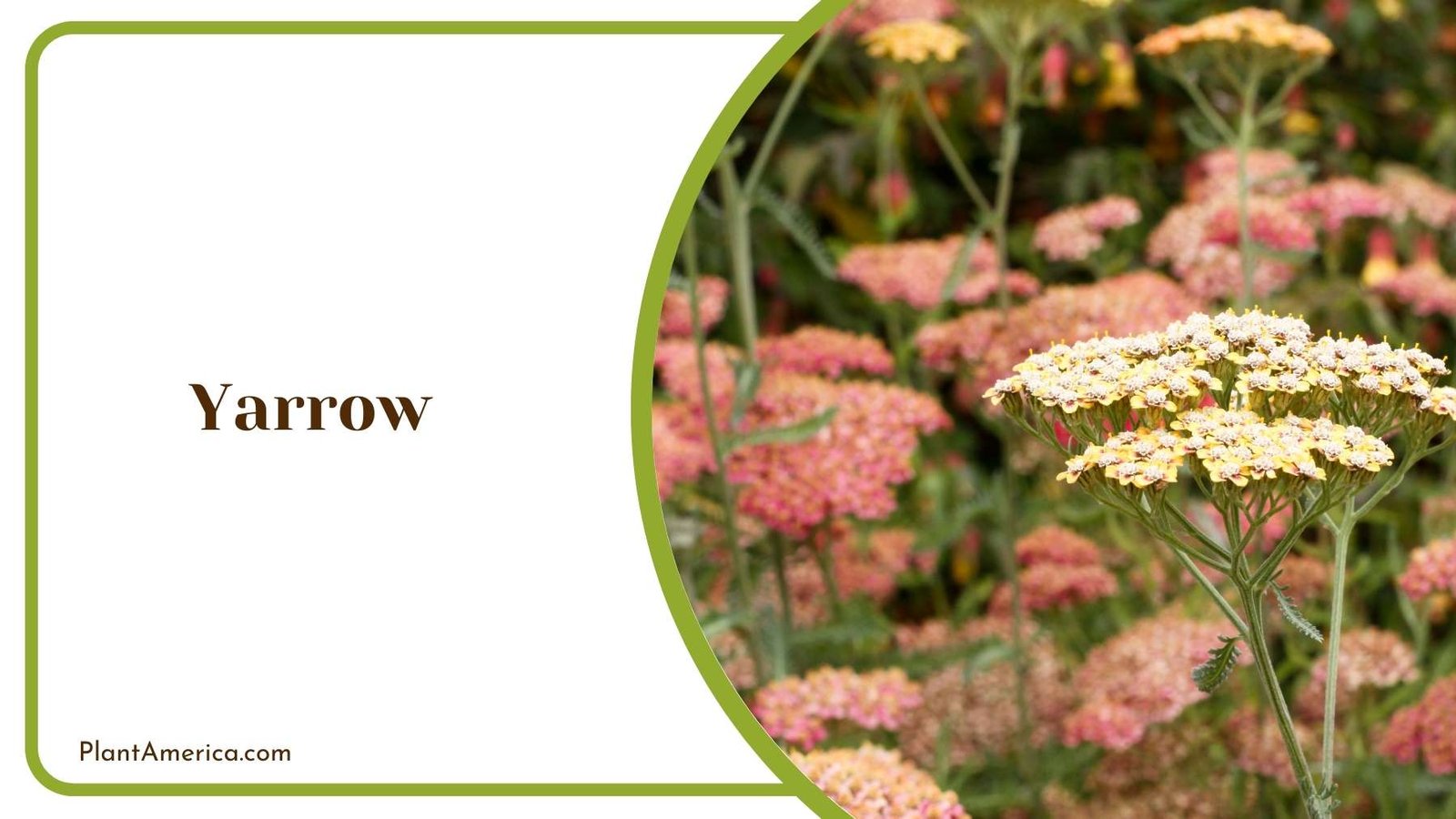
Feathery Yarrow blooms in pink, red, and white hues all summer. Delicate ferny foliage remains attractive even after flowers fade. This adaptable perennial thrives in average to poor soil with good drainage. Provide at least six hours of direct sun, but Yarrow tolerates partial shade too.
Adaptability makes Yarrow ideal for difficult spots. It naturalizes beautifully along pathways or in meadows with self-seeding. Allow some blooms to develop feathery seeds for winter interest appreciated by songbirds. Cutting stems encourages branching for more extended flowering periods too.
Yarrow spreads slowly through underground rhizomes, never becoming invasive. It remains happily contained, multiplying over the years to fill spaces. Deer rarely bothers this tough, wiry perennial too. Shake out spent flowers to prevent unwanted volunteers if desired.
Beyond reliable bloom power and wildlife appeal, Yarrow earns its keep in the garden with additional benefits. Crushing leaves release a fragrance to soothe sunburns bug bites, and calm nerves. Added to compost, its minerals boost bacterial activity, aiding decomposition.
Minimal needs and visual and practical virtues prove why Yarrow endures as a humble perennial legend. This rugged charmer thrives beautifully with sparse demands on soil or maintenance for delightful returns year after year.
7. Daylily

- Growing Season: Spring, Late Summer, Fall
- Leaf Type: Sword-shaped, Green foliage
- Specific Needs: Sun, Well-draining soil
- Common Pests: Arare issuess
Daylilies bear cheerful blooms in kaleidoscopic hues all summer. Growing and resisting most pests and diseases is easy and lives up to its stout perennial reputation. Morning sun with afternoon shade suits most, but complete sun tolerance depends on the variety.
Clump-forming daylilies spread slowly via underground rhizomes. They feature sturdy, sword-shaped green foliage often accented in maroon or gold tones. This foliage remains attractive until frosted for winter. Cut-back browned tops fall after a summer of floral brilliance.
Individual flowers last just one day, but others promptly take their place on extended, thickened stems. Deadheading promotes continuous rebloom but leaves some results in ornamental seedpods for birds through winter. Daylily mixes or collections offer long-lasting successive waves of color.
Adaptable daylilies thrive in average soil with consistent moisture. Amending clay or sandy soils improves vigor. Consider various sizes, bloom times, and flower forms to prolong interest from June to September. Fragrant varieties lend an olfactory element to gardens, too.
8. Coreopsis
- Growing Season: Spring, Late Summer, Fall
- Leaf Type: Alternative, Lance-shaped green leaves
- Specific Needs: Sun, Well-draining soil
- Common Pests: None
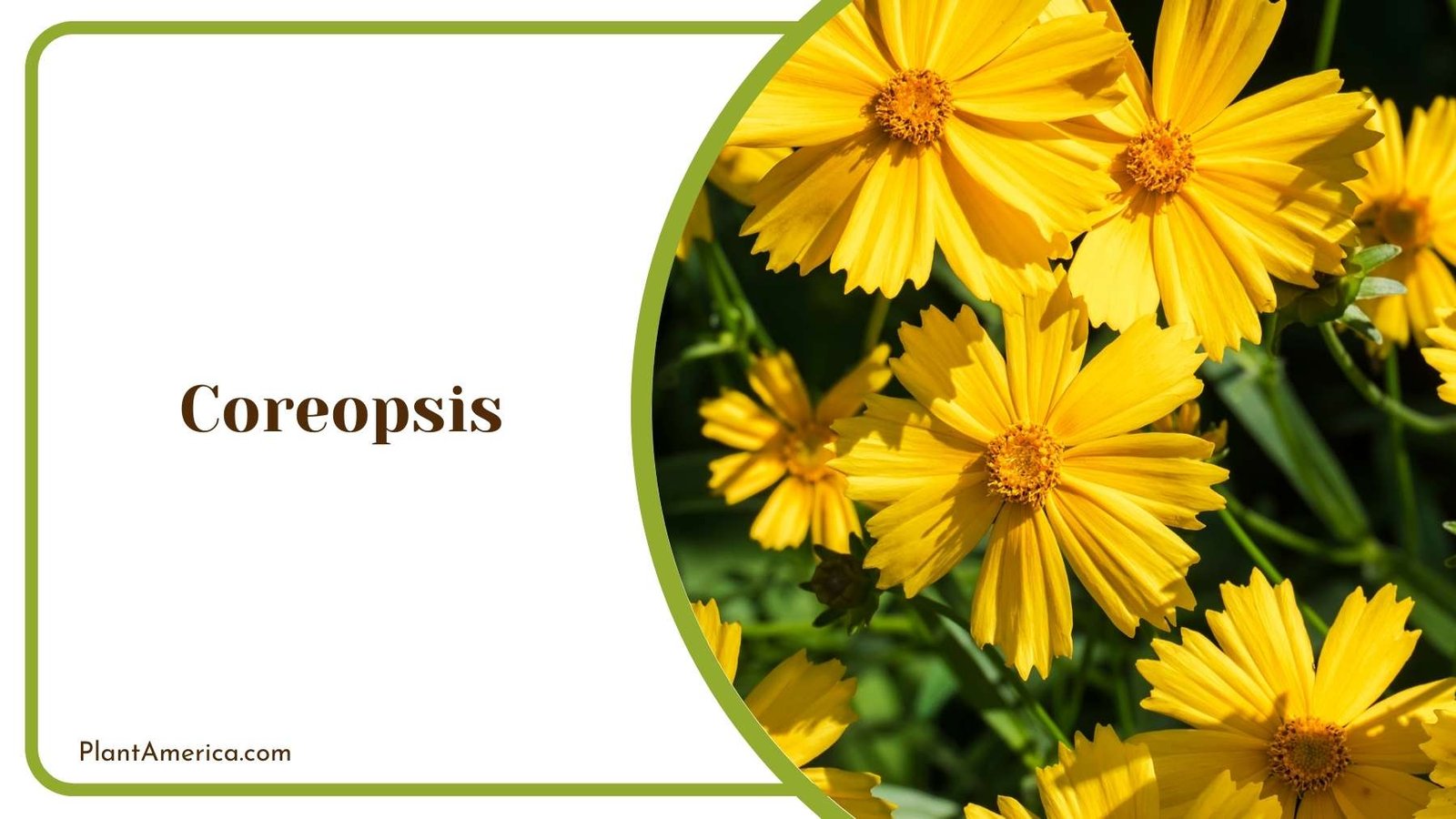
Coreopsis bears cheerful daisy-like blooms in yellows, golds, and oranges all season. These sturdy perennials thrive in lean soils with ample drainage and full sun. Several species suit varied climates and garden uses, from traditional cottage borders to naturalistic prairie plantings.
Blooms persist on solid stems perfect for cutting. ‘Moonbeam’ features elegant white-centered blooms, while thread leaf coreopsis offers a wispy texture. Deadhead spent flowers to encourage rebloom through fall. Overwatering or crowding can invite stem or crown rot, so provide spacing.
Coreopsis spreads gradually through creeping rhizomes. Dividing every three years or so maintains a tidy habit without overtaking beds. Some remain compact mixers, while others naturalize beautifully. All attract pollinators with abundant nectar all season without fussiness.
Beyond cheerful blooms, delicate textured foliage maintains a neat presence until frosted. Their resilience and rugged good looks reward gardeners with months of carefree, cheerful color. Coreopsis proves themselves natural performers that require sparse attention despite reliable satisfaction in return year after year.
9. Bee Balm

- Growing Season: Summer, Fall
- Leaf Type: Heart-shaped, Downy gray-green leaves
- Specific Needs: Sun, Well-draining soil
- Common Pests: Rare issues
Bee balm entices wildlife with vibrant pink, red, or white blossoms beloved by hummingbirds and butterflies seeking nectar. Its fragrance floats deliciously on summer breezes. Provide at least six hours of direct sun and well-draining soil for best growth.
These mounding perennials thrive for mid to late-summer floral movement through autumn. Deadheading prolongs the show but allows some blooms to mature and lures pollinators with seeds. Greenery remains attractive, providing screening and fall interest until frost.
Bee balm spreads gradually via rhizomes but never aggressively. Dividing clumps every few years maintains their compact shape without overcrowding companions. It naturalizes beautifully along water features, meadow edges, or as a specimen.
Insulating thick roots enables bee balm to withstand dry periods once established without fussing. Minimal watering suffices when blooms emerge. Resist over-fertilizing, which may invite pests like spider mites instead.
Fragrant color and carefree resilience paired with captivating pollinator magnetism earn this humble native perennial’s keep. Indeed, bee balm rewards gardeners bountifully with its gracious nature, requiring sparse effort or input beyond sun and soil in return.
10. Lily

- Growing Season: Spring, Late Summer, Fall
- Leaf Type: Erect or fan-shaped, Green leaves
- Specific Needs: Sun, Well-draining soil
- Common Pests: Aphids, Spider mites
Lilies attract attention in the garden with their elegantly sculpted blooms floating atop tall, slender stems. A lily offers many varieties to suit any climate or garden style, from delicate Oriental crosses to towering Asiatic hybrids.
The most common type for cottage gardens, Asiatic lilies thrive in full sun or light shade with consistently moist yet well-draining soil. Amending heavy soils with compost before planting improves drainage. Provide irrigation during dry spells without allowing the soil to become saturated.
Lilies spread slowly by bulbs in a clumping habit, multiplying over the years. Division every few years keeps colonies healthy without overcrowding. Their steeply rising arc and varied bloom timing lend whimsy and beauty to mixed borders for months.
Snails and slugs occasionally nibble emerging leaves but seldom seriously impact plant health. Avoid overcrowding or excess nitrogen to discourage fungal diseases. Lilies reward gardeners with their elegant additions and low demands in return for sturdy reliability year after year.
11. Iris

- Growing Season: Spring, Late Summer, Fall
- Leaf Type: Sword-shaped foliage
- Specific Needs: Sun, Well-draining soil
- Common Pests: Aphids, Spider mites
Whether bearing lush bearded blooms or delicate vertical standards, Irises add grace to garden beds. Varieties suit every climate three to eight, from hardy Russian types surviving zones to tropical varieties for the south.
Ideally, plant Irises in full sun where summers remain relatively calm, and soils drain exceptionally well. Amending heavy clay improves drainage. However, some species tolerate light shade. Georgia and Louisiana cultivars demand more heat and humidity.
An established clump multiplies over time as side rhizomes develop. Division every 3-4 years maintains vigor without overcrowding. Cut back foliage after it yellows for neat winter interest.
While gaining popularity, Irises remains understated despite reliable gratitude. Their healthy root masses persevere through extremes once established, reliably returning year after year to spread cheer.
Come autumn, allow some seedpods to develop decorative charm graced by native songbirds. Insulated bulbs remain protected underground through winter, emerging unchanged each spring, bearing nature’s hues. With minimal care, Irises universally lend an ethereal essence to gardens for generations to come.
12. Peony

- Growing Season: Spring, Late Summer, Fall
- Leaf Type: Fern-like, Deep green or bronze foliage
- Specific Needs: Sun, Well-draining soil
- Common Pests: Slugs, Snails
Peonies deserve prime garden real estate with their abundantly ruffled or simple blooms blushing pink, red, or white. They thrive best in full sun, where summers remain cool with well-draining, highly organic, nutrient-rich soil.
A multi-step springtime ritual rewards peony lovers with months of magnificent florals. First emerges ferny deep green foliage on robust, thick, woody stems. Sturdy branches loaded with blooms rise high above on a durable stem.
Once established, a mature peony clump repeats its splendid annual floral fireworks requiring sparse inputs. However, splitting crowded rootballs every three to five years invigorates aging clusters. Deadhead promptly after peak bloom closes petals.
While not as long-lived as other perennials, significant peony colonies may persist beautifully for generations, given proper site preparation initially. Their floral opulence at peak rewards gardeners for accordant efforts in upkeep and divisions to ensure longevity.
13. Astilbe

- Growing Season: Spring, Late Summer, Fall
- Leaf Type: Fern-like, Deep green or bronze foliage
- Specific Needs: Sun, Well-draining soil
- Common Pests: Slugs
Astilbe bears feathery flower plumes in shades of pink, red, and white above low foliage during summer. Constant moisture yet well-draining rich soil suits it best for lush growth in partial shade. Ideal habitat sparks months of graceful blossoms beloved by hummingbirds and butterflies.
Branching rooted divisions spread into sinuous colonies over several seasons, naturalizing beautifully beside water features, beneath trees, or en masse along borders. Deadheading spent individual florets prolongs the display, leaving seedheads developed for winter finch buffets.
Robust root systems remain dormant underground during winter, reemerging faithfully each spring, bearing new greenery until foliage emerges. Minimal maintenance repays gardeners with Astilbe’s quintessential summer cottage charm given enthusiastically to any shady spot.
Arranging plumed stems indoors extends delight beyond gardening months, perfuming interiors until dormancy calls roots underground once more—Astilbe’s easy charms entrance effortlessly for dependable enjoyment all season long.
14. Hosta
- Growing Season: Spring, Fall
- Leaf Type: Broad or narrow leaves in varied shapes, sizes, and colors
- Specific Needs: Sun, Well-draining soil
- Common Pests: Aphids, Spider mites, Slugs
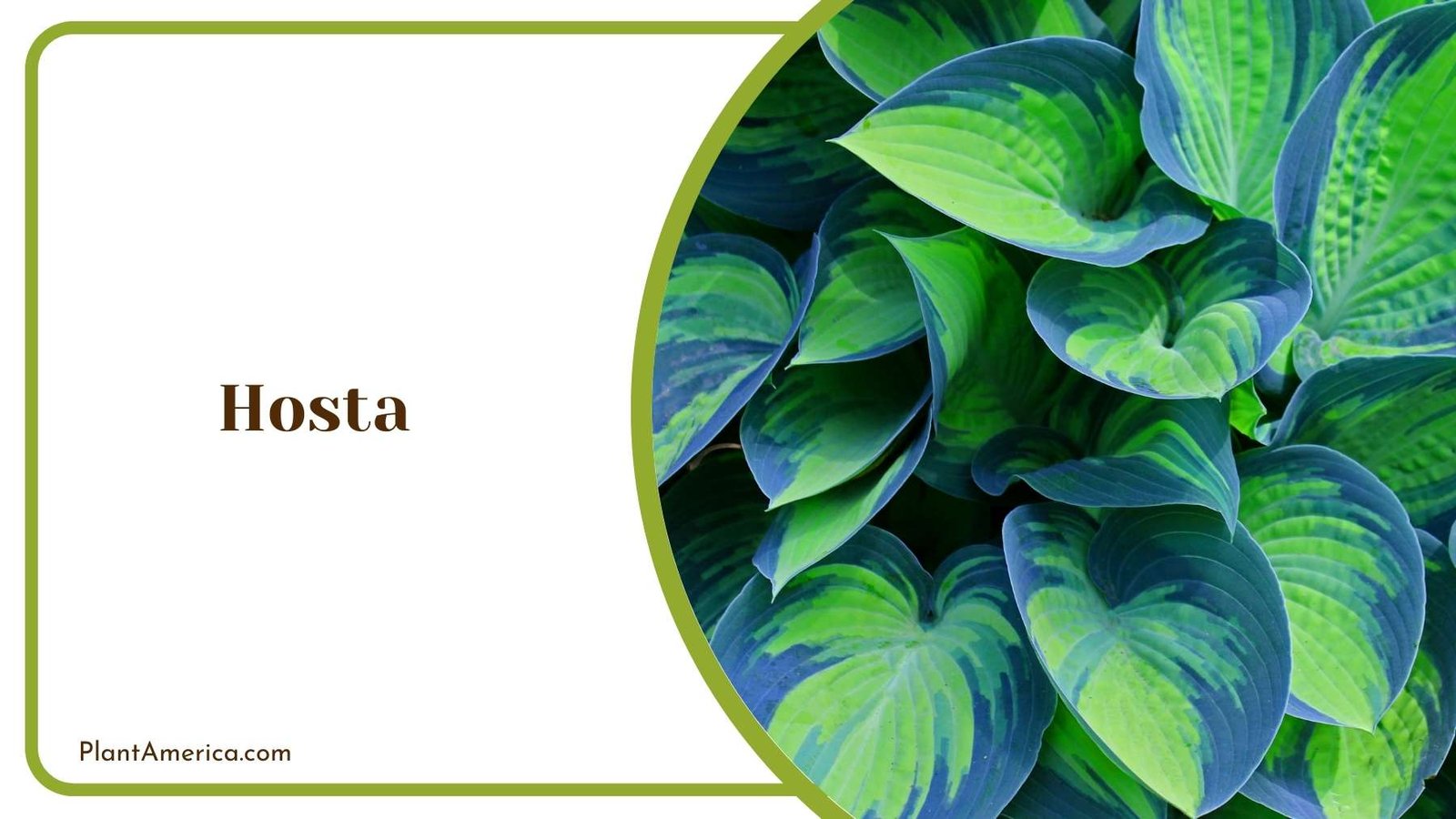
Hostas grow well in shaded gardens from early spring until fall frost. Their leaves come in many shapes, sizes, colors, and patterns. Some tolerate more sun if the soil stays moist—hostas like soil with lots of organic matter like compost to improve drainage and moisture retention.
The roots are close to the surface, so the soil can’t dry. Dividing crowded clumps every few years keeps them healthy without overtaking the area. Cut back browned leaves in winter to tidy up until new growth starts in spring. Staking unique varieties prevents leaves from touching the wet ground and getting damaged.
Pollinators enjoy the occasional summer flowers. Hostas need little care and provide colorful foliage for months. They return reliably each season to fill shady spaces next to other plants. Their resilience makes Hostas a tremendous long-term addition with minimal effort needed.
15. Dianthus

- Growing Season: Spring, Late Summer, Fall
- Leaf Type: Gray-green, Narrow leaves
- Specific Needs: Sun, Well-draining soil
- Common Pests: Aphids, Spider mites
Dianthus produce small colorful flowers atop narrow mounds of gray-green foliage in the garden from spring through fall. They need full sun and soil that drains well so it doesn’t stay soggy.
Many types of Dianthus make nice low borders or edging plants. Some spread slowly while others stay in tight clumps. All come in various flower colors, like pink, red, and white. Deadhead after flowering to extend the blooming period.
These tough plants tolerate heat, cold, and drought once established. They adapt to different soil conditions as long as it’s not constantly wet. Dianthus rarely have issues with insects or deer.
Divide crowded clumps every few years to keep plants healthy and flowering. Cut down old growth in late winter before new shoots appear in spring. Leave some seed heads for winter interest if desired.
With minimal care needs and long seasons of colorful flowers, Dianthus offers reliable beauty. Their hardy nature continues providing cheerful blooms year after year with minimal effort from gardeners.
16. Geranium

- Growing Season: Spring, Late Summer, Fall
- Leaf Type: Palmately lobed leaves in multiple colors
- Specific Needs: Sun, Well-draining soil
- Common Pests: Aphids, Spider mites
Geraniums fill the garden with colorful blooms and foliage from early spring to fall. Their palm-shaped leaves appear in green, gold, purple, or silver shades.
Once established, these plants tolerate heat, cold, drought, and fluctuating soils and provide at least six hours of sun each day but also do fine with partial shade. Soil that drains well is critical to avoiding root rot issues.
Mounds of blooms sit above the ornamental foliage all season long. Deadhead regularly to maintain the appearance and encourage more flowers. Some cultivars spread slowly through stolons, while others hold tight clumps.
Varied flower types include singles, doubles, and trailing selections for hanging baskets. Cut back before frost to tidy up for winter. Leaving some seed heads up provides interest for birds.
Reliable geraniums ask little from gardeners while delivering cheerful color for months. Their resilience and easy care make them a great addition to any garden space.
17. Chrysanthemum

- Growing Season: Spring, Late Summer, Fall
- Leaf Type: Typical leaves in green or bronze tones
- Specific Needs: Sun, Well-draining soil
- Common Pests: Aphids, Spider mites
Chrysanthemums thrive in fall gardens, splashing vibrant reds, yellows, and purples until frost. Their flowers emerge in various shapes on sturdy stems perfect for seasonal arrangements. Varieties adapted to zones three to nine.
Provide at least six hours of full sun daily and moderate moisture for optimal potency in landscaping. Raised beds suit their shallow root systems, adapting from perennials into annual flowering machines. Amending nutrient-poor soils supports extended vigor.
Deadheading spent blooms encourage successive waves through early fall’s changing leaves. Substantial root structures survive mild winters underground, safely reemerging unharmed following springs. Dividing establishes entire colonies.
Cut stems feature prominently indoors past frost, still gifting premature winter’s end cheer. Adaptable dispositions endure occasional dry spells once established without wilting. Minimal seasonal needs repay gardeners abundantly for fall color and hardiness.
When the snowfall arrives, leafless stems standing lend structure. Prune back browned growth over winter, preparing to emerge unchanged following springs, brimming another harvest’s beauty, then slumbering underground. Resilient chrysanthemums perennially deliver reliable late blooms.
18. Daisy
- Growing Season: Spring, Late Summer, Fall
- Leaf Type: Alternate, narrow green leaves
- Specific Needs: Sun, Well-draining soil
- Common Pests: Aphids, Spider mites
Daisies add cheerful blooms to the garden from early spring through fall. They produce round, single, or double flowers in shades of white, yellow, and pink on sturdy stems.
A variety of daisy types will thrive in most climates and soil types as long as they get full sun and good drainage. Some spread slowly by underground roots or self-sowing, while others stay in tight clumps.
Deadhead spent blooms to encourage more flowers and prevent unwanted seedlings. Cuttings can also be rooted for new plants. Daisies make excellent additions to borders, cottage gardens, or cutting gardens.
Their foliage provides coverage between blooms. Striped or variegated leaf varieties add interest beyond the season of flowers. Minimal care needs and months of colorful blooms give reliable beauty to any garden space.
Once established, tough, resilient daisies tolerate heat, cold, drought, and less-than-ideal soils. Their long seasons of cheerful flowers reward gardeners with little required effort. Leave some blooms for birds to feast on seeds through fall and winter.
19. Lilyturf

- Growing Season: Spring, Late Summer, Fall
- Leaf Type: Grass-like green tufts
- Specific Needs: Sun, Well-draining soil
- Common Pests: Aphids, Spider mites, Snails
Lilyturf fills garden spaces with dense clumps of delicate textured evergreen foliage. Narrow grass-like leaves appear in medium to dark shades of green. It spreads slowly but reliably by underground runners.
Soil needs to drain well while still retaining moisture. Lilyturf thrives in full sun or light woodland shade. Amend clay soils with organic material like compost. Drought tolerant once established.
Early summer displays tiny bell-shaped flowers in white or pink. Seedheads add additional structure. Cut back old foliage if it begins to clutter in late fall before dormancy.
Their mounded habit spills attractively over walls or massed along borders like a low spreading groundcover. Few pests or diseases bother low-maintenance lilyturf with adequate drainage.
Come winter snows, persistent tufted foliage remains neatly evergreen, providing winter interest. Reemerging unchanged next spring, dependable lilyturf is a grounded foundation for year-round shade or sun gardens.
Reliability, resilience, and versatility in landscape usage earn Lilyturf a permanent reserved spot. Generous thriving nature requires sparse care from gardeners in return.
20. Carnation
- Growing Season: Spring, Late Summer, Fall
- Leaf Type: Gray-green, Alternate leaves in a rounded, bushy shape
- Specific Needs: Sun, Well-draining soil
- Common Pests: Aphids, Spider mites
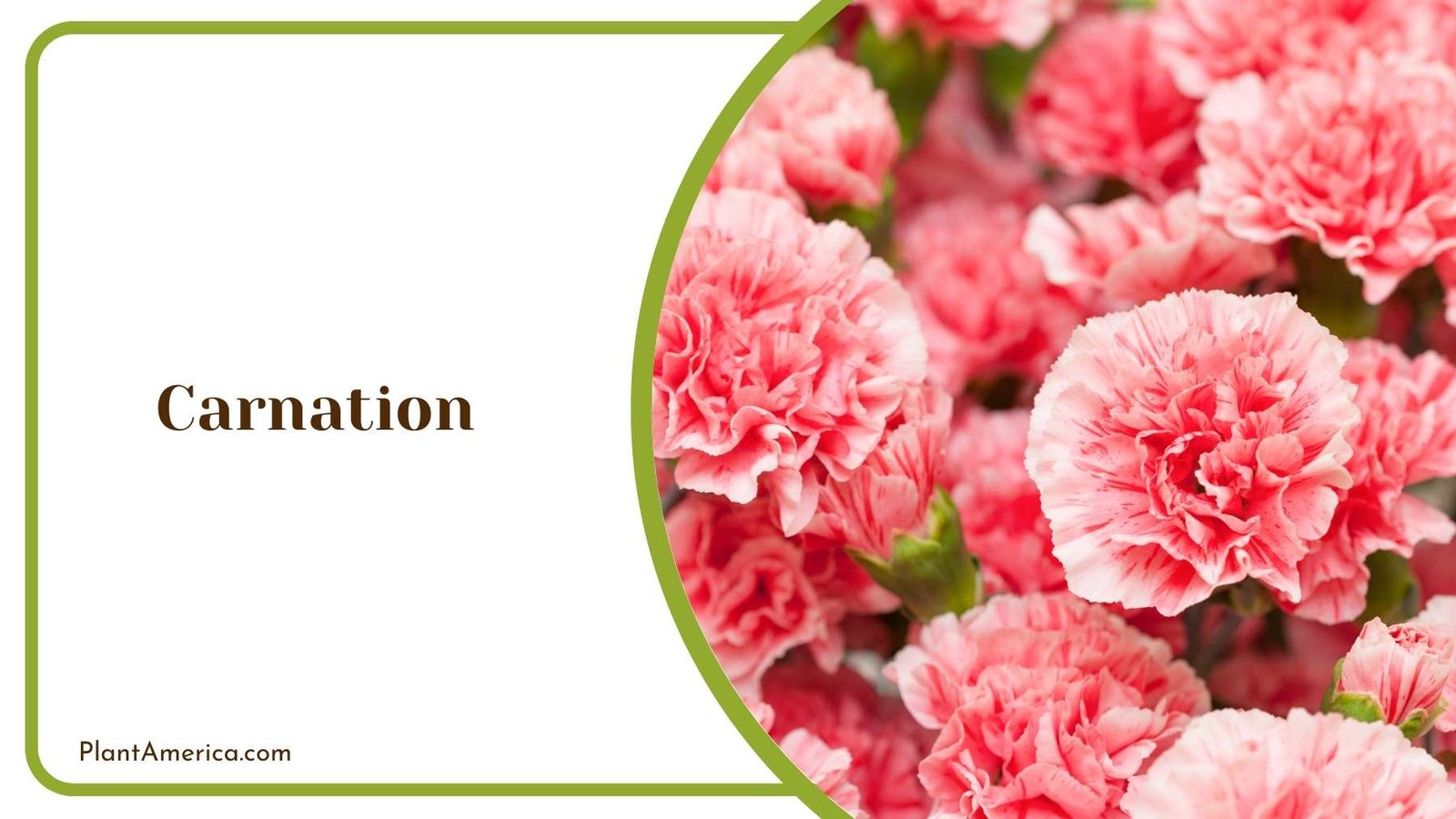
Carnations fill the garden with colorful blooms in reds, pinks, and whites from spring through fall. Their rounded, bushy habit reaches one to two feet tall, bearing scented flowers above textured gray-green foliage.
These sturdy perennials thrive in soil with good drainage and regular watering. Avoiding heavy clay with compost or manure improves moisture retention while allowing excess to drain away. Full sun is best to prevent diseases.
Deadhead blooms regularly to encourage new flowers on branching stems all season. Some varieties have frilly petals, while others are simple. Cutting stems indoors prolongs their graceful beauty past fall frost.
Root divisions or cuttings propagate more plants quickly. With minimal care needs, carnations reward gardeners with reliable color for extended months. Their hardy nature perseveres delightfully year after year with sparse demands in return.
Enduring fragrant charm emanates from these resilient beauties by mounding foundations stalwartly. Periodic division every few years maintains vigor without invading elsewhere in the landscape. Carnations eternally spread cheer effortlessly.
21. Ivy

- Growing Season: Spring, Late Summer, Fall
- Leaf Type: Glossy green, Heart or arrowhead-shaped evergreen leaves
- Specific Needs: Sun, Well-draining soil
- Common Pests: Aphids, Spider mites
Ivy spreads slowly as a versatile evergreen groundcover, allowing it to clamber rock walls, spill between pavers, or trail gracefully from containers. Its wiry, wrenched stems cling dependably wherever positioned.
Delicate leaves appear in varied sizes throughout the year. While several tolerate full sun if consistently moist, light woodland shade suits ivy vigorously. Amending clay-heavy soil encourages drainage while retaining moisture retention.
Generations emerge unchanged unless severing becomes necessary to maintain boundaries. Clipping errant growth overhead prevents windowsill hitchhikers. Otherwise, tending entails occasional snipping to shape a sprawling habit for ornament.
Come winter, snowfall ivy persists reliably where installed, cloaking landscapes in liveliness skyward or along inches. Foliage continues everlasting, providing serenity even bare bones remain elsewhere. Reemerging each spring, dependable ivy vivifies for many seasons.
Minimal upkeep rewards gardeners outright with gratifying evergreen foliage. Ivy earns permanent citizenship for persevering gorgeousness, enriching any landscape steadily and gracefully with sparse demands upon caretakers in exchange.
Conclusion
The perennials highlighted here offer reliable beauty with very little ongoing care required from gardeners once established.
- Hosta, daylily, and peonies provide bountiful greenery or blooms for months in the sun or shade with resistance to pests and stresses.
- Phlox, coreopsis, and yarrow flower profusely from spring through fall, attracting pollinators with abundant nectar.
- Astilbe, bee balm, and Russian sage entice songbirds and butterflies effortlessly with their fragrant blooms on sturdy stems.
Nature’s hard workers flourish resiliently, blessed with minimal inputs while blessing us amply in return through the years. Their generous resilience inspires gratitude for the simple gifts of beauty, persevering steadfastly within our landscapes.