
Fragrant white flowers delight the senses in any garden. This article explores 16 beautiful blooms well-known for their sweet scents. From classic blossoms like gardenias and sweet peas to less familiar varieties like Korean spice viburnum, you will discover stunning flowers to fill your outdoor space with fragrance.

Whether you seek blooms for pollinator appeal, cutting garden displays, or the joy of lovely aromas, this guide shares key details and planting tips for flowers that are sure to please with their scent.
Fragrant White Flowers Worth Welcoming to Your Outdoor Realm
1. Gardenia
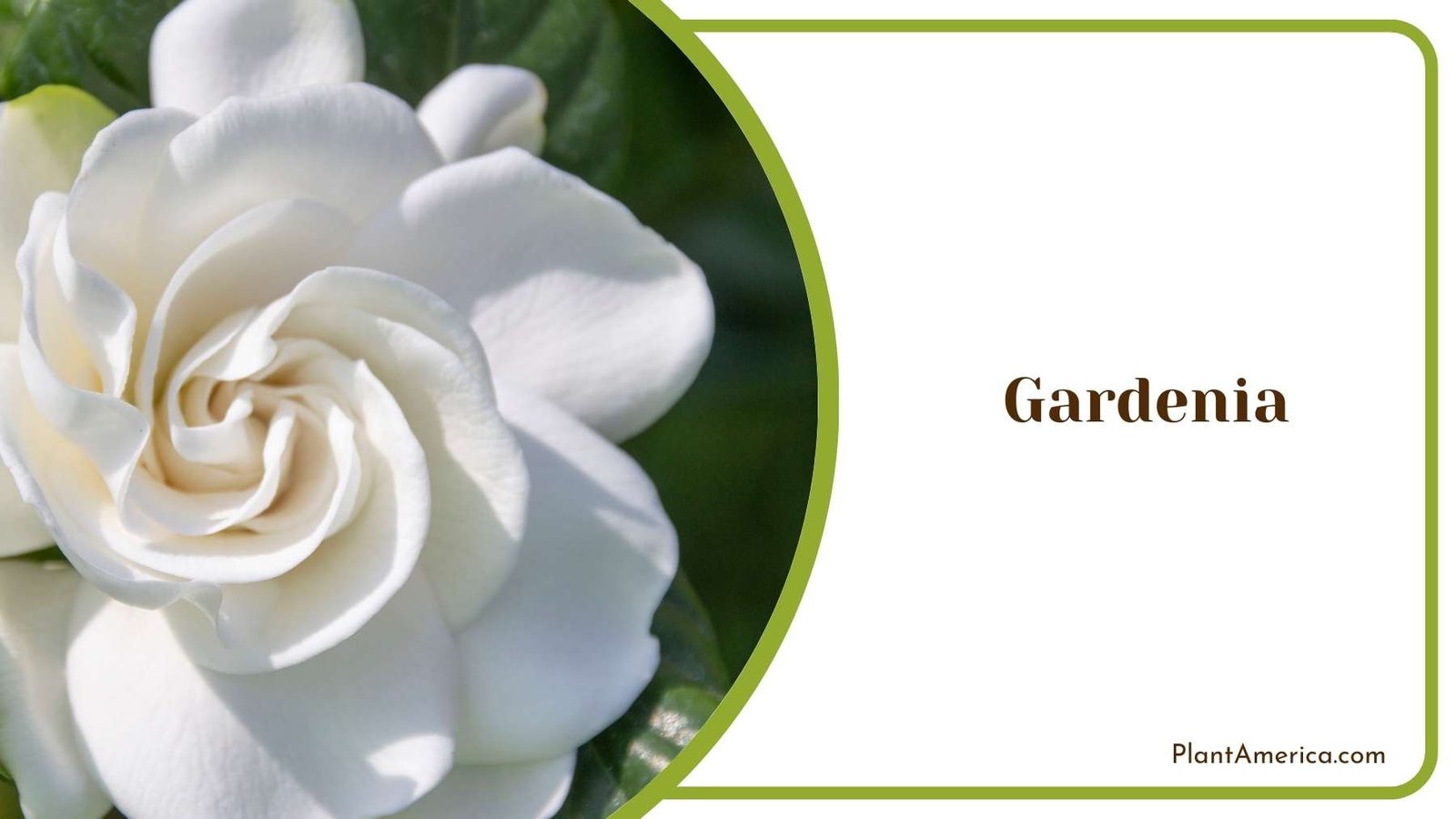
- Growing Season: Spring, Summer, Fall
- Leaf Type: Oval, Glossy green
- Specific Needs: Prefers partial shade, Well-draining soil
- Common Pests: Spider mites, Scale insects
Gardenias are treasured for their sweetly fragrant white flowers and rich, tropical appearance. Producing blooms nearly year-round in warm USDA zones, these shrubs thrive with protection from the hot afternoon sun. Their glossy green oval leaves provide an attractive backdrop to the heady white flowers.
Gardenias prefer fertile, acidic soil with a pH between 5.0 and 6.5. The soil should drain well to prevent root rot from overwatering. Gardenias appreciate shelter from strong winds and prefer afternoon shade in hot climates, as full sun can scorch their leaves. Stake young gardenias or support older plants so their branches don’t break under the weight of heavy flowers and foliage.
Proper care and maintenance are needed to keep pests like spider mites and scales at bay. Spider mites spin delicate webs on the undersides of leaves and suck plant juices, causing leaves to turn yellow, brown, and die back. Scales are small, hard-shelled insects that attach to leaves, stems, or flower buds and secrete sticky honeydew as they feed on plant sap.
Gardenias have earned their reputation as true stars of the fragrant white flower world. Beyond their lush good looks and heavenly perfume, these flowering shrubs bring beauty from spring to fall. Their tropical charm makes gardenias a premier choice to fill any garden with sweet floral scents.
2. Jasmine
- Growing Season: Spring, Summer, Fall
- Leaf Type: Oval, Glossy green
- Specific Needs: Partial shade, Well-draining soil
- Common Pests: Spider mites, Scale insects
Jasmine is a beloved flower renowned for its intensely sweet and floral fragrance. It produces graceful clusters of tiny star-shaped white flowers when grown as a vine. As a spreading shrub with arching branches, its stems become covered in blooms.
Native to southern Asia, jasmine flourishes in warm temperate and subtropical zones from USDA 8 to 11. It enjoys partial shade and rich, well-draining soil conditions. Jasmine grows quickly during its long season, from spring through fall. Staking or training jasmine vines on an arbor or trellis keeps branches off the damp ground and encourages maximum blooming.
Jasmine has a vigorous spreading habit capable of covering large areas if left unchecked. To maintain a neat form as a vine or shrub, prune regularly after flowering finishes in late summer or early fall.
The intensely sweet fragrance of jasmine is produced day and night, perfuming the air around it. Individual blooms last only a day before falling but more steadily replace them. From spring until the first frost, jasmine’s sweet, soothing aroma fills surrounding outdoor spaces. The flowers also impart their lush scent on anything brushed against them.
3. Magnolia
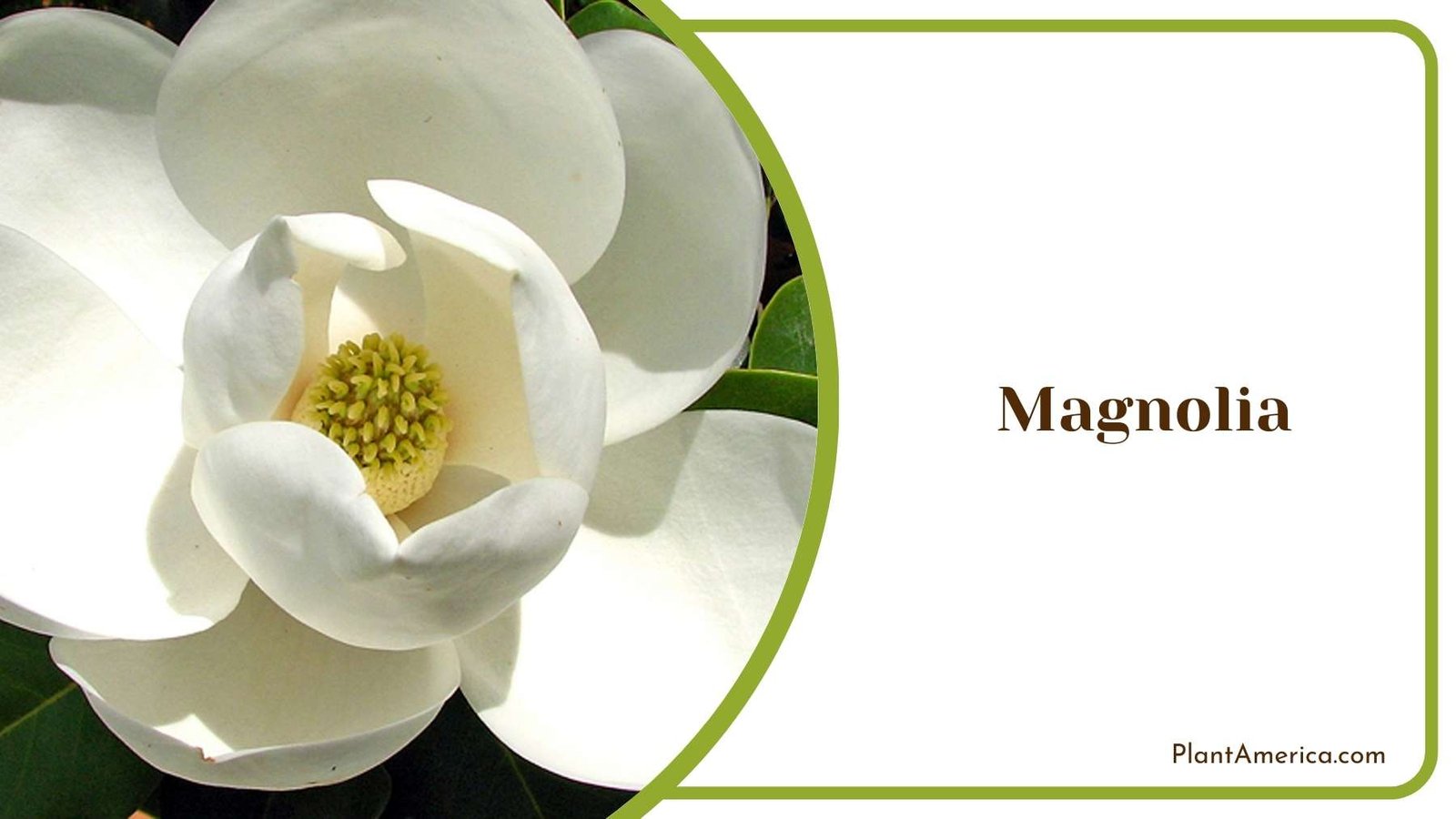
- Growing Season: Spring, Summer, Fall
- Leaf Type: Oval, Glossy green
- Specific Needs: Partial shade, Well-draining soil
- Common Pests: Scale insects, Borers
Magnolias are beloved for their large, showy blooms and distinctive tropical appearance. Native to North America and Asia, magnolias flower very early in spring, even before their leaves emerge. Their white flowers range in size from six inches wide on smaller shrubs to over a foot across on mature landscape trees.
Magnolias thrive in U.S. Department of Agriculture plant hardiness zones 5 through 9 with partial shade and moist, well-draining soil. Their branching structure is often multi-stemmed and spreading. Ensure young magnolias receive shelter from drying winds to assist establishment. Mature specimens form lush specimens that can continue growing 15 to 30 feet tall and almost as wide over many decades.
Some magnolia species remain evergreen in areas with mild winters, while others are deciduous, dropping their large, dark green oval leaves in fall. Prune selectively after flowering to shape the plant and remove any diseased or damaged growth. Pests like scale insects occasionally disfigure leaves or bark as they suck plant juices.
Scale insects are small, dome-shaped bugs with hard exoskeletons that cling tightly to foliage, stems, or branches to feed. Others, such as borers, are the larvae of various moths and beetles whose tunneling can severely damage or even kill limbs and trunks over successive seasons if left untreated.
4. Mock Orange
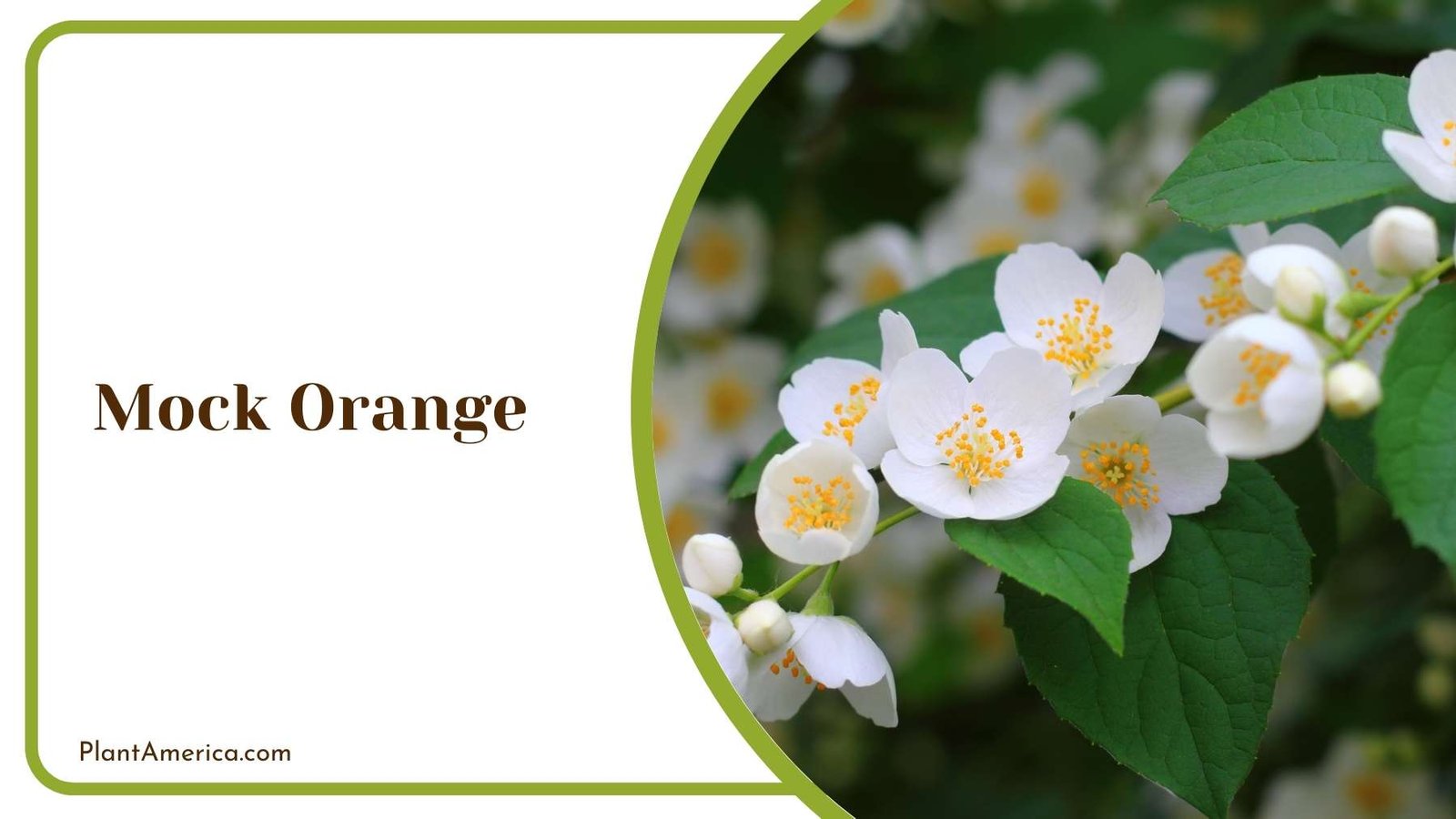
- Growing Season: Spring, Summer
- Leaf Type: Oval, Glossy green
- Specific Needs: Partial shade, Well-draining soil
- Common Pests: Aphids, Leaf miners
Mock oranges delight homeowners each spring with their citrusy scent and bountiful white blooms. Originating from eastern Asia, these flowering shrubs thrive across temperate zones 4 through 9, with afternoons in partial shade.
Mock oranges earn their name due to the orange-blossom fragrance of clustered white flowers. Blooming abundantly before leaves emerge in early spring, these aromatic blooms fill surrounding gardens for several weeks. Afterward, lush green foliage provides summer interest. Oval, glossy leaves take on vibrant autumn hues before dropping for winter dormancy.
Their multi-stemmed branching structure lends to natural sculpting through selective pruning after blooms fade. Young mock oranges grow slowly but gain size with age to reach hardy landscape proportions.
Frequent inspection is needed to check for aphids and leaf miners – two common nuisance pests. Aphids feed on foliage in groups, distorting growth. Leaf miner larvae tunnel between leaf surfaces, leaving snaking trails visible from above. Thorough coverage of horticultural oils suffocates soft-bodied pests while destroying problem areas reduces problems over time.
With little more than average soil and intermittent shade, mock oranges flourish as low-maintenance flowering additions. Beyond springtime floral displays, their attractively sculpted forms and colorful autumn leaves offer year-round landscape benefits. Honeyed scents drifting from these architectural stalwarts are certain to lift spirits each sunny day.
5. Lily of the Valley
- Growing Season: Spring, Summer
- Leaf Type: Linear, Glossy green
- Specific Needs: Shade, Moist, organic soil
- Common Pests: Aphids, Leaf spot fungus
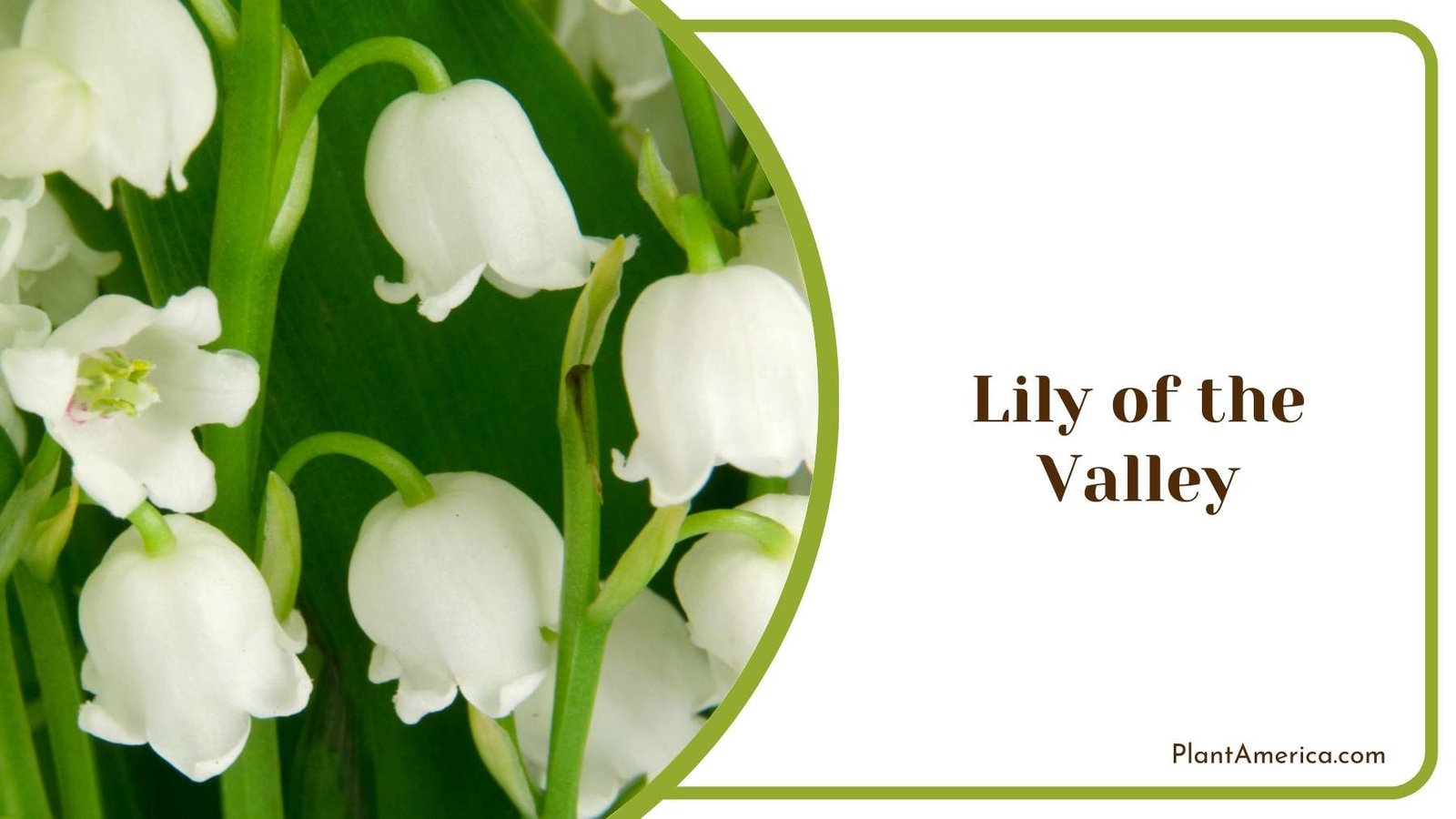
Lily of the Valley charms homeowners with its sweet fragrance and delicate bell-shaped white flowers. Native to woodland areas of Europe and Asia, this groundcover flowers best in USDA zones 3 through 9 with sheltered shade and rich, constantly moist soil.
In early spring, shortly after hardy foliage emerges, nodding clusters of fragrant flowers appear atop thin arching stems. Individual bell-shaped blooms measure just half an inch across but impart a heavenly scent together. Waxy, deep green linear leaves form spreading mats of foliage perfect for shaded nooks.
Though appearing delicate, the lily of the valley spreads vigorously via underground stolons when conditions suit. Planting in contained beds prevents unwanted colonization. Dividing established clumps every three to four years reinvigorates growth. After blooming finishes by early summer, linear leaves remain attractive through fall.
Watch for aphids and foliar diseases like leaf spot fungus. Aphid infestations manifest as misshapen growth and sticky honeydew secreted onto foliage below. Leaf spot first appears as tiny brown dots enlarging into yellow zones surrounded by dark borders.
With minimal care beyond occasional division, the lily of the valley grants ethereal floral displays and covering greenery. Beyond beauty alone, folklore surrounds its flowers with meanings of humility, chastity, beauty, and the return of happiness. These airy blooms render any shaded retreat more enchanting through scent alone.
6. Orange Blossom
- Growing Season: Spring, Summer
- Leaf Type: Oval, Glossy green
- Specific Needs: Sun, Well-draining soil
- Common Pests: Aphids, Mealybugs
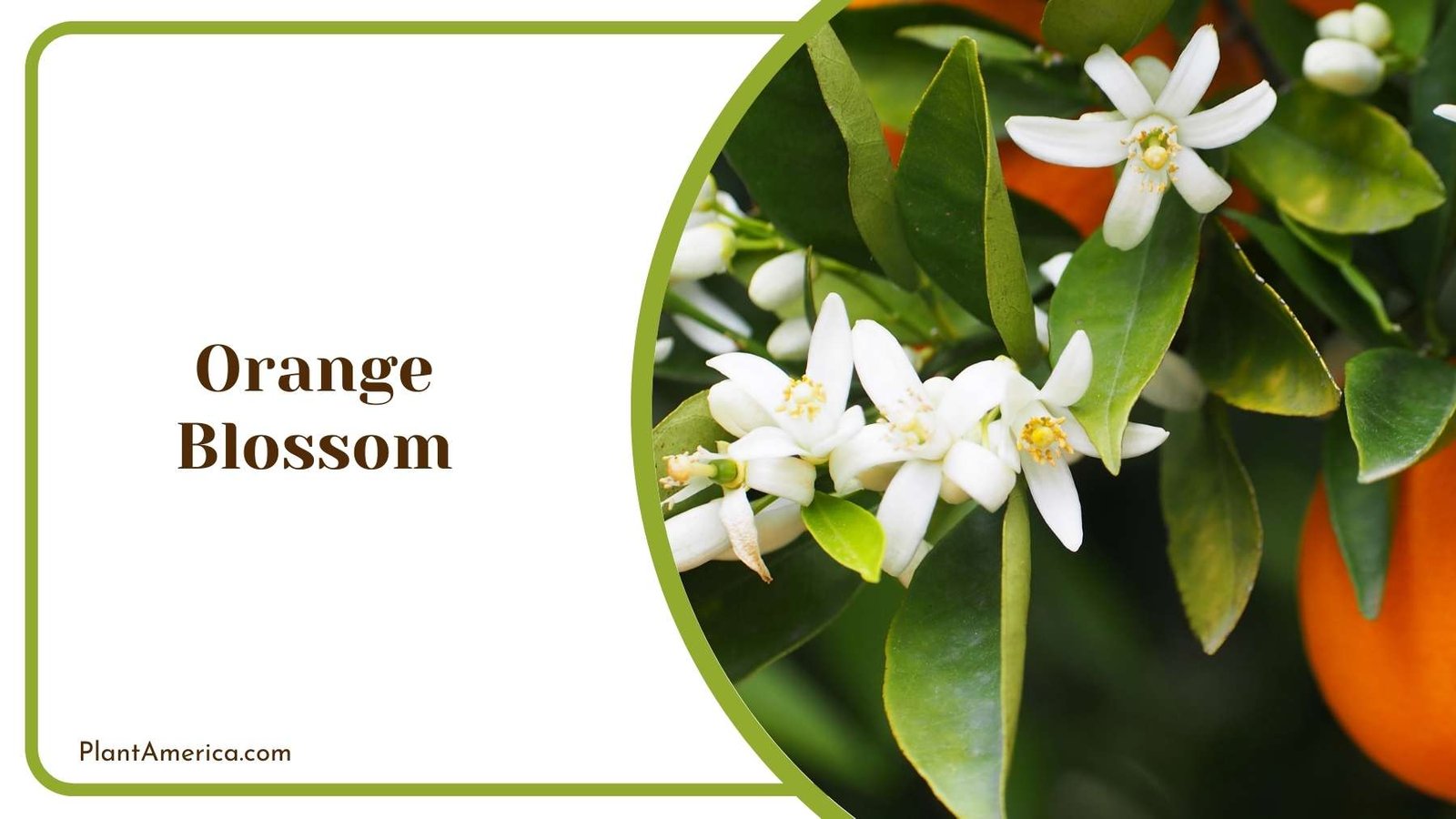
Orange Blossom is renowned for its sweet citrus perfume and association with romance and celebrations. The small white blooms adorning orange trees fill surrounding areas with their quintessential aroma.
Growing as a flowering tree or large shrub, orange blossoms thrive in USDA zones 8-11 with full sun and soil that drains well but retains moisture. Evergreen foliage varies from deep green to blue-green depending on variety. Small leaves create a delicate, lacy texture.
Trees begin bearing fragrant clusters of blooms over extended springs and summers. Depending on the cultivar, individual flowers give way to orange or grapefruit-like fruit. While edible, most home citrus is grown primarily for its abundant floral displays and classic fragrance.
Common insect pests include aphids that suck sap from new growth and gray, cottony mealybugs. Both feed covertly on leaf undersides and tender shoots, weakening plants over time. Routine inspections help spot infestations early for effective control using approved horticultural sprays.
Beyond landscapes, orange blossom essence features many scented products and culinary specialties worldwide. Its sweet perfume signifies new beginnings, fertility, and good fortune. For these reasons, orange blossom remains a timeless choice to grace any fragrant flower garden from spring into summer.
7. Tuberose
- Growing Season: Summer, Fall
- Leaf Type: Linear, Fleshy green
- Specific Needs: Full sun, Rich, well-draining soil
- Common Pests: Aphids, Spider mites
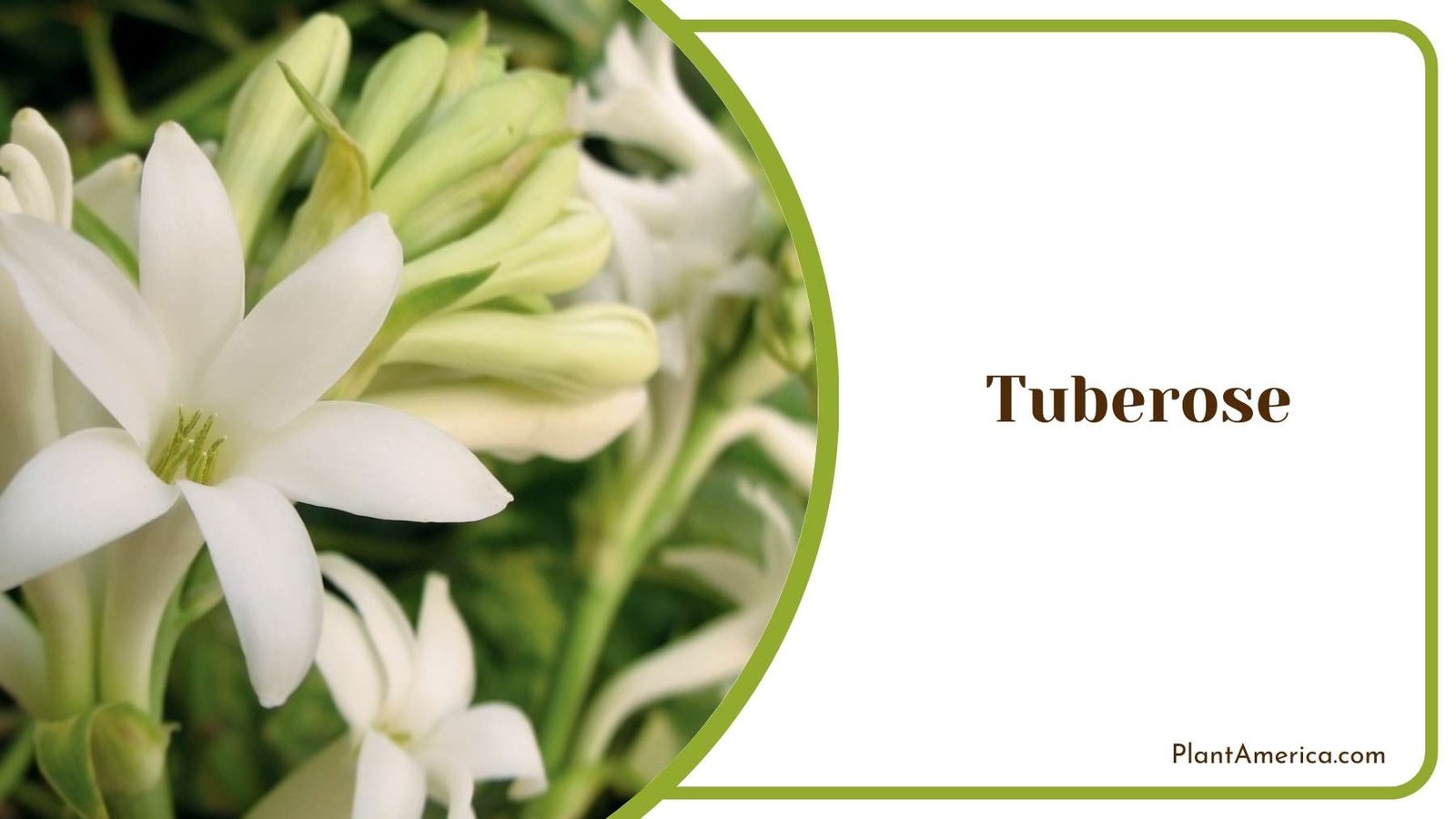
Tuberose entices gardeners with its intoxicatingly sweet tropical fragrance and abundance of waxy white blooms. Native to Mexico and Central America, this flowering tropical thrives in USDA zones 8B through 11 with hot sun and fertile soil.
Rather than growing from bulbs, tuberose propagates from tuberous roots, sending up thick grass-like linear leaves in summer. By late summer, spike-like stems emerge bearing multiple drooping white flowers. Individual blooms resemble tiny dangling acorns.
Provide tuberose with full sun, mulch to conserve moisture, and space plants 12-24 inches apart depending on variety. Staking keeps towering flower clusters above the foliage. Cut back after blooming to reshape the plant before dormancy begins in fall as nights cool.
Due to its intensely sweet nectar, tuberose attracts sap-sucking pests like aphids and spider mites. Check leaves regularly for infestations and treat incipient colonies immediately using approved horticultural oils to prevent damage. Good sanitation helps prevent recurrence.
Nothing compares to tuberose’s heady perfume wafting on warm summer breezes. Legend holds its fragrance so powerful even sunlight faints in its presence. Include tuberose in any subtropical garden or container for heavenly floral displays and paradise-like scents.
8. Sweet Pea

- Growing Season: Spring, Summer
- Leaf Type: Compound, Fern-like foliage
- Specific Needs: Cool temps, Well-draining soil
- Common Pests: Aphids, Leaf miners
Sweet peas delight the senses each spring with their charming flowers and intoxicating fragrance. Originally introduced from Mediterranean climates, they thrive as cool-weather annuals in temperate gardens from USDA zones 3-9.
Seed sowing occurs indoors six to eight weeks before the last frost and is moved outdoors after hardening. Vining stems benefit from strong fencing or netting for support to several feet. Compound leaves form delicate fern-like foliage.
An abundance of colored blooms appears in elongated clusters from spring until summer heat arrives. Individual flowers come in shades from creams to the deepest magentas. Sweet peas perfume the surrounding air for miles with their signature refreshing scent.
Keep soil moist but well-draining to prevent root rot during active growth. Pests like aphids sap plant vigor by clustering on new shoots, while larvae of various flies tunnel inside leaves as leaf miners. Routinely check plants and promptly remove infested growth.
Short-lived but prolific, sweet peas offer weeks of heavenly fragrance and charming beauty. Their sweet essence lifts moods and transports the soul beyond everyday concerns to simpler springtime warmth and renewal pleasures.
9. Lilac
- Growing Season: Spring, Summer
- Leaf Type: Oval, Glossy green
- Specific Needs: Sun, Well-draining soil
- Common Pests: Japanese beetles, Aphids
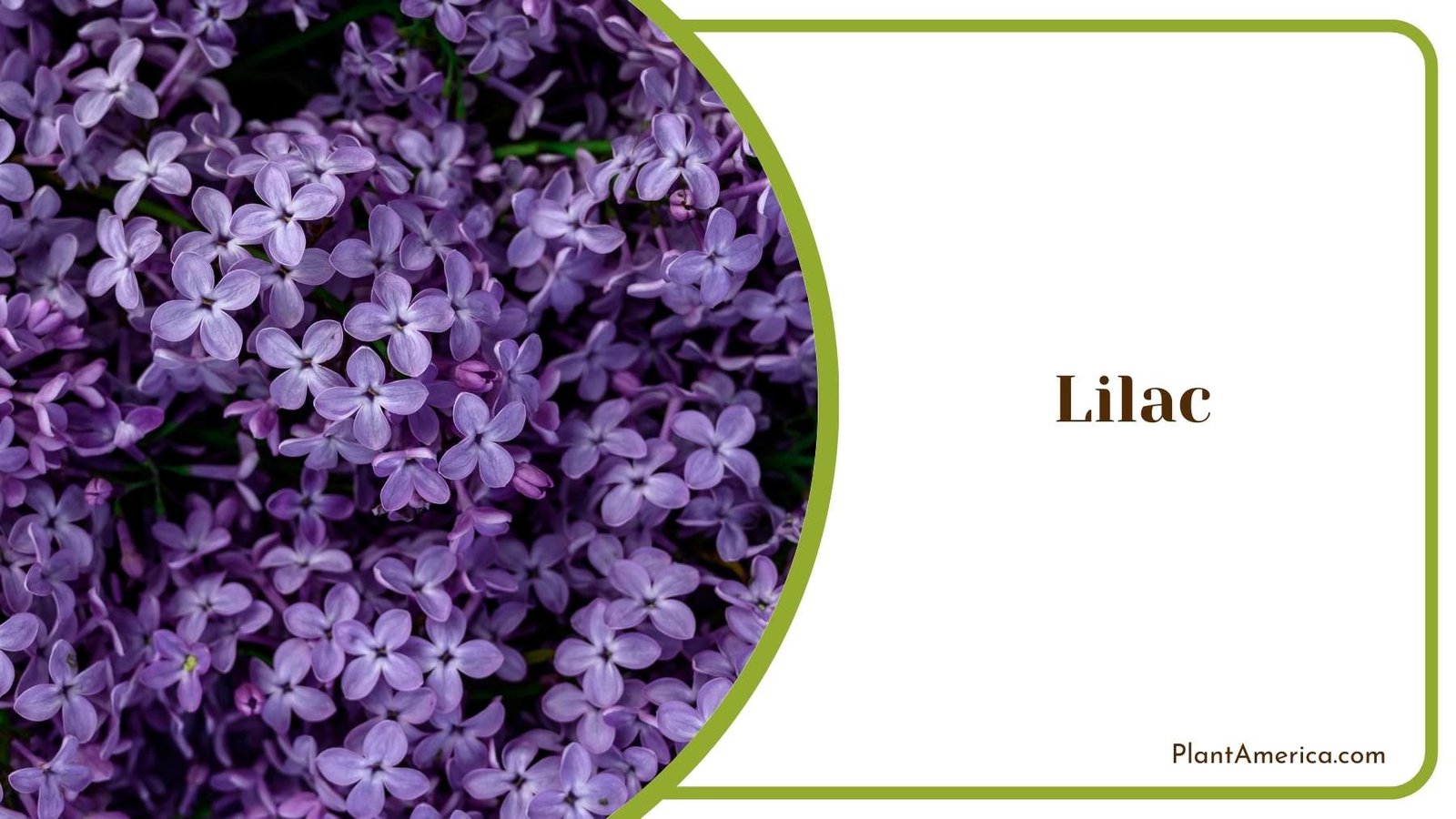
Lilacs have been beloved for centuries thanks to their highly fragrant purple, white, or pink clustered blooms. Originating from Eastern Europe and Asia, lilac shrubs thrive across hardiness zones 3 through 9 with full sun and moist yet well-draining soil.
Valued as much for their heavenly perfume as lovely flowers, lilacs emanate a nostalgic sweet scent recognized worldwide. Blooming time occurs in late spring, depending on variety and climate. After flowering finishes, glossy green oval leaves provide summer greenery.
With some protection during establishment, lilacs grow into large spreading shrubs, reaching 6-15 feet tall and wide at maturity. Selective pruning maintains a desired size and shape while encouraging bountiful blooms. Cutting stems for indoor enjoyment extends their aroma indoors.
Two pests notorious for munching on lilac foliage are Japanese beetles and aphids. Beetles devour leaves while winged aphids suck sap, weakening growth. Routine inspections help spot infestations before damage escalates. Apply approved remedies as directed to protect plants.
Through ongoing cultivation, centuries of hybridizing have expanded lilac colors into a kaleidoscope of hues. Their enduring popularity stems as much from fond childhood memories as from their ability to impart feelings of nostalgia, hope, and new beginnings through scent alone with each springtime bloom.
10. Wisteria
- Growing Season: Spring, Summer
- Leaf Type: Pinnate, Deep green leaves
- Specific Needs: Sun to partial shade, Well-draining soil
- Common Pests: Scale insects, Aphids
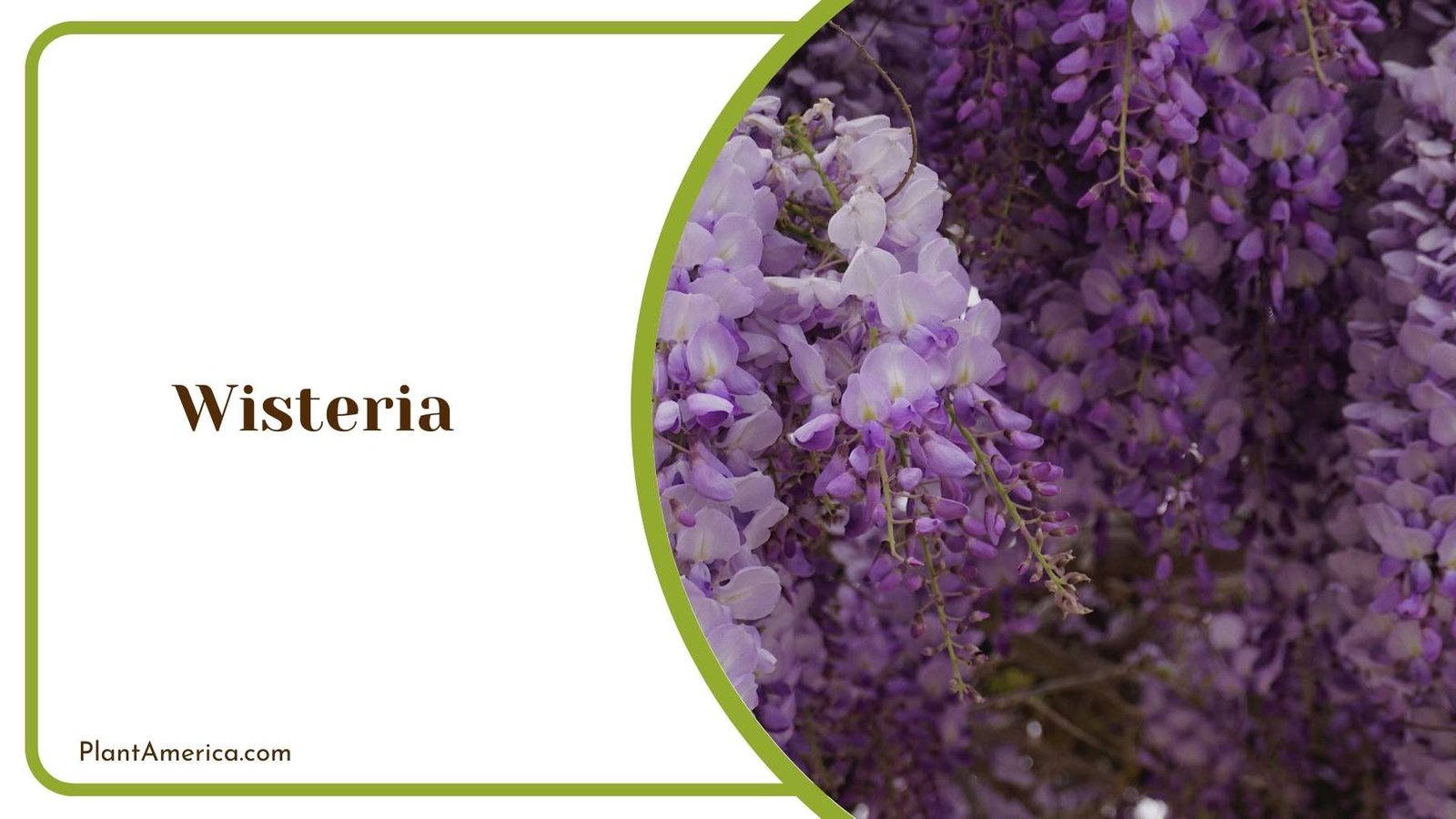
Wisteria entrances gardeners each spring with lavish cascades of fragrant purple, white, or blue pea-like flowers. Though originating from China and Japan, these vigorous vines thrive across USDA zones 5 through 9 when given supported structures to climb.
As a woody twining vine, wisteria seeks tendrils that can grow 30 feet or more in a single season. Its bipinnately compound leaves emerge deep green and provide summer foliage. Come spring, dangling clusters of blooms intoxicate the air with a sweet floral perfume.
For maximum bloom production, wisteria requires full sun, although it tolerates dappled afternoon shade. Stout supports like arbors, pergolas, or sturdy trees allow vines room to drape gracefully overhead. Prune lightly after flowering to encourage additional blooms.
Monitor for feeding pests like soft-bodied aphids and dome-shaped scale insects, which cling to wood to feed on sap. Apply horticultural oils in warm weather to control populations before significant damage occurs. With room to flourish, wisteria remains an unparalleled choice for saturated spring fragrance.
For glory and romance, few flowering vines compare to Wisteria’s grand blooming displays. Its lengthy flowering period ensures an abundance of sweet floral aromas permeating surrounding areas with nature’s most comforting and intoxicating scents each springtime.
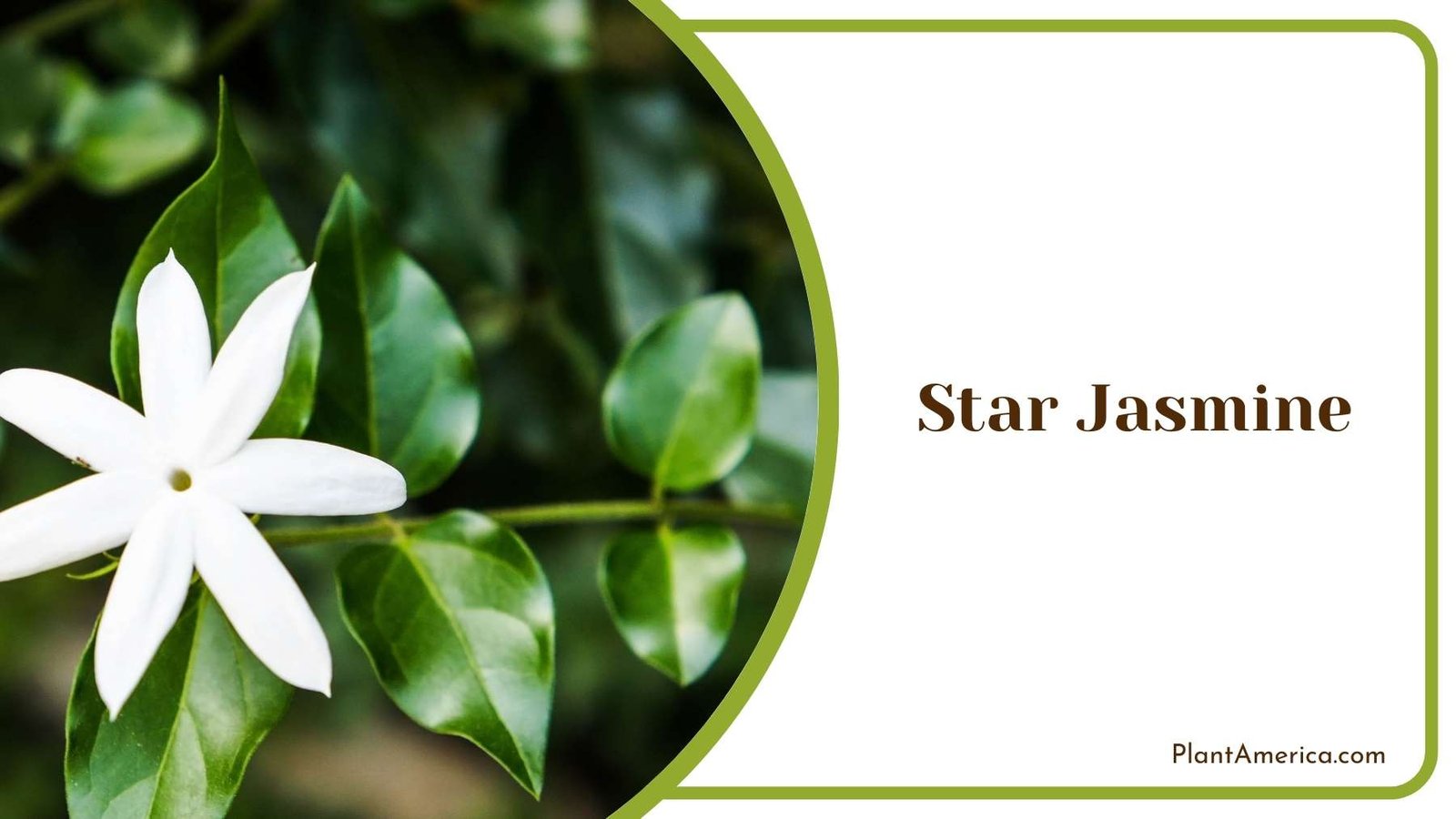
11. Star Jasmine
- Growing Season: Spring, Summer, Fall
- Leaf Type: Elliptic, Glossy green
- Specific Needs: Full sun to partial shade, Well-draining soil
- Common Pests: Spider mites, Scale insects
Star jasmine delights with an explosion of sweetly fragrant white flowers. Originating from southern Africa, this twining vine grows vigorously in warm climates from USDA zones 8B through 11 with at least partial sun.
Small star-shaped flowers no bigger than a nickel emanate an intense fragrance, especially in the evenings. Blooms cover the glossy elliptic leaves from spring through fall. As a woody vine, pruned stems can root where they touch the ground.
Provide sturdy supports like walls, arbors, or dense shrubs for star jasmine to twine upwards of 20 feet. In colder zones, it grows as a potted accent. Full sun maximizes blooms, while afternoon shade prevents leaf scorch.
Monitor for sap-sucking spider mites and scale insects, which cluster on new growth. Routine inspections allow early detection and effective control using horticultural oils. With room to climb, one vine floods surrounding spaces nightly with delicate perfume.
Nothing conveys visions of tropical paradise like star jasmine’s endless blooms and sweet nighttime fragrance. Its intoxicating floral displays lend romance and delight wherever vines are pruned to cascade gracefully. For saturated scents and endless charm, include wandering star jasmine in any warm-weather landscape.
12. White Water Lily
- Growing Season: Spring, Summer, Fall
- Leaf Type: Round, Floating or emergent
- Specific Needs: Full sun to partial shade, Standing or slow-moving water
- Common Pests: Aphids, Leafhoppers
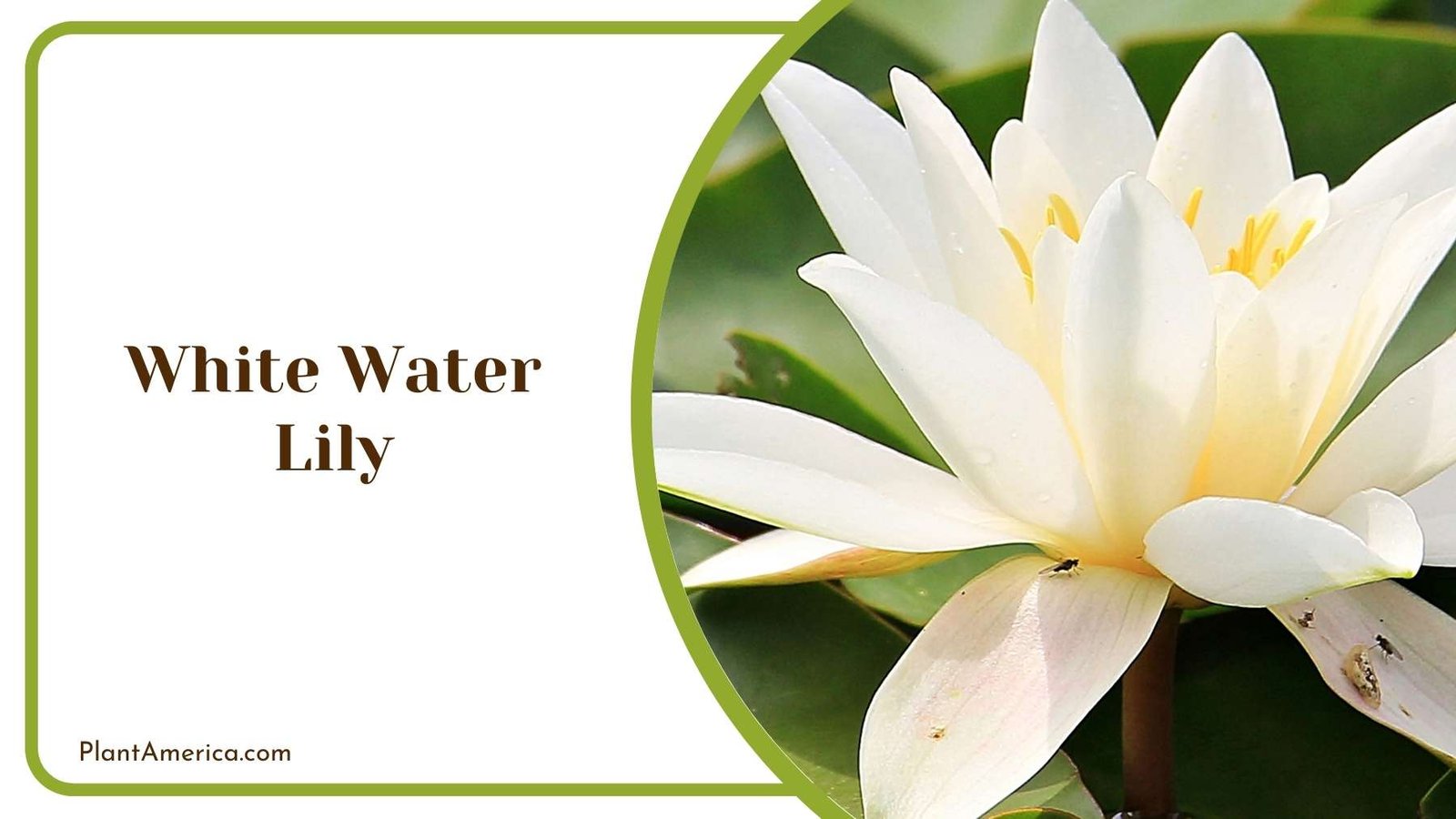
White water lilies captivate with floating rounds of waxy petals and foliage on aquatic surfaces. Native across much of North America, they thrive in ponds or still water features across hardiness zones 3 through 10 with reflective pools no deeper than five feet.
Large rounded leaves emerge floating or rise above the waterline depending on the species. By mid-summer, towering scapes bear pristine white blooms up to ten inches wide during daytime hours before retreating under cover of night. Fragrant flowers perfume the local air.
Provide fertile mud or aquatic planting mix in pond areas protected from strong currents. Rhizomes naturally spread lilies yet benefit periodically from division to rejuvenate established plantings. Deadhead spent blooms as desired to encourage future rounds.
Watch for sap-feeding aphids clustered on tender new growth and leafhoppers that feed on foliage. Hosing water on submerged leaves removes pests without harming plants. Come evening hours, floating lily pads offer peaceful calm while imparting sweet natural scents to soothe the senses.
Symbolizing purity and rebirth, white water lilies lend ethereal tropical beauty wherever included. Minimal care rewards aquatic landscapes year-round with enchanting floral displays certain to impress and uplift. Their heavenly perfumes spread calm far and wide each summer day.
13. Freesia
- Growing Season: Spring, Summer
- Leaf Type: Linear, Grass-like foliage
- Specific Needs: Full sun, Well-draining soil
- Common Pests: Aphids, Bulb mites
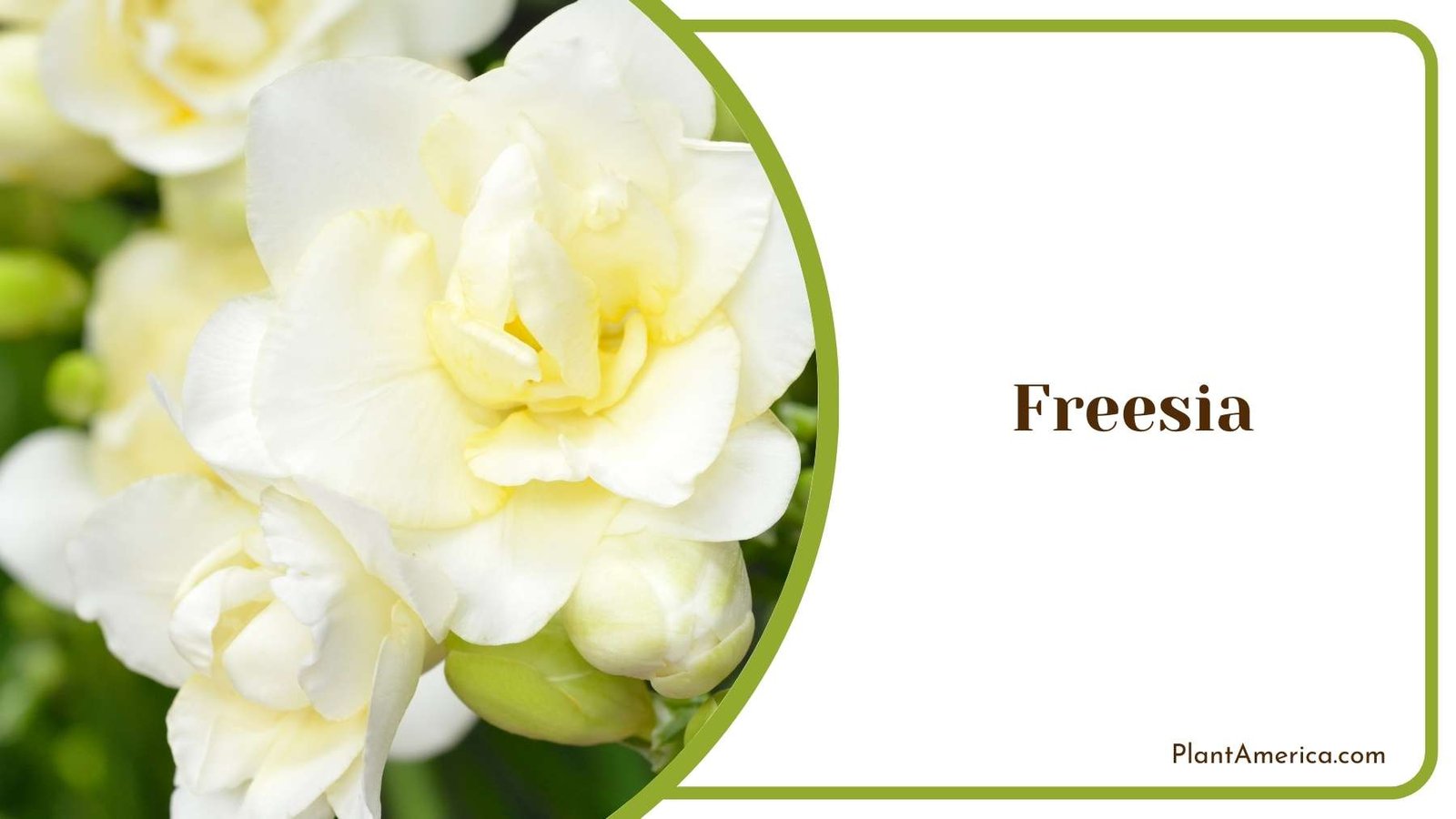
Freesias entice with spicy fragrances wafting from trumpet-shaped blooms atop thin grass-like foliage. Originating from South Africa, these hardy bulbs thrive across USDA zones 8 through 11 with full sun and fertile soil that drains well.
As evening temperatures warm in spring, bull-like corms spread fans of thin linear leaves followed by multiple vibrantly colored flowers. Shades vary from pure whites to vibrant yellows, reds, and purples in clusters along slender, threadlike stems.
Plant corms four to six inches deep and six to eight inches apart in late summer through fall after foliage yellows and dies back naturally. Mulch over winter protects roots from frost damage while corms replenish to re-flower next year.
Common pests include aphids that cluster on new growth, sucking sap, and appearing as small black dots. Fine mite species also inhabit corms. Regular drought and inspections help prevent significant damage. Removing infested corms during division helps control recurring issues.
Freesias embody refined natural beauty and brilliance through even the smallest of blooms. Their complex, spicy perfume lingers pleasantly, transporting the soul each spring. With minimal effort, these versatile bulbs reward gardens from early to late season with nature’s incomparable scents.
14. Ginger Flower
- Growing Season: Summer, Fall
- Leaf Type: Oval, Glossy green
- Specific Needs: Partial shade, Rich, organic soil
- Common Pests: Caterpillars, Scale insects
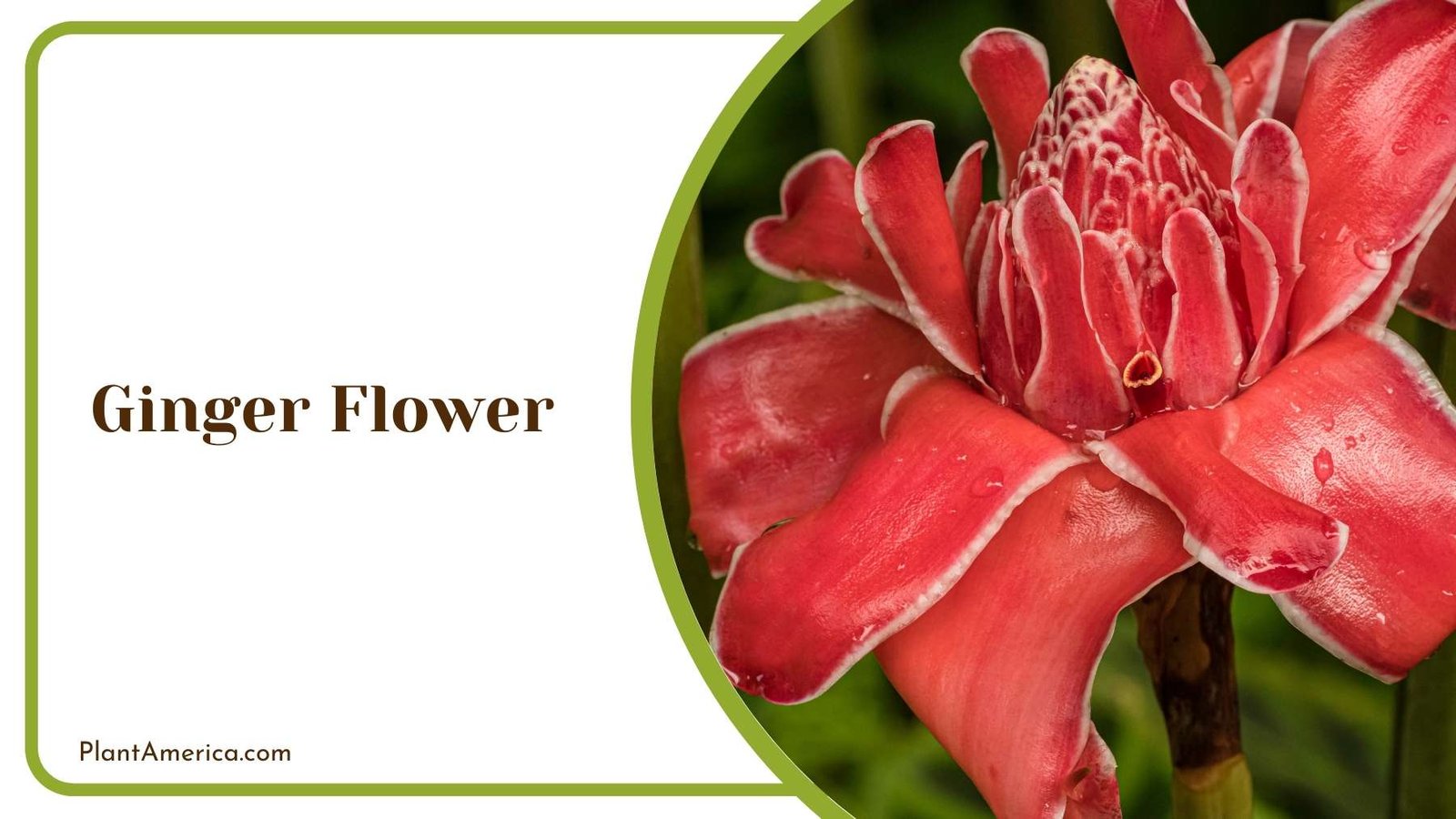
Ginger flowers captivate with colorful trumpet blooms and intoxicating tropical fragrances. Native to Southeast Asia, these tender perennials flourish in USDA zones 9-11 with afternoon shade and moist, well-draining soil abundantly enriched with compost.
During warmer months, tall stems emerge bearing spirals of brightly colored tubular flowers in red, orange, yellow, and pink shades. Glossy, deep green oval leaves provide a backdrop to stunning synchronized displays.
Grow as a focal point along borders or sheltered beds from divided rhizomes. Mulch roots retain moisture and insulate from temperature extremes. Stake stems as needed to prevent bending from heavy flower clusters.
Check plants closely for imported caterpillar pests and scale insects, tiny armored bugs appearing as raised bumps as they feed on plant juices. Daily inspections allow manual removal or spraying infestations before significant defoliation or dieback occurs.
With intoxicating perfume and stunning blooms attracting countless pollinators, ginger flowers offer Southeastern gardens sensory delights few other plants rival during sultry summer months. Their flamboyant beauty uplifts all who witness near and far with radiant smiles and feelings of joy and renewal.
15. Stephanotis
- Growing Season: Spring, Summer
- Leaf Type: Oval, Dark green leaves
- Specific Needs: Partial shade, Organic, well-draining soil
- Common Pests: Spider mites, Mealybugs
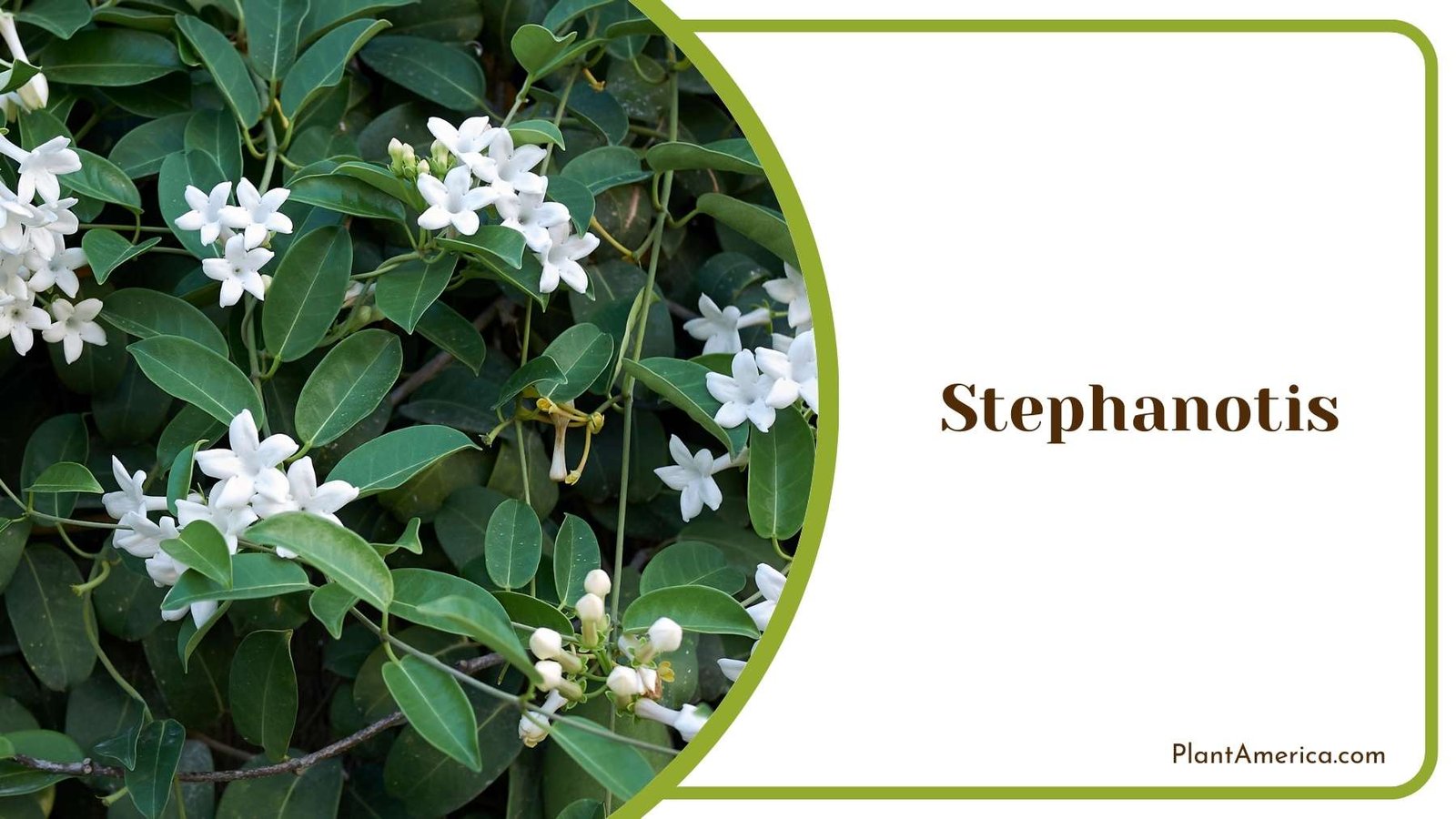
Stephanotis enchants with clouds of tiny star-shaped flowers emanating a sweet, floral fragrance. Native to tropical Asia, these vines thrive in USDA zones 8B through 11 with afternoon shade and moisture-retentive yet well-draining soil.
Lush dark green oval leaves provide a backdrop to waxy white blooms appearing continuously from spring through fall. Clusters create the illusion of lush snowfall along twining vines. Grow upright or allow it to spill over gates, fences, or trellises.
As a climbing vine, young plants cling using aerial roots. Provide strong growing surfaces to encourage sculptural draping laceworks overhead. Prune lightly after flowering to shape and encourage additional blooms.
Monitor growth closely for sap-feeding spider mites and soft-bodied mealybugs, which feed covertly underneath foliage. Infestations appear as yellow stippling or fuzzy patches requiring diligent control efforts before significant damage or dieback occurs.
Pure in scent and appearance, Stephanotis’ delicate blooms impart an enchanting natural perfume wherever vines are guided to florally festoon. Their graceful beauty and intoxicating sweetness spread calm and delight, perfect for any tranquil ambiance or tropical hideaway.
16. Datura
- Growing Season: Summer, Fall
- Leaf Type: Oval, Fleshy texture
- Specific Needs: Full sun, Moist, fertile soil
- Common Pests: Aphids, Spider mites
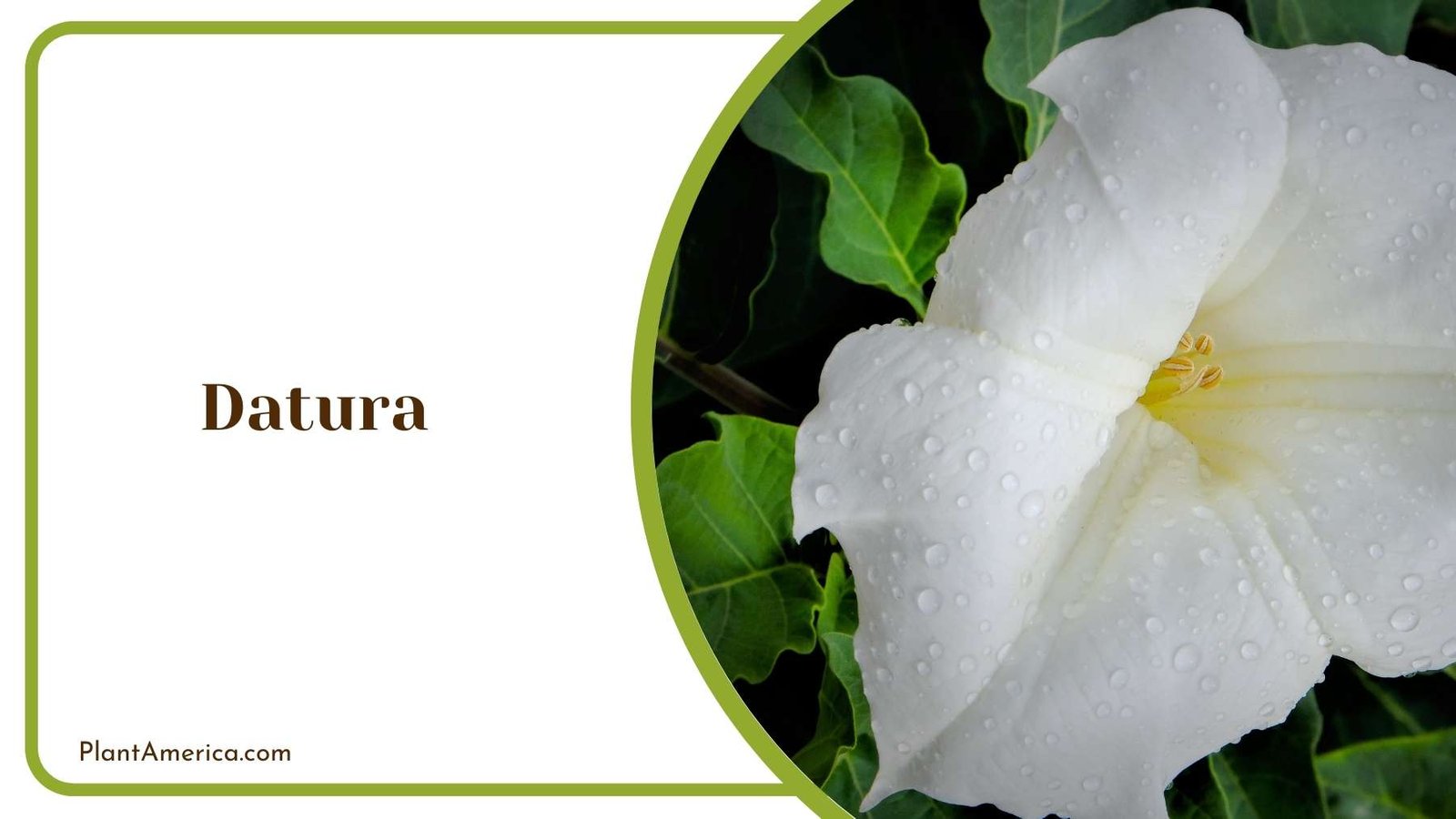
Datura is enticed with evening-blooming flowers and intoxicating fragrance and lore. Native to hot deserts from North America to Asia, these tropicals thrive in USDA zones 9-11 with abundant sunlight and regular water.
Towering stalks emerge bearing large trumpet-shaped blooms in pure white, yellow, or lavender shades. Oval leaves unfurl with a fleshy, succulent texture. Waxy blooms open as night falls and perfume the heavy desert air. Provide fertile soil with consistent moisture near the roots through summer despite the plant’s appearance of drought tolerance. Prune once established to maintain an airy open structure.
Check leaves frequently for sap-sucking aphids and spider mites, which feed on foliage. Infestations appear as stippling or webbing and require removal before leaves are yellow and drop prematurely. Control becomes difficult once populations increase substantially.
With captivating moonlit flowers of immense proportion and an alluring mystique, datura lends exotic tropical drama to warm-season gardens. Their angel’s trumpet silhouettes impart dreams and stir wonder long after the sun sets on fringed succulent leaves and dizzying natural perfumes.
Conclusion
Gardening with floral fragrance is a delightful way to fill one’s space with natural sweetness. The selected blooms offer equal beauty, charm, and sensory enjoyment. Here is a summary of top recommendations:
- Jasmine provides lush white blooms and heavenly scents on twisting vines from spring through fall.
- Gardenia emanates a distinctive tropical perfume from glossy foliage and pristinely lush blooms.
- Stephanotis imparts pure floral bliss spring through summer with delicate star-like flowers on twisting vines.
Fill your garden with nature’s gifts, flowing vines bearing starry white blooms and statuesque bushes heavy with heavenly scents. Let your spaces become filled with tranquility and delight.