
Flowers that bloom all year provide gorgeous flowers for your green garden no matter the season. By planting a mix of these easy-care flowers, you’ll enjoy colorful beds and borders year-round without much effort, which is perfect for both beginner gardeners and experienced green thumbs.
Whether you want bright summer poppies, delicate autumn crocuses, or fragrant spring daffodils, this guide has options to keep your garden or landscaping thriving with blooms every month. So if you’re looking to simplify your gardening while bathing in beautiful blooms all 365 days of the year, this list of easy-care everblooming flowers is the perfect place to start!
Flowers That Bloom All Year Long Without Much Maintenance
1. Butterfly Bush

- Growing season: Spring, Summer.
- Leaf shape: Oblong, Elliptical.
- Specific needs: Full sun, Well-drained soil .
- Common pest: Japanese beetles, Spider mites.
Butterfly bush, known botanically as buddleia, is a beloved flowering shrub renowned for its ability to attract numerous butterflies and bloom profusely throughout the warmer months. Butterfly bushes produce tall spikes of lavender, pink or purple flowers that rise above a mound of fragrant, oval-shaped foliage.
The profuse flower spikes of butterfly bush arise continuously from late spring through early fall. Pruning the shrub immediately after the initial spring bloom each year helps keep the plant full and bushy while also encouraging a second flush of flowering later in the summer. Regular deadheading of spent flower spikes can further extend the bloom time well into fall.
Like most flowering shrubs, the butterfly bush benefits from light pruning in late winter to shape the plant and remove any damaged or crossing branches. Pruning stimulates new growth that produces the maximum number of flower spikes later that season.
While generally resistant to most pests, butterfly bush can sometimes be plagued by issues like spider mites and Japanese beetles. Check butterfly bush plants regularly for signs of infestation, such as yellowed or curled foliage, webbing between leaves, or holes in leaves. Take action quickly by hosing mites off with a strong jet of water from the garden hose or applying an organic insecticidal soap spray.
The butterfly bush is a popular and low-fuss perennial flower that offers weeks of colorful blooms and valuable nectar for pollinators. Its ornamental flower spikes and butterfly-attracting abilities make this shrub a valuable addition to any flower garden or landscape.
2. Black-eyed Susan
- Growing season: Summer, Fall.
- Leaf shape: Oblong, Lobed.
- Specific needs: Full sun, Average soil .
- Common pest: Slugs, Aphids.
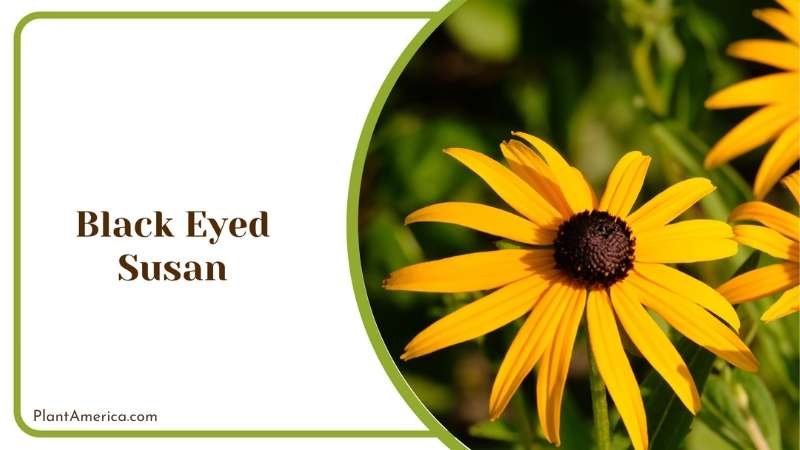
Black-eyed Susan is a classic herbaceous perennial flower known for its cheerful yellow and orange daisy blooms. Black-eyed Susans produce narrow, lobed basal foliage that rises from a clump in early spring. The upright stems send up numerous tubular flowers with dark central cones from midsummer through early fall.
Black-eyed Susans thrive in full sun and average, well-drained soil. They actually prefer poorer, dry soils and tend to bloom more profusely under those conditions. As a result, black-eyed Susans are relatively trouble-free perennials that require little care beyond occasional pruning and division.
Few insects bother black-eyed Susans, though spider mites or aphids occasionally appear in hot, dry conditions. Simply rinse plants thoroughly with water from a strong stream from the garden hose to dislodge any pests, then spray with an organic insecticidal soap if needed.
Pruning plants back by approximately one-third in early spring helps maintain a bushy habit and maximize flowering for the upcoming season. Cut stems back just above a bud or node. Dividing black-eyed Susan plants every three to four years also helps rejuvenate older clumps and control their tendency towards spread.
Lift the entire clump in either spring or fall, then separate into smaller clumps with several shoots each. Replant the divisions immediately to increase the chances of success.
Black-eyed Susans make reliable, low-maintenance perennials that offer a cheerful burst of color during the latter part of the growing season. Their drought tolerance and ability to flourish in poorer soils with minimal inputs make black-eyed Susans an excellent choice for individuals seeking classic fall flowers with minimal fuss.
3. Daylily
- Growing season: Summer.
- Leaf shape: Trumpet-shaped, Long.
- Specific needs: Full sun, Average soil.
- Common pest: Slugs and snails, Spider mites.
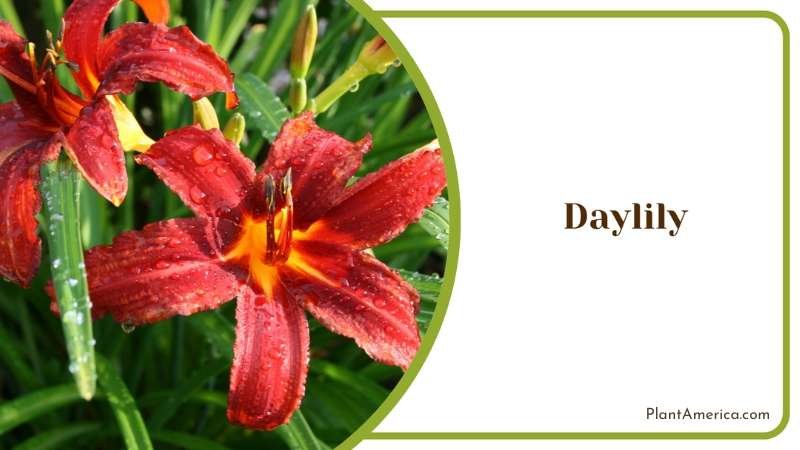
Daylilies are a popular perennial flower valued for providing months of colorful bloom above attractive foliage. From early to late summer, depending on the variety, daylilies produce numerous trumpet-shaped flowers in various colors, including yellow, orange, red, and pink. The funnel-shaped blooms arise on wiry stalks that arch gracefully above long, sword-like leaves.
Daylilies grow and spread easily in full sun and average to well-drained soil. They thrive in average to dry soil conditions and require little care beyond basic pruning and division every few years.
Keep an eye out for potential pests like slugs and snails that can chew on young foliage and flower buds, as well as aphids and spider mites that sometimes infest the leaves. Handpick slugs and snails from plants in the evening, then apply organic sprays like neem oil or soap if needed to control aphids and mites.
For a tidy appearance, deadhead spent daylily flower stalks down to the base once blooming has ceased. Removing old flowers prevents the formation of seed pods and encourages the production of additional buds.
Divide daylily clumps every three to five years, typically in fall after the foliage has died back. Lift entire clumps and separate them into smaller divisions with 8 to 10 fan-like leaves and numerous buds. Replant the daylily divisions immediately at the same depth they were previously growing. Division rejuvenates older clumps and creates new daylily starts for free.
4. Hosta
- Growing season: Spring, Summer.
- Leaf shape: Elliptic, Ovate.
- Specific needs: Partial shade, Rich soil.
- Common pest: Slugs, Japanese beetles.
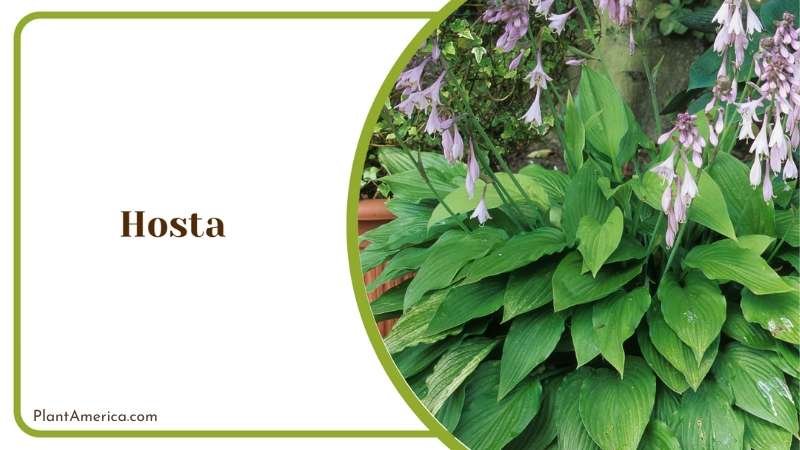
Hostas are beloved perennial plants valued not only for their late-summer spikes of fragrant white or lavender flowers but also for their nearly year-round architectural display of ornamental foliage.
Hostas produce thick underground rhizomes from which emerge broad leaves ranging in color from gray-green to golden yellow and in an astonishing variety of shapes and sizes. The wide assortment of hosta foliage from narrow leaves to elephant ears make these perennials valuable components of shady borders and gardens.
Hostas thrive when grown in partial shade and rich, consistently moist but well-drained soil. Amending soil with organic matter before planting and applying a layer of mulch each spring helps retain moisture and improve fertility.
Monitor hostas for pest issues like slugs and snails that can chew large holes in leaves overnight. Japanese beetles also target hostas, skeletonizing foliage in severe infestations. Handpick slugs and snails in the evening to limit the damage. Spraying kaolin clay particles or applying booties soaked in beer can help deter beetles.
For a tidy appearance, deadhead any spent hosta flower stalks after blooming. Remove any tattered or chewed hosta leaves throughout the growing season. Established plants can benefit from division every three to five years to control the spread and reinvigorate older clumps. Lift entire clumps and separate the rhizomes in spring or fall.
5. Crocosmia
- Growing season: Summer, Fall.
- Leaf shape: Linear, Sword-like.
- Specific needs: Full sun, Well-drained soil.
- Common pest: Corm rot, Red spider mite.
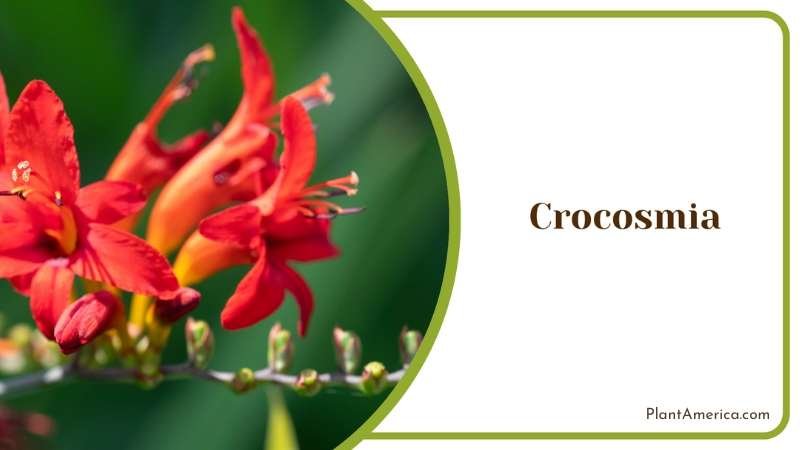
Crocosmia, commonly called montbretia, produces vibrant tubular flower spikes in shades of red, orange, and yellow that provide a long-lasting summer display. Narrow, grass-like foliage rises from the ground to heights between one and three feet before sending up upright stalks of vibrant blooms that attract hummingbirds.
Crocosmia prefers full sun and well-drained soil, becoming increasingly drought-tolerant once established. These sturdy plants can often flourish with minimal supplemental watering beyond adequate rainfall once established. Their ability to thrive with neglect makes crocosmias well-suited to low-maintenance perennial borders.
Few pests tend to bother crocosmias thanks to their rather stiff, toughened foliage. However, slugs and snails may occasionally chew on young, emerging leaves in spring. Handpicking the pests from plants at night and applying organic slug baits can help deter further damage.
For a tidier appearance and to promote basal growth, cut spent flower spikes of crocosmia down to the ground once blooms have faded. Allowing old stalks to remain can encourage disease issues. Removing seed heads after blooming also helps to prevent aggressive spread.
Dividing congested clumps of crocosmia, typically every three to four years in spring, helps reinvigorate older plants and maintain optimum vigor. Lift entire clumps and separate the fleshy rhizomes, cutting any roots that have emerged from the base of each offshoot. Replant the new divisions immediately at the same depth as the original clump, watering them well.
Crocosmia offers a reliable source of long-lasting summer color for perennial borders and gardens. Their tubular flower spikes in vibrant shades of red, orange, and yellow provide months of nectar for hummingbirds and graceful vertical accents above narrow foliage. With full sun, adequate drainage, and division every few years, crocosmias reward gardens with largely trouble-free summer blooms.
6. Peony
- Growing season: Spring .
- Leaf shape: Compound, Palmate.
- Specific needs: Full sun to partial shade, Rich soil.
- Common pest: Japanese beetles, Thrips.
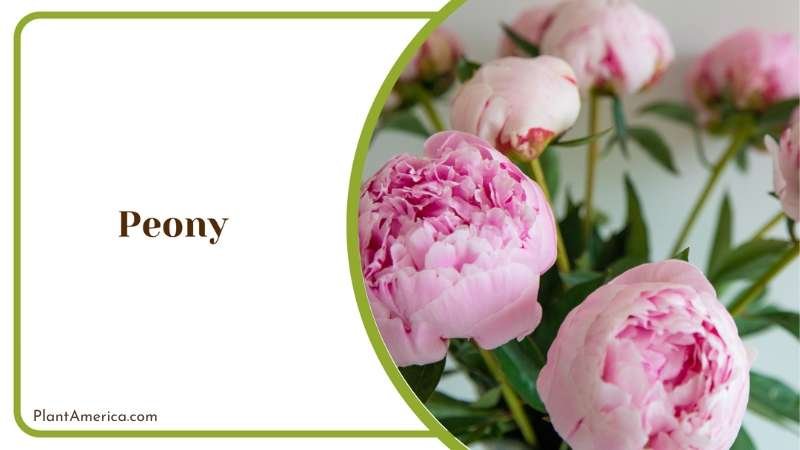
Both shrub and herbaceous peony cultivars produce glorious bowl-shaped or ruffled blooms in an array of colors including pinks, reds, yellows, and whites. Peony flower buds emerge in spring above foliage that first appear burgundy in color before maturing to green. The foliage of some cultivars remains attractive into fall even after the blooms have faded.
Peonies flourish when given full sun exposure for at least the morning hours, along with partial shade during the hottest part of the afternoon. They thrive in rich, organic, well-draining soil that is consistently moist but not soggy. Amending garden soil with compost and adding organic matter before planting helps promote optimal growth and large blossoms.
Japanese beetles typically swarm peony buds in June, feeding voraciously and damaging the blooms if left unchecked. Handpicking and dropping beetles into soapy water in the morning helps reduce pest pressure. Commercially available beetle traps may also offer some relief.
Once peony flowers begin to fade, snip off the spent blooms just above a set of leaves. For herbaceous peonies, consider leaving some seed heads on the stems after flowering to attract goldfinches in fall.
The stems and foliage of herbaceous peonies can either be cut back to the ground once foliage begins to yellow in fall, or the removal can wait until spring before new growth emerges. Shrub peonies should have any dead or damaged stems pruned in late winter while still dormant.
Peony plants, whether herbaceous border types or shrub varieties, offer a spectacular display of beautifully ruffled or simple blooms in a range of warm hues. With adequate sun, rich soil, and attention paid to controlling pests like Japanese beetles, peonies reward gardens with a glorious floral show for many years.
7. Catmint
- Growing season: Summer .
- Leaf shape: Attractive, Lanceolate.
- Specific needs: Full sun, Average soil.
- Common pest: Flea beetle, Spider mite.
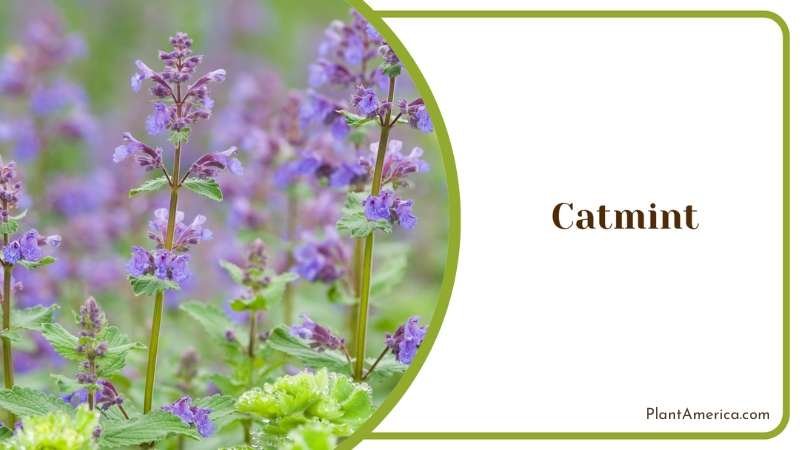
Catmints produce towering spires of lavender bloom flowers beloved by pollinators from June through September. The lance-shaped foliage forms low-spreading mats that remain attractive all season.
Perennial flowers Catmints prefer full sun and average to dry soil, tolerating drought, heat, and neglect once established. Few pests bother these low-maintenance long bloomers, though slugs may occasionally feed on young growth.
Deadhead spent flowers throughout summer to encourage rebloom and maintain a tidy appearance. Cut plants back after flowering to promote a second flush of blooms later in the season. Divide congested clumps in spring every three to four years.
8. Coneflower
- Growing season: Summer, Fall .
- Leaf shape: Alternate, Broadly oval to lance-shaped.
- Specific needs: Full sun, Average soil.
- Common pest: Aphids, Japanese Beetles.
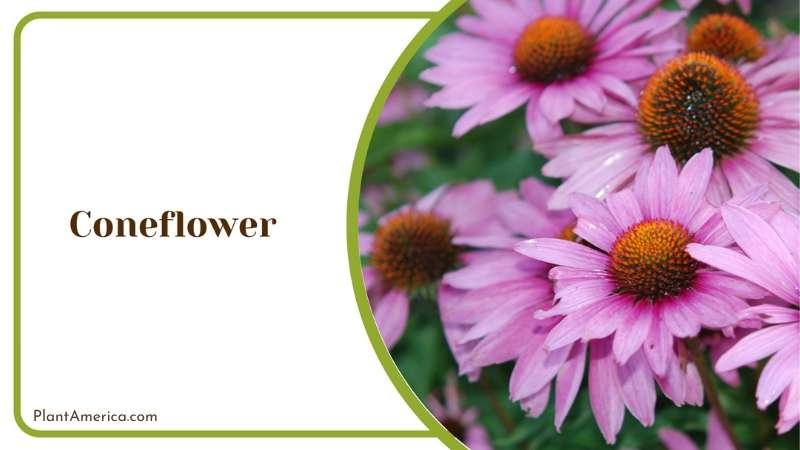
Coneflowers produce colorful daisy-like blooms in shades of orange, yellow, pink, and white that attract butterflies and butterfly bushes. The foliage emerges light green, matures to gray-green, and remains attractive all season.
Coneflowers thrive in full sun and average to dry, poor soils, becoming drought tolerant once established. Coneflowers are relatively pest and disease free, though occasionally aphids can be an issue.
Cut coneflower stems back by one-half after initial flowering to encourage a second bloom. Deadhead faded flowers promote basal growth and reduce self-sowing. Divide congested clumps in spring every three to four years.
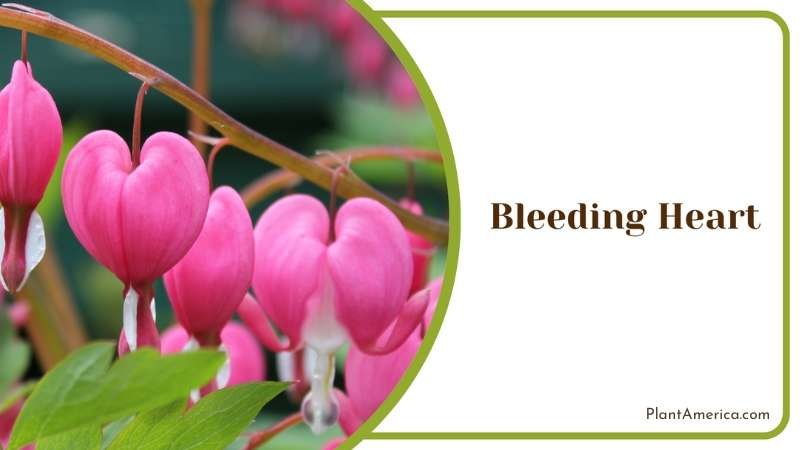
9. Bleeding Heart
- Growing season: Summer, Spring .
- Leaf shape: Ovate, Lobed.
- Specific needs: Partial shade, Consistently moist soil.
- Common pest: Occasional slug damage, Mealybugs.
A bleeding heart produces pendulous stalks of pink, white, or red heart-shaped flowers that dangle above gorgeous basal foliage. The deeply lobed foliage emerges bronze and then matures to green, often remaining attractive well into summer.
The perennial flower Bleeding heart thrives in partial shade and consistently moist, richly organic soil which stays damp but well-drained. Occasionally, slugs may chew on young emerging leaves.
Remove spent flower stalks after blooming; cut foliage back completely when it dies down in late summer. Lift and divide clumps in fall every four to five years. Apply a two to three-inch layer of mulch over roots in spring to help conserve soil moisture.
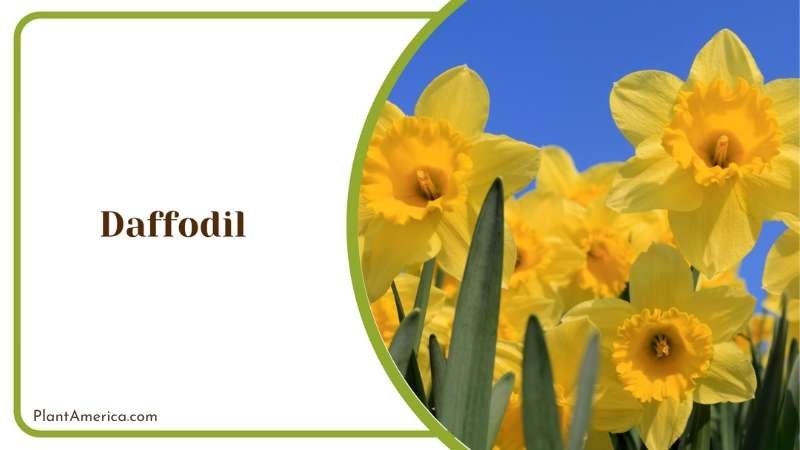
10. Daffodil
- Growing season: Early spring .
- Leaf shape: Flat, Linear.
- Specific needs: Full sun, Well-drained soil.
- Common pest: Snails and slugs, Scale mites.
Daffodils are cherished spring flowering bulbs that produce cheerful trumpets or clustered cups in hues of yellow, orange, and white that gleam brightly in early gardens. The vivid blooms emerge atop narrow, sword-like basal foliage just as spring arrives.
Daffodils grow easily with minimal care. They thrive when planted in full sun and well-draining soil, preferring soil that is of low to average fertility. Daffodils have few pest problems under normal conditions, though occasional slugs and snails can chew on the leaves and buds during wet springs.
It is important to allow daffodil foliage to die back naturally once flowering has finished, usually sometime in late spring. Resist the urge to pull daffodil foliage prematurely as the leaves produce energy through photosynthesis that nourishes the bulb for next year’s bloom. Yellowing foliage that then collapses on its own indicates the bulb has completed this process and can then be removed.
Daffodil bulbs tend to become congested over time, resulting in smaller flowers and reduced vigor. Dividing bulbs every three to four years helps reinvigorate older clumps. The best time to divide daffodils in most climates is mid to late summer after the foliage has died back and the bulbs are still dormant.
Daffodils offer a cheerful and trouble-free display of spring color thanks to their adaptability and minimal care needs. Their vibrant trumpet or clustered blooms in a range of warm hues provide a joyful hello to the new growing season above attractive foliage. With full sun exposure, well-draining soil, and periodic division every few years, daffodils reward gardens with years of reliable spring blossoms.
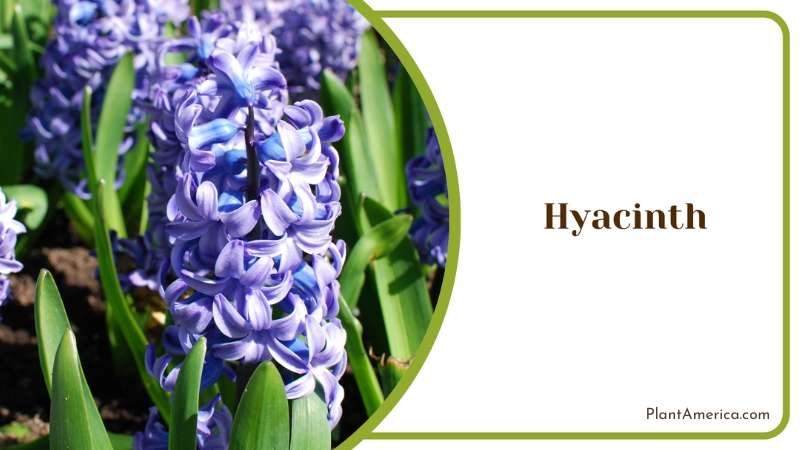
11. Hyacinth
- Growing season: Early spring.
- Leaf shape: Flat, Straplike.
- Specific needs: Full sun, Well-drained soil.
- Common pest: Slugs, Snails.
Hyacinths produce symmetrical clusters of fragrant flowers that bloom in shades of red, pink, purple, white, and blue atop graphite tinted straplike foliage. The bulbs grow easily in full sun or light shade and well-drained, moderately fertile soil.
Occasional slugs and snails may feed on young leaves as they emerge. Allow foliage to die back naturally and resist pulling prematurely. Dig and divide bulbs every three to four years in summer after foliage yellows and dies back. Apply a two to three-inch layer of organic mulch annually to help control weeds.
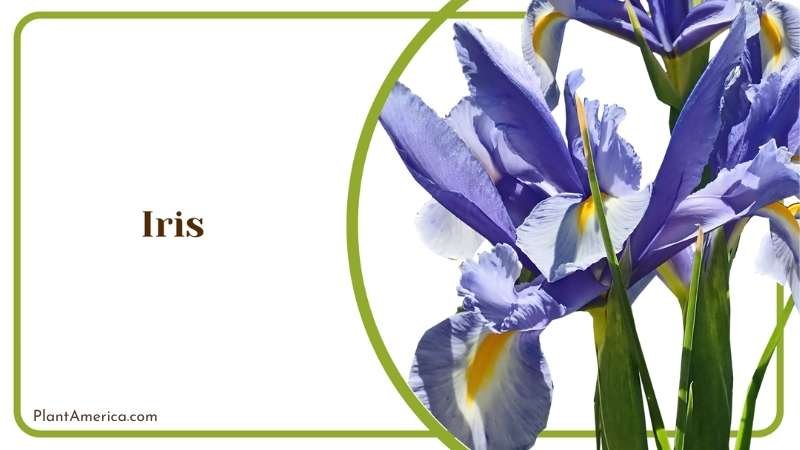
12. Iris
- Growing season: Summer, Spring.
- Leaf shape: Long, Spear-like or sword-like.
- Specific needs: Full sun, Well-drained soil.
- Common pest: Iris borer, Slug damage.
Irises produce graceful stalks of waxy blooms in a stunning palette of colors that attract pollinators. The grass-like foliage rises from an underground rhizome and remains attractive all season.
Bearded, Siberian, Japanese, and Louisiana iris grow easily in full sun and well-drained soil, though Louisiana irises also succeed in seasonal wet spots. Watch for iris borers that burrow into rhizomes and slugs that chew on leaves.
Cut stems several inches from the base and remove spent leaves in the fall. Divide congested clumps every three to four years in the fall once foliage yellows and dies down.
13. Poppy
- Growing season: Summer, Spring.
- Leaf shape: Alternate, Oval to Lance-shaped.
- Specific needs: Full sun, Average soil.
- Common pest: Spittlebugs, Aphids.
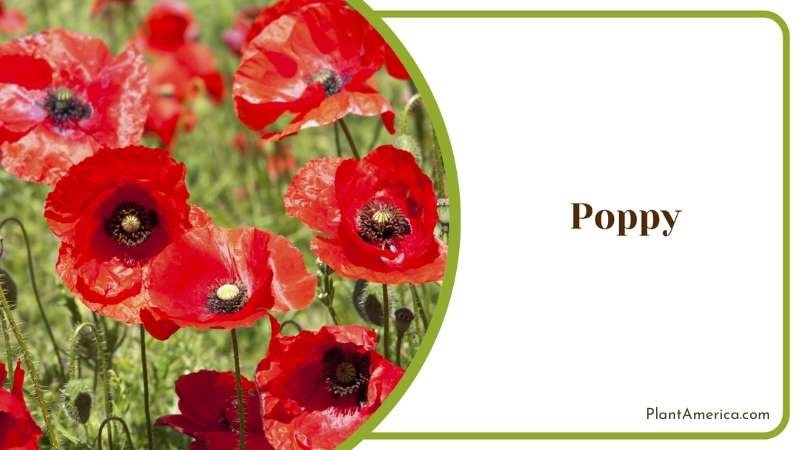
Poppies produce large brilliant blooms in shades of red, orange, pink, and white that rise above coarse flower garden foliage. Common poppy varieties include California poppies, Iceland poppies, and Oriental poppies.
All poppies grow easily in full sun and average well-drained soil, preferring poor to moderately fertile conditions. These stunning bloomers have few pest or disease issues though occasionally, slugs or snails may chew on young leaves and buds.
Deadhead spent flowers to encourage rebloom; remove seed pods to prevent spread. Cut stems down to basal foliage when blooms fade. Divide clumps every few years after bloom, disturbing the roots as little as possible.
14. Allium
- Growing season: Summer.
- Leaf shape: Hollow, Tubular or flat.
- Specific needs: Full sun, Well-drained soil.
- Common pest: Thrips, Cutworm, Caterpillar.
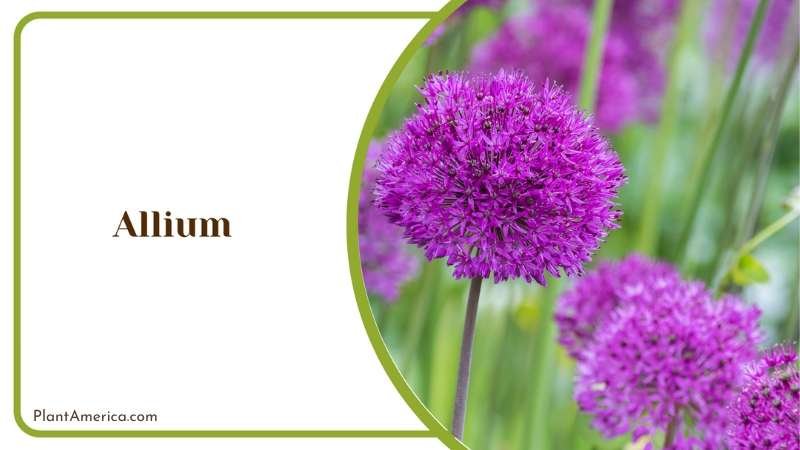
Allium produce captivating round flower heads atop slender upright foliage that comes in an array of colors in the flower garden. Ornamental onion types, including drumstick, ornamental chives, and globe allium, lend a unique texture and movement to gardens from mid-summer to fall.
All alliums grow easily in full sun and well-drained soil, preferring poor to moderately fertile conditions. These reliable bloomers have few pest issues, though slugs occasionally damage emerging leaves. Watch out for these slugs and your plant should be fine.
Cut foliage back to the base once the flower stems yellow and start to fall over — make sure to remove any seed heads that form. Divide congested clumps every two to three years in spring or fall.
15. Salvia
- Growing season: Summer, Fall.
- Leaf shape: Opposite, Ovate to lance-shaped.
- Specific needs: Full sun, Well-drained soil.
- Common pest: Leafhoppers, Spider mites.
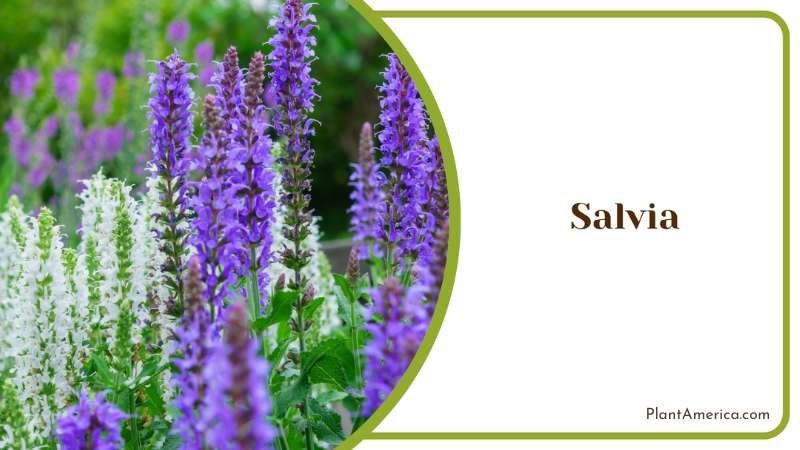
Salvia produces spires of stunning flowers in rich hues of blue, red, purple and white that persist into fall. The aromatic foliage emerges green, then matures to gray-green, and often remains attractive all season.
Salvias grow easily in full sun, preferring lean, well-draining but moisture-retentive soil. Regularly check for leafhoppers and spider mites that can colonize quickly in hot weather and can cause great injury to the plant.
Pinch stems after the initial bloom to encourage bushier habits and a second flush of blooms. Cut plants back by half their height in late winter before new growth emerges.
16. Tulip
- Growing season: Spring.
- Leaf shape: Linear, Sword-shaped.
- Specific needs: Full sun, Well-drained soil.
- Common pest: Squirrels, Voles.
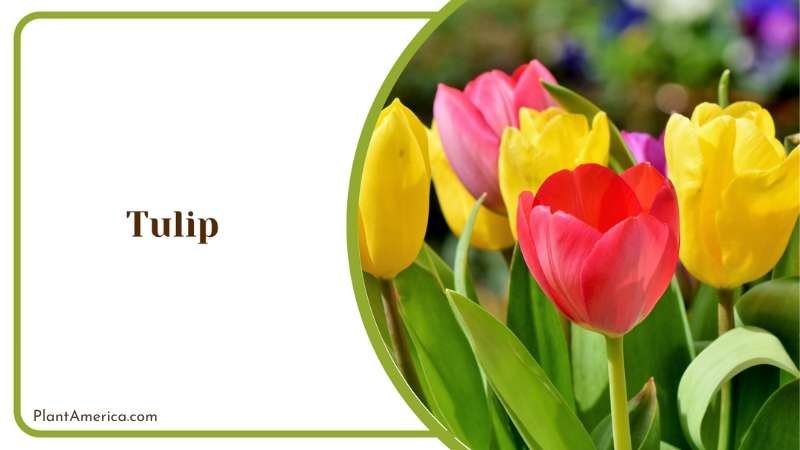
Tulips produce colorful pointed blooms atop slender strappy foliage in the flower garden. Single early, single late, Kaufmanniana, Fosteriana, Lily-flowered, and Parrot varieties provide an array of shapes, sizes, and blooming times from early to late spring.
All tulips grow easily in full sun and well-drained soil, preferring poor to moderately fertile conditions. Squirrels and voles occasionally dig up and eat the bulbs, particularly during the months of fall and winter.
Allow foliage to die back naturally after bloom, as cutting prematurely robs bulbs of needed energy reserves. Dig and divide tulip bulbs every three to four years in summer after the foliage turns yellow.
17. Penstemon
- Growing season: Summer.
- Leaf shape: Lanceolate, Linear.
- Specific needs: Full sun, Well-drained soil.
- Common pest: Slugs, Snails.
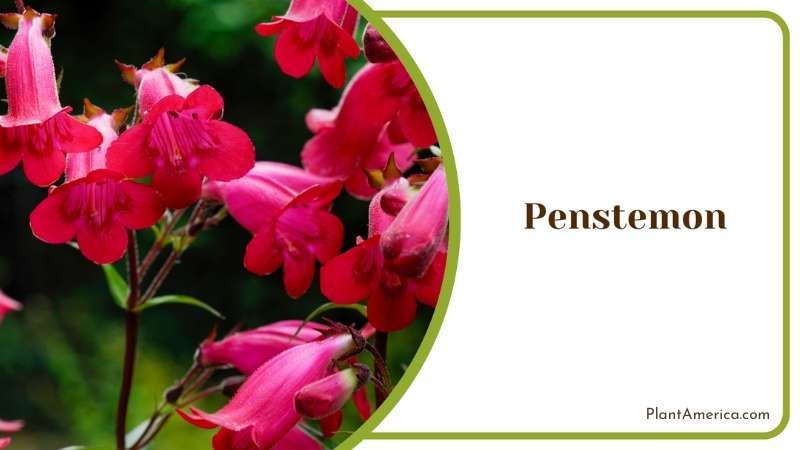
Beardtongue or penstemon produce tubular flowers in shades of pink, purple, blue, and white beloved by hummingbirds and bees. The slender foliage rises from a clump and remains attractive all season.
Penstemons grow easily in full sun and well-drained soil, tolerating drought, heat, and sandy soil once established. Occasionally slugs or snails may chew on young leaves as they emerge.
Shear spent stems back to basal growth after bloom to promote a bushy habit. Cut plants back close to the ground in late winter before new growth emerges. Divide congested clumps every two to three years in the months of spring or fall.
18. Azalea
- Growing season: Spring.
- Leaf shape: Oblong, Ovate.
- Specific needs: Partial shade, Acidic soil.
- Common pest: Azalea lace bug, Spider mite.
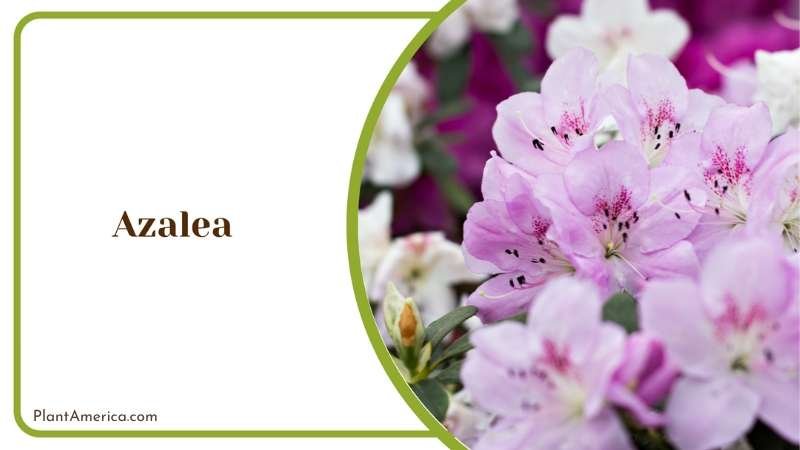
Azaleas produce clusters of fragrant blooms in colors spanning the spectrum that shine in springtime gardens. The dark green foliage emerges bronze-like and then matures to lustrous green, often remaining decorative as the season turns to summer.
Azaleas grow best in partial shade and acidic, moist but well-draining soil rich in organic matter. Watch out for azalea lace bugs that stipple and discolor leaves. Prune lightly after spring bloom to shape and maintain plant form. In summer, provide even moisture and apply a two to three-inch layer of organic mulch to the roots.
19. Geranium
- Growing season: Summer, Fall.
- Leaf shape: Palmate, Lobed.
- Specific needs: Full sun to partial shade, Moist, well-drained soil.
- Common pest: Rarely bothered by pests.
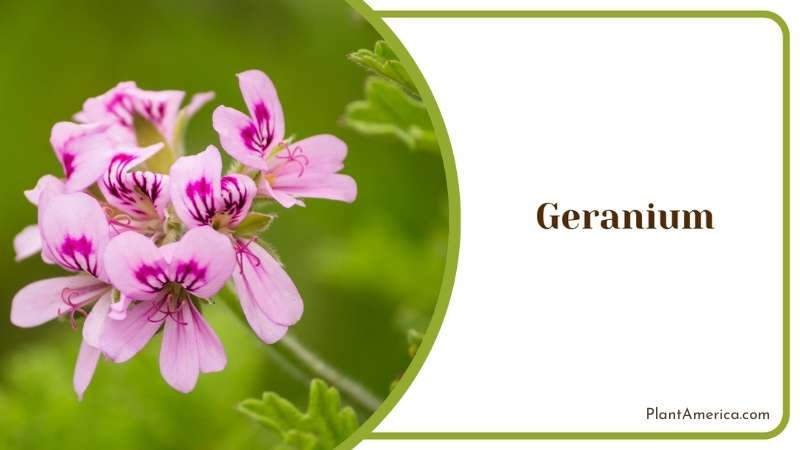
Crane’s bill or geraniums produce clusters of colorful blooms in shades of pink, purple, white, and blue above intricately lobed foliage that remains attractive for months. Both upright and trailing geranium varieties grow easily in full sun to partial shade and average to moist but well-drained soil.
These sturdy plants are rarely bothered by pests though occasionally, slugs may chew on young leaves. Deadhead faded blooms throughout the season to encourage rebloom. Trim stems back by one-half after the initial bloom to promote bushier growth. Divide rooted runners and congested clumps in spring or fall.
20. Rose
- Growing season: Summer, Fall.
- Leaf shape: Alternate, Pinnate.
- Specific needs: Full sun, Well-drained soil.
- Common pest: Aphids, Japanese beetles.
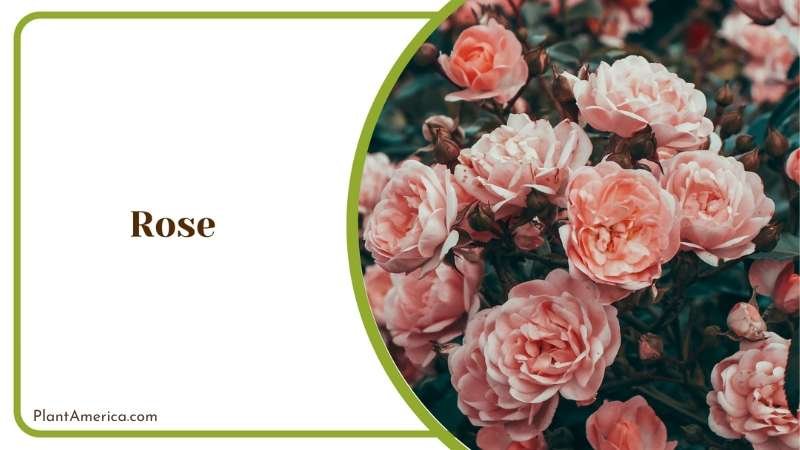
Roses produce beloved abundant blooms in a palette that spans nearly every color of perennial flowers. Hybrid teas, floribundas, grandifloras, shrub roses — all of these varieties produce bouquets of blooms above decorative foliage for months on end.
Roses grow best in full sun and rich, well-draining soil amended with organic matter. Ensure good air circulation to reduce foliar diseases and keep an eye out for aphids, Japanese beetles, and powdery mildew.
Deadhead faded flowers on a regular basis to extend bloom time and encourage new growth. In the fall, cut stems back by half to two-thirds their length and prune out any diseased or damaged canes.
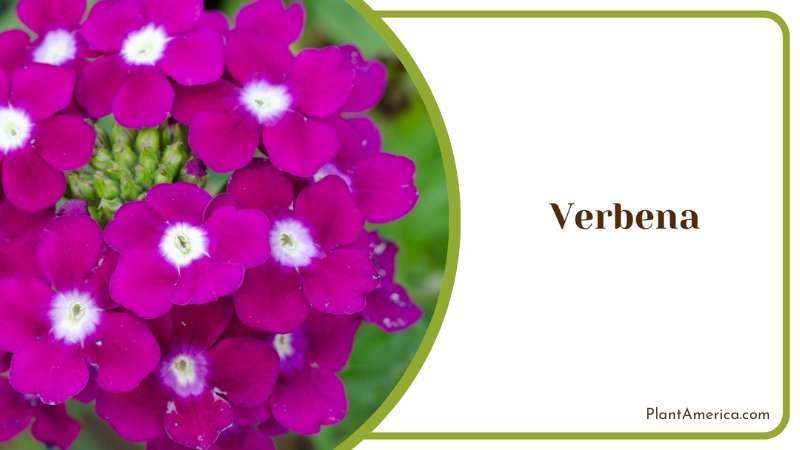
21. Verbena
- Growing season: Summer, Fall.
- Leaf shape: Opposite, Oval to elliptic.
- Specific needs: Full sun, Well-drained soil.
- Common pest: Aphids, Thrips.
Verbena produces spreading mounds of small blooms in vivid hues of purple, pink, red and white beloved by pollinators. Both annual and perennial types prosper in hot, full sun conditions and lean, well-drained soil.
Verbenas tend to be relatively trouble-free, though occasionally spider mites and powdery mildew may develop in hot, dry weather. Pinch stems after initial bloom to promote bushier habit and a second flush of blooms. Cut plants back by half in late winter or early spring before new growth emerges.
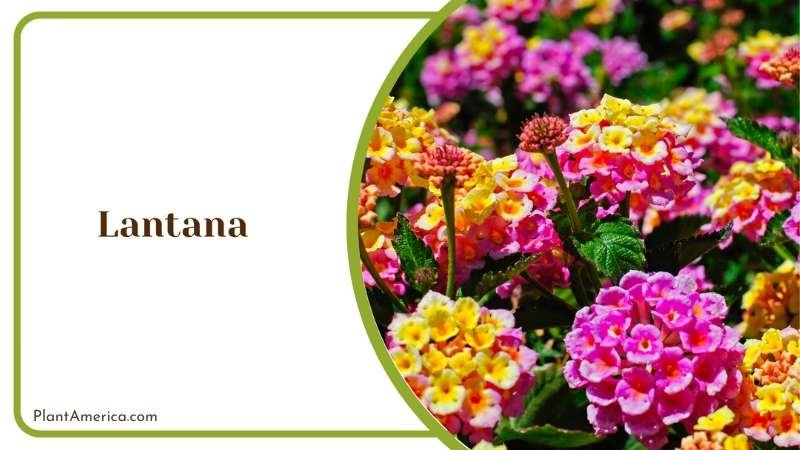
22. Lantana
- Growing season: Summer, Fall.
- Leaf shape: Opposite, Ovate.
- Specific needs: Full sun, Well-drained soil.
- Common pest: Lantana lace bugs.
Lantanas produce colorful mounds of blooms in hues of yellow, orange, pink, and red that attract butterflies and hummingbirds. The fragrant foliage emerges green, then matures to gray-green, and often remains decorative into fall.
Lantanas thrive in hot, full sun conditions and lean, well-draining soil, becoming somewhat drought tolerant once established. These beautiful, tough flowers are rarely troubled by pests, though you will have to watch out for spider mites that can colonize the plant in hot, dry conditions.
Pinch stems back after the initial bloom to promote bushier growth and a second flush of blooms. Cut plants back by half in late winter or early spring before new growth emerges.
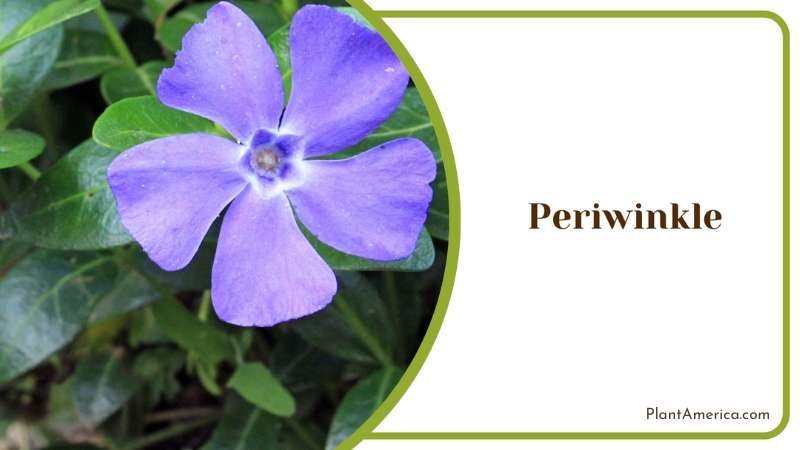
23. Periwinkle
- Growing season: Summer, Spring.
- Leaf shape: Opposite, Ovate to elliptical.
- Specific needs: Partial shade, Moist soil.
- Common pest: Rarely bothered by pests.
Periwinkles produce panicles of white, pink, or violet bloom that grace spring and summer gardens with delicate color. The glossy evergreen foliage remains attractive year-round and effectively smothers weeds.
Periwinkles thrive in partial shade and consistently moist, well-drained soil rich in organic matter. These carefree groundcovers have few pest or disease issues, though slugs may chew on new growth.
Shear spent flowers and leave the foliage untouched. Periwinkles self-spread so contain aggressively by trimming away encroaching stems.
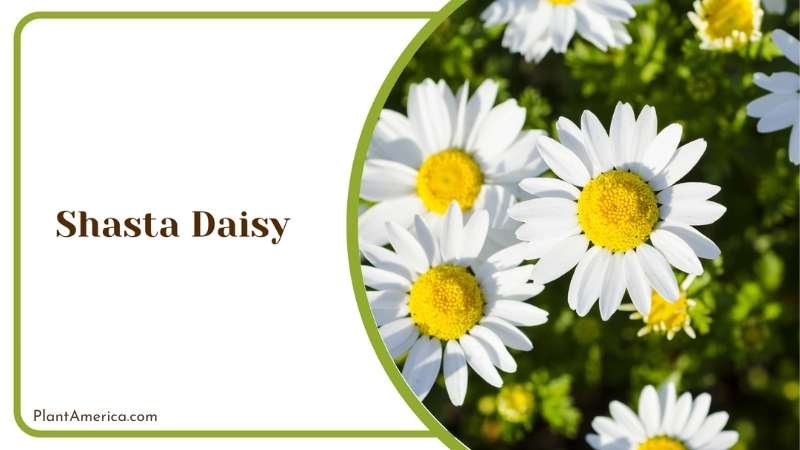
24. Shasta Daisy
- Growing season: Summer.
- Leaf shape: Alternate, Lobed.
- Specific needs: Full sun, Well-drained soil.
- Common pest: Rarely bothered by pests.
Shasta daisies produce single large blooms in shades of white and pink atop sturdy stems that tower above attractive lobed foliage flower garden. Shasta daisies thrive in hot, full sun conditions and average to dry, well-draining soil, becoming quite drought tolerant once established. Occasionally, aphids or Japanese beetles may feed on foliage, but serious pest problems are rare for these easy-care perennials.
Deadhead spent flowers throughout summer to extend bloom time and promote basal growth. Cut stems back close to the ground when blooms fade to encourage lush new growth for next year’s flowers. Divide congested clumps every three to four years in spring or fall.
25. Columbine
- Growing season: Summer, Spring.
- Leaf shape: Palmate, Compound.
- Specific needs: Partial shade, Well-drained soil.
- Common pest: Rarely bothered by insects.
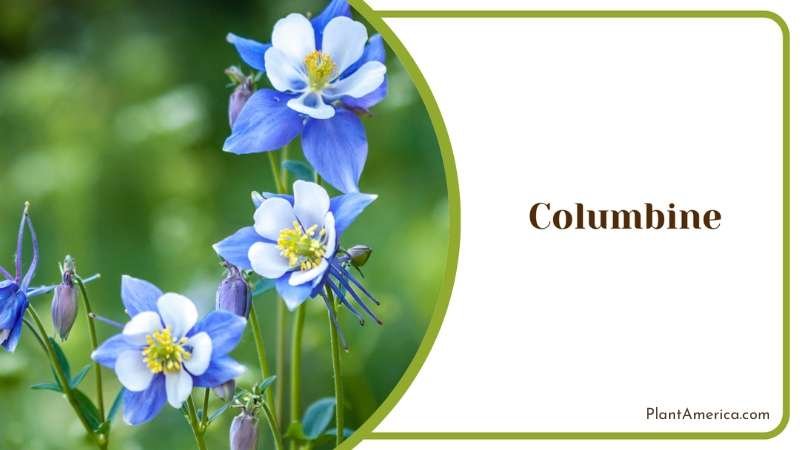
Columbine produces dangling pendulous blooms in shades of red, yellow, pink and purple that grace spring and early summer gardens. The ferny foliage emerges from basal rosettes and remains attractive for months.
Columbine thrives with morning sun and afternoon shade and well-draining moisture-retentive soil rich in organic matter. Occasionally, slugs may chew young foliage, but serious pest issues are rare for these low-maintenance bloomers.
Deadhead faded blossoms throughout the growing season. Cut foliage back after bloom and trim away any damaged parts. Divide congested clumps every three to four years in spring or fall.
26. Lily
- Growing season: Summer.
- Leaf shape: Alternate, Simple.
- Specific needs: Full sun to partial shade, Well-drained soil.
- Common pest: Nematodes, Lily beetles.
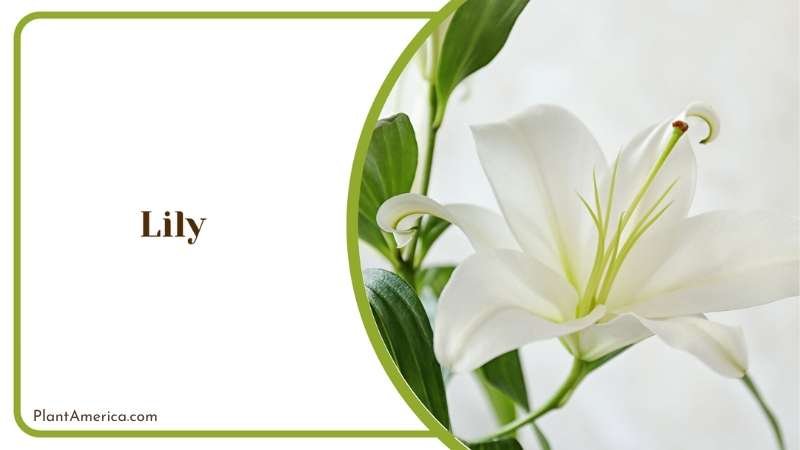
Lilies produce graceful trumpets, urn-shaped or starry blooms in a plethora of colors with contrasting stripes or spotted patterns. The strappy foliage rises above and below the flowers, often remaining attractive into fall.
Asiatic, Oriental, Arum, and Tiger lilies all grow easily in full sun to light shade and well-draining soil amended with organic matter. Watch out for nematodes, aphids, lily beetles, and bulb mites.
Remove faded blooms but leave the seed heads of some lilies to feed goldfinches in fall and winter. Cut the entire plant to the ground when foliage yellows and dies back in the fall.
Conclusion
The variety of easy-care flowers that provide colorful blooms all year long is truly remarkable, and with a bit of planning and the right selections for your conditions, you can enjoy a nonstop floral show in your garden.
- Beardtongue or penstemon produces tubular flowers in shades of pink, purple, blue, and white beloved by hummingbirds and bees.
- Irises produce graceful stalks of waxy blooms in a stunning palette of colors that attract pollinators.
- Peony shrubs and herbaceous types both produce glorious ruffled and simple blooms in hues of pink, red, yellow, and white.
- Coneflowers produce colorful daisy-like blooms in shades of orange, yellow, pink, and white that attract butterflies and butterfly bushes.
Gardening is an endlessly creative and rewarding activity. By incorporating more flowers that bloom all year into your landscape, you’ll be amazed at how your small efforts inspire joy. Start planning your year-round color palette today — your garden is waiting!