
Fastest Growing Trees in Texas can transform your backyard into an oasis in no time by providing towering shade within just a few short years. In this guide, we uncover the 15 quickest-growing tree species particularly suited to the Lone Star State climate and conditions, considering factors like growth rate, size, hardiness, and more.

By reading this article, you’ll learn which fast-establishing tree saplings to buy or seeds to sow to immediately impact your Texas garden, whether you want fast shade, windbreaks, or long-term value. Keep scrolling to discover the top tree species with the most growth potential for quickly transforming your space into the shady oasis you envision!
Fast Growing Tree Species for Texan Landscapes
1. Bald Cypress
- Growing Season: Evergreen.
- Leaf Shape: Alternate, Simple, Needle-Like.
- Specific Needs: Medium to wet moist soil, Full sun to partial shade, Tolerate wind and heat.
- Common Pests: Leaf Scorpion Bug, Cypress tip moth, Scale insect.
The bald cypress is a fast-growing, drought-tolerant evergreen tree native to the southern United States. It is an iconic sight in the swamps and waterways of the south, where it thrives in wet, flooded conditions. However, bald cypress trees can grow well in average soil with proper care.
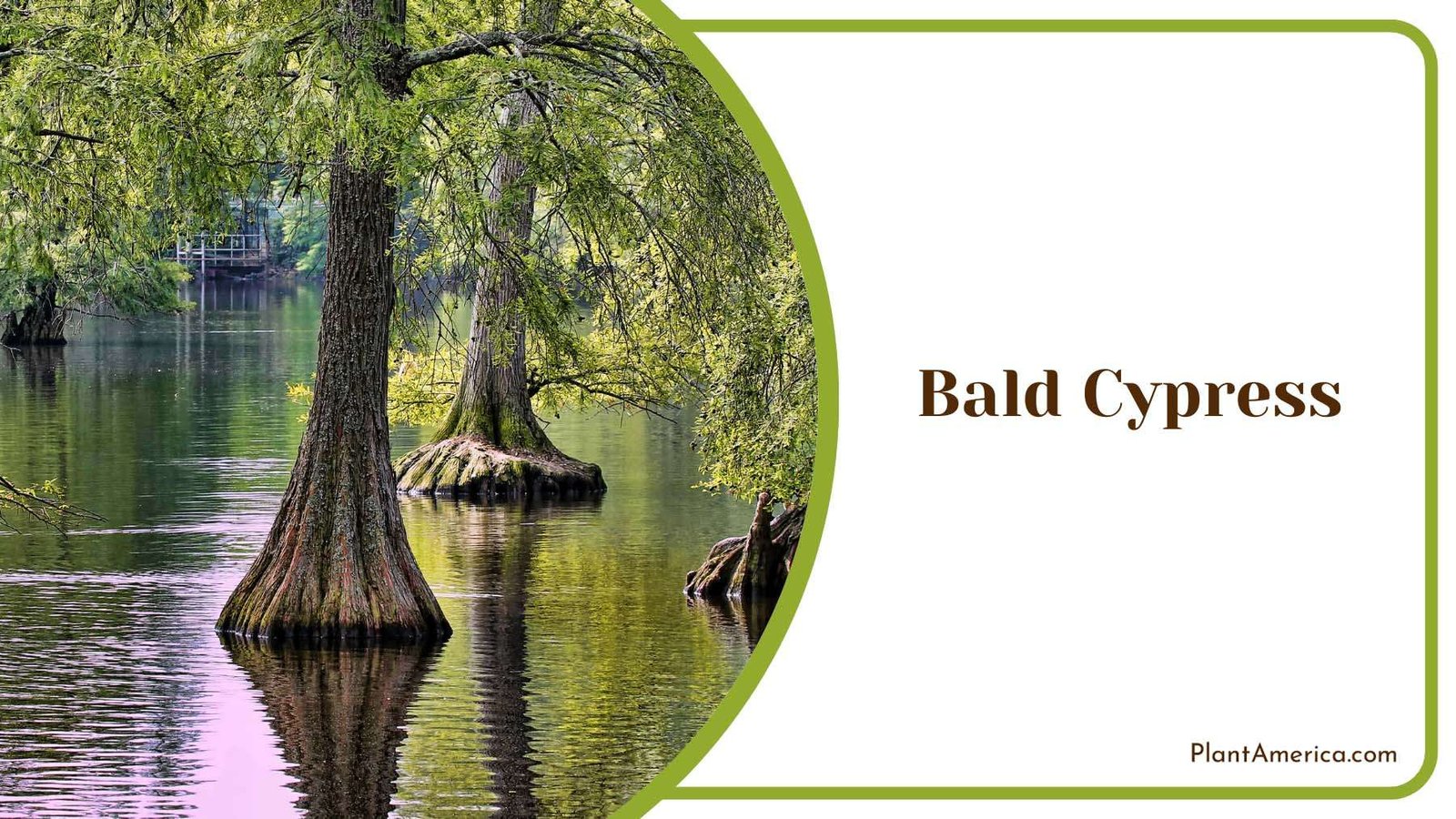
Bald cypress trees have distinctive ‘bald’ trunks with brown fibers called cypress knees that protrude above the water’s surface. The leaves are needle-like and light green, arranged alternately on the branches. The fall color is inconspicuous, and the bald cypress remains evergreen throughout winter.
In early spring, bald cypress trees produce cones pollinated by wind and insects. These cones develop into seed pods that provide food for wildlife. The overall form of the bald cypress is pyramidal when young, becoming oval-rounded with age.
2. Cherry Laurel
- Growing Season: Year Round.
- Leaf Shape: Glossy, Oval Evergreen.
- Specific Needs: Well-draining, dry soil, Moderate, infrequent watering.
- Common Pests: Leafminers, Scales, Japanese beetles.
Cherry laurel is an ideal, low-maintenance fast-growing tree in Texas. The glossy foliage provides a year-round shade tree, while small, fragrant white flowers in spring enhance the ornamental appeal. Cherry laurel grows rapidly, reaching 10 feet within the first ten years and potentially exceeding 30 feet at maturity, making it a versatile choice for privacy hedges, windbreaks, and screening.
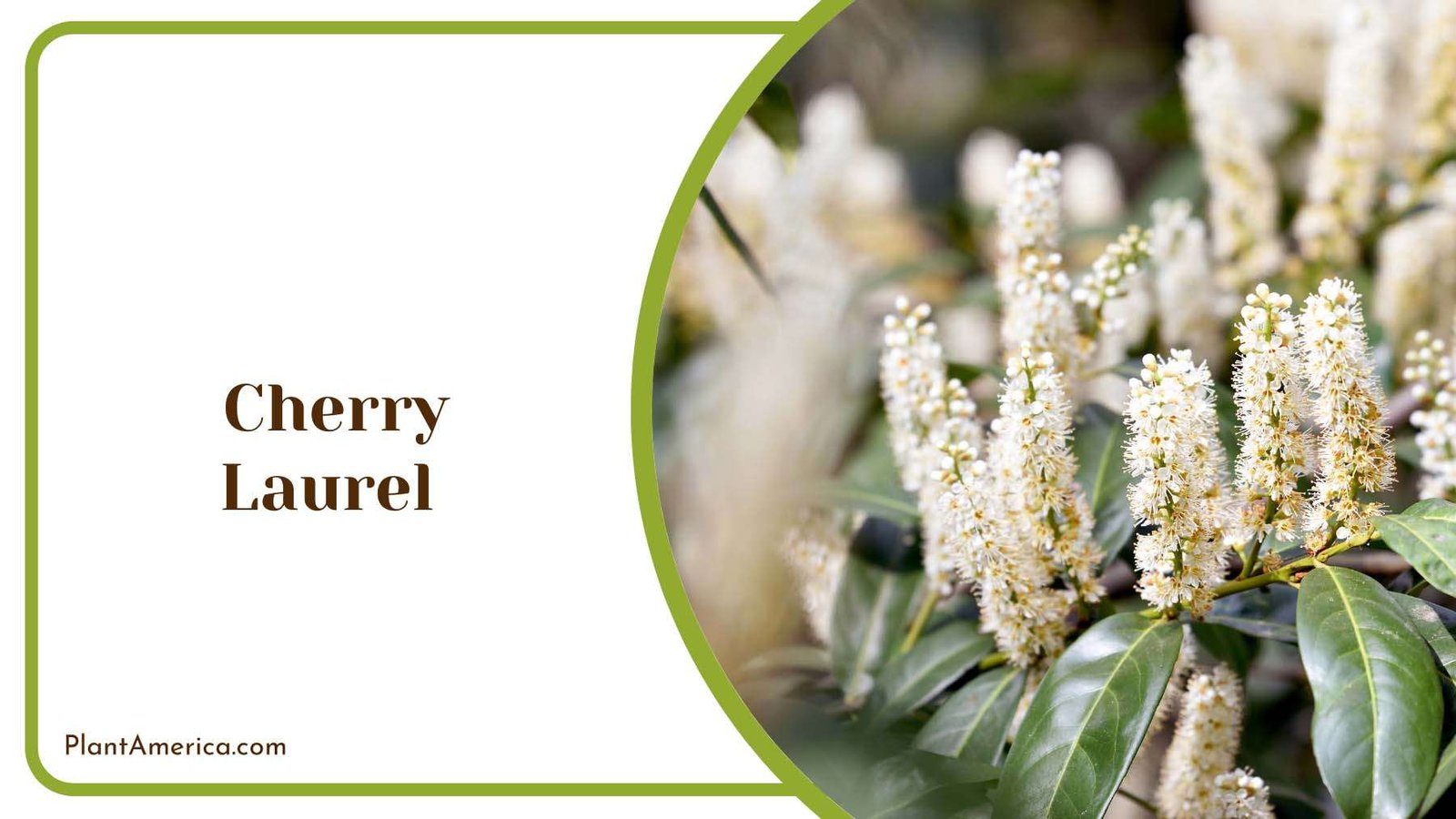
The simple tree care primarily involves pruning to shape the plant or remove damaged growth. Little fertilizing, pest control, or watering beyond establishment is typically needed.
As a broadleaf evergreen tree, the cherry laurel offers Texas homeowners an alternative to needle-leaf evergreen trees. The dense, year-round canopy of glossy oval leaves makes cherry laurel a valuable option for Texas trees, windbreaks, and privacy screens able to withstand extreme heat and humidity.
3. American Sycamore
- Growing Season: Spring, Summer.
- Leaf Shape: Alternate, Palmately lobed, Simple.
- Specific Needs: Prefers moist, well-drained soil, Full sun.
- Common Pests: Sycamore Lace Bug, Leaf Spot, Aphids.
The American sycamore is a fast-growing deciduous tree native to North America east of the Rocky Mountains. Tall, statuesque, and imposing, the American sycamore is known for its widespread, thick trunk and huge lobed leaves.
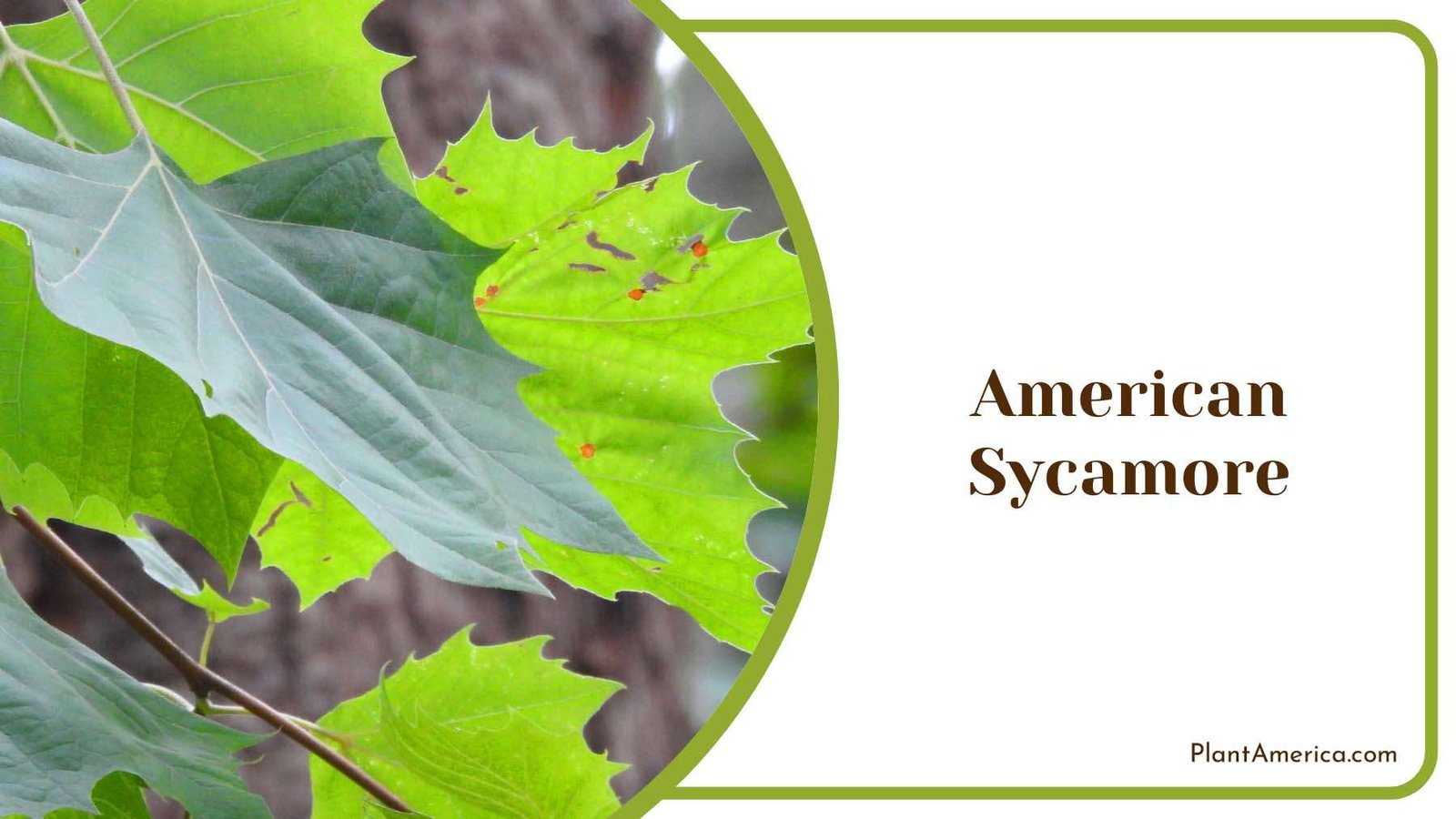
As sycamore leaves emerge in early spring, the tree is awash in pale green. By summer, the leaves mature to their full size, dark green with three to five palmate lobes. In fall, sycamore leaves change to spectacular shades of burnt orange, red, and golden yellow before dropping.
American sycamores thrive in rich, moisture-retentive soil with full sun exposure. While sycamores tend to be pest and disease free, they can be susceptible to issues like sycamore lace bugs, leaf spots, and aphids. Proper pruning, fertilizing, and monitoring for pests can help keep sycamores healthy.
4. Red Maple
- Growing Season: Spring, Summer.
- Leaf Shape: Opposite, Palmately lobed, Simple.
- Specific Needs: Prefers moist, well-drained soil, Full sun.
- Common Pests: Japanese Beetle, Leaf Spot, Scales.
The red maple is a fast-growing tree native to eastern North America. As its name implies, red maple trees are prized for their brilliant red fall foliage and provide vivid colors during autumn.

Red maples thrive in moist, acidic soil and full sun exposure. However, they can adapt to most soil types except those poorly drained. Red maples are hardy trees that withstand cold winters and hot, dry summers.
The red maple is an ideal choice if you want a fast-growing shade tree with stunning fall color for your Texas landscape. Red maples transform yards into vibrant displays of red and orange hues come autumn. Their relatively small stature and ability to adapt to different conditions make red maples popular for urban and rural gardens.
5. Green Ash
- Growing Season: Spring, Summer.
- Leaf Shape: Opposite, Pinnately compound.
- Specific Needs: Prefers moist, well-drained soil, Full sun.
- Common Pests: Ash Plant Bug, Bark Beetles, Wood Borers.
Green ash is a fast-growing deciduous tree native to North America. It derives its name from the leaves that emerge bright green in spring before darkening in summer. Green ash leaves are opposite, pinnately compound with five to nine leaflets. The bark of young green ash trees is smooth, developing deep ridges and furrows with maturity.

Proper pruning, fertilizing, and monitoring for pests help keep green ash trees healthy. If you’re looking for a large shade tree with a stately, vase-shaped form, the green ash is an ideal choice for your Texas landscape. Green ash trees grow rapidly to mature heights over 70 feet tall, providing cooling shade to yards and gardens. Their characteristic fall color of rich golden-yellow hues adds aesthetic appeal come autumn.
6. Desert Willow
- Growing Season: Spring, Summer.
- Leaf Shape: Alternate, Pinnately compound.
- Specific Needs: Prefers well-drained soil, Full sun.
- Common Pests: Aphids, Leaf Miners, Scales.
The desert willow is a fast-growing deciduous tree native to the southwestern United States and Mexico. An icon of the desert landscape, the desert willow derives its name from its willow-like leaves and habitat in arid regions.

As desert willows leaf out in spring, the new growth features a light green color that deepens during the summer months. The leaves are alternate, pinnately compound, with 11 to 25 hairy leaflets underneath. They have developed adaptations to drought conditions, like a taproot system and small leaves with thick, hairy coatings.
If you live in an area with hot, dry summers and want a fast-growing ornamental tree for your landscape, the desert willow may be a good choice. The desert willow brings arid charm to desert gardens with its wispy, delicate appearance and a dusting of fragrant white blooms in spring.
7. Mexican White Oak
- Growing Season: Spring, Summer.
- Leaf Shape: Alternate, Simple, Lobed.
- Specific Needs: Prefers rich, Acidic soil, Full sun.
- Common Pests: Leaf Spot, Scales, Borers.
The Mexican white oak is a fast-growing deciduous hardwood tree native to Mexico and the southwestern United States. As its name suggests, this oak tree derives from Mexico, where it is commonly found in mesic environments. The leaves are simple, with seven to nine rounded lobes and bristle tips along the margin.
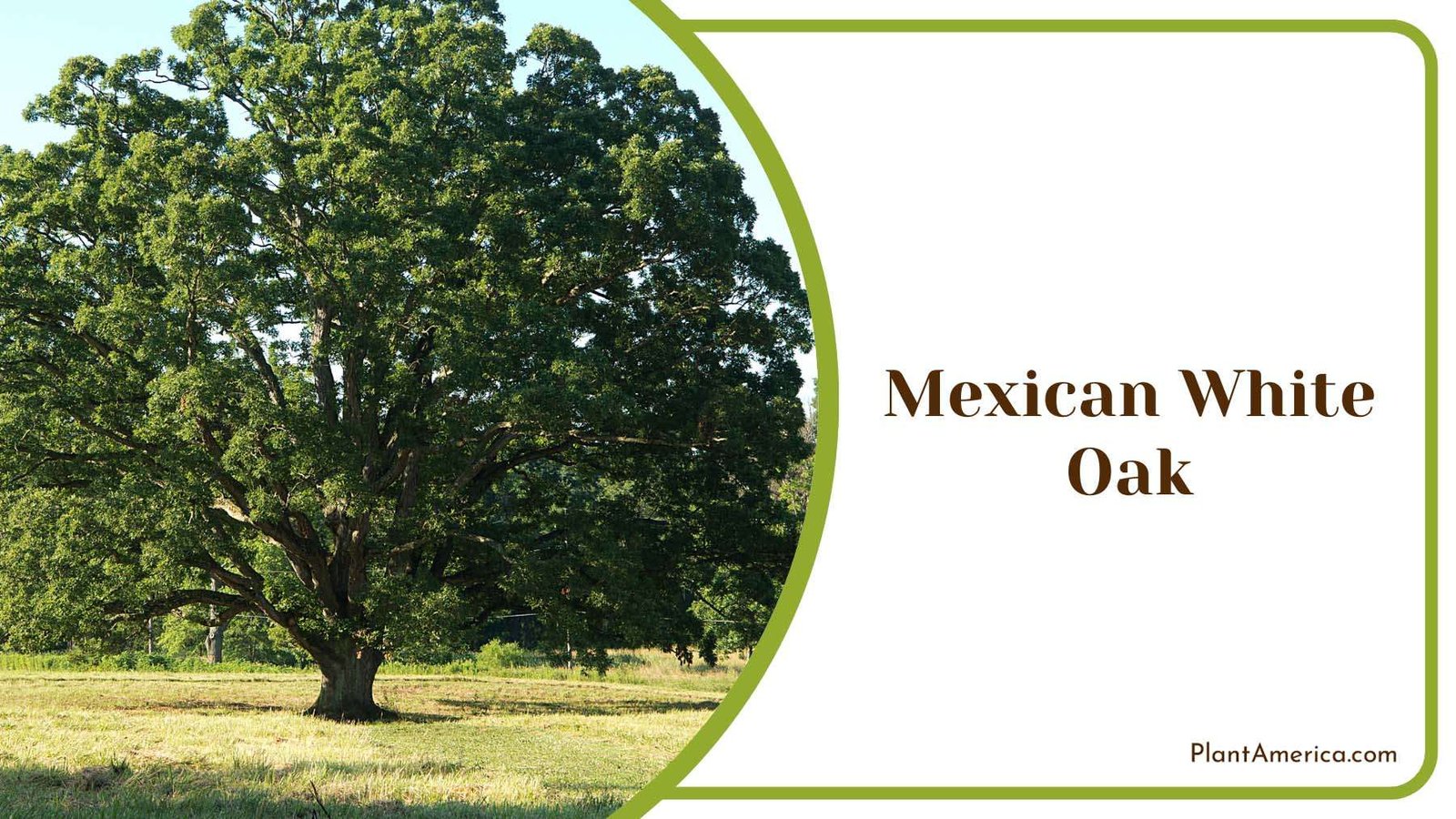
Mexican white oaks thrive in moist, acidic soil and full sun exposure. However, they also tolerate seasonal drought, heat, and alkaline soil conditions. Mexican white oaks grow rapidly to form broad, spreading canopies of shade within a short timeframe. Mexican white oaks grow rapidly to provide cooling shade in the form of a rounded canopy, all while adapting to hot, dry conditions.
8. River Birch
- Growing Season: Spring, Summer.
- Leaf Shape: Alternate, Simple, Doubly serrated.
- Specific Needs: Prefers moist, well-drained soil, Full sun.
- Common Pests: Aphids, Leafspot, Borers.
As its name suggests, river birch trees are commonly found along stream banks and floodplains. In spring, the peeling cinnamon-brown bark of river birch trees contrasts beautifully with the emerging pale green leaves. The leaves mature to bright, glossy green in summer before turning yellow in autumn.
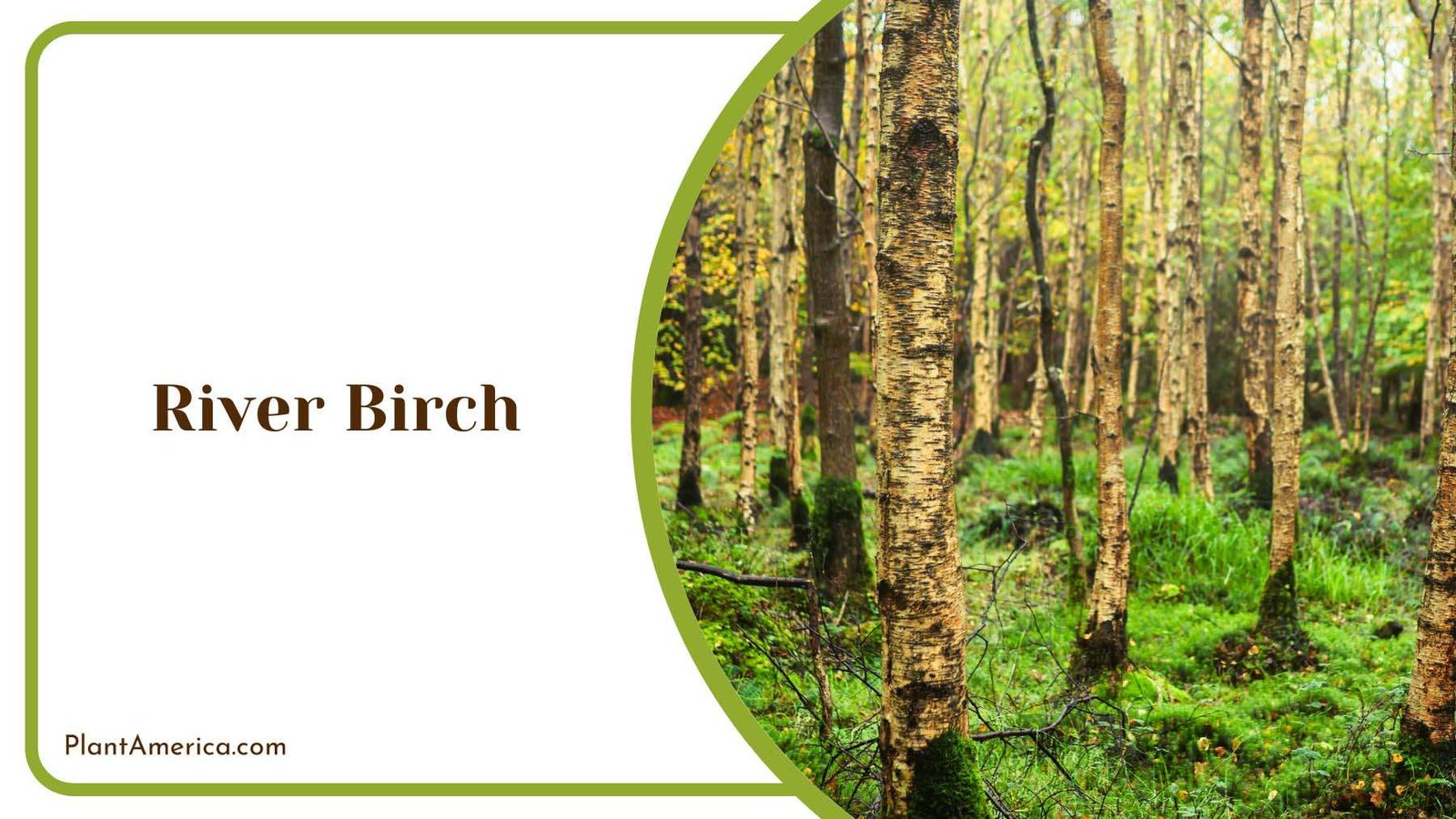
River birch trees thrive in moist, slightly acidic soil with full sun exposure, making them a superior choice for wet areas in the landscape. However, river birches tolerate various conditions and soils, adding versatility to their appeal.
The river birch is an ideal choice if you want a fast-growing shade tree with ornamental bark and beautiful foliage for your Texas landscape. River birches grow rather quickly, eventually providing cooling shade to yards and gardens. Their moist soil requirements also make them a natural fit for riparian landscapes.
9. Callery Pear
- Growing Season: Spring, Summer.
- Leaf Shape: Alternate, Simple.
- Specific Needs: Prefers well-drained soil, Full sun.
- Common Pests: Pear rust Mite, Fireblight, Scab.
The Callery pear is a fast-growing deciduous flowering ornamental tree. Native to China and Vietnam, Callery pears have been widely planted in the United States as street and landscape trees since the mid-20th century.
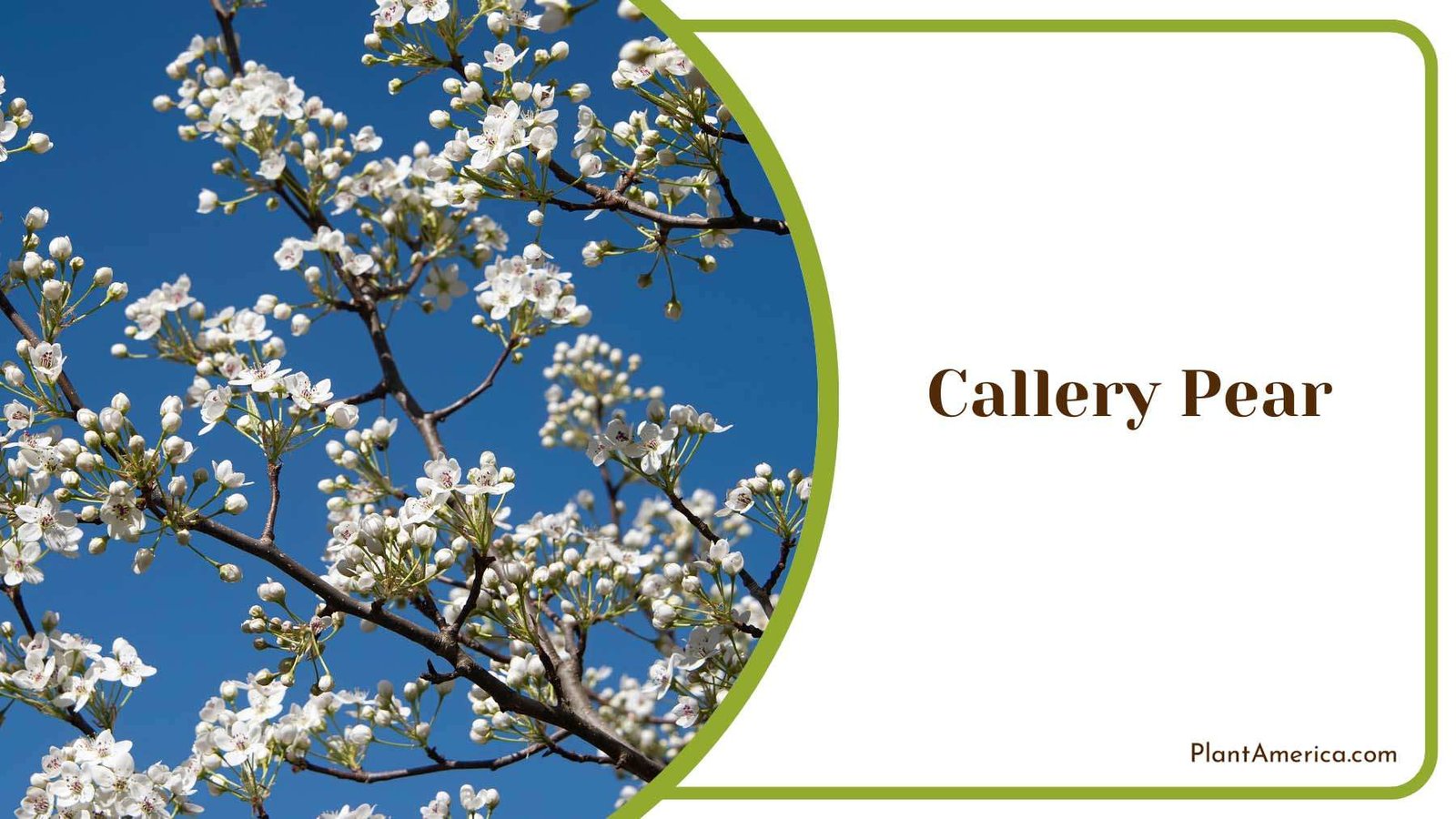
As Callery pear trees leaf out in early spring, the new growth features a reddish tint that fades to dark green as the leaves mature in summer. Callery pear trees thrive in full sun and well-draining soil, tolerating heat, drought, wind, and pollution. They are exceptionally hardy and can withstand cold winters and hot, dry summers.
In spring, Callery pear trees are covered in fragrant white blooms that attract bees and butterflies. Their uniform shape and ability to withstand stressful conditions make callery pears traffic-tolerant street trees.
10. Texas Ash
- Growing Season: Spring, Summer.
- Leaf Shape: Opposite, Pinnately compound.
- Specific Needs: Prefers moist, well-drained soil, Full sun.
- Common Pests: Ash Plant Bug, Aphids, Borers.
The Texas ash is a fast-growing deciduous tree native to Central Texas and northern Mexico. As its name suggests, this ash tree species is uniquely adapted to central and south Texas’s hot, dry climate.
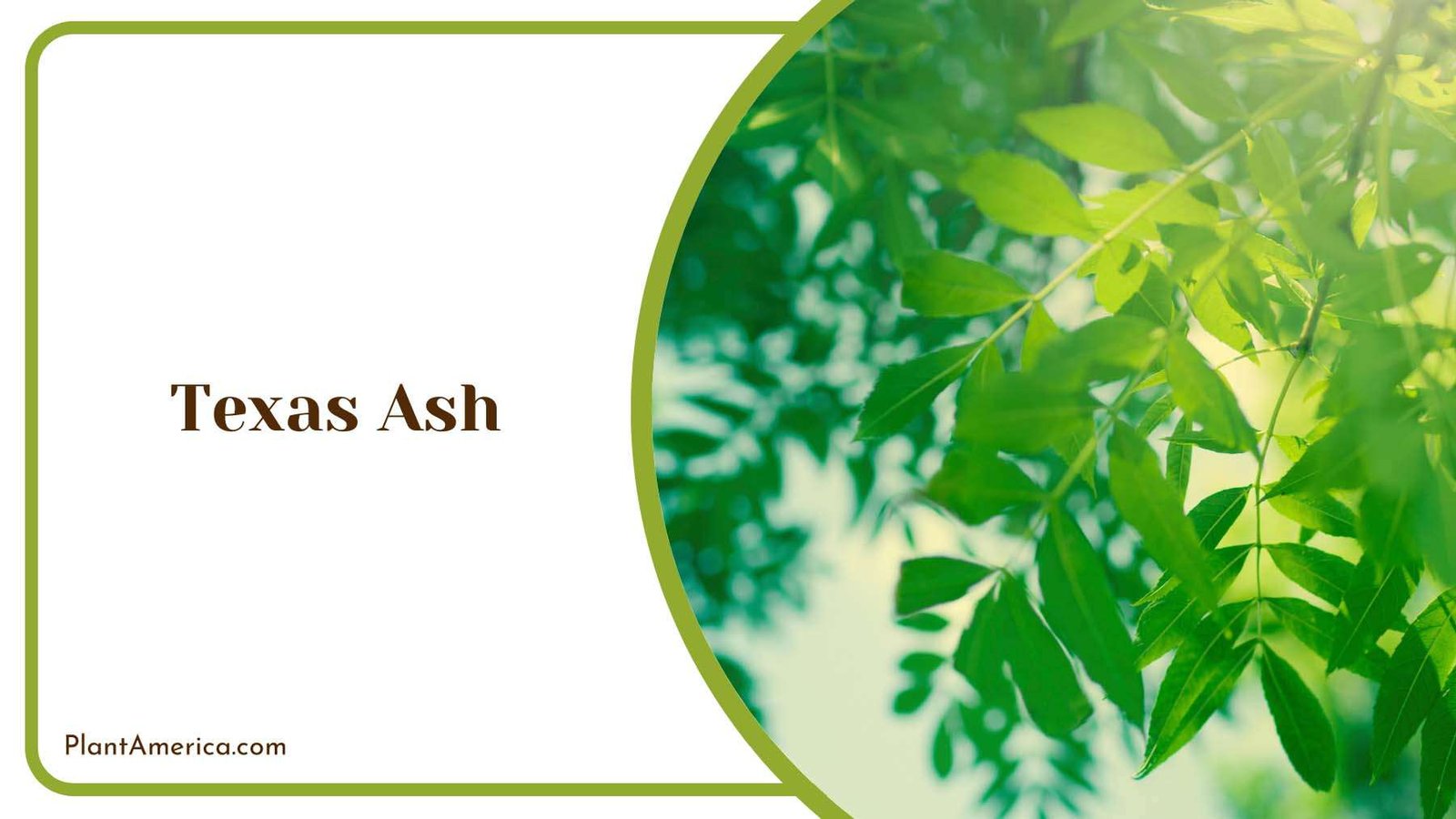
In spring, Texas ash trees emerge with light green foliage that matures to dark green during summer. The leaves are opposite, pinnately compound with five to nine leaflets with a serrated margin.
Texas ash trees thrive in moist, well-draining soil and full sun exposure. However, they are also adapted to survive drought conditions and other environmental stresses.
Texas ash trees are pest-free but occasionally develop issues like ash plant bugs, aphids, and borers. With proper pruning, fertilizing, and monitoring for pests, you can help keep Texas ash trees healthy.
11. Shumard Oak
- Growing Season: Spring, Summer.
- Leaf Shape: Alternate, Simple, Lobed.
- Specific Needs: Medium moisture, Acidic soil.
- Common Pests: Oak Leaf Blister Mite, Scales, Canker.
The Shumard oak is an attractive, fast-growing deciduous hardwood tree native to Texas and the southeastern United States. Named for botanist Benjamin Shumard, this oak species is known for its broad canopy, spectacular fall color, and adaptability to urban environments.

Shumard oak leaves emerge with a bronze tinge during the spring and summer months before transitioning to a glossy dark green color. In autumn, the foliage becomes shades of fiery red and purplish-bronze before dropping to the ground.
Shumard oaks thrive in moist, acidic soil and full sun exposure. However, they also tolerate compacted soil, heat, drought, and other urban stresses very well. Regular monitoring and appropriate pruning, fertilizing, and pest control methods can help minimize potential problems for Shumard Oaks.
12. Water Oak
- Growing Season: Spring, Summer.
- Leaf Shape: Alternate, Simple, Lobed.
- Specific Needs: Medium to wet moisture, Acidic soil.
- Common Pests: Leaf Gall, Powdery Mildew, Canker.
The water oak is a fast-growing deciduous hardwood tree native to the southeastern United States. Usually found along streams, floodplains, and wetlands, the water oak derives its common name from its affinity for moisture. The leaves are simple with five to seven lobes and bristly, hairy undersides reminiscent of a sawtooth oak leaf.
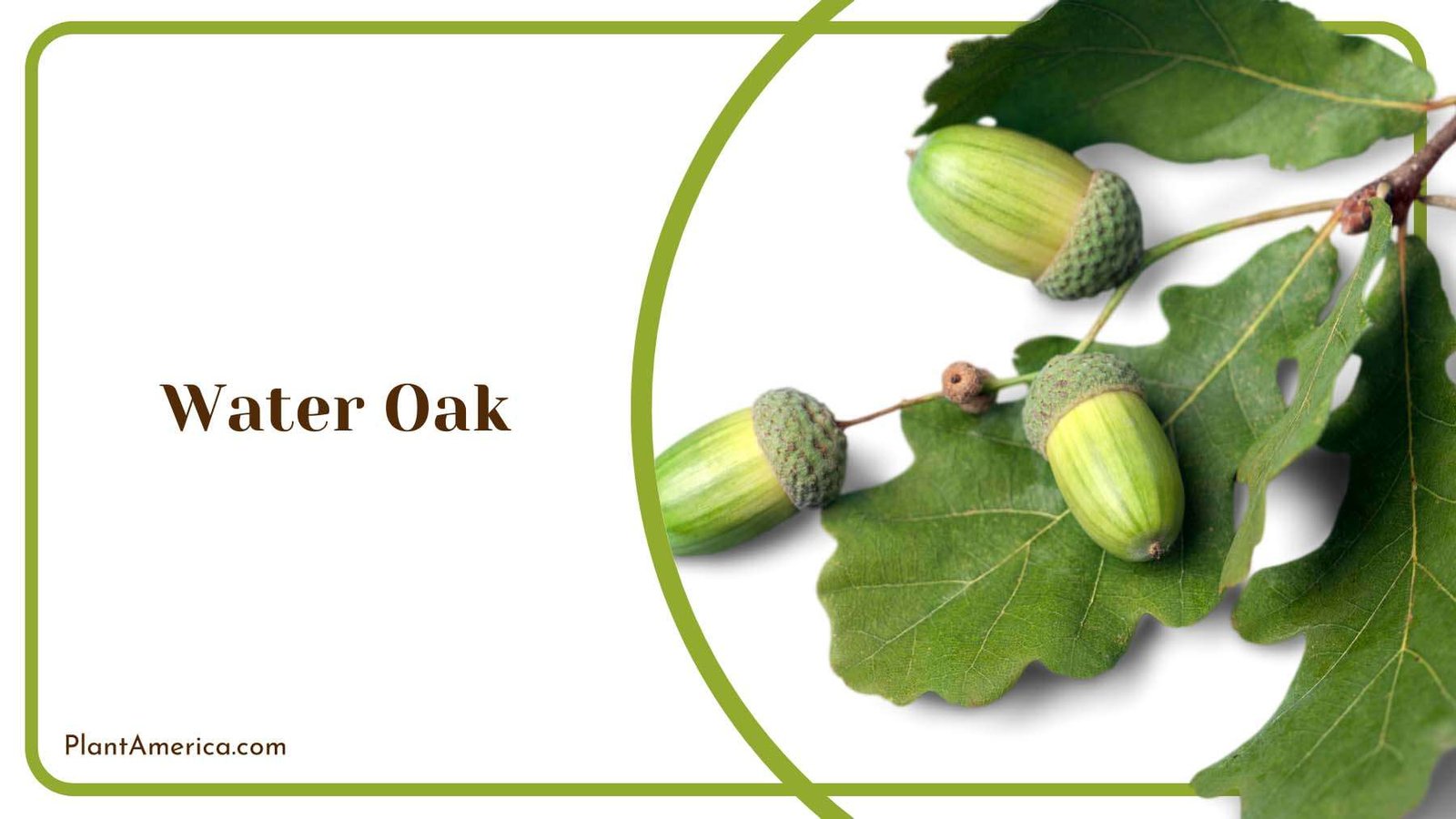
Water oaks thrive in wet to moist soil and full sun exposure. They also tolerate a wide range of conditions, including compacted soil, heat, wind, and salt spray.
The water oak may be a good choice if you want a fast-growing shade tree for your Texas landscape, especially in wet areas. Water oaks grow rapidly to provide cooling shade and turn beautiful shades of red, orange, and purple in autumn. Their tolerance for moist soil makes them well-suited to floodplains and riparian buffers.
13. Eastern Redbud
- Growing Season: Spring.
- Leaf Shape: Alternate, Simple.
- Specific Needs: Prefers rich, moist soil, Part shade to full sun.
- Common Pests: Leaf and bud blight, Borers.
The eastern redbud is a fast-growing deciduous flowering tree native to eastern North America. In early spring – sometimes even before the leaves emerge – eastern redbuds are covered in rosy purple pea-like blooms. The flowers give way to oval, bristle-toothed leaves that emerge bronze and mature to dark green.
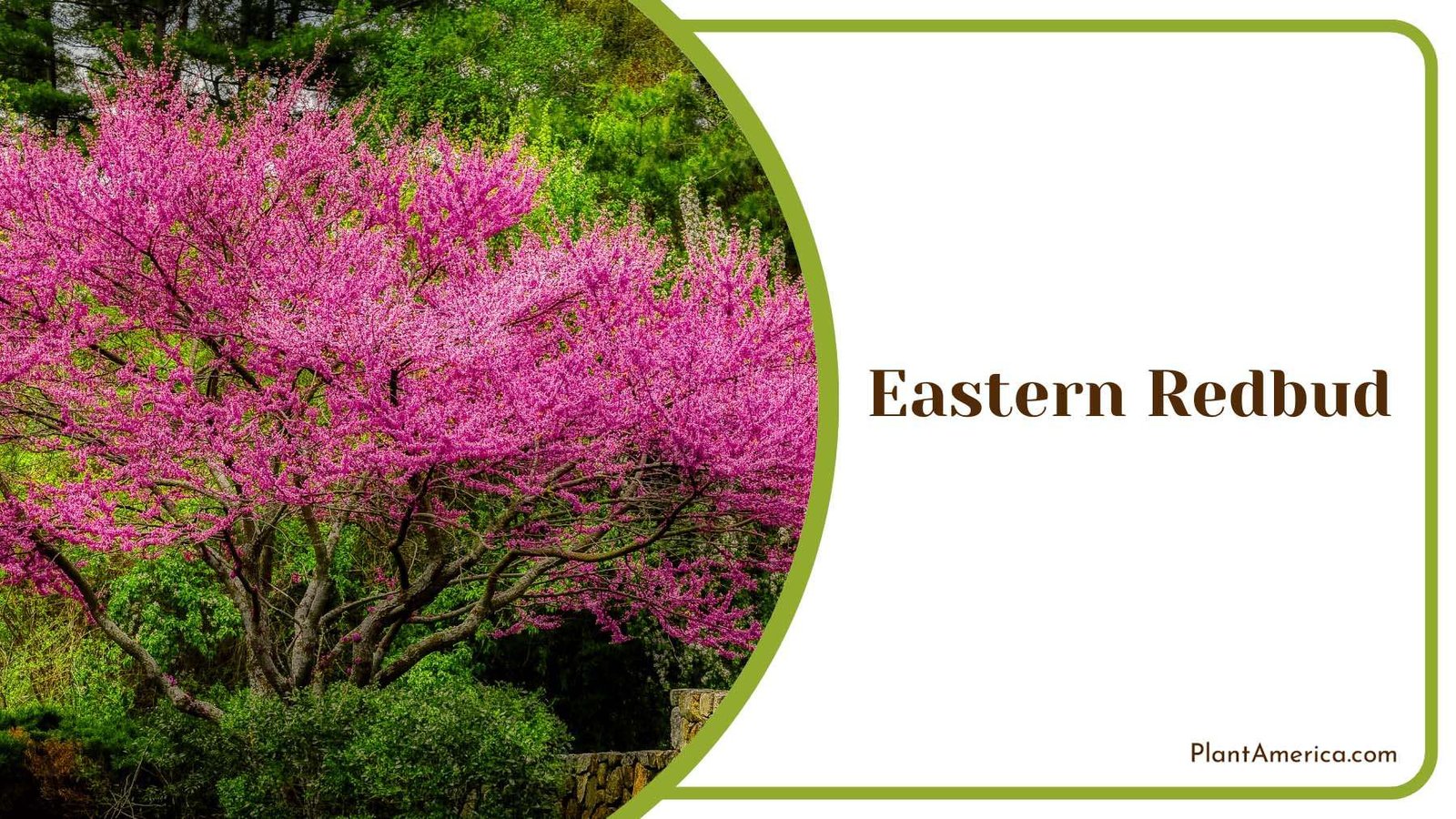
Eastern redbuds thrive in rich, moisture-retentive soil and part shade to full sun exposure. However, they also tolerate a wide range of conditions and soil types. Proper pruning, fertilizing, and monitoring for pests help keep eastern redbuds healthy. Eastern redbuds grow rapidly when young to provide cooling shade in the form of a vase-shaped canopy – all while delighting the senses with their vivid blooms each spring.
14. Liriodendron Tulipifera
- Growing Season: Spring, Summer.
- Leaf Shape: Alternate, Simple, Palmately lobed.
- Specific Needs: Prefers rich, moist soil, Part shade to full sun.
- Common Pests: Leaf Spot, Aphids, Borers.
Known for its distinctive cylindrical leaves and showy spring flowers, the tulip tree is valued as an ornamental in landscapes. As tulip tree leaves emerge in spring, the new growth features a pale yellow-green color that matures to dark green in summer. The leaves are simple with three to seven palmate lobes and resemble tulip flowers, hence the common name.
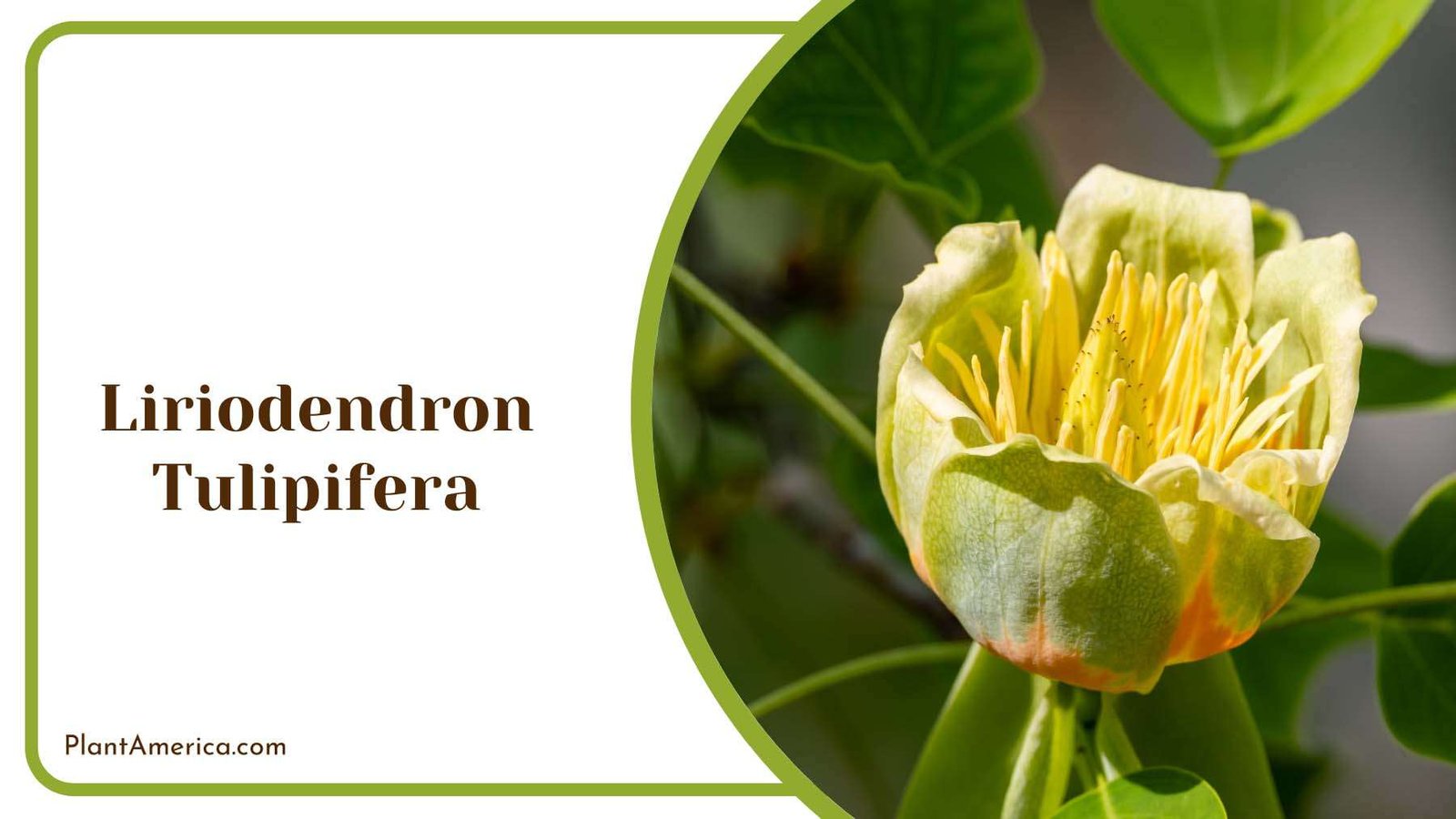
Tulip trees thrive in rich, moisture-retentive soil and part shade to full sun exposure. However, they also tolerate a range of conditions and soil types. Tulip trees grow rapidly when young, developing into broad-canopied trees up to 120 feet tall.
The tulip trees are relatively pest-free but can occasionally develop issues like leaf spots, aphids, and borers. Proper pruning, fertilizing, and monitoring for pests help keep tulip trees healthy.
15. Common Hackberry
- Growing Season: Spring, Summer.
- Leaf Shape: Alternate, Simple.
- Specific Needs: Prefers moist, well-drained soil, Full sun.
- Common Pests: Hackberry Nipple Gall, Aphids, Scales.
The common hackberry is a fast-growing deciduous tree native throughout North America. A member of the elm family, hackberry trees are valued for their tolerance of adverse conditions like heat, drought, soil pH, and pollutants. In spring, as hackberry leaves emerge, the new growth features a reddish tint that matures to dark green with an underside that is paler in color. Hackberry leaves are oval with spiny teeth along the margin.
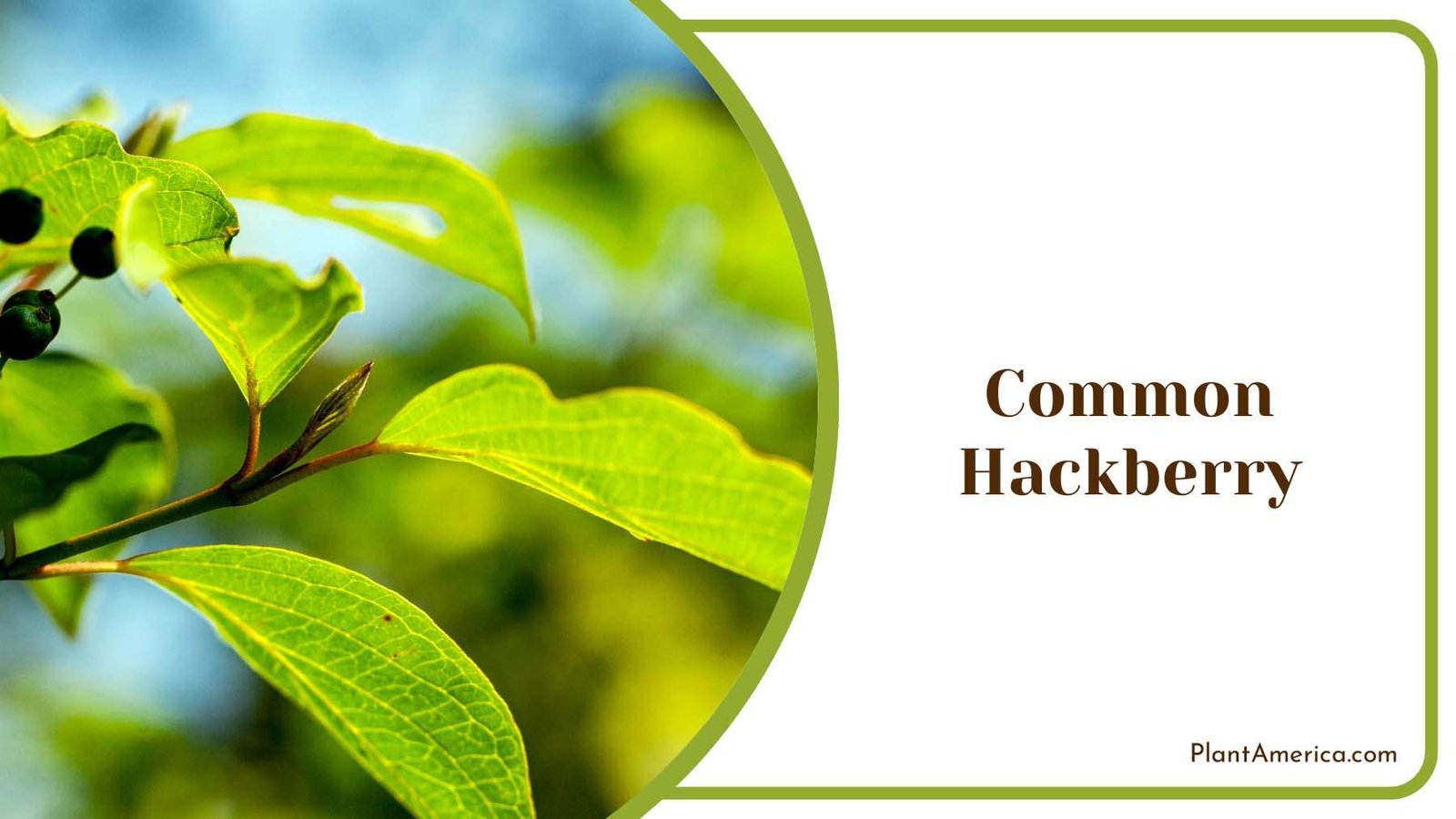
Common hackberries thrive in full sun and well-draining soil, tolerating conditions as varied as dry prairies and urban environments. Hackberry trees grow moderately, reaching heights between 30 to 60 feet tall. Although pest-free, common hackberries can develop issues like nipple gall, aphids, and scales. However, proper pruning, fertilizing, and monitoring for pests can help keep hackberry trees healthy.
Conclusion
In summary, of the 15 trees listed in this guide, here are a few of the fastest-growing tree species ideally suited for Texas backyards:
- The Shumard Oak produces vibrant autumn colors while adapting well to urban environments with compacted soil and other stresses.
- The River Birch offers ornamental peeling bark, the ability to tolerate moisture, and is relatively pest-free, making it easy to maintain.
- The Callery Pear is exceptionally hardy and able to withstand the stresses of drought and pollution commonly found in urban landscapes.
If you want to add natural beauty, shade, and wildlife habitat to your Texas landscape, consider incorporating one or more of these fast-growing trees into your backyard oasis. With proper care and selection of species suited to your conditions, trees can quickly transform any outdoor space into an inviting retreat where you and your loved ones can relax, reconnect, and recharge.