
Acorn trees have much to offer your yard beyond providing shade and shelter. So if you want an easy, low-maintenance way to add natural beauty and wildlife habitat to your outdoor space, acorn trees should be at the top of your planting list. Whether growing as small ornamentals or towering giants, acorn trees provide continuous interest throughout the seasons with their foliage, fruit (acorns), twigs, and distinctive bark textures.
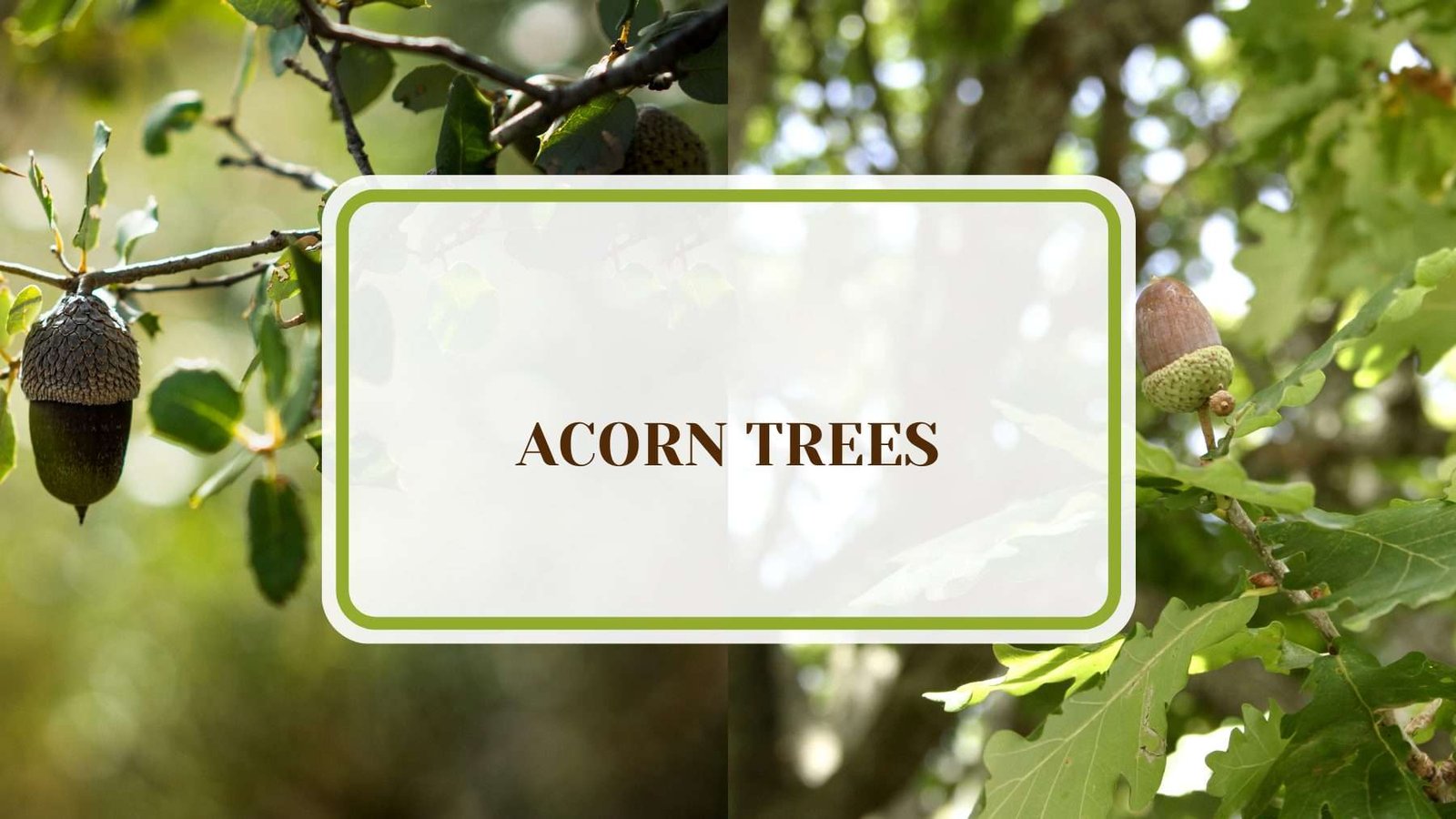
In this guide, we’ll cover some of the best acorn tree varieties for any landscape, including options with vibrant fall colors, and species that can live for centuries. From white oaks that produce sweet acorns beloved by squirrels, to post oaks that thrive in dry conditions, we’ll discuss each tree’s key characteristics and care needs.
Acorn Trees You Should Consider for Your Green Garden
1. White Oak
- Growing Season: Mid Spring, Summer to Early Fall.
- Leaf Type: Lobed leaves, Orange in autumn.
- Specific Needs: Prefers well-drained soil, Full to partial sunlight.
- Common Pests: Oak foliage insects, Oak scale insects.
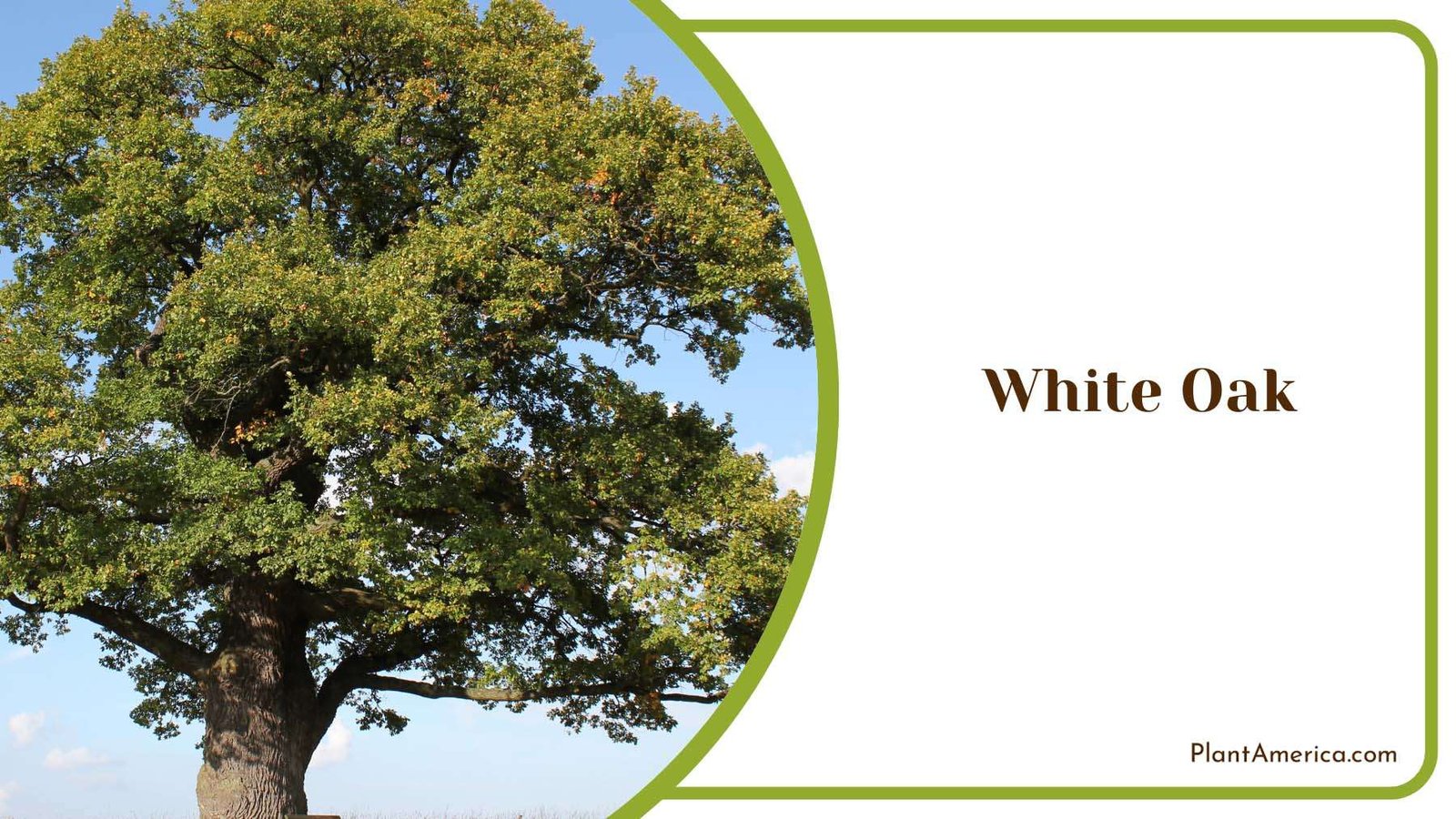
The white oak is a majestic choice for acorn trees, able to grow up to 100 feet tall and live up to 500 years. This makes them an investment that will benefit future generations. Its handsome lobed leaves turn shades of gold and orange in autumn. White oaks produce sweet edible acorns that are prized by wildlife as an important food source.
Though a bit slower growing than other oaks initially, the white oak’s deep taproot helps the tree withstand periods of drought once established. This resilience allows it to thrive with minimal care.
The white oak possesses a stately grace with maturity, developing a broad spreading canopy and thick trunk that can mature up to 12 feet in diameter. The furrowed bark and intricate branch structure lend the white oak great aesthetic appeal as it ages.
The white oak’s slow but steady growth, longevity, wildlife benefits, and classic architectural form make it an ideal choice for landscapes seeking an heirloom-quality acorn tree that will enrich your property for centuries. The acorns, fall foliage, and stately habit of mature white oaks ensure they provide interest and beauty in multiple seasons while withstanding the test of time.
This long-lived cornerstone of the forest is well-suited to landscaping because of its low-maintenance nature, wildlife value, and year-round visual appeal.
2. Red Oak
- Growing Season: Late Spring, Summer.
- Leaf Type: Oblong, Lobed.
- Specific Needs: Well-drained soil, Full sun.
- Common Pests: Oak leafrollers, Scales.
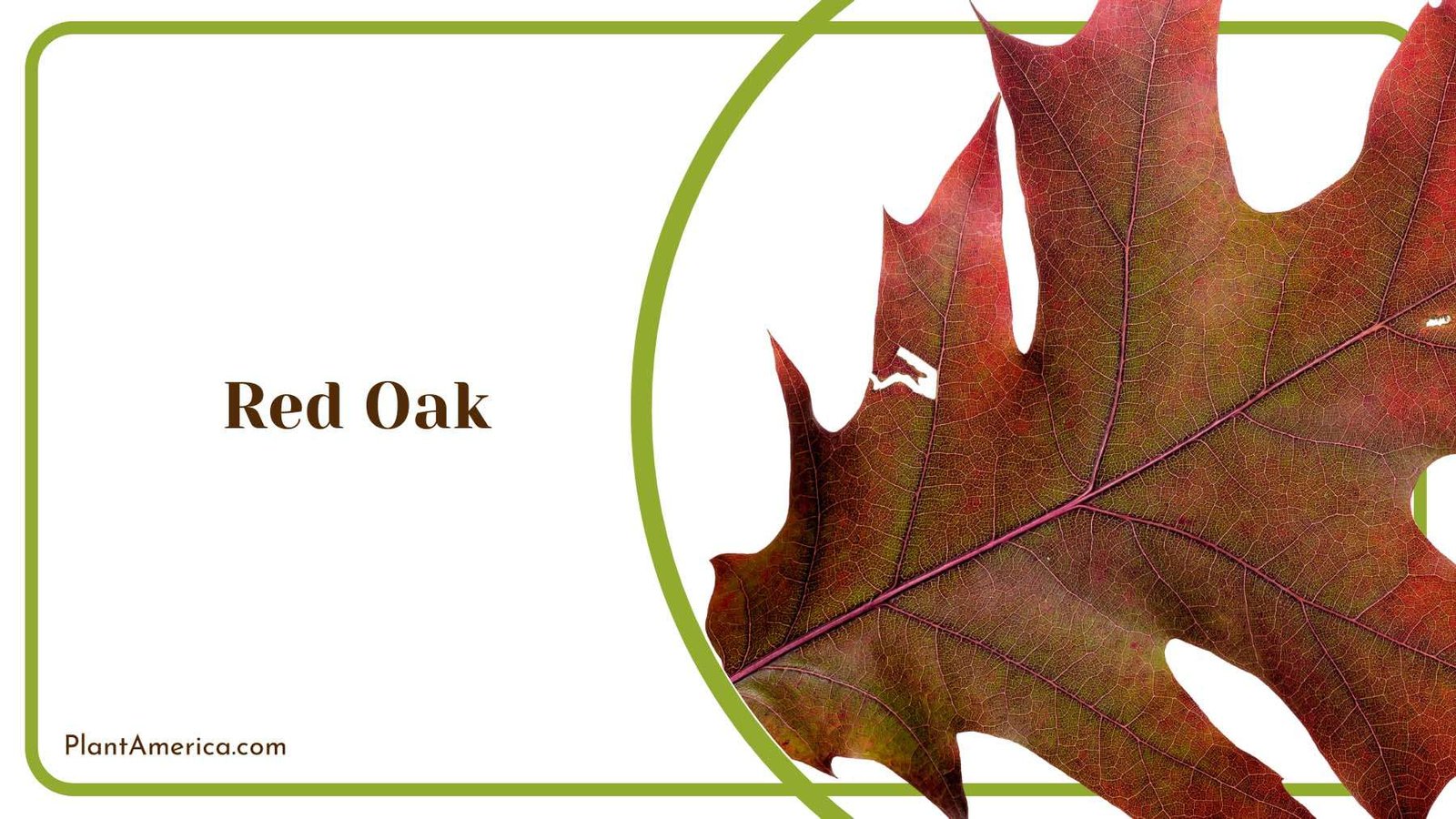
The red oak tree produces acorns that are too bitter for human consumption without processing. Upon maturity, this majestic tree typically stands between 80 and 120 feet tall with a wide rounded canopy of branches. The leaves emerge later in spring to avoid damage from late frosts, then transform into various hues of orange and red in autumn.
The acorns require two years for development and are large in size, constituting an important food source for wildlife. Red oaks favor well-drained, acidic soils and need regular moisture to facilitate optimum growth. Their colorful autumn foliage and bountiful acorns provide crucial sustenance and shelter for numerous songbirds and mammals during winter.
Red oak acorns are high in tannins, acting as a natural deterrent against predation by insects and fungi. Various techniques exist for leaching tannins from acorns to render them palatable for humans, including soaking, boiling, and leeching.
Once processed, red oak acorns can be ground into flour or made into mush. However, harvesting and processing enough acorns to constitute a meaningful food source for people requires considerable effort.
The longevity, size, aesthetic appeal, and ecological value of red oak trees make them a popular choice for landscaping. They thrive in full sun and tolerate compacted urban soils along with atmospheric and environmental stresses common in developed areas.
Despite their robustness, red oaks remain sensitive to changes in soil pH and moisture availability. Without proper care, these majestic trees succumb readily to insects, disease, and mechanical damage.
3. Chestnut Oak
- Growing Season: Buds open in mid spring, Flowers in May.
- Leaf Type: Oblong, Lobed.
- Specific Needs: Prefers well-drained acidic soil, Full sunlight.
- Common Pests: Oak leafrollers, Aphids.
The chestnut oak gets its name from its resemblance to the once majestic American chestnut tree. Though not growing as large, the chestnut oak can reach heights of 70 feet while thriving on dry, infertile soils where other oak species struggle.
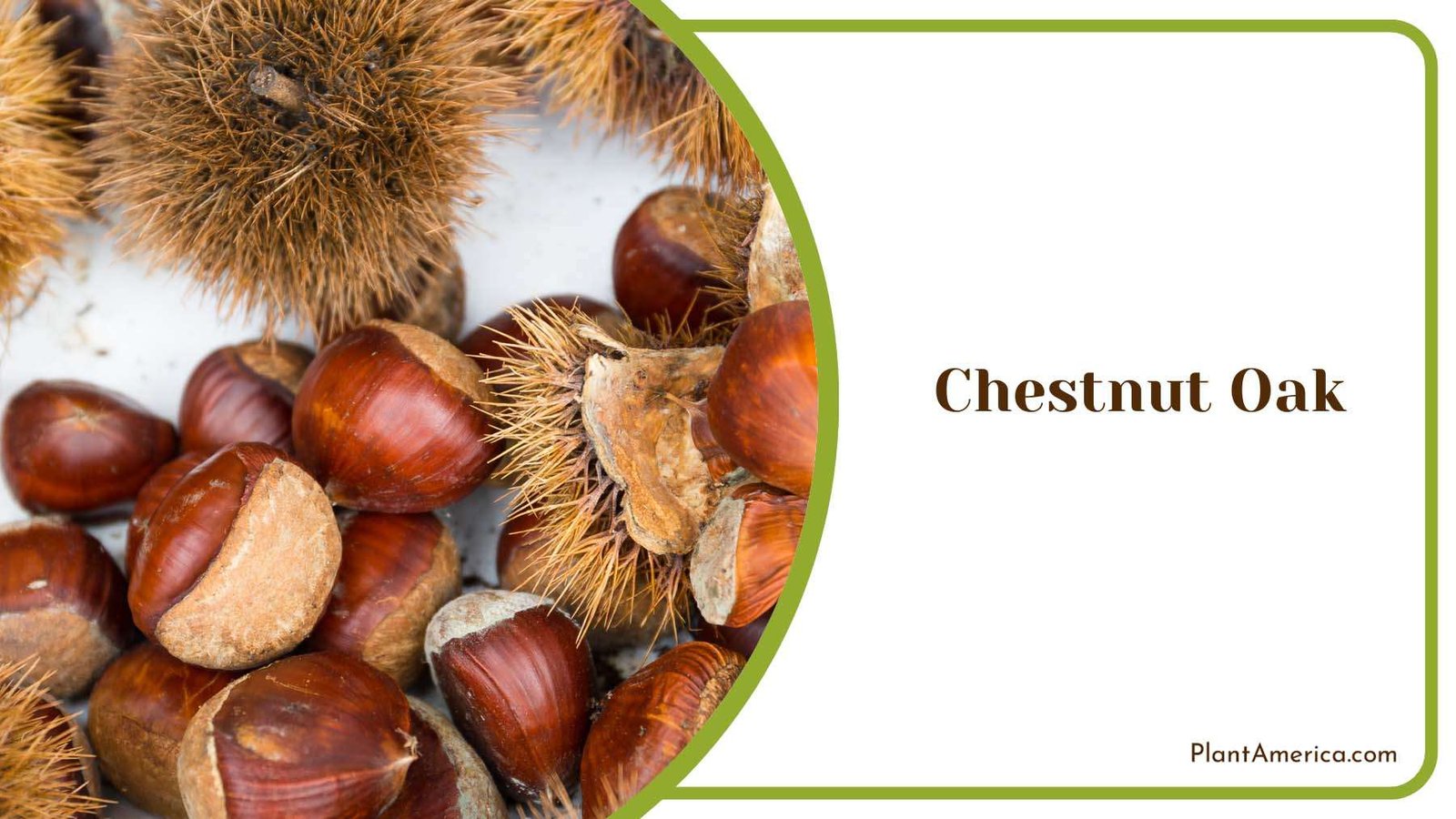
The chestnut oak acorns are small but abundant, providing an important food source for wildlife during fall and winter. The leaves turn beautiful shades of copper, bronze, and burgundy in autumn, signaling that colder weather is approaching.
The chestnut oak’s ability to thrive in difficult conditions and produce nourishing acorns for wildlife make it a valuable species for reforestation projects as well as ornamental use. It’s also very cold, hardy, and long-lived, with some specimens exceeding 300 years old.
The chestnut oak’s ability to persist in harsh environments and produce acorns despite the challenges signals its rugged nature and resourcefulness. Mature specimens develop crooked, sculptural branches that add complexity and character to the landscape.
The chestnut oak’s combination of small stature, seasonal color, acorn production, tolerance of neglect, and longevity make it an ideal choice for locations seeking an adaptable ornamental oak or for reforestation, providing benefits and natural beauty for centuries. The fall foliage and architectural form of mature chestnut oaks will ensure they continue rewarding your landscape for decades.
4. Black Oak
- Growing Season: Mid Spring, Summer.
- Leaf Type: Spiny, Lobed leaves.
- Specific Needs: Well-drained soil, Full sun.
- Common Pests: Oak leafrollers, Oak bark beetles.
The black oak is a robust selection for acorn production, capable of enduring harsh environments where other oak species struggle. Black oaks mature to heights between 80 and 100 feet, forming a broad rounded canopy. The leaves emerge later in spring and then transform into vivid shades of bronze and deep red in autumn.
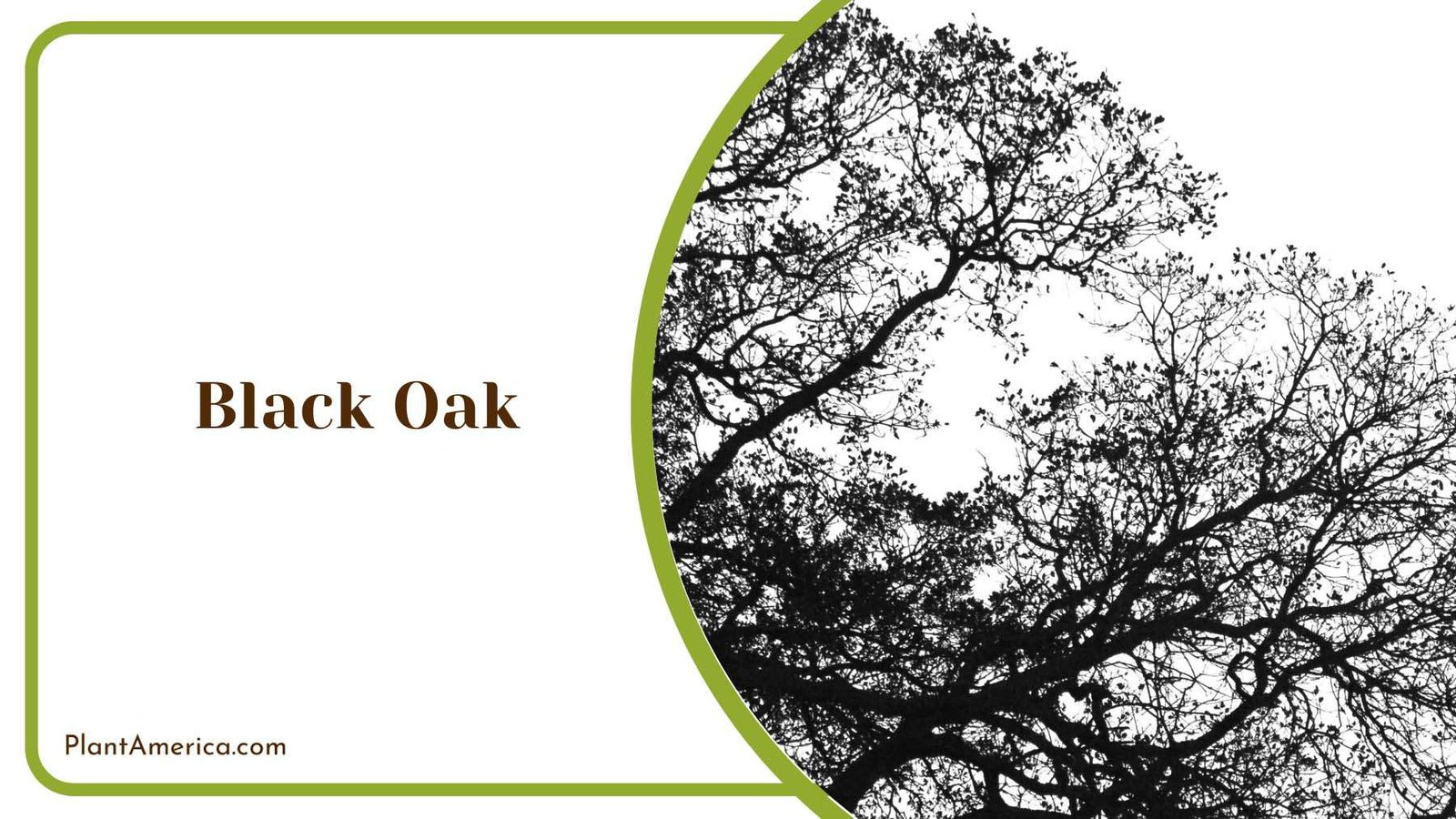
Black oak acorns are small in size but extremely abundant, constituting an essential food source for wildlife during fall and winter. Though slow-growing, black oaks are long-lived trees that can persist for 300 years or more, providing lasting value, visual interest, and habitat to the landscape.
Black oaks thrive in poor, well-drained soils where moisture availability is irregular. Their deep taproots allow them to access groundwater supplies that other plants cannot reach. Hulls of black oak acorns contain tannins that protect the embryo from fungal attacks over winter.
The ability of black oaks to withstand adverse conditions and produce nourishing acorns for wildlife makes them suitable for reforestation efforts and ecosystem restoration. Black oaks can resprout readily from cut stumps or sprout clonally from roots after damage from ice storms, insects, or logging. This profuse sprouting ensures the continuation of black oak in suboptimal environments where seed germination is often limited.
While providing ecological benefits, mature black oaks can pose challenges for landscapes due to their large size, deep roots, and tendency to drop acorns and leaves. However, their aesthetic appeal endures year-round with showy fall colors, smooth gray bark, branching structure, and black acorns. For landowners willing to accommodate their needs, black oaks represent an eco-friendly and low-maintenance choice.
5. Post Oak
- Growing Season: Late Spring, Summer.
- Leaf Type: Thick leathery leaves, Deeply lobed.
- Specific Needs: Dry, well-drained soils, Full sunlight.
- Common Pests: Oak leafminers, Scales.
The post oak received its common name because Native Americans traditionally used its durable wood for posts, fences, and buildings. Though a comparatively smaller oak typically topping at around 60 feet tall and wide, post oaks are long-lived trees, enduring drought, flood, and alkaline soils where other oak species struggle.
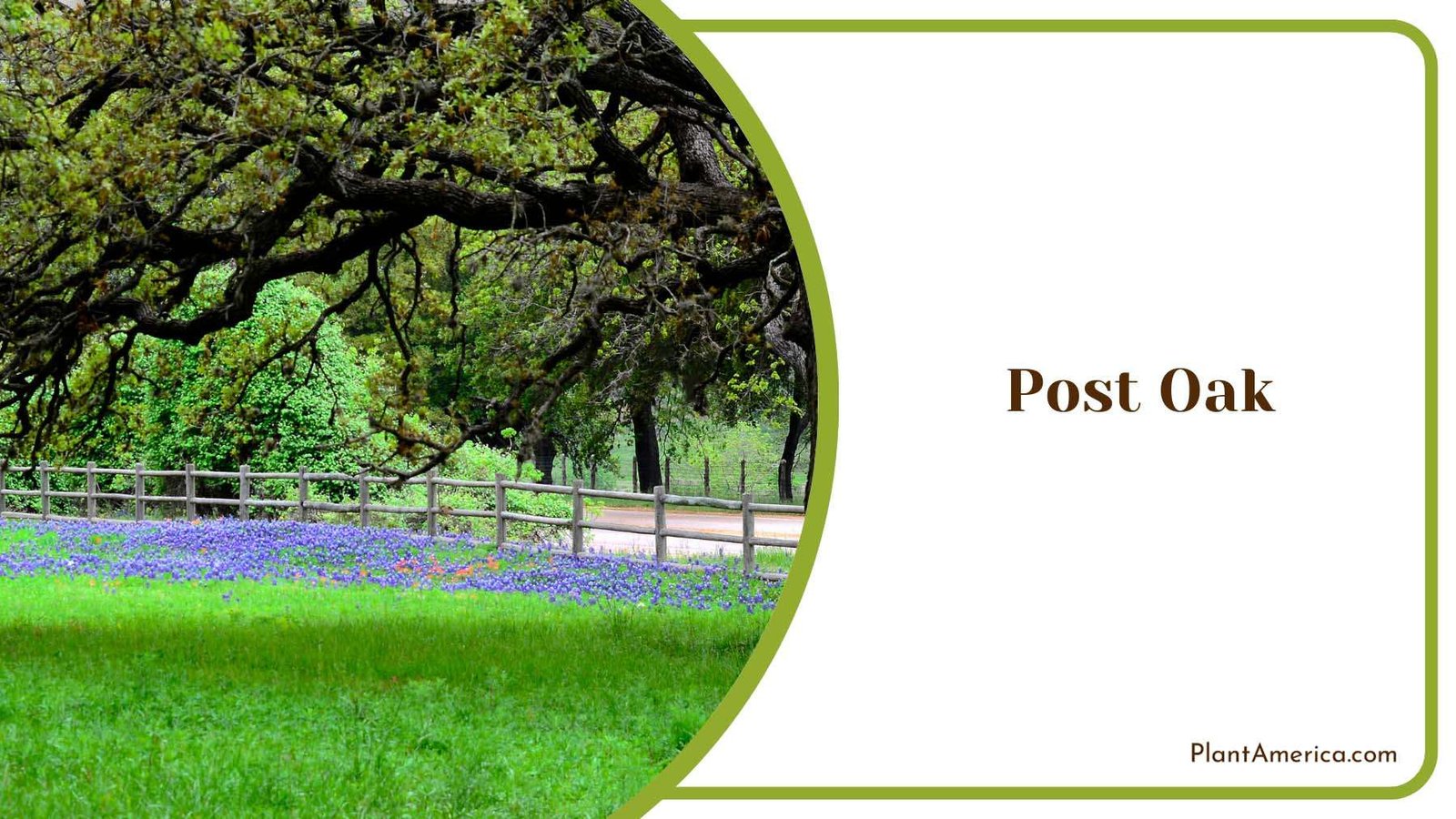
The deeply lobed leaves of the post oak transform into beautiful shades of russet and bronze in the fall before dropping to the ground. The foliage takes on vibrant hues for several weeks, providing seasonal color in landscapes.
The acorns of the post oak take two full years from pollination to fully mature. First-year acorns, called “blanks,” develop only partially before overwintering. They finish growth and harden the following season, dropping in the autumn of their second year.
Post oaks are ideal for low-maintenance landscapes, requiring little care beyond initial establishment. Their deeply twisting surface roots help anchor the tree in dry soils with minimal irrigation. Once established, these tough trees demand little water, fertilizer, or pest management, adding year-round charm and wildlife benefits with minimal effort.
Post oaks support a wide variety of insects, birds, and mammals. The acorns are a valuable food source for wildlife like squirrels, deer, turkeys, and several duck species. The bark crevices provide protective cover for birds during nesting season.
The irregular crown form and gnarled, twisted branches of mature post oaks create an aesthetic of rugged charm. The gracefully arching branches and lace-like canopy provide visual depth and year-round interest.
Though short-lived compared to other oak species, post oaks can endure 300 to 400 years in favorable conditions. With sufficient space to develop, they become specimens of beauty, strength, and durability. They represent longevity, wisdom, and persistence through changing conditions.
Once established, these tough trees demand little water, fertilizer, or pest management, adding year-round charm and wildlife benefits with minimal effort. The irregular crown form and gnarled, twisted branches of mature post oaks create an aesthetic of rugged charm.
6. Pin Oak
- Growing Season: Late Spring, Summer.
- Leaf Type: Five to seven shallow leaves, Bristle-tipped lobes.
- Specific Needs: Moist, well-drained soil, Full sun or partial shade.
- Common Pests: Leaf miners, Spider mites.
The pin oak receives its common name from its unique bud shape that resembles pin heads. The tree grows rapidly, reaching heights up to 70 feet with an oval-shaped crown. The pin oak leaves emerge relatively late in spring, often after harmful late spring freezes have passed.
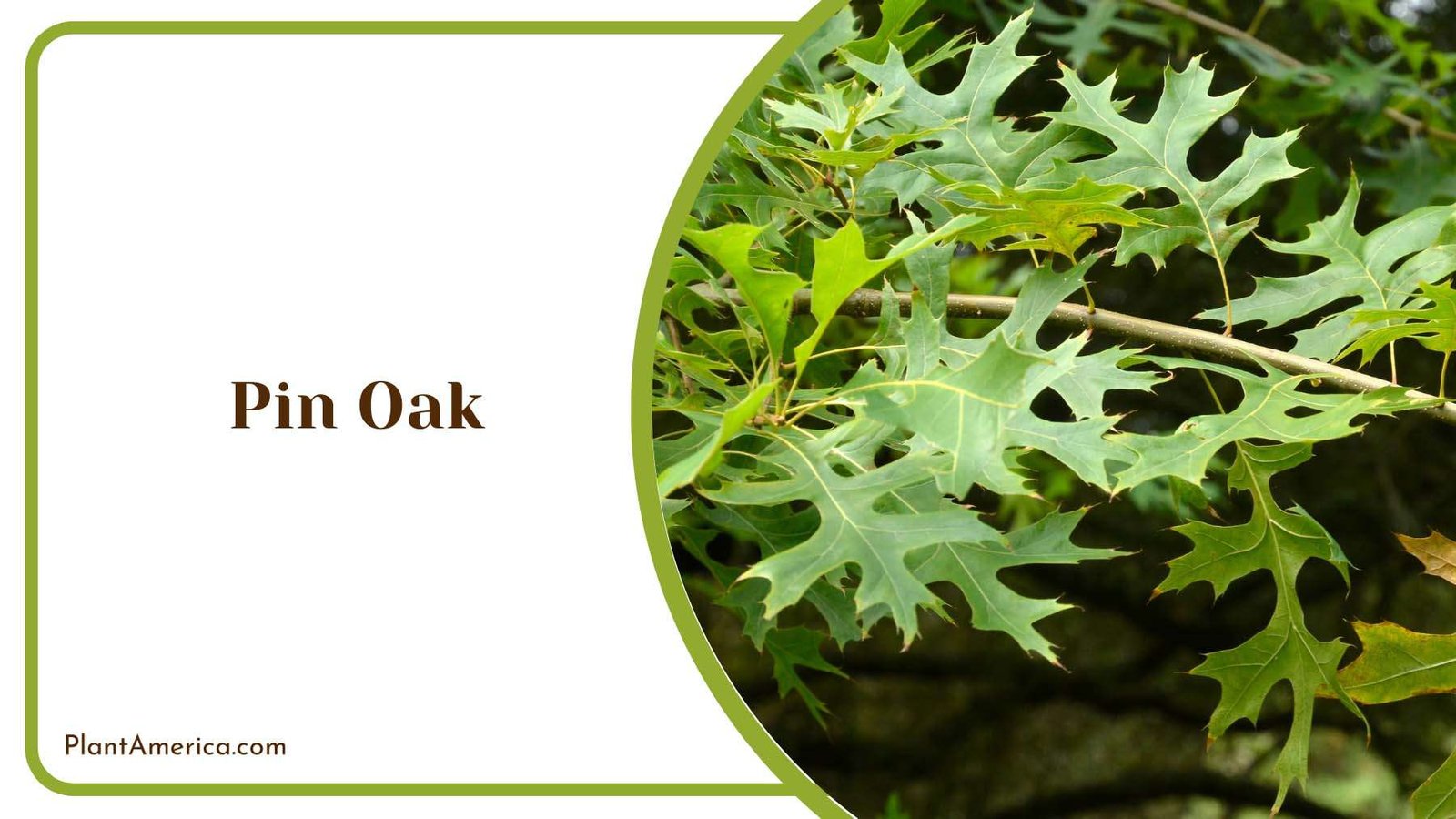
The foliage transforms into beautiful shades of crimson and bronze in autumn before dropping to the ground. In urban landscapes, pin oaks require regular moisture due to their shallow root system. However, they tolerate flood conditions better than many other oak species and can adapt to most soil types across a wide pH range.
The pin oak’s fall colors, ability to thrive in wet soils, and tolerance of pollution make it a suitable choice for urban landscapes seeking a medium-sized, vibrant oak tree.
7. Bur Oak
- Growing Season: Mid Spring, Summer.
- Leaf Type: Deeply lobed, Bristle tips.
- Specific Needs: Adaptable to soil pH and moisture, Full sun.
- Common Pests: Oak leafrollers, Scales.
The bur oak receives its common name from the spiny burr-like coverings that protect its acorns from predation. It grows into a majestic specimen reaching heights up to 100 feet, developing a broad, flat-topped crown in maturity. The bur oak leaves emerge relatively late in spring, often avoiding exposure to damaging late spring freezes.
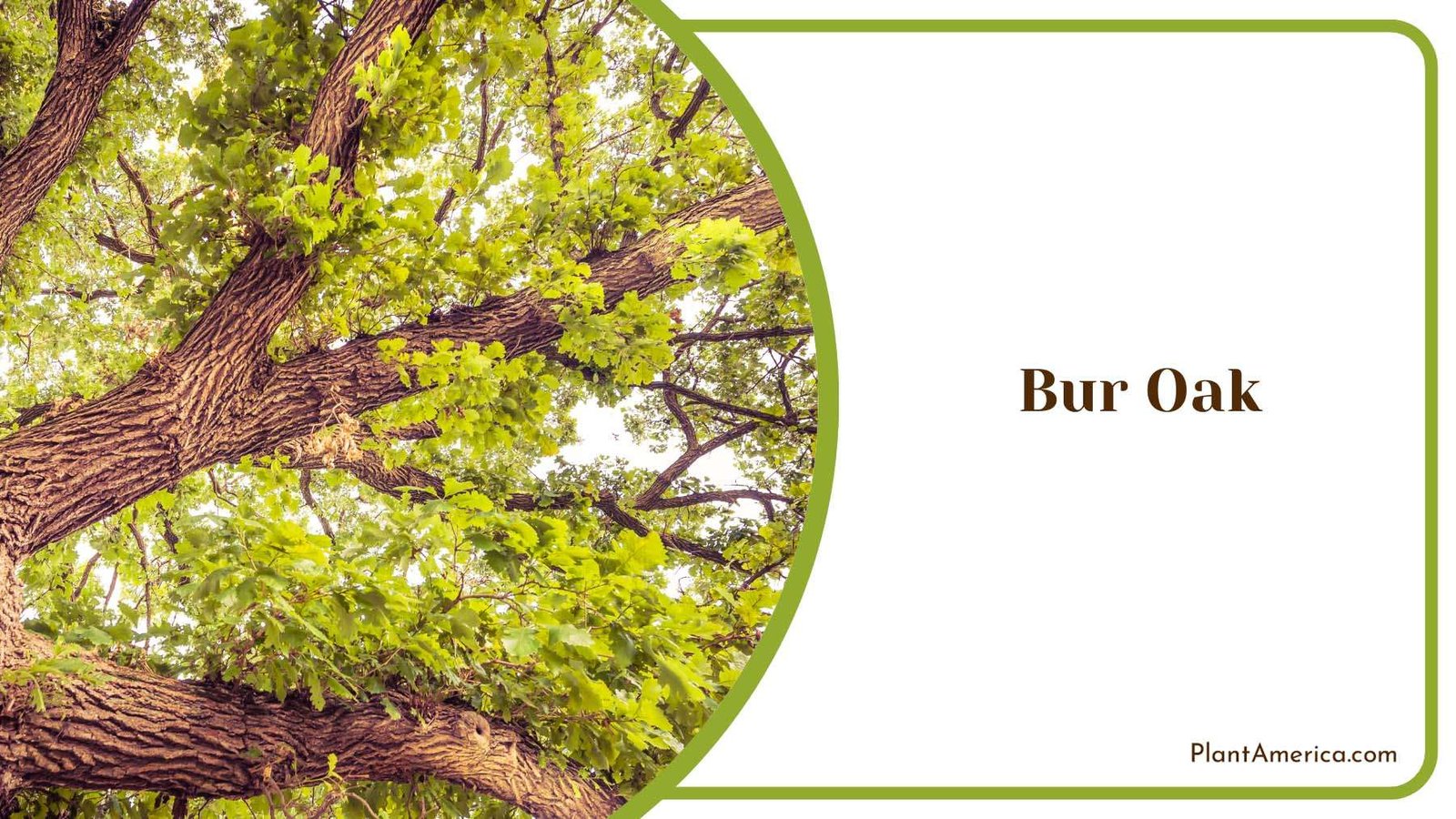
The foliage transforms into beautiful shades of yellow and bronze in autumn. The acorns take a full two years from pollination to fully mature. Bur oaks are extremely resilient trees that adapt to poor, dry soils where few other oak species can thrive.
They are long-lived, often persisting for 300 to 400 years, and can produce burrs that exceed three inches in diameter. The bur oak’s tolerance of difficult conditions, eye-catching form, and abundant food production for wildlife make it an ideal choice for tough landscapes.
8. Swamp White Oak
- Growing Season: Late Spring, Summer.
- Leaf Type: Five to nine rounded leaves, Pointed lobes.
- Specific Needs: Tolerates wet, acidic soil, Full sun.
- Common Pests: Oak leafrollers, Scales.
The swamp white oak naturally prefers wet conditions, thriving in floodplains, streams, and other locations with seasonal flooding or saturated soils. Upon maturity, swamp white oaks can reach heights up to 80 feet, developing a broad spreading crown.
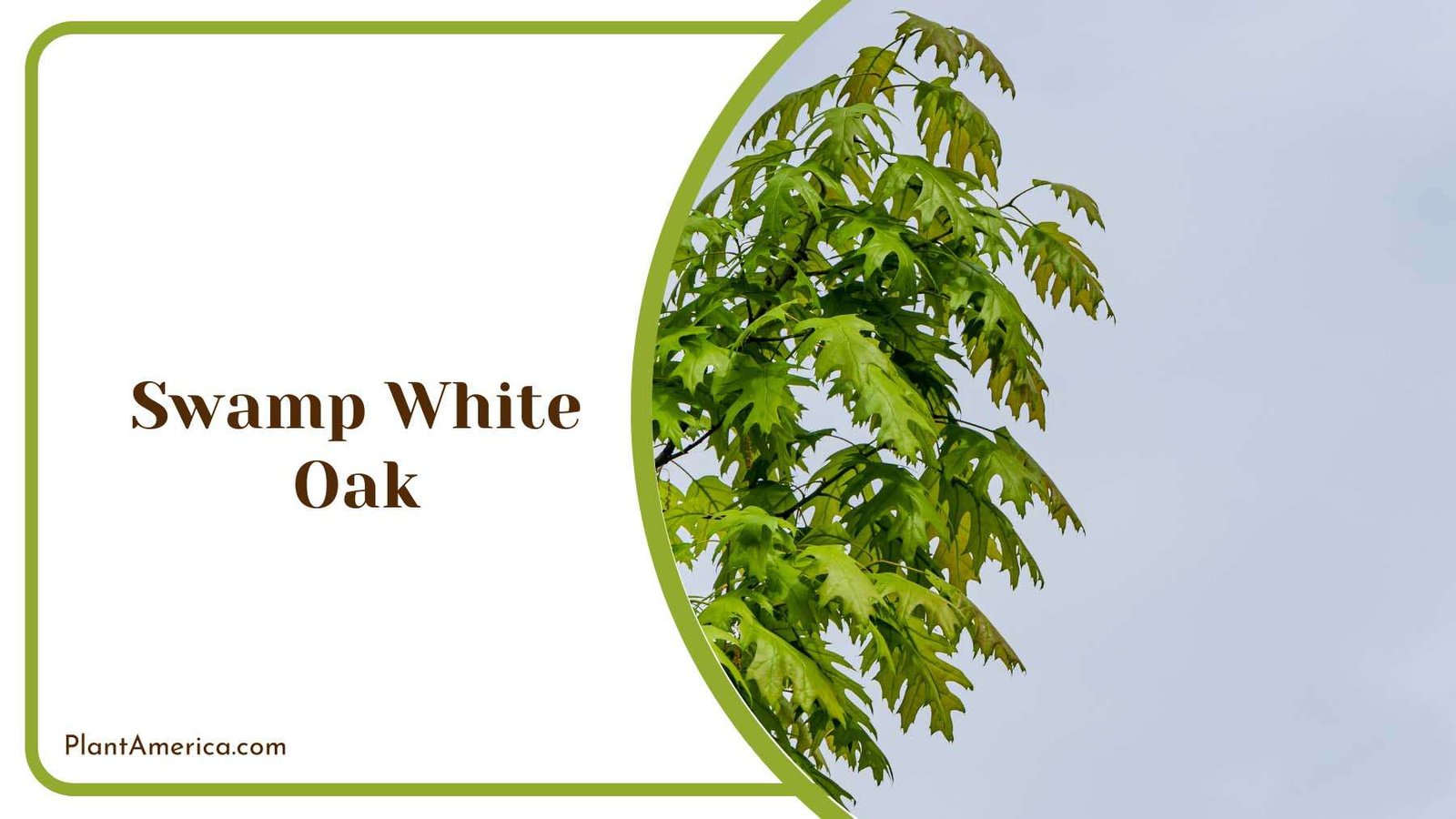
The leaves emerge relatively late in spring, often avoiding exposure to damaging late freezes, and then turn beautiful rusty red shades in autumn. The acorns of the swamp white oak are small to medium-sized and mature within a year from pollination.
This oak species is well-adapted to tolerate seasonal flooding and saturated, oxygen-depleted soils that would kill most other trees. The swamp white oak’s majestic form, ability to flourish in wet locations, and striking fall foliage combine to make it a stunning addition to any landscape seeking a hardy, large native tree.
9. Chinkapin Oak
- Growing Season: Late Spring, Summer.
- Leaf Type: Oblong, Spiny, Toothed.
- Specific Needs: Adaptable to wide soil conditions, Full sun.
- Common Pests: Oak leafminers, Spider mites.
The chinkapin oak receives its common name from its resemblance to the chinkapin tree species. Upon maturity, chinkapin oaks grow into large specimens reaching heights between 80 and 100 feet, developing broad rounded crowns.
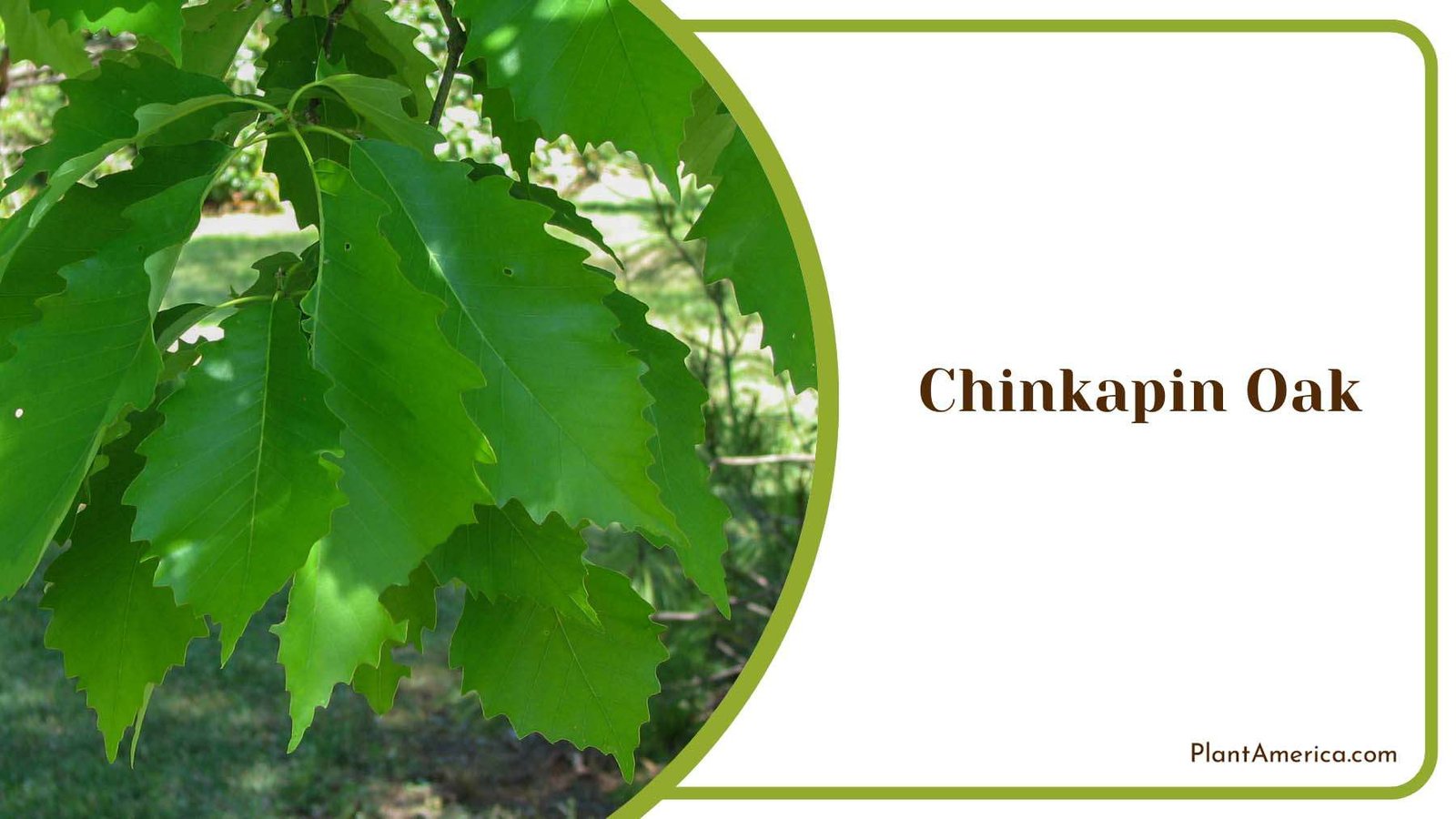
The leaves emerge relatively late in spring, often avoiding exposure to harmful late spring freezes, and then turn beautiful shades of golden yellow and russet in autumn. The acorns of the chinkapin oak mature within a single year from pollination and are comparatively smaller in size than those of most other oak species.
Chinkapin oaks are well-adapted to both urban environments, tolerating seasonal flooding and dry conditions. They are long-lived and hardy trees that add significant visual appeal, wildlife benefits, and landscape value for decades.
The chinkapin oak’s fall colors, ability to thrive in wet and dry conditions, and lifespan of over 200 years make it a desirable tree for challenging landscapes.
10. Scarlet Oak
- Growing Season: Late Spring, Summer.
- Leaf Type: Oblong lobes, Bristle tips.
- Specific Needs: Prefers well-drained acidic soil, Full sun.
- Common Pests: Oak leafrollers, Oak leafminers.
The scarlet oak receives its common name from the brilliant red fall colors it displays each autumn. Upon maturity, scarlet oaks grow into large specimens reaching heights between 80 and 100 feet, developing broadly rounded canopies. The leaves emerge relatively late in spring, often avoiding exposure to harmful late freezes, and then transform into vibrant shades of red in autumn.
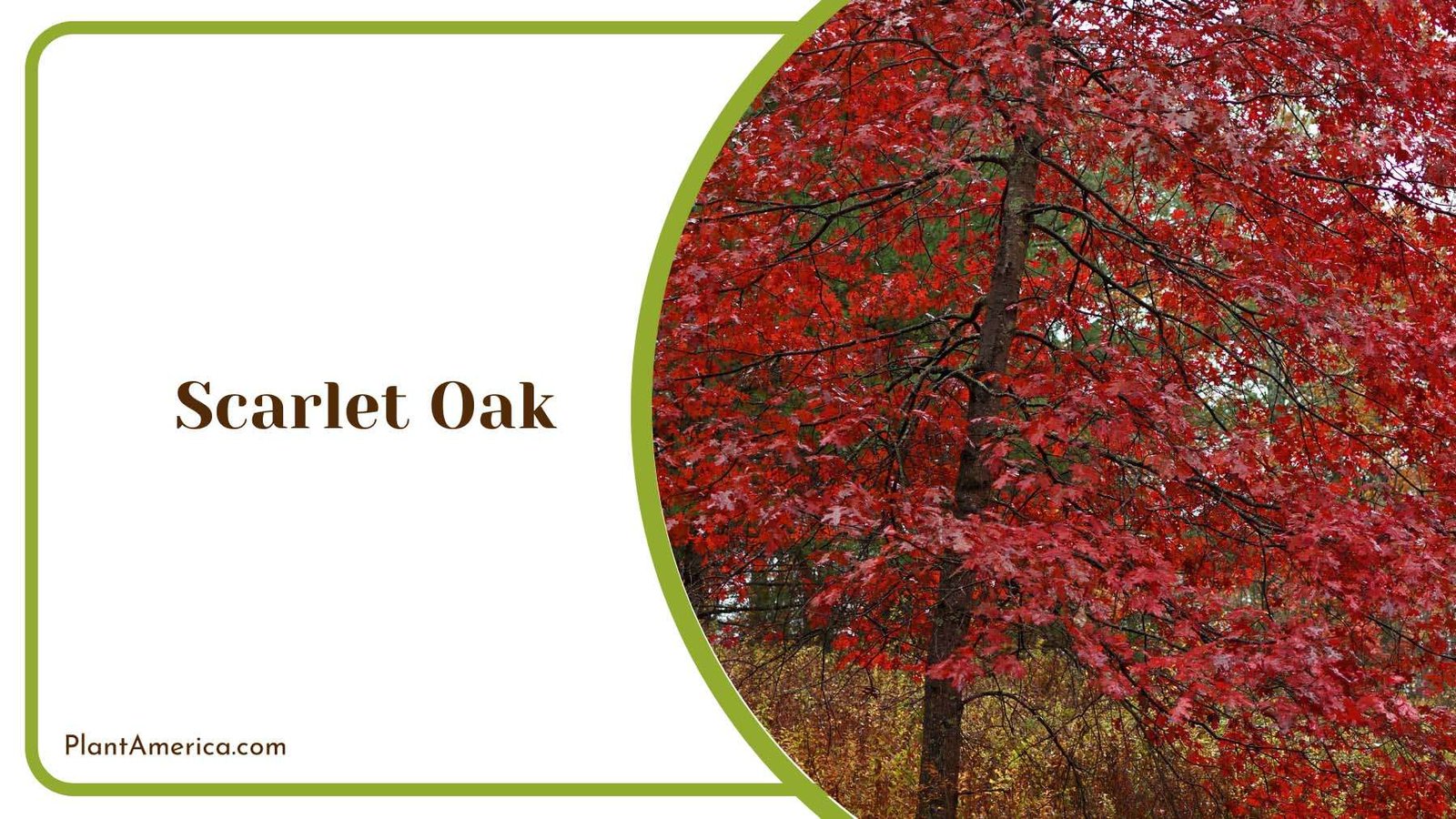
The acorns of the scarlet oak mature within a single year from pollination. Scarlet oaks thrive in acidic soils but can also tolerate clay and alkaline conditions once established. The tree’s showy autumn foliage makes it a standout choice for acorn trees in areas with cold winters, adding dramatic color that enlivens the landscape during leaf fall.
The scarlet oak’s tolerance of difficult soils, abundant acorn production for wildlife, and stunning foliage colors combine to make it a prized landscape tree.
11. Shumard Oak
- Growing Season: Late Spring, Summer.
- Leaf Type: Oblong, Rounded lobes.
- Specific Needs: Moist, well-drained soil, Full sun.
- Common Pests: Oak leafrollers, Oak leafminers.
The Shumard oak produces acorns that are sweet to the taste and highly valued as a food source by wildlife. Upon maturity, Shumard oaks grow into large specimens reaching heights between 80 and 120 feet, developing broadly rounded canopies.
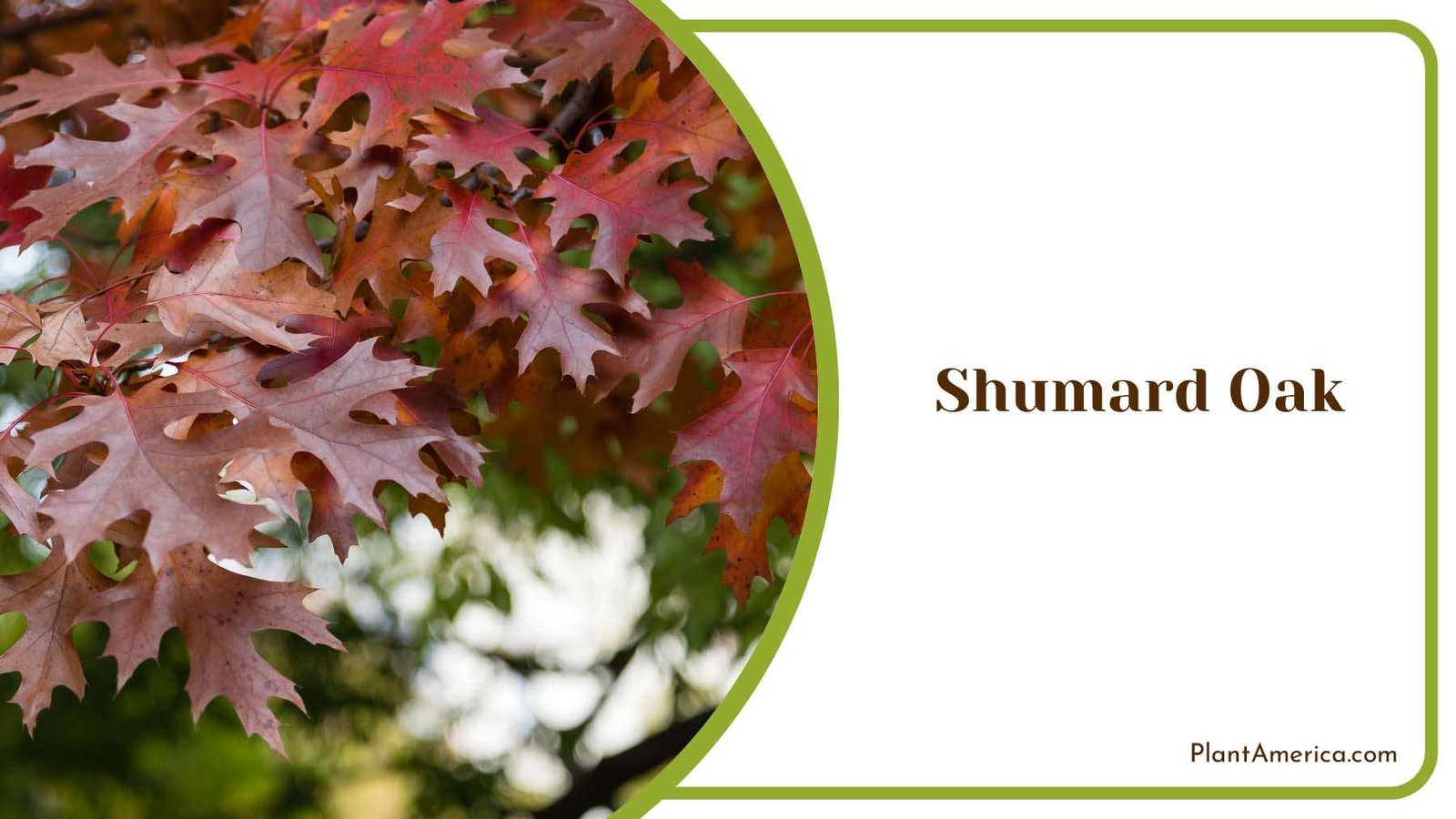
The leaves emerge relatively late in spring, often avoiding exposure to damaging late freezes, and then transform into beautiful shades of maroon and burgundy in autumn. The acorns of the Shumard oak mature within a single year from pollination and are comparatively larger in size than those of most other red oak species.
Shumard oaks require regular moisture for optimal growth and adapt best to acidic soils. Mature specimens often develop a picturesque vase shape and make a stunning addition to any landscape, adding striking autumn foliage colors, abundant wildlife benefits, and a majestic form that enlivens the yard throughout the seasons.
12. Laurel Oak
- Growing Season: Late Spring, Summer.
- Leaf Type: Oblong, Five to nine rounded lobes.
- Specific Needs: Moist, well-drained, acidic soil, Full sun.
- Common Pests: Oak leafrollers, Oak leafminers.
The laurel oak receives its common name from its evergreen leaves resembling the bay laurel plant. Upon maturity, laurel oaks grow into large specimens reaching heights between 80 and 120 feet, developing broadly rounded canopies.
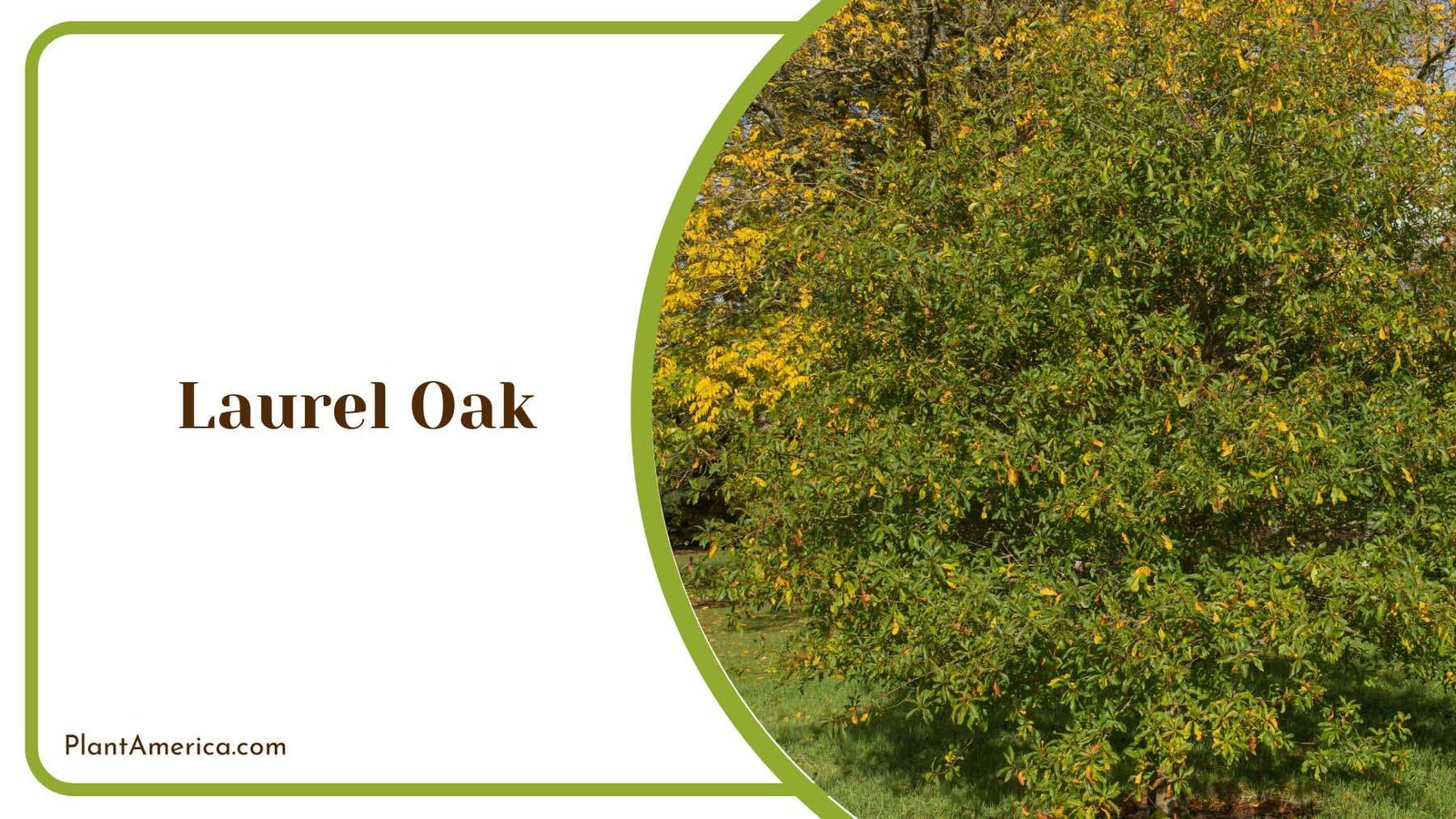
The leaves of the laurel oak emerge relatively late in spring, often avoiding exposure to damaging late freezes, and the acorns mature within a year from pollination. Laurel oaks require regular moisture and thrive in acidic soils with good drainage.
Their evergreen foliage makes them a standout choice for acorn trees, providing year-round greenery, visual appeal, and cover for wildlife. Even in winter, the dark shiny leaves of the laurel oak add complexity and interest to the landscape.
The laurel oak’s ability to thrive in moist, acidic soils and produce nourishing acorns for wildlife, combined with its evergreen character, make it an ideal choice for locations seeking a large, evergreen oak tree. The year-round visual interest and ability to provide shelter when other trees are bare ensure that the laurel oak will reward you with beauty and benefits throughout all seasons.
13. Live Oak
- Growing Season: Late Spring, Summer.
- Leaf Type: Oblong, Spiny margins.
- Specific Needs: Moist, acidic soil, Full sun to partial shade.
- Common Pests: Oak leafminers, Spider mites.
The live oak is known for its dense, spreading canopy that covers the ground like a lawn. The leaves of the live oak are tough and leathery, remaining green year-round.
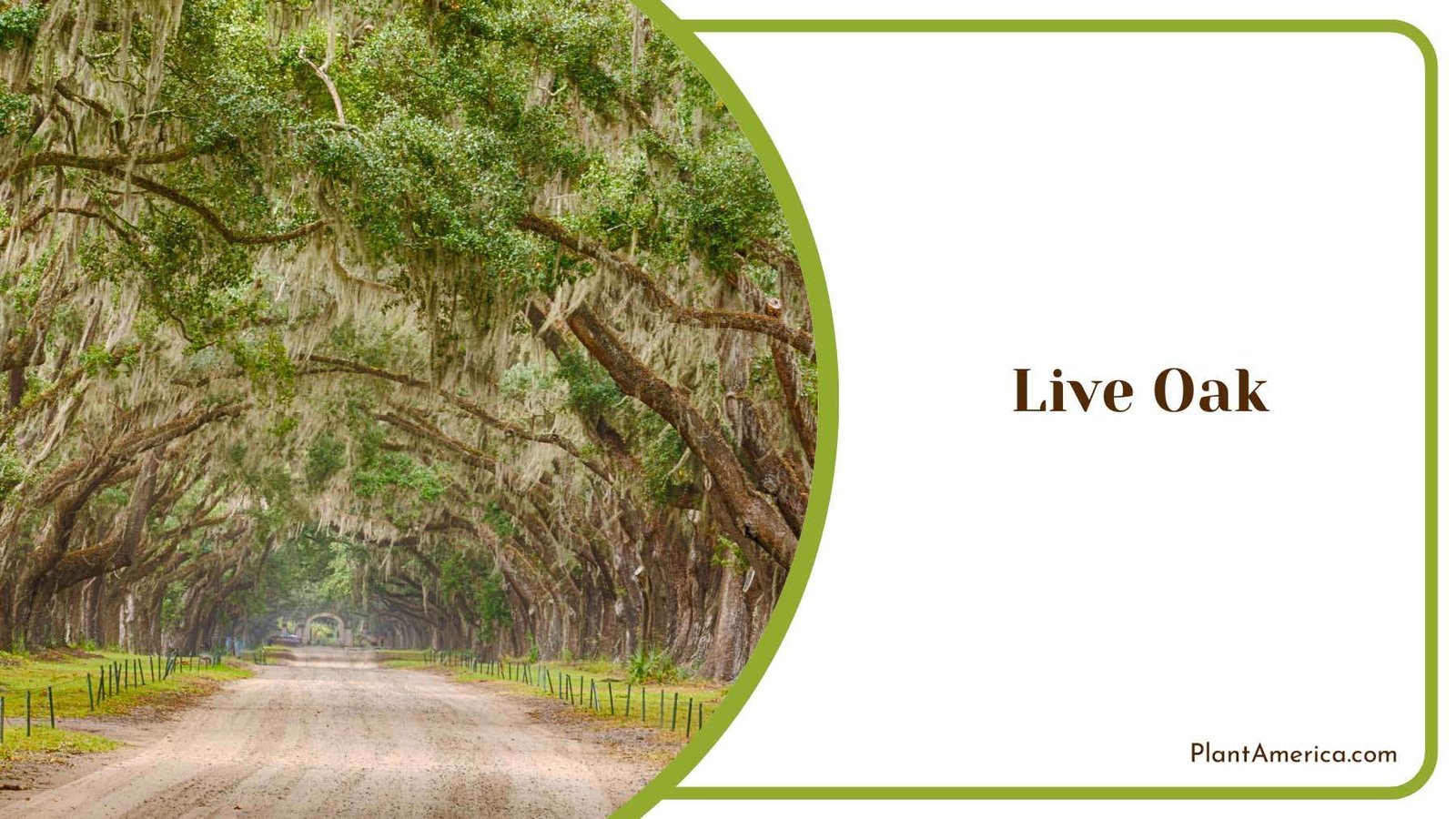
Live oaks grow very slowly, often taking 200 to 500 years to reach maturity at heights between 80 to 100 feet tall. The live oak acorns are small to medium and reach maturity within a year from pollination. Live oaks require regular moisture and good drainage. In addition, they thrive in acidic soil conditions.
Their evergreen canopy and expansive, ground-hugging shape make them the signature choice for acorn trees, providing year-round greenery, shade, and visual appeal. The massive, spreading form of mature live oaks evokes a sense of age and timelessness.
The live oak’s slow growth, its ability to thrive in acidic soils, a dense canopy that shelters wildlife, and the ground-covering form make it an ideal choice for locations seeking an evergreen oak tree with immense visual impact. The live oak’s textural leaves and complex shape ensure it will continue rewarding you with interest, character, and benefits over many centuries.
14. Willow Oak
- Growing Season: Early Spring, Summer.
- Leaf Type: Oblong, Lobed.
- Specific Needs: Moist, well-drained soil, Full sun.
- Common Pests: Oak leafrollers, Scales.
The willow oak receives its common name from leaves resembling willow trees. Upon maturity, willow oaks grow into large specimens reaching heights up to 100 feet tall, developing broadly rounded canopies.
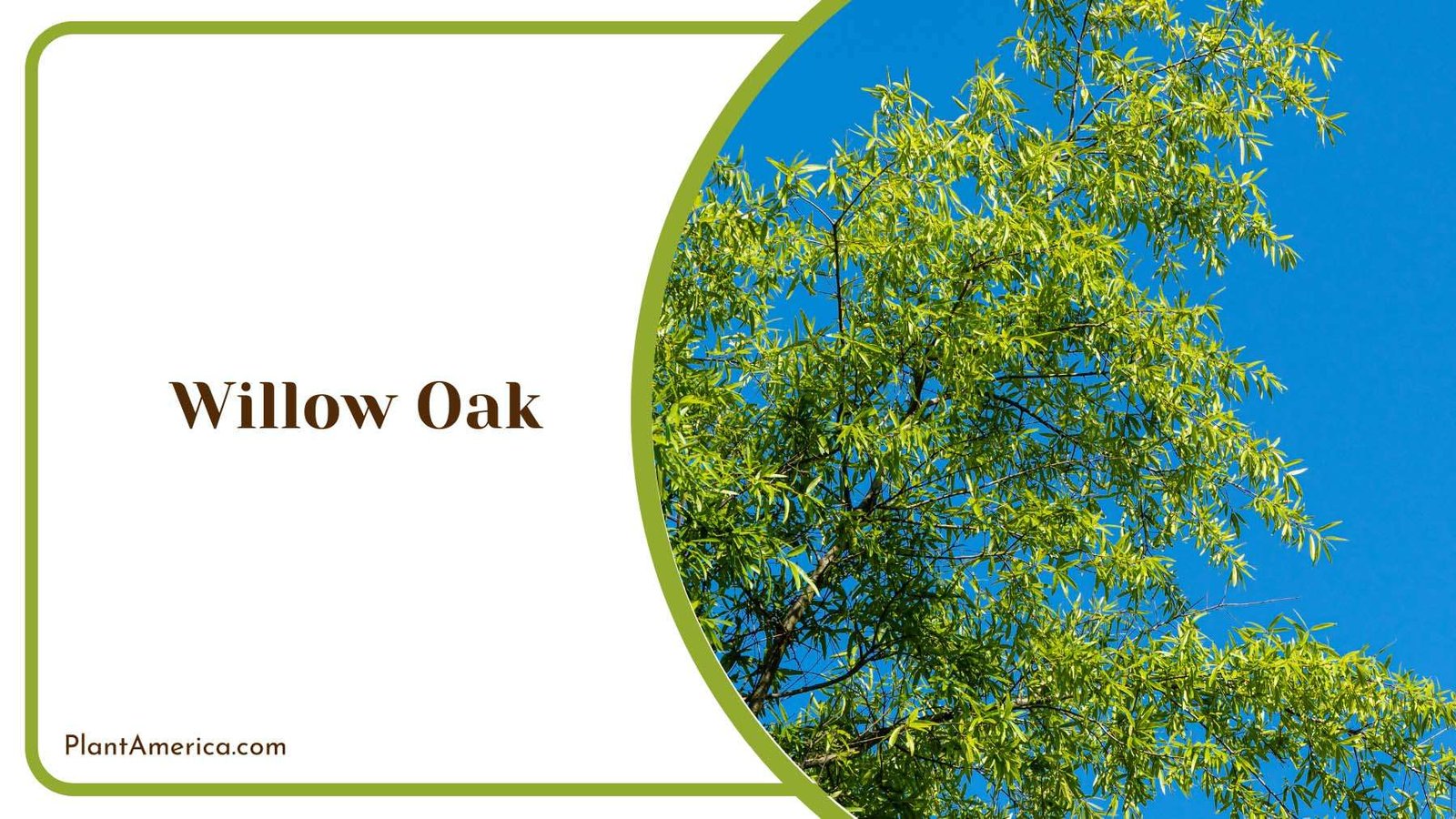
The willow oak leaves emerge relatively early in spring and then transform into brownish-red shades in autumn. The acorns mature within a single year from pollination and are small to medium in size. Willow oaks require regular moisture and thrive in acidic soil conditions.
Their stately form and vivid autumn foliage make them attractive for acorn trees, providing shade, nourishing wildlife, and visual interest in multiple seasons. The arching branches and fall color display of mature willow oaks can enhance landscapes and park settings memorably.
The willow oak’s ability to thrive in moist, acidic soils, tolerance of a range of conditions, and vivid display of autumn foliage colors combine to make it an ideal choice for locations seeking a large, attractive oak tree with long-term landscape value.
15. Bluejack Oak
- Growing Season: Late Spring, Summer.
- Leaf Type: Oblong, Lobed.
- Specific Needs: Dry, well-drained soil, Full sun.
- Common Pests: Oak leafrollers, Scales.
The bluejack oak receives its common name from its mushy acorns that turn blue as they decay. Upon maturity, bluejack oaks grow into medium-sized trees, reaching heights ranging from 60 to 80 feet tall and developing broadly rounded canopies.
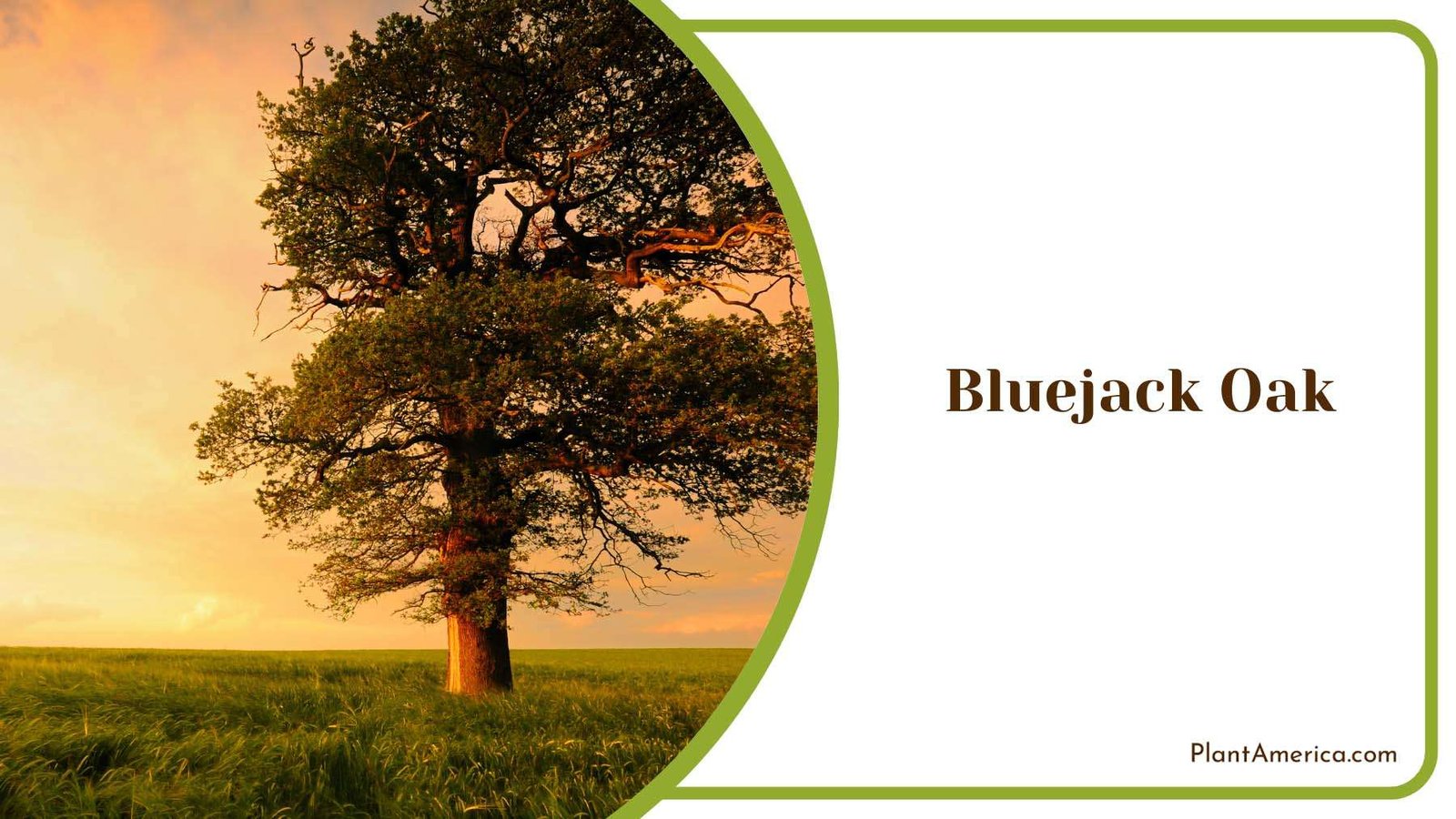
The leaves of the bluejack oak emerge relatively late in spring, often avoiding exposure to damaging late freezes. They then transform into bronze red shades in autumn. The acorns mature within a year from pollination and are comparatively large. Bluejack oaks thrive in dry, infertile soils where few other trees can grow successfully.
Their toughness, striking fall foliage, and versatility make them an outstanding choice for acorn trees, providing shade, nourishment for wildlife, and vivid visual interest in multiple seasons. The bronzing foliage display of mature bluejack oaks can make a memorable impact in landscapes and park settings.
The bluejack oak’s ability to thrive in harsh, nutrient-poor soils and produce large acorn crops to nourish wildlife, combined with its fall color display, make it an ideal choice for locations seeking a versatile, ornamental oak tree with year-round character.
16. Water Oak
- Growing Season: Early Spring, Summer.
- Leaf Type: Oblong, Pointed lobes.
- Specific Needs: Moist, well-drained, acidic soil, Full sun.
- Common Pests: Oak leafminers, Scales.
The water oak grows naturally in wet conditions near streams, swamps, and floodplains. Upon maturity, water oaks grow into large specimens reaching heights between 80 to 100 feet tall, developing broad spreading canopies.
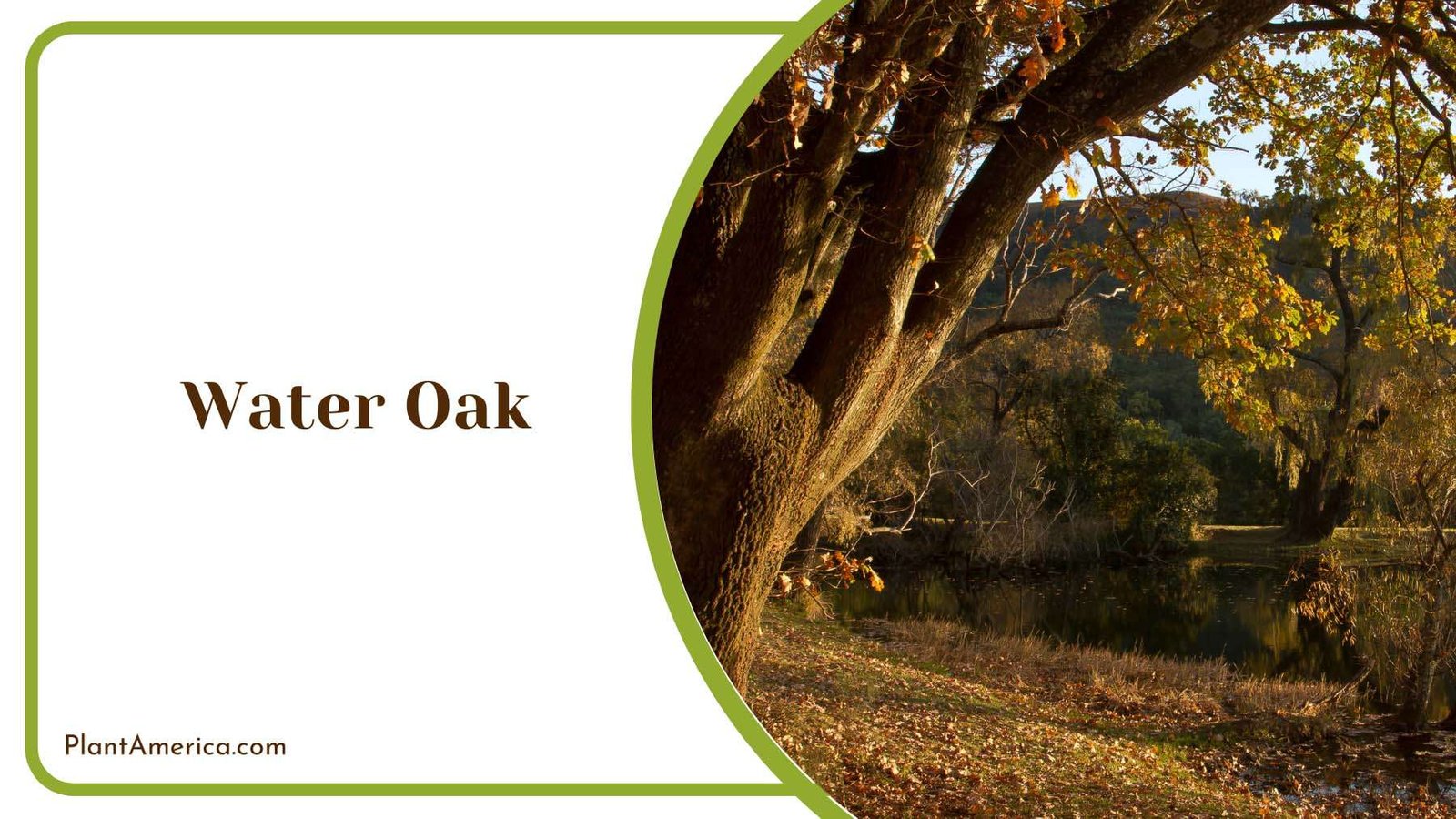
The water oak leaves emerge relatively early in spring and then transform into burgundy-red shades in autumn. The acorns mature within a year from pollination and are medium in size. Water oaks require regular moisture and thrive in acidic soils, especially those that are seasonally saturated or flooded.
Their natural tolerance of wet soils and ability to withstand periodic flooding make them superb choices for acorn trees in landscapes with poor drainage, providing year-round greenery, shade, and nourishment for wildlife. Mature water oaks can impart a dramatic, swamp-loving character to the landscape, even in drier conditions.
The water oak’s ability to prosper in waterlogged soils and nutrient-poor floodplain conditions, tolerance of periodic flooding, and spectacular autumn foliage colors combine to make it an ideal choice for locations seeking a flood-tolerant oak tree with long-term visual interest.
17. Southern Red Oak
- Growing Season: Late Spring, Summer.
- Leaf Type: Oblong, Lobed.
- Specific Needs: Well-drained, acidic soil, Full sun.
- Common Pests: Oak leafrollers, Scales.
The southern red oak produces acorns that are mildly bitter when raw. Upon maturity, southern red oaks grow into large specimens reaching heights between 120 to 130 feet tall, developing broad oval canopies.
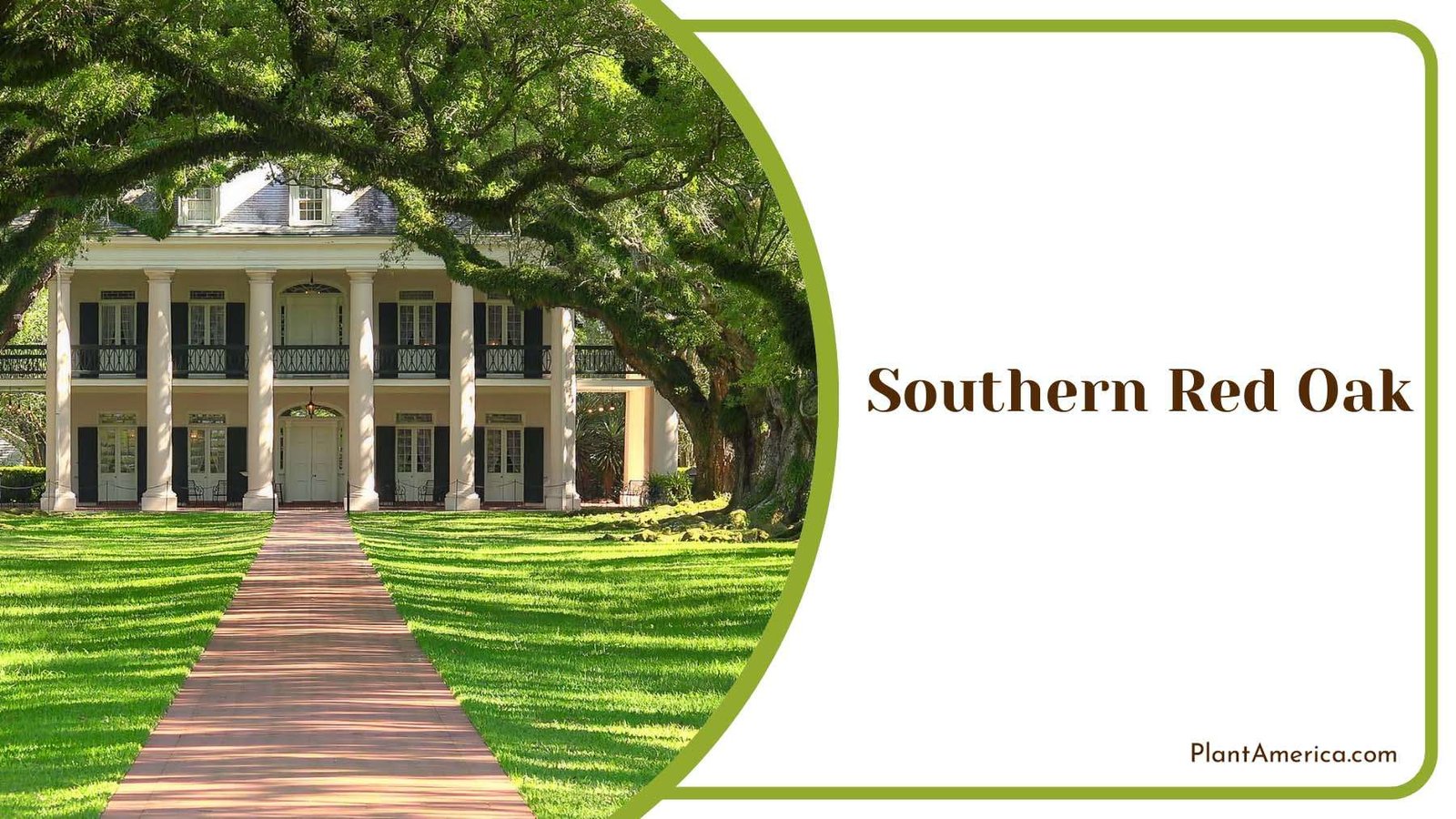
The leaves of the southern red oak emerge relatively late in spring and then transform into reddish-purple shades in autumn. The acorns mature within a year from pollination and are comparatively large. Southern red oaks prefer acidic soils and require regular moisture for optimum growth.
Their massive size, cold hardiness, and versatility make them a superior choice for parks, corporate landscapes, and large properties, providing shade, nourishment for wildlife, and visual appeal in multiple seasons. Mature southern red oaks can make an impressive architectural statement on expansive properties.
The southern red oak’s ability to thrive in acidic soils, tolerance of a wide range of conditions, and huge stature, combined with its fall color display, make it an ideal choice for large landscapes seeking a majestic oak tree with year-round character.
18. Durrand Oak
- Growing Season: Mid Spring, Summer.
- Leaf Type: Oblong, Rounded lobes.
- Specific Needs: Well-drained alkaline soil, Full sun.
- Common Pests: Oak leafrollers, Scales.
The Durrand oak is among the fastest-growing oak trees, reaching 100 feet tall. The leaves of the Durrand oak emerge in mid-spring and then transform into reddish bronze shades in autumn. The acorns mature within a year from pollination and are small. Durrand oaks thrive in alkaline soils where few other oaks can grow successfully, and they tolerate seasonal flooding.
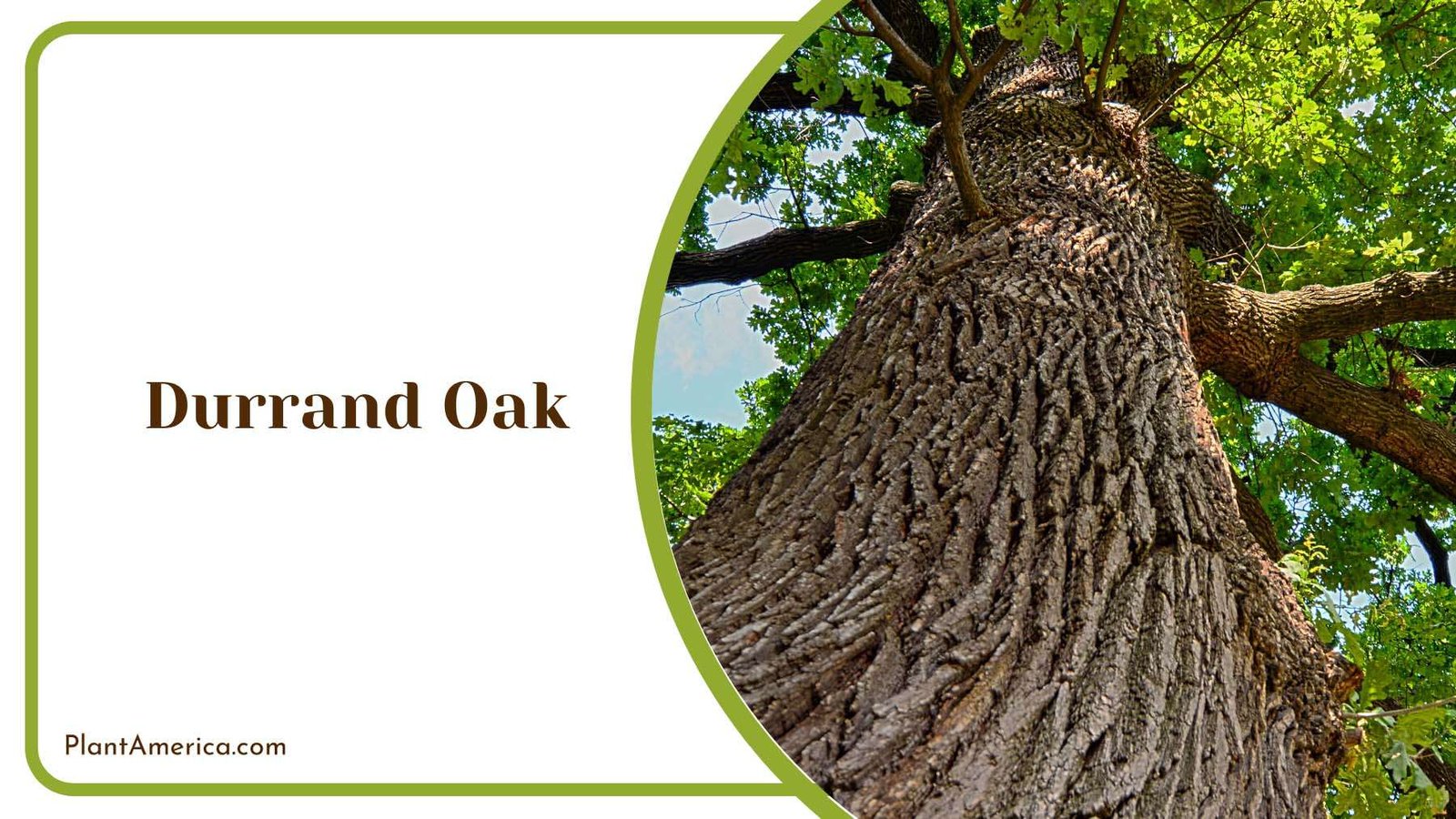
Their ability to adapt to harsh conditions and rapid growth rate make them an outstanding choice for urban landscapes and commercial properties seeking quick shade, nourishment for wildlife, and visual interest in multiple seasons. Mature Durrand oaks can make an impactful addition to challenging sites relatively quickly.
The Durand oak’s tolerance of alkaline soils, ability to withstand flooding, quick growth, and small stature make it an ideal choice for locations seeking an adaptable, fast-growing oak tree to establish rapidly in difficult conditions. The architectural form and fall color display of mature Durrand oaks will reward your landscape for decades.