
Fall blooming bulbs are the perfect way to fill your garden with beautiful blooms even as cooler weather settles in. This article will cover some of the best bulbs for stunning autumn color that will take center stage in your garden beds and containers.

From cheerful crocuses and cyclamen to lemon-hued colchicum, these low-maintenance bulbs will brighten your day with late-season flowers in shades of purple, pink, orange, and yellow!
Blooming Bulbs Your Garden Space Needs for Instant Color
1. Crocus
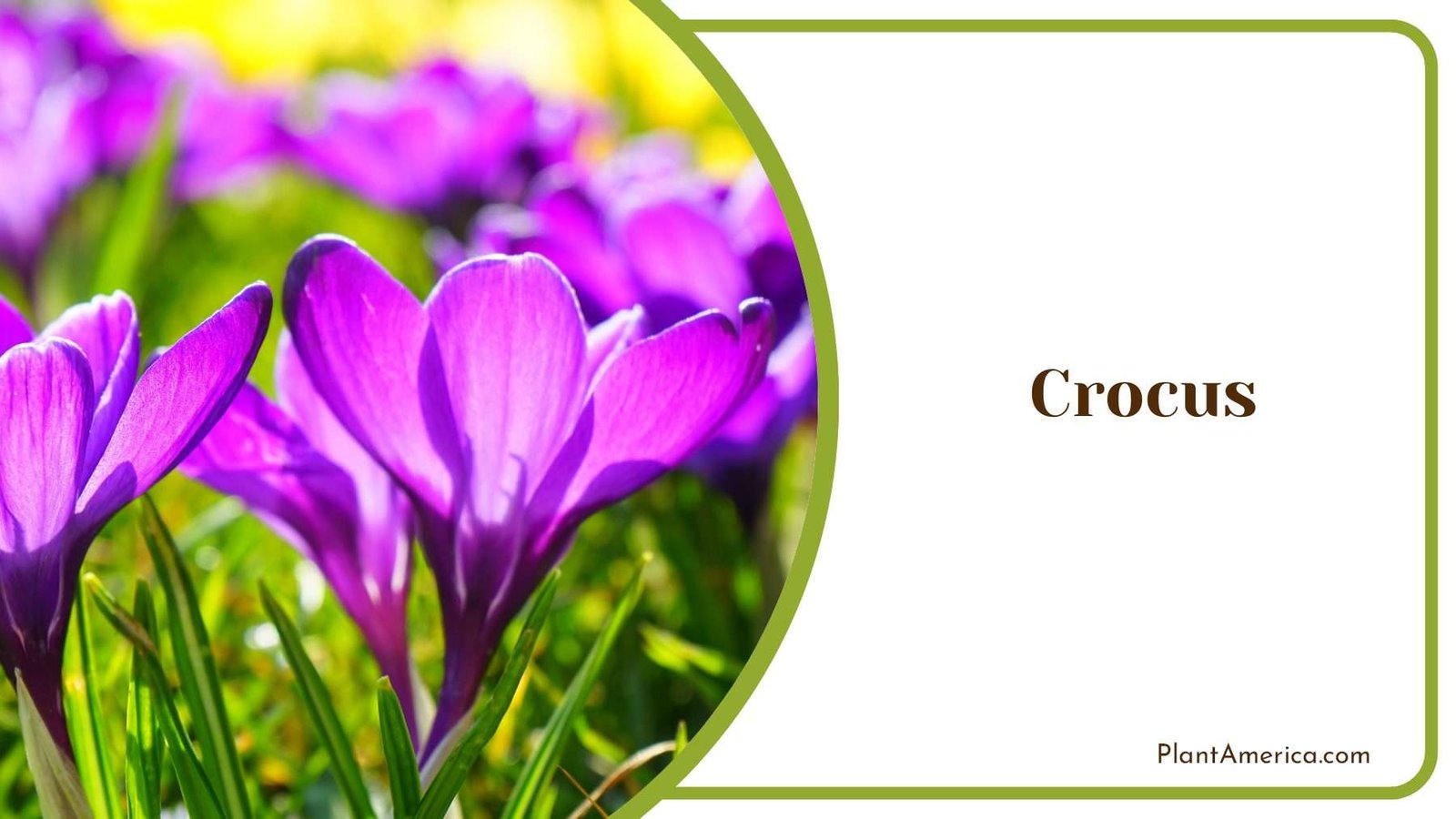
- Growing season: Part shade to full sun, Bloom in early spring to mid-fall
- Leaf shape: Broad, Strappy leaves
- Specific needs: Well-drained soil, Little watering after blooming
- Common pest: Mice, Squirrels
Crocuses bloom early with cheerful bell-shaped flowers in violet, gold, and cream hues. Plant their corms in the fall for winter and spring color. For optimal bloom, provide full sun and moist, well-draining soil. Plant corms pointed tip-up two to three inches deep and space four to six inches apart. After flowering, thin strappy leaves appear and photosynthesize to fuel next year’s blooms.
Removing fading flowers encourages new corm production. Dutch hybrids boast the largest blooms. Some species of crocuses offer subtle beauty in purples and yellows. Crocus sativus produces the stamens for saffron spice. Crocuses naturalize easily, spreading by corm offshoots and flowers that self-sow.
Ensure good soil drainage to avoid rot over winter. Deer generally avoid them. Plant early for weeks of cheerful color next spring. Crocuses’ resilient nature and ability to emerge from the cold, dark earth symbolize hope, renewal, and the triumph of life.
2. Colchicum

- Growing season: Bloom in late summer through fall, Part shade to full sun
- Leaf shape: Long, Linear leaves
- Specific needs: Moist, fertile soil, Good drainage
- Common pest: Aphids, Caterpillars
Colchicums produce spherical clusters of soft pink or lilac flowers in late summer. Their strappy leaves emerge after blooming, remaining green throughout winter. Plant colchicum corms or bulbs in early fall and cover lightly with soil, exposing the tops. This allows the corms to capture maximum sunlight and moisture for optimal bloom the following year.
Water regularly until the ground freezes to help the corms establish. Once established, colchicums are hardy and drought-tolerant. Divide colchicum clumps every three to five years in spring to keep plants vigorous and flowering prolifically. Time the division for when the leaves begin to die back. Colchicums spread readily by self-sown seeds and divided corms.
They thrive in woodland gardens, naturalized meadows, and stepping stones or pavers where their foliage can emerge in winter. Plant colchicums this fall for a delightful show of late summer/early fall color to extend your garden’s growing season. Their unexpected beauty blooming from stark winter ground reminds us that life perseveres, even in dormancy.
3. Cyclamen
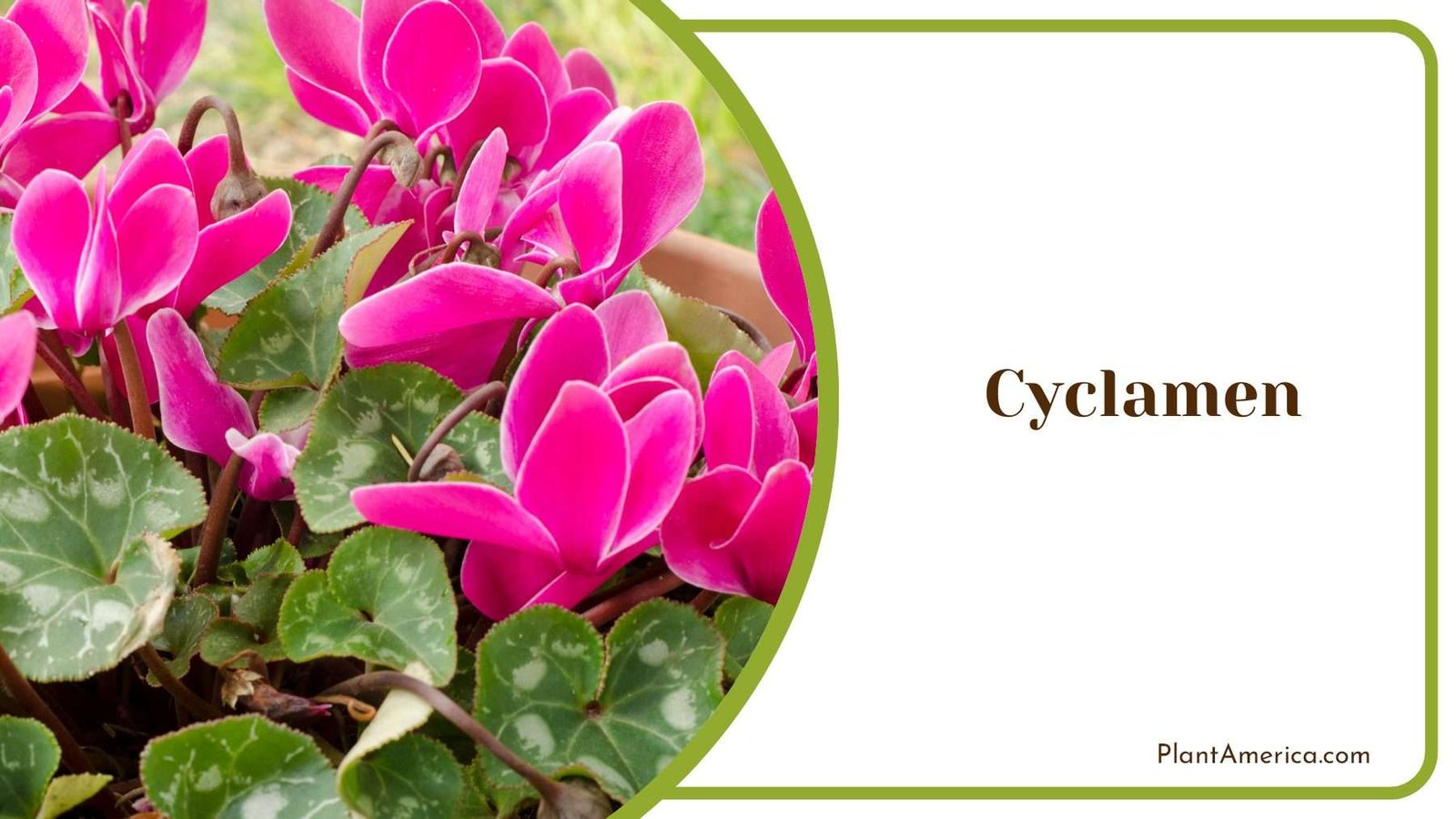
- Growing season: Shade to partial shade, Blooms late summer to fall
- Leaf shape: Heart-shaped leaves, Large
- Specific needs: A fertile, well-draining soil, Consistently moist conditions
- Common pest: Aphids, Cyclamen mites
Cyclamen produce charming flowers in magenta, rose, and violet hues that bloom throughout autumn. Their heart-shaped foliage forms a whimsical backdrop for the flowers. Plant cyclamen tubers in late summer or early fall, one to two inches deep. Provide partial shade and keep the soil constantly moist around the roots to prevent bloom drop.
Regularly check moisture levels, as surface soil can dry out quickly while the tubers remain hydrated, creating ideal conditions for rot. Cyclamen prefer fertile, well-draining soil amended with organic matter. Elevate the tubers slightly above ground level on gravel or sand to boost drainage. Divide crowded clumps in spring every two to three years, ensuring each division has three to five tubers.
Replant immediately to avoid dehydration. The pendulous flowers and delicate foliage of cyclamen flowering in colder months evoke whimsy and wonder. Their ability to thrive in challenging indoor conditions symbolizes the human capacity to find joy even in the hardest times.
Plant cyclamen tubers this season for an enchanting show of late blooms that will delight you for years. Their irresistible beauty is a reminder to cherish the little delights that life offers, no matter the season.
4. Hardy Nerine
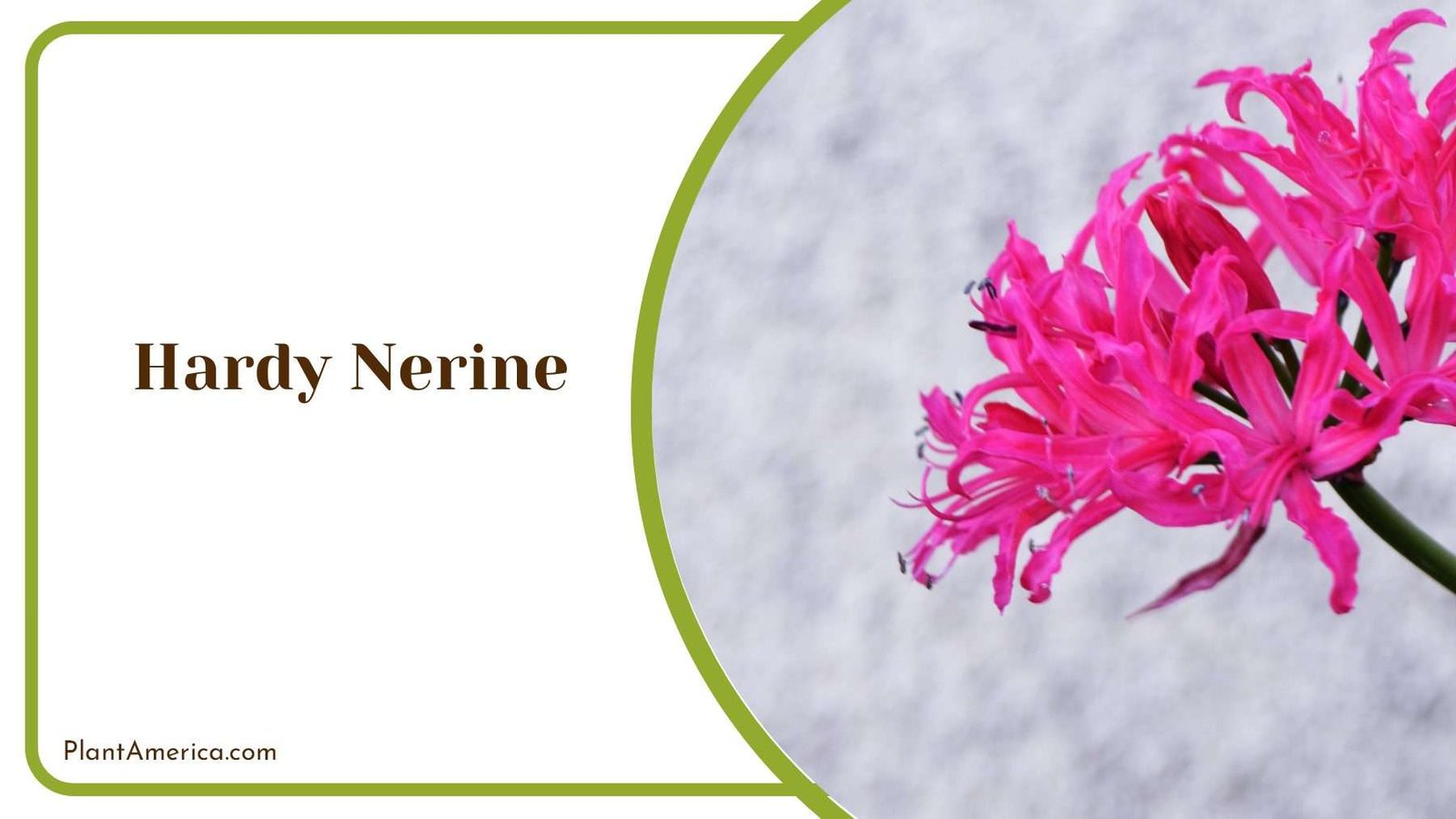
- Growing season: Partial shade, Blooms in late summer to fall
- Leaf shape: Linear, Narrow leaves
- Specific needs: Well-drained soil, Winter dormancy during cold months
- Common pest: Nematodes, Bulb mites
Hardy nerines produce showy trumpet-shaped flowers in shades of pink, red, and white atop tall stems from late summer into early autumn. As days shorten, these clusters of blooms create a vibrant splash of color. Plant nerine bulbs in early fall for the largest display of flowers the following year. Provide winter dormancy during frosts by stopping watering to keep the bulbs dormant.
Space nerine bulbs 12 to 18 inches apart in well-drained soil. Elevate the bases above ground level and incorporate sand or gravel to promote drainage, especially during the rainy season. Cut back foliage after blooming but do not remove completely as the leaves replenish the bulb’s energy reserves. Divide bulbs in spring every three to four years to encourage additional stems and larger blooms.
Replant divisions immediately. The vibrant blooms of hardy nerines provide a welcome splash of color during the garden’s quietest months. Their ability to flower so profusely at summer’s end symbolizes the indomitable spirit of life, eternally renewing itself with each turn of the season. Plant nerine bulbs this fall for glorious late summer/early autumn color that will gladden your heart even as dusk falls earlier each day.
5. Autumn Crocus

- Growing season: Full sun, Blooms in fall
- Leaf shape: Linear, Grass-like leaves
- Specific needs: Well-drained soil, Cold tolerant
- Common pest: Crocus flies, Nematodes
Autumn crocuses produce cheery clusters of cup-shaped lavender, violet, and white flowers that bloom profusely in autumn directly from their corms. Narrow sword-like leaves appear after the blooms fade. Plant autumn crocus corms four to six inches deep in early fall in a spot with full sun and free-draining soil for maximum effect. Space corms four to eight inches apart.
Snip off faded blooms to direct energy back into the corm for larger flowers and increased number of stems the following year. Cover corms with an insulating mulch of leaves or straw in colder zones to provide winter protection.
Avoid mulching in milder areas where winter wetness can lead to crown rot. As autumn crocuses re-bloom year after year from the same corms, their steadfast renewal symbolizes the indomitable spirit of hope that rises within us even amid life’s darkest seasons.
Plant autumn crocus corms this fall for plenty of cheerful blooms next year to brighten the garden with their lavender haze when colors have faded elsewhere. Their simple beauty serves as a reminder to find joy in the smallest of things.
6. Autumn Snowflake (Leucojum autumnale)
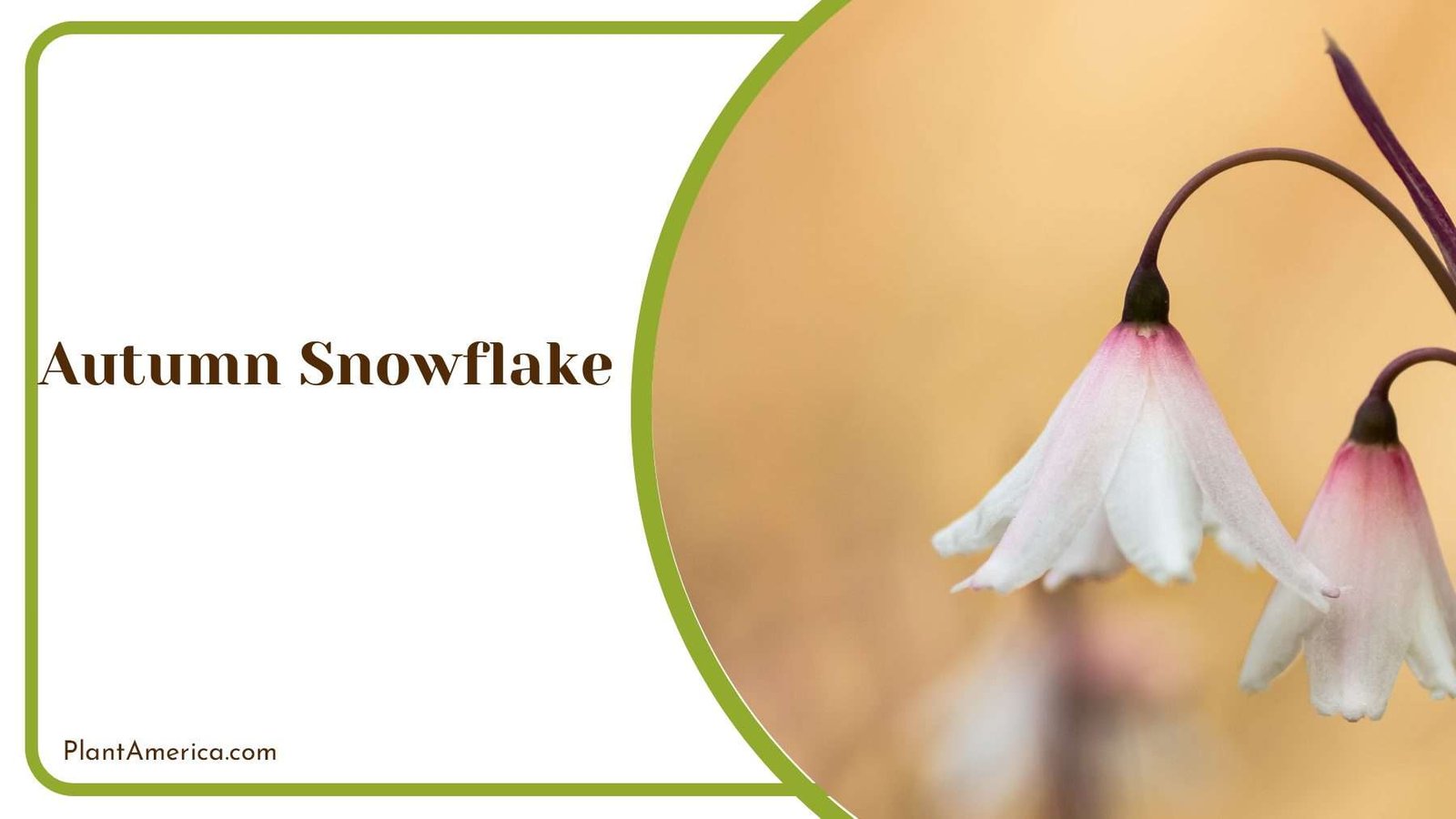
- Growing season: Blooms in summer through fall, Part shade to full sun
- Leaf shape: Long, Narrow leaves
- Specific needs: Moist, fertile soil, Good drainage
- Common pest: Snails, Slugs
Autumn snowflakes, also called Leucojum autumnale, bear graceful pendant white flowers in late summer and early autumn. Unlike crocuses, their sword-like leaves emerge first and remain throughout the growing season. Plant autumn snowflake bulbs four to six inches deep in moist but well-draining soil in early fall. They thrive in part shade to full sun.
Autumn snowflakes spread quickly by self-sown seed and bulb offsets, easily naturalizing in borders, meadow gardens, and grassy slopes. To control spread, divide mature clumps every few years in spring or fall. Replant divisions immediately. The pale blooms of autumn snowflakes drifting down like snow against an earthy backdrop evoke peace and tranquility.
Their ability to self-sow abundantly symbolizes the hopeful persistence of life itself. Plant autumn snowflake bulbs this fall for a gentle reminder of beauty and simplicity amid summer’s end. Their delicate blooms will gladden your heart and nourish your spirit long after flowers from other gardens have faded.
7. Sternbergia
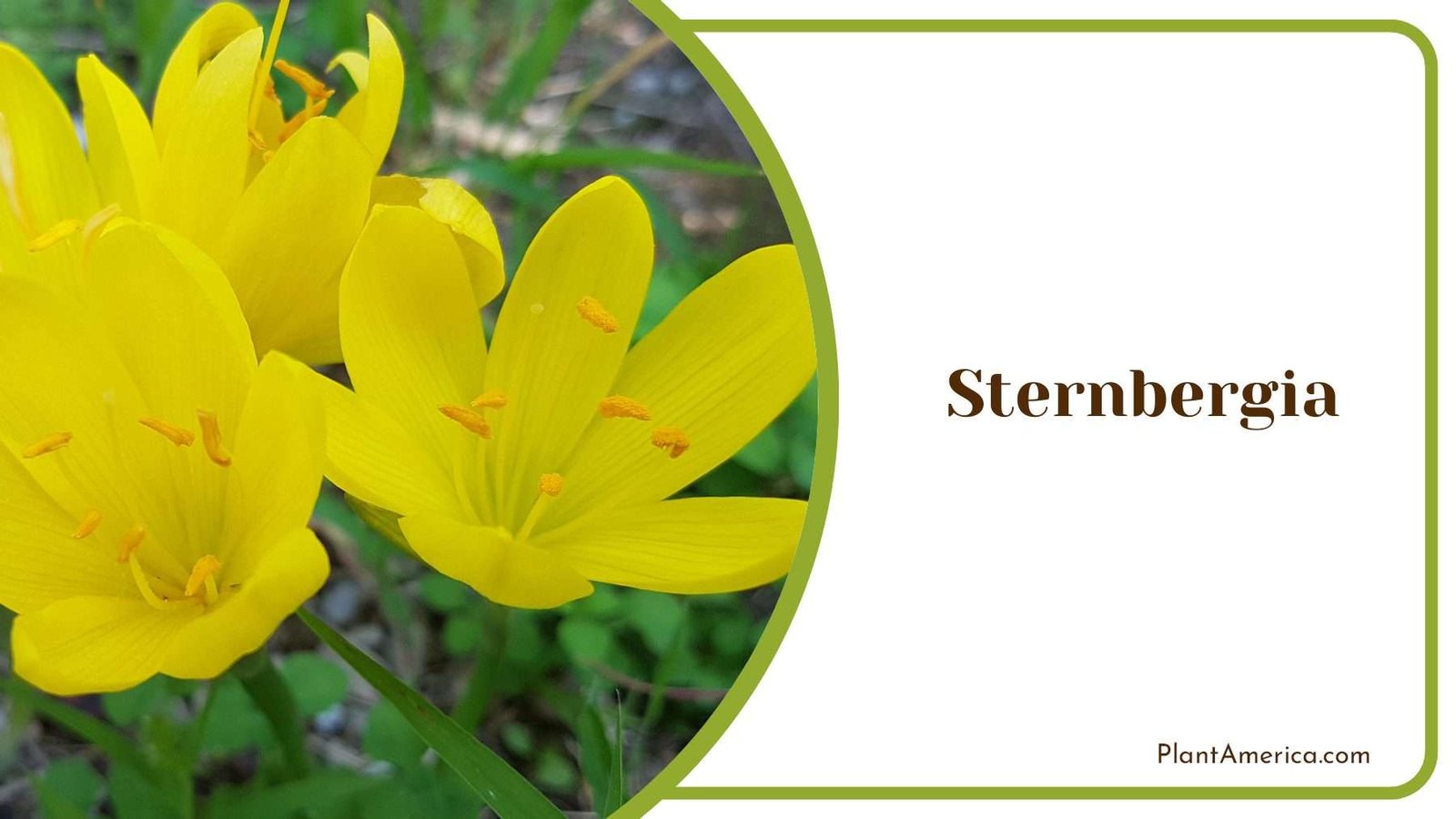
- Growing season: Full sun to part shade, Blooms in fall
- Leaf shape: Long, Strappy leaves
- Specific needs: Well-drained soil, Winter dormancy
- Common pest: Bulb mites, Fungal diseases
Sternbergia bulbs bear cheerful clusters of bright yellow flowers atop thick stems in autumn. Their strappy evergreen leaves appear after blooming and persist through winter. For optimum blooms the following year, plant Sternberg bulbs five to eight inches deep in early fall. Space them four to six inches apart in well-draining soil with added sand or gravel. Avoid overwatering during winter, which can lead to bulb rot.
Instead, provide sufficient drainage to allow the soil to dry out between waterings. Cut back faded flowers to minimize weak, spindly growth and promote strong stems the next season. Sternbergia spread rapidly and naturalize easily, making them perfect for borders, trough gardens, rock gardens, and containers needing minimal care. Their bright flowers provide a welcome splash of color when gardens have gone quiet.
Plant Sternbergia bulbs this season for reliable blooms next autumn. Their cheerful golden hues shining through the dormant landscape uplift the spirit and serve as a beacon of hope and promise.
8. Chinese Sacred Lily
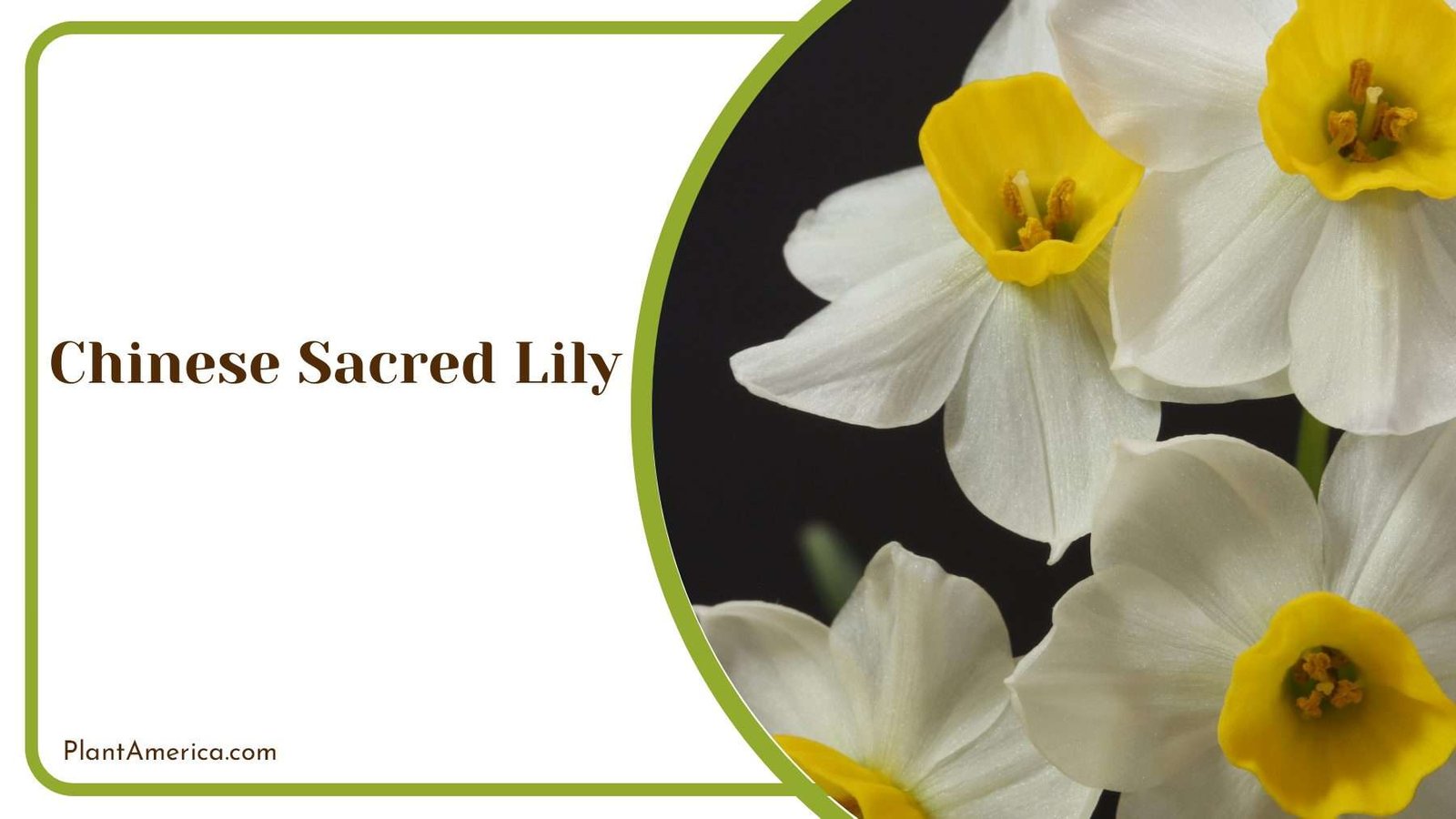
- Growing season: Full sun, Blooms in fall
- Leaf shape: Long, Strappy leaves
- Specific needs: Moist, well-draining soil, Winter dormancy
- Common pest: Bulb flies, Nematodes
The Chinese sacred lily produces fragrant clusters of white trumpet-shaped blooms from late summer through early autumn. Their strap-like leaves remain green throughout winter before re-emerging in spring.
For the earliest blooms the following year, plant Chinese sacred lily bulbs shallowly in early fall, pointing upwards at a 45-degree angle. Chinese sacred lilies spread rapidly through self-sown seeds and bulb offsets, easily naturalizing in borders, meadows, and grassy slopes.
Provide excellent drainage during winter to prevent bulb rot. Water regularly until the ground freezes, then withhold water to allow the bulbs to go dormant. The bountiful blooms and sweet fragrance of Chinese sacred lilies flowering at summer’s end light up the fading garden with their ethereal beauty. Their ability to self-sow exuberantly symbolizes the resilient persistence of life itself.
Plant Chinese sacred lily bulbs this season for fragrant clusters of late blooms that will nourish your spirit and lift your heart, reminding us that hope springs eternal, reborn with each new day.
9. Fall-Flowering Crocus
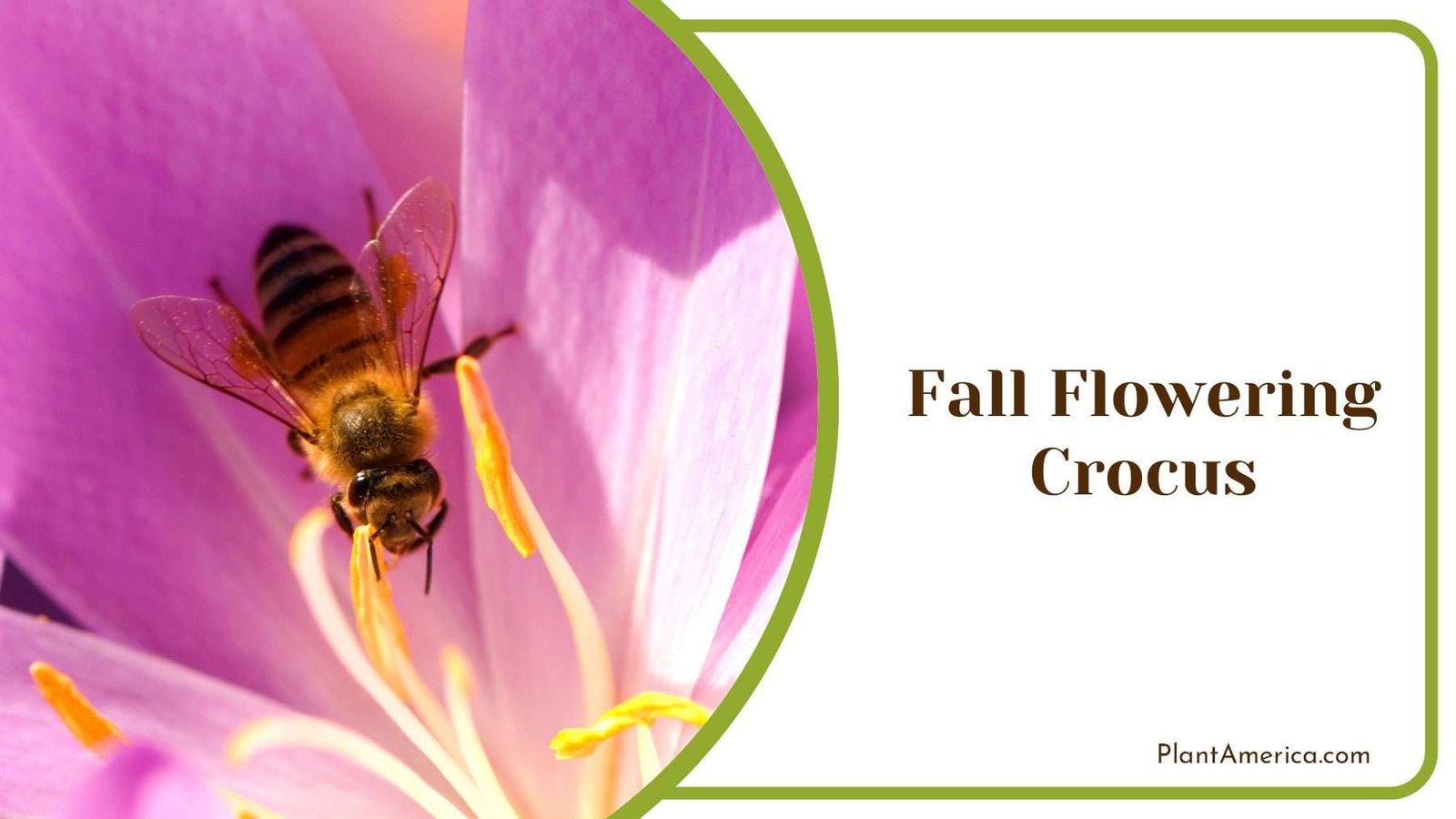
- Growing season: Full sun, Blooms in fall
- Leaf shape: Grass-like leaves, Narrow leaves
- Specific needs: Well-drained soil, Cold tolerant
- Common pest: Crocus flies, Nematodes
Fall-blooming crocus produce clusters of cheerful violet, white, and golden blooms directly from their corms in late summer and early autumn. Narrow sword-like leaves appear after blooming and persist through winter. Plant fall crocus corms four to six inches deep in early fall for reliable blooms over winter. Space corms four to six inches apart in free-draining, organic-rich soil.
Avoid overwatering, which can cause rot. Instead, monitor soil moisture and only water when the surface feels dry. Snip off faded flowers to strengthen the developing corms for more robust bloom stalks the following year. The cheerful blooms of fall-flowering crocus emerging amid faded summer gardens symbolize hope and renewal.
Their ability to weather winter’s darkness represents the human spirit’s capacity to find light even in life’s bleakest seasons. Plant fall crocus corms this season for gorgeous vases of color next autumn to delight your heart and nourish your soul as summer’s end draws near. Their simple beauty serves as a reminder of life’s enduring strength.
10. Tigridia
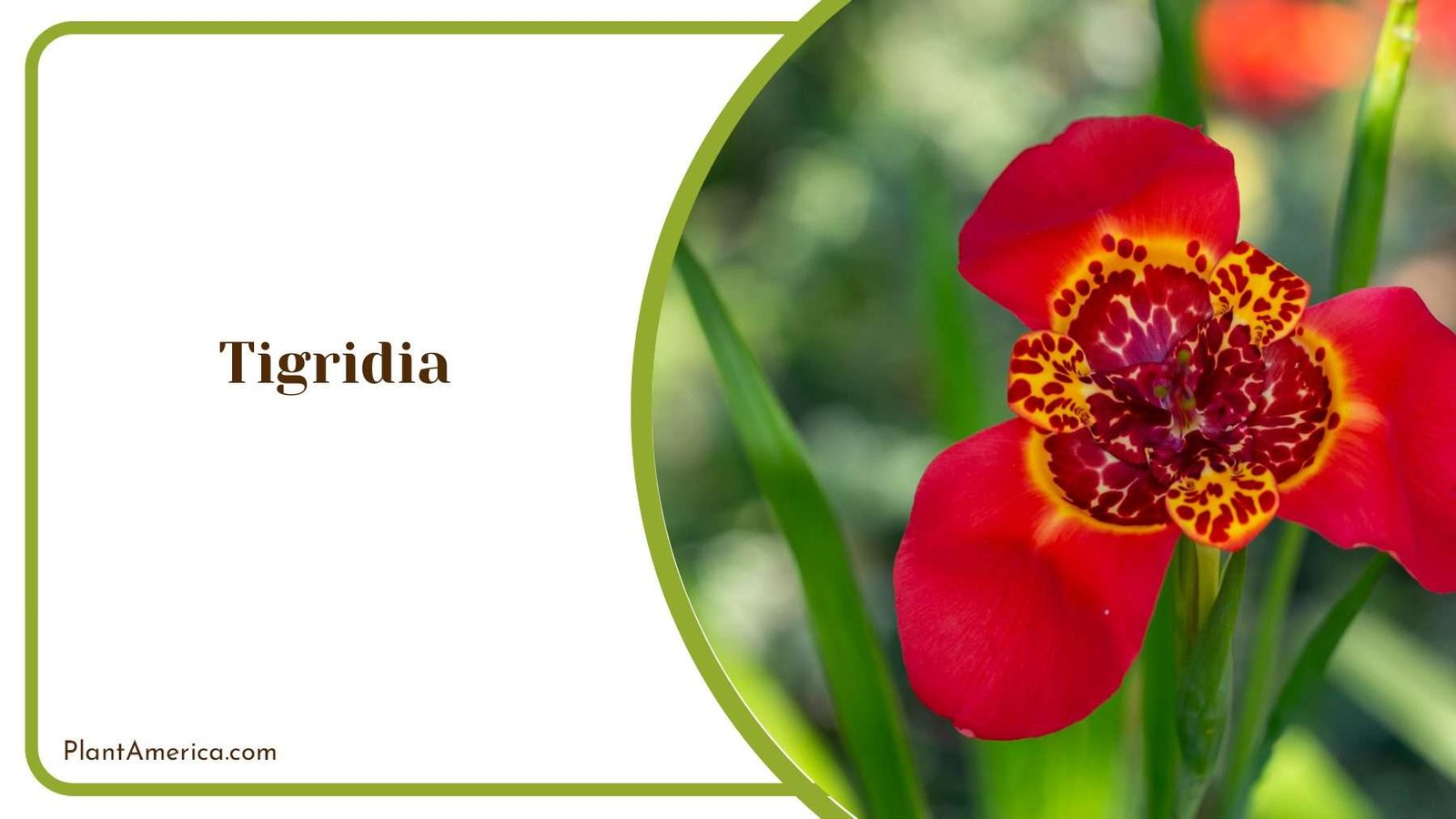
- Growing season: Full sun, Blooms late summer to fall
- Leaf shape: Long, Narrow leaves
- Specific needs: Well-draining soil, Winter dormancy
- Common pest: Bulb flies, Nematodes
Tigridia bulbs produce colorful funnel-shaped blooms in hues of gold, orange and scarlet that appear in late summer and autumn. The vibrant displays provide a cheering sight as the days shorten.
For optimal flowering the next year, plant tigridia bulbs in early fall at a depth three to four times the bulb height and space them six to eight inches apart in well-draining soil. The thin, sword-like leaves die back over winter once blooming finishes.
Tigridia spread reliably through self-seeding. They easily naturalize in meadow gardens, borders and rockeries. To encourage more and larger blooms the following season, divide congested clumps in spring every two to three years and replant the bulbs immediately.
The brilliant tigridia blooms lighting up fading autumn gardens symbolize the human spirit’s vitality, rekindling hope. Plant tigridia bulbs this fall for a cheering display of radiant blooms next year to lift your spirits as summer ends. Their glorious hues serve as a reminder of life’s ability to thrive and renew itself, even amid brevity.
11. Autumn Anemones
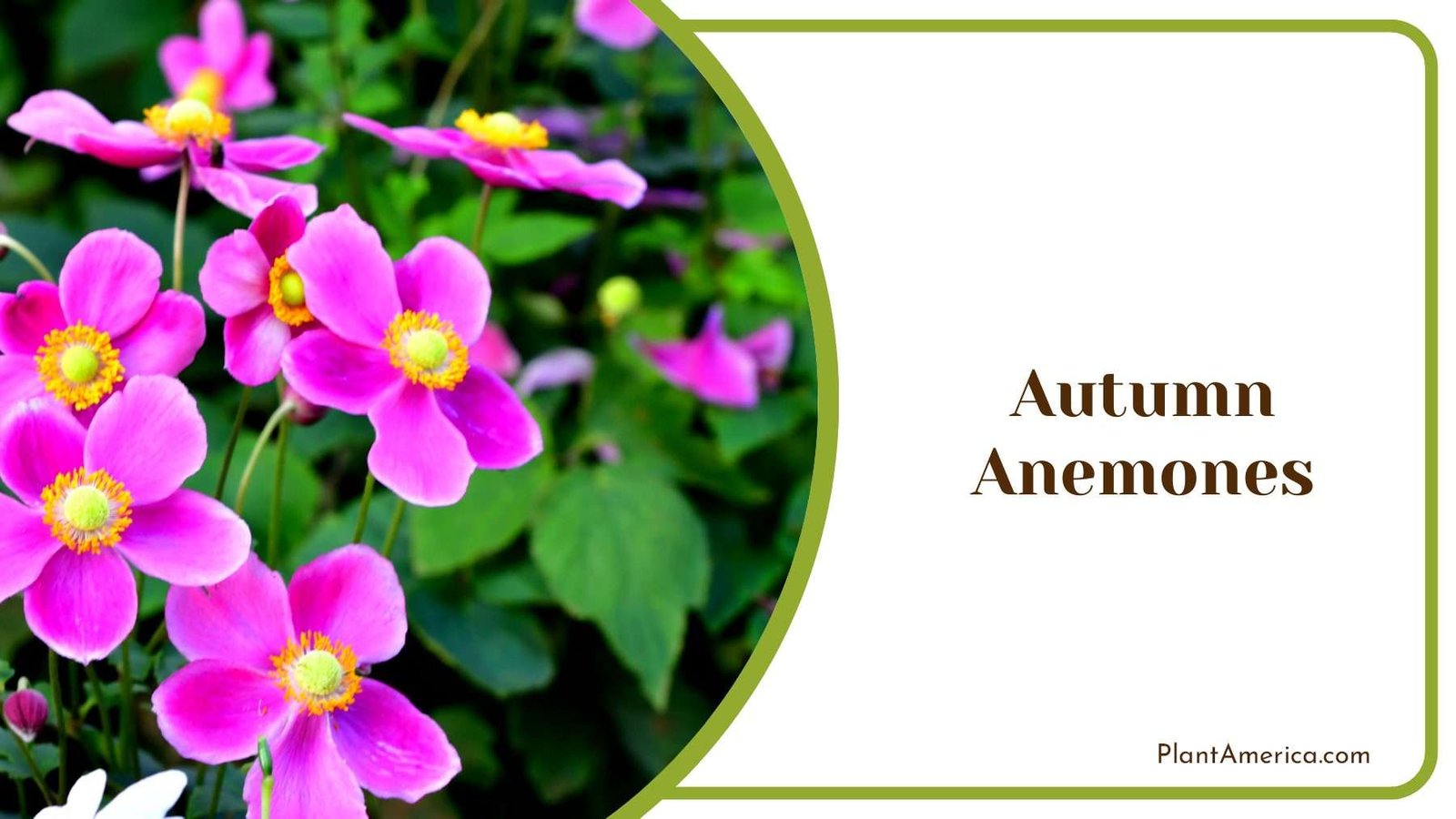
- Growing season: Partial shade, Blooms in late summer to fall
- Leaf shape: Compound, Palmate leaves
- Specific needs: Medium water, Moist, well-draining soil
- Common pest: Aphids, Slugs and snails
Autumn anemones bear clusters of colorful semi-double or double blooms in rose, pink, and white hues that appear in late summer and autumn as their palmate-compound leaves remain vibrant.
Plant anemone tubers around three inches deep in early fall and six inches apart in moisture-retentive yet freely-draining soil amended with organic matter. Divide crowded clusters of tubers every three to four years in spring to encourage denser growth, larger blooms, and increased longevity. Replant divisions immediately.
Anemones thrive in part shade to full sun and make excellent additions to borders, rock gardens, and cottage gardens, their late-season color extending the growing season. The cheerful late blooms of autumn anemones brightening fading gardens symbolize the human spirit’s indomitability, rekindling hope amid life’s fragility and brevity.
Plant anemone tubers this fall for clusters of colorful blooms next year to nourish your soul as days grow shorter and colder. Their simplicity and resilience will delight you for years to come.
12. Montbretia
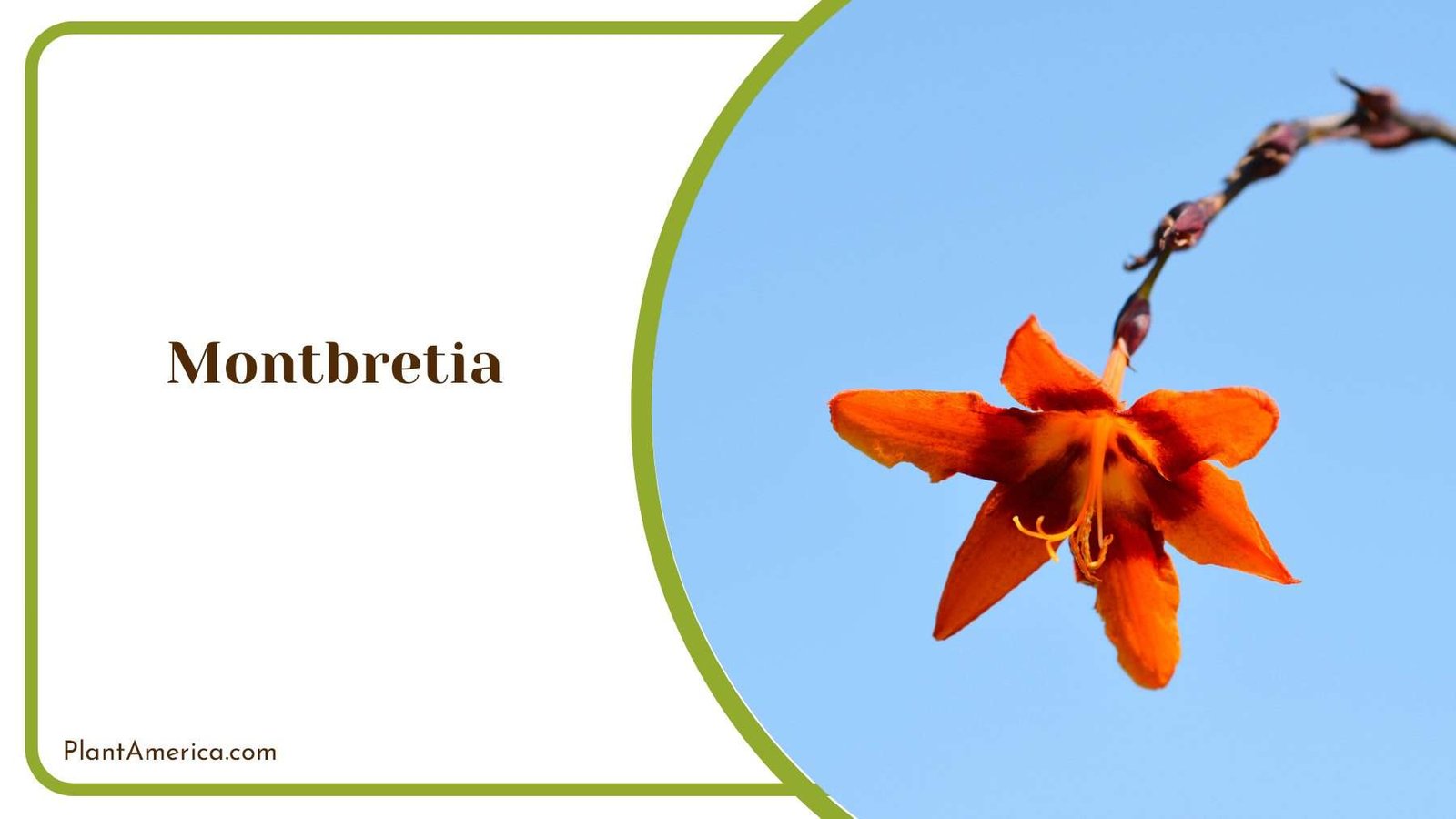
- Growing season: Full sun, Blooms in fall
- Leaf shape: Linear, Grass-like leaves
- Specific needs: Well-drained soil, Cold tolerant
- Common pest: Crocus flies, Nematodes
Montbretia, botanically known as Crocosmia spp., is a captivating and vibrant perennial plant admired for its eye-catching flowers and easy cultivation. Native to South Africa, these plants have found popularity in gardens worldwide due to their striking appearance and ability to thrive in various conditions.
Montbretia’s sword-shaped leaves form attractive clumps, providing an excellent backdrop for the showy, funnel-shaped flowers that bloom in shades of red, orange, and yellow. The flowers grow on tall, arching stems, creating a stunning display during the summer months.
Caring for Montbretia is relatively straightforward, as they prefer well-draining soil and full sun to partial shade. Their hardiness and ability to naturalize make them suitable for borders, containers, and wildflower gardens.
With their vibrant colors and low-maintenance nature, Montbretia (Crocosmia spp.) adds a touch of elegance and flair to any landscape, making them a favorite choice for both novice and seasoned gardeners alike.
13. Lycoris
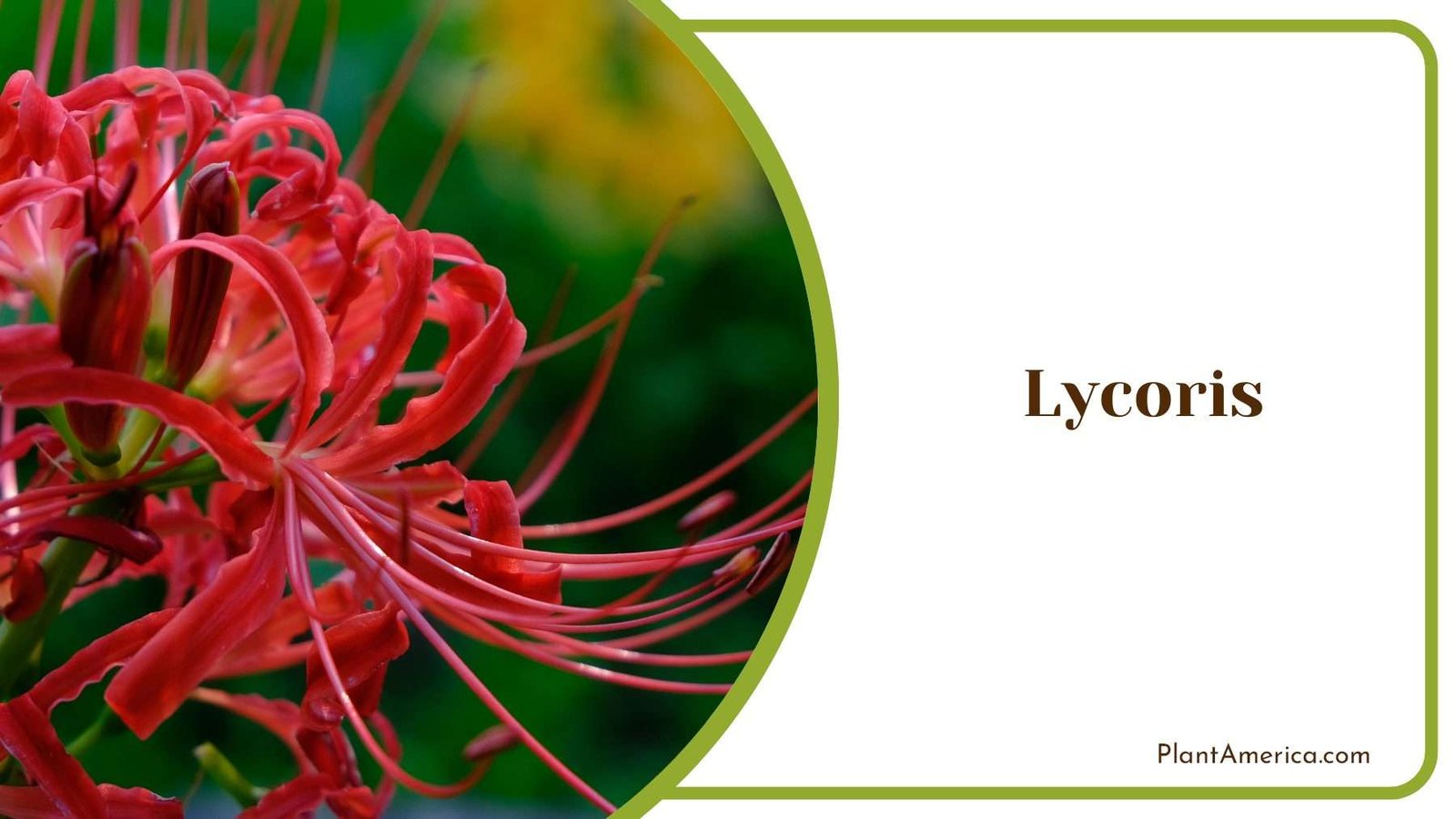
- Growing season: Full sun, Blooms in late summer and fall
- Leaf shape: Long, Strappy leaves
- Specific needs: Moist, well-draining soil, Winter dormancy
- Common pest: Nematodes, Bulb mites
Tigridia bulbs produce vibrant funnel-shaped blooms in hues of gold, orange and scarlet that appear in late summer and autumn. Their bright display cheers fading autumn gardens. For optimal flowering the following year, plant tigridia bulbs in early fall at a depth of three to four times the bulb height, spacing them six to eight inches apart in well-draining soil. The thin, sword-like leaves die back over winter once blooming finishes.
Tigridia spread reliably through reseeding and easily naturalize in borders, meadows and rockeries. To encourage additional stems and larger blooms the next season, divide congested clumps in spring every two to three years, replanting the offsets immediately.
Tigridia flowers open funnel-shaped at first, with the petals fused near the base. As they mature, the petals spread outward to reveal a central flame of gold stamens. Blooms in shades of orange and scarlet provide a vibrant finale to the season, brightening the landscape even as daylight hours shorten.
After blooming finishes, leave the foliage intact as long as possible to feed the bulbs for next year’s display. Then cut stems back and cover the soil with mulch to protect the bulbs over winter.
The radiant blooms of tigridia lighting up the end of summer symbolize the enduring vitality of the human spirit, rekindling hope amid life’s brevity. Plant tigridia bulbs this fall for a cheerful display of brilliant blooms next year that will lift your spirits as summer ends. Their glorious colors serve as a reminder of life’s tenacious ability to thrive anew.
14. Hardy Amaryllis
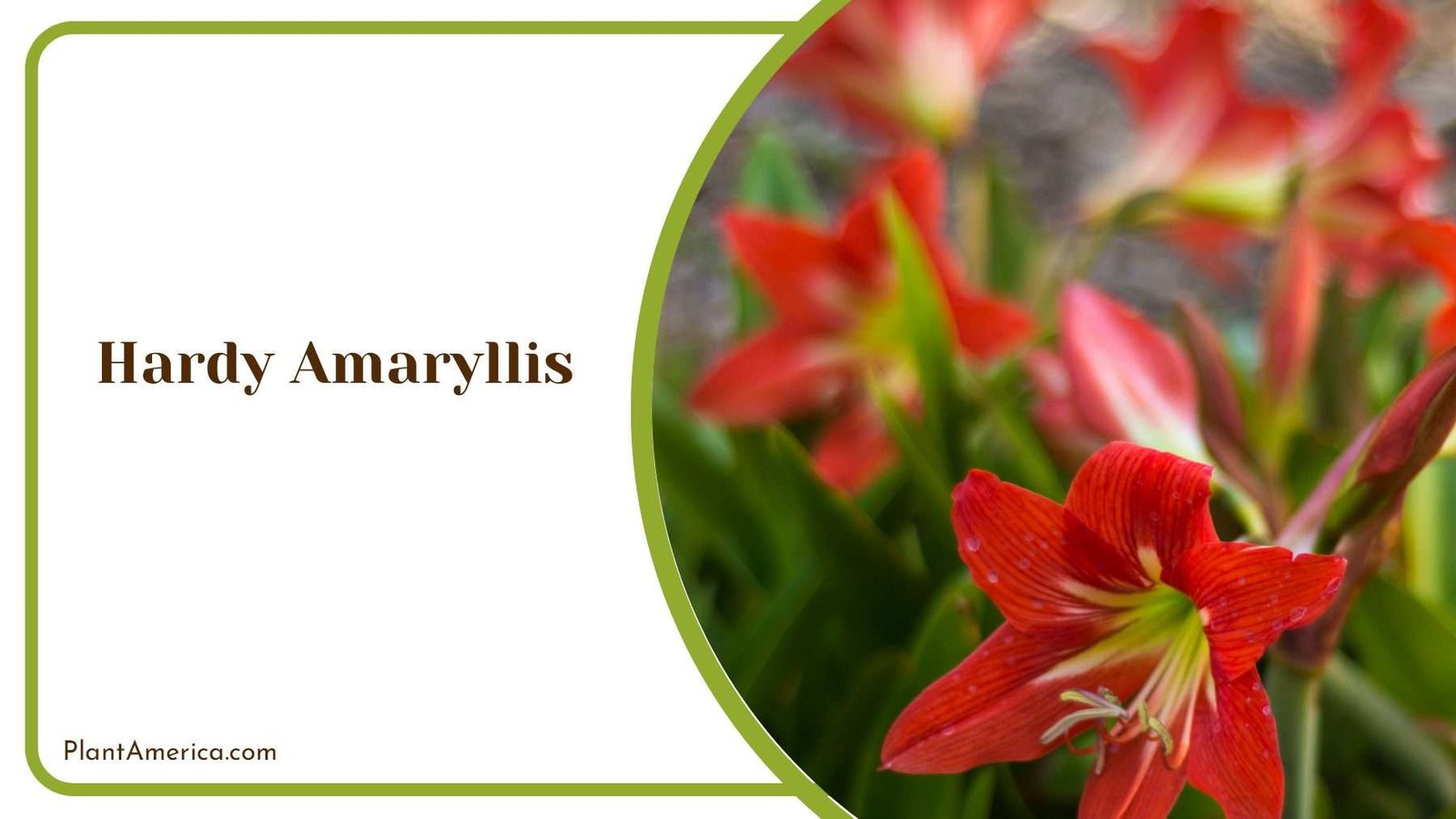
- Growing season: Full sun to partial shade, Blooms in fall
- Leaf shape: Broad, Strappy leaves
- Specific needs: Well-draining soil, Winter dormancy
- Common pest: Nematodes,Mealybugs
Hardy amaryllis bear clusters of showy trumpet-shaped blooms in red rose and white hues that appear in autumn. Their strappy leaves persist green through winter before re-emerging in spring. For optimal bloom, plant hardy amaryllis bulbs in early fall at a depth two to three times the bulb height. Space bulbs six to eight inches apart in free-draining soil.
Provide ample drainage during winter to prevent bulb rot. Monitor soil moisture levels and only water when the top few inches of soil feel dry. Prune foliage back after blooming ends but avoid removing completely as leaves replenish bulb energy reserves. Hardy amaryllis spread readily through self-sown seeds and naturally reproduce in borders, meadow gardens, and lawns.
Their late-season color extends the growing season. The cheerful blooms of hardy amaryllis lighting up fading autumn gardens symbolize the indomitable persistence of the human spirit, resiliently renewing hope even amid life’s seasonal changes. Plant hardy amaryllis bulbs for clusters of radiant blooms next autumn that will delight you for years. Their simple beauty reminds them of life’s eternal ability to revive and renew.
Conclusion
Fall blooming bulbs are a beautiful way to extend your garden’s life into the cooler months. The bulbs on this list will provide vivid color when you need a boost as summer ends.
- Hardy Nerine produces cheerful Fall flowers in purple, pink, and yellow shades.
- Autumn snowflakes brighten borders and rock gardens with clusters of white and yellow blooms.
- Cyclamen fill beds and containers with late-season colors from red, orange, and purple flowers.
As the days grow shorter and the air turns crisp, these bulbs will shine their brightest, lighting up your garden and bringing you moments of joy with each bloom. Fall blooming bulbs provide hope that even as one season ends, another wonderful season of growth lies waiting just beneath the soil.