
Elderberry varieties of the Adoxaceae family offer so much for your backyard or small farm. Whether you want colorful landscaping, tasty jams, and pies, or potent medicinal remedies, we’ll show you the top elderberry varieties to grow for maximum benefit.

From the reliable classic American elder to new hybrid varieties with better flavors and yields, you’ll learn about different kinds of elderberries and how to choose the right ones for your needs and space. So if you’re ready to start growing nature’s superfruit in your own garden, read on to discover the best elderberry varieties for food, medicine, and beauty!
Elderberry Varieties To Include in Your Collection
1. York
- Growing season: Grows year-round and produces fruit in late summer.
- Leaf shape: Oval, Toothed margins.
- Specific needs: Full sun, well-drained soil.
- Common pests: Aphids, Mites.
The York elderberry is valued for its large, abundant fruit clusters that can yield up to two pounds of deep purple-black berries. The flavor is mild and perfect for jams, juice, syrup, and wine. York trees tend to be large and upright, growing to 12 to 15 feet tall and producing heavy crops once established.
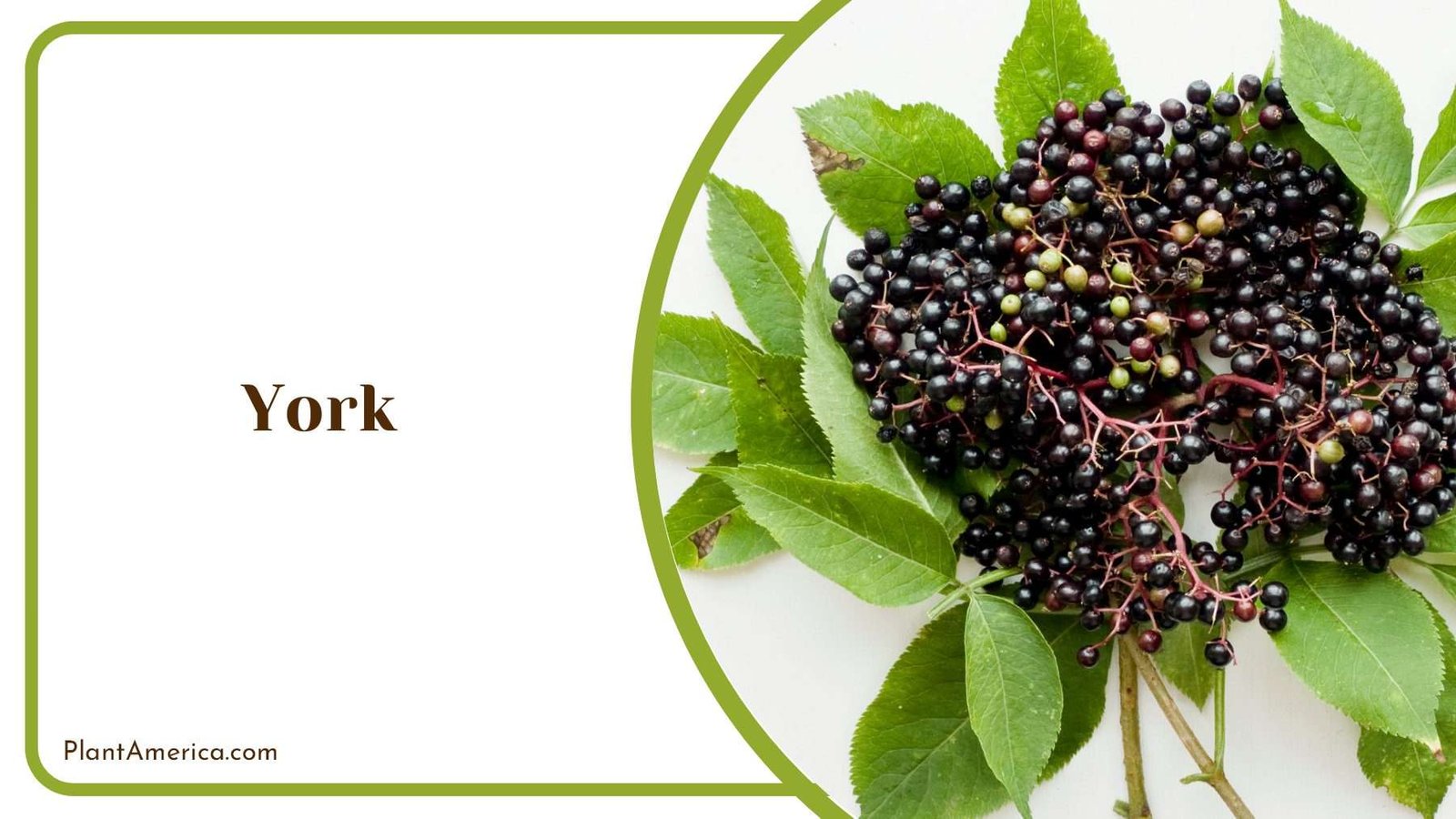
They require little care apart from some pruning and pest monitoring. York elderberries produce clusters containing up to 250 berries each. The fruit color is a deep, rich purple-black that makes exceptional wine and juice. The flavor is described as mild and moderately sweet with mild acidity, making it well-suited for culinary uses. The juice yields are among the highest of any elderberry variety.
York elderberry trees have a mature spread of 10 to 15 feet and tend to grow taller than wider with an upright oval shape. The large size and vigorous growth habit mean York elderberries can provide a sizable harvest once established. The foliage is glossy dark green, and the toothed oval leaves remain on the branches through winter, providing ornamental value.
York elderberries start producing fruit at three to four years old and hit their full-bearing prime at around 7 to 10 years. Many bushes live and continue producing for 20 years or more. The harvest period is mid to late summer, depending on your growing zone. The fruit usually ripens uniformly, making it easy to harvest the entire crop at once.
2. Bob Gordon
- Growing season: Grows year-round, Produces fruit late summer.
- Leaf shape: Oval, Toothed margins.
- Specific needs: Full sun, well-drained soil.
- Common pests: Aphids, Mites.
The Bob Gordon elderberry produces a distinctive red fruit that ripens to a deep burgundy color. The flavor is described as exceptionally good for wine, jelly, and syrup. The foliage is glossy dark green, and the upright habit reaches 8 to 10 feet tall. Bob Gordon is highly disease-resistant and a heavy bearer once established.

As the berries ripen in late summer, the color deepens to a rich burgundy hue that retains its red tones even when cooked. The flavor profile is described as a sweet acidity that balances the sweetness, making it perfect for culinary uses like wine, juice, syrup, and jelly, where its distinctive red color also enhances recipes.
Bob Gordon elderberry bushes have an upright habit reaching 8 to 10 feet tall at maturity. The branches tend to grow in a vase shape, giving the bushes a fully rounded form. The glossy dark green foliage remains attractive throughout the growing season with ornamental value even in winter. Bob Gordon plants are highly disease-resistant compared to other varieties and have minimal issues with fungal infections or pests.
3. Adams II
- Growing season: Grows year-round, Produces fruit late summer.
- Leaf shape: Oval, Toothed margins.
- Specific needs: Full sun, well-drained soil.
- Common pests: Aphids, Mites.
Adams II elderberry (Sambucus racemosa ‘Adams II’) is a cultivar of the red elderberry species. It is a large shrub that grows into a small tree, reaching heights around 10 to 15 feet tall. Adams II elderberry produces erect, terminal clusters of creamy-white flowers in spring that are mildly fragrant. The sweet, purplish-black fruits appear in late summer and persist into fall.

This elderberry cultivar thrives in full sun and average, well-drained soil. The brighter white flowers, larger berries, and taller size distinguish Adams II elderberry from other red elderberry cultivars. The elongated berry clusters and abundant fruit production make Adams II elderberry valuable for landscaping, wildlife habitat, and home gardens.
4. Black Beauty
- Growing season: Grows year-round, Produces fruit late summer.
- Leaf shape: Oval, Toothed margins.
- Specific needs: Full sun, well-drained soil.
- Common pests: Aphids, Mites.
Black Beauty elderberry (Sambucus nigra ‘Black Beauty’) is a cultivar of the European elder species. Black Beauty elderberry produces flat-topped clusters of white flowers in spring that are mildly fragrant. The purplish-black fruits appear in late summer to early fall and persist into winter.
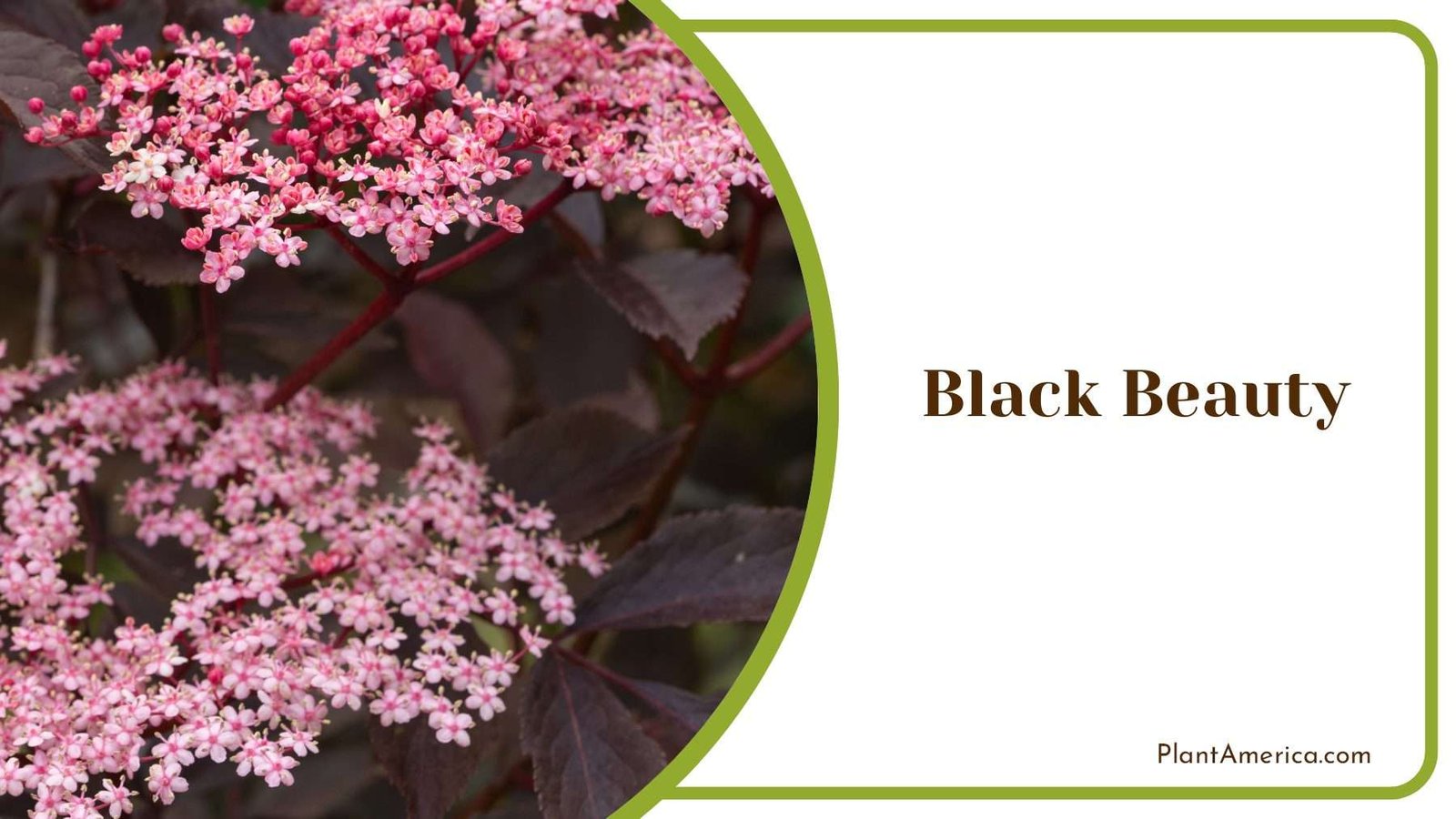
This cold-hardy elderberry cultivar thrives in full sun to partial shade and average, well-drained soil. The deeply colored berries that hold well onto the branches distinguish Black Beauty elderberry. The abundant, elongated berry clusters and high fruit production make Black Beauty elderberry valuable for landscaping, wildlife habitat, and edible gardens.
5. Wiley
- Growing season: Grows year-round, Produces fruit late summer.
- Leaf shape: Oval, Toothed margins.
- Specific needs: Full sun, well-drained soil.
- Common pests: Aphids, Mites.
Wiley elderberry (Sambucus wileyi) is a species of North American elderberry. In spring, Wiley elderberry produces flat-topped cymes of creamy white flowers that arise from the leaf axils. The flowers are mildly fragrant and attract pollinators. In summer through fall, the plant produces attractive clusters of purplish-black, edible berries that provide food for birds and other wildlife.
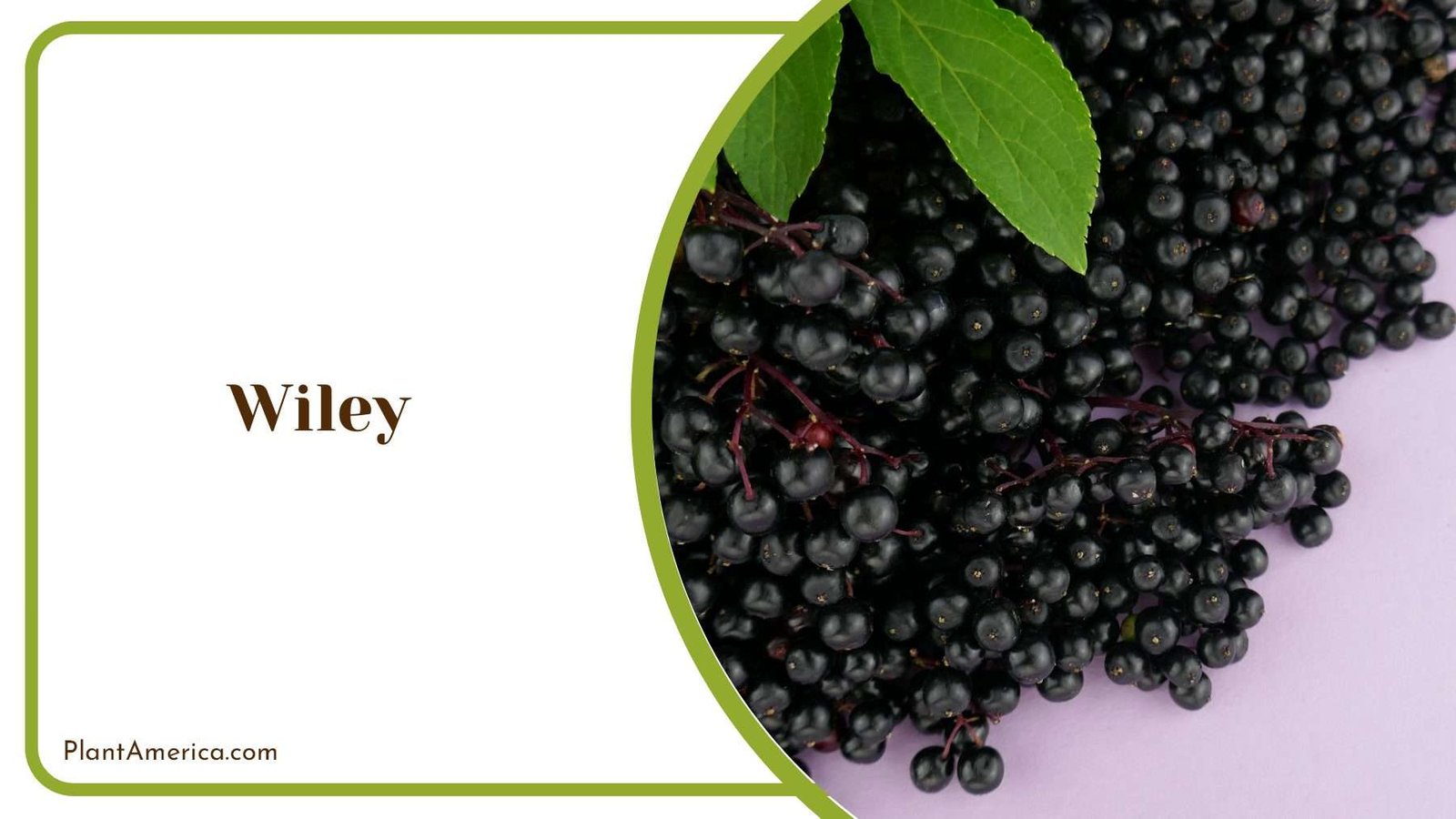
This elderberry prefers full sun and average, well-drained soil. It is native to moist areas along streams and rivers in the central and southwestern United States. Wiley elderberry is less commonly planted as an ornamental plant compared to other elderberry species due to its smaller size and narrower natural range.
6. Nova
- Growing season: Grows year-round, Produces fruit late summer.
- Leaf shape: Oval, Toothed margins.
- Specific needs: Full sun, well-drained soil.
- Common pests: Aphids, Mites.
Nova elderberry (Sambucus canadensis ‘Nova’) is a cultivar of the American elderberry species. Nova elderberry produces flat-topped clusters of white flowers in spring that are mildly fragrant. In late summer through fall, abundant fruit clusters of purplish-black berries appear and persist into winter.
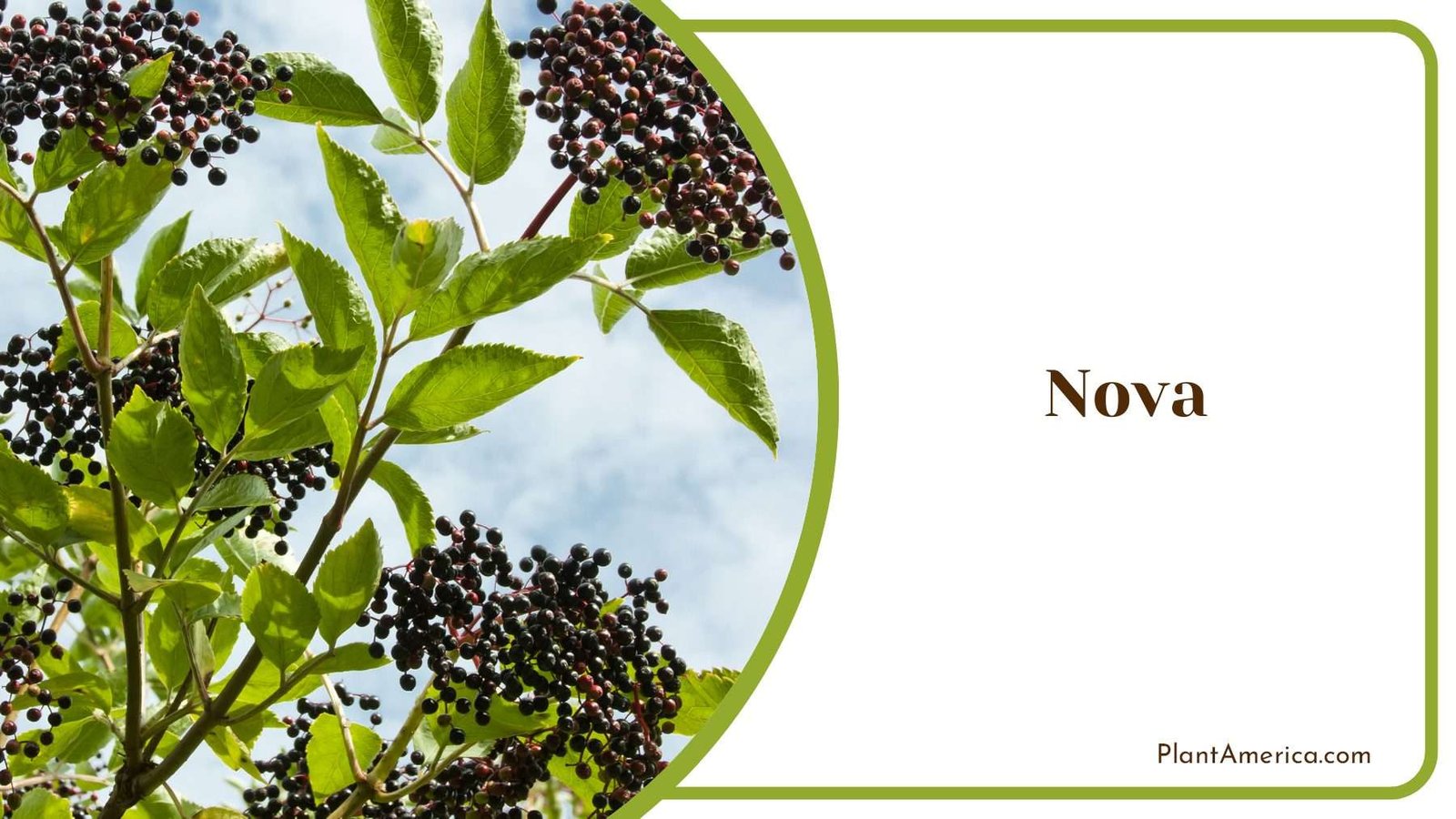
This elderberry cultivar thrives in full sun to partial shade and average, well-drained soil. The Nova cultivar was specifically bred for its large berries and high yield of fruit. The abundant berry clusters and large fruit size make Nova elderberry valuable for edible landscaping, wildlife habitat, and home gardens.
7. Otto
- Growing season: Grows year-round, Produces fruit late summer.
- Leaf shape: Oval, Toothed margins.
- Specific needs: Full sun, well-drained soil.
- Common pests: Aphids, Mites.
Otto elderberry (Sambucus canadensis ‘Otto Luyken’) is a cultivar of the American elderberry species. Otto elderberry produces erect clusters of white flowers in spring that are mildly fragrant. In late summer through early fall, abundant fruit clusters of purplish-black berries appear that persist in fall.
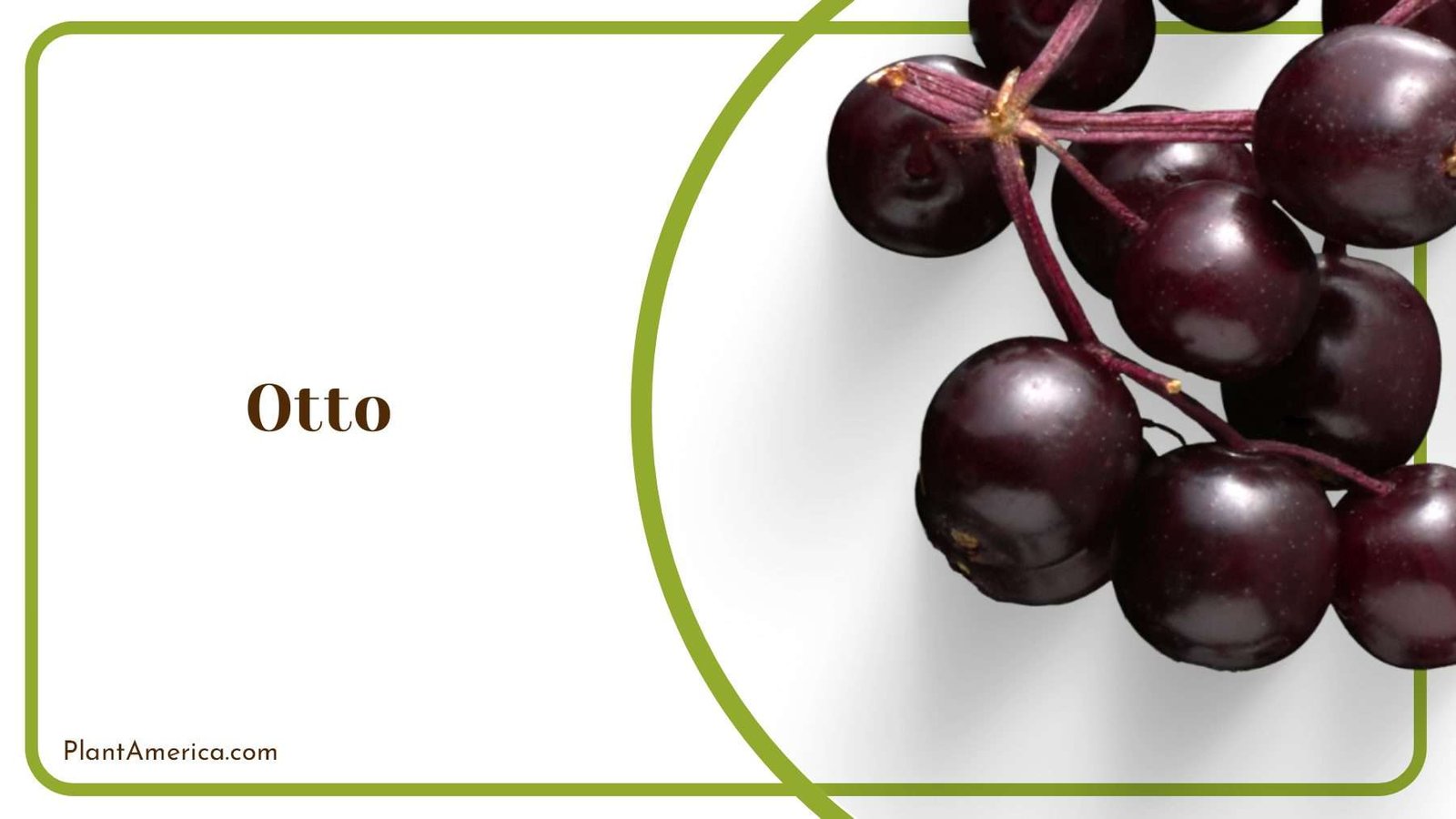
This elderberry cultivar thrives in full sun and average, well-drained soil. The berries of Otto elderberry tend to be larger, darker in color, and more abundant compared to other American elderberry cultivars. The elongated berry clusters and high fruit production make Otto elderberry valuable for wildlife habitat, edible landscaping, and home gardens.
8. Hildegard
- Growing season: Grows year-round, Produces fruit late summer.
- Leaf shape: Oval, Toothed margins.
- Specific needs: Full sun, well-drained soil.
- Common pests: Aphids, Mites.
Hildegard elderberry (Sambucus nigra ‘Hildegard’) is a cultivar of the European elder species. It is a large shrub that grows into a small tree, reaching heights of around 8 to 10 feet tall and spreading 6 to 12 feet wide. The foliage consists of pinnately compound leaves with 7 to 11 oblong, serrated leaflets that are dark green above and paler below.
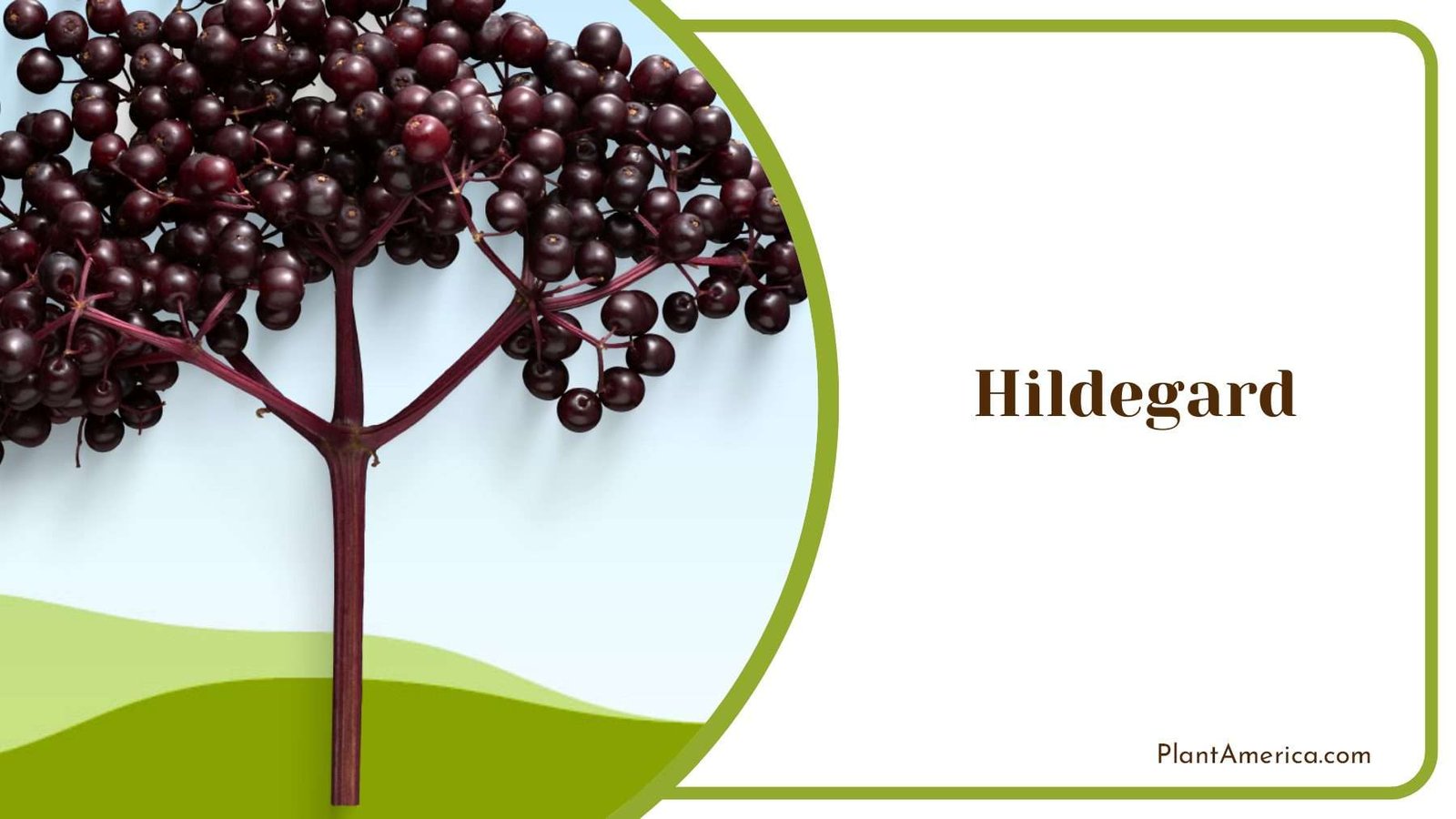
Hildegard elderberry produces flat-topped clusters of white flowers in spring that are mildly fragrant. In late summer through early fall, abundant clusters of large, dark purple berries appear that persist into winter. This cold-hardy elderberry cultivar thrives in full sun to partial shade and average, well-drained soil. The large berry size and high yield distinguish Hildegard elderberry.
9. Lexington
- Growing season: Grows year-round, Produces fruit late summer.
- Leaf shape: Oval, Toothed margins.
- Specific needs: Full sun, well-drained soil.
- Common pests: Aphids, Mites.
Lexington elderberry (Sambucus canadensis ‘Lexington’) is a cultivar of the American elderberry species. It is a large shrub that grows into a small tree, reaching heights of around 12 feet tall and spreading 10 feet wide. The foliage consists of pinnately compound leaves with five to nine oblong, toothed leaflets that are dark green on top and lightly hairy below.
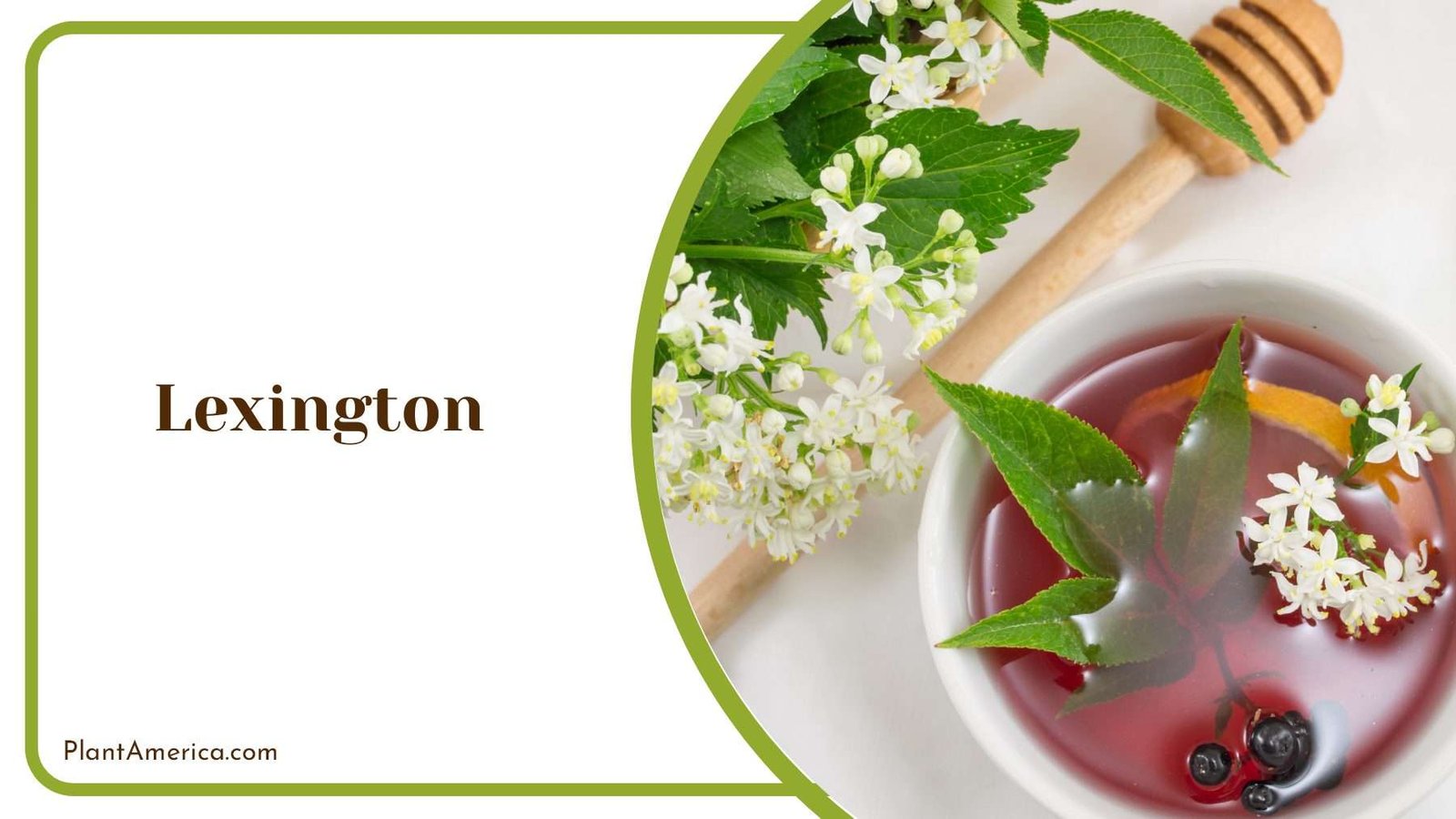
Lexington elderberry produces flat-topped cymes of white flowers in spring that are mildly fragrant. In late summer through fall, abundant clusters of large purple-black berries appear and persist into winter. This elderberry cultivar prefers full sun and well-drained soil. The Lexington cultivar was bred for its large berries and outstanding berry production compared to other American elderberries.
10. Borealis
- Growing season: Grows year-round, Produces fruit late summer.
- Leaf shape: Oval, Toothed margins.
- Specific needs: Full sun, well-drained soil.
- Common pests: Aphids, Mites.
Borealis elderberry (Sambucus nigra ‘Borealis’) is a cultivar of the European elder species. It is a large shrub that grows into a small tree, reaching heights around 10 to 15 feet tall and spreading 8 to 12 feet wide. The foliage consists of pinnately compound leaves with 7 to 13 oblong, serrated leaflets that are dark green above and lighter below.
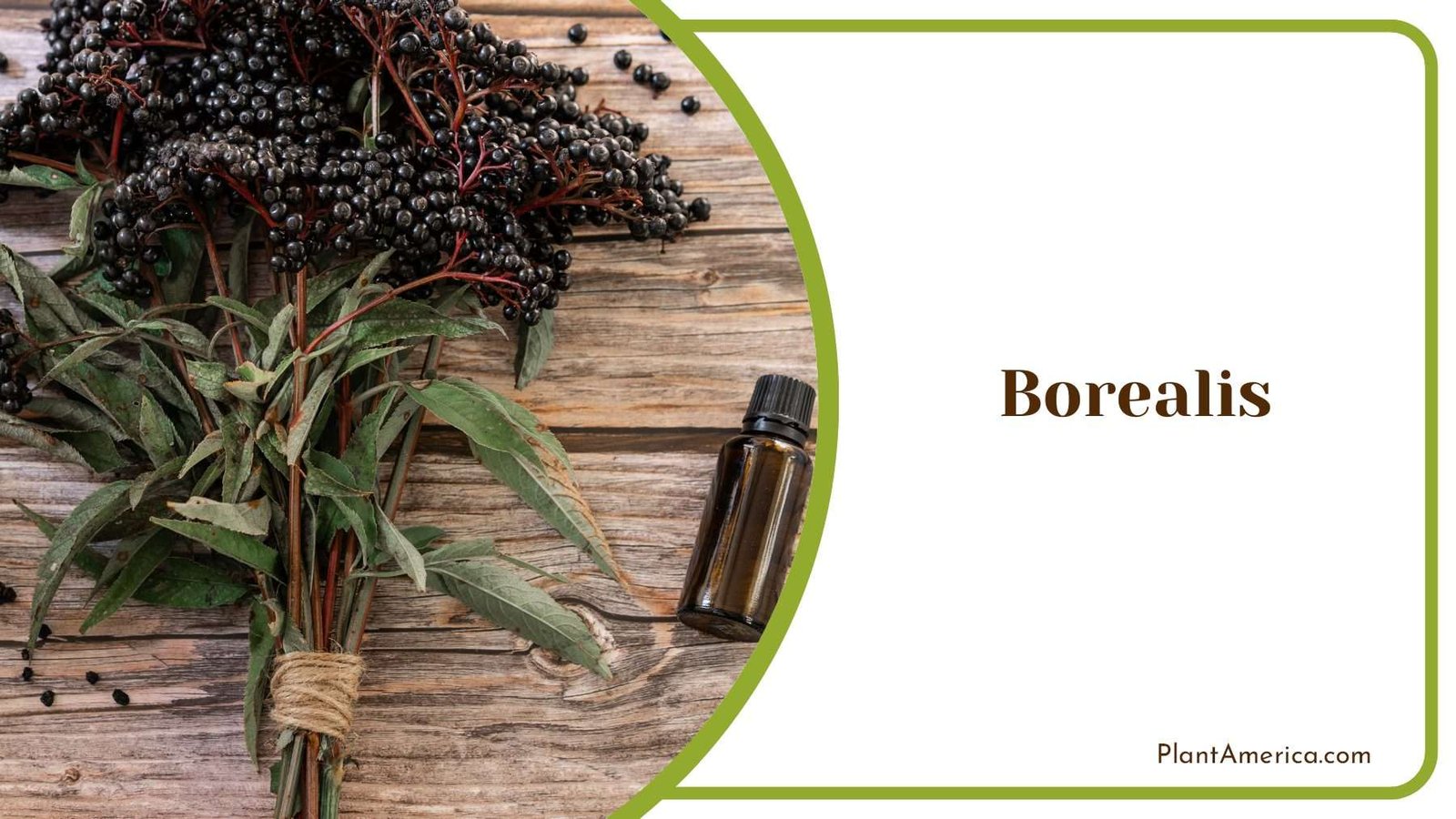
Borealis elderberry produces flattened cymes of white flowers in spring that are mildly fragrant. In late summer through fall, large clusters of dark blue-black berries appear and persist into winter. This cold-hardy elderberry cultivar prefers full sun and well-drained soil. The tall size, large berries, and abundant fruit production distinguish Borealis elderberry compared to other European elder cultivars.
11. Stark Hardy Giant
- Growing season: Grows year-round, Produces fruit late summer.
- Leaf shape: Oval, Toothed margins.
- Specific needs: Full sun, well-drained soil.
- Common pests: Aphids, Mites.
Stark Hardy Giant elderberry (Sambucus nigra ‘Stark Hardy Giant’) is a cultivar of the European elder species. It is a very large shrub that grows into a small tree, reaching heights around 18 to 20 feet tall and spreading 12 to 15 feet wide. The foliage consists of pinnately compound leaves with 11 to 15 oblong, serrated leaflets that are dark green above and lighter below.
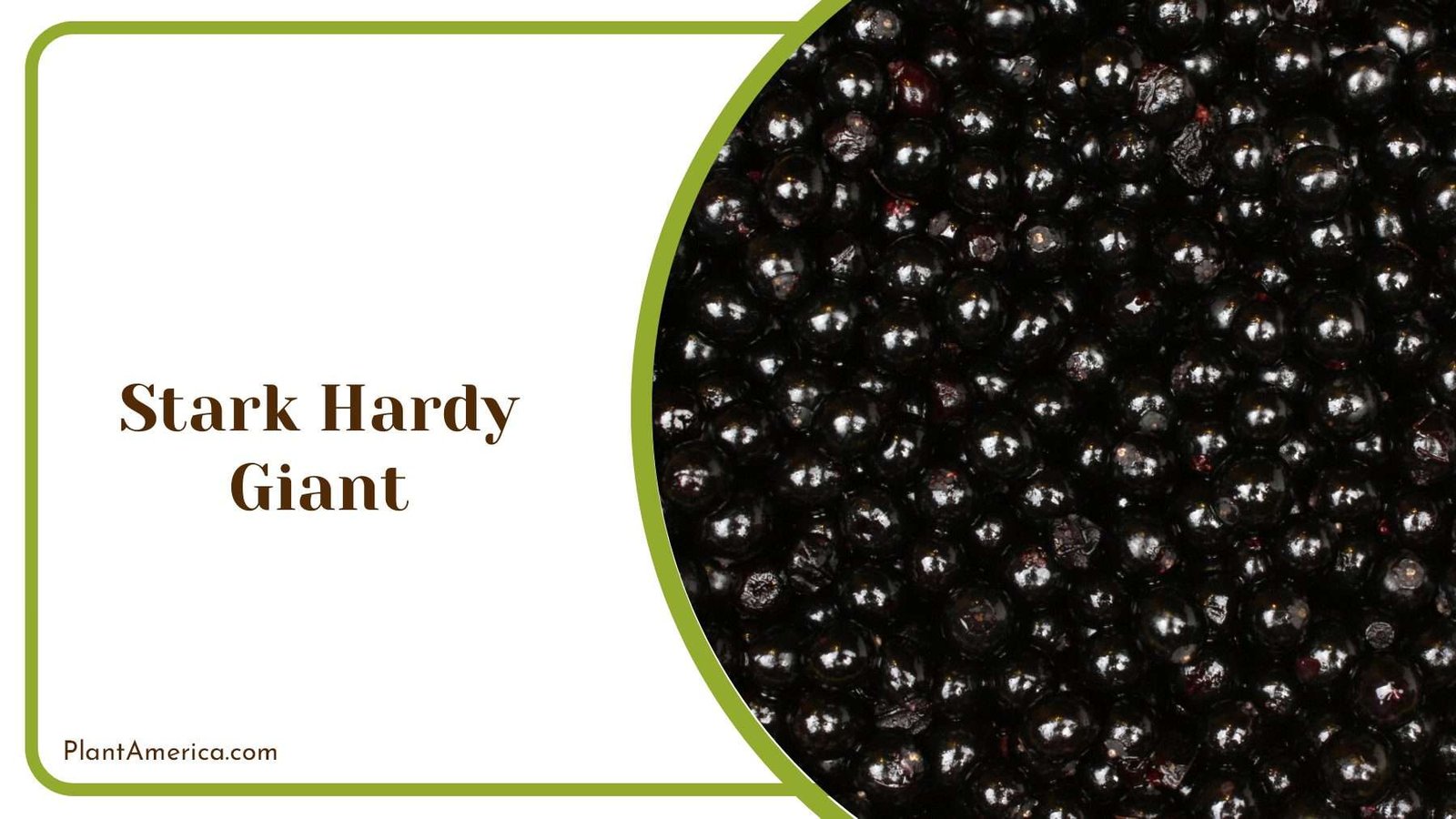
Stark Hardy Giant elderberry produces flattened cymes of white flowers in spring that are mildly fragrant. In late summer through fall, enormous clusters of dark purple berries appear and persist into winter. This cold-hardy elderberry cultivar prefers full sun and well-drained soil. The huge size, very large berries, and high fruit yields distinguish Stark Hardy Giant elderberry compared to other European elderberry cultivars.
12. Lemonade
- Growing season: Grows year-round, Produces fruit late summer.
- Leaf shape: Oval, Toothed margins.
- Specific needs: Full sun, Well-drained soil.
- Common pest: Aphids, Mites.
Lemonade elderberry (Sambucus pubens) is a species of American elderberry native to western North America. It is a deciduous shrub that typically grows 6 to 10 feet tall with a similar spread. The foliage consists of pinnately compound leaves with five to nine elliptic, serrated leaflets that are yellow-green above and lightly hairy below. Check out some companion plants you can add next to your elderberry.
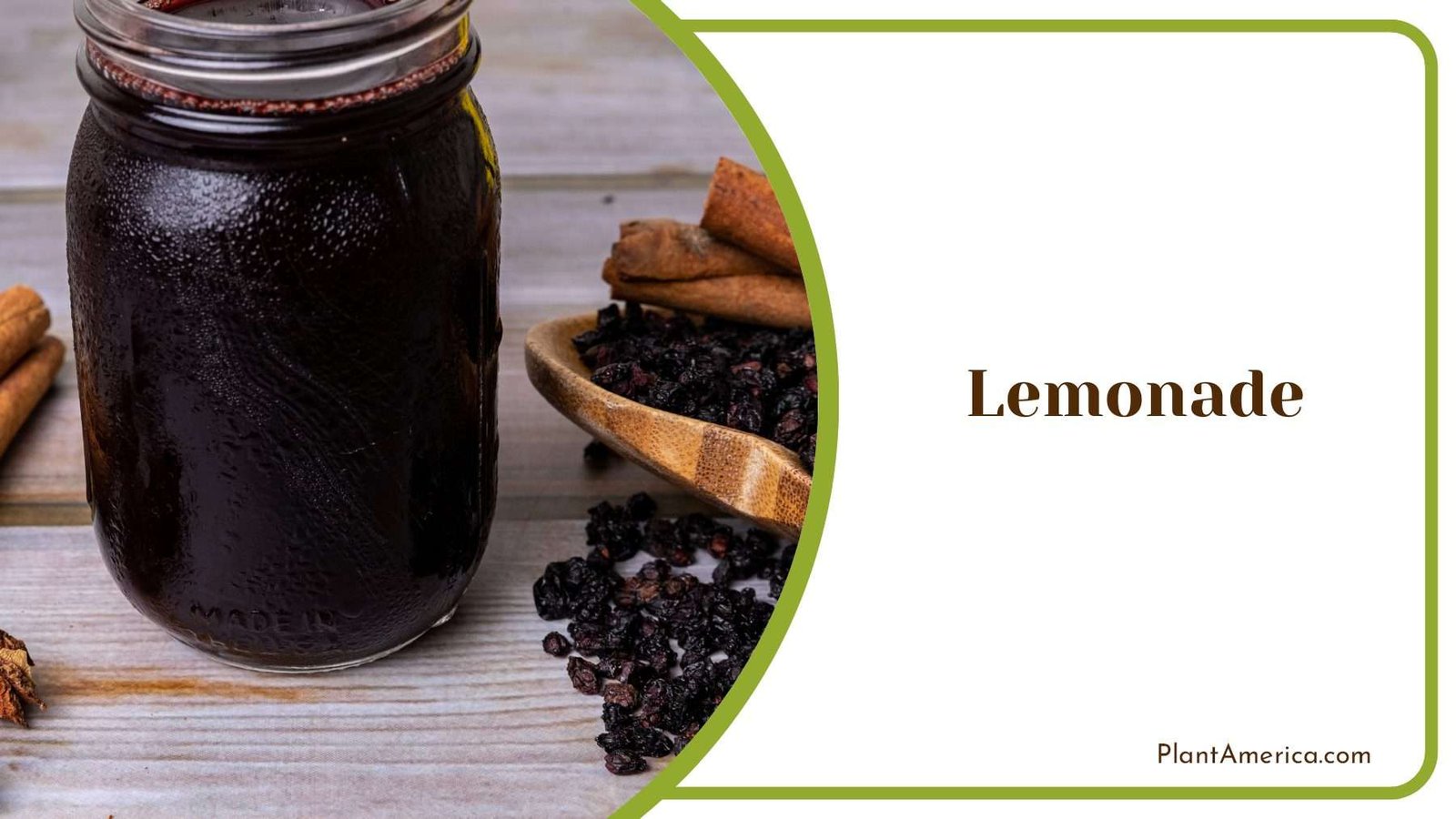
Lemonade elderberry produces flat-topped cymes of pale yellow flowers from late spring to early summer that are mildly fragrant. In fall, clusters of bright red berries appear that provide food for birds and wildlife through winter. This elderberry prefers full sun and well-drained soil. It is native to open woodlands, hillsides, and meadow edges from British Columbia to California.
13. Jersey
- Growing season: Grows year-round, Produces fruit late summer.
- Leaf shape: Oval, Toothed margins.
- Specific needs: Full sun, Well-drained soil.
- Common pest: Aphids, Mites.
Jersey elderberry (Sambucus nigra ‘Jersey’) is a cultivar of the European elder species. It is a large shrub that grows into a small tree, reaching heights around 12 to 18 feet tall and spreading 10 to 15 feet wide. The foliage consists of pinnately compound leaves with 9 to 13 oblong, serrated leaflets that are dark green above and lighter below.
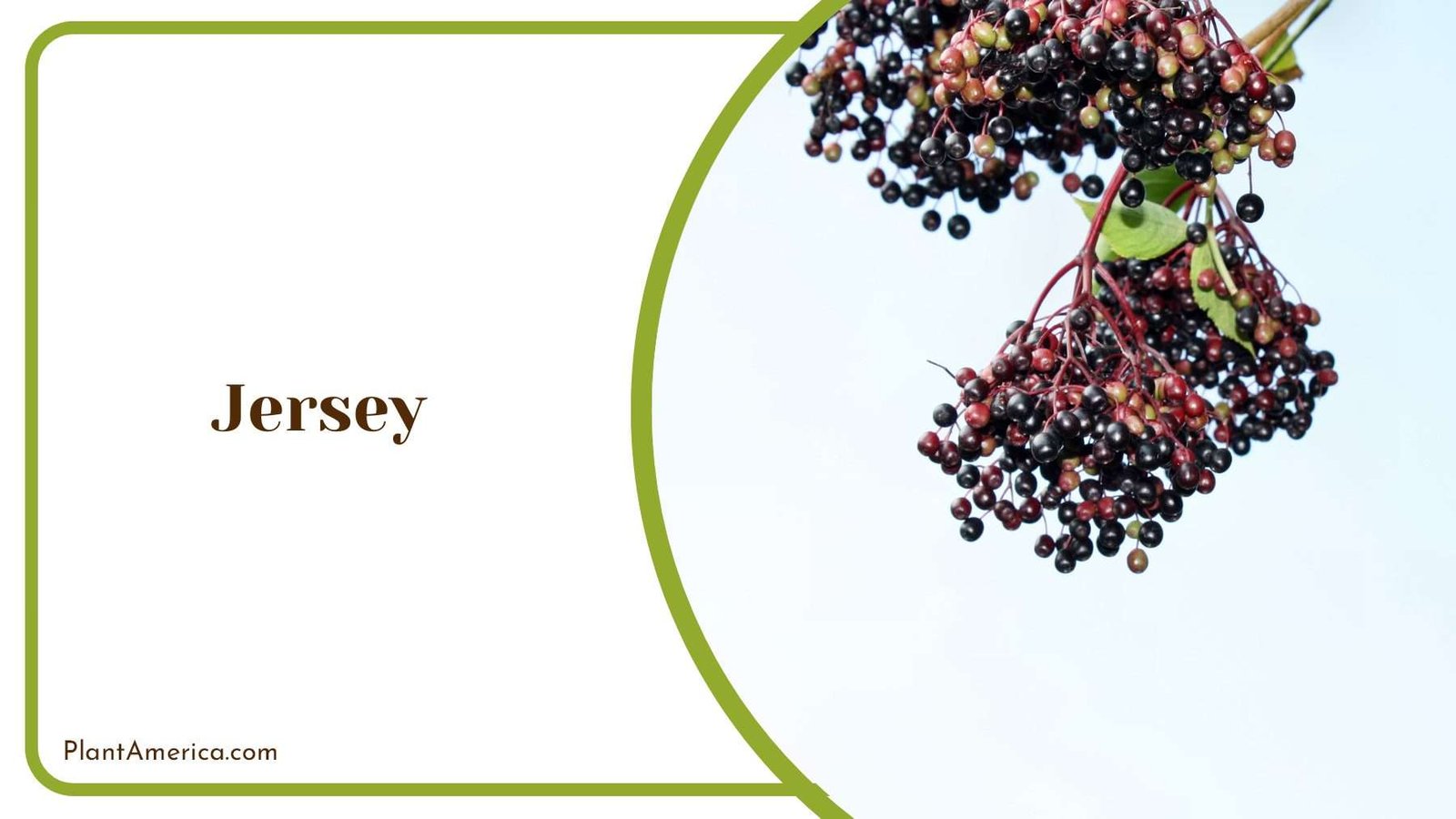
Jersey elderberry produces flattened cymes of white flowers in spring that are mildly fragrant. In late summer through fall, large clusters of dark purple berries appear and persist into winter. This cold-hardy elderberry cultivar prefers full sun and well-drained soil. The tall size, very large berries, and abundant fruit yields distinguish Jersey elderberry compared to other European elderberry cultivars.
The elongated berry clusters and high fruit production make Jersey elderberry valuable for landscaping, edible gardens, and wildlife habitat. The large berries are edible for people and provide antioxidants, vitamins, and minerals. The plant also attracts beneficial insects and birds to gardens with its flowers and fruit. Jersey elderberry requires minimal care once established and is resistant to most pests and diseases.
14. Brooklyn
- Growing season: Grows year-round, Produces fruit late summer.
- Leaf shape: Oval, Toothed margins.
- Specific needs: Full sun, Well-drained soil.
- Common pest: Aphids, Mites.
Brooklyn elderberry (Sambucus nigra ‘Brookfield’) is a cultivar of the European elder species. It is a large shrub that grows into a small tree, reaching heights around 12 to 16 feet tall and spreading 10 to 12 feet wide.
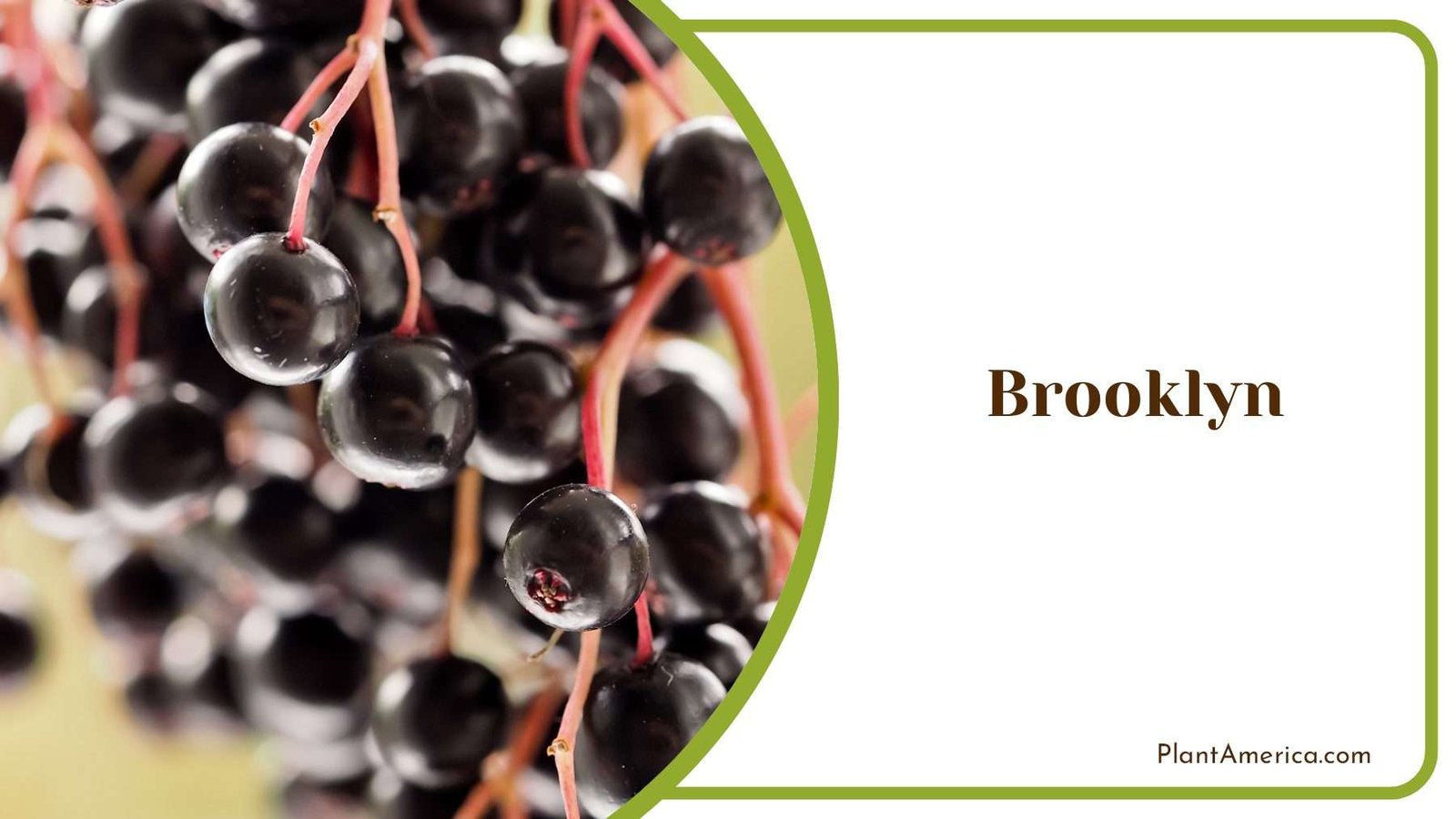
The foliage consists of pinnately compound leaves with 9 to 15 oblong, serrated leaflets that are dark green above and lighter below. Brooklyn elderberry produces flattened cymes of white flowers in spring that are mildly fragrant.
In late summer through fall, large clusters of dark purple berries appear that persist into winter. This cold-hardy elderberry cultivar thrives in full sun and well-drained soil. The large berries, high yields, and tall stature distinguish Brooklyn elderberry compared to other European elderberry cultivars.
The abundant berry clusters make Brooklyn elderberry valuable for landscaping, edible gardens, and wildlife habitats. The large berries are edible for humans and provide antioxidants, vitamins, and minerals. The fragrant flowers and colorful fruit also attract beneficial insects and birds to the garden. Brooklyn elderberry requires minimal care once established and is resistant to most pests and diseases.
Conclusion
We have explored some of the best elderberry varieties for delicious harvests that offer bountiful rewards for gardeners with limited space.
- York elderberry is valued for its extremely large and abundant fruit clusters that can weigh up to two pounds and yield over 500 berries.
- Bob Gordon produces a distinctive red fruit that ripens to a deep burgundy color.
- Adams II offers an improved version of the original Adams with larger berries, earlier ripening, and hardier, more vigorous bushes.
- Black Beauty elderberry produces high yields of deep jet black berries that are large in size and great for fresh eating, jam, and adding vibrant color to recipes.
- Compact Nova elderberries reach only six to eight feet tall and produce abundant crops of berries best suited for juice, jelly, and syrup with their sweet and mild flavor.
With a range of sizes, yields, ripening times, colors, and flavors, you can select elderberry varieties that will thrive in your space and provide exactly what you want from your harvest whether it’s fresh eating, culinary ingredients, or medicinal uses. Growing your own elderberries will allow you access to this superfruit’s bounty of health benefits, versatile flavors, and natural beauty for years to come. Check how to propagate your elderberries plants.