
Dwarf Weeping Trees disproportionately impact limited landscapes, creating an ethereal sense of calm with their willowy branches that belie their miniature statures. In this guide, we’ll introduce you to 20 miniature marvels of dwarf weeping tree varieties that stay compact forever, providing textural grace and full-season beauty no matter how restricted your space is. From colorful weeping cherries to elegant weepy willows, you’ll meet magnificently petite magnolias, heavenly Japanese maples, and more, gaining tips to help you choose and grow tree jewels that maximize visual drama on minimal real estate.
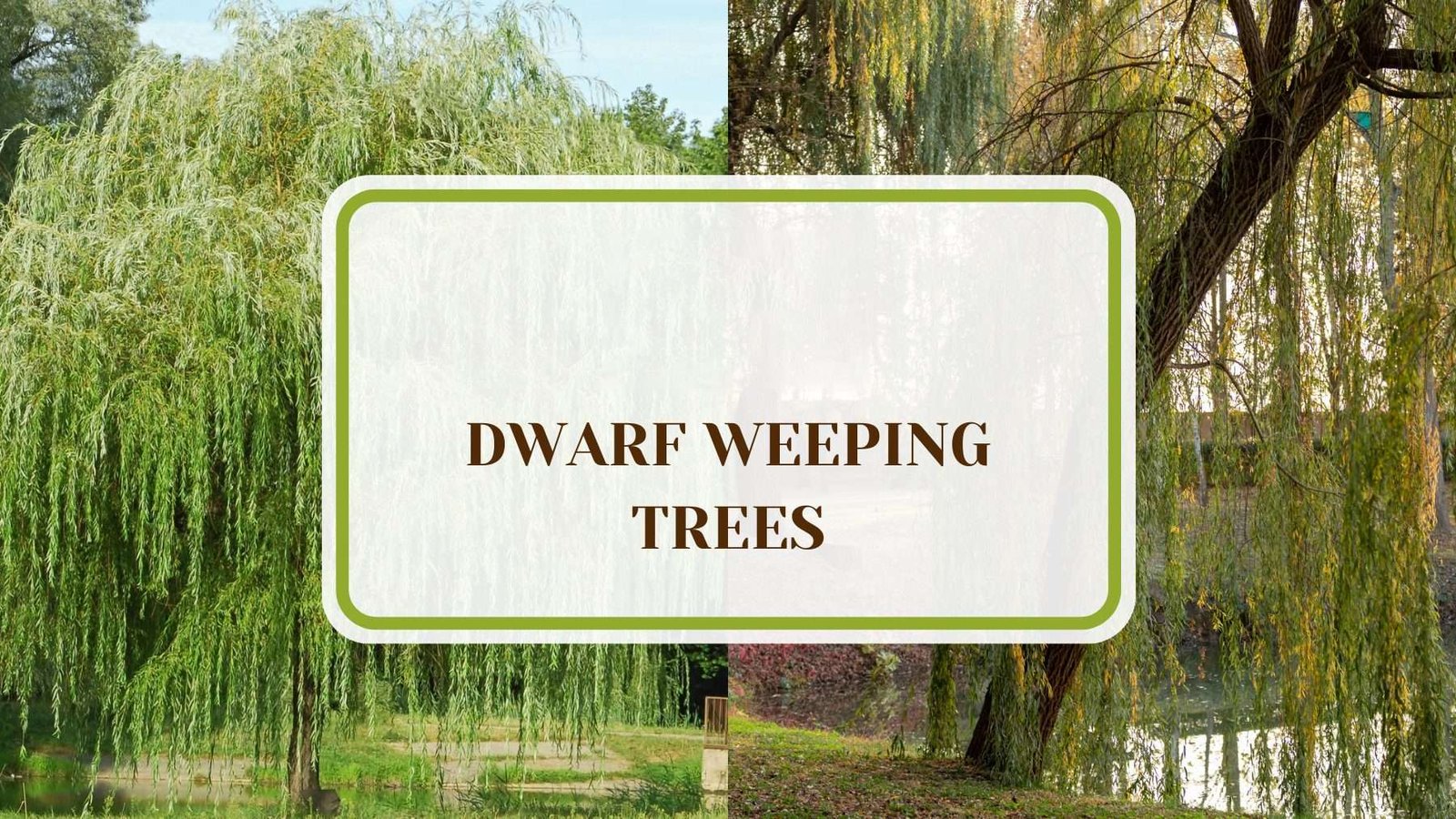
So whether you dream of cascading canopies or just a whisper of weeping wonder, join us as we help you find and grow your perfectly petite flowering tree to transform any tiny nook into an enchanted sanctuary.
Popular Dwarf Weeping Trees For Tranquil Tiny Gardens
1. Weeping Cherry
- Growing Season: Spring.
- Leaf Type: Oval to oblong, Various fall colors.
- Specific Needs: Part sun to shade, Regular water, Well-draining soil.
- Common Pests: Aphids, Leaf spots, Scale insects.
The weeping cherry is a small ornamental tree producing clusters of white to pink flowers in spring, followed by dark purple-black fruits. The simple oval leaves emerge after blooming and change to yellow, orange, or red hues in the fall before dropping. These dwarf weeping trees thrive in part sun or shade and require consistent moisture and rich, well-draining soil.
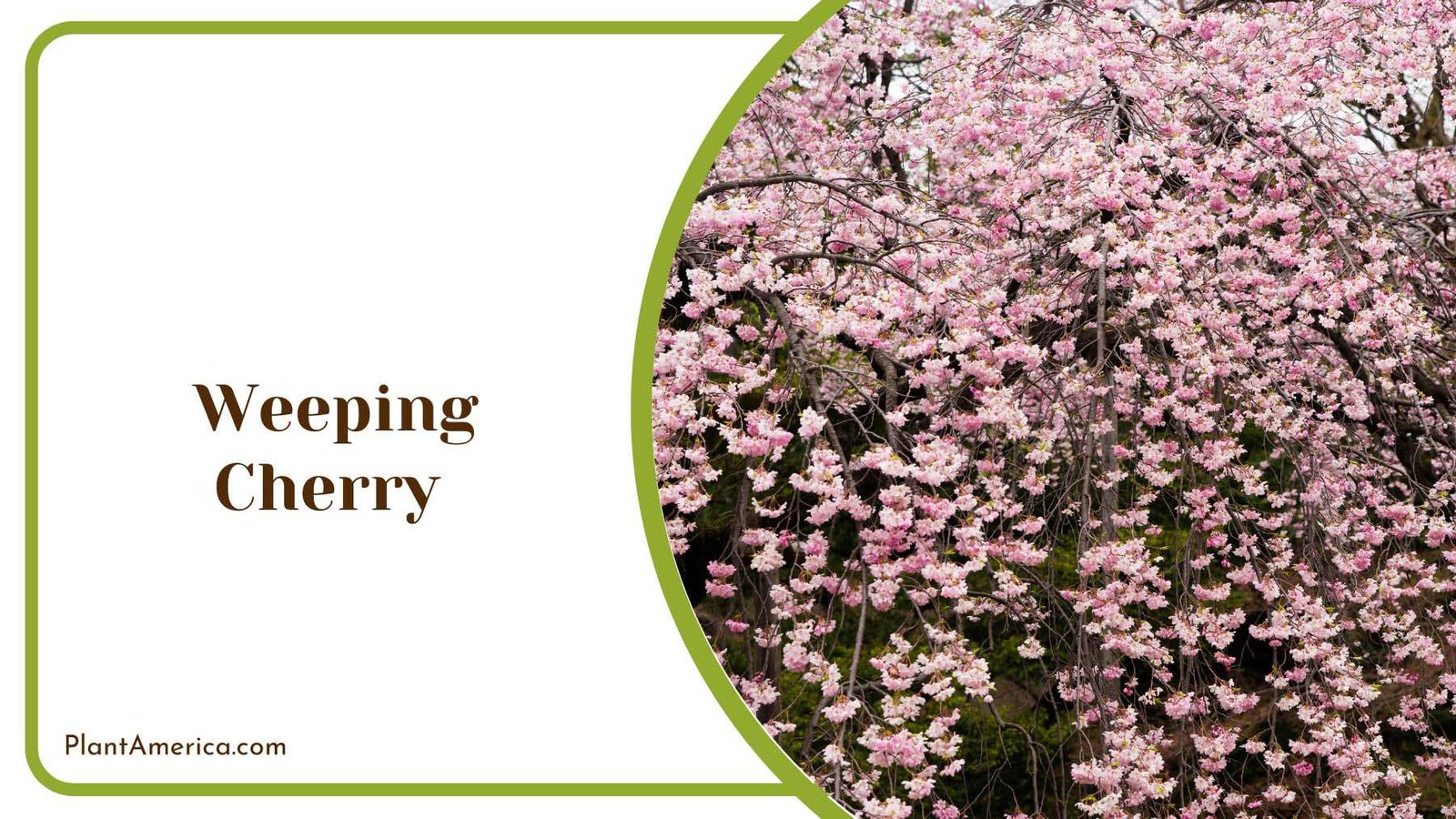
The profuse spring blooms and naturally weeping form make weeping cherry an ideal choice for adding visual drama and spring color dwarf weeping tree where space is limited. The cascading catkins recall strings of pink blossoms floating gently in the breeze, lending a feeling of peace and tranquility to small landscapes.
2. Dwarf Korean Mountain Ash
- Growing Season: Spring, Summer.
- Leaf Type: Pinnately compound, Variable fall colors.
- Specific Needs: Full sun to part shade, Regular water, Well-draining soil.
- Common Pests: Aphids, Leaf spots, Scale insects.
Dwarf Korean mountain ash produces clusters of white flowers in spring, followed by small orange-red berries through summer and fall. As an ornamental tree, it grows slowly to heights under 15 feet with a loose, rounded habit.
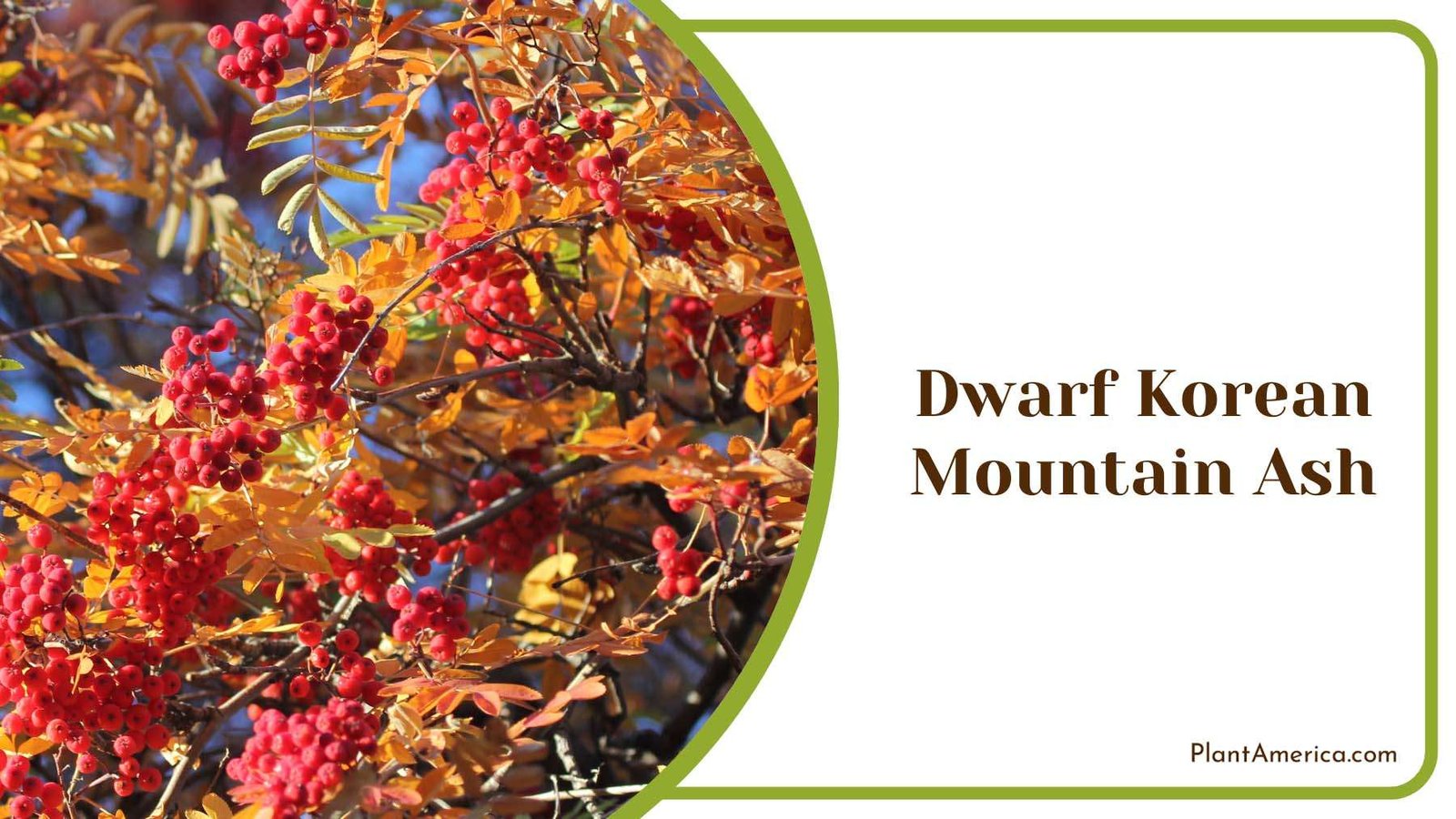
The pinnately compound leaves emerge in late spring and turn variable shades of yellow, orange, and red before dropping in autumn. The red berries persist through fall and into winter, providing visual interest. The profusion of berries and naturally rounded form makes dwarf Korean mountain ash ideal for tucking into small gardens or alongside walkways where its beauty can be enjoyed up close.
3. Dwarf Hinoki Cypress
- Growing Season: Evergreen.
- Leaf Type: Flat scale-like, Green all year.
- Specific Needs: Full sun to part sun, Regular water, Well-draining soil.
- Common Pests: Aphids, Scale insects, Spider mites.
=”font-weight: 400;”>The dwarf Hinoki cypress is an ornamental evergreen conifer that matures to a compact, pyramidal shape under 10 feet tall. Its soft blue-green needles and fine-branching habit lend a delicate, airy grace.
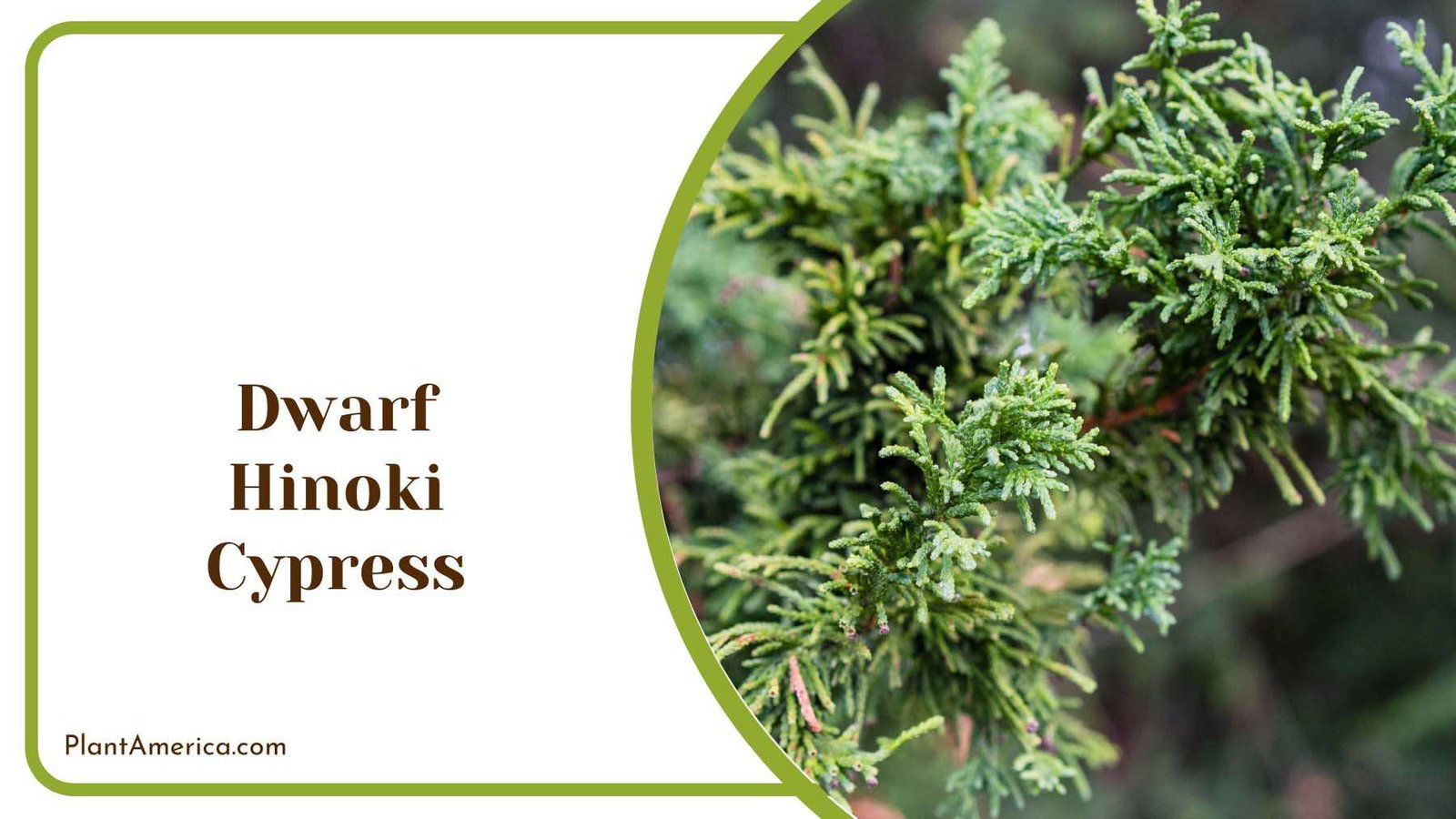
Dwarf weeping trees like hinoki cypress thrive in full sun but tolerate partial shade. They require regular water and very well-draining soil that is acidic and nutrient-poor.
Young Hinoki cypress benefits from annual pruning to maintain tight, symmetrical shapes. However, their branching spreads outward as they age, creating an informal silhouette. The hinoki cypress’s soft color and fine texture contrast beautifully with larger-leafed plants and trees with a more coarse texture.
4. Katsura Tree
- Growing Season: Spring, Summer.
- Leaf Type: Palmate with five to seven lobes, Yellow in fall.
- Specific Needs: Full sun or part shade, Thrives with consistent moisture, Wide pH and soil type adaptability.
- Common Pests: Scale insects, Spider mites, Aphids.
The katsura tree produces delicate yellow flowers in spring, followed by seed pods that persist into fall and winter. As a small ornamental tree, it matures at a rate of 20 to 30 feet tall with a similar open, rounded habit. The palmate leaves emerge in late spring, consisting of five to seven lobes each. They change color in fall to shades of yellow and gold before dropping.
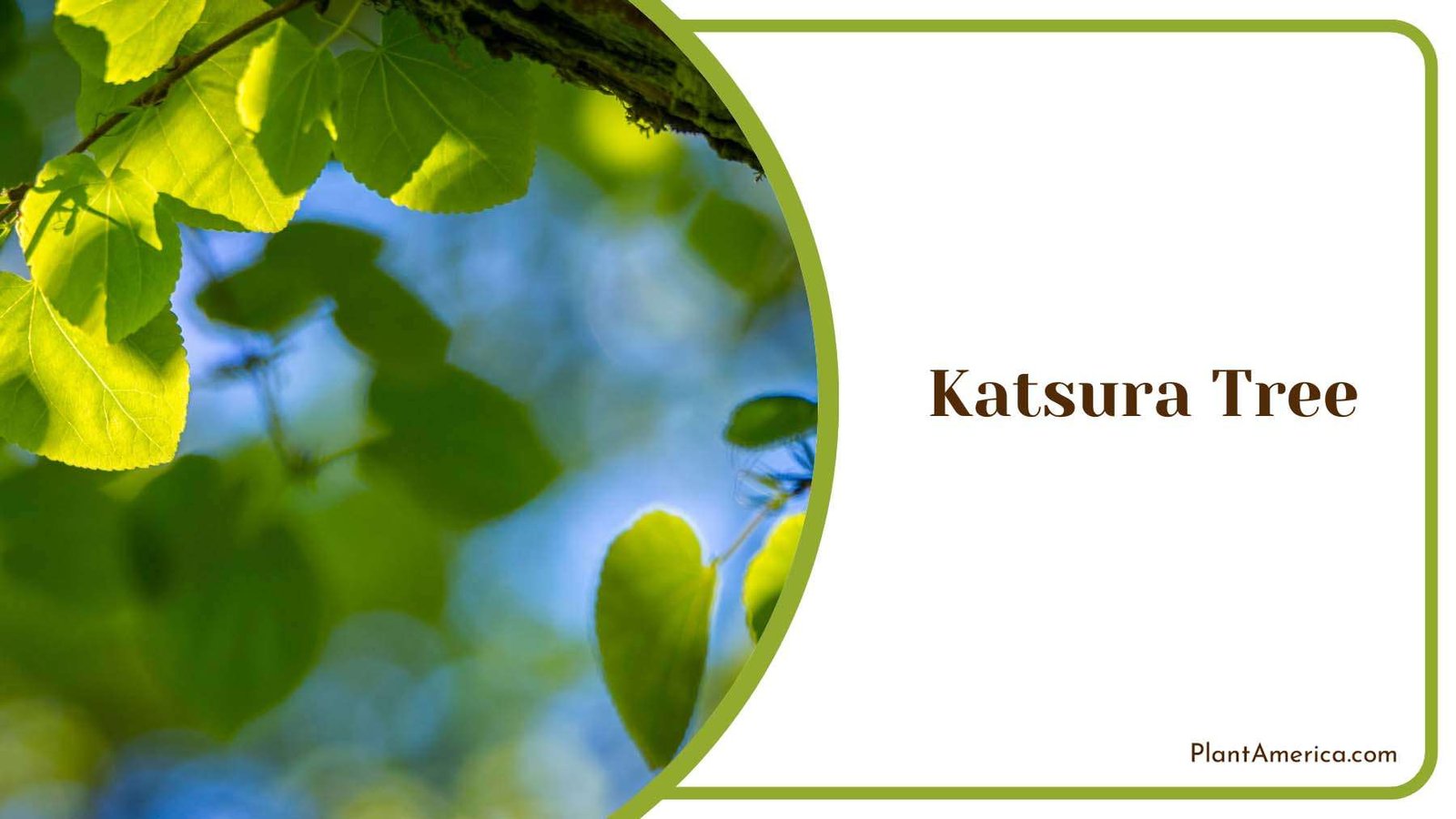
As katsura trees age, their branching tends toward an informal, weeping habit that gives them a graceful silhouette and softens their edges. The seed pods provide textural contrast and visual layers for small gardens lacking space for typical groundcovers.
5. Dwarf Weeping Willow
- Growing Season: Spring, Fall.
- Leaf Type: Linear with fine texture, Green to yellow in fall.
- Specific Needs: Full sun, Tolerates wet soil, Moderate water.
- Common Pests: Aphids, Scale insects, Spider mites.
Dwarf weeping willows are slow-growing trees maturing below 20 feet with gracefully drooping branches. They produce red or yellow catkins in spring, followed by delicate seed wings that flutter in the breeze. The narrow linear leaves emerge shiny green and usually turn gold to yellow in the fall before dropping.
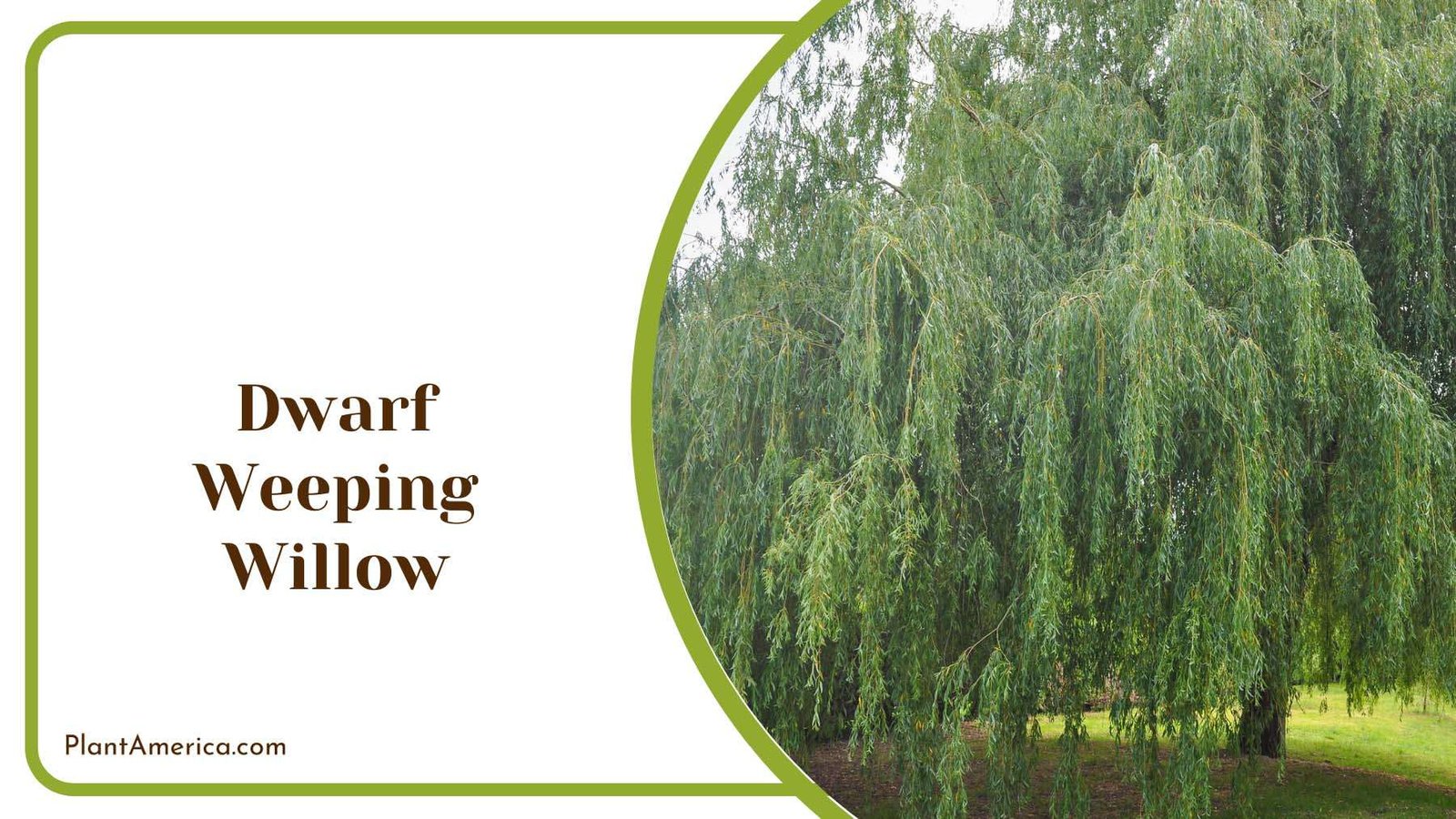
The weeping form, soft texture, and natural ability to thrive in wet soils make dwarf willows ideal choices for difficult landscapes with compacted or poorly draining soil. Even specimens under 10 feet tall can transform narrow strips, poorly drained corners, and confined pathways into whispers of willowy wonder with a subtle brush of graceful branches.
6. Dwarf Copper Beech
- Growing Season: Spring, Summer.
- Leaf Type: Oval with fine texture, Green to copper in fall.
- Specific Needs: Full sun to part shade, Tolerates wide pH range, Regular soil moisture.
- Common Pests: Aphids, Leaf spots, Scale insects.
The dwarf copper beech is a slow-growing ornamental tree maturing below 20 feet tall with a narrow, oval crown. Its branches tend to weep with age, creating a picturesque silhouette. The oval leaves emerge in spring and summer with a shiny green coloration. As beeches, they adapt well to wide pH ranges and prefer consistently moist soil.
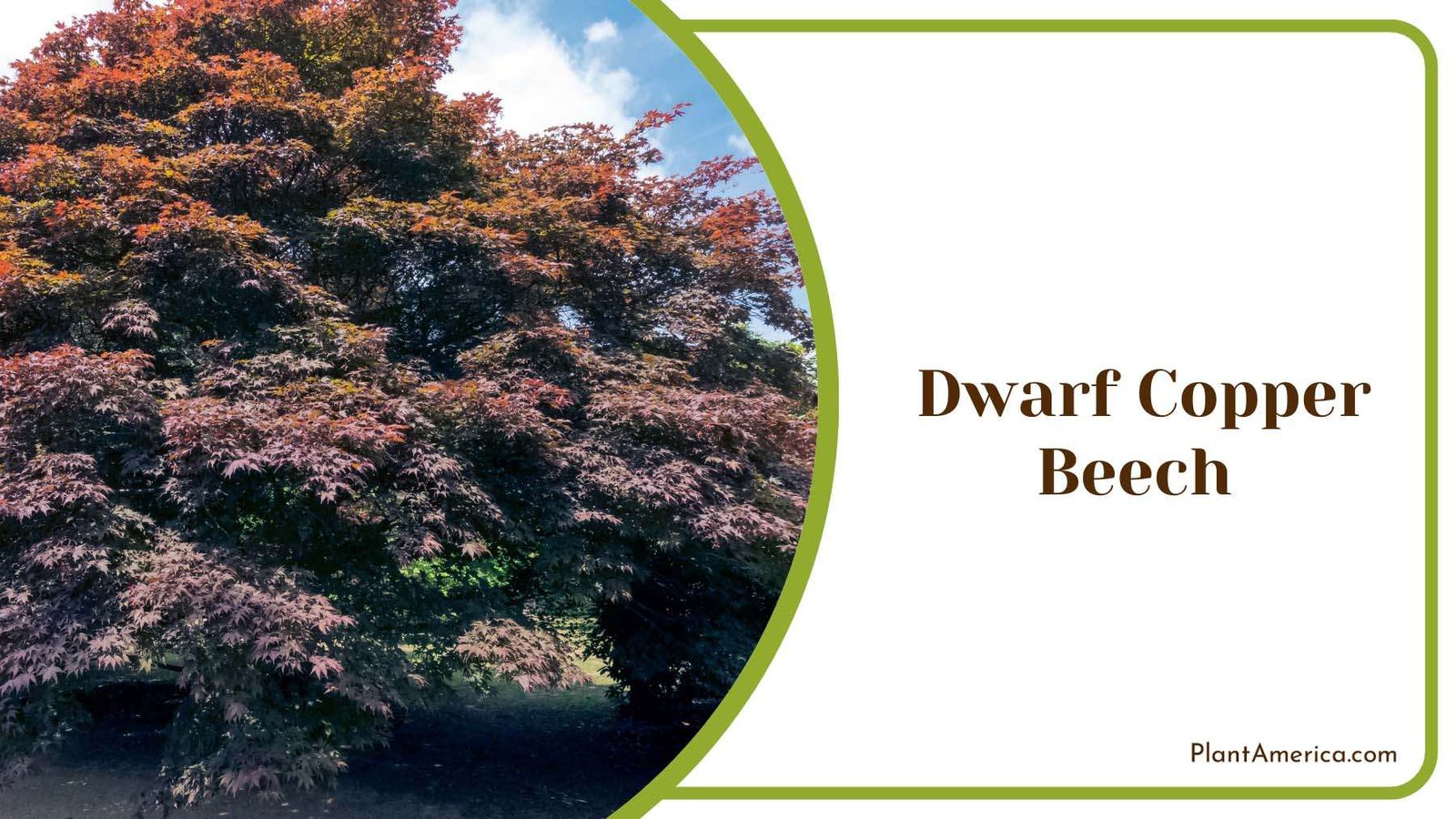
Pruning after leaf drop helps maintain an attractive weeping habit and shape for dwarf copper beech. The multiple color seasons and ornamental branching make these stellar additions for small urban gardens seeking year-round curb appeal.
7. Dwarf Korean Lilac
- Growing Season: Spring.
- Leaf Type: Elliptic to oblong, Yellow to brown in fall.
- Specific Needs: Full sun, Moderate water, Well-draining soil.
- Common Pests: Scale insects, Aphids, Leaf spots.
The dwarf Korean lilac is a slow-growing shrub maturing below 10 feet tall with a rounded habit. In spring, it produces fragrant clusters of lilac to purple blooms along the branches. Several cultivars of dwarf Korean lilac are available with variations in foliage color, flowering time, and flower color.
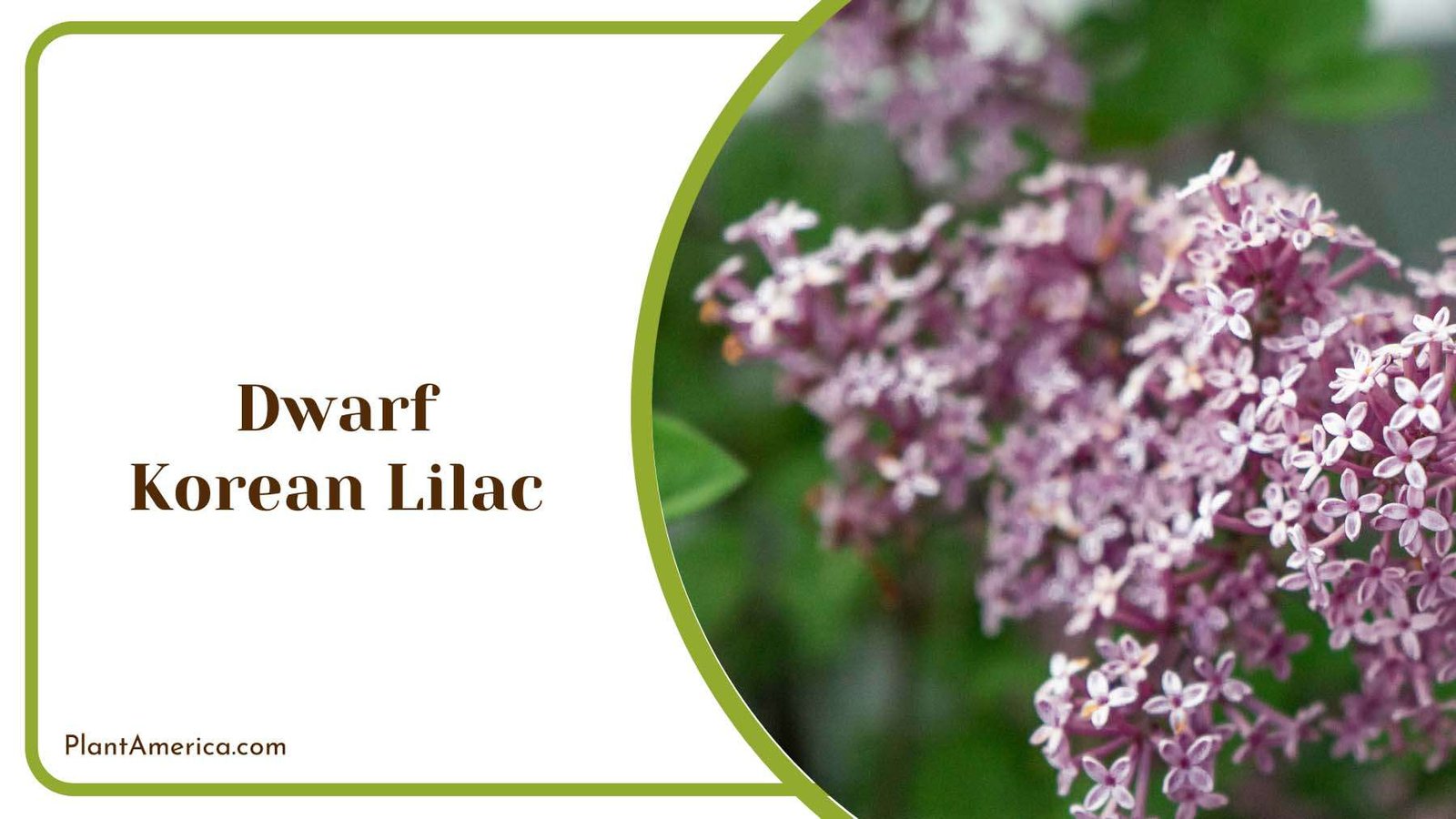
The small size, profuse flowering, and naturally rounded shape make dwarf Korean lilac ideal for ornamenting small gardens with beauty in spring and colorful texture in other seasons. When combined with larger-leafed plants, dwarf lilacs serve as petite focal points whose multiple color displays add full-season visual interest within minimal spaces.
8. Weeping Japanese Maple
- Growing Season: Spring, Summer.
- Leaf Type: Palmate with five to seven lobes, Red to purple in fall.
- Specific Needs: Part shade to shade, Moist, well-draining soil, Even moisture.
- Common Pests: Spider mites, Scale insects, Leaf spots.
Weeping Japanese maples are deciduous trees maturing below 30 feet tall with pendulous, willowy branches. Their dangling twigs and foliage lend them a fountain-like quality in the landscape. Several cultivars of weeping Japanese maple are available with notable differences in leaf size, shape, and fall coloration. Many mature at heights under 15 feet, making them well-suited to small gardens.
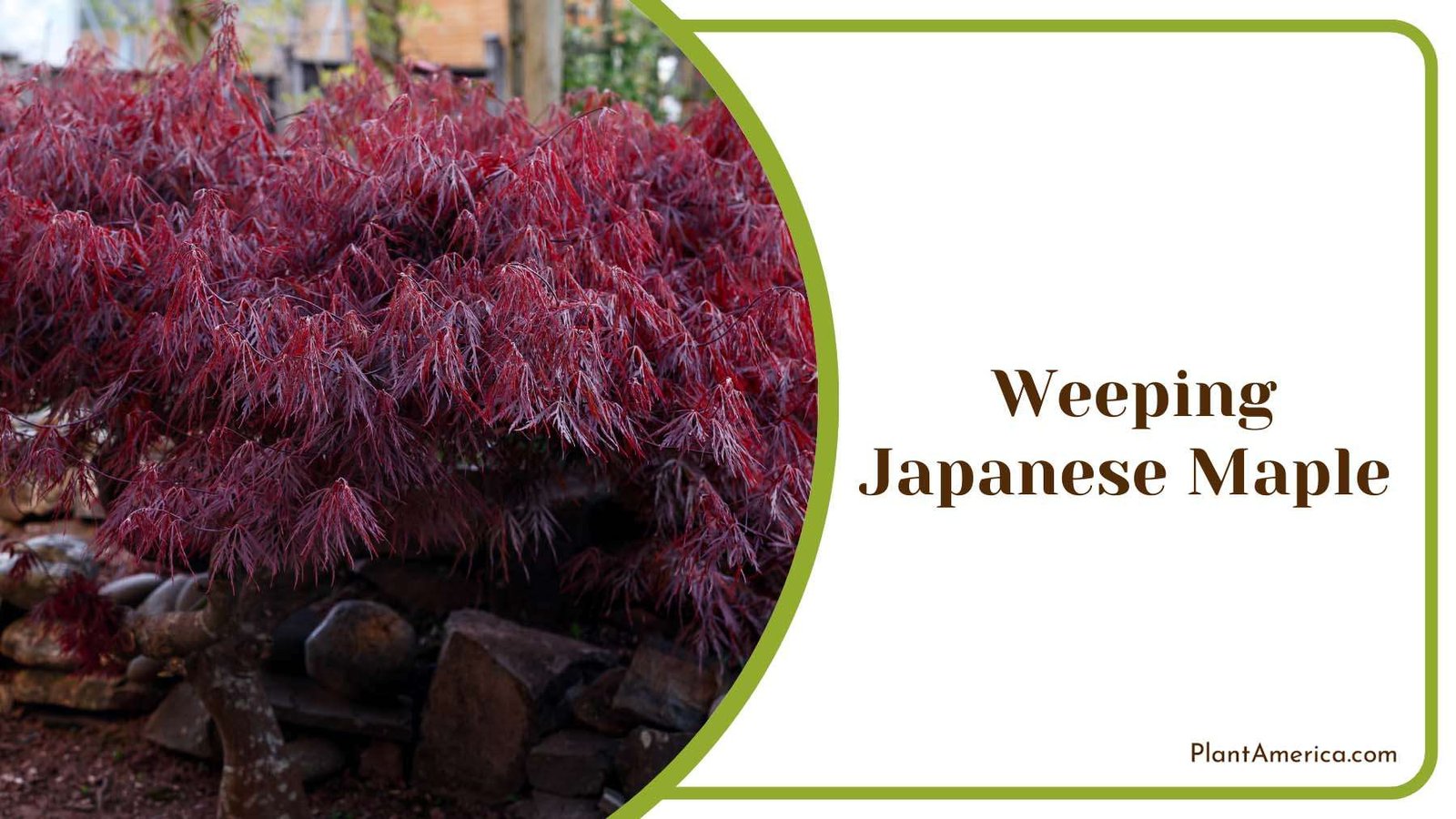
The fine-branching habit, ornamental fall foliage, and ability to thrive in low light create a natural habitat of serenity and beauty. Even tiny specimens can pack massive visual drama in a compact landscape, filling minimal spaces with transcendent elegance, evocative Japanese bamboo groves, and moss gardens.
9. Dwarf Norway Spruce
- Growing Season: Evergreen.
- Leaf Type: Blunt needles, Green all year.
- Specific Needs: Full sun to part sun, Thrives with regular water, Well-draining soil.
- Common Pests: Spider mites, Aphids, Scale insects.
The dwarf Norway spruce is a slow-growing evergreen conifer maturing below 30 feet tall with a dense, conical shape. Its short, blunt needles give it a textured appearance. Young Norway spruce benefits from annual pruning to maintain compact, symmetrical forms. However, they naturally become more dense and ragged with age.
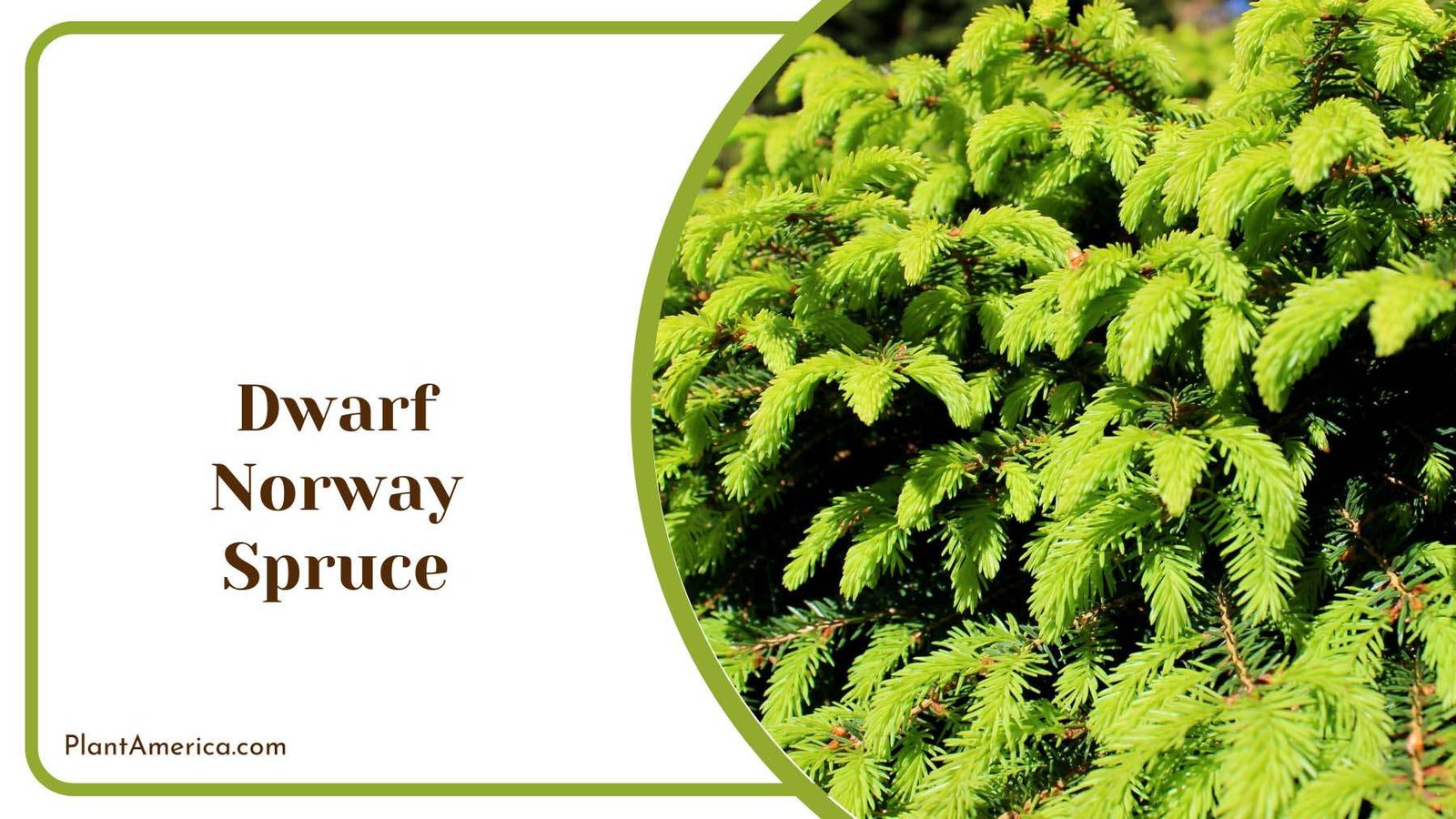
The naturally dense, slow-growing habit of dwarf Norway spruce makes these miniature conifers ideal for imparting a sense of permanence and solidity in small landscapes. Even tiny specimens can anchor and stabilize otherwise ‘floaty’ arrangements of annuals and perennials, serving as living exclamation points punctuating minimal spaces with ornamental stability.
10. Weeping White Pine
- Growing Season: Evergreen.
- Leaf Type: Long, soft needles in bundles of five, Green all year.
- Specific Needs: Full sun, Moderate water, Well-draining soil.
- Common Pests: Aphids, Spider mites.
The weeping white pine is a slow-growing conifer maturing below 50 feet tall with pendulous branchlets that cascade downwards. The long, soft needles emerge in bundles of five and remain green all year. Several named cultivars of weeping white pine are available with notable differences in growth rate, maturity size, and branch angle. ‘Gracilis’ is a highly delicate selection.
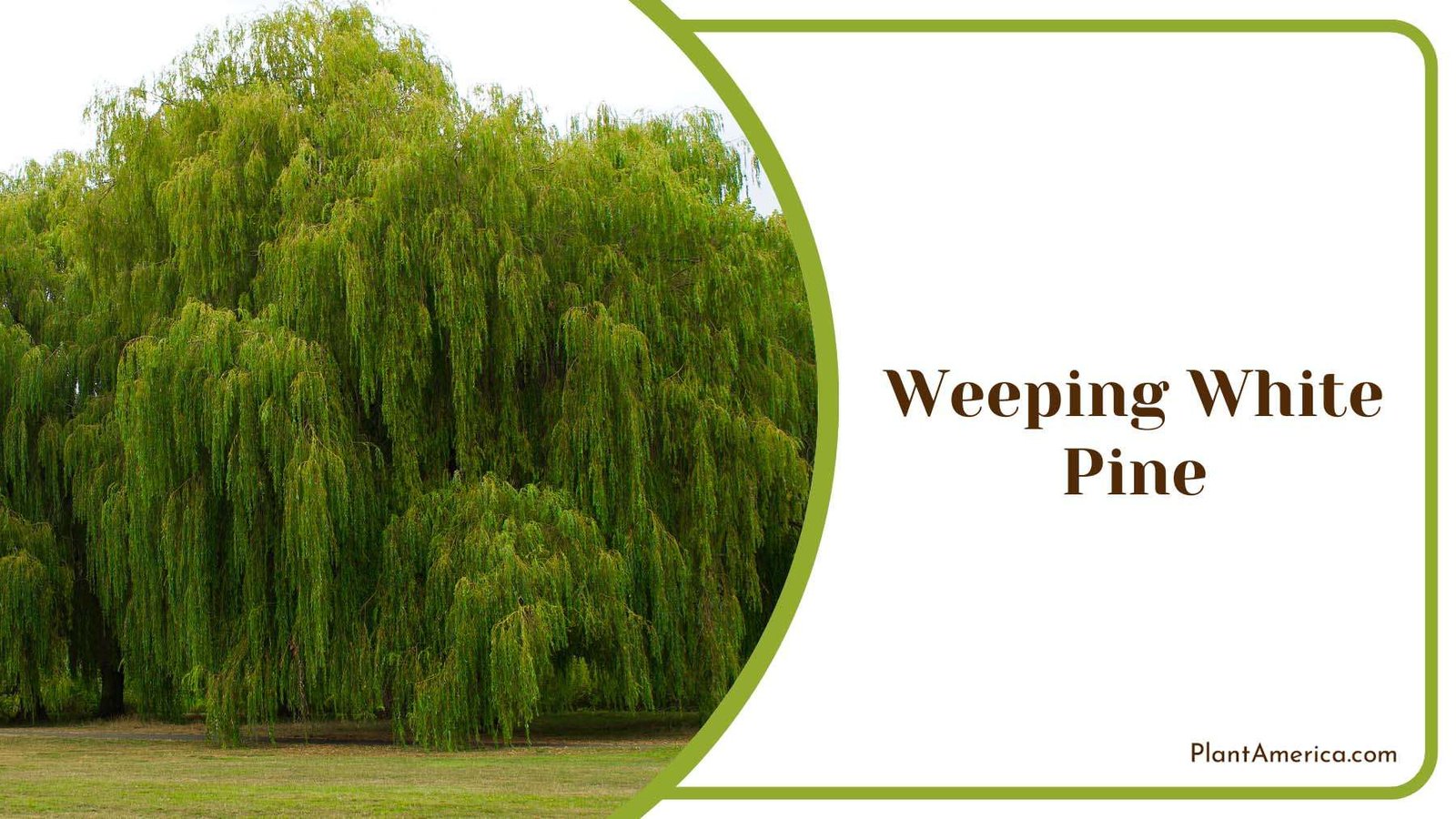
The weeping form, elegant soft texture, and ability to thrive in full exposure make white pines an ideal anchor for small urban landscapes. Their fine-branched silhouettes gracefully frame views and filter light while slowly rising in stature over time to impart permanence and solidity within a compact space.
11. Weeping Ebony
- Growing Season: Evergreen.
- Leaf Type: Simple and leathery, Dark green all year.
- Specific Needs: Full sun to part shade, Well-draining soil, Tolerates wide pH range.
- Common Pests: Aphids, Spider mites, Scale insects.
The weeping ebony is a slow-growing evergreen tree maturing below 30 feet tall with drooping branches. Its simple, leathery leaves remain dark green all year. These evergreen dwarf weeping trees thrive in full sun to part shade and require well-draining soil. Ebonies have a wide soil pH tolerance that allows them to adapt to difficult conditions.
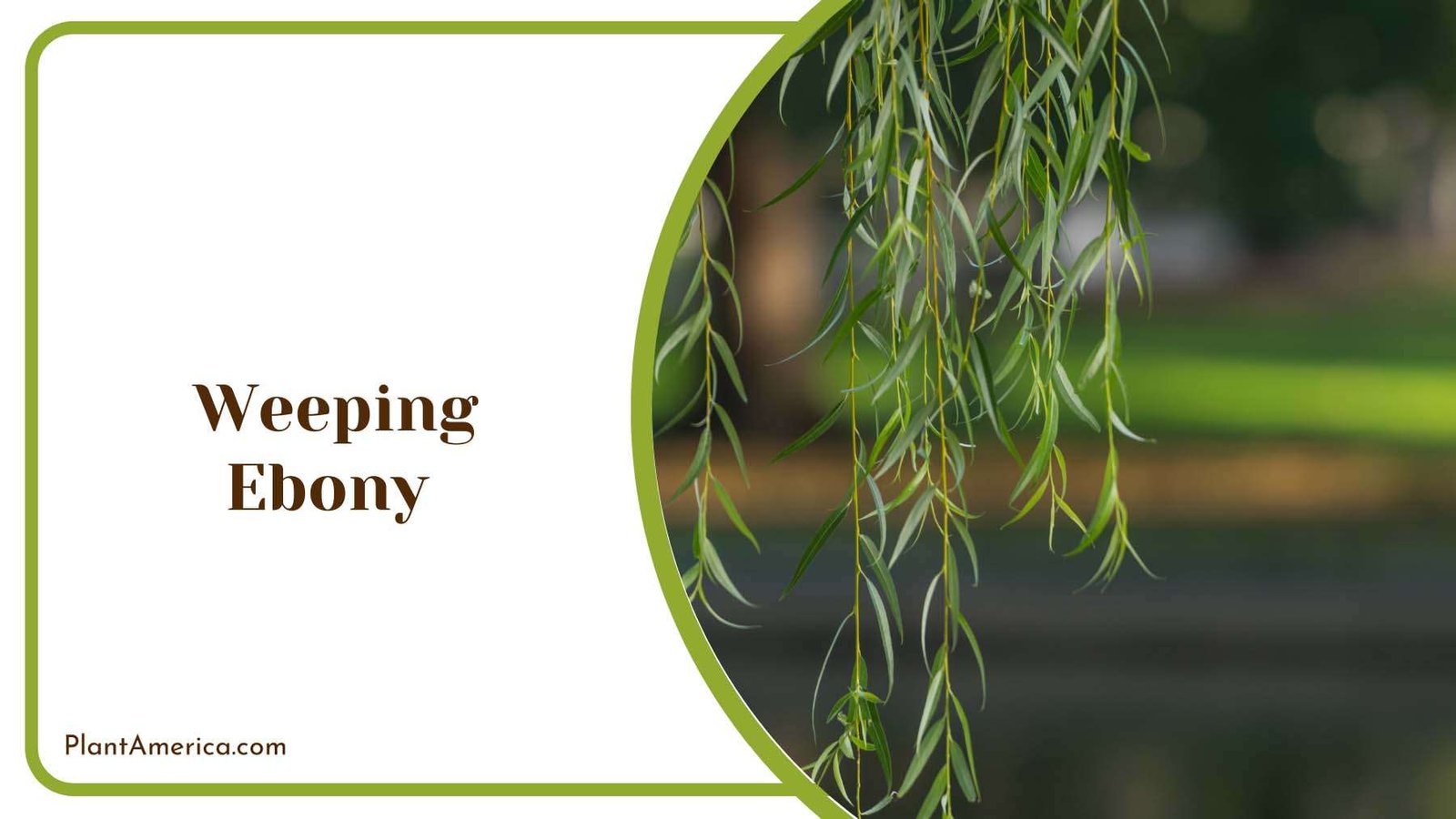
The naturally pendent branches and dense evergreen canopy make weeping ebonies excellent choices for imparting year-round greenery and visual gravitas within minimal spaces. Even young specimens seem timeless and weathered, slowly weeping wisdom upon tiny landscapes with their ancient, gnarled silhouettes that defy standard notions of “petite.”
12. Lavender Twist Weeping Birch
- Growing Season: Spring, Fall.
- Leaf Type: Simple, triangular to oval, Yellow to brown in fall.
- Specific Needs: Full sun, Regular water, Well-draining soil.
- Common Pests: Aphids, Spider mites.
The lavender twist weeping birch is a small ornamental birch with pendulous branchlets that twist and turn downward as they grow. The new foliage emerges with a bronzy-lavender hue that fades to green by summer. Over time branches of the lavender, twist continue to cascade downward, creating a dramatic fountain shape.
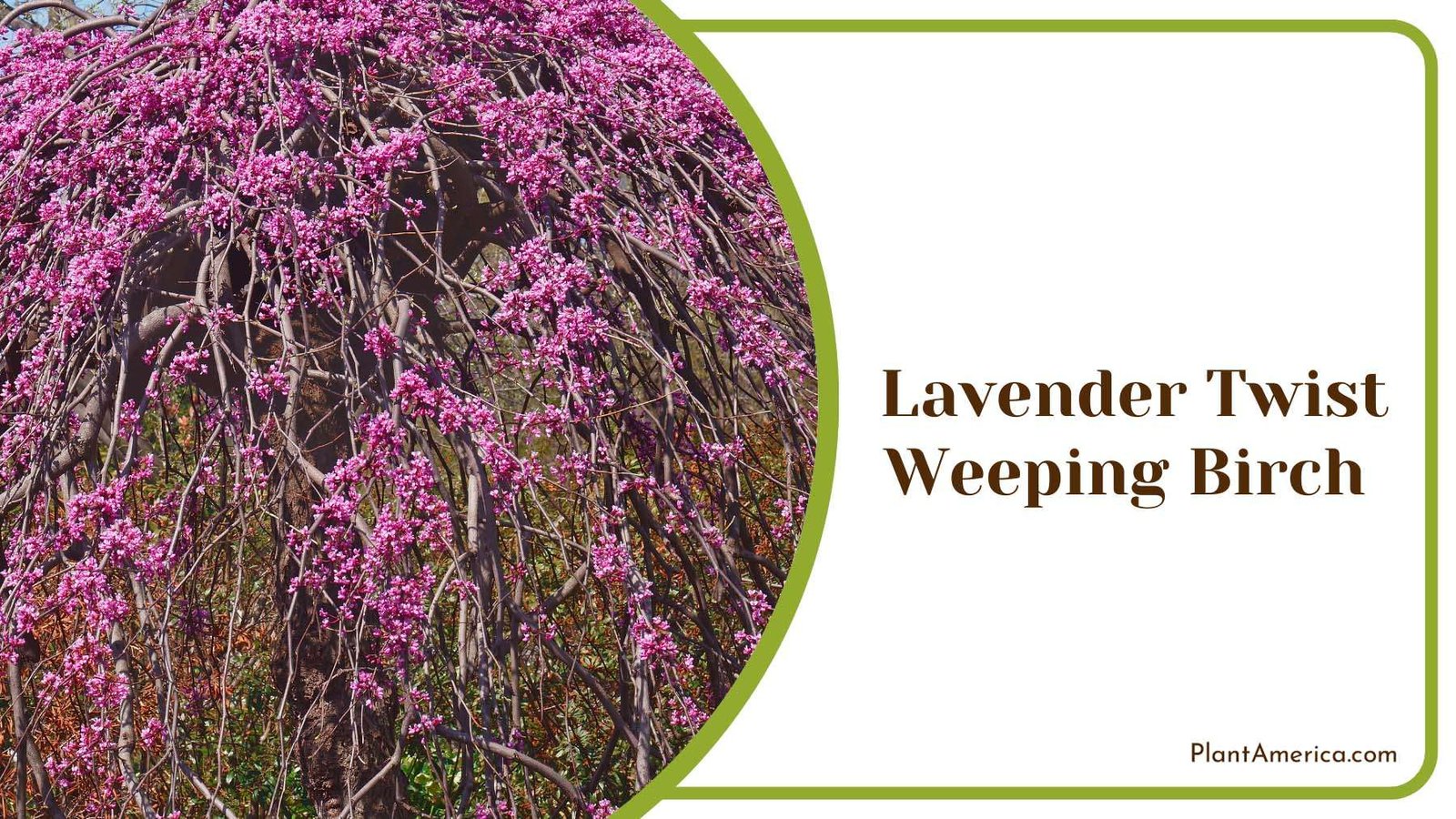
The unique multicolored foliage, graceful weeping form, and adaptability make lavender twist birch ideal for bringing fine texture, color, and motion into small gardens that value architectural drama. Their elegant twining branchlets swaying in the breeze evoke choreographed ballerina arms dancing gently through the air.
13. Dwarf Amur Maple
- Growing Season: Spring, Summer.
- Leaf Type: Palmate with three to five lobes, Red to purple in fall.
- Specific Needs: Part to full sun, Regular water, Well-draining soil.
- Common Pests: Spider mites, Aphids.
The dwarf Amur maple is a slow-growing ornamental tree maturing below 30 feet tall with a naturally rounded habit. Its branches arch downward with age, creating an informal silhouette. The palmate compound leaves emerge in spring, consisting of three to five lobes each. They turn vivid shades of red, purple, and burgundy in autumn before dropping.
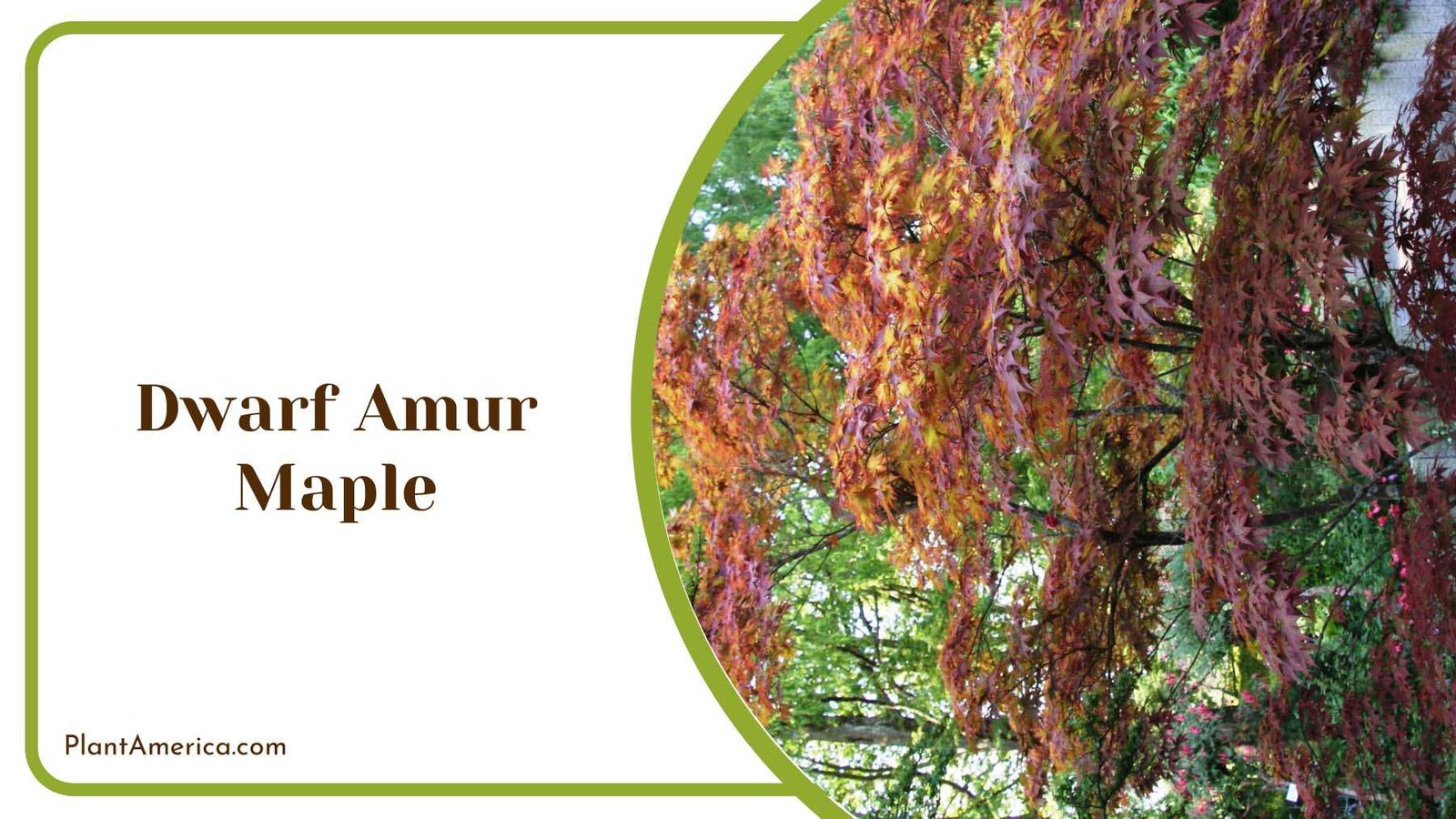
The delicate branch structure, colorful fall display, and naturally rounded shape make dwarf Amur maples ideal for crowning small gardens with full-season beauty. Their petite forms brim with wonders just as grand as their more statuesque relatives, gifting minimal spaces with transcendent elegance through meticulous miniaturization.
14. Crimson Queen Weeping Cherry
- Growing Season: Spring.
- Leaf Type: Simple, Oval, Purple to red in summer.
- Specific Needs: Part sun to shade, Regular watering, Well-draining soil.
- Common Pests: Scale insects, Aphids.
Crimson Queen is a weeping cherry cultivar valued for its showy purple-red foliage that emerges bronze in spring. As an ornamental tree, it matures below 30 feet tall with drooping branches. The simple oval leaves emerge bronzy-purple in spring and develop a deep purple color in summer. They turn red to bronze in the fall before dropping.
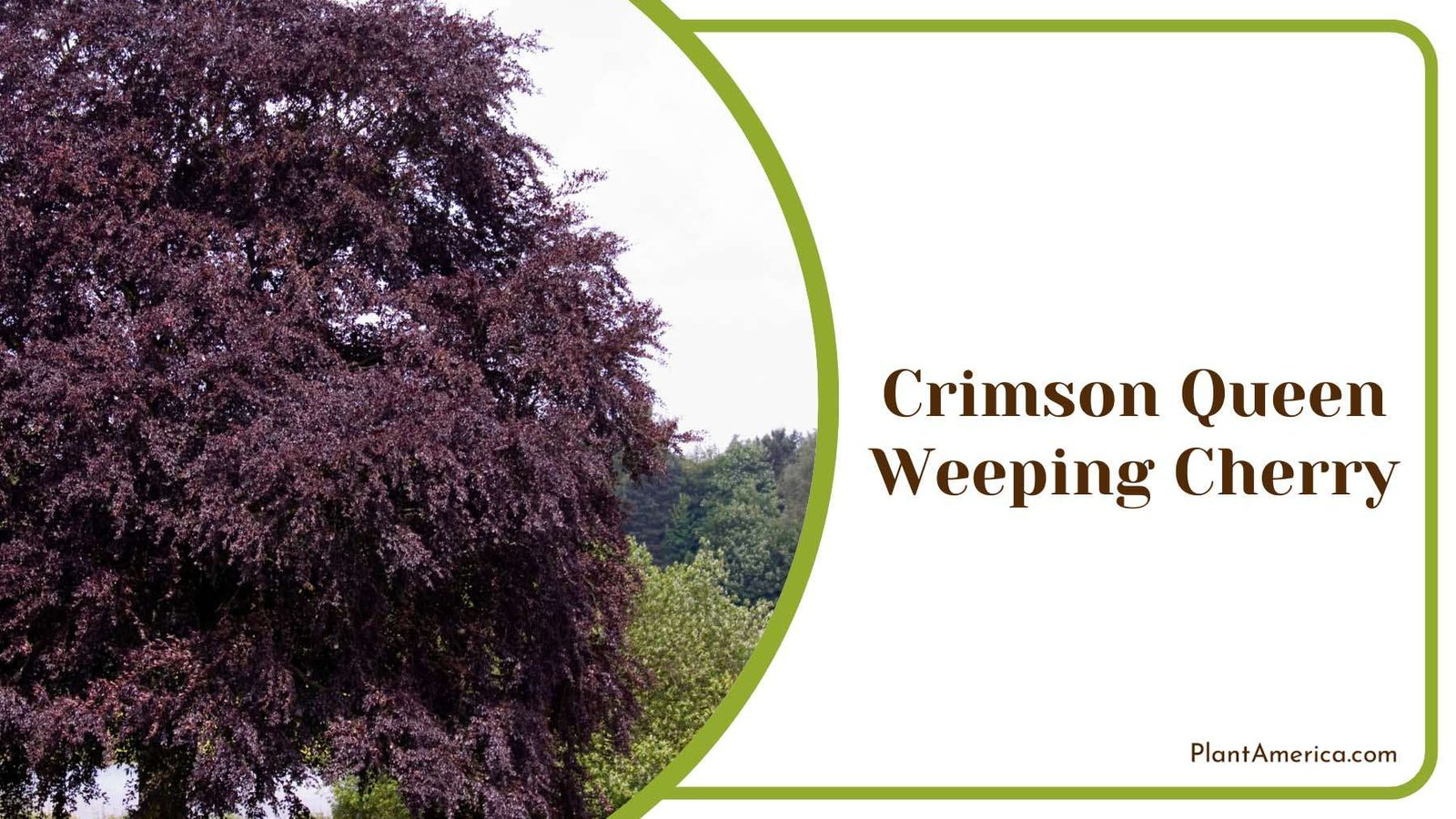
The striking purple foliage, graceful weeping habit, and reliable small size make Crimson Queen an outstanding garden performer. Even young specimens lend drama and color year-round through their colorful weeping, adding dimension and whimsy to otherwise mundane corners.
15. Weeping Hemlock
- Growing Season: Evergreen.
- Leaf Type: Blunt needles, Green all year.
- Specific Needs: Partial sun to shade, Thrives with regular water, Well-draining soil.
- Common Pests: Spider mites, Aphids, Scale insects.
The weeping hemlock is a slow-growing conifer maturing below 30 feet tall with pendulous branches. Its soft, blunt needles clothe the branchlets, giving them a delicate quality. These needle-like leaves remain deep green and unchanged throughout the year. This dwarf weeping tree thrives in partial shade and requires regular water and moist, well-draining soil.
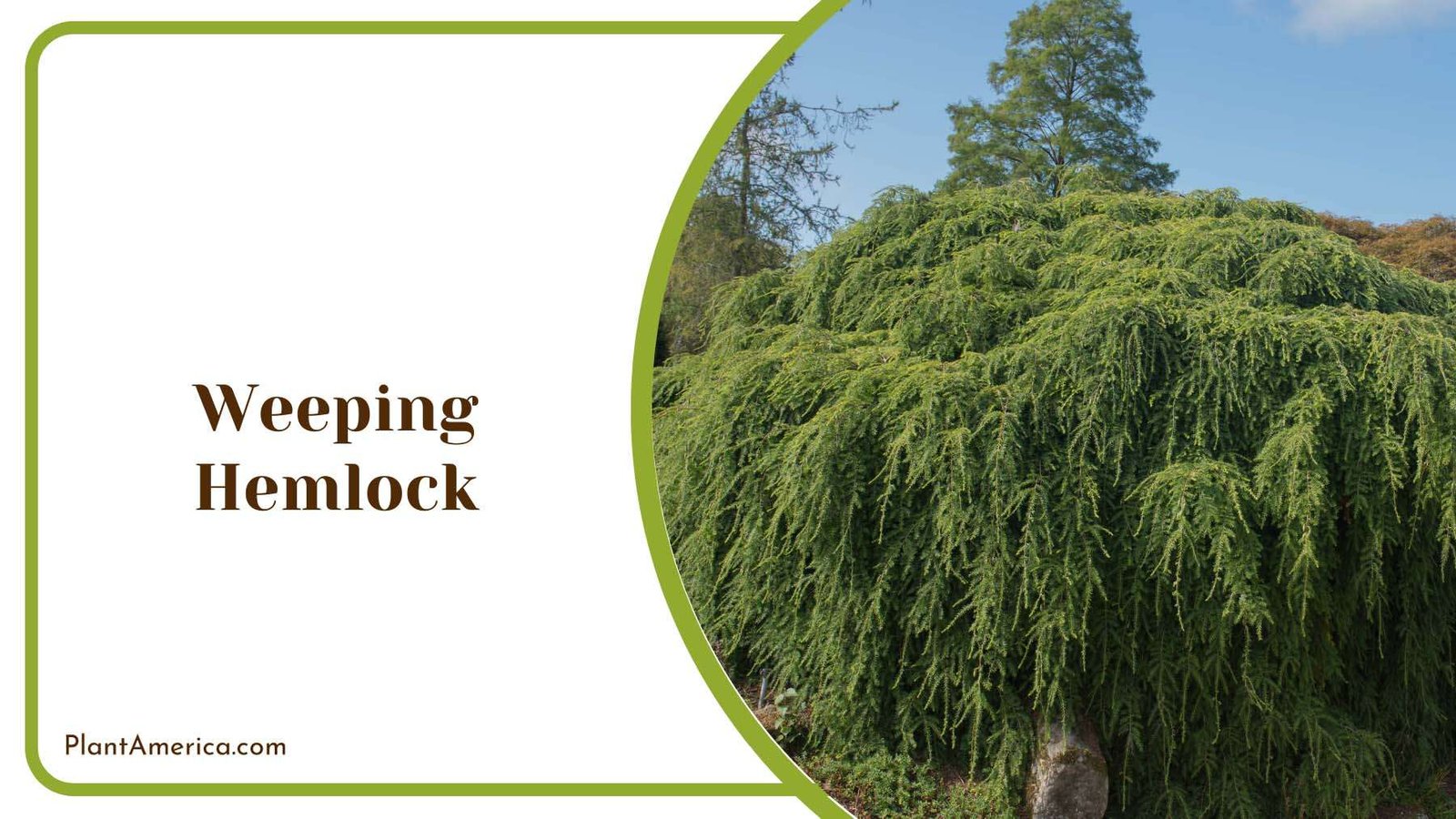
Several cultivars of weeping hemlock exist with notable differences in growth habit and branching structure. Pruning to maintain an ornamental shape can help promote weeping branches with age. The delicate soft texture, restful canopy, and ability to thrive in the shade make weeping hemlocks ideal for small urban gardens seeking year-round tranquility.
16. Green Cascade European Hornbeam
- Growing Season: Summer, Fall.
- Leaf Type: Oval with serrated edges, Yellow to bronze in fall.
- Specific Needs: Full sun to part shade, Moist, well-draining soil, Tolerates wide pH range.
- Common Pests: Aphids, Scale insects.
Green Cascade is a cultivar of European hornbeam valued for its oval serrated leaves that emerge bronze-green in spring. It matures under 30 feet tall as an ornamental tree with arching, weeping branches. This deciduous weeping tree grows well in full sun to part shade. Hornbeams thrive with consistent moisture in well-draining soil but tolerate a wide pH range.
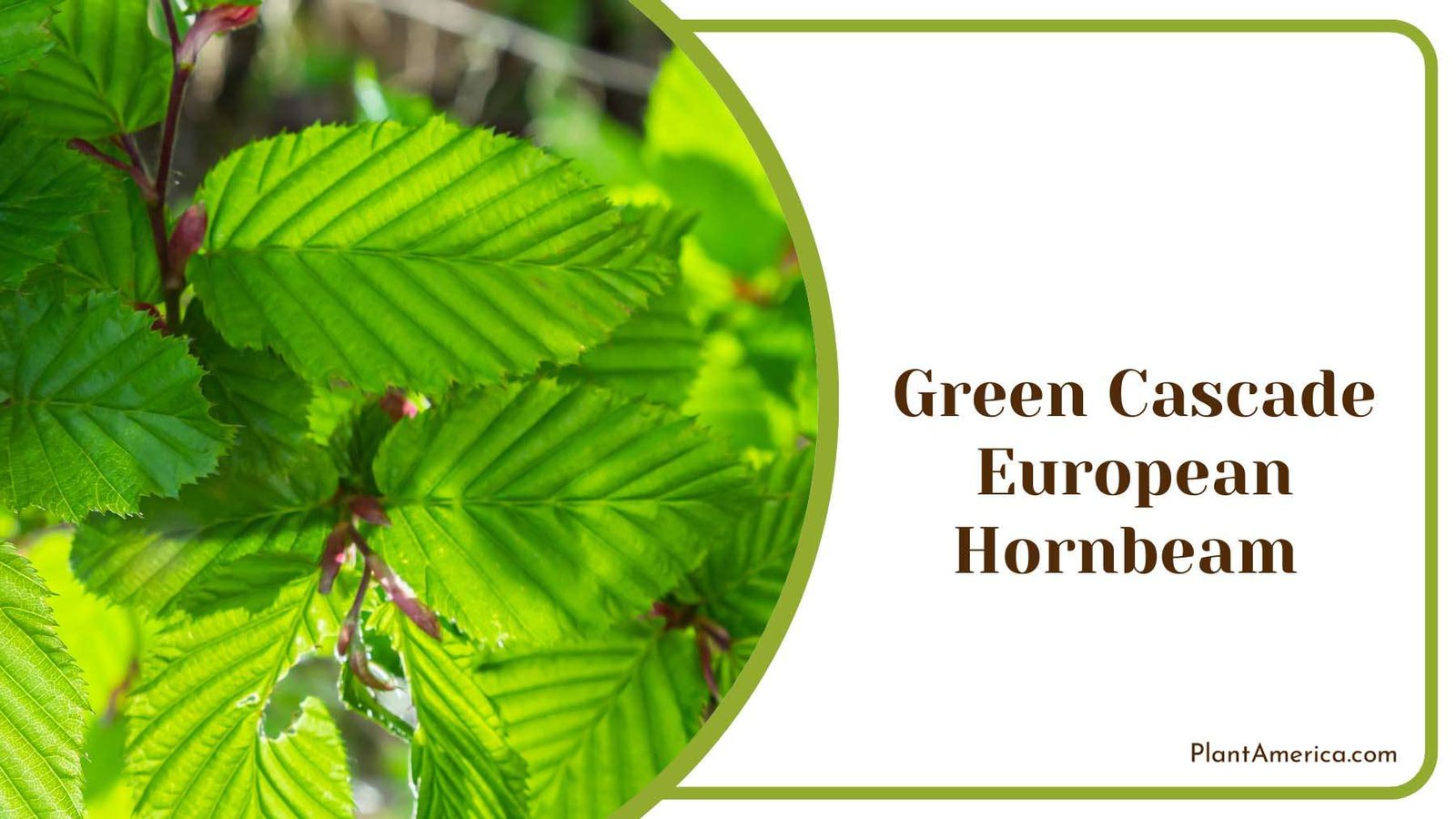
The arching branches of Green Cascade create an informal silhouette with age. The multiple color displays, petite mature size, and naturally weeping habit make Green Cascade an ideal choice for instantly elevating the visual drama of small landscapes through its full-season beauty and artfully curved silhouette.
17. Rotundiloba Weeping Crabapple
- Growing Season: Spring.
- Leaf Type: Broadly ovate with lobes, Yellow to orange in fall.
- Specific Needs: Full sun, Even soil moisture, Well-draining soil.
- Common Pests: Scale insects, Aphids.
Rotundiloba is a weeping crabapple cultivar valued for its rounded, lobed leaves that emerge bronzy-red in spring. It matures below 20 feet tall as an ornamental tree with gracefully arching branches. The broadly ovate leaves emerge bronzy-red and develop a dark green color through summer and turn yellow to orange in fall before dropping.
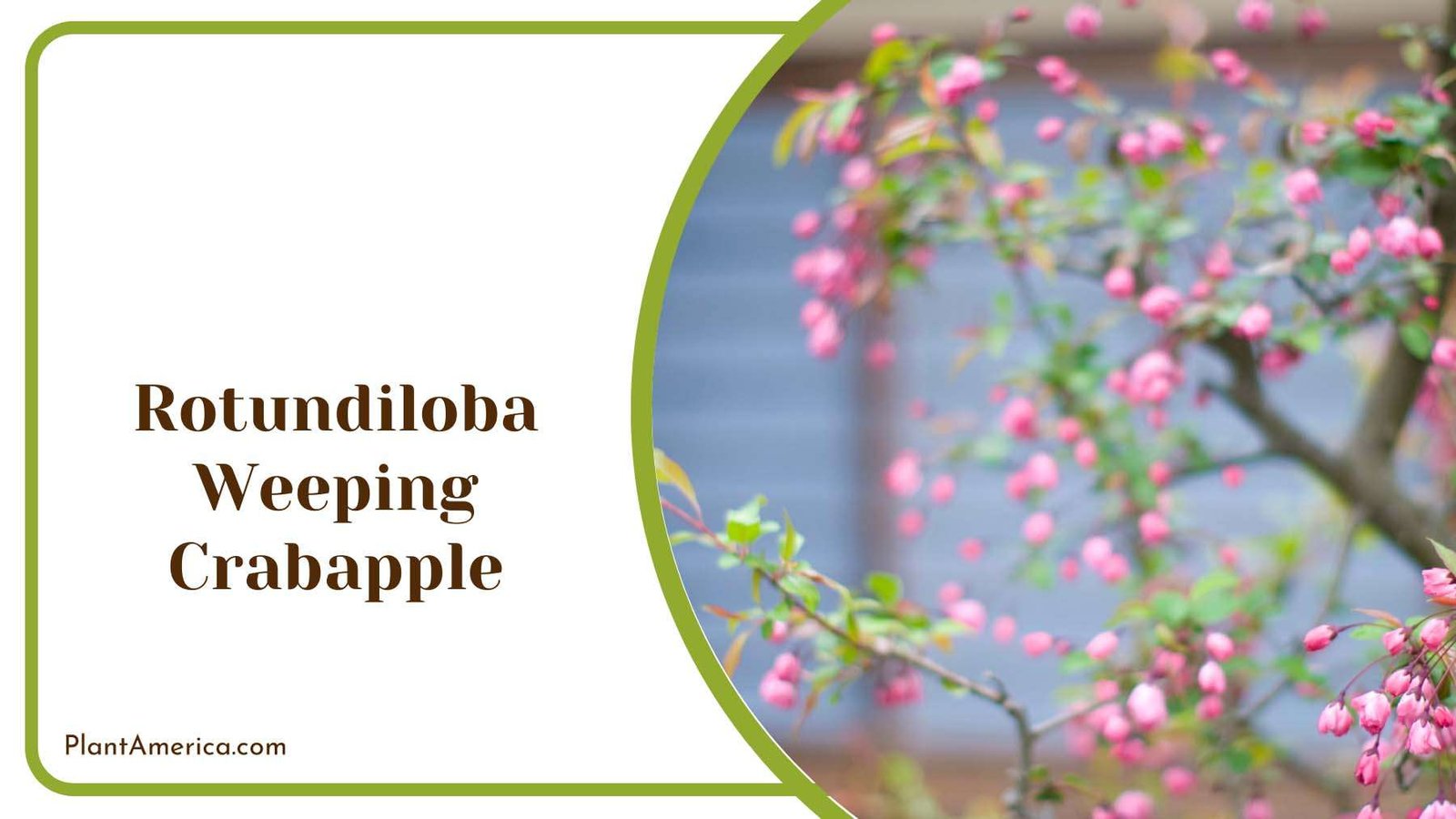
The arching branches and dense canopy of Rotundiloba create a statuesque but petite silhouette with maturity. Its multiple color seasons make it ideal for elevating the visual drama of small gardens seeking all-season curb appeal within a compact footprint. Even the tiniest specimens seem to hold entire hidden worlds within their whimsically weeping branches.
18. Sundrops Weeping Golden Ash
- Growing Season: Spring, Fall.
- Leaf Type: Pinnately compound, Yellow to orange in fall.
- Specific Needs: Full sun to part shade, Regular water, Well-draining soil.
- Common Pests: Aphids, Scale insects, Spider mites.
Sundrops is a cultivar of weeping golden ash valued for its airy, arching branches. It matures below 30 feet tall as an ornamental tree with gracefully pendulous branchlets. The pinnately compound leaves emerge green and develop a golden hue by midsummer. They turn yellow to orange in the fall before dropping. Pruning after leaf drop helps maintain an open, weeping form.
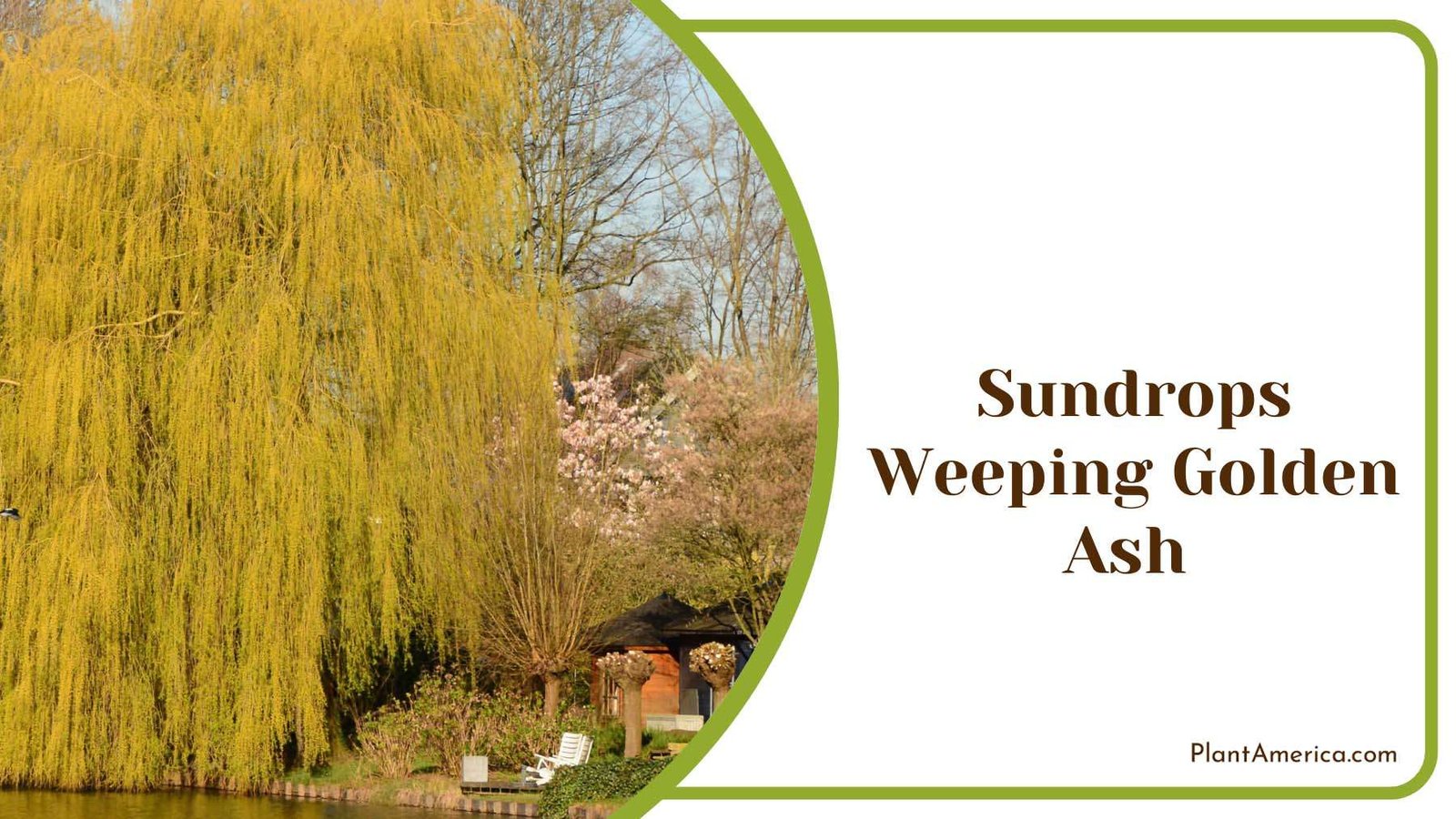
The gracefully dangling branchlets swaying in the breeze evoke playful jumping jacks bringing elusive breezes down to earth for those confined to compact landscapes deprived of cooling shade. For people and plants alike, nothing falls like weeping golden ash.
19. Ruby Falls Weeping Redbud
- Growing Season: Spring.
- Leaf Type: Simple, heart-shaped, Green to yellow in fall.
- Specific Needs: Part sun to full shade, Regular water, Well-draining soil.
- Common Pests: Scale insects, Aphids.
Ruby Falls is a cultivar of weeping redbud valued for its profuse clusters of ruby-red blooms in spring. It matures below 30 feet tall as an ornamental tree with gracefully drooping branches. The simple heart-shaped leaves emerge green and develop a yellow hue by fall but turn golden to yellow before dropping in autumn.
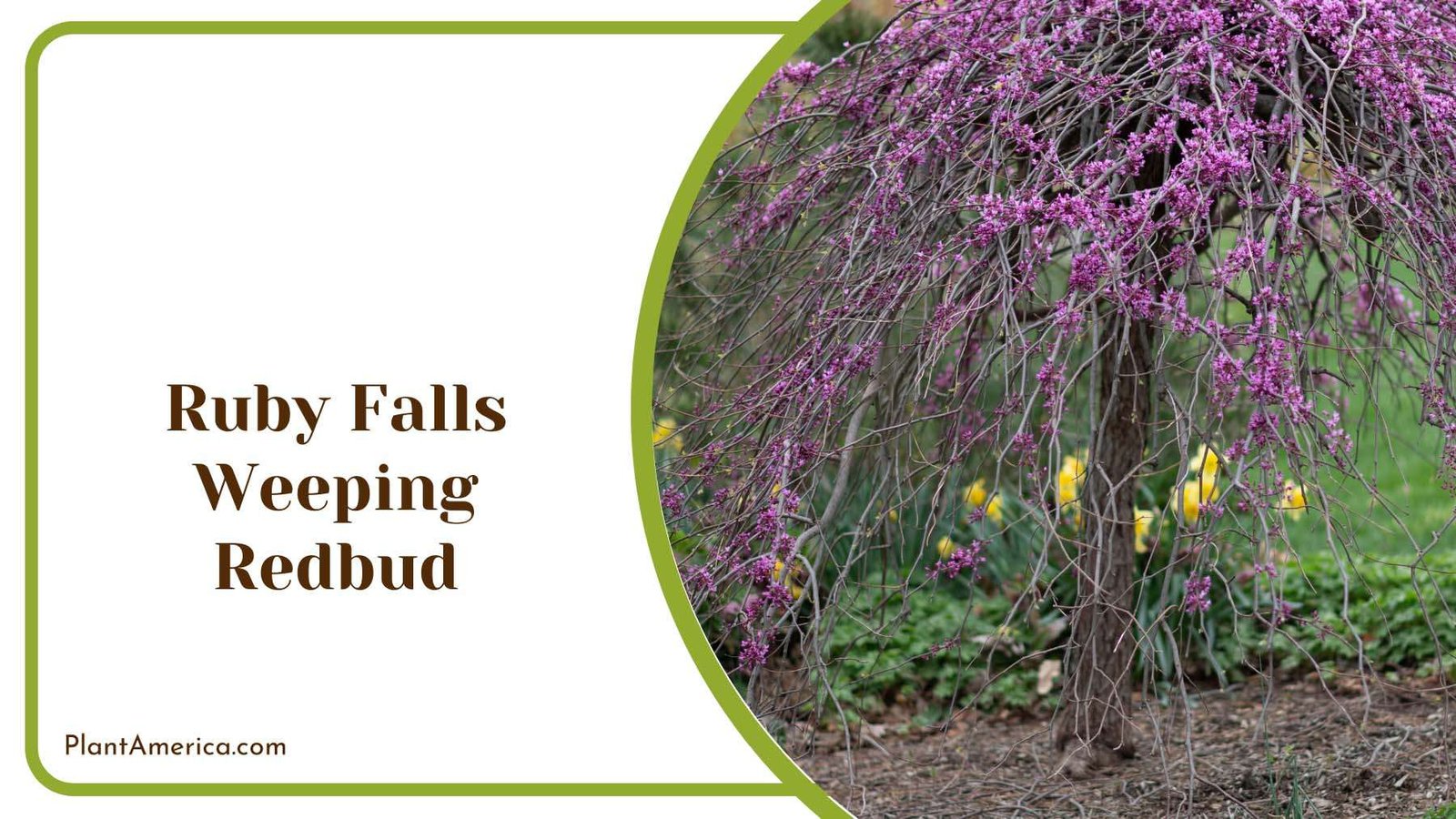
These dwarf weeping trees thrive in part sun to full shade and require even moisture and rich, well-draining soil. The profusion of red blooms in spring and colorful foliage in fall make it a stunning four-season performer for patios, walkways, and small gardens seeking all-season elegance within compact spaces.
20. Snow Fountains Weeping Lilac
- Growing Season: Spring.
- Leaf Type: Simple, oblong-lanceolate, Green to brown in fall.
- Specific Needs: Full sun, Regular water, Well-draining soil.
- Common Pests: Scale insects, Aphids.
Snow Fountains is a cultivar of weeping lilac valued for its profuse clusters of white blooms in spring. The simple oblong-lanceolate leaves are green and develop a yellow-brown hue in fall. They turn goldenrod yellow before dropping in autumn.
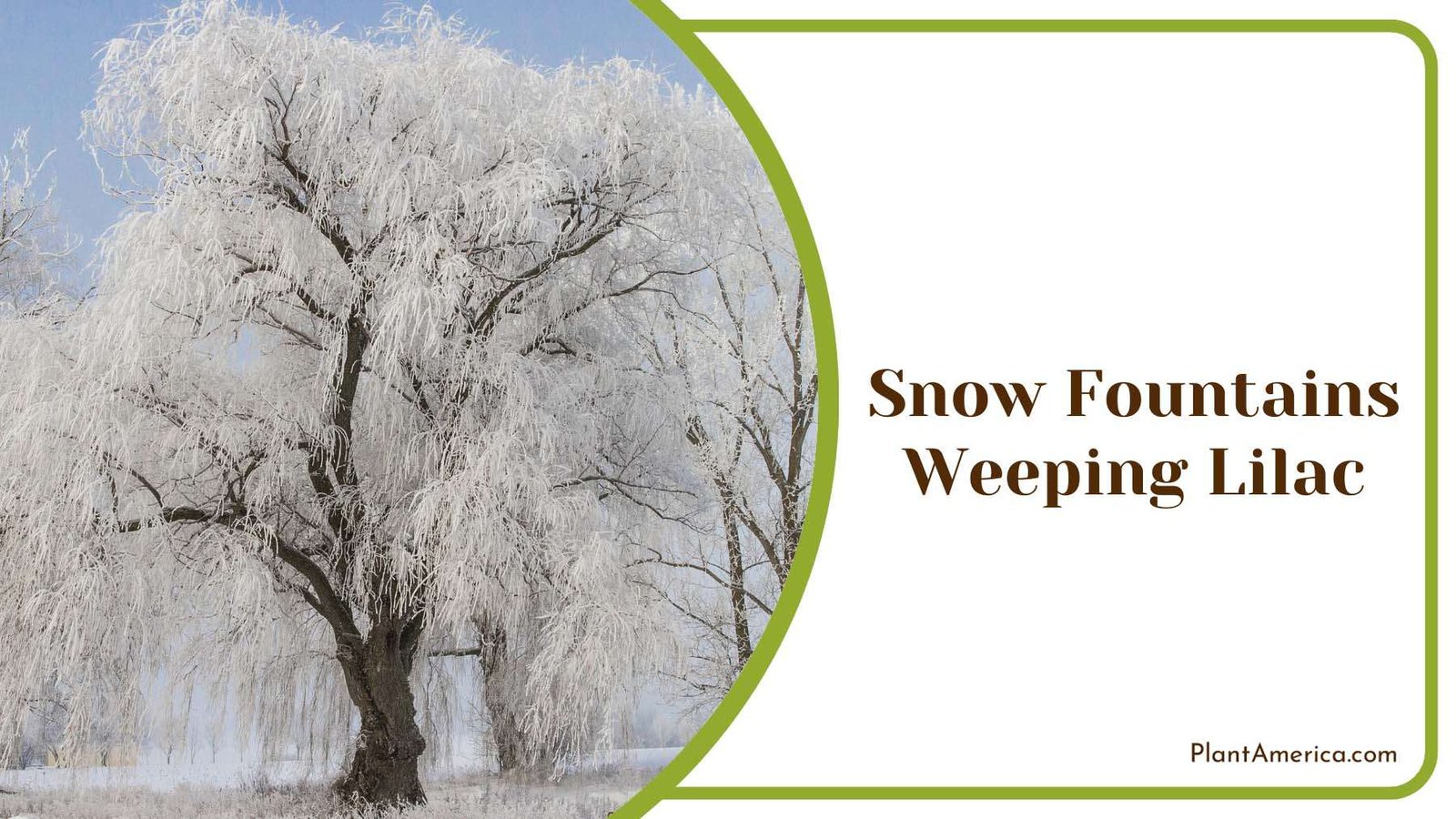
The tree grows best in full sun and requires consistent moisture and rich, well-draining soil. The gracefully arching habit and petite mature size give Snow Fountains a naturally weeping yet statuesque silhouette. The white blossoms in spring and colorful foliage in fall make it an eye-catching four-season performer for miniature landscapes seeking impact far beyond its size.
Conclusion
Creating an enchanting oasis within limited spaces starts with selecting the right petite plants that complement your garden style while staying true to size. The following dwarf weeping trees skillfully blends architectural form and full-season color into miniature packages of living art:
- The weeping cherry produces profuse spring blooms, and its leaves change to fiery hues in fall, all within a compact canopy of 20 to 30 feet.
- The dwarf Korean mountain ash bears colorful red berries throughout fall within its understated spreading crown of up to 15 feet.
- The dwarf hinoki cypress has soft blue-green needles and a fine-branching habit that lend a delicate, airy grace within a compact pyramidal shape under 10 feet tall.
- The weeping Japanese maple has a dramatically weeping form and vivid fall foliage within a delicately proportioned mature footprint of 15 to 30 feet.
Whether your space is a patio corner, walkway, or entire yard, choosing the right petite perennial plants and incorporating creativity can transform even minimal areas into meaningful oases of living beauty. So go forth and create your own little world of wonder, one petite plant and arched weeping branch at a time.