
Droopy plants after transplanting are caused by transplant shocks. Lack of hardening off, weather fluctuations, lack of pruning, improper watering, and root disturbance are the main reasons why this happens.

This problem is also more common when the plant is already sick or weak. But seeing the wilting leaves indicates that things didn’t go as planned. Yet, our gardening team will explain why this happens and the best ways to deal with this problem.
Why Do You Have Droopy Plants After Transplanting?
You have droopy plants after transplanting because of the status of the plant, and the lack of hardening off. In addition, it can also be due to the struggle with the elements, facing root damage, being improperly watered, and lastly the lack of pruning.
– Status of the Plant
After transplanting your plants by moving them from an indoor pot to the outdoors or moving them into a bigger pot, you might notice some yellowing, curly, or wilting leaves due to a transplant shock. This is a feature that would be shedding light at the matter, as the plant is in a weak status, and one of the conditions can be facing root rot.
Although mature plants are stronger and can fight off pest infestations and diseases, they might not be able to survive transplanting, especially if you move them from a controlled indoor environment to an outdoor one. So, you might see the leaves drooping after transplant.
Some older plants get used to the controlled indoor environment, where they’re protected from the elements. Moving them outside makes them too vulnerable, so they start wilting because of shock. If you notice that your plant is still showing signs of yellowing and wilting a week or more after transplanting, then your plant might not be able to survive.
– Lack of Hardening Off
Most seedlings droop after transplanting. You might notice that the foliage is losing color and becoming pale. Eventually, the leaves will wilt and fall off the plant, and you will see that the plant is looking less hardened and more non-established.
Seeing yellow droopy plants after transplanting happens because of a lack of hardening off when transplanting your plants from indoor to outdoor environments. When you grow seedlings indoors, you have total control over the elements. Once you move them outside, some plants won’t be able to tolerate the elements.
You must also remember that plants will wilt and droop when they leave their controlled, cozy environment. Winds, temperature fluctuations, and changes in sunlight exposure can make plants wilt after transplanting.

– Struggle With the Elements
Moving your plant outside can be the reason why plants droop after transplanting. This usually happens when you transplant your plants too early when there’s still a risk of frost. So, if you want to know how to stop droopy plants after transplanting, you should pick the right time.
High temperatures can also harm seedlings and mature plants when you transplant them. The intense afternoon sun and high temperatures can damage plants and cause drooping and wilting. You will now see that the plants can’t absorb moisture, and the roots won’t establish. As a result, the leaves curl, droop, and finally fall off your plants.
– Root Damage
When transplanting your seedlings or mature plants, you might handle the roots too roughly. You might accidentally break the root ball or try to shake off the growing medium if you notice any signs of damage.
Unfortunately, some plants are too sensitive and won’t tolerate this treatment. So, when you try to transplant them, you’ll notice that they’re drooping because the roots aren’t established well yet. They won’t be able to pick up, and the foliage will yellow and wilt.
– Improper Watering
Novice gardeners make several mistakes while transplanting their plants, and note that one is inadequate watering. Thorough watering before transplanting your seedlings is crucial and can help plants overcome the shock. You should also note that when you don’t water as much as you should, it won’t grow well in the new soil.
However, overwatering can harm your plants because it leads to root rot. It’s crucial to provide transplanted plants with moisture, but waterlogged soil and lack of drainage will cause the leaves to droop. At the same time, keeping the roots dry will lead to wilting and drooping. This is why it’s crucial to check the moisture level in the soil before and after transplanting.

– Lack of Pruning
Keeping all the leaves on your plant when you plan to transplant it isn’t a good idea. Without pruning, the root system will have to work harder to provide nutrients to the whole plant.
Some gardeners believe that pruning will harm the plant as you remove part of the foliage. However, this isn’t true. Yellowing, drooping, or wilting leaves are the signs that you should look for and see if the plant is going through such a shock. The leaves that don’t wilt will be too sensitive and might fall off the plant, even if you lightly touch them.
How To Fix Droopy Plants After Transplanting?
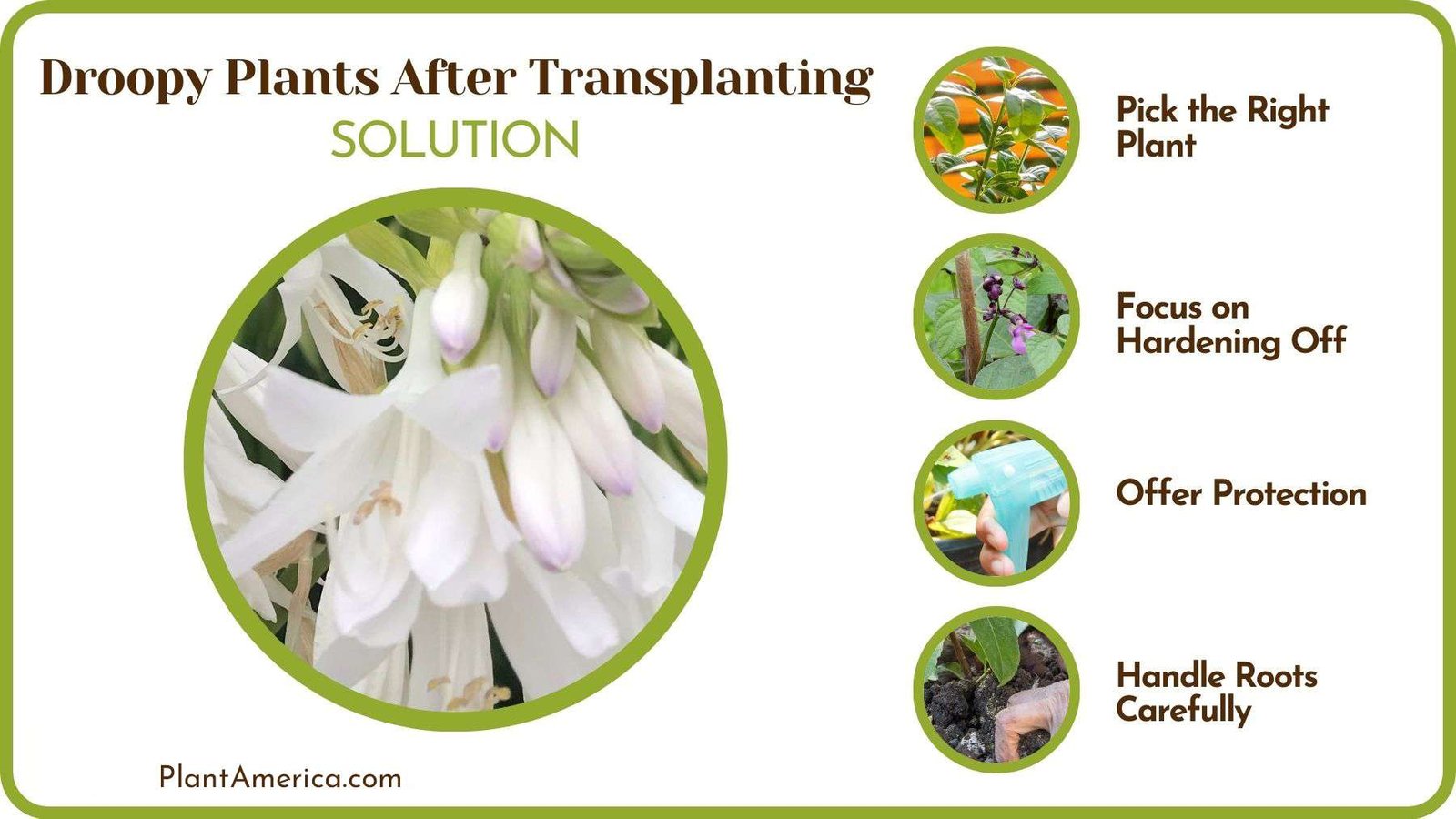
To fix droopy plants after transplanting, you should try to pick the right plant and focus on hardening off the surrounding. You must also try to offer it proper protection, handle thee roots in a careful way, water it sufficiently, and prune the outgrown or weakened parts.
– Pick the Right Plant
When picking a plant to transplant, you should pay attention to the plant’s size and health. Young seedlings are more likely to transplant successfully than older plants that have already started to struggle. However, mature seedlings are stronger than younger ones as they can resist pests and diseases more successfully.
Young plants have small root systems, so they don’t notice the significant change when you transplant them. As a result, they take little time to get established and start growing new roots and shoots.
On the other hand, older plants can already be stressed because of the lack of nutrients, diseases, pests, and other changes in their growing conditions. This is the reason why you will see how they might start wilting and drooping after the transplant.
– Focus on Hardening Off
Can plants recover from transplant shock? You might be asking about how to fix transplant shock. Luckily, there are a few things to solve this issue. Seedlings thrive in indoor environments under grow lights. But after they’re transplanted outside, they might start facing issues that eventually lead to drooping.
You can improve your plant’s survival chances by growing it in a greenhouse or cold frame. These plants have access to sunlight, and the temperature can drop inside these structures, increasing the plants’ resistance.
Some gardeners also grow their plants undercover to increase their adaptation abilities. These are more likely to survive after transplanting. You may also worry, How long does it take for a plant to recover from transplant shock?” In the right conditions, plants can recover after transplanting; however, the recovery time differs according to the plant type, status, soil conditions, and climate.
Some seedlings can recover within a few weeks. However, the mature plants and trees might take years to recover because the shock can be too harsh for them. If you think your plants might not survive after transplanting, move them to a shady spot and increase sun exposure by one or two hours daily until they get used to sunlight.
– Offer Protection
Before transplanting your plants outside, check the weather and see how cold it will get at night. Cold temperatures can increase the risk of shock, and your plants won’t survive. Even if you are growing cold-hardy plants, waiting until the last frost has passed is best. After transplanting, it’s best to use garden fabric to protect your seedlings and they will establish properly.
On the other hand, high temperatures can harm your plants as well. So, avoid transplanting your seedlings in the early morning or on a hot day. Pick an overcast day and transplant them in the afternoon, keep in mind that this will give your plants time to get established during nighttime.
– Handle Roots Carefully
While transplanting your plants, you should be careful not to handle the roots roughly. Ensure the roots stay intact, and don’t try to break them. Reversing the shock in the right conditions is easy. Some extra care and watering will help the roots recover and get established. However, if you don’t give the plant enough care, the leaves might droop, and the plant will die.
If the plant is rootbound, and you’re trying to transplant it, you can untangle the roots but be careful. However, some plants can’t handle transplanting very well, even when you take precautions while touching the root ball. Gardeners should be extra cautious while growing these plants from seed or seedlings.
– Water Properly
Soaking your plants before transplanting is a good idea and can increase their chance of survival. However, you shouldn’t keep the plant in waterlogged soil because the extra moisture can lead to root rot. Even if you use row covers to protect your seedlings, you can water them through the fabric.
On the other hand, your seedlings won’t survive if the roots are too dry. Seedings and newly transplanted plants will droop and wilt if the soil isn’t moist. Don’t use sugar water for transplant shock because it won’t help your plants; on the contrary, water it with non-toxic water, and avoid tap water if the conditions are contaminated, because it can worsen the plant’s status.
– Prune the Plants Regularly
Transplanting can be a challenging experience for plants. This is why you should prepare the plant in advance by pruning some of the leaves. This reduces the stress the roots undergo to support the transplanted plant.
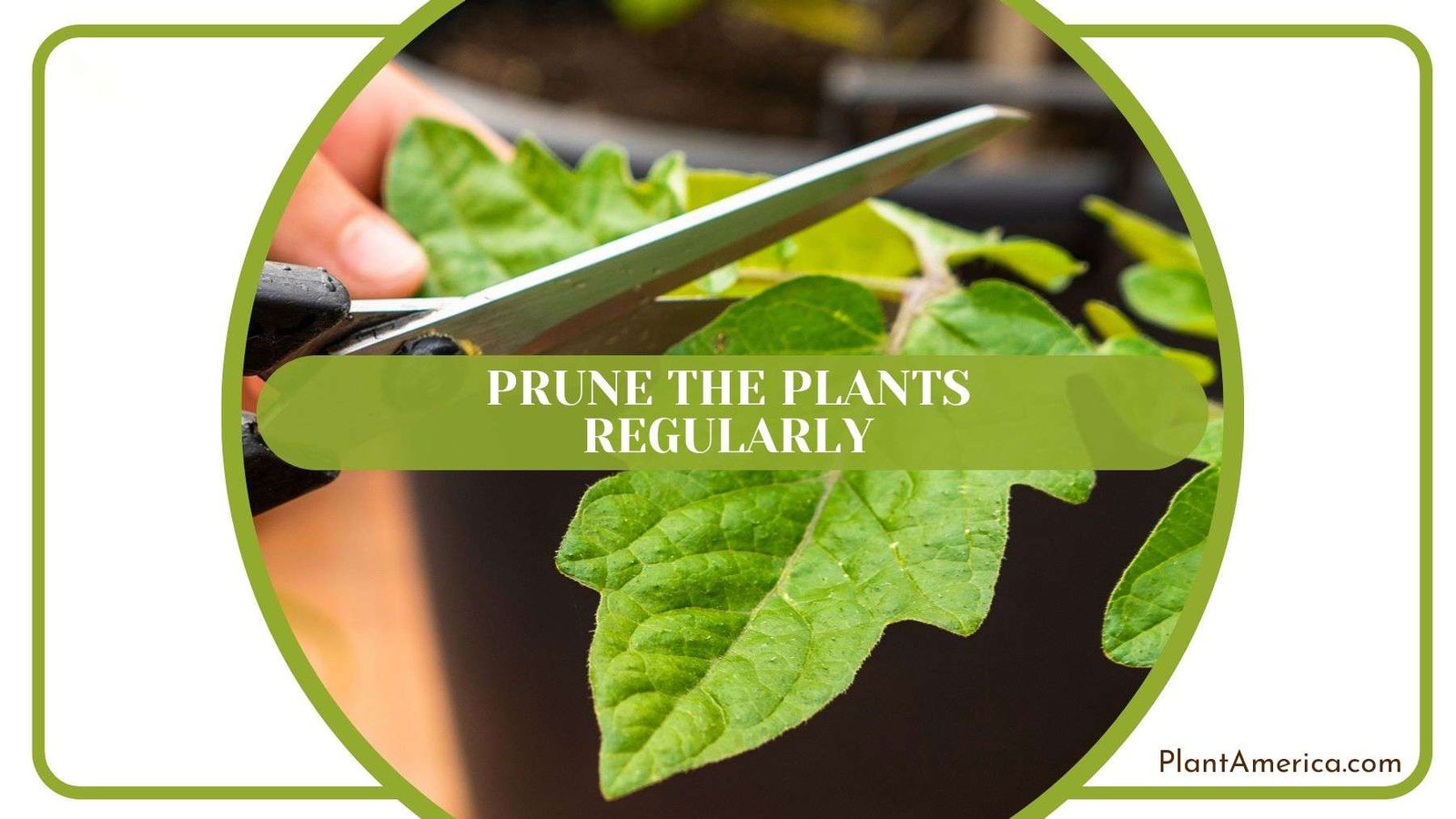
Pruning one-third to one-quarter of the lower leaves is usually a good idea. This will encourage your plant to grow faster and establish roots. In short, you don’t have to prune seedlings because they don’t have lots of leaves. However, some leaves will turn yellow, droop, and wilt; you can trim them off.
Conclusion
Seeing droopy foliage after transplanting your pants means they suffer from transplant shock. There are several reasons why this might happen but there are several ways to fix it:
- Older plants might struggle to survive a transplant shock compared to young seedlings.
- Transplanted plants should be hardened off to survive the elements and their changes.
- Seeing yellow and curling plant leaves after transplanting one of your plants can be annoying. You’re moving it into a bigger pot or want to use fresh soil to protect it from root rot.
- You should pick healthier plants and seedlings to transplant and offer good protection to maximize their survival chance.
- Water your plants thoroughly and prune their leaves to make them healthy.
Although a shock can kill your transplanted plants, there are several ways to fix this problem.