
Desert flowers are an oasis of beauty and color in a barren landscape. When stunning desert flowers bloom, we enter a magical world of survival, adaptation, and natural resilience.

In this article, we’ll explore astonishing species of desert flowers that thrive in the harshest environments, from cactus flowers to ephemeral wildflowers only blooming after rare desert rains. From dazzling blues to vibrant yellows, these desert survivors put on a spectacular display, proving that beauty can arise even in the most unlikely places.
22 Desert Flower Species Worth Seeking Out in the Wild
1. Red Buckwheat

- Growing season: Summer, Spring
- Leaf shape: Palmate, Five to 15 segments
- Specific needs: Full sun, Well-drained soil
- Common pests: None
Red buckwheat is a common wildflower found in desert scrub habitats throughout the Mojave Desert region. From March through early June, it produces vibrant blooms that attract native pollinators.
Its flowering stems can grow up to three feet tall. Clusters of pink to magenta flowers form at the top of each branched stem. The five petals come together in a funnel shape, with stamen protruding in the center. Several species of bees and butterflies pollinate the flowers, drawn in by the abundant nectar. This provides an important food source during the otherwise dry spring season.
After blooming is complete in mid-June, the stems continue growing while seed pods form. Small triangular seeds develop and many fall directly below the parent plant. Some seeds may attach to fur or feathers of passing animals, assisting in wider dispersal.
By performing this pollinator support role, red buckwheat plays a part in maintaining local desert ecosystems. It adds seasonal color and forage value to washes and canyon areas as one component of the diverse scrub plant community.
The resilient nature and relatively tall stature of red buckwheat allows it to thrive with minimal water. Each year it re-establishes through self-seeding to provide another cycle of nutrients for springtime pollinators.
2. Golden Poppy
- Growing season: Winter, Spring
- Leaf shape: Palmate, Deeply dissected
- Specific needs: Full sun, Well-drained soil
- Common pests: None
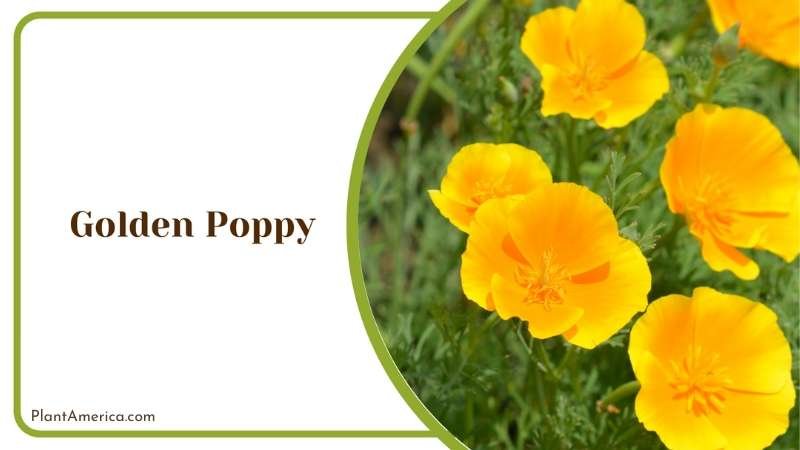
Every spring, the California deserts are illuminated by the vibrant blooms of golden poppies. These bright orange wildflowers flourish following winter rains. Each golden poppy bears a solitary flower at the top of its thin green stem. The cross-shaped blooms have four long petals that vividly contrast with the surrounding sandy soil. Feathery foliage surrounds the flowering stems, giving the low-growing plant an airy appearance.
A unique characteristic are the small black spots at the base of each petal. These intuitive guides lead pollinators straight to the flower’s nectar-rich center. Native bees and butterflies take advantage, gathering sweet rewards as the poppies bloom from morning till evening.
The blooming period occurs through spring as temperatures rise. Golden poppies capitalize on pollinator traffic during this time by displaying their sunny petals. Come nightfall, the flowers instinctively curl and hide their precious nectaries until the sun rises and a new day of pollination begins.
Through hardy persistence and natural beauty, golden poppies have become iconic symbols of the California desert spring. Their prolific blooming enlivens the landscape following scarce winter precipitation. In turn, the poppies sustain beneficial pollinator species integral to desert ecology.
3. Creosote Bush
- Growing season: Year-round
- Leaf shape: Evergreen, Oval
- Specific needs: Full sun, Alkaline soil
- Common pests: None
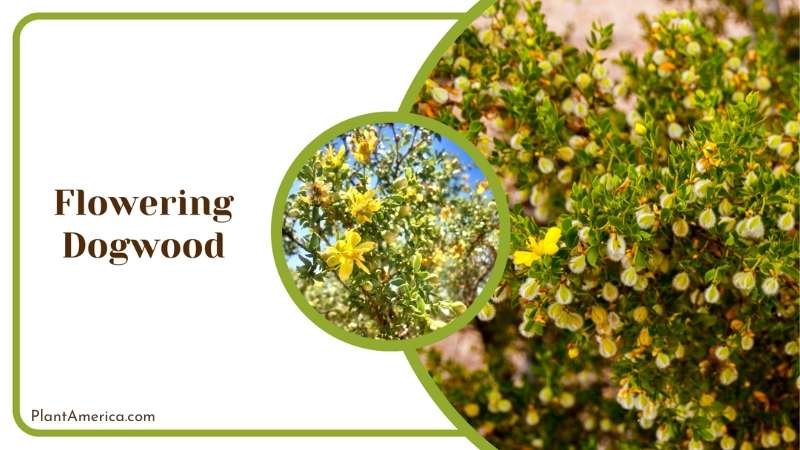
Found across North American deserts, the creosote bush is an emblematic species.Its ability to spread far and wide has made it the most widely distributed plant on the continent. Upon closer inspection, distinct characteristics emerge. The shrubby form features small yellow flowers and aromatic leaves containing a resinous sap. Crushing the foliage releases a pungent odor.
Each spring, leafless flower stalks emerge above the dense greenery bearing hundreds of slender clusters. Within these clusters dangle solitary yellow blooms no more than a half inch wide. Native bees flock to feed on the abundant pollen and nectar. As effective pollinators, the bees play an essential role in desert reproduction.
Once flowers fade, hairy fruits develop and ripen. These splitting pods release many seeds to the winds when mature. Below ground, an expansive root system allows the creosote bush to tap subsurface water reserves. This adaptive strategy explains its success across the sun-baked wilderness.
For centuries the creosote bush has stood as a symbol of resilience in the desert southwest. Through botanical Wizardry and pollinator partnerships, it flourishes in some of the harshest environments on earth.
4. Mojave Aster
- Growing season: Spring
- Leaf shape: Alternate, Narrow
- Specific needs: Full sun, Well-drained soil
- Common pests: None
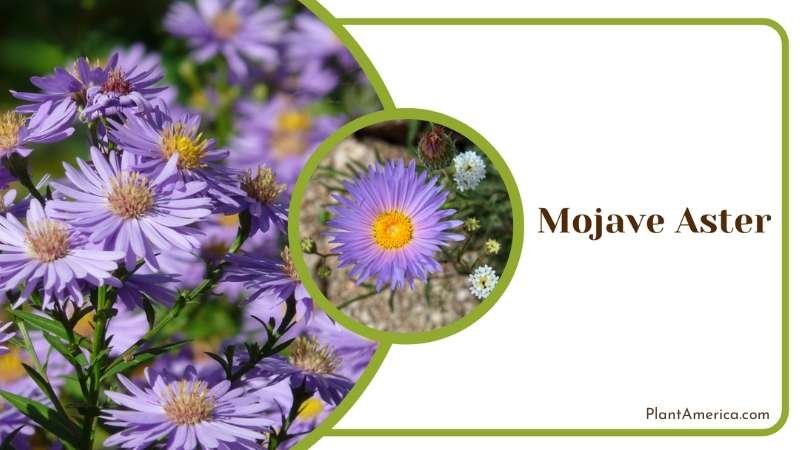
Adorning stems from late winter through early summer are puffs of lavender-hued petals. Measuring one to two inches across, the daisy-like blooms feature multiple layers of slender ray florets surrounding yellow centers. During flowering season, the stems often branch near the top to hold more blooms – a response to beneficial rains.
Among the basal tufts of alternate, narrow leaves exist adaptive qualities. Tiny leaf hairs reduce moisture loss, important for desert survival. The foliage and spent flowering stems then dry up while awaiting the next growing season.
Both seed dispersal and creeping rhizomes allow the Mojave aster to spread into loose clonal colonies. Its perennial life strategy and pollinator display ensure ongoing contributions to local biodiversity. During bloom time, the Mojave aster enlivens the landscape with bursts of pale purple, adapting splendidly to the harshest of desert conditions.
5. Desert Marigold
- Growing season: Fall, Spring
- Leaf shape: Feathery, Compound
- Specific needs: Full sun, Well-drained soil
- Common pests: None
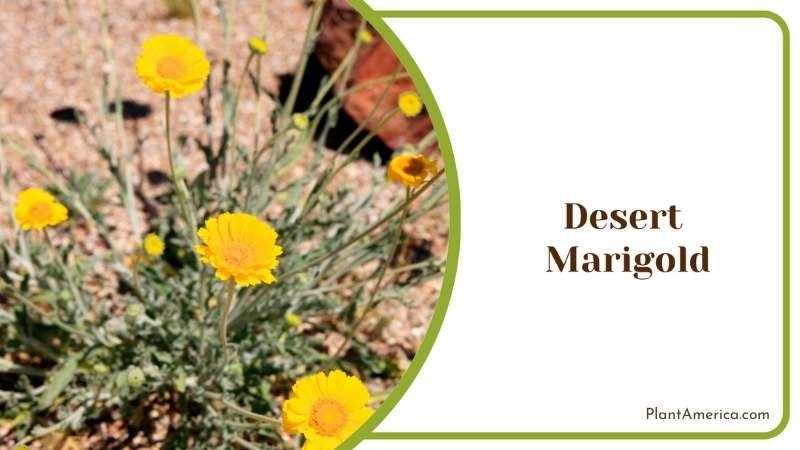
Dotting the sands of the southwestern desert comes early spring, you may spot flashes of golden yellow among the browns. These warm touches belong to the Desert Marigold. A hardy perennial, the Marigold quickly sends up numerous slender stems from its twisting root mass. Reaching 12-18 inches tall, each thin stalk holds a single large bloom at its tip.
Measuring up to three inches wide, the cheerful gold-toned flowers stop passersby in their tracks. Their lively color calls out like a beacon amid the surrounding shades of sage and sand. Five notched petals form a ragged edge that creates the appearance of even more numerous rays.
At the center stand clusters of darker yellow disk florets. Native bees soon flock to the floral bounty, using visual guides to sip nectar through the morning hours. They in turn provide the marigold’s main form of pollination in the desert spring.
After blooming runs its course by early summer, the marigold enters dormancy. But gardeners can divide its sturdy rootstock in fall to propagate more cheer for future seasons. Wherever the Desert Marigold springs up, its sunny disposition lifts spirits across the barren landscape.
6. Desert Lily
- Growing season: Winter, Spring
- Leaf shape: Basal, Sword-like
- Specific needs: Full sun, Well-drained soil
- Common pests: None
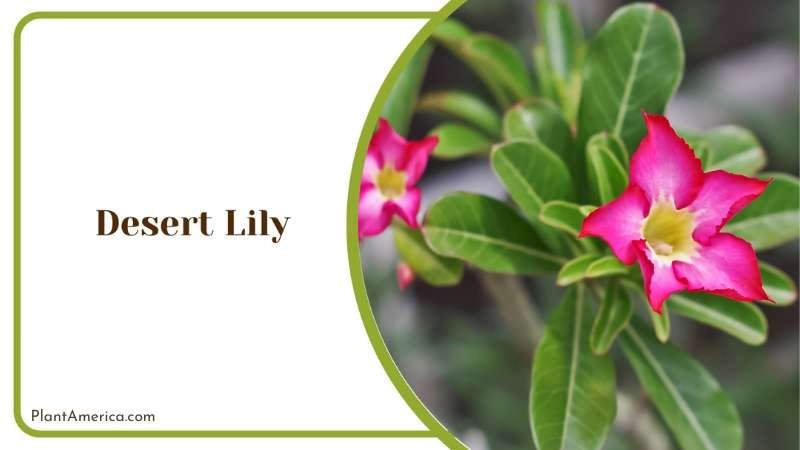
A harbinger of spring arrives with the Desert Lily. After winter rains, this iconic wildflower wastes no time in emerging from its slumber below the parched earth. Long green leaves resembling tender asparagus fronds are the first to push their way up. Soon following are hollow stalks topped with pendulous blooms unlike any other desert denizen.
Dozens of oblong tepals in shades of orange, yellow or white dangle from each delicate stem. Some cultivars show off distinctive red veining within the waxy petals. Together they form simple yet stunning bells reminiscent of Dutch masterpieces. The scentless flowers attract specialized pollinators like hopping leafcutter bees through visual guide marks. These tiny insects spread pollen between blooms with acrobatic precision.
As quickly as it appears after seasonal soaking, the Desert Lily finishes its fleeting encore. Foliage and flower stalks die back just as the clean canvas of sandy soil is revealed once more. But seeds released ensure the pageantry will repeat, punctuating the Mojave with unexpected moments of brilliance.
7. Ocotillo
- Growing season: Summer, Spring
- Leaf shape: Compound, Feathery
- Specific needs: Full sun, Well-drained soil
- Common pests: None
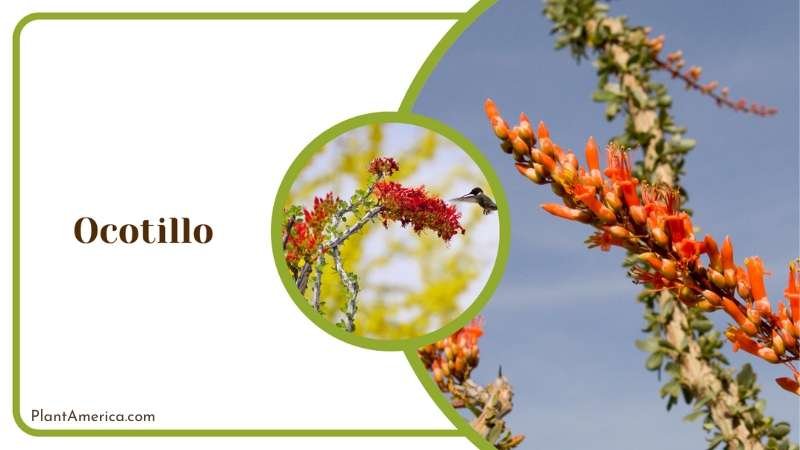
Striding proudly across the baked desert landscape emerges a spindly giant – the Ocotillo. Little could appear more out of place in the parched surroundings yet it thrives through ingenious means. When rain-bearing clouds appear, the Ocotillo springs into astonishing action. Branching stems lying dormant erupt with vivid green foliage overnight, transforming the skeletal shrub into a verdant spectacle.
Reaching heights over 20 feet tall, the new leafy growth resembles the long whipping tentacles of an octopus for which it’s named. Each flexible stem arm ends in clusters of brilliant scarlet flowers that stand out against the restored foliage.
Through spring and summer, the Ocotillo capitalizes on brief wet periods by attracting hummingbirds, honey bees and bats. These diverse pollinators feast on nectar riches while propagating the plant’s continuing legacy.
All too quickly the monsoon season ends and leaves wither, withdrawing once more into hardened stems. The Ocotillo’s cycle reflects nature’s fleeting balance of life amid the desert’s harsh reality. Its ingenuity in form and function captivates on the savannah as an unmatched marvel.
8. Chuparosa
- Growing season: Winter, Spring
- Leaf shape: Alternate, Compound
- Specific needs: Full sun, Well-drained soil
- Common pests: None
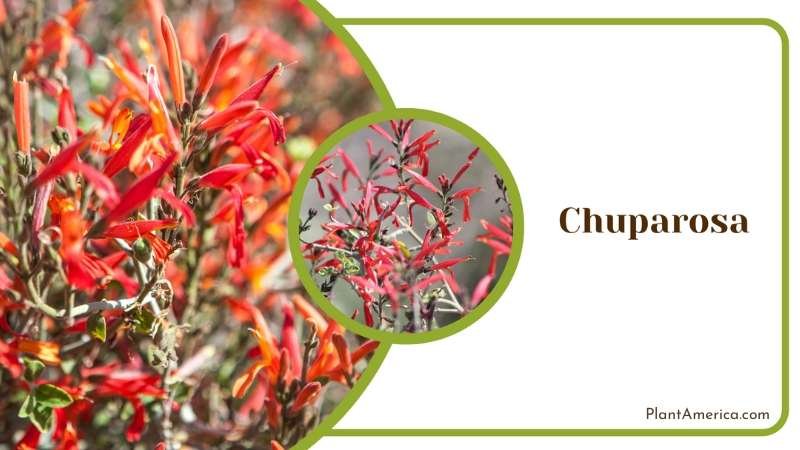
The Chuparosa is a low-growing desert shrub typically found on sandy or gravelly soils. In late spring it produces clusters of tubular orange flowers along the stems. Individual flowers are fused into cylindrical shapes about half inch long.
The bright color and nectar-filled shape of the Chuparosa flower attracts pollinators. Hummingbirds are especially frequent visitors, using their long bills to access nectar deep inside the tubes. Butterflies and bees also collect nectar and inadvertently transport pollen between flowers.
Pollination allows the Chuparosa to form seed pods after flowering. New shrubs can then grow from seeds dispersed on the ground. The colorful blooms stand out against dried grasses and signal summer’s onset.
By producing many flowers that reward pollinators with nectar, the Chuparosa is well-adapted to the desert environment. Its low-growth form and tubular flowers help conserve water in the hot, arid climate. The bright orange color acts as an advertisement to attract the pollinators critical for reproduction.
9. Desert Brown-eyed Susan
- Growing season: Winter, Spring
- Leaf shape: Alternate, Lobed
- Specific needs: Full sun, Well-drained soil
- Common pests: None
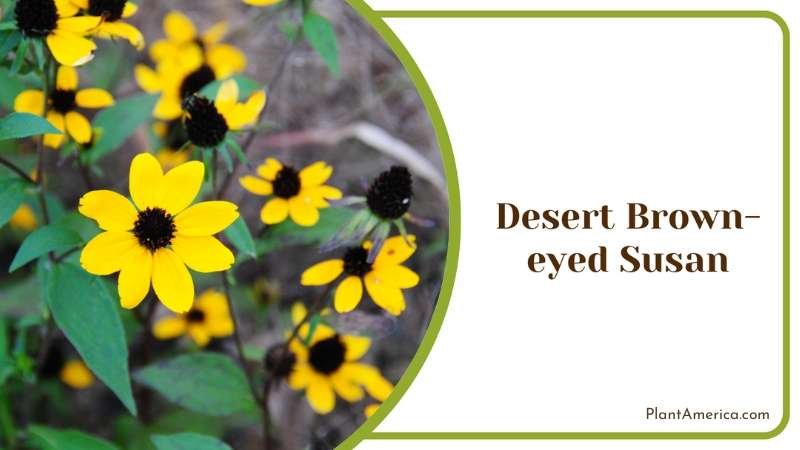
The Desert Brown-eyed Susan is an annual wildflower found in desert scrub habitats. It forms a low mound of gray-green leaves and produces its flowers on thin stems rising six to 24 inches tall.
Each flower has 13-21 bright yellow ray florets circling a dark center. Like other members of the sunflower family, this dark “eye” is made up of many tiny disc florets. The flowers grow individually at the tops of their slender stems.
In spring after rains, the sunny blooms attract pollinators like bees to the plentiful nectar. As bees forage, they transfer pollen between flowers, enabling seed production. Later, dry fruits called achenes form in place of the spent flowers.
These 1/8 inch long seeds help the plant spread widely. Opening cracks in the soil allow achenes to take root between native shrubs and cacti across the desert terrain. Come next spring, a new crop of yellow florets appears to bring color and nourishment for pollinators once again.
Through vibrant flowers and seed dispersal adaptations, the Desert Brown-eyed Susan thrives amid the parched landscape. Its short life cycle allows rebirth each wet season to contribute to desert pollinator communities.
10. Barrel Cactus Flower
- Growing season: Winter, Spring
- Leaf shape: None, Cactus
- Specific needs: Full sun, Well-drained soil
- Common pests: None
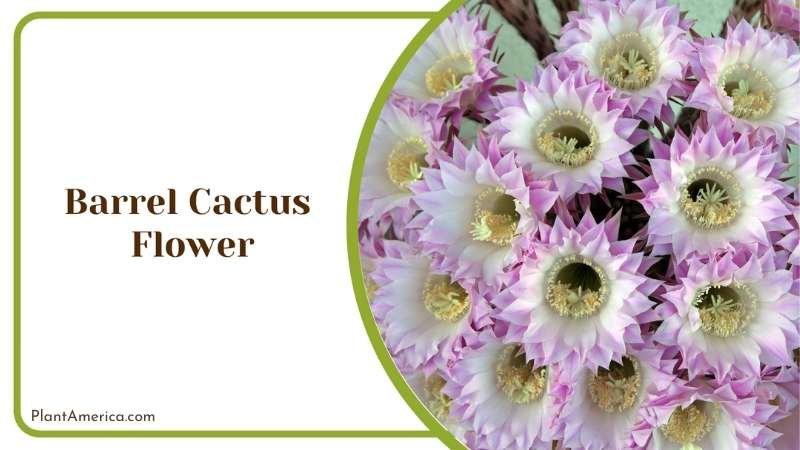
The barrel cactus is a spherical or cylindrical cactus well adapted to desert environments. In spring following rain, the top of the cactus produces a bouquet of vibrant pink to red flowers. The numerous two to three inch flowers open upward and outward on the cactus’s crown. Bright petals form a funnel shape that guides insects down to nectar-filled tubes nestled among fine hairs. At night, the flowers close to protect nectar from moisture loss.
Butterflies, bats and hummingbirds rely on the abundant nectar as a food source during the cactus’ blooming period. As they feed, their bodies collect and transfer pollen between individual flowers. Cross-pollination allows cacti to produce small red fruit filled with seeds.
After flowering wraps up in a few weeks, the cactus’ energy shifts back to growth and water storage. Its barrel shape minimizes surface area to conserve fluids in the arid climate. Seeds from the fruit scatter to sprout if rain returns.
Through vibrant flashes of color and rewards for pollinators, the barrel cactus flourishes where few other plants persist. Its adaptations ensure reproduction and survival in the harsh desert region for years to come.
11. Yellow Poppy
- Growing season: Winter, Spring
- Leaf shape: Toothed, Lobed
- Specific needs: Full sun, Well-drained soil
- Common pests: None
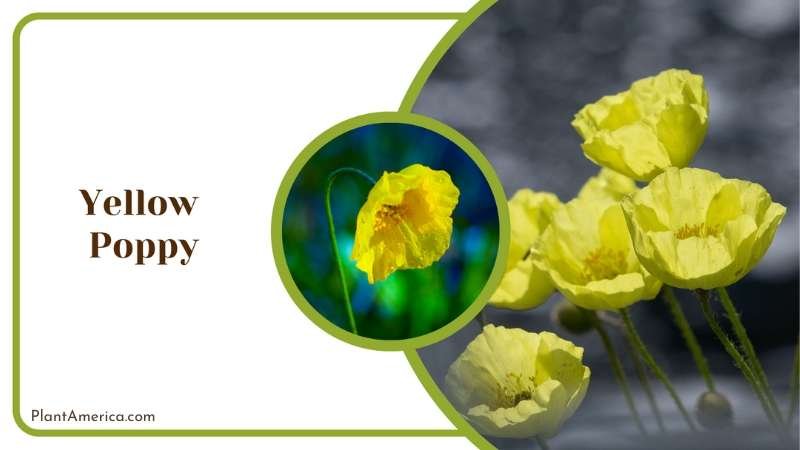
Yellow poppies are abundant wildflowers that signal the arrival of spring across desert scrublands. Their bright golden flowers stand out against sparse dry vegetation. Each poppy blooms singly on an erect stem four to 16 inches tall. Four notched petals form a simple cross-shaped flower approximately one to two inches wide. The numerous yellow petals surrounding a black reproductive center are highly visible to pollinators.
As temperatures rise in late winter and early spring, yellow poppies proliferate after seasonal rains. Abundant nectar and pollen in the flowers draws native bees, butterflies, and other insects. Pollinators transfer pollen between individual plants, allowing seed production.
Once blooms fade later in spring, seedpods form and burst open to disperse hundreds of tiny dark seeds. Carried by the wind, seeds can lay dormant in the desert soil for years until suitable moisture returns to trigger another mass flowering.
With brilliant yellow flowers and copious seed dispersal, the yellow poppy flourishes ephemerally each wet season to naturalize desert slopes with color and nourishment for local pollinators.
12. Monkeyflower
- Growing season: Summer, Spring
- Leaf shape: Opposite, Ovate
- Specific needs: Full sun, Well-drained soil
- Common pests: None
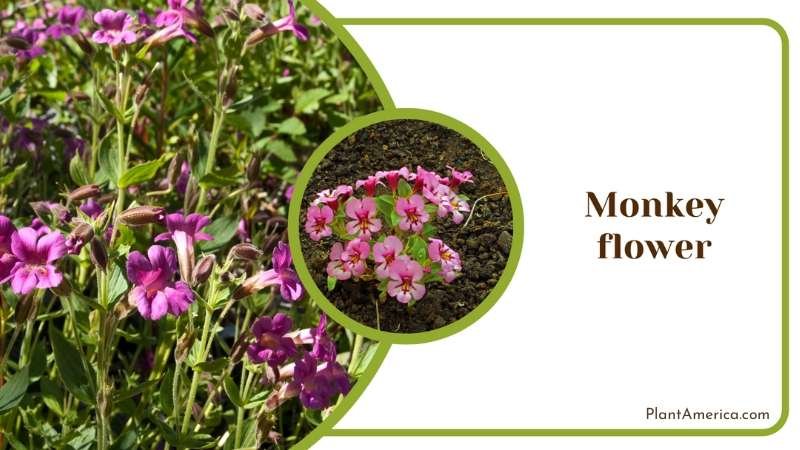
Monkeyflowers are annual wildflowers common throughout desert regions. They get their name from their monkey-like mouths formed by two upper and two lower petals. In spring after seasonal rains, monkeyflowers send up multiple slender stems four to 24 inches tall. Along the upright flowering stalks dangle cheerful blooms in various shades of red, pink, yellow or white. Each delicate flower hangs facing downward.
Nectar guides inside the upper petals act as a runway pointing pollinators like hummingbirds and butterflies directly to the flower’s center. As they feed, their bodies collect pollen which is transferred between blooms, allowing cross-pollination.
After flowering is complete by early summer, small seed capsules form and eventually burst open. Tiny seeds dispersed by the thousands give the monkeyflower its ability to rapidly colonize disturbed soils across the sun-baked desert landscape.
Through successive wet seasons, their ephemeral yet prolific blooms return in bursts of color, providing crucial food sources to energize pollinator communities during the blooming period of spring.
13. Desert Five Spot
- Growing season: Winter, Spring
- Leaf shape: Alternate, Lobed
- Specific needs: Full sun, Well-drained soil
- Common pests: None
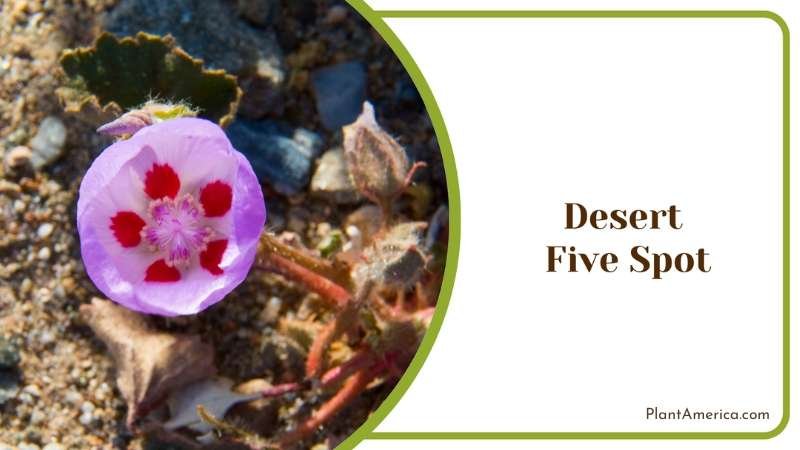
The desert five spots is an erect perennial for indigenous to western North American deserts. The species gets its name from the unusual five spots at the base of its yellow flower petals. The desert’s five spots produce a basal rosette of alternating lobed leaves that are typically hairy with a velvety texture. The gray-green leaves range from one to four inches long.
In late winter and spring, flowering stems arise from the rosette bearing solitary yellow flowers atop thin stalks. Each flower features five petals with dark spots at the bases and a pronounced tubular style. The five spots are actually nectar guides that direct pollinators to the nectar within.
After blooming, slender seed pods form containing numerous small seeds. The seeds are eventually dispersed by wind and gravity. The plants spread sexually, via seeds, and asexually through root sprouts.
The flowers of desert five spots attract native bees and other insects for efficient pollination. The locations of the dark nectar guides vary the species, from central to basal, which may enhance species isolation and reproductive success.
14. Brittlebush
- Growing season: Summer, Fall
- Leaf shape: Reduced, Scale like
- Specific needs: Full sun, Well-drained soil
- Common pests: None
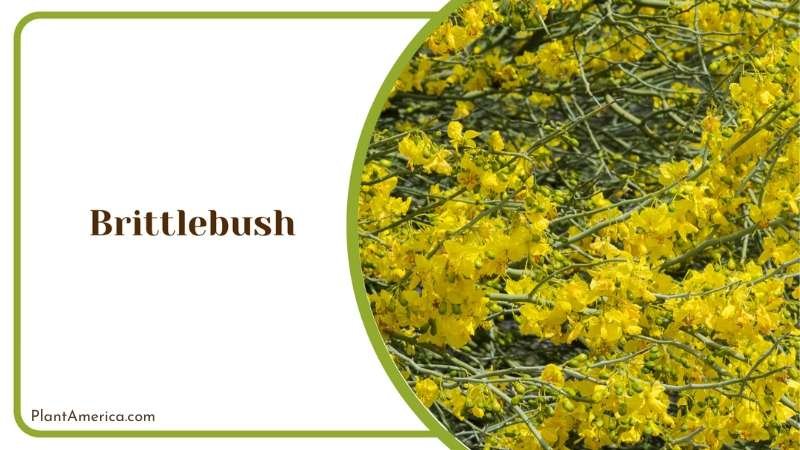
Brittlebush is an iconic desert shrub found throughout the Southwestern United States. The species gets its name from the ability of the stem to easily snap when bent. Brittlebush is evergreen, maintaining clusters of minute scale-like leaves year-round to minimize water loss. The small leaves help trap moisture and reduce transpiration.
Brittlebush produces numerous clusters of yellow daisy-like flowers atop erect branching stems in summer and fall. The flower heads feature yellow disc florets surrounded by narrow ray petals. Bracts beneath the flower heads are marked with dark spots.
The shrubby plants range in size from one-five feet tall and wide, depending on access to moisture. Brittlebush reproduces by seed and also sprouts from the roots, forming colonies over time.
The flowers of brittlebush provide important sources of nectar and pollen for insects during hot, dry seasons when many other desert plants have finished flowering. The shrubs provide nesting sites and cover for birds and small mammals as well.
15. Desert Zinnia
- Growing season: Winter, Spring
- Leaf shape: Alternate, Lobed
- Specific needs: Full sun, Well-drained soil
- Common pests: None
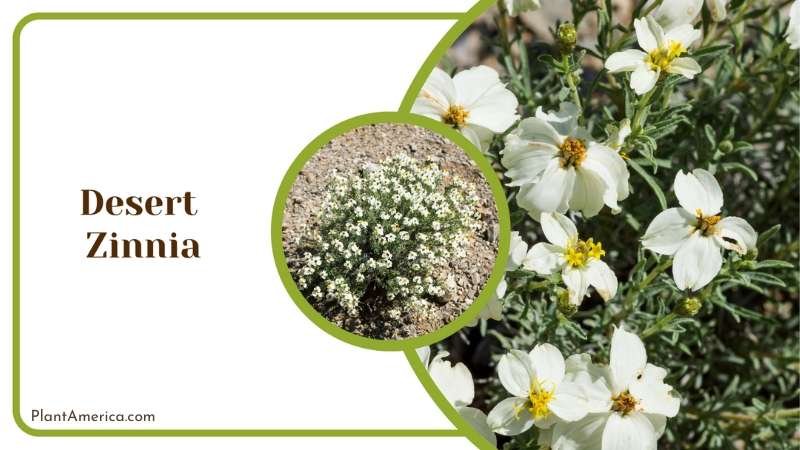
The desert zinnia is a drought-tolerant perennial wildflower native to the Southwestern United States. The yellow daisy-like flowers bloom in late winter and early spring following rains. The desert zinnia produces lobed leaves that are alternate, hairy, and velvety in texture. The gray-green leaves form a basal rosette and help the plant blend into the desert environment.
In Bloom, the desert zinnia sends up one to three-foot tall leafless stems bearing solitary yellow flower heads. The daisy-like blooms feature golden ray florets surrounding yellow disc florets in the center. Each flower head may contain up to 30 ray florets.
After blooming, seed heads form containing small achenes that gradually disperse by wind and gravity. The desert zinnia reproduces via seed and spreads vegetatively from root crown sprouts.
The flowers of the desert zinnia attract insects like bees, flies, and beetles for efficient pollination. The cheery yellow color brightens up rocky slopes and washes during the fleeting period after winter rainfall.
16. Saguaro Cactus Flower
- Growing season: Summer, Late Spring
- Leaf shape: None, Cactus
- Specific needs: Full sun, Well-drained soil
- Common pests: None
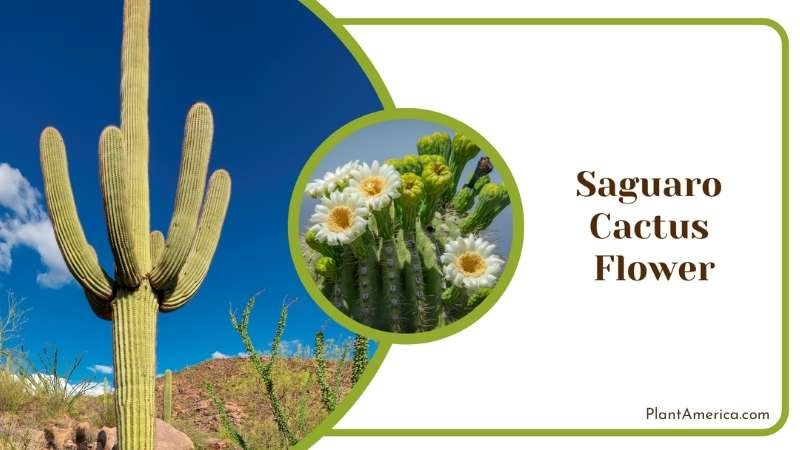
The saguaro cactus is a giant of the Sonoran Desert, famous for its multiple branching arms that tower above the landscape. After rains in late spring and summer, the saguaro bursts into bloom with large white tubular flowers.
The large fleshy stem of the saguaro cactus serves as a water storage tissue. The flowers develop directly from areoles located near the apex. Each areole can produce multiple white flowers that remain open for one night only.
The white tubular flowers of the saguaro measure about 10 centimeters long and flare outward at the mouth. The numerous stamens release copious pollen during the one night that the flowers remain open.
After flowering, the large fleshy fruits of the saguaro ripen and split open to release black seeds that are dispersed by wind, water, and animals. The saguaro’s giant statute provides bird nesting sites while the fruit provides forage for wildlife.
The enormous size and longevity of the saguaro cactus, along with its dramatic blooms, make it an iconic symbol for the Sonoran Desert and the Wild West. The flowers depend on night-flying moths and bats for pollination.
17. Indian Paintbrush
- Growing season: Summer, Spring
- Leaf shape: Alternate, Linear
- Specific needs: Full sun, Well-drained soil
- Common pests: None
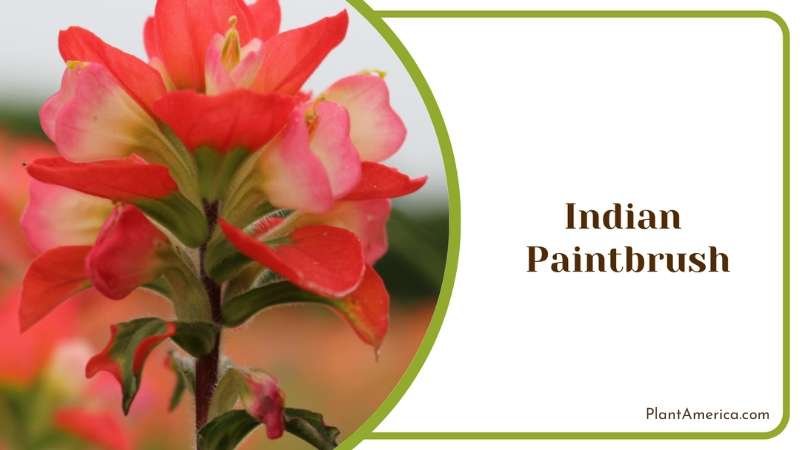
Indian paintbrush is a colorful perennial wildflower that lights up dry regions of western North America. The broad brush strokes of vivid red flowers resemble blobs of paint dripping down slender green stems.
The linear alternate leaves of the Indian paintbrush clasp the flowering stems. The leaves are narrow, lance-shaped, and pointed at the tip. The erect plants range in height from six inches to two feet tall. The tubular red flowers dangle downward from raceme inflorescences at the stem apices. Each flower features a long red tubular corolla enclosing yellow anthers.
After blooming, seed capsules form and gradually open to release minute black seeds. Indian paintbrush mainly spreads through these wind-blown seeds. The tubular flowers provide copious nectar and pollen for native bees, butterflies, and hummingbirds in early summer. The colorful flowers are an unmistakable and beloved feature of Western landscapes and flower arrangements.
18. Blanket Flower
- Growing season: Summer, Early fall
- Leaf shape: Alternate, Lobed
- Specific needs: Full sun, Well-drained soil
- Common pests: None
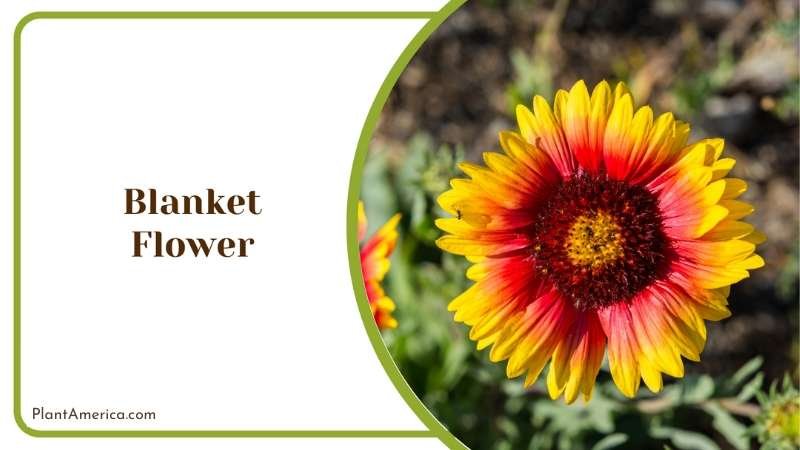
Blanket flower is a perennial wildflower native to the Great Plains and Rocky Mountain regions. The brightly colored daisy-like flowers bloom from summer through early fall in a dazzling display.
The toothed and lobed leaves of the blanket flower are alternate, petiolate, and somewhat hairy. They form a basal rosette and range in size from two to six inches long. The flowers arise on erect leafless stems that can reach three to four feet tall. Each flower head measures one point five to three inches across and features golden yellow to reddish-orange ray florets surrounding yellow disc florets.
19. Evening Primrose
- Growing season: Summer, Spring
- Leaf shape: Alternate, Lobed, Simple
- Specific needs: Full sun, Well-drained soil
- Common pests: None
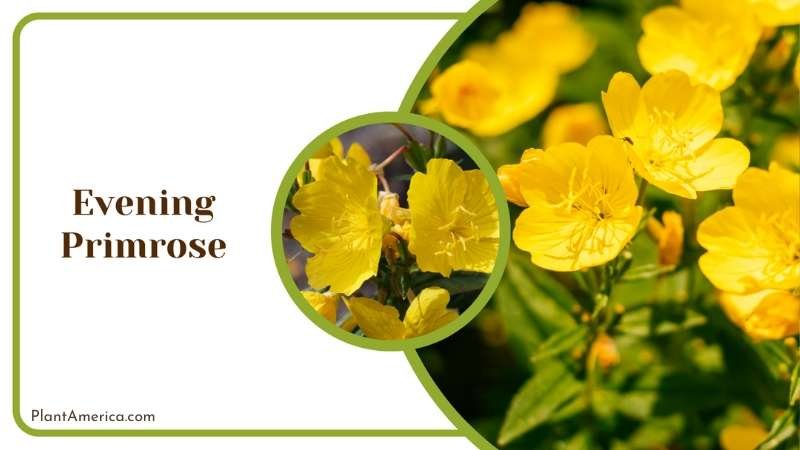
Evening primrose is a hardy wildflower native to western North America. The species epithet, vespertine, refers to the flowers that open in the late afternoon and remain open through the night. The leaves of evening primrose are alternate, simple to shallowly lobed, and covered in soft hairs. The basal leaves form a rosette, while stem leaves are smaller and clasp the flowering stalks.
In summer, the plants build erect stalks ranging from one to four feet tall. The stalks bear yellow flower clusters at the tops, featuring five petals fused into a tubular corolla. The flowers are typically around one to two inches in diameter.
20. Globe Mallow
- Growing season: Summer, Early fall
- Leaf shape: Palmate, Lobed
- Specific needs: Full sun, Well-drained soil
- Common pests: None
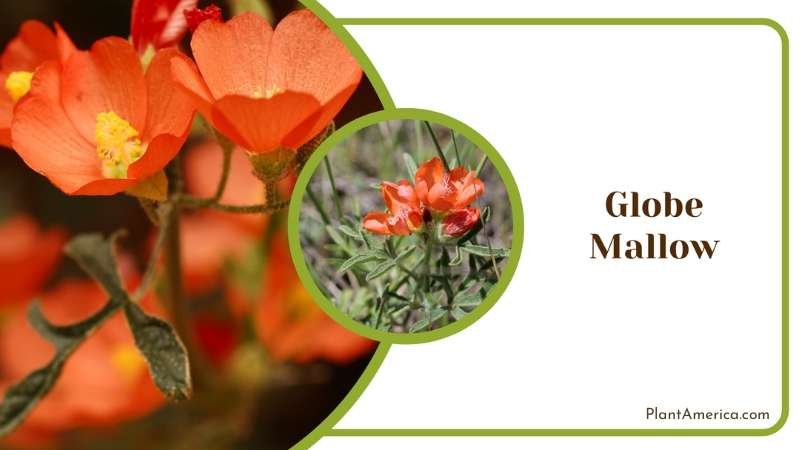
Globe mallow is a clump-forming perennial wildflower indigenous to western North America. The species epithet ‘globosa’ refers to the rounded clustered flower heads that resemble small globes.
The palmately lobed leaves of globe mallow are covered in soft hairs that help regulate temperature and conserve moisture. The basal leaves form a loose rosette, while stem leaves are alternate and smaller in size.
In Bloom, globe mallows send up erect stems ranging in height from two to six feet tall. The stems bear numerous rounded clusters of purple to pink flowers that resemble small pom-poms. Each rounded head contains numerous tubular flowers.
21. Snow On The Mountain
- Growing season: Summer
- Leaf shape: Pinnate, Lobed
- Specific needs: Full sun, Well-drained soil
- Common pests: None
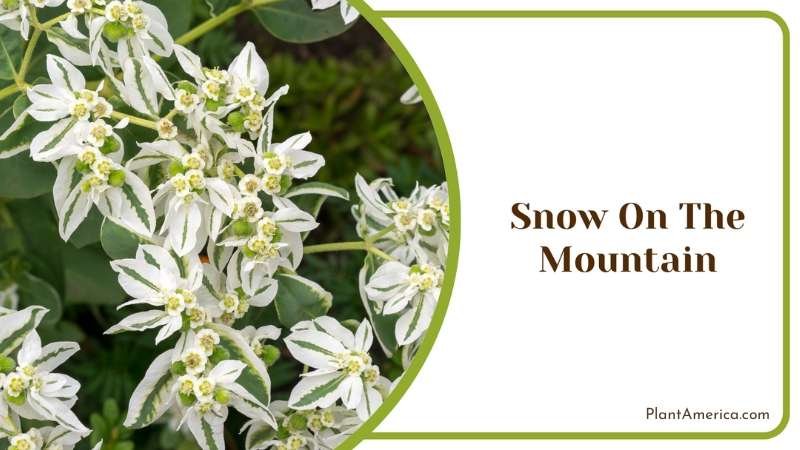
Snow on the Mountain, also called white yarrow, is a perennial wildflower known for its dense white flower heads that resemble clusters of snow. The species grows in dry, open areas throughout much of North America.
The fern-like leaves of snow on the mountain are alternate, pinnately compound, and dissected. The feathery foliage features numerous narrow leaflets that reduce water loss through their small surface area.
In bloom, flowering stems rise from the foliage ranging from one to three feet tall. The stems bear numerous clusters of white flowers that resemble small pom-poms. Each rounded inflorescence contains numerous tubular disc flowers.
22. Owl’s Clover
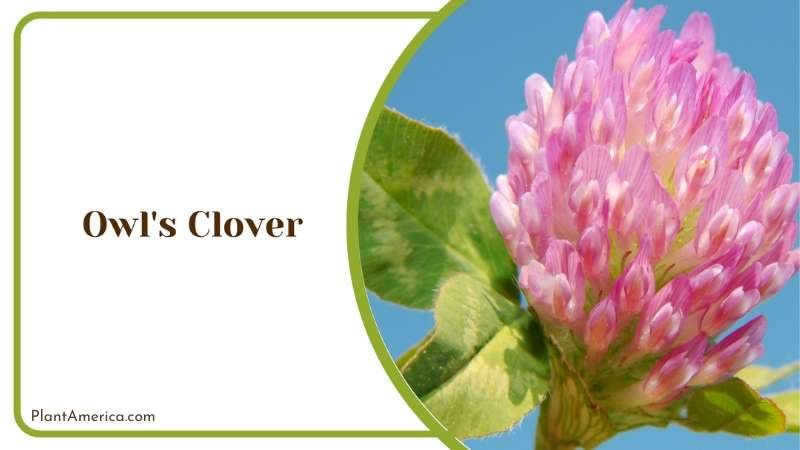
- Growing season: Summer
- Leaf shape: Pinnately, Compound
- Specific needs: Full sun, Well-drained soil
- Common pests: None
Owl’s clover is a perennial herb indigenous to grasslands and open woodlands throughout much of North America. The purple oval flower heads with protruding anthers resemble an owl’s face, giving the species its common name. The fern-like compound leaves of the owl’s clover are alternate and pinnately divided into numerous narrow leaflets.
The small leaflets reduce moisture loss through their limited surface area. In Bloom, numerous flowering stems rise from the basal foliage measuring between one and three feet tall. The stems bear several purple oval heads bunched together at the top. Each head contains numerous tubular disc flowers.
Conclusion
The desert flowers highlighted Bloom in spectacular fashion after winter rains, providing colorful flashes of beauty amid dry, harsh landscapes.
- Golden poppies are common in the California deserts, where they bloom prolifically after winter rains.
- The barrel cactus gets its name from its cylindrical shape, which stores water to endure desert droughts.
- The monkey flower gets its name from the hooded petals of its flowers, resembling the face of a little monkey.
Discover and appreciate the extraordinary beauty and tenacity of desert wildflowers that thrive against all odds. The short-lived blossoms that materialize after winter storms showcase nature’s endless creativity and resilience. Marvel at the wonders of desert flora, a testament to life’s ability to flourish even under the harshest conditions.