
Cottage garden plants bring classic charm and color to sunny gardens. This post explores the best perennials for adding long-lasting beauty, fragrance, and texture to your cottage borders and beds.
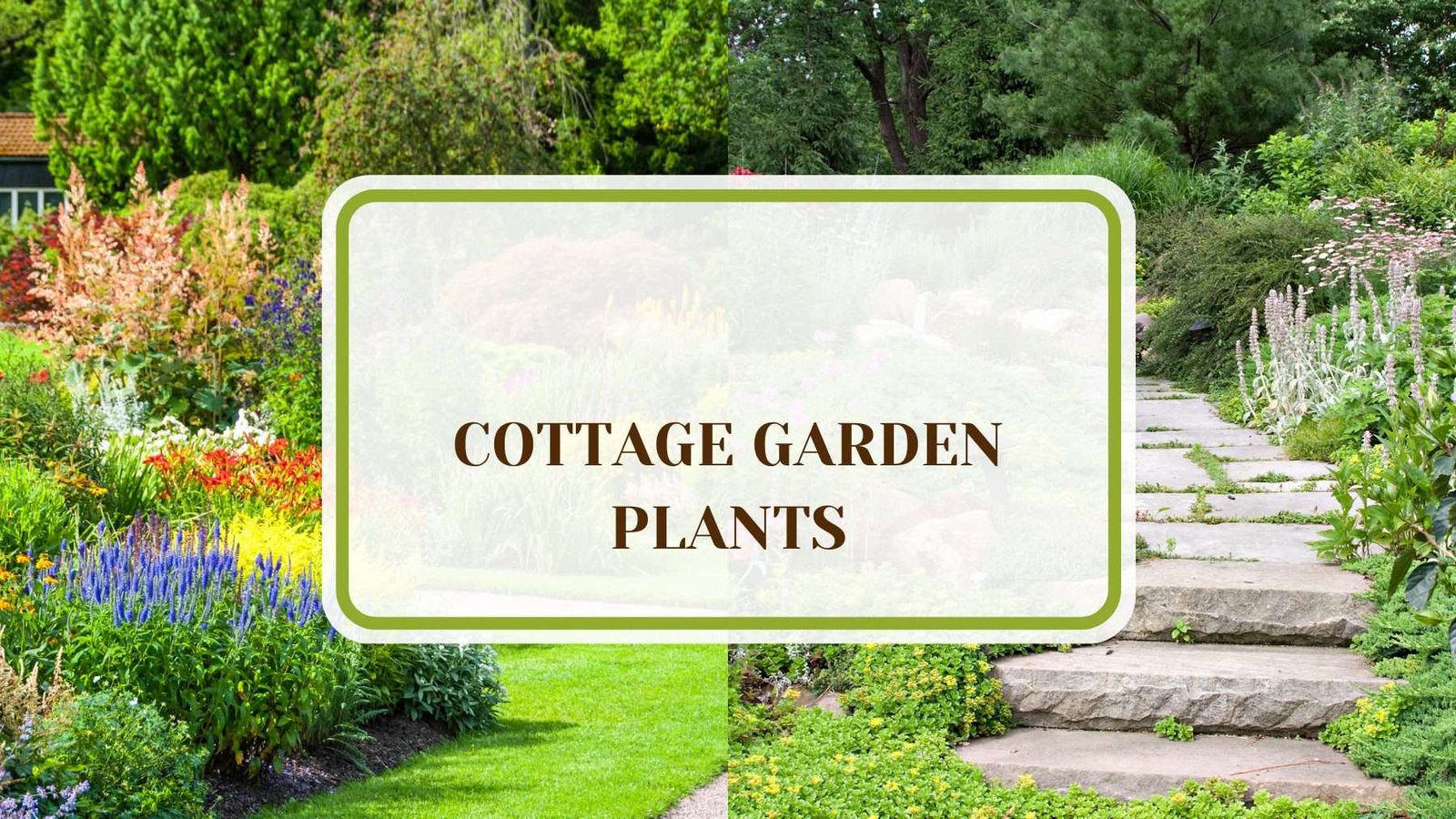
Whether you want flowers to attract pollinators, plants that provide foliage interest or cut flowers for your home, this guide covers a variety of options that thrive in full sun and thrive with minimal care. From hardy shrubs like butterfly bush to classic favorites like lupines, phlox, and yarrow, the perennials on this list offer flowers in a diverse range of hues that bloom throughout the growing season to provide perpetual curb appeal and charm!
Cottage Garden Plants and Colorful Flowers for the Sun
1. Bee Balm
- Growing season: Spring, Summer, Fall
- Leaf shape: Oval, Lanceolate
- Specific needs: Moist soil, Full sun
- Common pest: Japanese beetle, Aphids
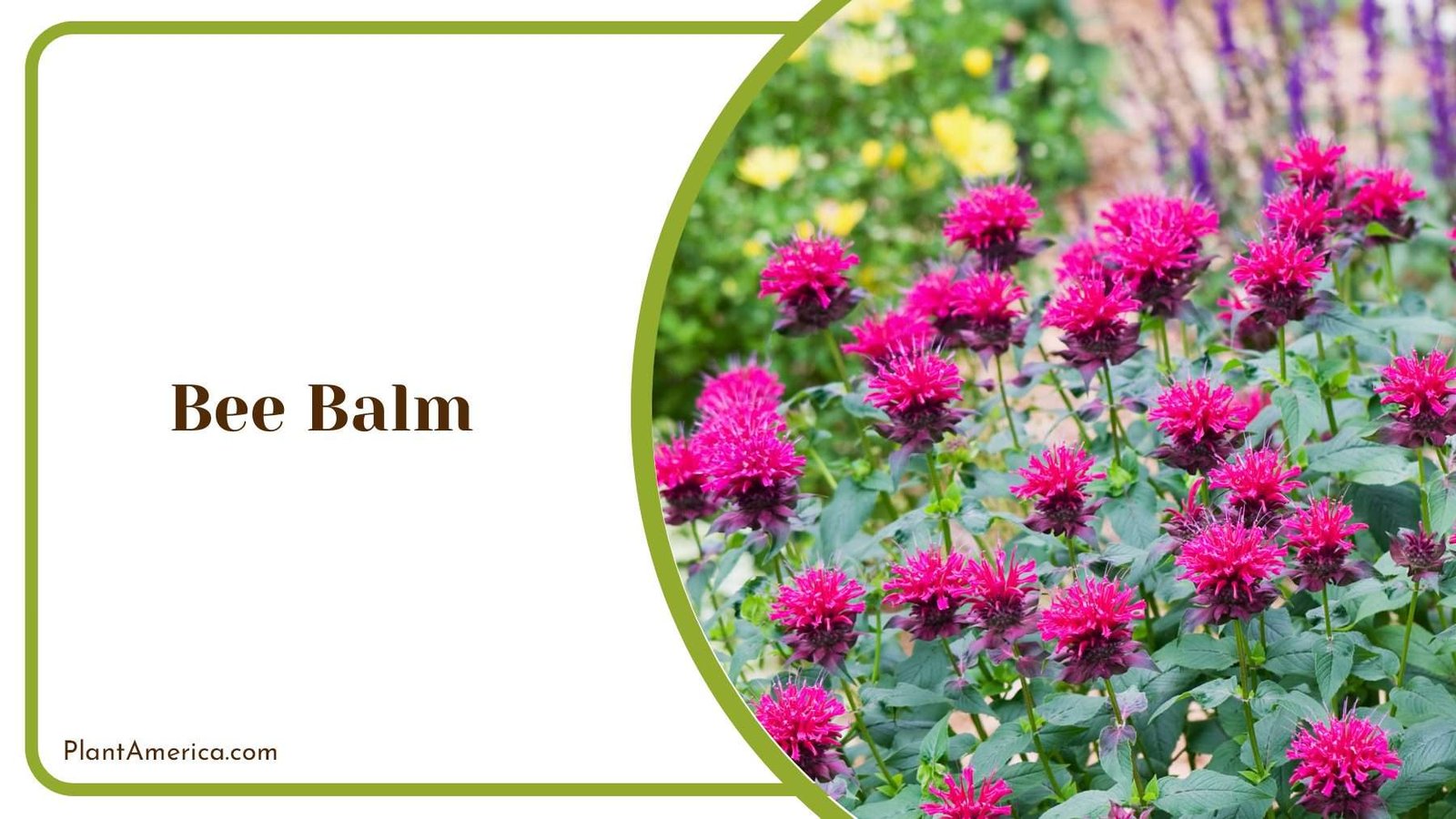
Bee balm (Monarda didyma) lives up to its name by attracting bees, butterflies, and hummingbirds with its showy flowers. The tubular flowers bloom in clusters of striking red, pink, or lavender shades from mid to late-summer.
Plant bee balm in moist, well-drained soil in full sun for best performance. The aromatic foliage releases a lemony scent when crushed or brushed against, and the flowers can also be brewed into herbal tea. You can also easily transplant your Bee Balm.
2. Lavender Cotton
- Growing season: Spring, Summer
- Leaf shape: Lanceolate, Narrow
- Specific needs: Well-drained soil, Full sun
- Common pest: None
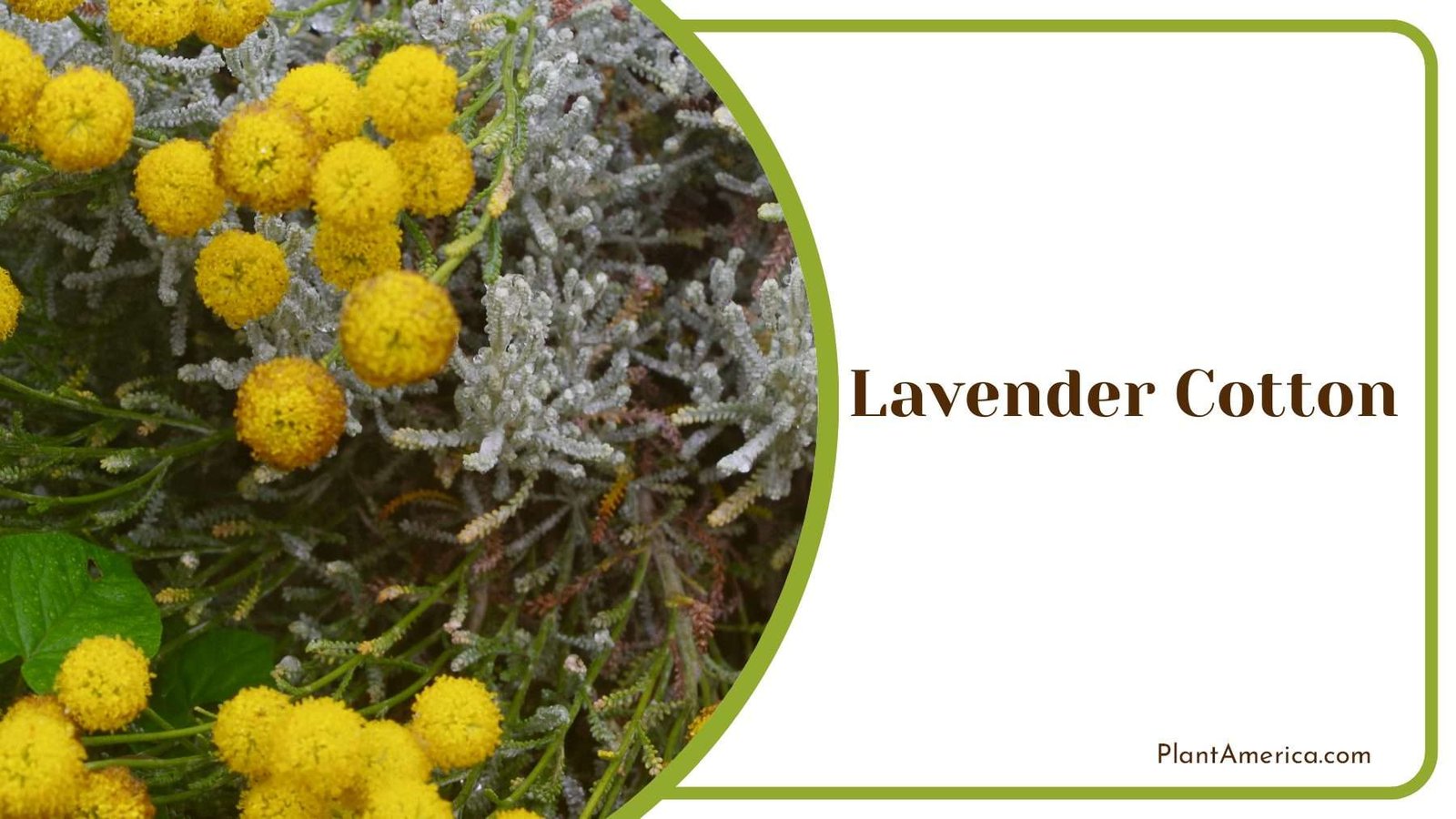
Lavender cotton (Santolina chamaecyparissus) is an evergreen perennial that forms a delicate, rounded bush covered in fragrant, finely divided silver-grey foliage. Tiny bright yellow button flowers appear in summer above the foliage, adding color to the landscape. Plant lavender cotton in well-drained soil and full sun for the grey foliage to thrive.
Prune immediately after flowering in late summer to keep the mounded shape and encourage new growth. The fresh and dried foliage can be used for sachets and potpourri.
3. Madonna Lily
- Growing season: Spring, Summer
- Leaf shape: Linear, Simple
- Specific needs: Well-drained soil, Full sun
- Common pest: None
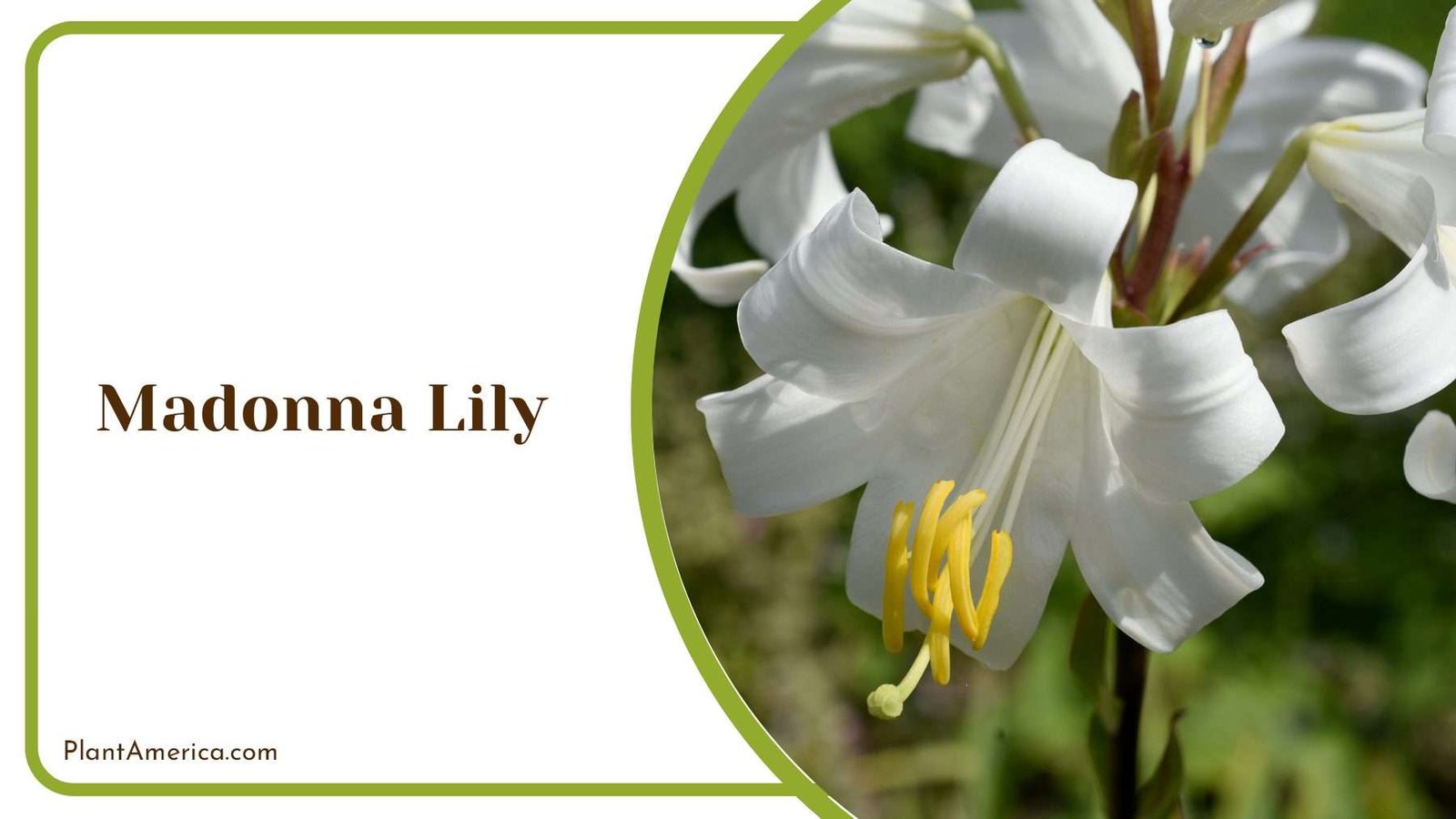
In mid-summer, Madonna lilies (Lilium candidum) produce beautiful white trumpet-shaped fragrant flowers. The flowers reach up to two feet tall on strong upright leafy stems. Plant madonna lilies in small clumps in well-draining soil and full sun for maximum bloom.
Deadhead the spent flowers to encourage additional bloom later in the season. The flowers and young seed pods are edible and can be used in salads or as a garnish.
4. Rudbeckia
- Growing season: Summer, Fall
- Leaf shape: Ovate, Broad
- Specific needs: Well-drained soil, Full sun
- Common pest: None
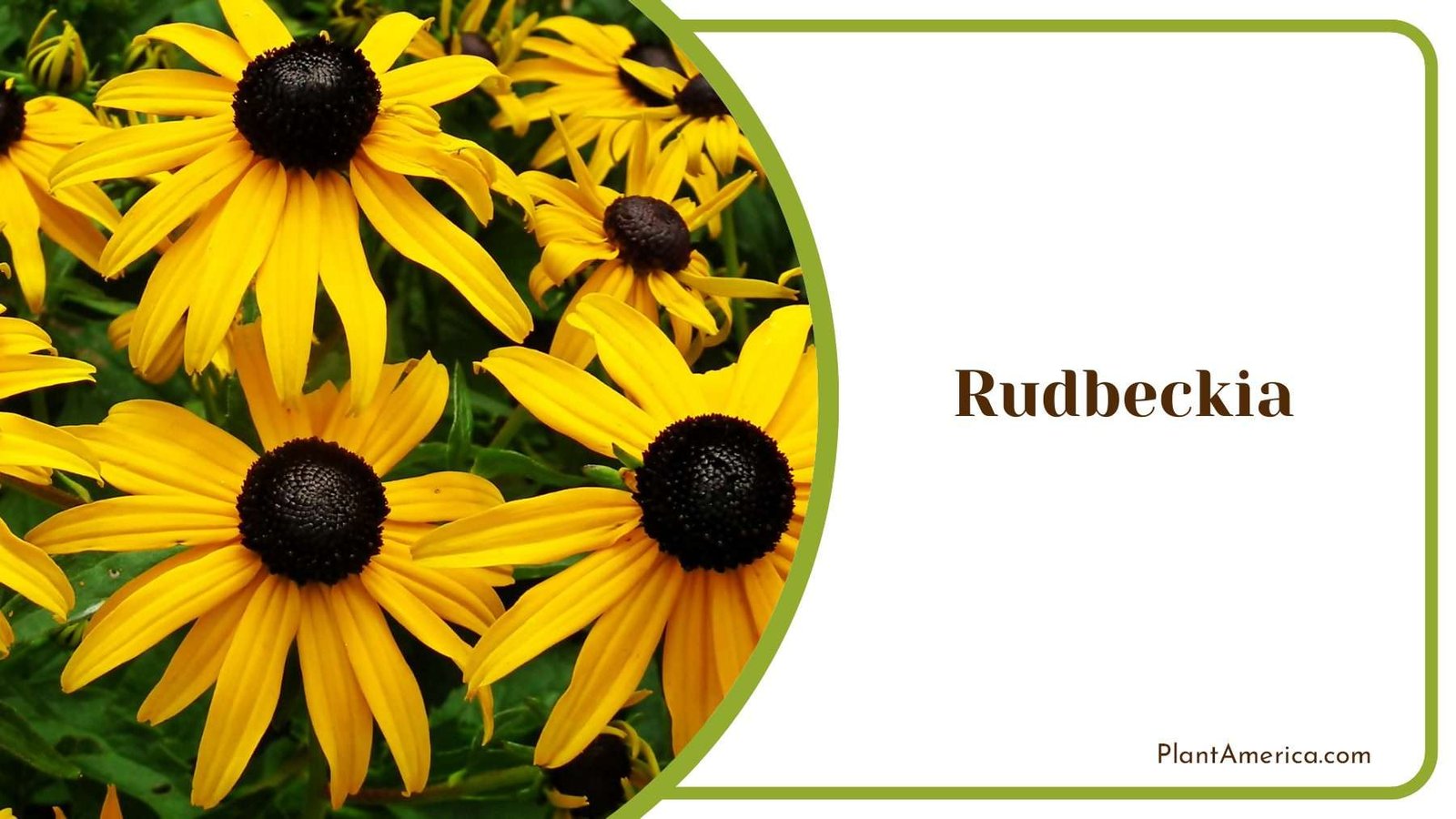
Black-eyed Susans (Rudbeckia species) produce cheerful yellow or brown flowers with dark centers. The daisy-like flowers bloom profusely from summer into fall. Plant rudbeckia in well-draining soil and full sun for optimal bloom.
Pinch back the stems in early summer to encourage bushiness and additional flowering. The dried stems and seed heads provide winter interest and food for birds. The petals of some varieties are also edible and add color when used as flowering garnish.
5. Sweet Pea
- Growing season: Spring, Summer
- Leaf shape: Compound, Lobed
- Specific needs: Well-draining soil, Support
- Common pest: Aphids, Beetles
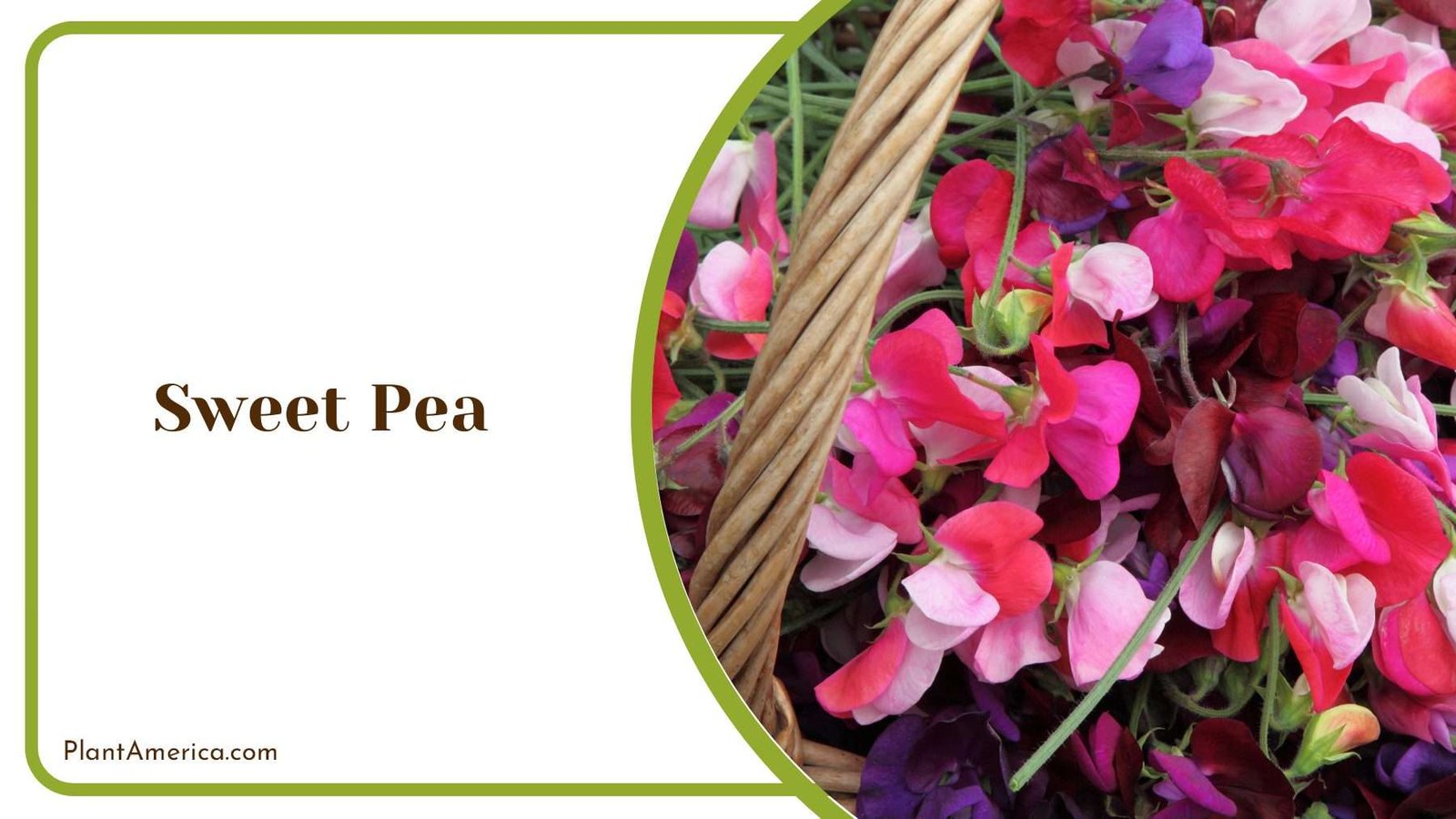
Sweet peas (Lathyrus odoratus) produce deliciously fragrant flowers in various colors, including white, purple, pink, red, and bi-colors. The pea-like flowers bloom profusely from early to late summer on climbing or trailing vines. Plant sweet peas in well-draining soil and provide a fence, trellis, or other support for the vines.
6. Foxglove
- Growing season: Spring, Summer
- Leaf shape: Oblong, Oval
- Specific needs: Moist soil, Full sun
- Common pest: Aphids, Slugs
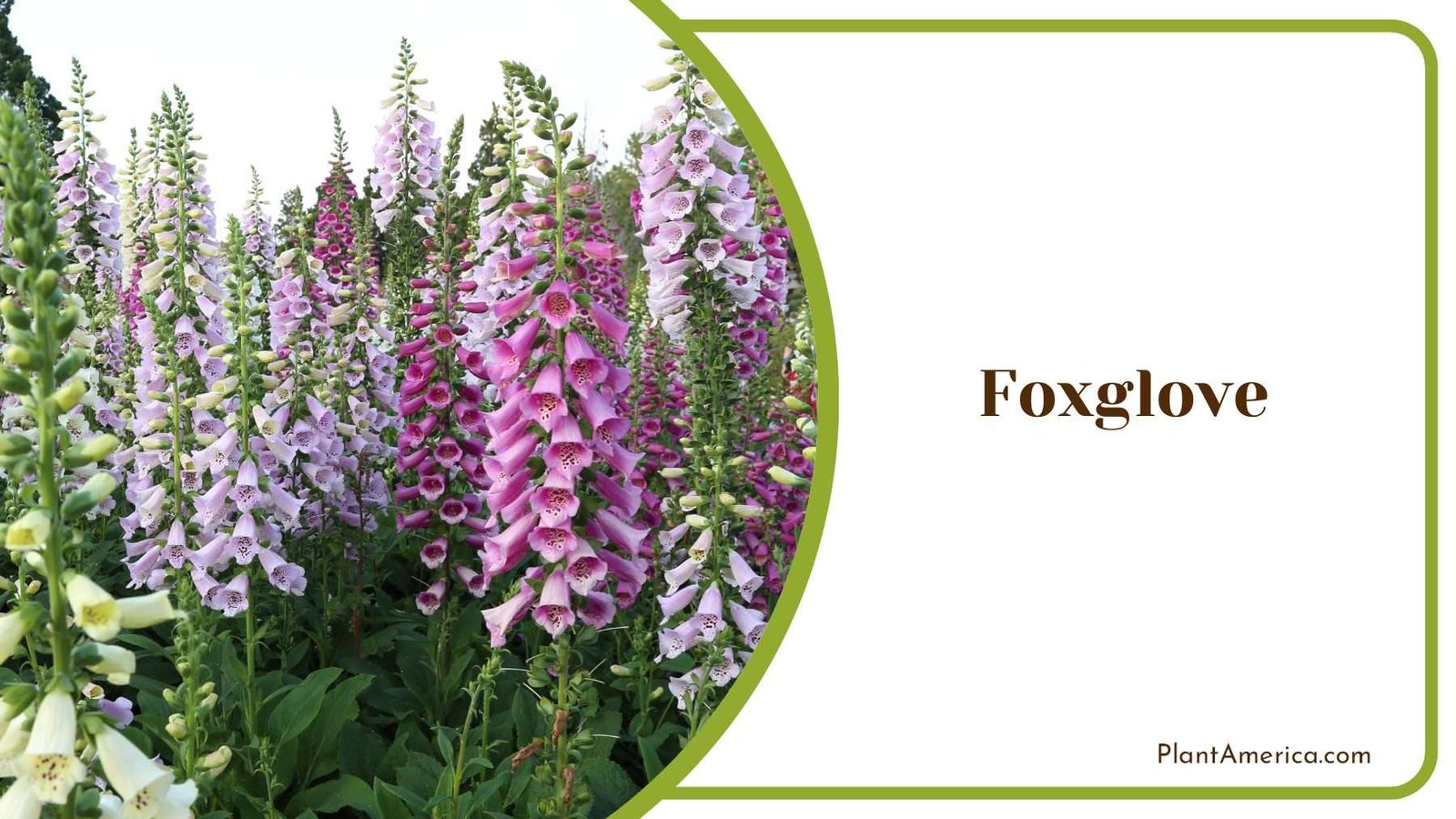
Foxgloves (Digitalis purpurea) bear vertical spires of tubular bells in various colors, such as pink, orange, red, and white. They bloom in late spring and early summer on leafy stems up to five feet tall. It also has plenty of companion plants.
Plant foxgloves in moist, moderately fertile soil and full sun. Provide support by staking the tall flower spikes. Deadhead the spent blooms to direct the plant’s energy into forming additional flowers. The seed capsules that form after flowering add interest and contain numerous tiny seeds.
7. Catmint
- Growing season: Spring, Summer
- Leaf shape: Ovate, Broad
- Specific needs: Moist soil, Full sun
- Common pest: Japanese beetle, Mites
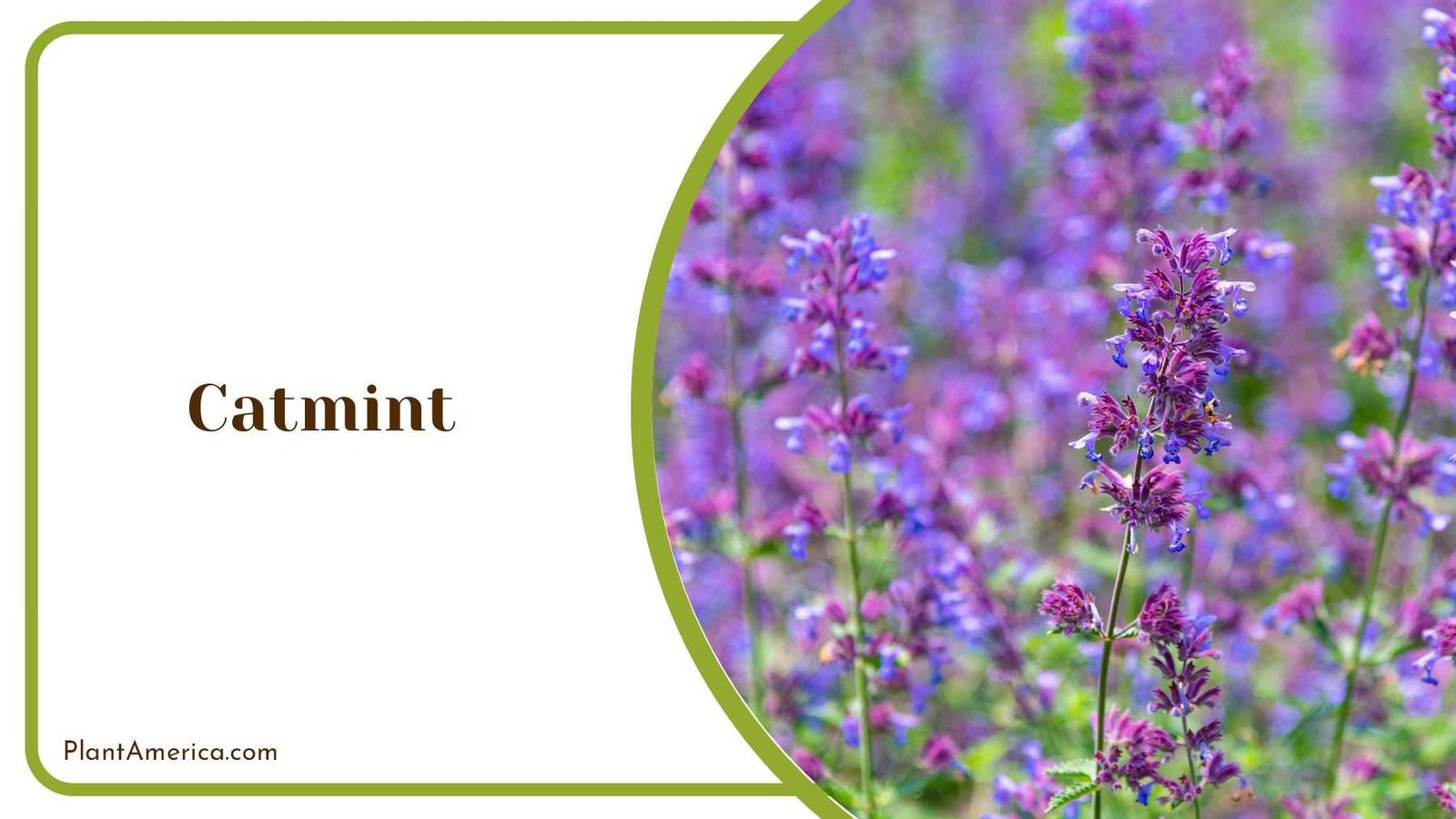
Catmints, of the genus Nepeta, produce spikes of tubular flowers in shades of blue, lavender, purple, and white. The fragrant flowers bloom profusely from early to mid-summer, releasing a calming citronella aroma when brushed against.
Catmints thrive in moist, fertile soil and full sun for optimum flowering. Keep the soil evenly moist during their growing season, watering whenever the top two inches begin to feel dry. Established plants can tolerate periods of drought once roots are well developed.
Pinching off the flowering spikes after the first blossoms fade encourages a fuller, bushier plant habit and repeats blooming throughout summer and early fall. The flowers and aromatic leaves can also be harvested and brewed as a relaxing herbal tea.
The aromatic foliage of catmints helps repel cats, insects, and other pests due to its citronella-like fragrance. The essential oils in the leaves have a repellent effect on insects and other animals.
Catmints require minimal upkeep beyond occasional pruning or cutting back to contain their spread. Fallen leaves in autumn can be left in place to provide winter interest and protect emerging new growth in spring.
8. Hollyhock
- Growing season: Summer, Fall
- Leaf shape: Palmate, Lobed
- Specific needs: Moist soil, Full sun
- Common pest: Japanese beetle, Aphids
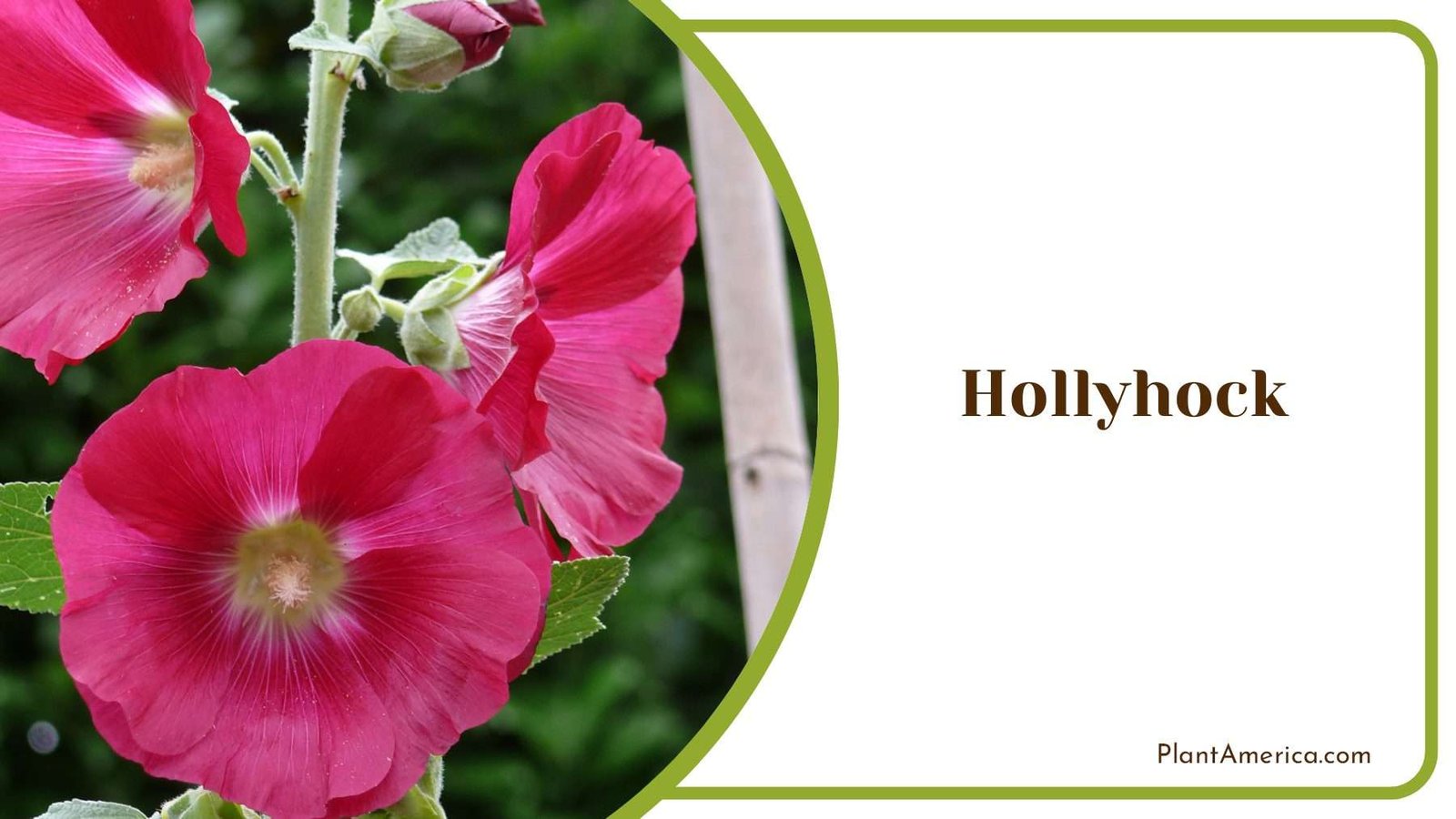
Hollyhocks (Alcea rosea) produce tall spires of single or double blossoms in shades of white, pink, red, and yellow. The frilly flowers bloom from mid-summer through fall along upright stalks that reach up to 10 feet tall.
Plant hollyhocks in moist, fertile soil and full sun. Stake tall varieties for support. Deadhead the spent hollyhock blooms to extend the flowering season. The dried stalks and seed pods provide winter interest in the garden. The young leaves and flower buds can be eaten in salads.
9. Daisy
- Growing season: Spring, Summer, Fall
- Leaf shape: Basal, Lobed
- Specific needs: Well-draining soil, Full sun
- Common pest: None
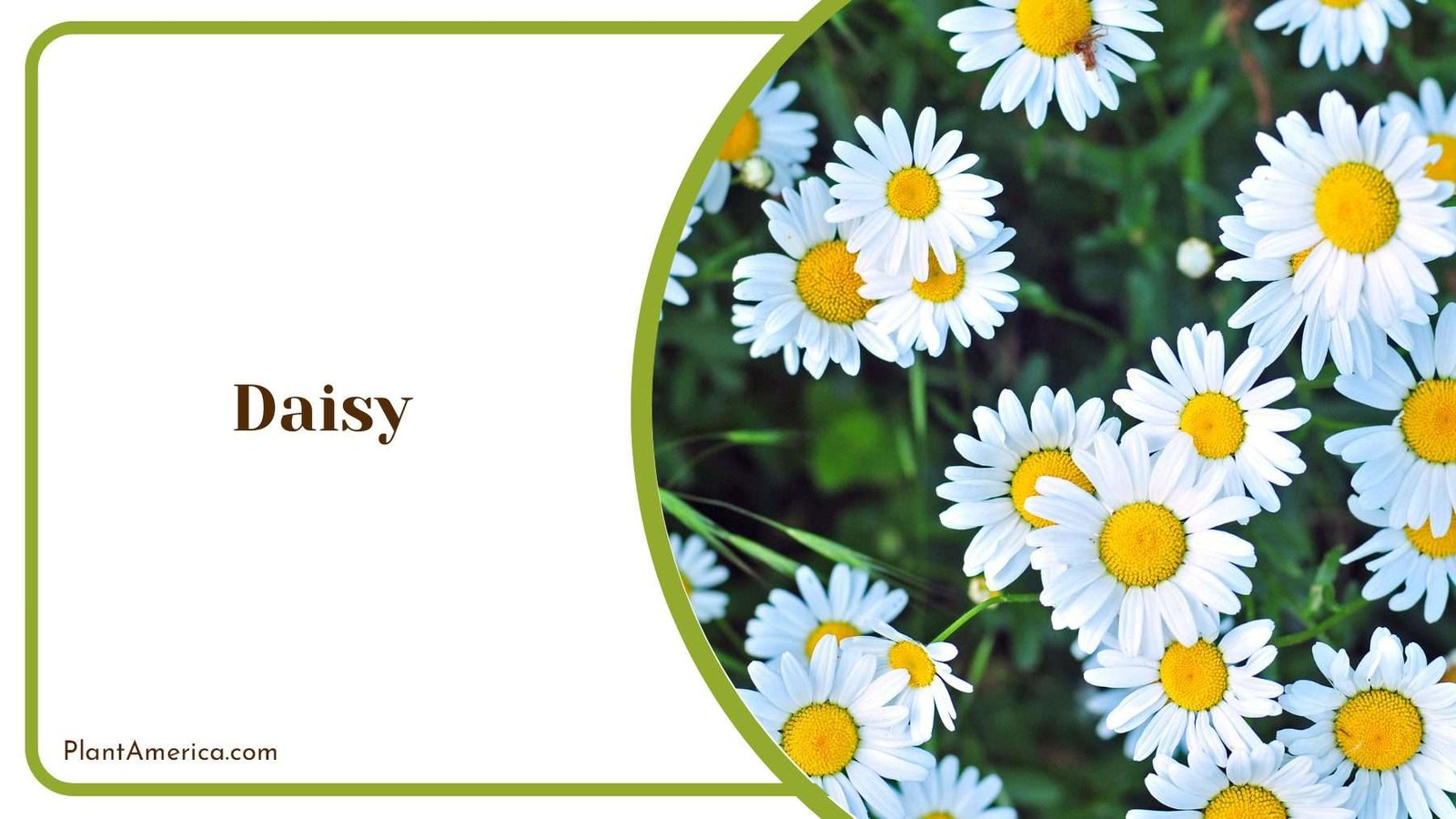
Daisies (Bellis perennis) bear cheerful single or double flowers in white, pink, and red shades. The daisy-like blooms appear in clusters atop short stems from spring through fall. Plant daisies in well-draining soil and full sun for optimal bloom. Provide support by staking taller flowering stems.
Deadhead the spent blooms to promote additional flowering. The fresh flowers can be used in arrangements as a colorful garnish or floral accent. The leaves and flowers are also edible and flavor salad mixes and teas.
10. Achillea
- Growing season: Spring, Summer, Fall
- Leaf shape: Linear, Lobed
- Specific needs: Well-draining soil, Full sun
- Common pest: None
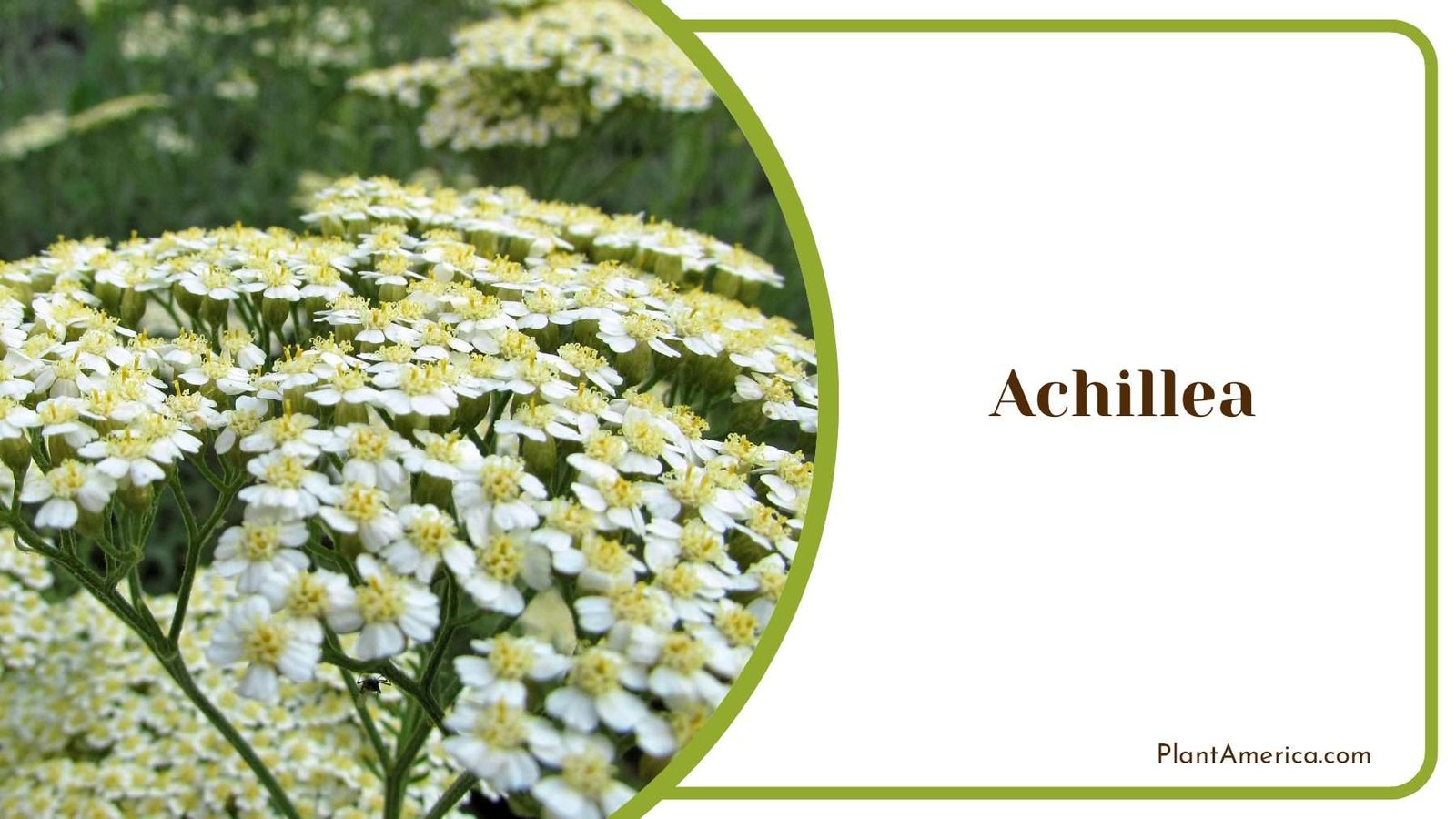
Achillea species produce flat-topped flower clusters in white, yellow, pink, and red shades. The flowers bloom profusely from early summer through the fall in well-drained soil and full sun for best performance. Deadhead the spent achillea flowers to extend the bloom time.
The ferny leaves and flowers can be dried for use in craft projects and arrangements. The flowering stems also make long-lasting cut flowers.
11. Allium
- Growing season: Spring, Summer
- Leaf shape: Hollow, Cylindrical
- Specific needs: Well-draining soil, Full sun
- Common pest: None
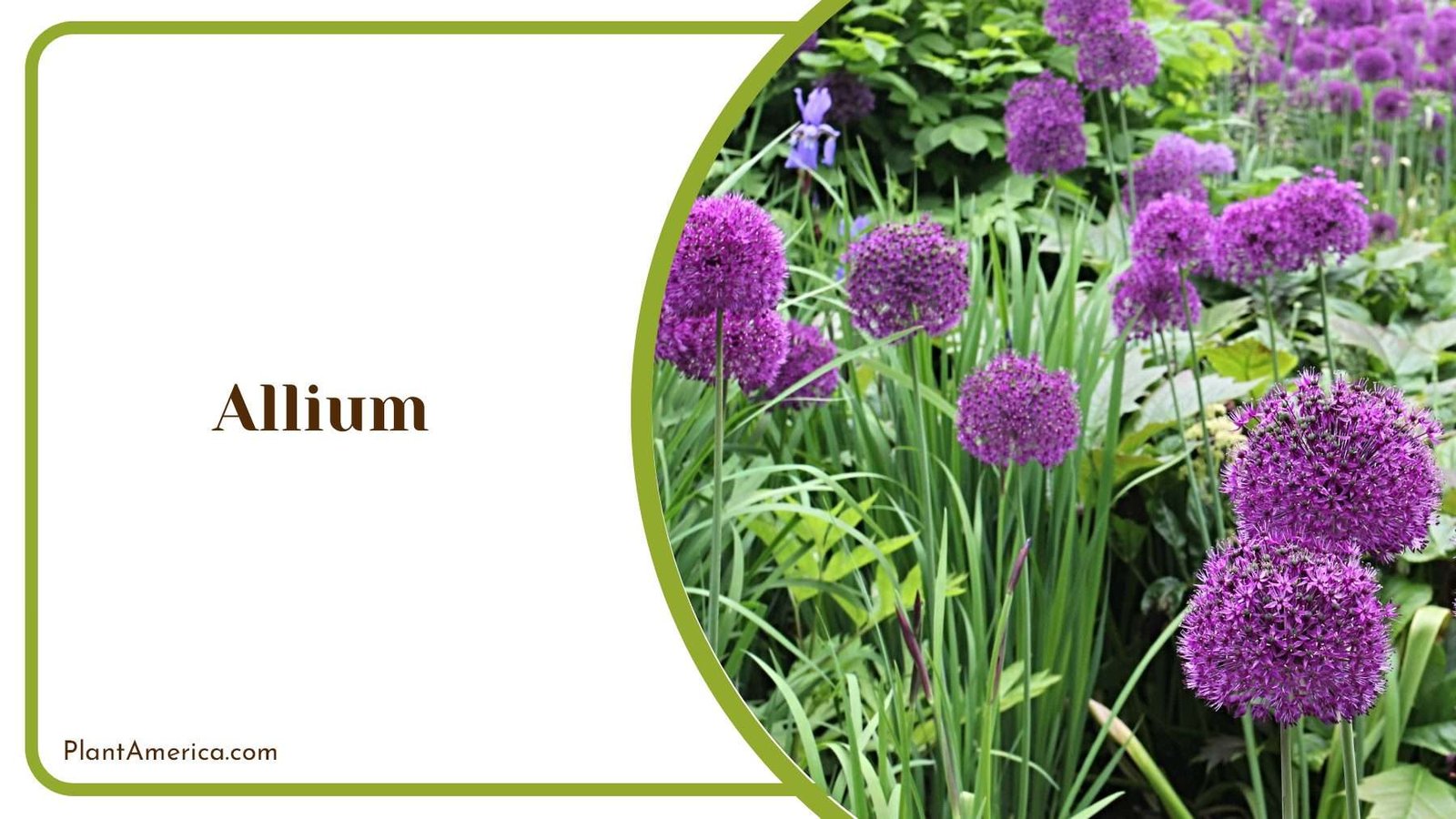
Ornamental onions or alliums (Allium species) produce spherical clusters of starry flowers in purple, pink, and white colors. The flower heads bloom atop tall leafless stems from mid to late-spring. Plant alliums in well-draining soil and full sun for best results.
The dried seed heads provide visual interest in the garden into winter. The alliums’ hollow leaf stems are used in floral arrangements to provide structure. Deadheading is generally not needed as the flowers naturally fade after blooming.
12. Globe Thistle
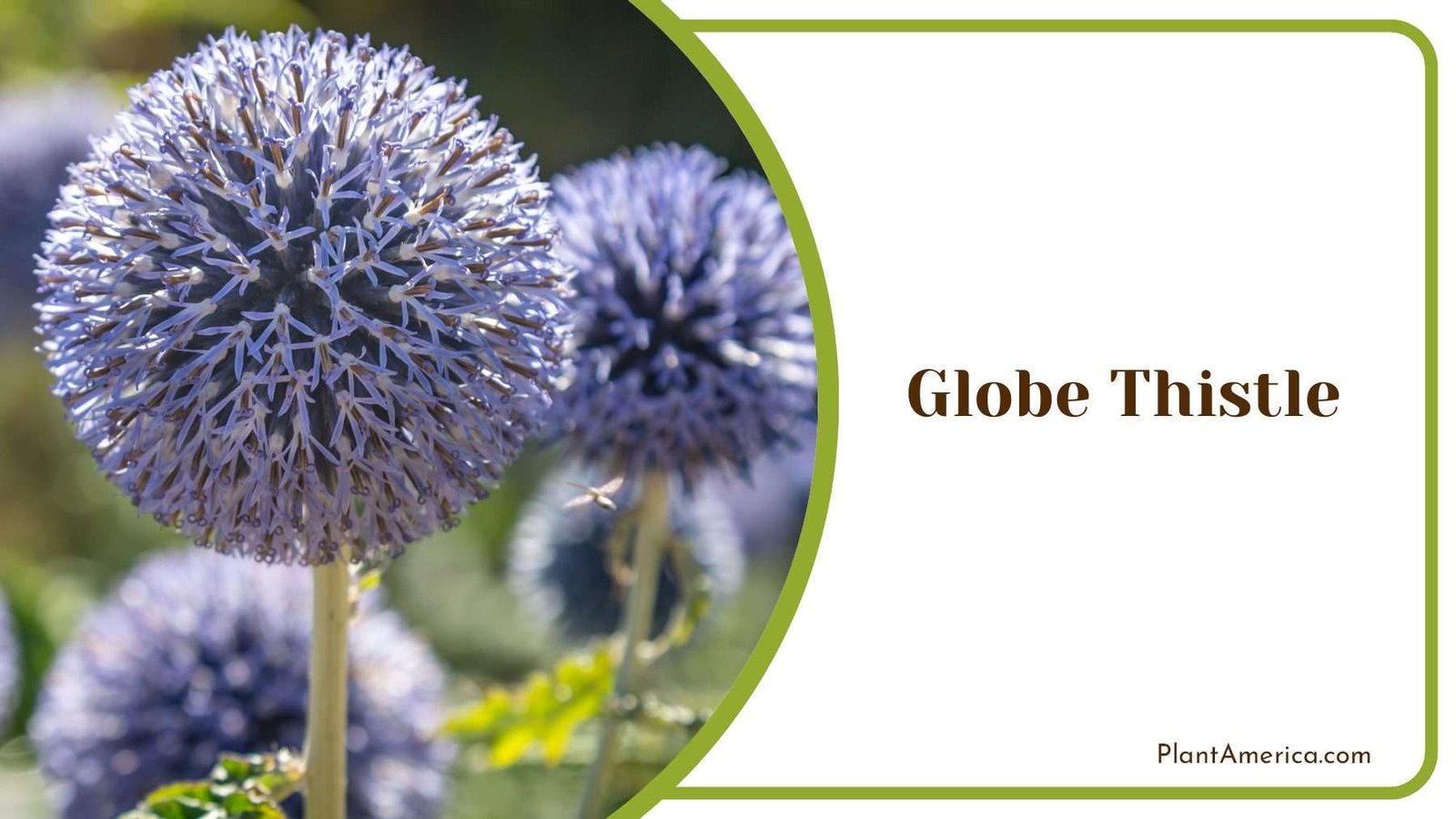
- Growing season: Summer, Fall
- Leaf shape: Spiny, Lobed
- Specific needs: Well-draining soil, Full sun
- Common pest: Japanese beetle, Aphids
Globe thistles (Echinops species) produce distinctive silver-blue or grey spherical flower heads. The flower spheres bloom in summer and fall atop sturdy stems reaching six feet tall. Plant globe thistles in well-draining soil and full sun. Stake tall varieties for support.
The spiny lobed foliage provides texture and interest even when not in bloom. Deadhead the spent blooms to maintain a tidy appearance and encourage rebloom the following year. The domed flower heads add unique visual appeal to fresh or dried floral arrangements.
13. Phlox
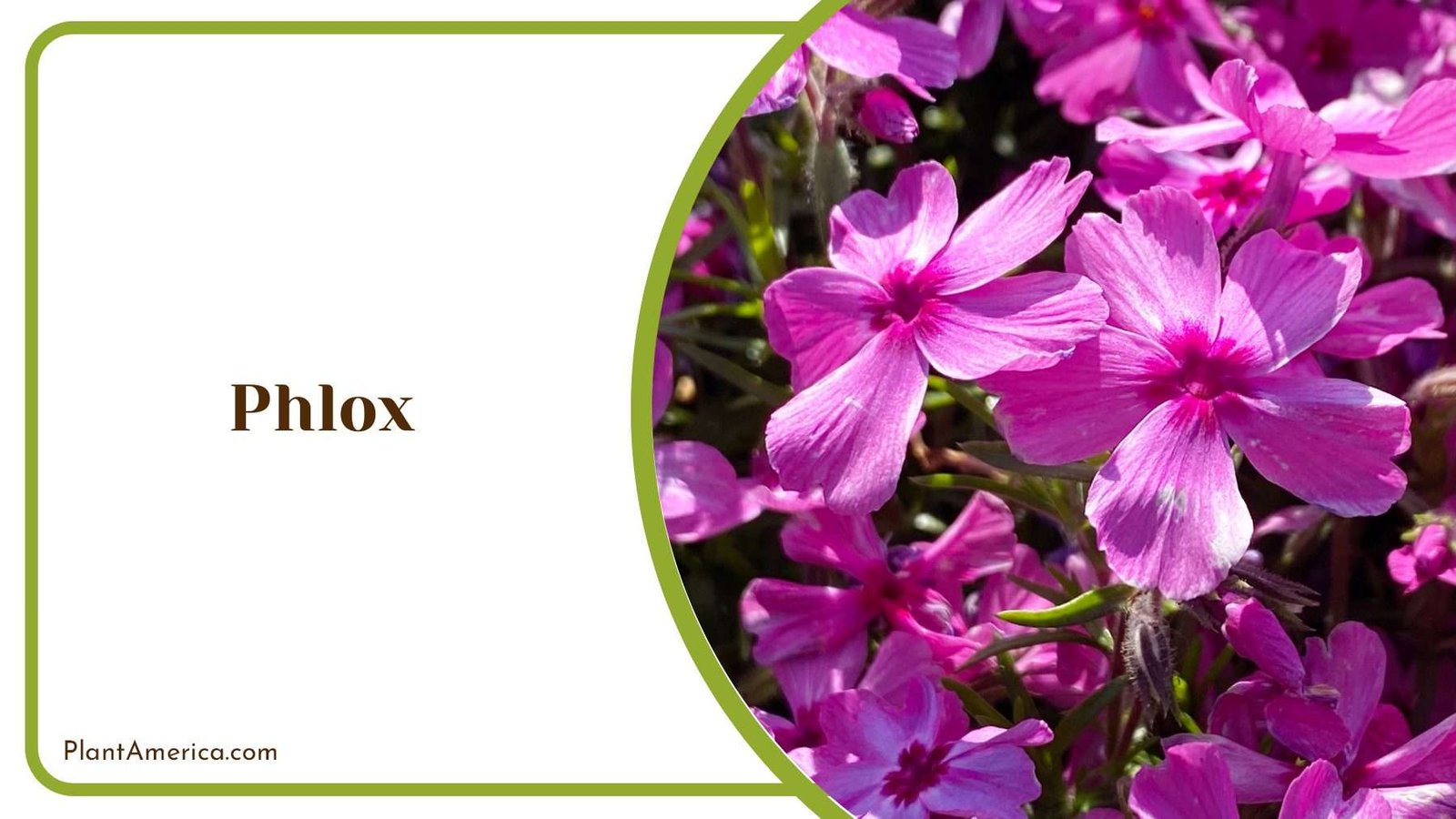
- Growing season: Summer, Spring
- Leaf shape: Oblanceolate, Robust
- Specific needs: Moist, fertile soil, Full sun
- Common pest: Japanese beetle, Leafhoppers
Phlox (Phlox paniculata) bears cylindrical flower clusters in colors like white, purple, pink, and red. The fragrant flowers bloom in mid to late summer atop sturdy stems up to three feet tall. Plant phlox in moist, fertile soil and full sun for maximum bloom.
Pinch back the stems in early summer to encourage bushy growth and more flowers. The dense seed heads provide visual interest in the garden into winter. The fresh and dried phlox flowers can be used in arrangements and as a colorful garnish.
14. Yarrow
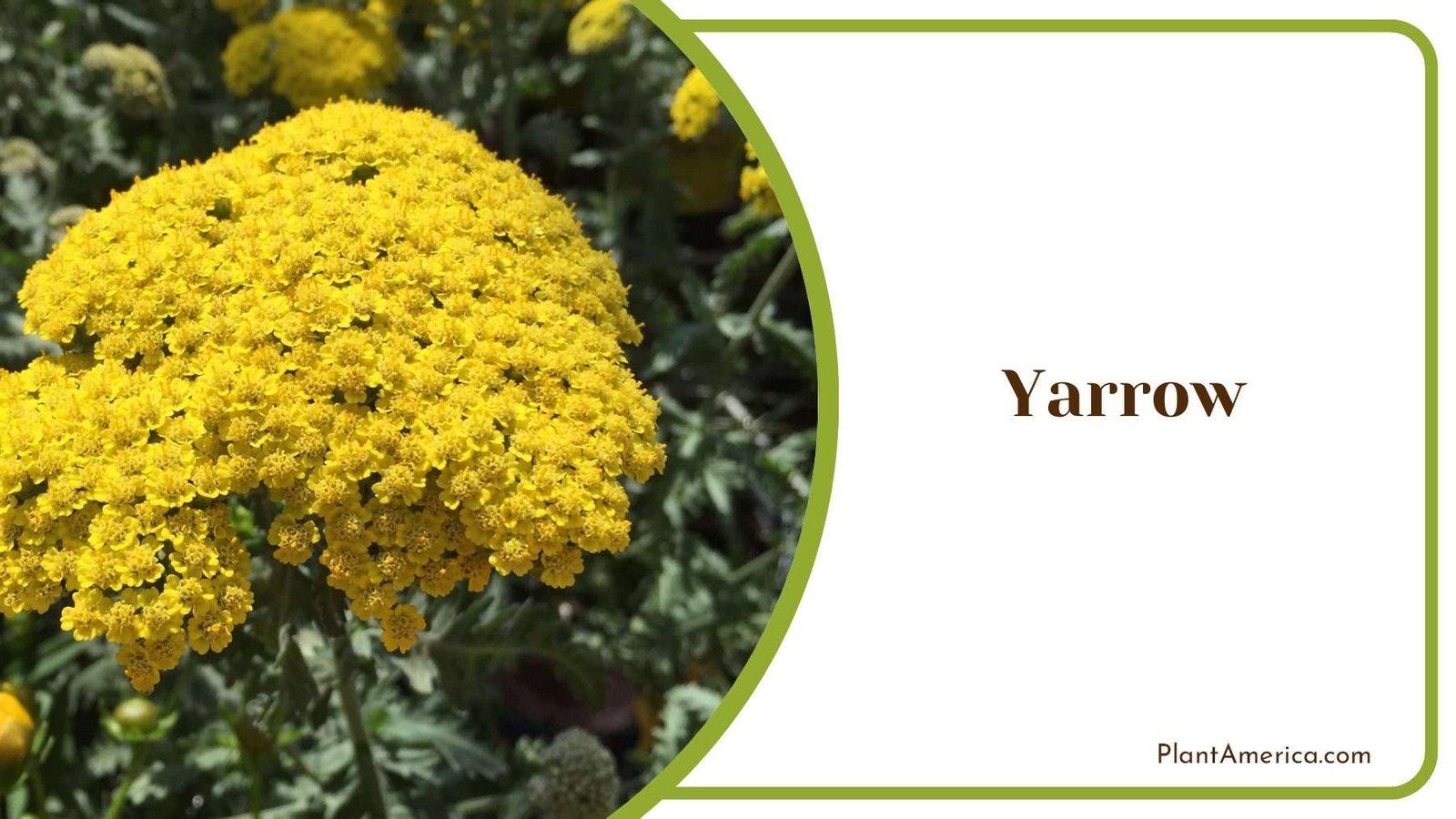
- Growing season: Summer, Spring
- Leaf shape: Compound, Pinate
- Specific needs: Well-drained soil, Full sun
- Common pest: None
Yarrows (Achillea species) produce flat-topped flower clusters in white, yellow, pink, and red shades. The flowers bloom profusely from early summer through fall. Plant yarrows in well-drained soil and full sun for best performance.
Deadhead the spent flowers to extend the bloom time. The ferny leaves and flowers can be dried for use in craft projects and arrangements. The flowering stems also make long-lasting cut flowers. The medicinal and culinary properties of yarrow include using it to stop bleeding and as a flavoring agent.
15. Oxeye Daisy
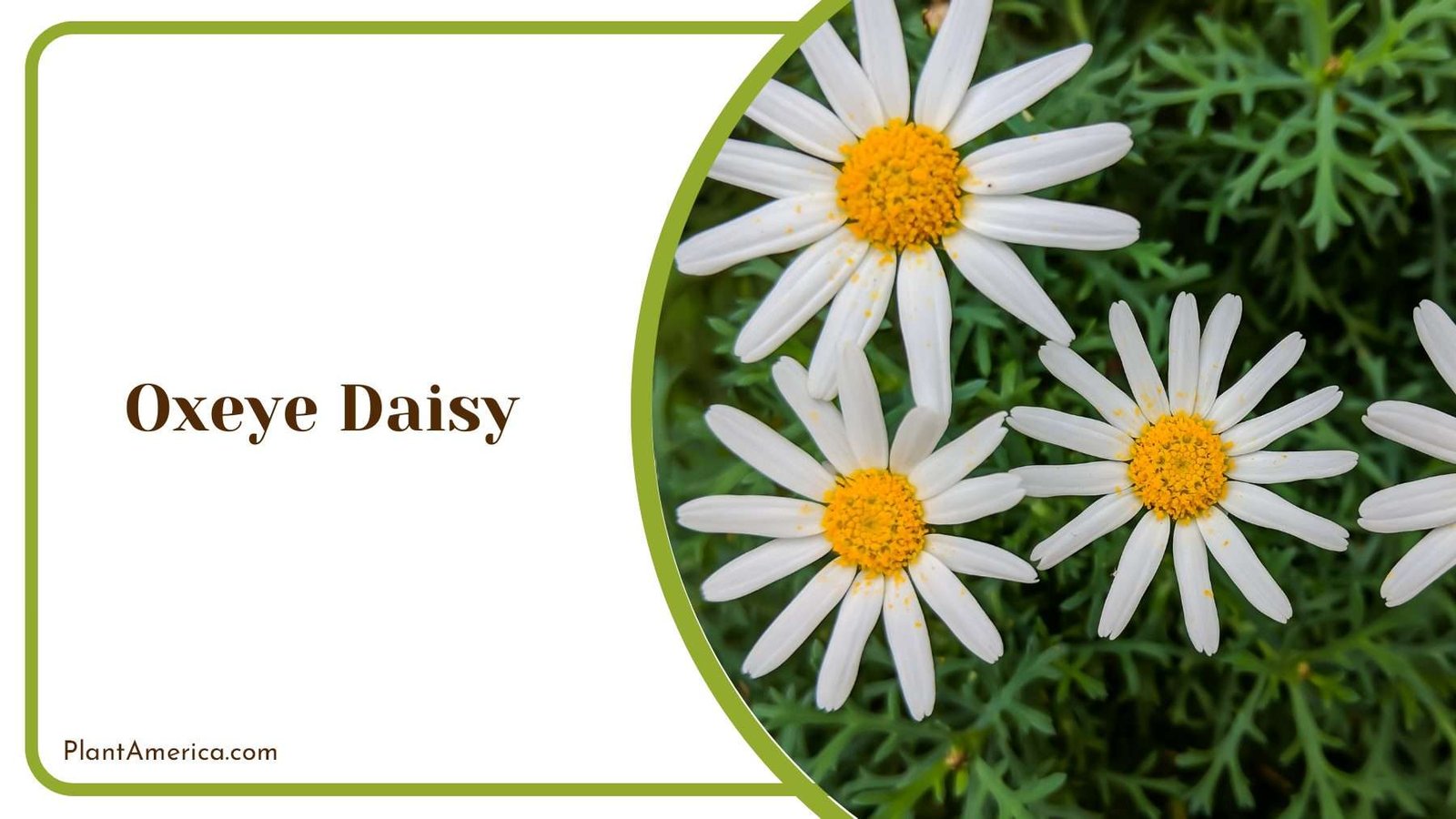
- Growing season: Spring, Summer, Fall
- Leaf shape: Bipinnate, Compound
- Specific needs: Well-drained soil, Full sun
- Common pest: None
Oxeye daisies (Leucanthemum vulgare) bear large white daisy flowers with yellow centers. The blooms appear from spring through fall atop upright branching stems. Plant oxeye daisies in well-draining soil and full sun for optimal performance.
Support taller stems by staking or pinching outside shoots to promote a bushier habit. Deadhead the spent flowers to extend the blooming period. The fresh flowers can be used as an interesting garnish or in floral arrangements. The foliage and leaves are also edible and can be added to salads.
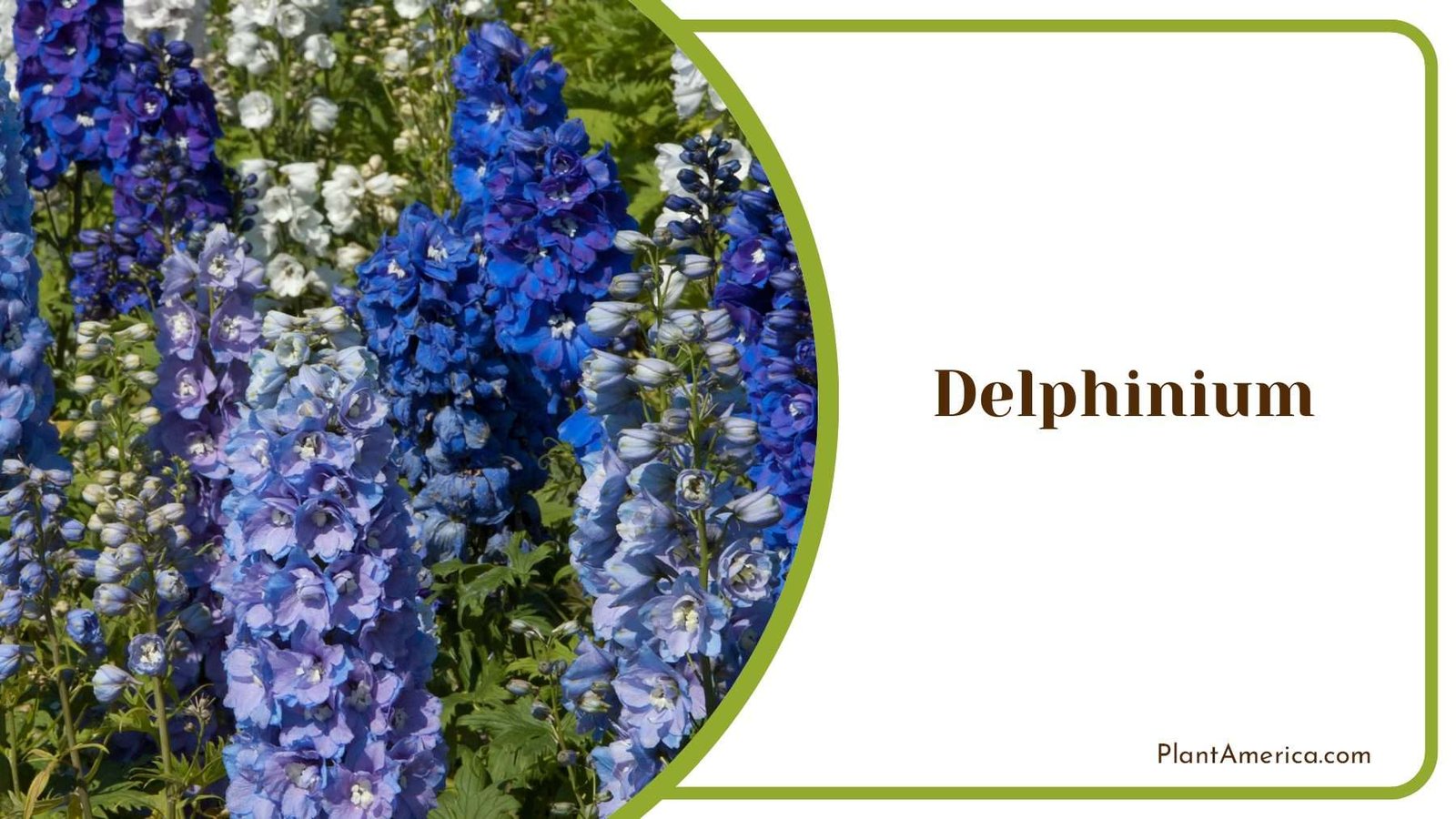
16. Delphinium
- Growing season: Summer, Spring
- Leaf shape: Deeply lobed, Robust
- Specific needs: Moist, fertile soil, Full sun
- Common pest: Aphids, Slugs, Snails
Delphiniums bear spikes of distinctive trumpet-shaped blossoms in blue, white, pink, and purple shades. The flowers bloom in mid to late summer along branching upright leafy stems up to six feet tall. Plant delphiniums in moist, fertile soil and full sun for maximum bloom.
Pinch back the stems in early summer to encourage bushy growth and more flowers per plant. Stake tall varieties for support. The dried seed pods and flower spikes provide additional visual interest in the winter garden. The edible flowers can add color and whimsy when used as a garnish.
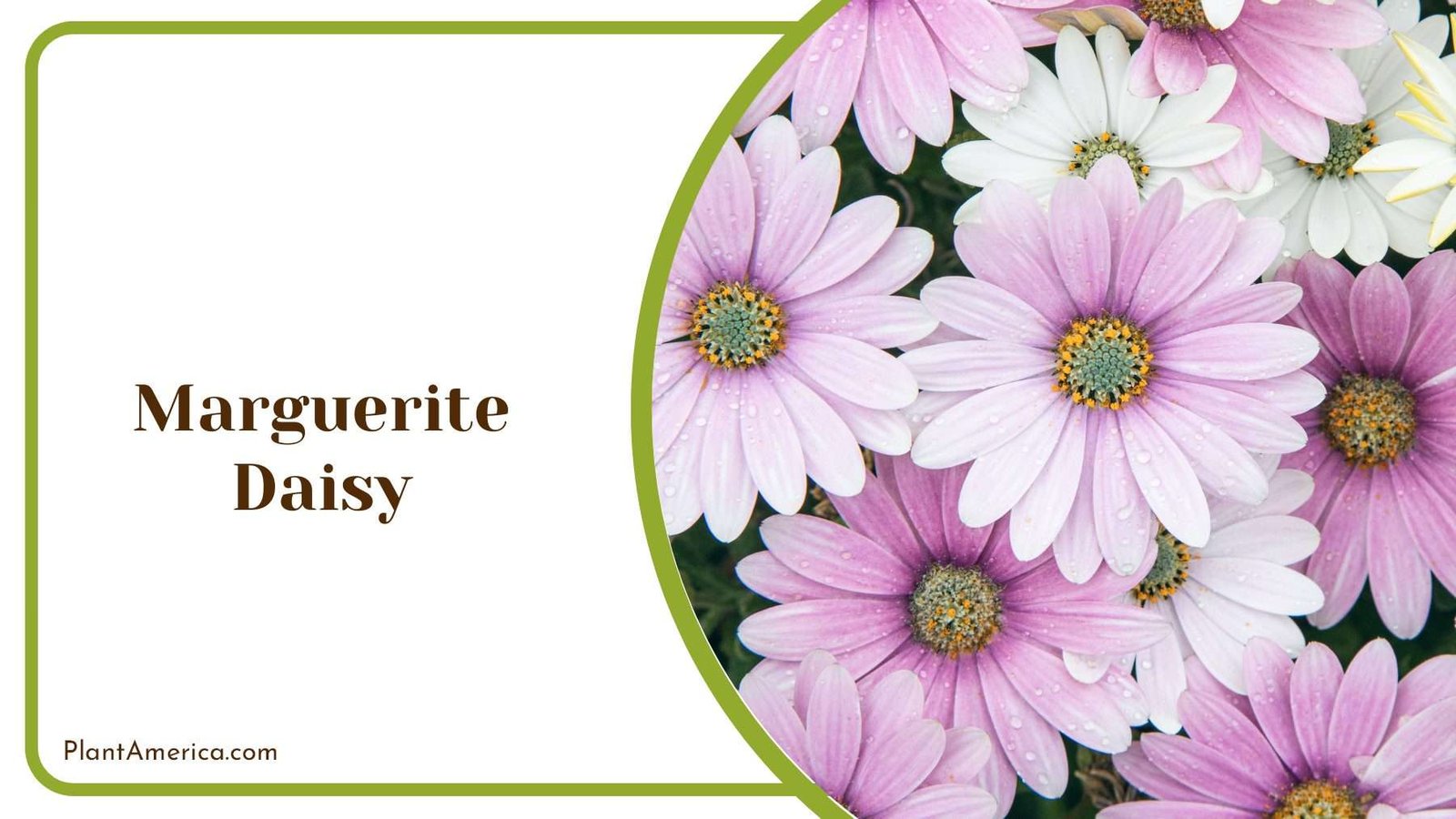
17. Marguerite Daisy
- Growing season: Spring, Summer, Fall
- Leaf shape: Lobed, Robust
- Specific needs: Well-draining soil, Full sun
- Common pest: None
Marguerite daisies (Argyranthemum species) produce colorful daisy-like flowers in white, yellow, pink, and red shades. The flowers bloom from spring through fall on low-growing mounds of foliage. Plant marguerite daisies in well-draining soil and full sun for optimal performance.
Shear back the plants after flowering to encourage bushy new growth and repeat bloom. The flowers can be dried and used in floral arrangements due to their longevity and varied shades. The edible flowers also make an attractive colorful garnish.
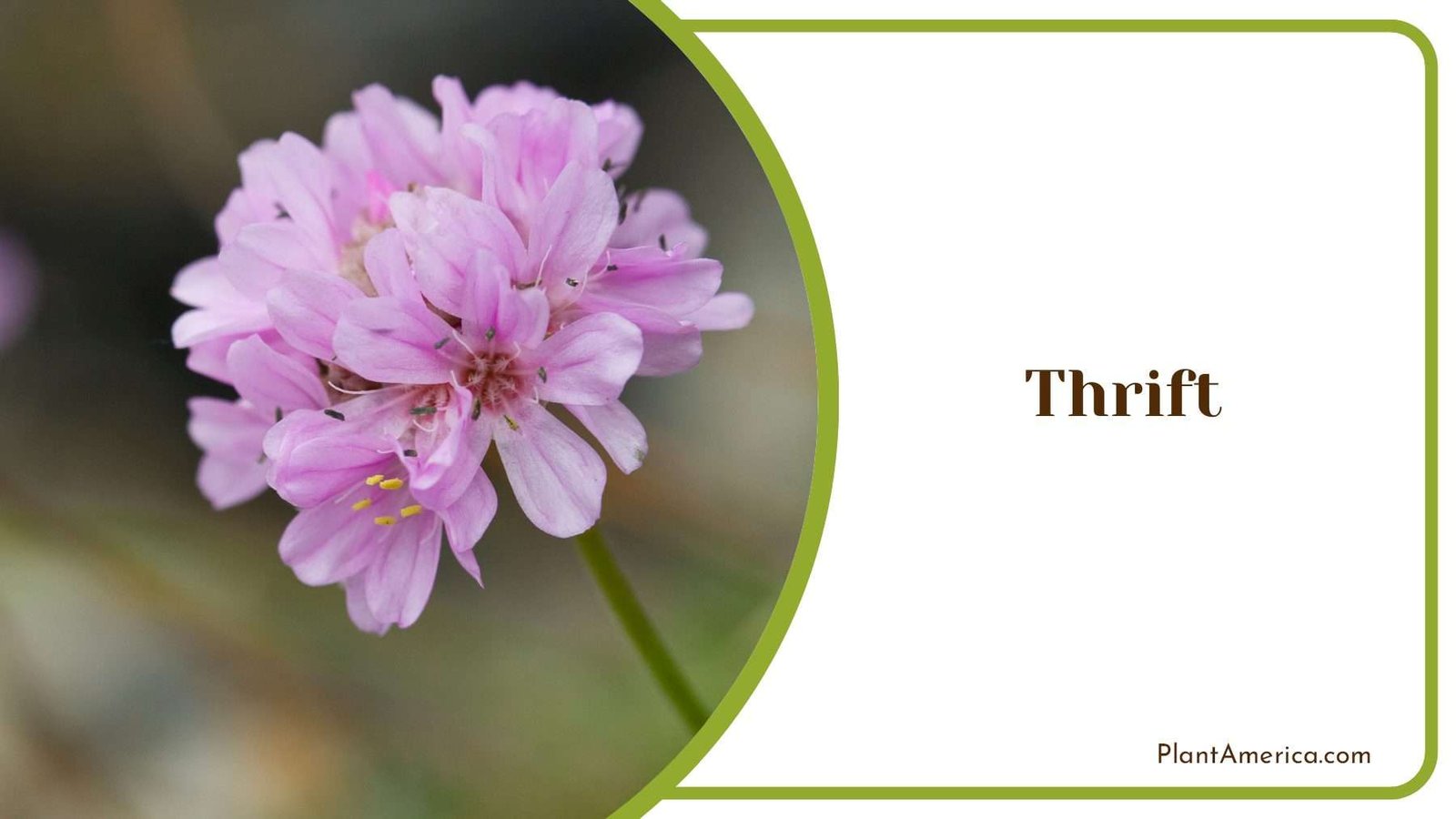
18. Thrift
- Growing season: Spring, Summer, Fall
- Leaf shape: Linear, Simple
- Specific needs: Well-draining soil, Full sun
- Common pest: None
Thrift (Armeria maritima) produces dense clusters of small pink flowers atop thin grass-like stems. The blooms appear from spring through fall. Plant thrift in well-draining soil and full sun for abundant flowering.
Shear the plants back immediately after flowering to keep the mounds tidy. The evergreen foliage provides winter interest. Fresh and dried flowers can be used in craft projects and bouquets due to their long vase life and ability to retain color. Thrift is also known as sea pink and mermaid grass due to its natural habitat along coastal areas.
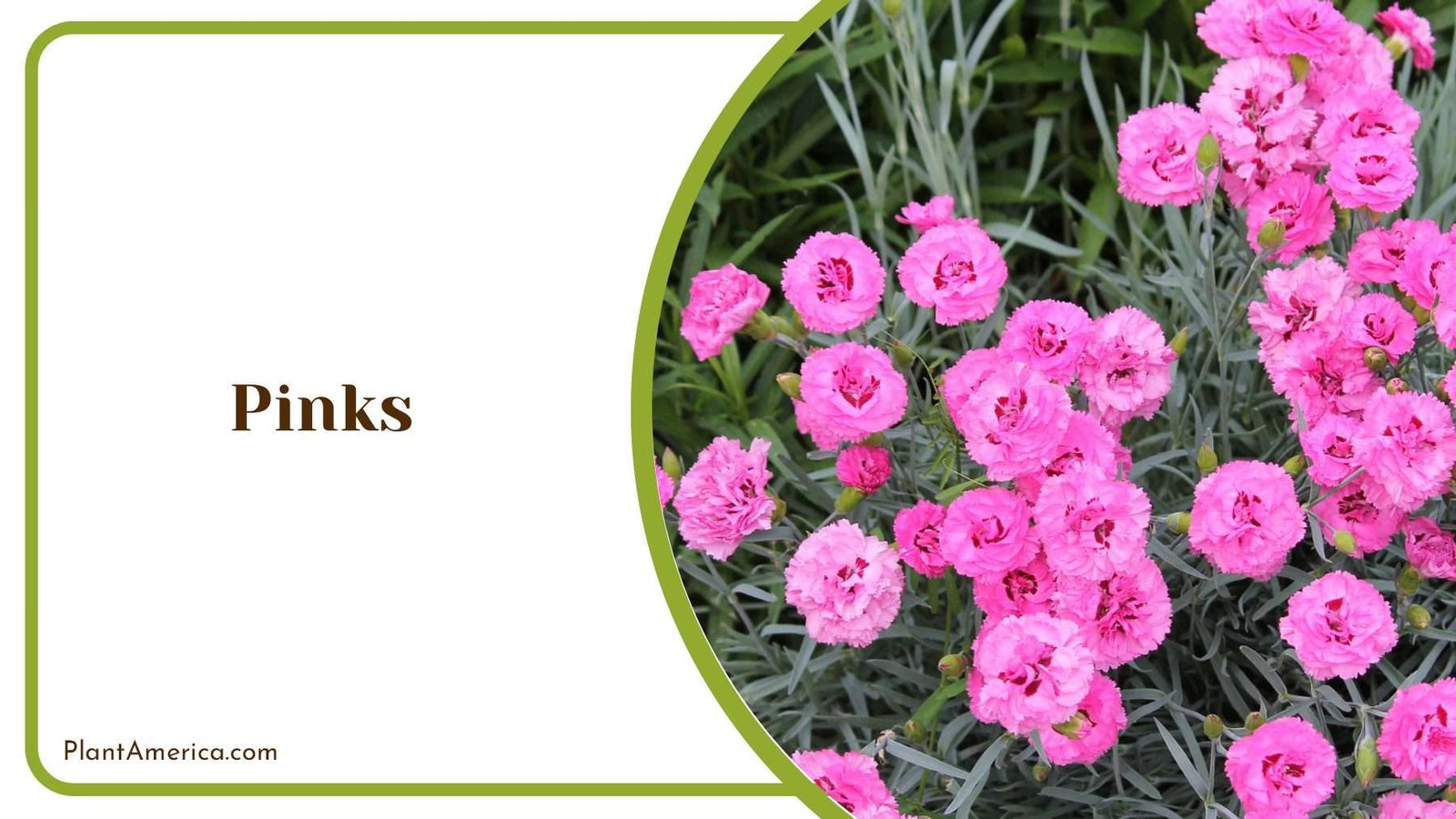
19. Pinks
- Growing season: Spring, Summer
- Leaf shape: Basal, Pinnate
- Specific needs: Well-draining soil, Full sun
- Common pest: None
Pinks or carnations (Dianthus species) produce colorful flowers in red, white, crimson, and pink shades. The clove-scented blooms appear in spring and summer above mounds of blue-green foliage. Plant pinks in well-drained soil and full sun for abundant flowers and greenery foliage.
Prune back immediately after flowering to encourage compact growth and repeat bloom. The fresh flowers can be used as a pretty and fragrant garnish to dishes and drinks due to their sweet and spicy aroma and varied hues. The dried flowers can endure for years, preserving their delightful fragrance.
20. Shasta Daisy
- Growing season: Spring, Summer
- Leaf shape: Double pinnate, Robust
- Specific needs: Well-draining soil, Full sun
- Common pest: Japanese beetle, Aphids
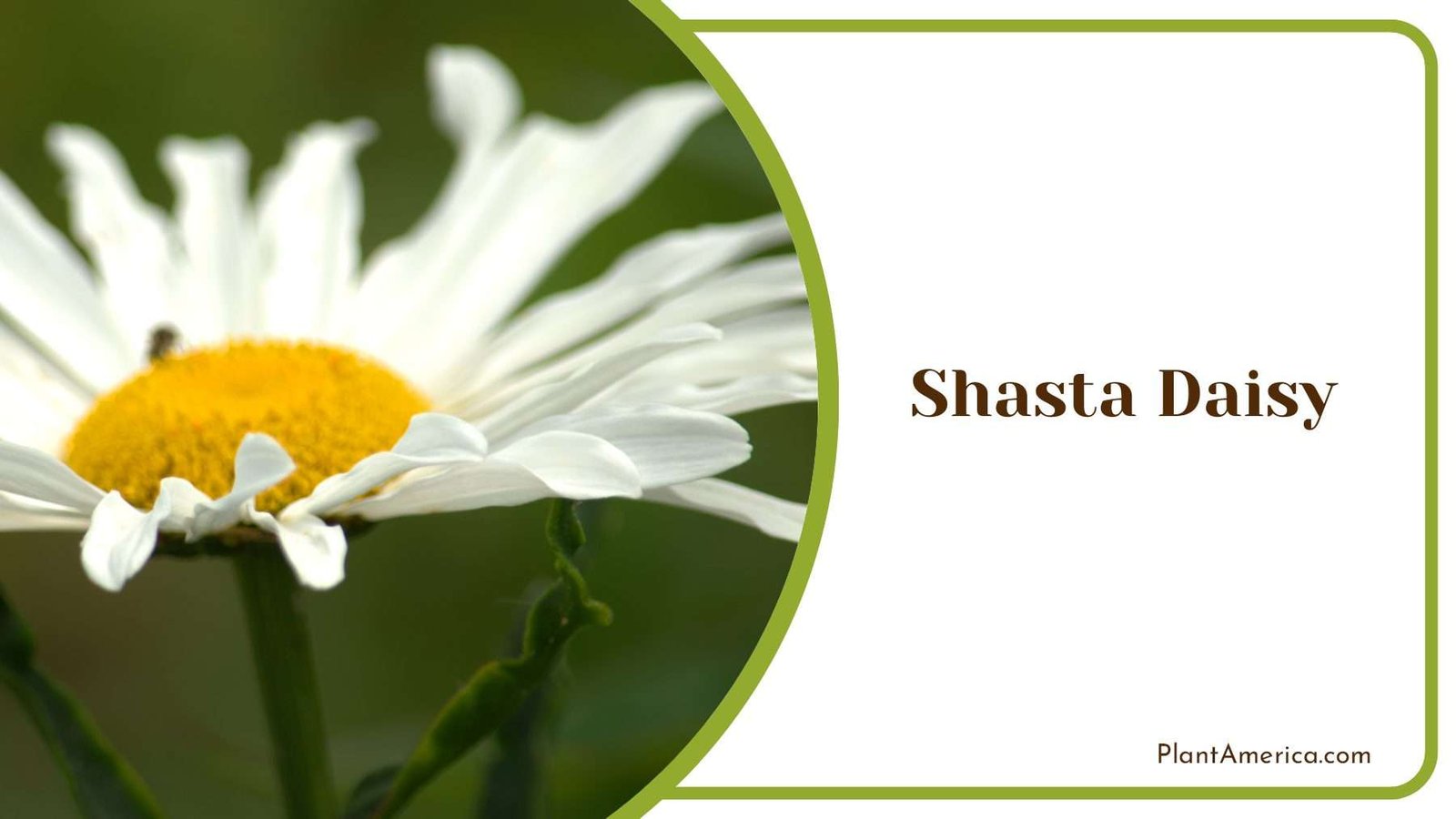
Shasta daisies (Leucanthemum x superbum) produce large white daisy flowers with yellow centers. The blooms appear from early to late summer atop sturdy upright stems. Plant Shasta daisies in well-draining soil and full sun for abundant flower production.
Pinch off the flower buds in early summer to encourage bushy growth and numerous flowers later. Provide support with stakes for taller stems. The dried seed heads provide winter interest and food for birds. The large fresh flowers also make striking and long-lasting cut flowers.
21. Delosperma
- Growing season: Spring, Summer, Fall
- Leaf shape: Simple, Succulent
- Specific needs: Well-draining soil, Full sun
- Common pest: None
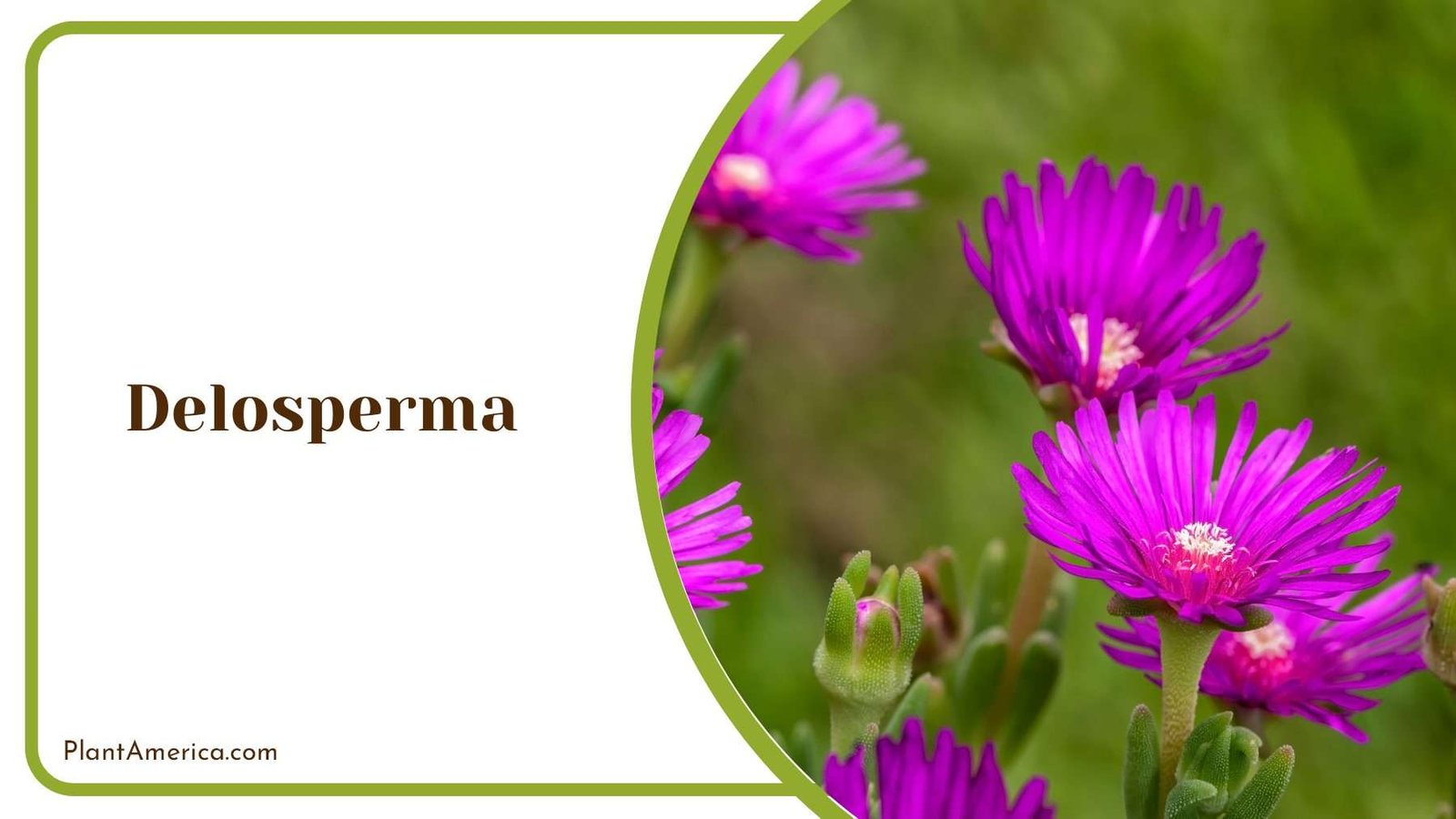
Ice plants (Delosperma species) produce clusters of small star-shaped or tubular flowers in various colors, including yellow, pink, purple, and orange. The blossoms appear from spring through fall above carpets of thick succulent foliage. Plant ice plants in well-draining soil and full sun.
Allow the fallen leaves and debris to accumulate as winter mulch on top of the plants. The low-maintenance succulents tolerate poor soil, drought, and neglect. The clusters of long blooming flowers provide consistent color all season.
22. Aster
- Growing season: Summer, Fall
- Leaf shape: Alternate, Simple
- Specific needs: Moist soil, Well-drained soil, Full sun
- Common pest: Japanese beetle, Aphids
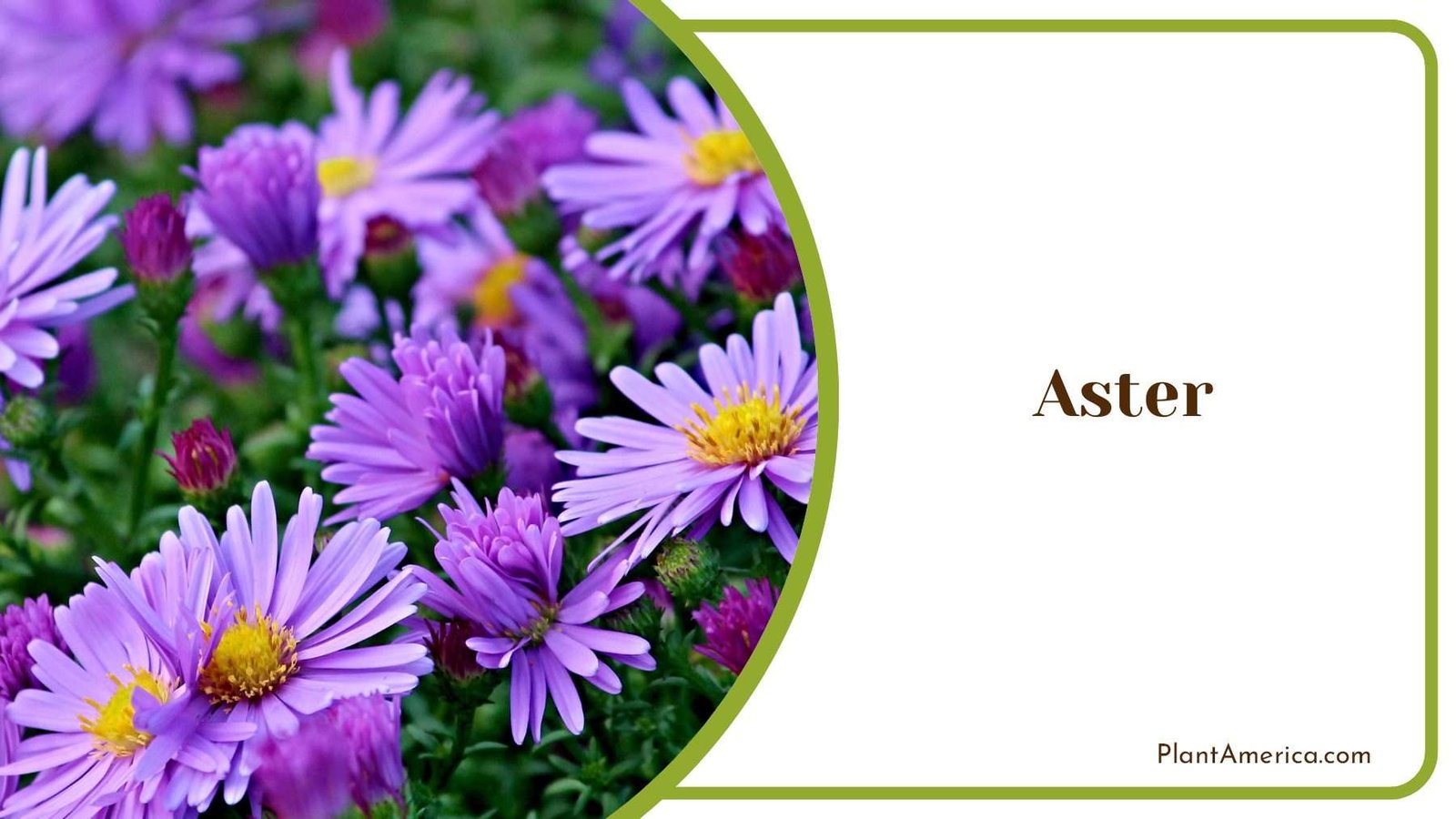
Asters (Symphyotrichum lateriflorum) produces masses of dazzling star-shaped flowers in various colors, from blue to pink and purple. The flowers bloom from late summer through early fall on branching stems up to three feet tall. Plant asters in moist but well-drained soil and full sun.
Pinch back plants when young to encourage bushy growth and more flowers. Stake tall stems for support. The fluffy seed heads persist through winter and provide food for birds. The daisy-like blooms also make excellent cut flowers.
Conclusion
We’ve explored perennials for adding color, fragrance, and texture to your sunny cottage garden all season, and here are a few favorites:
- Phlox (Phlox paniculata) bears cylindrical flower clusters in colors like white, purple, pink, and red.
- Marguerite daisies (Argyranthemum species) produce colorful daisy-like flowers in white, yellow, pink, and red shades.
- Shasta daisies (Leucanthemum x superbum) produce large white daisy flowers with yellow centers.
- Asters (Symphyotrichum lateriflorum) produce masses of dazzling star-shaped flowers in various colors, from blue to pink and purple.
Fill your garden with these lovely cottage plants and enjoy their beauty for many years. With a little patience, your sunny borders will soon burst with the colors, scents, and textures that define a classic English cottage garden!