
Climbing fruits are some of the most bountiful harvests we can grow with relatively little effort. By training fruits onto fences, trellises, and harbors, we can maximize the harvest from a small space and enjoy delicious climbing fruits all season.
In this article, we’ll cover the best climbing fruit varieties to grow for delicious harvests, from passion fruit and dragon fruit to hardy kiwifruit vines and sweet winter squash. We’ll show you how to select, plant, and care for these vertical crops so you can reap juicy rewards from your climbing plants all year long!
Climbing Fruits That Are Trellis-Friendly for Your Garden
1. Passion Fruit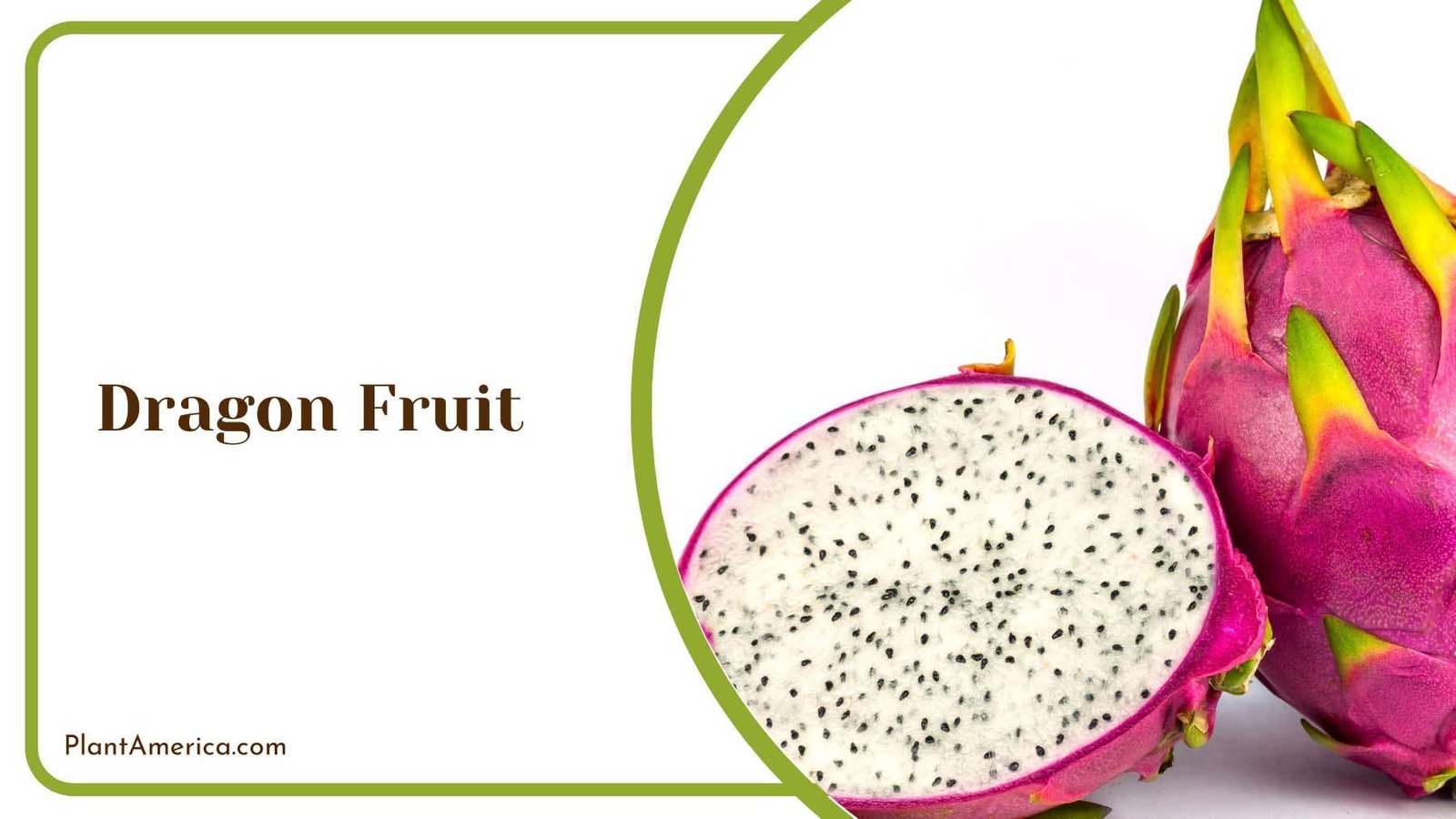
- Growing season: Spring, Summer.
- Leaf shape: Alternate, Compound.
- Specific needs: Full sun, Well-drained soil, Regular water.
- Common pest: Fungus gnats, Leaf miners.
Passion fruit vines produce delicious tropical fruit with minimal care. The vines grow rapidly on fences or trellises and the blossoms are followed by oval purple or yellow fruit containing sweet juice pulp and tiny black seeds. Give passion fruit vines consistent moisture when the fruit is forming and orient the trellis for full sun. Passion fruit vines may need staking or ties for support during vine growth spurts.
Once established, the vines need little else besides regular water and opportunistic pruning of old fruited canes to maximize next year’s harvest. There are two major types of passion fruits: purple and yellow. Purple passion fruits have dark purple skin when ripe and yield one to two fruits per vine.
Yellow passion fruits have wrinkled yellow skins when ripe and produce larger crops of fruit per plant, up to 20 or more per vine. Both types offer vibrant, tropical flavor and abundant climbing fruits for your time investment growing them vertically. The vines grow vertically for 10 to 15 feet each season, producing bountiful crops year after year when given the right conditions for plant growth.
2. Cucumber
- Growing season: Spring, Summer.
- Leaf shape: Palmate, Compound.
- Specific needs: Full sun, Fertile soil, Regular water.
- Common pest: Cucumber beetles, Squash bugs, Aphids.
Climbing cucumber vines produce abundant, flavorful fruit with minimal effort. The vines grow quickly up fences, arbors, and trellises — sometimes reaching 20 feet or more in a season. Climbing cucumbers produce fruit on long tendrils that curl around their support. Give the vines full sun, fertilize regularly, and provide consistent moisture for the fruit’s wellbeing.
Once it begins to fruit, water at the base of the plant to avoid wetting the climbing cucumber fruit. Vertical cucumber gardens offer a bountiful harvest with less ground space and fewer sprawling vines on the soil. The linear growth habit of climbing cucumbers also makes them easier to manage versus bush types.
3. Watermelon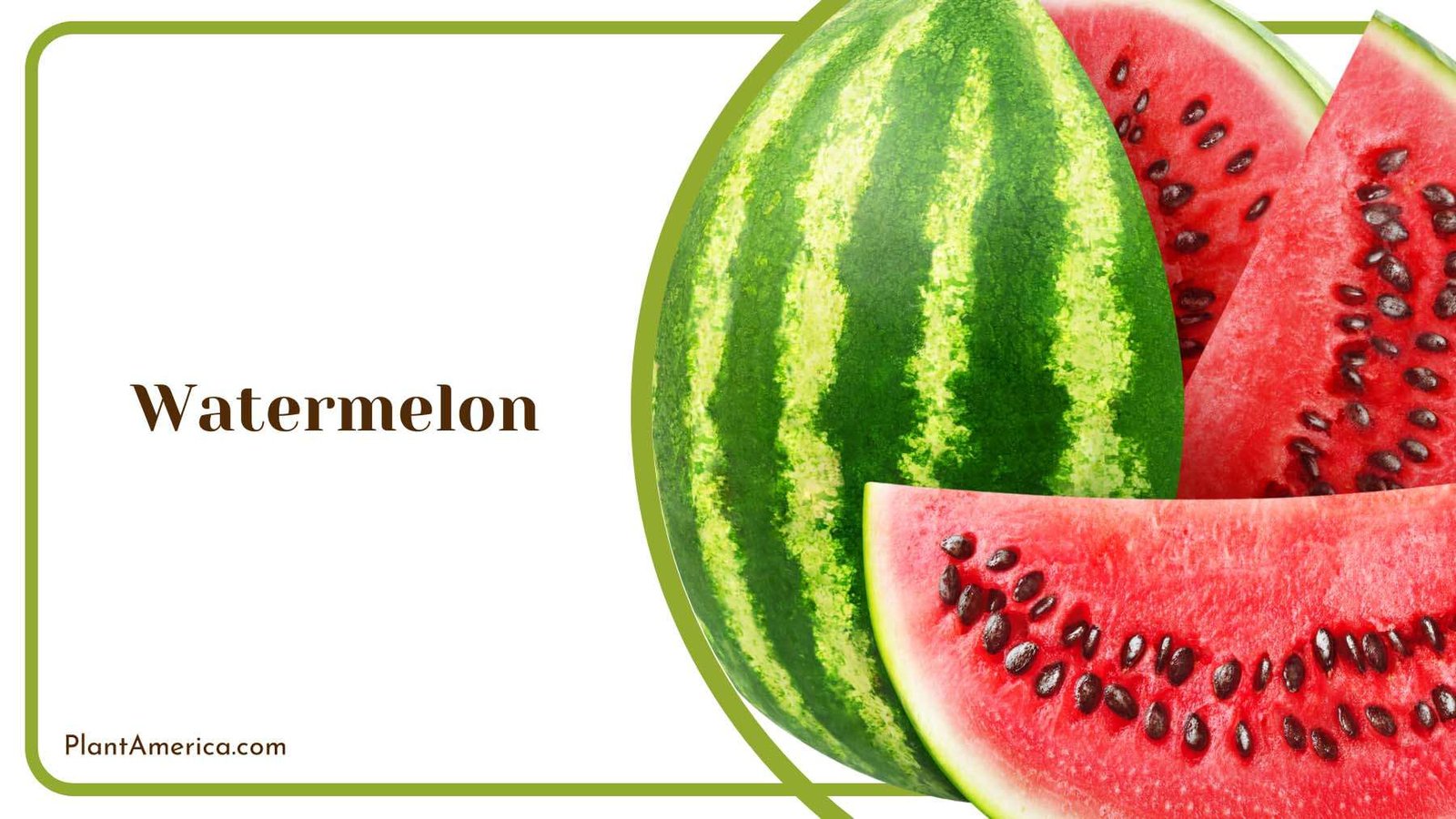
- Growing season: Spring, Summer.
- Leaf shape: Palmate, Compound.
- Specific needs: Full sun, Sandy soil, Consistent moisture.
- Common pest: Cucumber beetles, Squash bugs, Aphids.
Climbing watermelons offer a refreshing taste of summer with less sprawl. The vines grow quickly up fences or trellises for 10 to 15 feet each year. Climbing melons produce fewer but sweeter, more intensely flavorful melons that mature all at once for an easy harvest.
Provide climbing watermelons with full sun exposure, consistent moisture while the fruit is forming, and an orientation that promotes good airflow and drying. Also, use black plastic mulch to help warm the soil, which promotes faster fruit growth. Vertical watermelon gardens keep the vines off the ground and make harvesting much easier than bush varieties. They are perfect for small containers where ground space is limited.
4. Melons 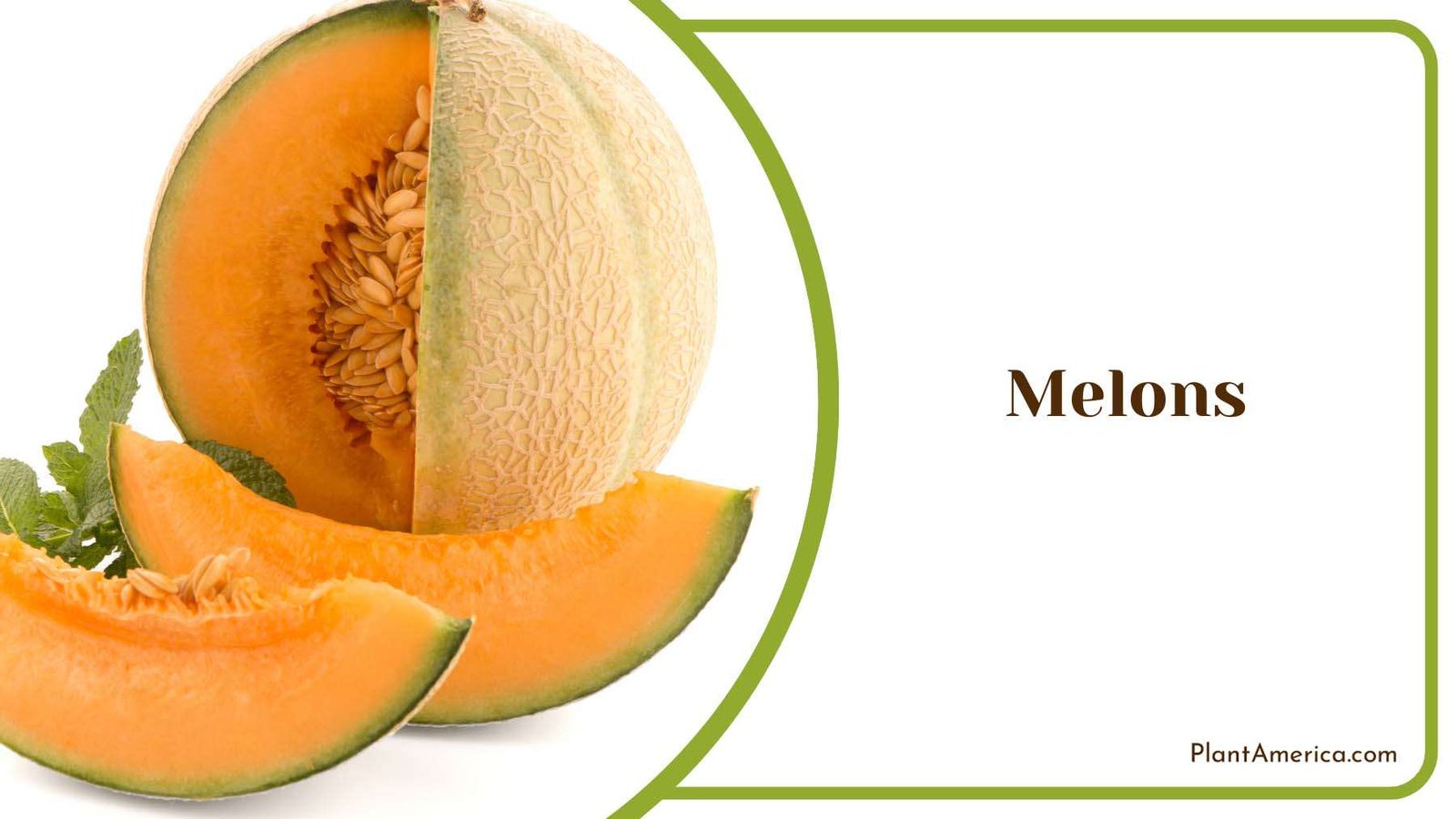
- Growing season: Spring, Summer.
- Leaf shape: Palmate, Compound.
- Specific needs: Full sun, Sandy soil, Consistent moisture.
- Common pest: Cucumber beetles, Squash bugs, Aphids.
Climbing melons offer convenience, a relatively small footprint and a bountiful harvest. Their vines grow quickly upward — often reaching lengths between 15 to 25 feet in a single growing season. This rapid growth makes climbing melons a perfect choice for small spaces. They produce fewer but larger, sweeter melons compared to bush varieties.
Provide them with consistent moisture during flowering and fruit production. Mulch around the base of the vines to conserve soil moisture and minimize weed growth. Give climbing melons full sun and be sure to prune off unwanted vines to promote airflow and reduce disease pressure. Common climbing melon varieties include mountain sweet, peanut, and sugar baby watermelons.
5. Strawberries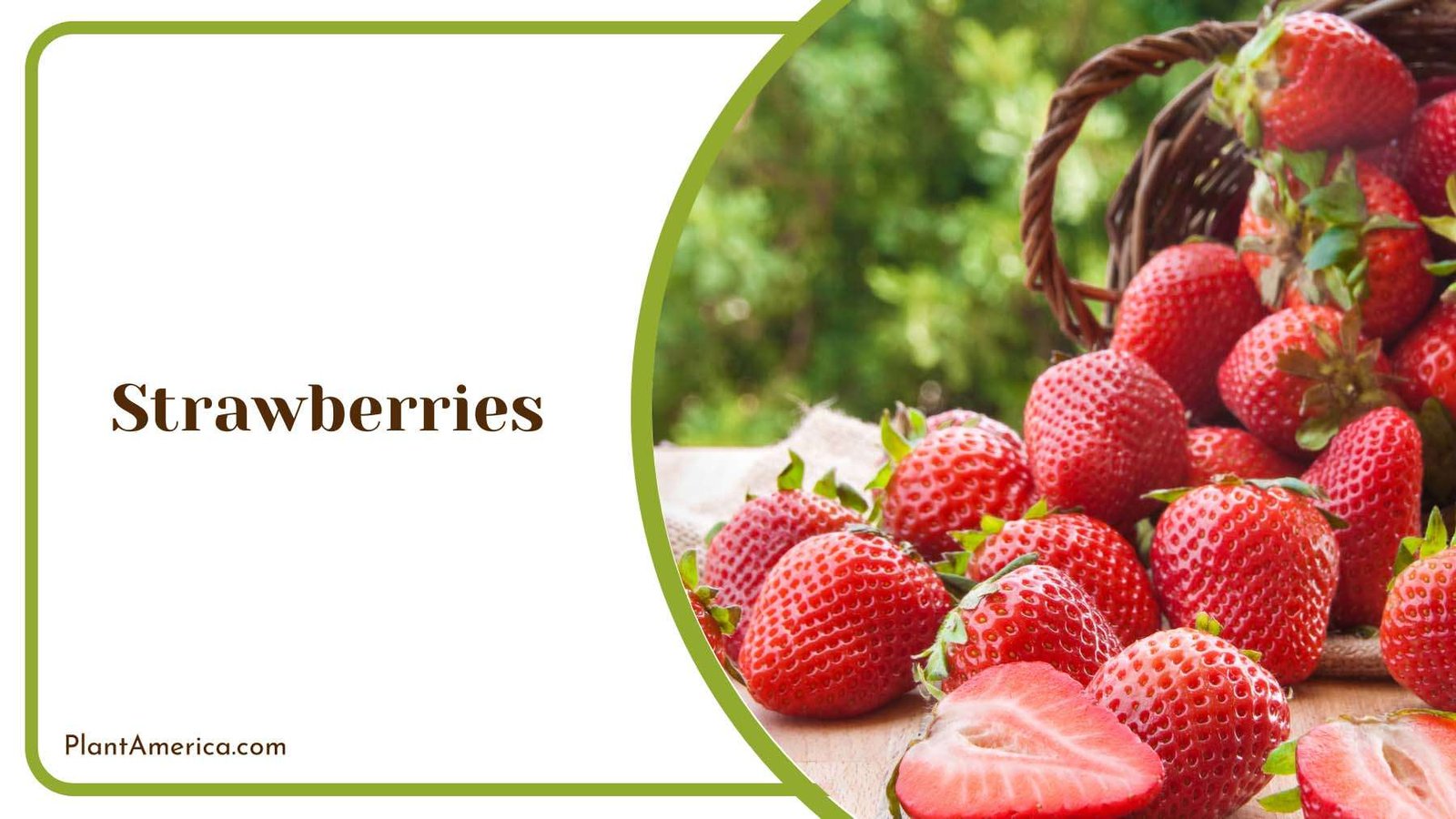
Climbing strawberries produce abundant fruit while utilizing less ground space. The strawberry plants trail long runners up strings, wires, or trellises. Trellising strawberries helps promote air circulation, minimizes disease issues, and makes hand pollination and harvesting easier. Climbing strawberries also ripen their fruit over a longer period since the top berries mature first followed by lower ones.
Provide trellised strawberry plants with full sun, fertile soil, and regular watering throughout the growing season. Water at the base of plants to minimize the spreading of disease. Also, fertilize with an organic fruiting plant fertilizer once before flowering and again after the first harvest. Red-fruited and ever-bearing types work best as climbing strawberries.
6. Tomatoes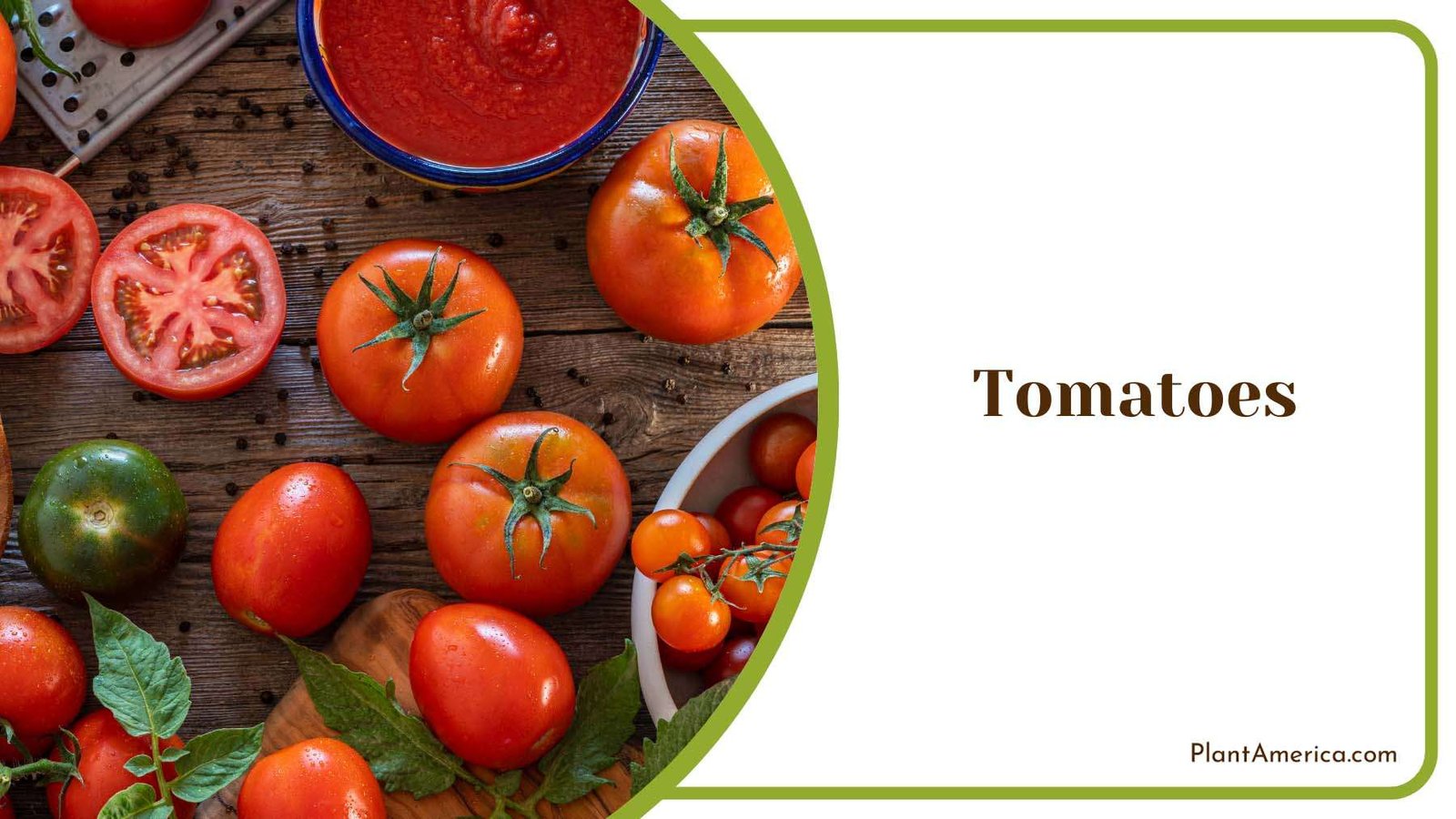
- Growing season: Spring, Summer, Fall.
- Leaf shape: Palmate, Compound.
- Specific needs: Full sun, Fertile soil, Even moisture.
- Common pest: Stink bugs, Hornworms.
Climbing tomatoes produce heavy yields of flavorful fruit on indeterminate vines. The vines grow fruit plants 10 to 15 feet long each season and require staking, caging, or trellising for support. Vertical tomato gardening helps with air circulation, growing tomatoes in smaller spaces, and makes harvesting and maintenance simpler.
Provide climbing tomatoes with full sun, fertilize periodically, and water deeply but infrequently to develop concentrated flavors. Pruning lateral side shoots can also help concentrate growth and produce larger fruit. Common climbing tomato varieties include Sungold, Beefsteak, and Celebrity. Pour tomato fertilizer and mulch at the base of in-ground climbers to help conserve moisture and suppress weeds.
7. Kiwi Fruit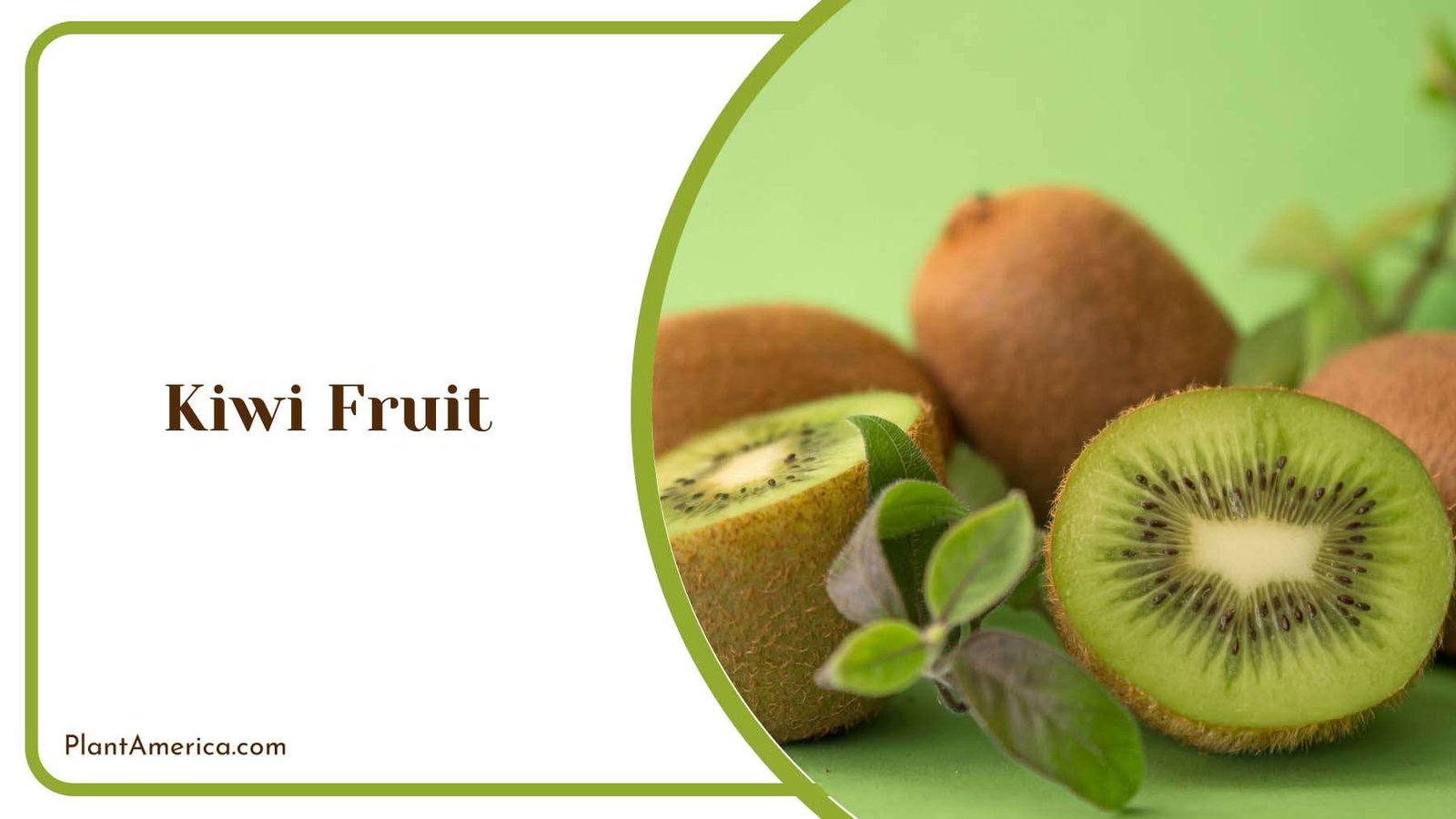
- Growing season: Spring, Summer, Fall.
- Leaf shape: Palmate, Compound.
- Specific needs: Full sun, Well-drained soil, Regular water.
- Common pest: Mealybugs, Aphids, Spider Mites.
Climbing kiwi fruit vines bear delicious, antioxidant-rich fruit. The vines grow rapidly — reaching lengths of 30 feet or more — and require a trellis or arbor for support. Kiwi fruits develop on second-year canes and from mid-summer through fall. Provide kiwi vines with consistent moisture while fruit is forming and in full sun.
Also, prune kiwi vines aggressively in late winter to strengthen canes and improve air circulation. Common kiwi varieties include Arctic Beauty, Issai, and Ananasnaya. While kiwi vines are hardy in zones five to nine, the vines need a male and female plant for pollination and fruit set. Once established, they produce abundant and nutritious fruit for decades.
8. Winter Squash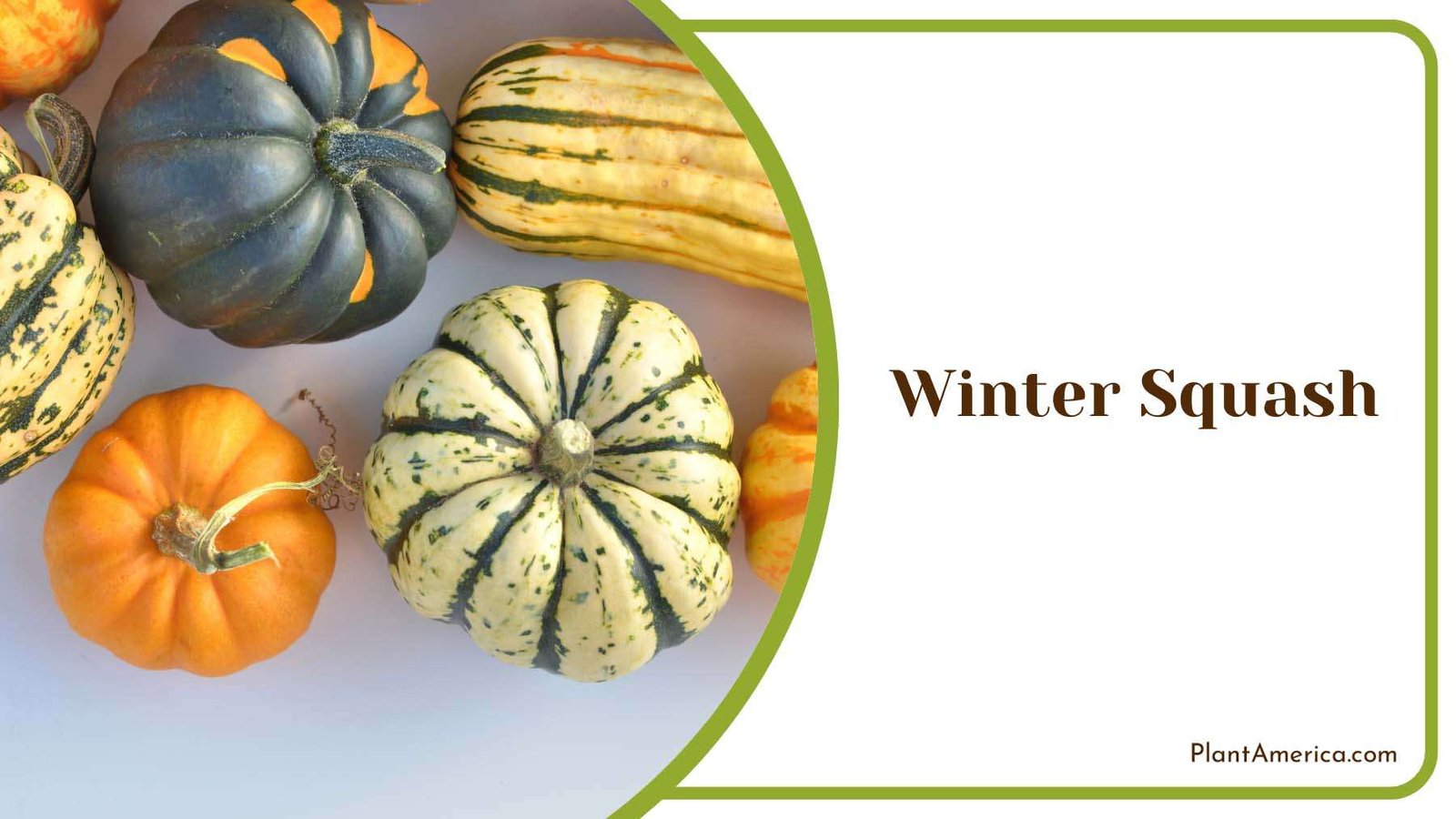
- Growing season: Spring, Summer, Fall.
- Leaf shape: Palmate, Lobed.
- Specific needs: Full sun, Fertile soil, Regular water.
- Common pest: Cucumber beetles, Squash bugs.
Winter squash vines produce an ornamental display of foliage and large, colorful architectural fruit. The vines grow to 10 to 15 feet and set three to six winter squash fruits. Provide full sun exposure, consistent moisture, and rich, fertile soil while the fruit is developing for best results.
Some winter squash are disease-resistant, but be sure to space climbers at least three feet apart to promote airflow. Common winter squash varieties for vertical gardening include Turk’s Turban, Sweet Dumpling, and Red Kuri. The linear growth habit of climbers makes thinning fruit and trellising the vines much easier than bush types.
9. Cucumis Melo 
- Growing season: Spring, Summer, Fall.
- Leaf shape: Palmer, Lobed.
- Specific needs: Full sun, Well-drained soil, Regular water.
- Common pest: Cucumber beetles, Squash bugs, Aphids.
Cucumis melo vines produce an abundance of climbing fruits that taste sweeter and have more concentrated flavors. The vines grow 10 to 15 feet tall each season on trellises or fences. Provide support for tendrils to grasp onto and consistent moisture while fruit is developing for best results.
Common types include muskmelons, honeydews, Crenshaws, winter melons, and even cantaloupes. Some Cucumis melo climbers produce fewer but larger, more intensely flavored climbing fruits than bush varieties.
The linear growth habit of the vines also makes staking, trellising, and pruning much easier to promote airflow and reduce diseases. Vertical gardens maximize harvest while minimizing ground space for climbing vegetables.
10. Bitter Melon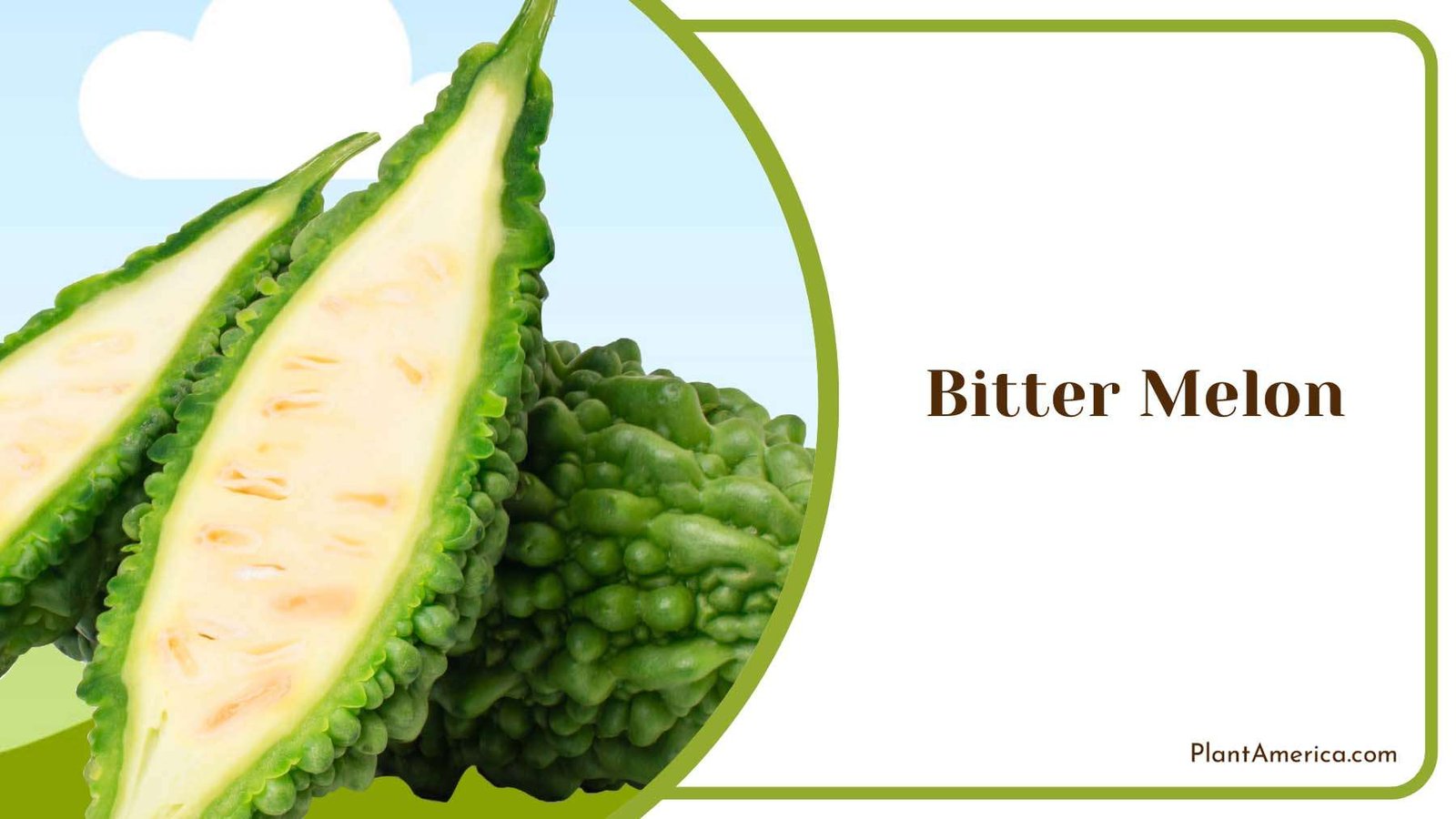
- Growing season: Spring, Summer, Fall.
- Leaf shape: Palmate, Compound.
- Specific needs: Full sun, Well-drained soil, Regular water.
- Common pest: Leafhoppers, Squash bugs, Aphids.
Bitter melon vines produce climbing fruit with medicinal properties. The tendril-bearing vines grow 10 to 15 feet long on fences or trellises. Provide support for tendrils to grasp onto as the vine’s fruit grows. Bittermelons appreciate full sun exposure, fertilizer before flowering, and consistent soil moisture. Fruit Is ready to harvest 80 to 95 days after transplanting.
Control pests like aphids and squash bugs by hand-picking early. Some varieties of bittermelon to try climbing include Long Green, Long White, and Short White. The linear growth habit of bitter melon vines makes thinning fruit and trellising the plants much simpler than the bush types.
11. Dragon Fruit
- Growing season: Spring, Summer, Fall.
- Leaf shape: Simple, Alternate.
- Specific needs: Full sun, Well-drained soil, Infrequent watering.
- Common pest: Scale insects, Thrips, Mealybugs.
Dragon fruit vines produce edible climbing fruits with thick skin and white flesh. The vines grow rapidly — reaching lengths of 25 feet or more — and attach to supports using aerial roots. Dragon fruit appreciates full sun, minimal water once established, and well-draining soil.
The vines also benefit from occasional fertilizing during the main growing season. Fruiting typically begins after two to three years and continues throughout summer and fall. Common varieties of dragon fruit include Thai White Flesh, Red Pitaya, and Yellow Pitaya. The large, star-shaped fruit adds exotic visual appeal to vertical gardens with minimal care.
12. Honeydew Melon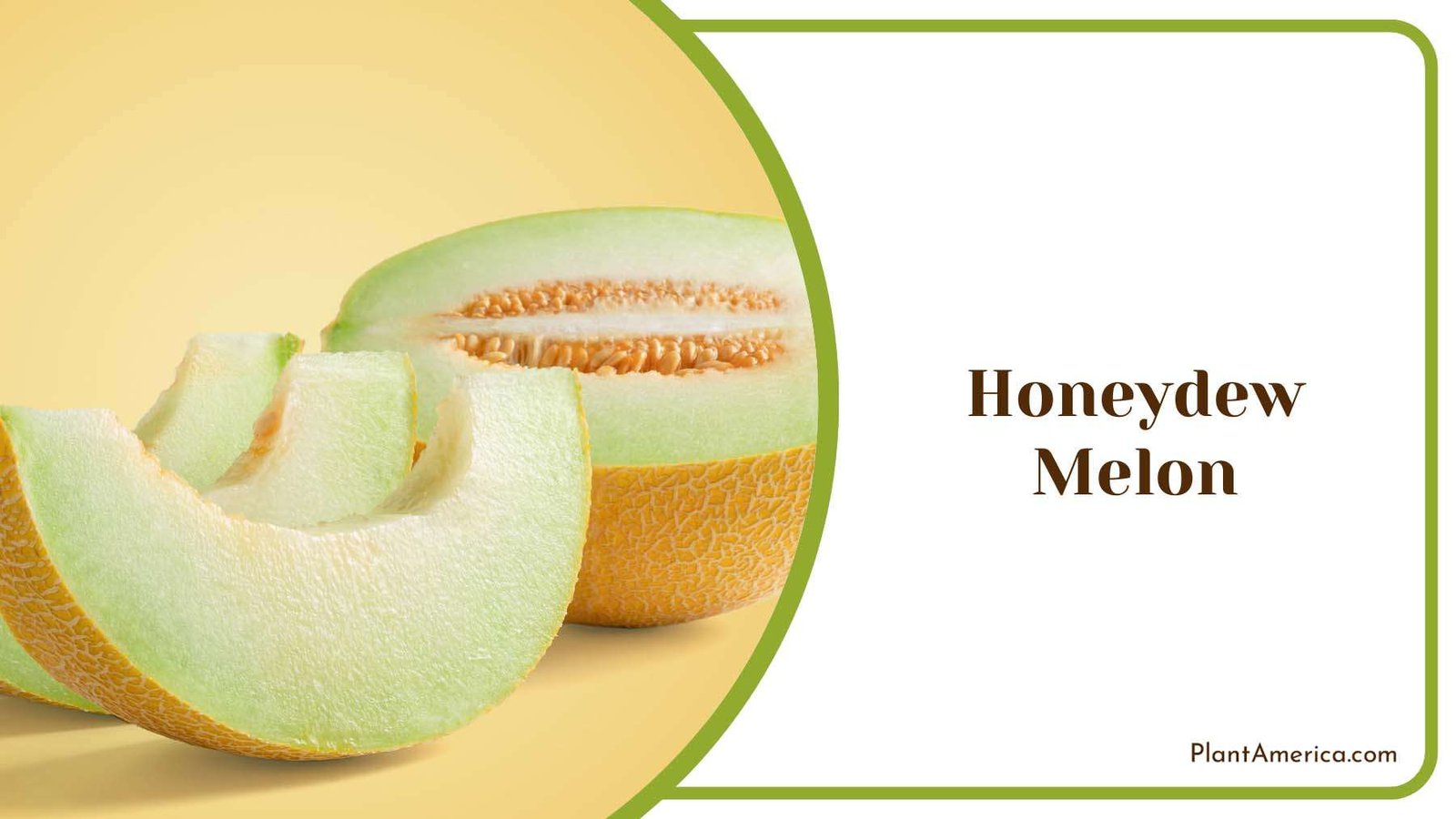
- Growing season: Spring, Summer, Fall.
- Leaf shape: Palmate, Compound.
- Specific needs: Full sun, Sandy soil, Consistent moisture.
- Common pest: Aphids, Squash bugs.
Honeydew melon vines produce sweet, juicy fruit with minimal effort. The vines grow fruit plants rapidly upward — reaching 10 to 20 feet within one season. Honeydew melons concentrate their sugars to develop intense, tropical flavors when grown vertically.
Provide the vines with trellising or netting for fruit to rest on and orient the trellis for full sun exposure. Also, use black plastic mulch and drip irrigation to deliver water precisely where the vines need it. Common varieties of climbing honeydew melon include Early Dawn, Hales Best, and Early Dew. They offer concentrated tropical flavor and nutrition in a compact garden area.
13. Pumpkin
- Growing season: Spring, Summer.
- Leaf shape: Palmate, Compound.
- Specific needs: Full sun, Sandy soil, Consistent moisture.
- Common pest: Cucumber beetles, Squash bugs.
Climbing pumpkins produce large ornamental fruit on vining plants that utilize less space. The tendril-bearing vines climb fruit plants rapidly and can reach 10 to 20 feet in length. Climbing pumpkins set fewer but larger fruit with richer colors and textures compared to bush types.
Provide the vines with trellises or cages, full sun, and fertilizer before flowering and fruit production. Also, keep the soil consistently moist while pumpkins are sizing up. Common climbing pumpkin varieties include Jack Be Little, Wee Be Little, and Oregon Giant. The upright vining habit of these climbers makes thinning excess fruit and staking the vines much simpler versus sprawling pumpkins.
14. Malabar Spinach 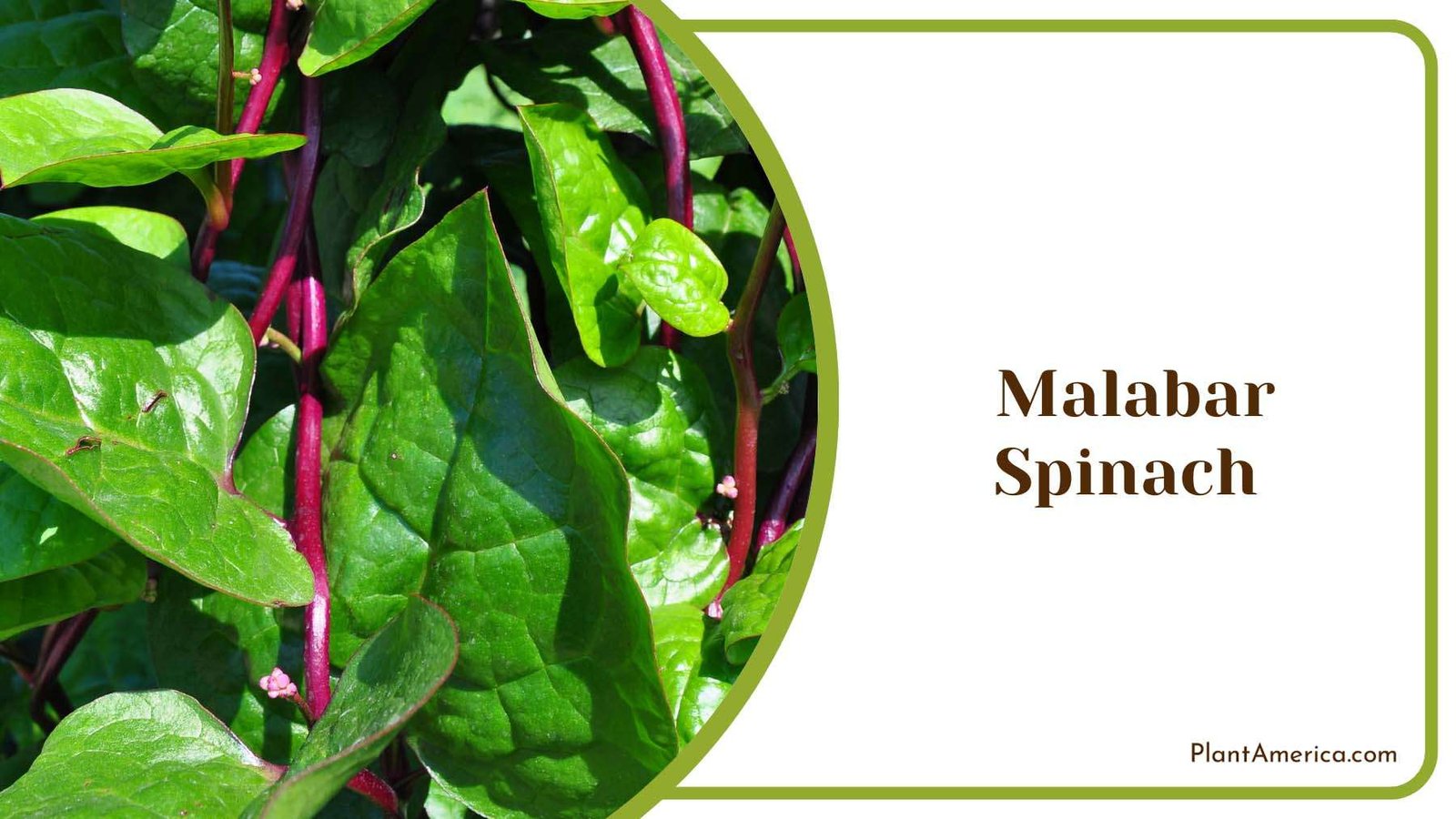
- Growing season: Spring, Summer.
- Leaf shape: Palmate, Compound.
- Specific needs: Full sun, Well-drained soil, Infrequent watering.
- Common pest: Spider mites, Whiteflies, Aphids.
Malabar spinach vines produce climbing leaves with a flavor similar to true spinach. The tendril-bearing vines grow fruit plants rapidly and can reach lengths of 10 to 20 feet, attaching to support using tendrils. Malabar spinach thrives in zones 9 to 11 and appreciates full sun exposure and minimal watering with well-draining soil.
The vine’s stems, tendrils, and young leaves are all edible and harvested throughout its growth. Malabar spinach also serves as an ornamental vine with purple-tinged leaves. The long vining habit of malabar spinach makes containers and vertical gardens an ideal fit where ground space is limited.
15. Grapes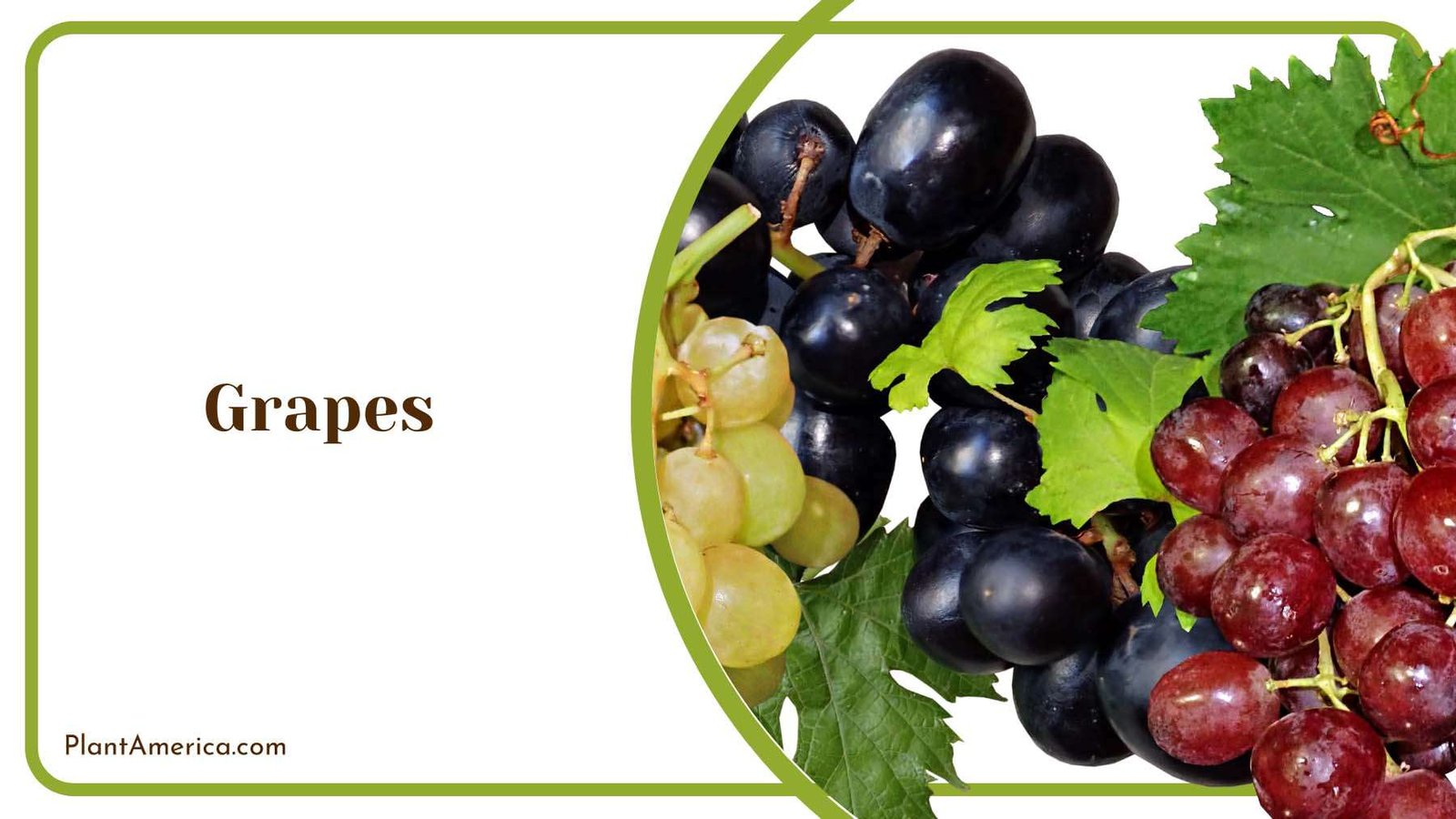
- Growing season: Spring, Summer.
- Leaf shape: Palmate, Lobed.
- Specific needs: Full sun, Fertile soil, Even moisture.
- Common pest: Fungus gnats, Japanese beetles, Spider mites.
Grape vines produce sweet, juicy fruit with minimal effort. The vines grow rapidly — reaching lengths of 30 feet or more within a season. Grapevines require a trellis and arbor pergola for the fruiting canes to grow vertically. Provide grapevines with full sun exposure, fertilizer before flowering, and consistent soil moisture while fruit is developing.
Grapevines also benefit from annual pruning to maintain an open canopy and promote air circulation. Common grape varieties for growing vertically include Concord, Catawba, and Niagara. These cut-flower and table grape varieties enjoy full sun exposure and well-drained soil. Grapevines benefit from consistent watering, especially while grapes are forming.
If tended with patience and care, grapevines reward gardeners with sweet, juicy grapes year after year for many seasons. The vines also add architectural interest to the garden during their growth phases and when heavily laden with grape clusters during harvest. The drastic change in form from bare winter vines to leafed-out and fruit-laden summer vibes gives the perennial visual appeal.
16. Green Peas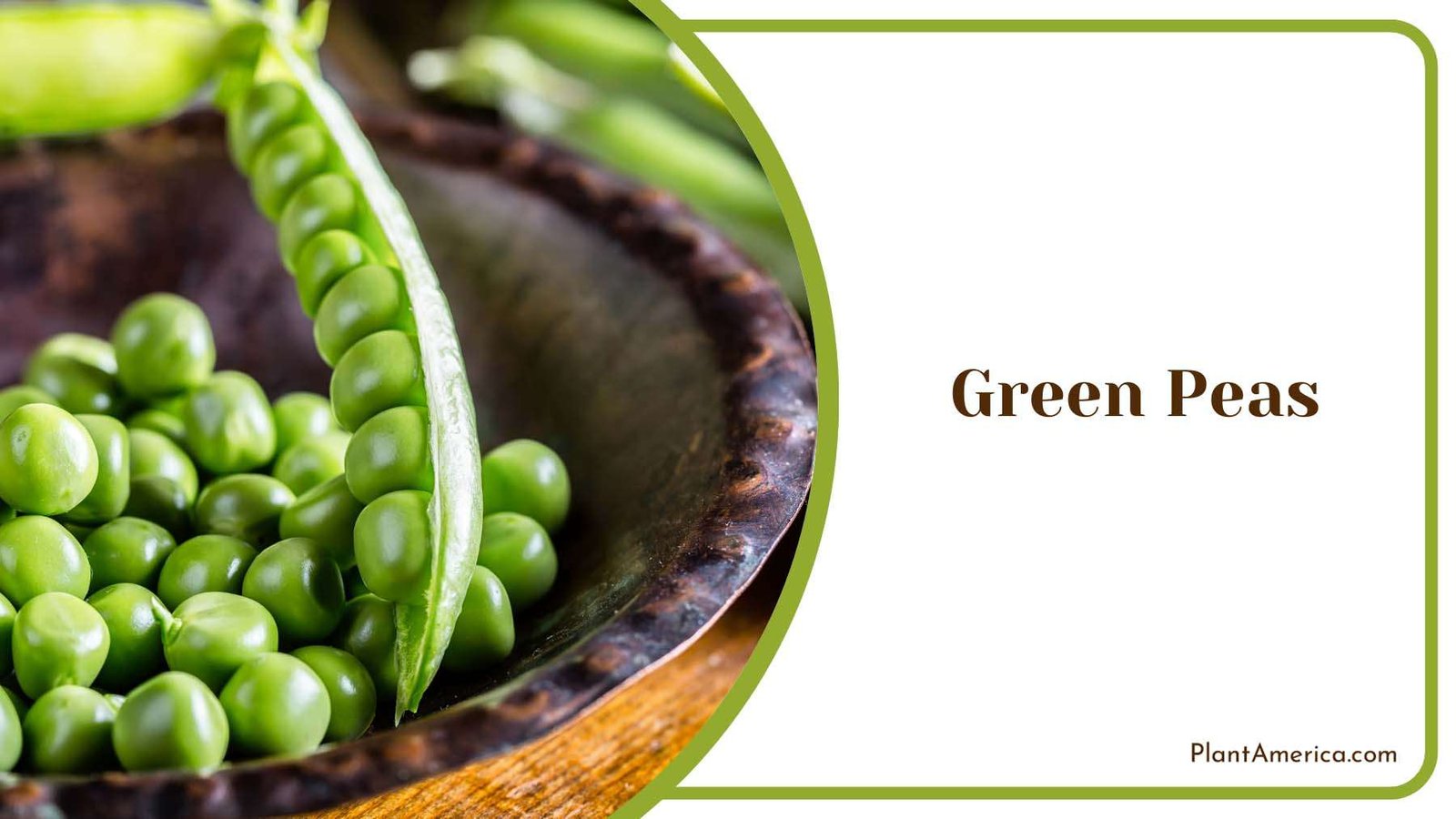
- Growing season: Spring, Summer.
- Leaf shape: Palmate, Compound.
- Specific needs: Full sun, Fertile soil, Even moisture.
- Common pest: Aphids, Leafhoppers, Spider mites.
Climbing peas produce tender, sweet pods in a compact vertical garden. The vines grow rapidly — reaching lengths of 6 to 10 feet within one season. They attach to supports using small tendrils that curl around the trellis or strings. Provide growing pea vines with full sun exposure for at least six hours per day, fertilizer rich in phosphorus at planting, and consistent soil moisture for best production.
Applying a two to three-inch layer of mulch around the plants also helps conserve soil moisture and suppress weeds. Vertical pea gardening also promotes airflow and air circulation, which helps minimize diseases and fungal infections.
Common climbing pea varieties for harvesting sweet pods include Oregon Sugar Pod II, Carouby de Maussane, and Golden Sweet. These varieties produce abundant crops of tender, delicious peapods all at once when grown vertically. While peas are short-lived perennials, they offer a concentrated harvest in a compact space.
If provided with optimal conditions, climbing pea vines can provide multiple vintages of sweet, crisp peapods to enjoy raw or in recipes throughout early summer in a more compact garden footprint. The vining pea plants also add green to the garden landscape while fruits develop their nutritious harvest.
Conclusion
We have explored 16 of the best climbing fruits for delicious harvests that offer bountiful rewards for gardeners with limited space. So whether you’re looking to expand an existing garden or wanting to grow fruits in a compact space, consider adding some climbing fruits to the mix.
- Climbing pumpkins produce large ornamental fruits on vining plants that utilize less space.
- Winter squash vines produce an ornamental display of foliage and large, colorful architectural fruit.
- Dragon fruit vines produce edible climbing fruits with thick skin and white flesh.
With the right varieties, support, and care, these vertical crops can deliver delicious harvests for seasons to come. Your rewards will be the sight of color and motion filling the garden, the feel of soil in your hands, and of course, the delight of eating fresh, homegrown fruits straight from the vine!