
Mealybugs on leaves is a sight no gardener wants to see after spending efforts and resources on the plants. Unfortunately, these white sap-sucking pests can transform your lush green paradise into a wilting wasteland quicker than you’d believe.
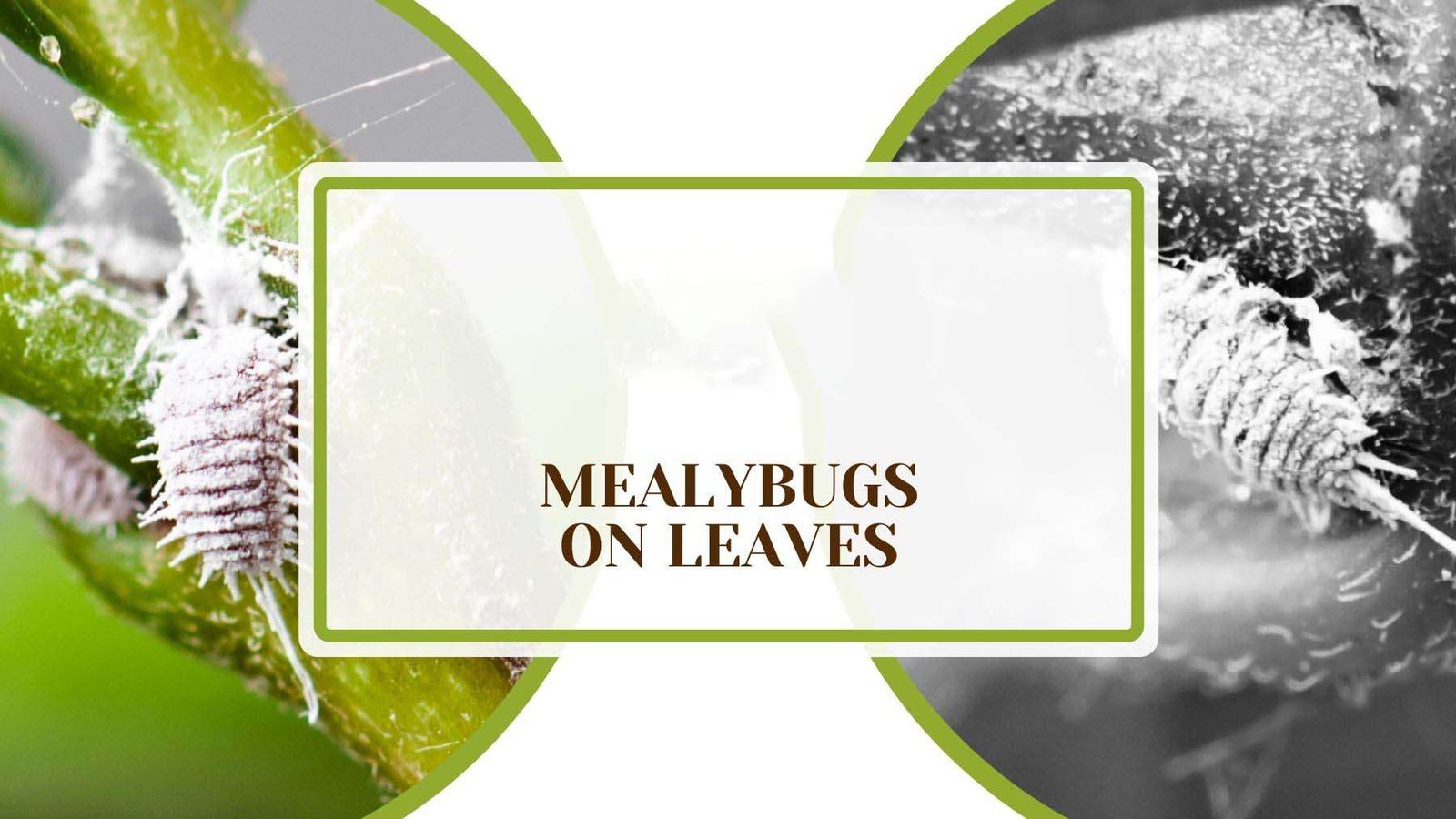
But you can remove these bugs from your plants with simple strategies discussed in this guide. So, keep reading.
What Causes Mealybugs on Leaves?
Mealybugs on leaves are caused by overwatering or high humidity levels within the plant’s environment. They can also be introduced through newly-infested plants. Moreover, these bugs can also land on leaves by hitchhiking on bigger insects or simply crawling from nearby areas.
– The Unnoticed Introduction: Tale of Mealybug Damage
More often than not, mealybugs are not spontaneous residents. They usually hitch a ride into your garden or home. A new plant purchase from a nursery or a neighbor’s garden can often be the stealthy vessel these small stowaways need.
Carefully inspecting new plants, particularly in their crevices and under leaves, is essential to prevent an unplanned mealybug invasion.
Over-fertilizing your plants can also sometimes make leaves more susceptible to pest infestations. Too much nitrogen in the leaves makes them an irresistible feast for mealybugs. It’s essential to strike a balance – feed your plants, but don’t overdo it.
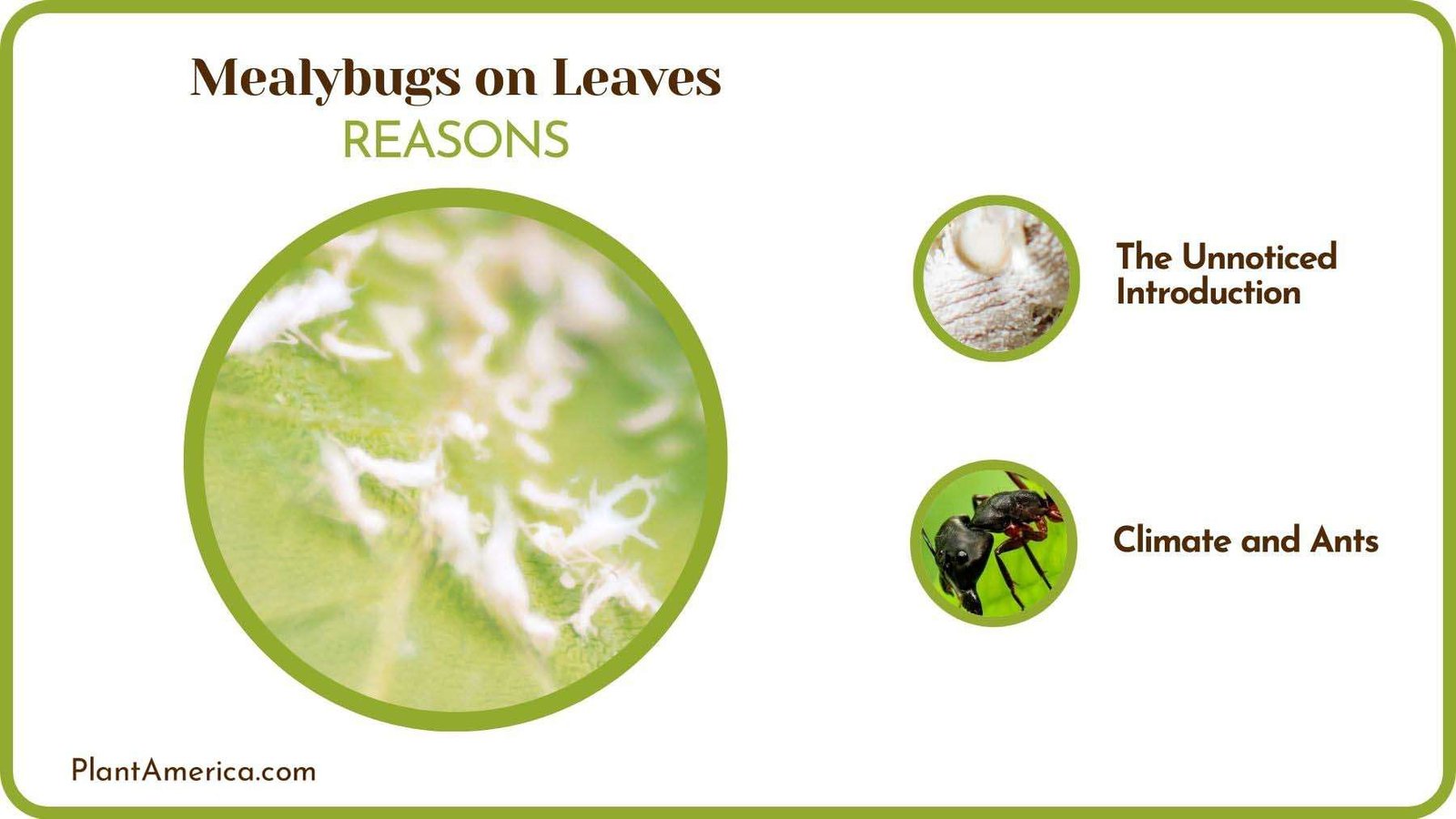
– Climate and Ants: A Mealybug Best Friend
Mealybugs thrive in humid environments with slightly warm temperatures. They prefer temperatures between 75 to 95 degrees Fahrenheit and are fond of the increased humidity that indoor plants or greenhouses often provide. While keeping your plants cozy, you could unintentionally be rolling out the red carpet for these plant pests.
Another contributing factor to a mealybug infestation is the presence of ants. Ants and mealybugs share a mutualistic relationship; ants protect mealybugs from predators and transport them to new host plants, and in return, they feed on the sugary honeydew that mealybugs secrete. That’s all about where do mealy bugs come from and attack the leaves.
So, if you’re noticing an ant problem alongside your mealybug issue, know that it’s more than just a coincidence. Integrated pest management that targets both pests can help break this problematic alliance.
How To Get Rid of Mealybugs From Leaves Easily
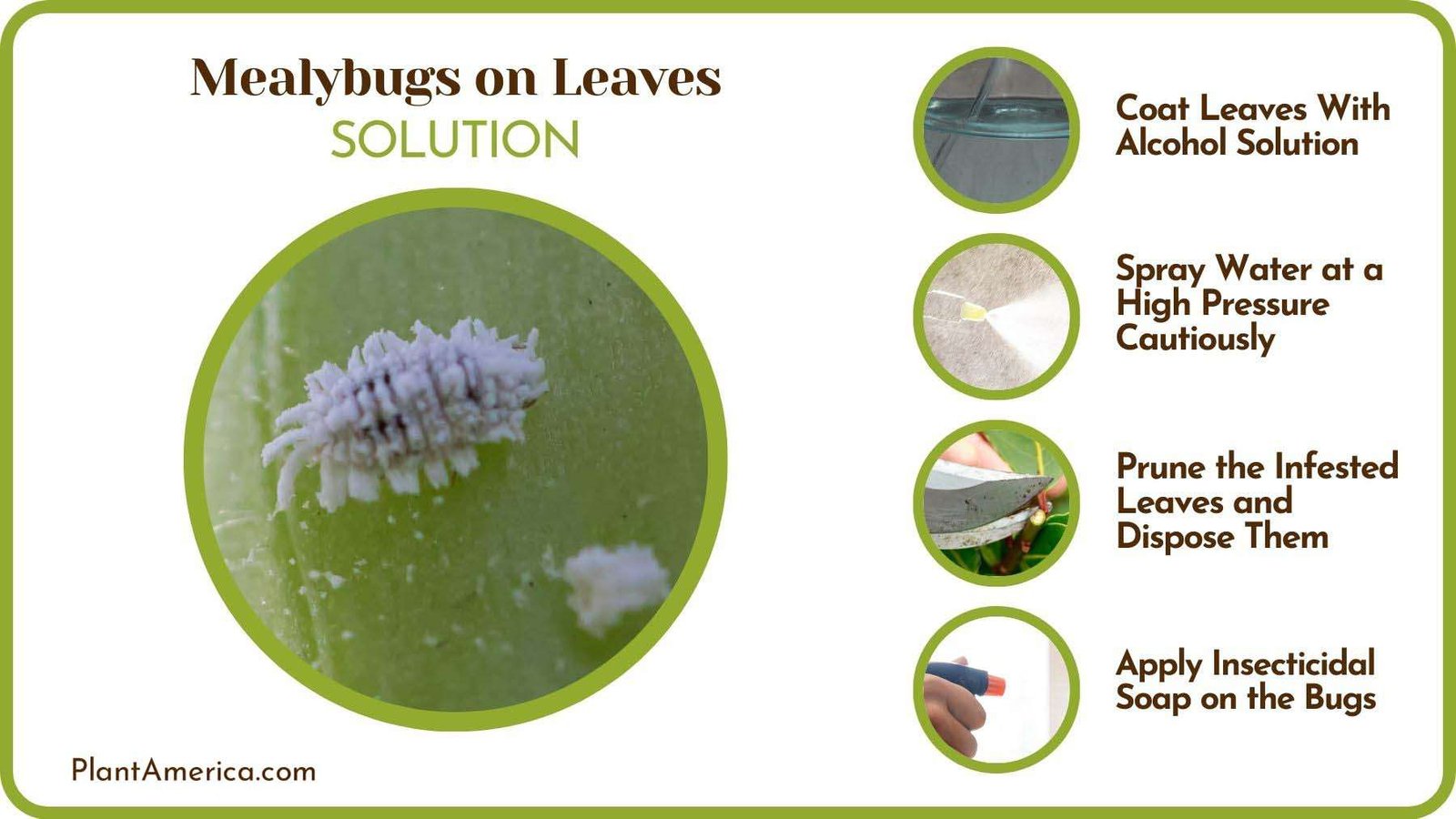
To get rid of mealybugs from leaves easily, start by pruning the infested leaves and coating the rest with an alcohol solution. You can also use homemade solutions like garlic spray or vinegar solution if the infestation is light. For severe infestations, go for chemical insecticides or insecticidal soap.
– Coat Leaves With Alcohol Solution
Do you see mealybugs on plants and want to do something immediately? Well, one of the first things most gardeners do is use an alcohol solution. All you need is a standard bottle of rubbing alcohol, water, and a spray bottle. Mix equal parts of isopropyl/rubbing alcohol and water in your spray bottle, shake it well, and it’s ready to use.
When sprayed directly onto the mealybugs, the alcohol works to break down their protective waxy layer, leaving them vulnerable and causing them to dehydrate and die. Remember to coat every leaf, stem, and crevice thoroughly. These pests are experts at hiding; even a few surviving mealybugs can lead to a full-blown resurgence.
Also, don’t apply alcohol solution during the peak sunny hours. The heat combined with alcohol can stress your plant. We suggest doing it early in the morning as plants are generally more relaxed during this time.
After this, rinse your plants with water an hour or so after the application. Then, repeat the treatment every week until you see no signs of the mealybugs.
– Spray Water at a High Pressure Cautiously
The “Water spray” method is for those who are looking for an affordable way to deal with mealybugs. Get a spray bottle and fill it with room-temperature tap water. For better results, using a hose or a bug blaster is better.
Inspect where the mealybugs are and then spray on the bugs directly. Make sure to mist the top and bottom of the leaves as well. When bugs get knocked off to the ground, you can quickly kill them easily in different ways like neem seed oil, pesticides, etc.
But, remember some things. Some plants don’t like too much water. Plants like succulents can get sick if their leaves are always wet. The moisture on leaves can also cause mold and fungus to grow. So, let your plants dry between each spray.
– Prune the Infested Leaves and Dispose Them
Another effective method is to prune the infested leaves. It’s done to get rid of the existing mealybugs and stop the neighboring ones from invading.
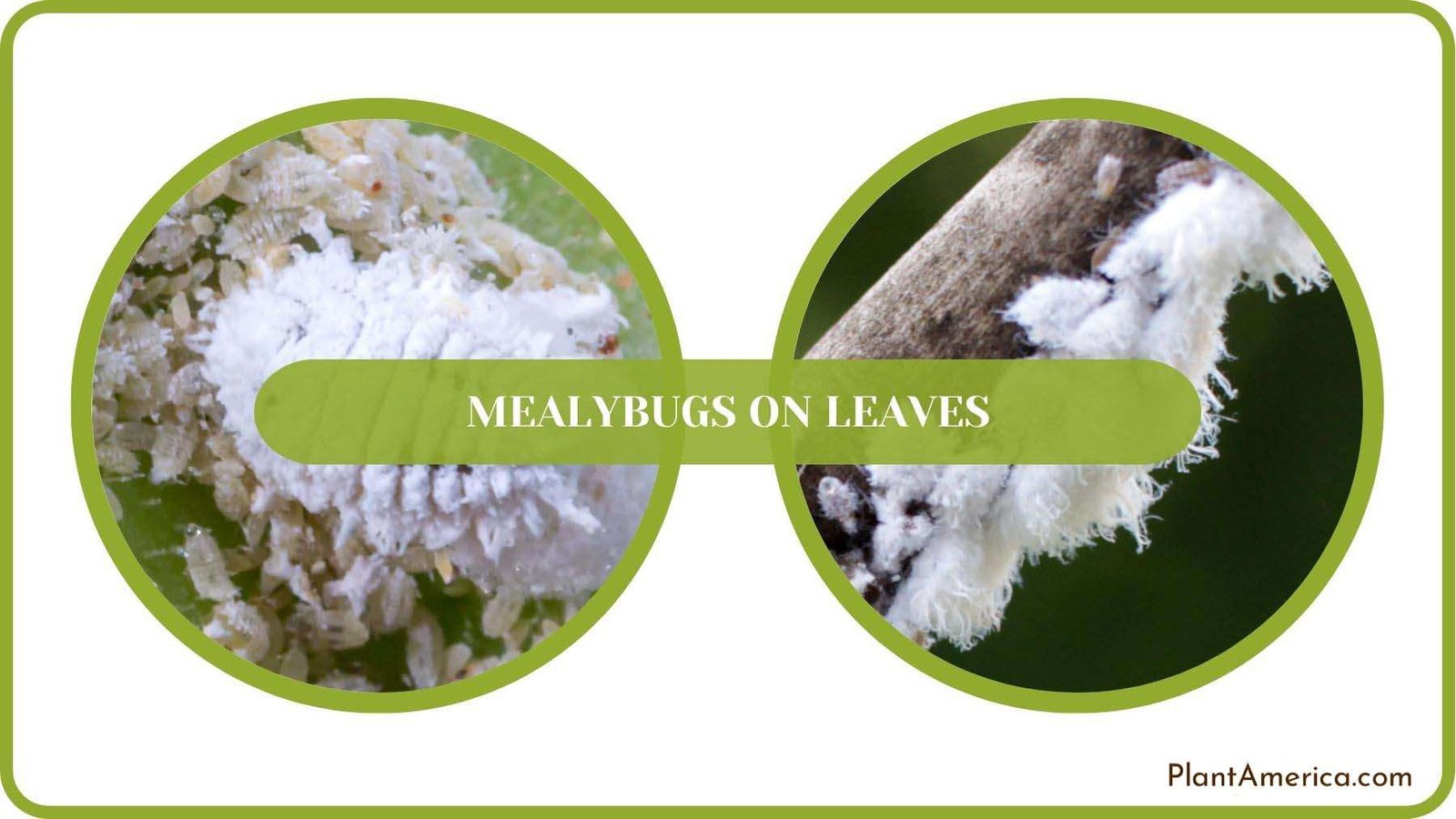
For this task, you’ll need a pair of sharp, sterilized pruning shears. Identifying the infested areas is the first step. Mealybugs are pretty conspicuous. You’ll find them as white, cottony masses often clustered in leaf axils, along stems, or undersides of leaves.
Once you’ve identified the infested areas, it’s time to start pruning. Cut off the infested leaves, stems, or branches. Be sure not to touch other parts of the plant with the infected cuttings to avoid spreading the mealybugs.
Disposing of these infected plant parts is as crucial as the pruning process. Don’t just throw them in your garden or compost pile. These seemingly harmless clippings could carry mealybugs, their eggs, or nymphs, leading to a fresh wave of infestation. Instead, seal them in a plastic bag and dispose of them with your regular waste.
– Apply Insecticidal Soap on the Bugs
Pesticidal soaps can effectively fight against mealybugs and the little white bugs on outdoor plants. Now, you might ask, “Will dish soap kill mealybugs?” the answer is yes (but it’s critical to use it correctly for better results). A homemade pesticidal soap can be made by mixing a teaspoon of liquid soap with a quart of water.
Soaps work by dissolving the waxy protective layer of mealybugs, leading to their dehydration and eventual death. To make sure those mealybugs don’t stand a chance, make sure your plant is really covered with the soap solution. Pay special attention to the underside of the leaves, where these sneaky bugs like to hang out!
– Go for Commercially-Manufactured Neem Oil
Spraying your plants with the diluted solution is a fantastic way to take charge against mealybugs. Commercially manufactured neem oil is usually sold as a concentrate that needs to be diluted with water before application. The popular neem-based products nowadays are:
- Safer neem oil
- Monterey neem oil 70 percent concentrate
- Bonide neem oil concentrate
- Southern ag triple action neem oil
Always follow the manufacturer’s instructions on the product label for the best results. Just like any treatment, you should thoroughly cover all parts of the plant for quick results. Remember that the oil works best when it is in contact with the pests.
– Try Hydrogen Peroxide Spray To Deal With Bugs
Hydrogen peroxide spray becomes an effective mealybug treatment when diluted and used correctly. Mix one hydrogen peroxide with four parts water. Once ready, it can be sprayed directly on the infested areas. Hydrogen peroxide kills mealybugs on contact. It destroys their waxy outer layer, exposing their internal structures and leading to their demise.
Make sure to test the solution on a small part of the plant before widespread application to prevent any potential harm to your plant. After trying and receiving a positive outcome, spray your plants, concentrating on the mealybug-infested areas.
– Spray Vinegar Solution To Affect Bugs’ Life Cycles
Most new gardeners don’t know it, but you can actually use vinegar to defeat pests. Mixing a cup of it with a gallon of water gives you a solution that can be sprayed directly onto the plants.
The solution’s acidity kills mealybugs on contact, and that too within a day (in most cases). Like the other treatments, the key here is thorough application, ensuring all plant parts are treated, particularly the hard-to-reach areas where mealybugs tend to hide.
– Try Natural Garlic Spray to Control Mealybugs
If you’re looking for effective control methods to combat mealybug infestations, try something unconventional but potentially quite effective – garlic spray. A staple in most kitchens, garlic’s pungent aroma is not just helpful in flavoring our meals; it can also serve as a deterrent to mealybugs.

To make a garlic spray, blend two whole bulbs of garlic with a small amount of water, then strain this mixture and add enough water to make a gallon of solution. This garlic-infused water can be sprayed directly onto your plants, protecting them against mealybugs. Regular application of garlic spray can deter these pests and reduce their damage to your plants.
– Hanging Reflective Aluminum Foil Can Work Too
Ever wondered how to prevent mealybugs even before they pose a problem? A good defense is often the best offense, and in this case, prevention can be achieved through a unique method: hanging reflective aluminum foil near your outdoor plants.
Reflective aluminum foil disorients many insects, including mealybugs. The reflected light confuses them, which is why you’ll see them leaving host plants in a hurry.
– Try Chemical Pesticides In Case of Severe Infestation
If you’re wondering what kills mealybugs instantly, the answer is chemical insecticides/pesticides, particularly in the case of severe infestations. While natural remedies and preventive measures are essential, bringing out heavy artillery is sometimes necessary.
When you apply systemic insecticides, they are absorbed by the plant and spread throughout its tissues. When mealybugs feed on treated plants, they ingest the insecticide and die. However, systemic treatments should be used as a last resort, as their chemicals can potentially harm non-target organisms (including beneficial insects).
– Keep Leaves Clean (Plant Care)
Mealybugs (and many other pests) like dusty and dirty plants. So, keeping the leaves clean makes the environment “less inviting” for mealybugs. Regular cleaning can be as simple as gently wiping the leaves with a damp paper tissue, cloth or spraying them with a mild soap solution.
If you are choosing to mist, then do it on the underside of the leaves, too, as dust can accumulate there as well. But don’t spray too much water, especially if the conditions are humid. This can lead to fungal infections (like crown or root rot), which can cause more problems for you.
Additionally, clean leaves can breathe better and absorb more sunlight. Both of these things will lead to a healthier plant.
Moreover, if you’ve placed plants indoors, you’ll notice a decrease in other problems like flies. The reason is that these annoying insects prefer to sit in the dirt (which can be on the leaves). So, by washing the foliage regularly, you’re also making your life easy!
Conclusion
Mealybugs can hurt plant leaves in so many ways. But if you follow our strategies, you can keep them healthy (which will ultimately make the plants happy). Here’s a summary of the recommended measures:
- Always start with homemade remedies such as rubbing alcohol, garlic spray, hydrogen peroxide, vinegar solution, etc., to get rid of mealybugs.
- Prune and dispose of infested leaves properly to prevent the spread of mealybugs to healthy parts of the plant.
- Utilize preventive measures like hanging reflective aluminum foil around your plants to disorient and deter mealybugs.
- Apply pesticides in the case of severe infestations. However, use these judiciously to protect natural predators and the environment.
Remember, the fight against mealybugs is not a one-time task but a continual process of vigilance and care.