

When the cold winds of winter start blowing, I find myself longing for a touch of nature inside my home. There’s something magical about watching flowers bloom even when it’s snowy and grey outside.
Bringing vibrant flowers indoors can transform any room into a cozy sanctuary. It’s like having a piece of spring right in your living room.
There’s an art to selecting flowers that will thrive indoors during the colder months. I often stop to think about how different flowers bring a variety of colors and life into my space.
It’s not just about looks—it’s about creating a lively, inviting atmosphere that keeps spirits warm all winter long. 🌸
1) Peace Lily
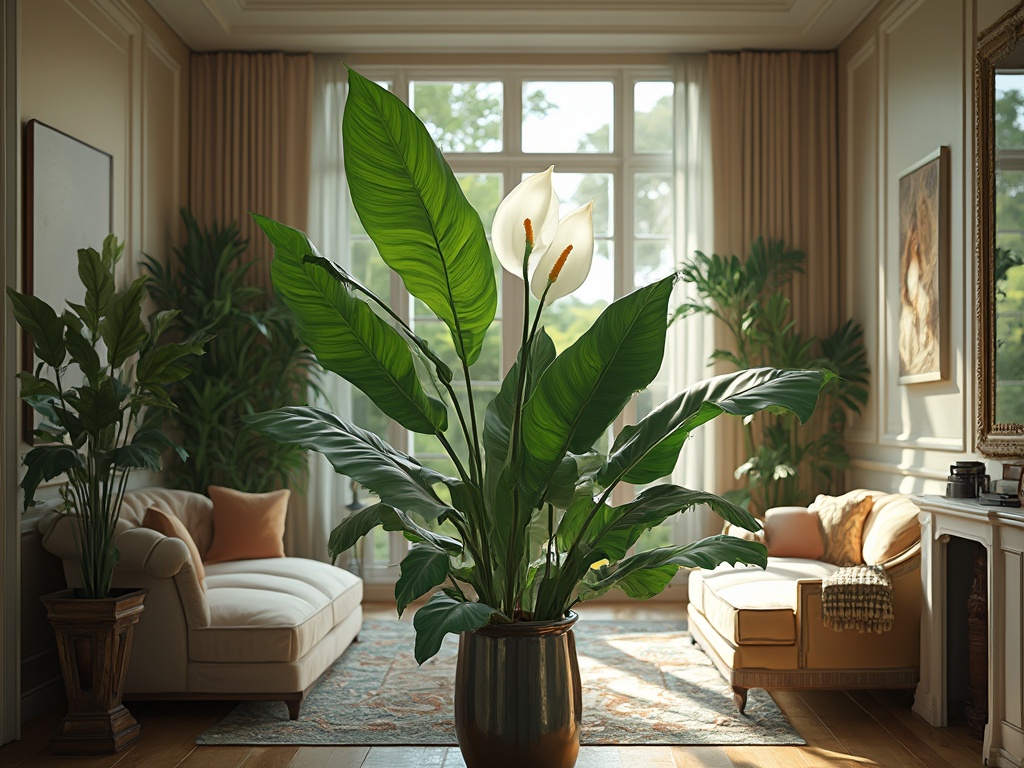
Peace lilies are elegant plants that brighten up any indoor space. With their glossy, dark green leaves and white, spoon-shaped flowers, they add a touch of calm to winter months. These beauties are not true lilies, and they hail from the rainforests of Central and South America. 🌱
One of the things I love most about peace lilies is their forgiving nature. They don’t need much sunlight and can thrive in low-light corners of my home.
Just remember, too little light can affect their blooming. 🐞
Watering is key, and I learned the hard way not to overdo it. Overwatering can lead to root rot, which is a headache.
It’s best to let the top inch of soil dry out before giving them another drink. Regular misting keeps them happy when indoor air gets dry. ✂️
While they’re great for adding greenery to my home, I keep them out of reach from pets and kids. The leaves contain calcium oxalate, which can be an irritant. Better safe than sorry! 🐰
For an extra touch, I sometimes wipe the leaves with a damp cloth to keep them looking their best. A little care goes a long way in keeping these lovely plants healthy and vibrant all winter long. 🍁
2) African Violet

African violets are like tiny treasure chests filled with vibrant blooms. 🌸 These charming plants are a bestseller for indoor gardening during the chilly winter months. They thrive in bright, indirect light and reward you with flowers resembling delicate jewels.
Keeping these beauties healthy isn’t rocket science. Just find a cozy spot for them where they can enjoy temperatures between 65-75°F during the day. At night, they like it a tad cooler.
They appreciate a regular bathing schedule, but they’re not fans of wet feet. I water mine from the bottom to keep the leaves dry.
- Light: Bright, indirect sunlight 🌞
- Watering: Keep soil moist, not wet
- Temperature: 65-75°F (18-24°C)
- Fertilization: Less frequent in winter
Fertilizing them during the winter is like giving them a tiny boost. I ease up on plant food during these months since they’re not in their growing phase.
There’s never a dull moment with African violets. They’re always surprising me with new blooms. Their cheerful presence brightens my home, even when the world outside is cold and gray.
3) Christmas Cactus
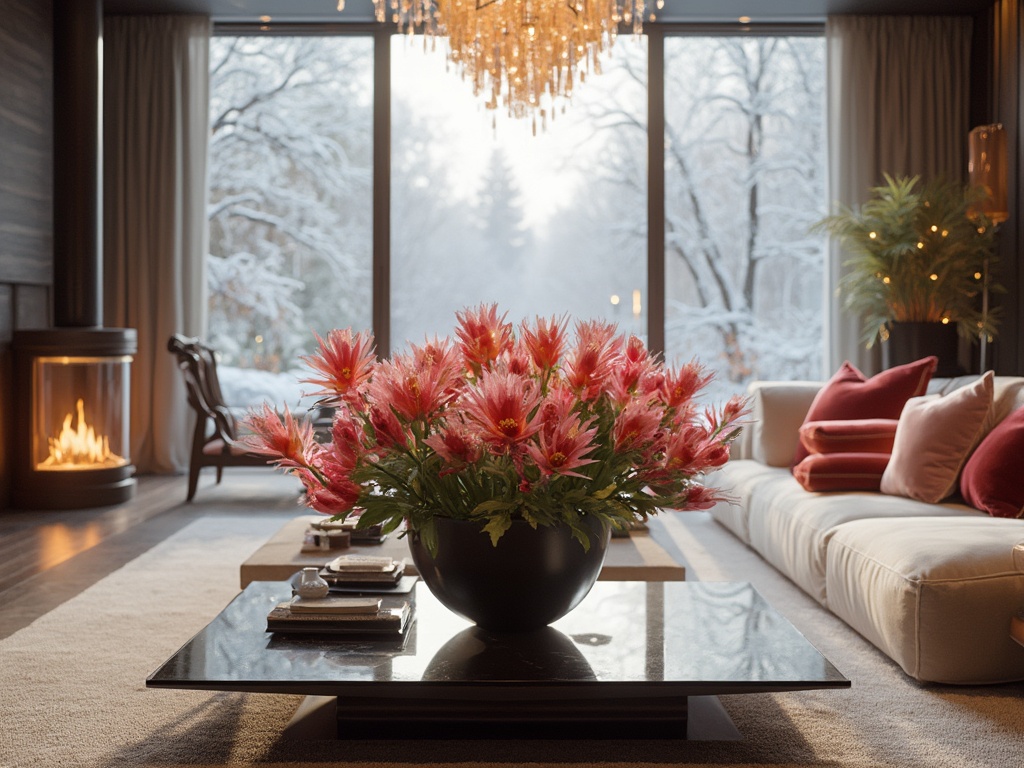
I’ve always loved having Christmas Cactus 🌸 in my home during winter. It’s not only attractive but also easy to keep alive.
Christmas Cactus is a flowering plant that flourishes indoors. It loves indirect light and can bloom beautifully in shades of pink, red, and even white. These colors add a splash of joy during cold months.
Watering is straightforward. I only water mine when the topsoil feels dry. You can easily check this by gently poking the soil with your finger.
Temperature is key, too. It enjoys being in places with temperatures around 65 to 70 degrees Fahrenheit. You can keep it near an east-facing window where it gets plenty of diffused light 🌱.
To help it bloom, I use a balanced fertilizer every few weeks during its growth phase. I’ve found that misting helps keep it happy, too.
I once had a cactus that bloomed just in time for Christmas, filling my living room with vibrant colors. It’s that kind of plant magic that makes winter indoors feel special.
4) Orchids
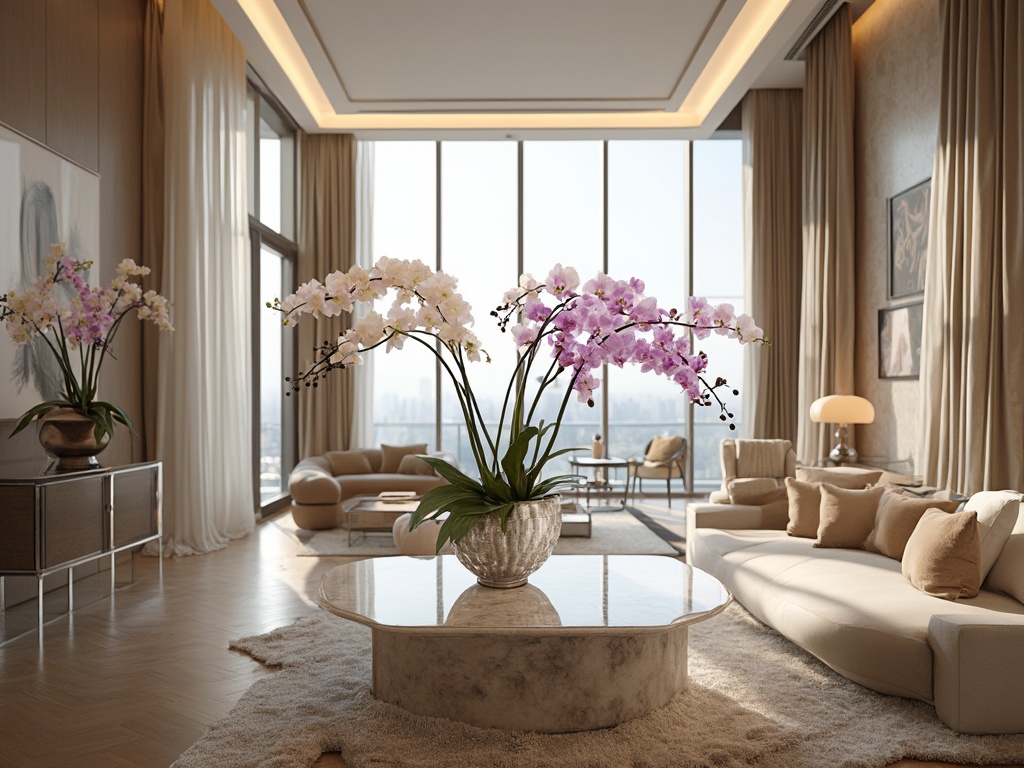
Orchids are like the royalty of indoor plants, each blossom a little throne of beauty. 🌸 They come in all shapes and colors, making them a real showstopper in any room.
Orchids can be a bit picky. They prefer well-drained soil and don’t like sitting in water. I learned this the hard way when my first orchid turned a sad yellow. Now, I make sure they drain well and get just the right amount of water.
Care Tips for Orchids:
- Use bark or loose soil for good drainage.
- Water once a week but ensure drainage.
- Provide bright, indirect sunlight.
Though delicate, orchids are resilient. My orchid bounced back once I got the hang of caring for it. It’s like they have their personalities, adjusting to their environment with grace and poise. 🌱
Orchids thrive in moderate temperatures, making them perfect for indoor life. Ideally, they like it between 65° to 75°F during the day. At night, they’ll be happy with cooler temperatures down to 55°F, creating the contrast they thrive on.
5) Jade Plant
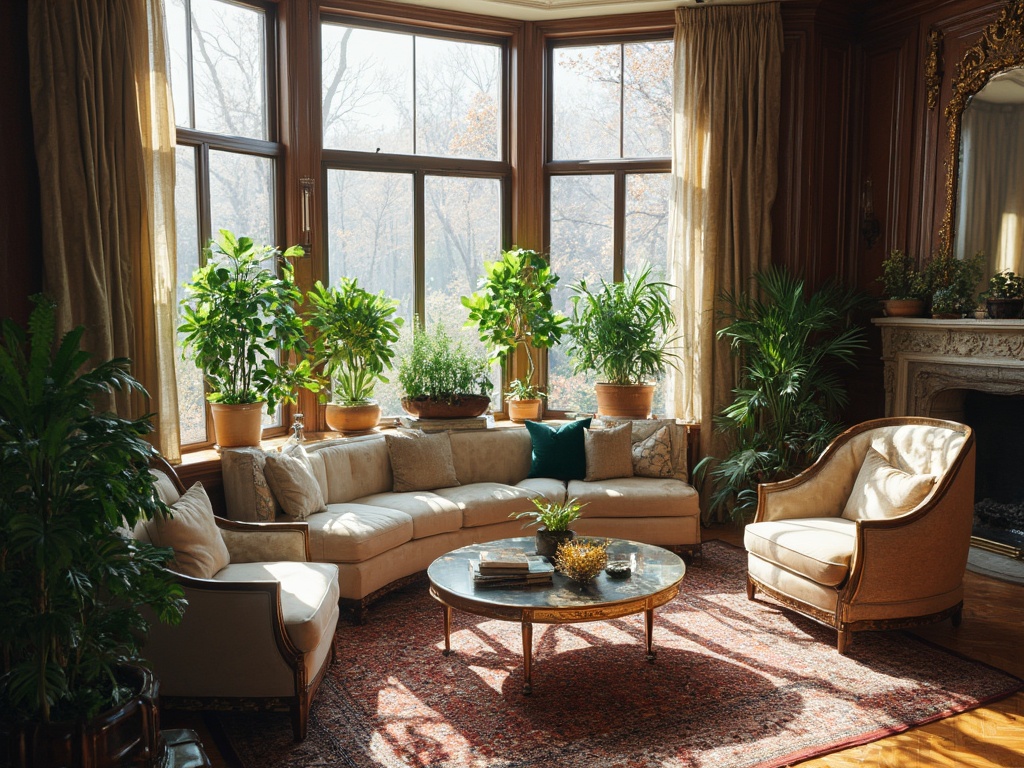
Ah, the Jade Plant! 🌿 It’s not just easy to care for, but also gives off those mini-tree vibes, creating a cute little forest on your windowsill. Who wouldn’t want that?
I remember when I first got my jade plant. Its thick, shiny leaves made it seem like a plant of great wisdom. Placing it by a sunny window is key, as it craves that bright light like we crave cookies. ☀️
For water? It’s like the camel of indoor plants. I water mine once a month during winter. Overdo it, and you might end up with a sad, soggy mess. So, keep it on the dry side and it’ll keep smiling at you. 💧
Temperature control is crucial. I learnt that they like it cool, around 60 degrees Fahrenheit, especially when they’re dreaming of sprouting flowers. Lower than 50 degrees and, well, it’s bedtime for the jade.
Growing them indoors is a joy. Just avoid cold drafts and let it grow at its own pace. Over the years, the plant can reach up to 6 feet, but my little one is happy as a shrub-sized companion. Keep it happy, and it’ll stick around for decades. 🌳
6) ZZ Plant
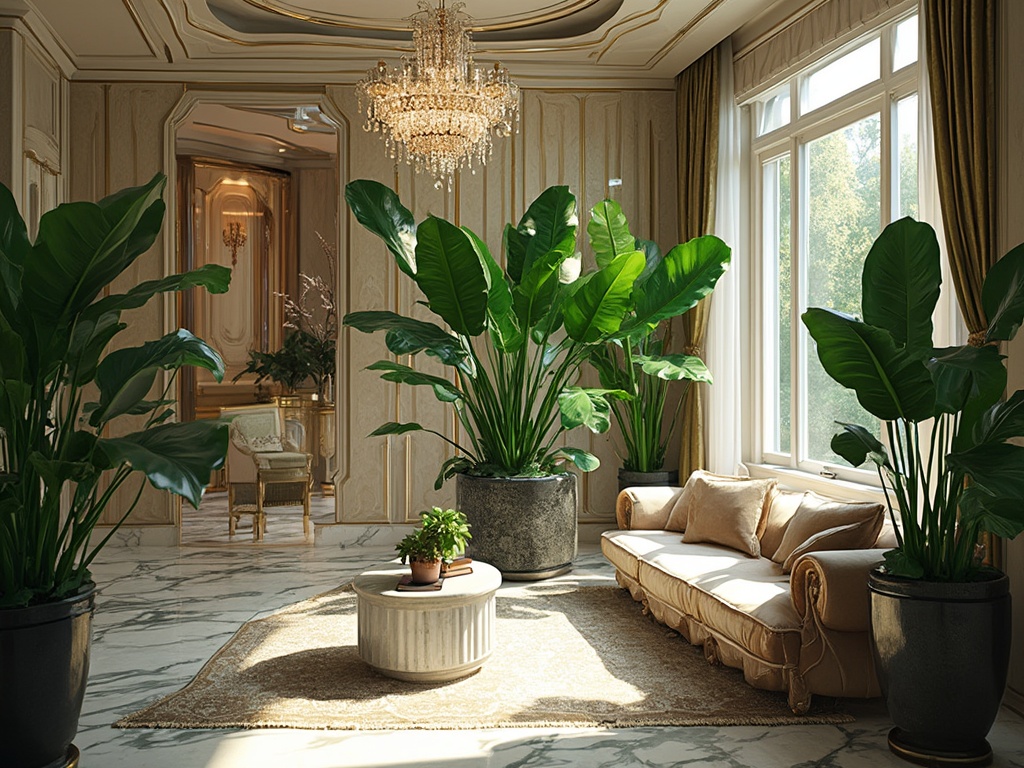
The ZZ Plant is one of my favorite indoor buddies during winter. This plant is hardy and doesn’t ask for much. 🌱 It’s perfect for those who might forget to water their plants.
It thrives with infrequent watering and can survive in low light. I keep mine in a corner without much sunlight.
You might notice its shiny leaves, which add a lively touch to a room. Its waxy coating helps it shine, even on the gloomiest days. The ZZ Plant fits well in small spaces, growing slowly but surely.
If you travel often, this is a plant for you. 🧳 It won’t mind if you leave it alone. Just make sure not to overwater it when you’re around.
Maintaining it is as easy as pie—you just need a bit of indirect light and let the soil dry out between waterings. I find it wants to chill most of the time, taking care of itself.
When it’s happy, you’ll see new shoots, bringing a little joy to your home. So if you’re looking for hassle-free greenery, the ZZ Plant is your pal. It’s tough, beautiful, and a real winter warrior. 🌿
7) Snake Plant

Snake plants are like the superheroes of the indoor plant world. They thrive on neglect, so even those missing a green thumb can grow them. When it comes to watering, less is more. You see, the soil should dry out a bit between waterings to keep these plants happy.
These little wonders can grow in almost any lighting condition. Low light? No problem. They prefer a bit of indirect sunlight. For those lucky enough, a southeast-facing window might even coax them to bloom. It’s worth watching for those rare flowers!
These plants are masters of air purification. Perfect for clearing out those pesky indoor toxins. Plus, they don’t mind if you forget about them on vacation. I’ve found that a touch of fertilizer during the growing season gives them a real boost.
Their sturdy leaves tell a tale of resilience. They can stand tall, reaching up to 39 inches in height. Ideal for a nice decorative pot! Make sure you have proper drainage, though—soggy roots are a no-go for these tough plants.
What I love most is the variety. From the ‘Black Gold’ with its solid leaves to those with banded foliage, there’s a snake plant for every style. 🐍
8) Spider Plant

Let me tell you, spider plants are like the friendly neighbors of the plant world. They’re easy to care for and great for beginners. You can put them in bright indirect light, and they’ll be happy 🌱. They don’t fuss much about watering, either. Just let the soil dry before you water them again.
When it comes to temperature, these plants enjoy a range between 45 °F (7 °C) and 75 °F (24 °C). That’s a typical room temperature, so no sweat there. They grow well in pots with drainage holes, which keep their feet from getting too soggy.
Tips for Happy Spider Plants:
- Light: Bright, indirect sunlight is ideal.
- Watering: Let the soil dry between waterings.
- Soil: A mix of potting soil and perlite does wonders.
Sometimes, I think of spider plants as the cats of the plant world — they’re low-maintenance but still give off a lively vibe. Plus, they’re known to be great air purifiers. So not only do they look good, they help your home feel fresher too 🌸.
9) Pothos 🌿
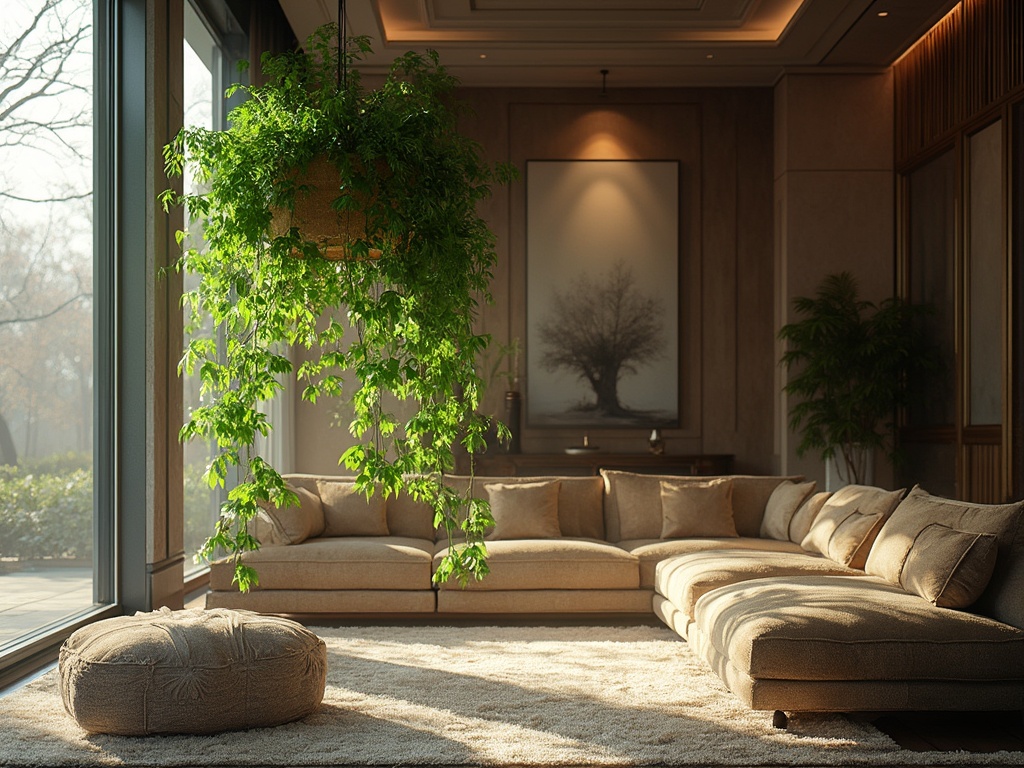
Ah, pothos! Let me tell you, it’s like the superhero of indoor plants. With its lush, trailing vines, this plant can brighten up any room. I’ve often been amazed at how it thrives with minimal fuss. Pothos isn’t picky about lighting, though it does love bright, indirect light. Just be prepared—it can grow really long!
In winter, pothos might need a little TLC. I keep its leaves dust-free so they can soak up light. Pruning is my secret weapon to manage its length. When snipping off the old, tired leaves, I’m always surprised by how it revives the plant’s appearance. ✂️
Watering pothos requires some balance. The plant prefers its soil a bit dry between waterings. I’ve learned to keep an eye on the leaves; if they droop, it’s thirst time. Despite their tropical roots, they are chill about lower humidity in winter. 🍂
Spicing things up, I sometimes place pothos in a hanging basket. It adds flair to an otherwise boring corner. 🌸 And yes, if you have a gloomy office, you can rely on a pothos to keep you company—it’s like having a green buddy who never talks back! 🌳
10) Aloe Vera
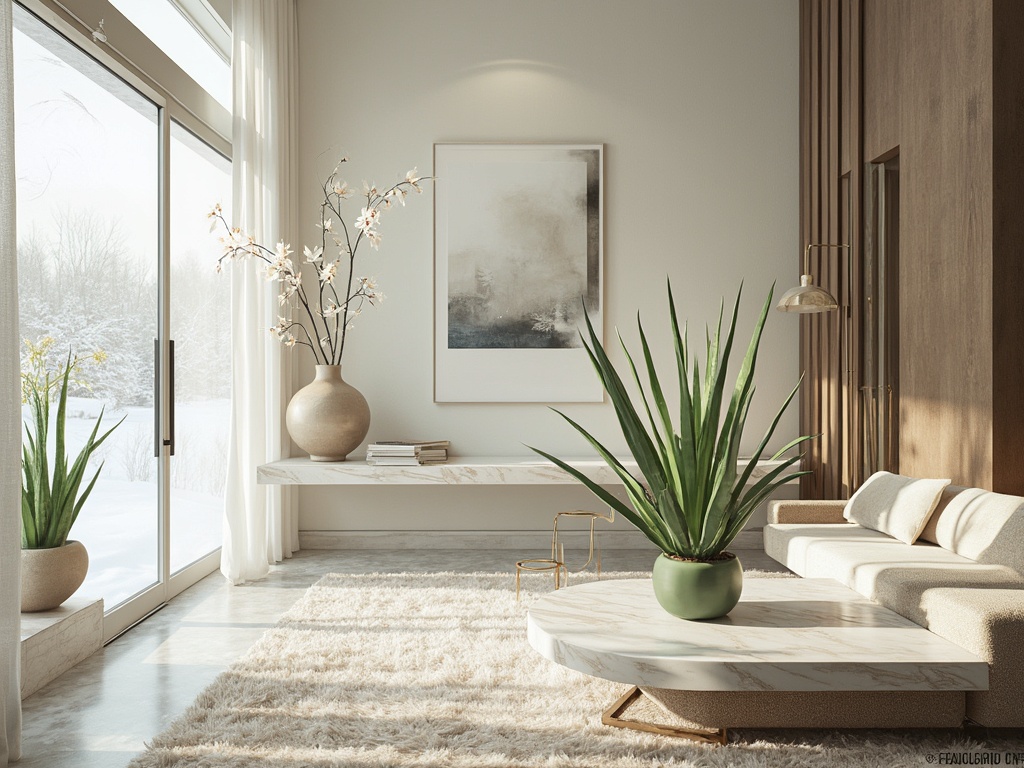
Aloe vera is a popular indoor plant not just for its health benefits but because it’s resilient. I once had an aloe sitting comfortably on my sunny windowsill, and it thrived with little fuss. Aloe is like that friend who’s cool with anything, as long as it’s got some sunlight and a smidge of water. 🌞
In winter, aloe vera prefers a cozy spot with plenty of bright, indirect light. If your home gets a little dim, a grow light can do the trick. I never wanted mine to shiver in the cold, so keeping room temps between 70°F and 85°F worked wonders for me!
Watering aloe is like a little science: too much, and it’s drama (yellow leaves, anyone?); too little, and it’s parched. So, I make sure the soil dries completely before I bring out the watering can. A cactus mix works great for drainage, keeping those roots happy. 🌱
If you’re lucky, you might see it bloom, revealing flowers like little surprises. They’re not the showiest, but in their understated way, they add charm. True beauty comes in all shapes and sizes, right? 😊
Benefits of Growing Flowers Indoors 🌸
Bringing flowers indoors helps beat the winter blues. Walking into a room brightened with colorful blooms is like a warm hug on a chilly day.
I often find that caring for plants, even indoors, can be oddly therapeutic. Their presence can boost mood and creativity.
Indoor flowers also improve air quality. Plants like peace lilies and geraniums can help remove toxins and add humidity to the air. This is especially nice when heaters dry out indoor environments.
Plus, growing flowers indoors can turn anyone into a budding gardener. It’s rewarding to see plants flourish under your care. Best of all? No bugs flying around or munching on leaves, which is a common garden problem outside.
Environmental Requirements for Indoor Flowers 🌷
Temperature, light, and water are key to happy indoor flowers.
Indoor plants need a consistent temperature between 65 to 75 °F. I learned the hard way that placing plants too close to drafty windows or heaters can stress them out.
Light is another factor. Most indoor plants prefer bright, indirect light. South or east-facing windows are usually winners. You’ll know they’re happy when you see lush green leaves and vibrant blooms.
Watering can be tricky, though. I tend to underwater because I worry about root rot. Keeping a schedule—and listening to the plant—aids in avoiding this common issue. Using pots with drainage holes is a lifesaver to keep roots healthy and happy.
Choosing the Right Flowers
When it comes to growing flowers indoors during winter, it’s all about finding the right match for your home’s environment. The right flowers can thrive despite low light or humidity, providing a vibrant display all season.
Considerations for Indoor Environments
Start by looking around at the conditions in your home. Is it warm, cold, humid, or dry? Each flower has its own preference.
For example, Peace Lilies 🌱 thrive in lower light and are forgiving of a missed watering or two. On the other hand, African Violets 🌸 love bright, indirect light and consistent moisture.
Humidity is also a big player. Many flowers, like Begonias 🌷, flourish in humid spaces.
If your home air is drier than a desert, you might consider upping the moisture level or looking for plants that don’t mind dry air. A small humidifier or a pebble tray with water can do wonders!
Matching Flower Types to Indoor Conditions
Once you’ve got a grip on your environment, match it to flowers that fit well.
For example, if you have bright windows, Amaryllis 🌺 and Geraniums are stunning choices. These flowers bask in sunlight like I do in a good book on a rainy day.
Meanwhile, the humidity-loving Anthurium 💚 is perfect for a bathroom setting, soaking up the steam while you sing in the shower.
If low light is more your scene, go for Snake Plants 🌳 or Pothos, which can survive on the dimmer side of life without too much complaint.