
The benefits of using native plants in your garden are numerous. As we discuss key reasons to plant natives, we’ll help you discover easy ways to support local biodiversity and reduce maintenance.

Whether you want to attract more pollinators or save on watering costs, choosing local species provides seasonal beauty and helps nourish the natural balance. By the end, we hope this article inspires you to fill your outdoor space with hardy options that flourish with little help from us, it’s a win for the environment and your own enjoyment!
Benefits of Using Native Plants In Your Garden at Home
1. Attract Pollinators

| Reason: |
|
| Impact: |
|
| Pros: |
|
| Cons: |
|
By planting an assortment of native wildflowers, shrubs, and trees in bloom across seasons, a home gardener can provide a feast for pollinators from spring through fall. Butterflies, bees, hummingbirds and other wildlife rely on floral nectar and pollen as fuel for their duties of spreading pollen from one plant to another.
A landscape rich with native blooms ensures that local pollinator populations are nourished season long. Besides the beauty they bring, these wild-like gardens also offer the reward of supporting crucial pollinators in a friendly suburban habitat. With minimal effort, a few strategically selected species can make a yard a welcoming wilderness oasis for nature’s little workers.
2. Provide Food and Shelter for Wildlife
| Reason: |
|
| Impact: |
|
| Pros: |
|
| Cons: |
|
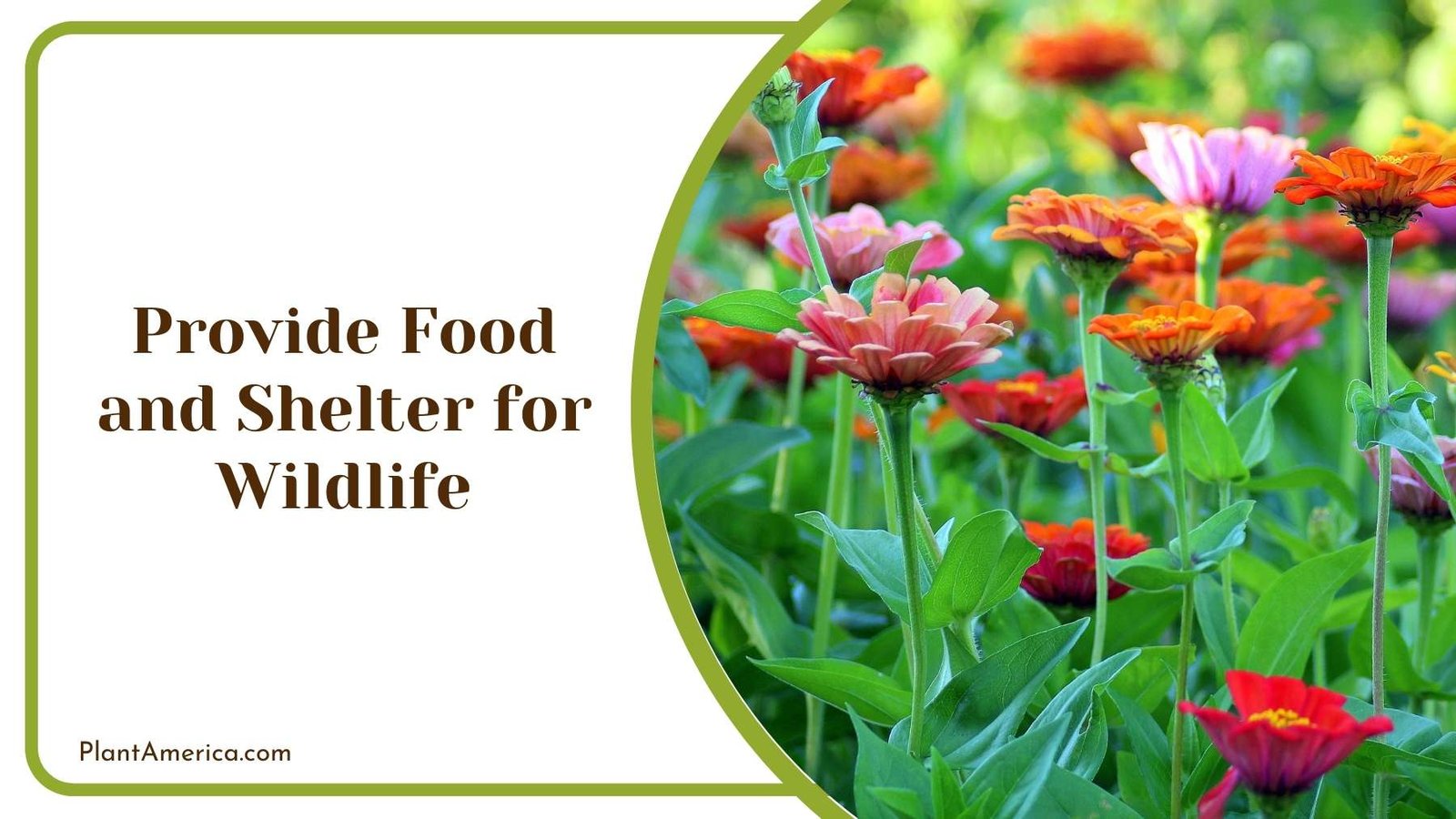
Including plants native to your region in the landscape provides invaluable food sources and habitats for local wildlife. Shrubs and trees bearing berries, seeds or nuts sustain year-round resident birds like sparrows, mockingbirds and cardinals. Their foliage also acts as a buffet for generalist leaf-eaters such as squirrels.
Evergreens offer shelter from weather extremes and predators for species spanning chipmunks to songbirds nesting with their young. Come fall, poison ivy or Virginia creeper ports on trees become important seasonal staples for migrating flocks of robins, woodcocks and more.
With its dormant bark and twigs left standing, even dead native vegetation supports insects over winter which in turn nourish returning birds. By choosing plants suited to the indigenous wildlife in your area, you can fulfill life-sustaining functions and bring nature’s symphony to your own backyard sanctuary.
3. Require Less Watering
| Reason: |
|
| Impact: |
|
| Pros: |
|
| Cons: |
|
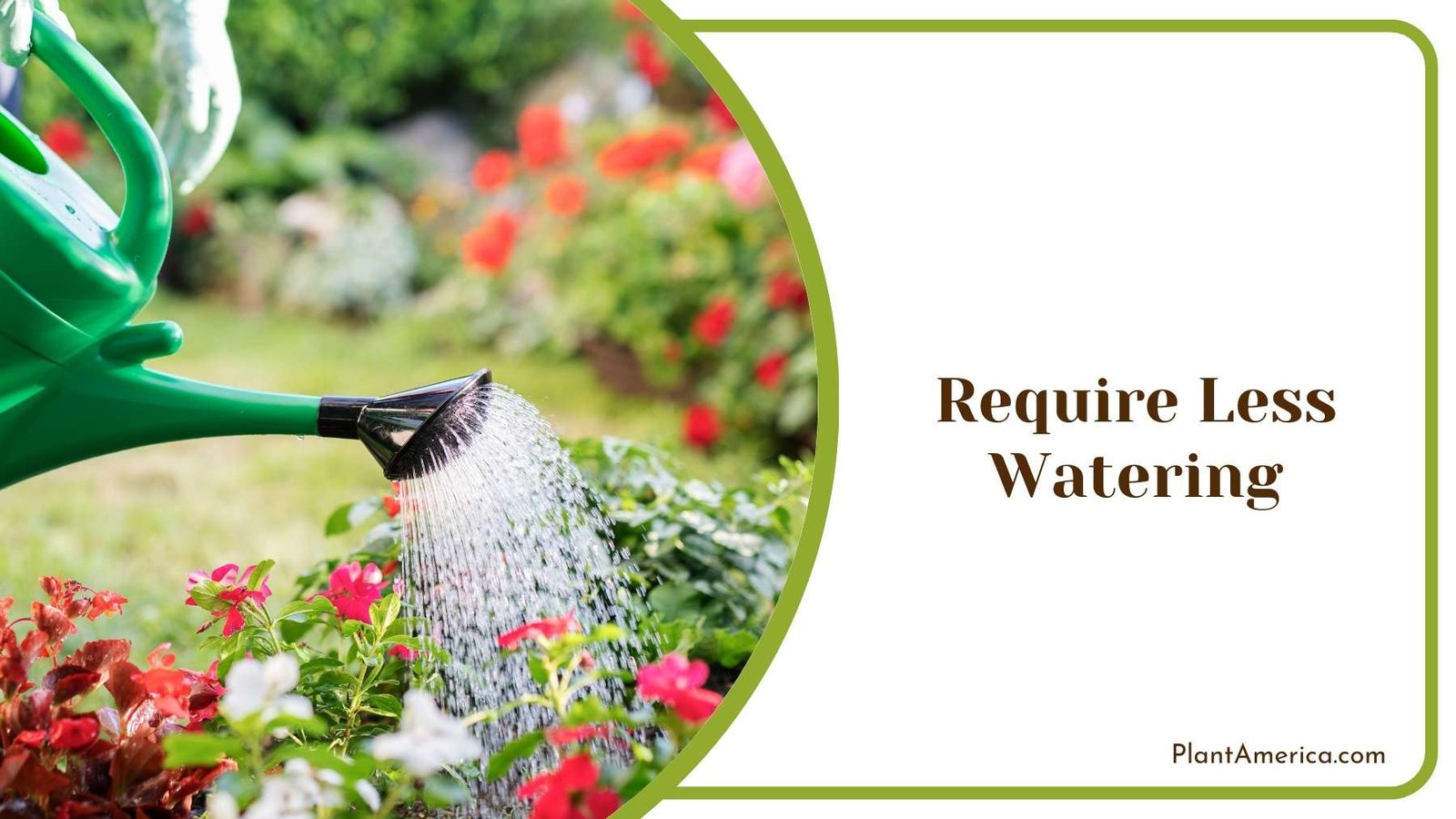
When choosing plants adapted to regional precipitation levels and conditions, less supplemental irrigation is needed to thrive. Native perennials have evolved with deep, expansive root systems to capture water seeping deep underground or stored in soil reserves. Rather than superficial and frequent sprinkling, most naturally only require occasional deep soakings, especially during the heat of high summer.
Some can even grow unassisted in normally dry or periodically parched areas. This translates to substantial water bill savings and lessens the workload of the homeowner. Unlike imported ornamentals that demand constant coddling, natives function independent with just mother nature’s methodical rainfall. Entrusting the landscape to regionally suited greenery ensures colorful, verdant vistas sans frequent artificial sprinkling.
4. Reduce Lawn Maintenance
| Reason: |
|
| Impact: |
|
| Pros: |
|
| Cons: |
|
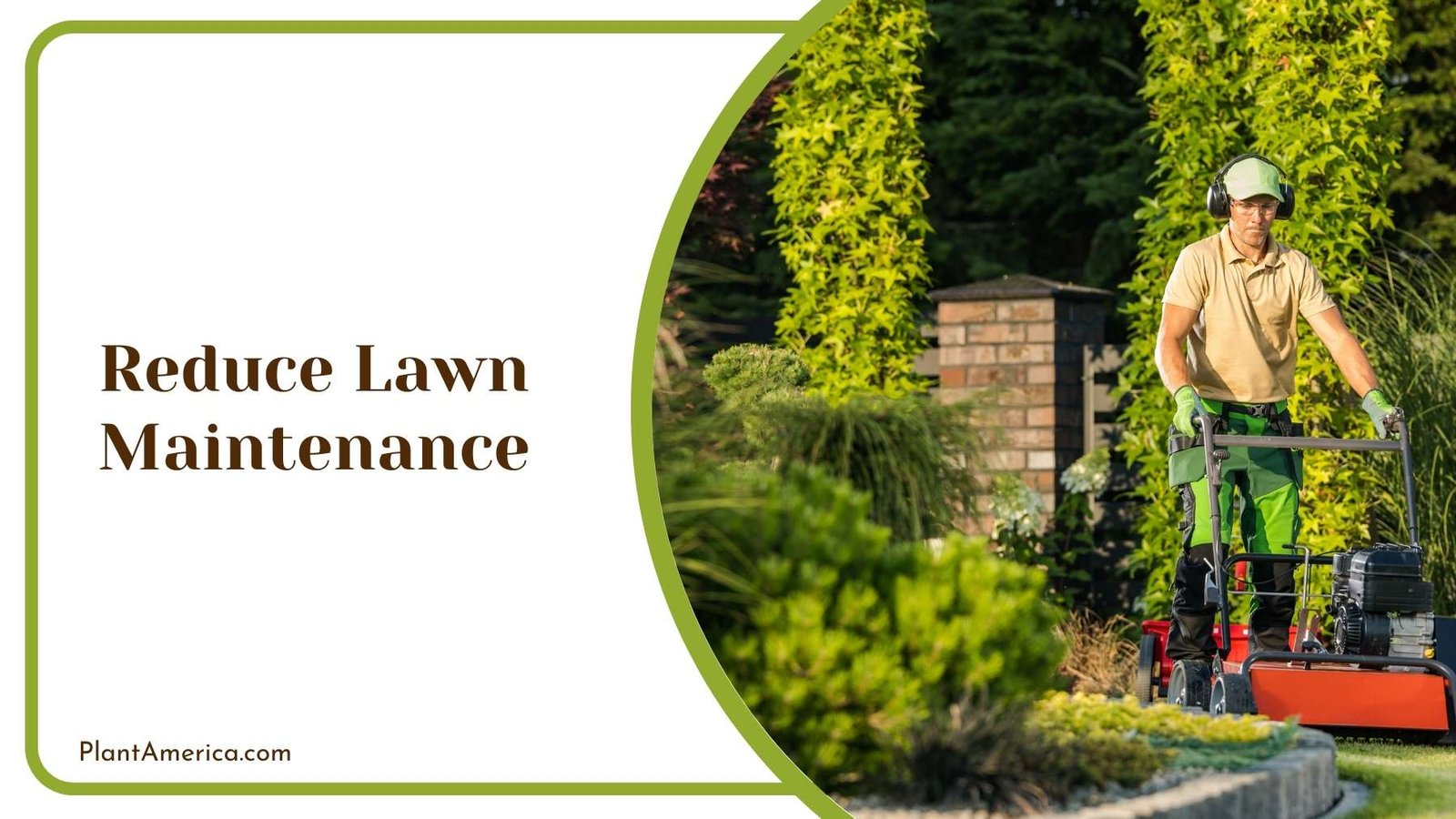
Choosing low-maintenance groundcovers and perennials indigenous to the area is an easy way to lessen yard work compared to expansive lawns. Adapted natives naturally thrive with less upkeep. While grass demands frequent mowing, watering, fertilizing and pest treatment, native species have lower growth habits that require less regular trimming and shaping.
Some spread slowly over the soil surface needing barely any pruning at all. Once established, most are hardy and resilient, suffering few pests if any. Low care translates to more leisure time to enjoy the surrounding greenery. Creative planting designs with diverse native textures and blooms are also pleasing wildlife and pollinators with less fuss. Hardy ground-hugging flora provide decorative plantings while saving labor versus manicured turfgrass.
5. Thrive with Local Climate Conditions
| Reason: |
|
| Impact: |
|
| Pros: |
|
| Cons: |
|
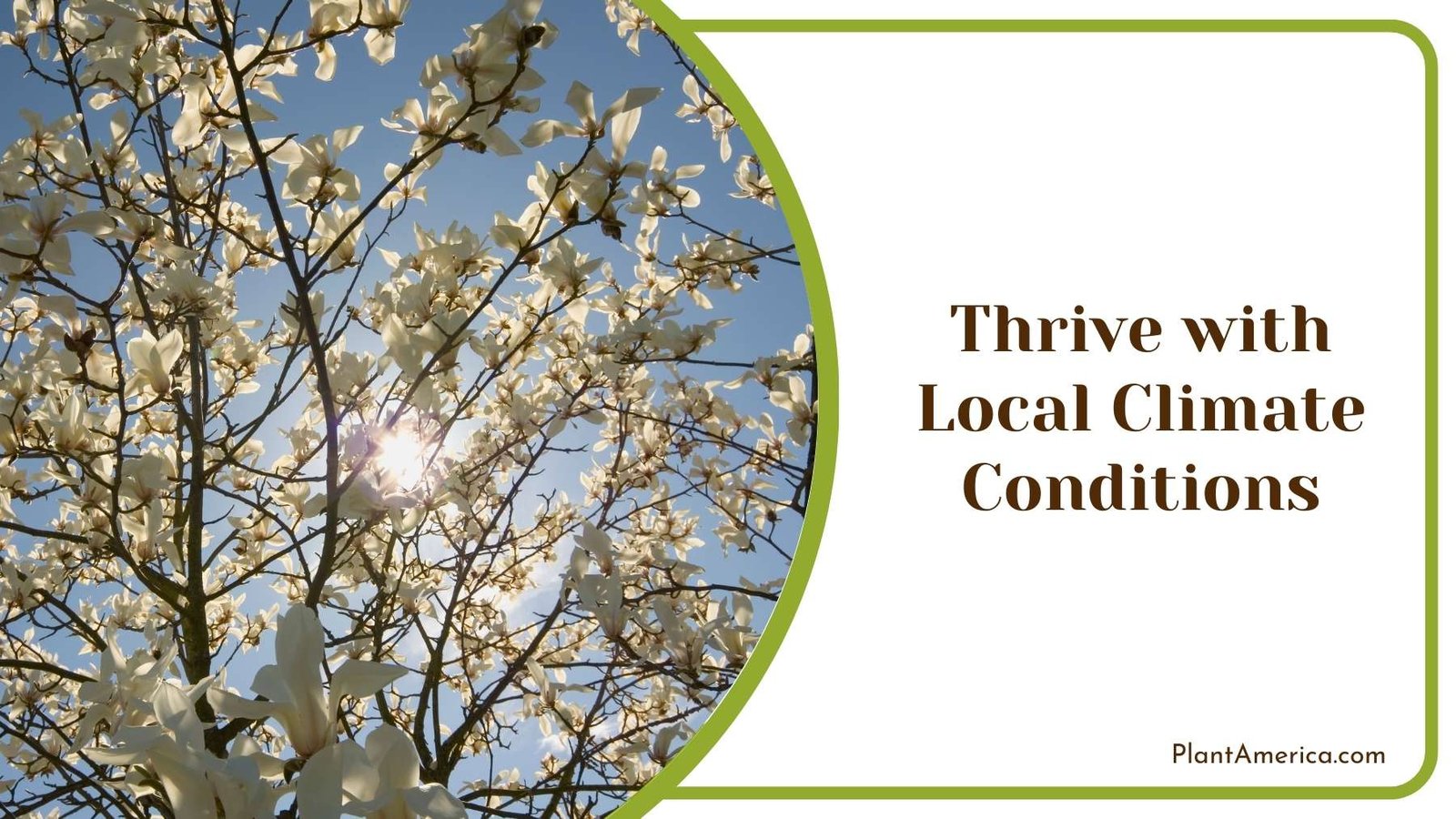
Evolution has endowed native species with adaptations fitting the typical weather and conditions common to the geographical area. Having long inhabited the prevailing climate and environment, they possess physiological tolerances for the sun exposures, frost dates, rainfall zones and seasonal changes regular to that region.
Bred by nature itself, natives face less stress from weather and resultant vulnerability to disease. Without pampering or protection, a diverse assemblage of hardy local plants persists reliably through sun, shade and whatever temperatures, storms or droughts a specific territory offers. This offers a lower-fuss landscape suited for the prevailing natural stresses of that habitat.
6. Stay Healthier Without Pesticides

| Reason: |
|
| Impact: |
|
| Pros: |
|
| Cons: |
|
Having undergone thousands of years of natural selection within a particular ecosystem, native plants tend to harbor resilient defenses against the endemic pathogens, herbivores and climatic stresses of their locales. Through co-evolution with pests and diseases, they have built genetic resistances to whatever problems commonly plague the regional flora.
As a result, most native species continue thriving with minimal infestations that don’t actually disrupt their health significantly. Should any mild issues arise, these well-adapted plants can often outlive minor outbreaks without additional human aid. The absence of unwarranted chemicals avoids polluting soils, waterways or putting pollinators at risk, leading to a balanced landscape operating in self-sufficient harmony.
7. Enhance Soil Fertility
| Reason: |
|
| Impact: |
|
| Pros: |
|
| Cons: |
|
The deep roots of established native vegetation continuously invigorate the land, enhancing natural soil health over generations without extra amendment. Through symbiotic partnerships, species endemic to an area augment microbial life, aggregate stability and nutrient richness within the whole subterranean ecosystem. Individual plants also fortify surrounding dirt, as seasonal litter and perennial root masses break down to naturally fertilize successive plantings.
This cycle sustains bountiful land productivity requiring no bagged materials or engineered additives. By nurturing soil communities native to that terrain, a landscape rooted in regional biodiversity secures long term ecological and agricultural vitality.
8. Prevent Erosion
| Reason: |
|
| Impact: |
|
| Pros: |
|
| Cons: |
|
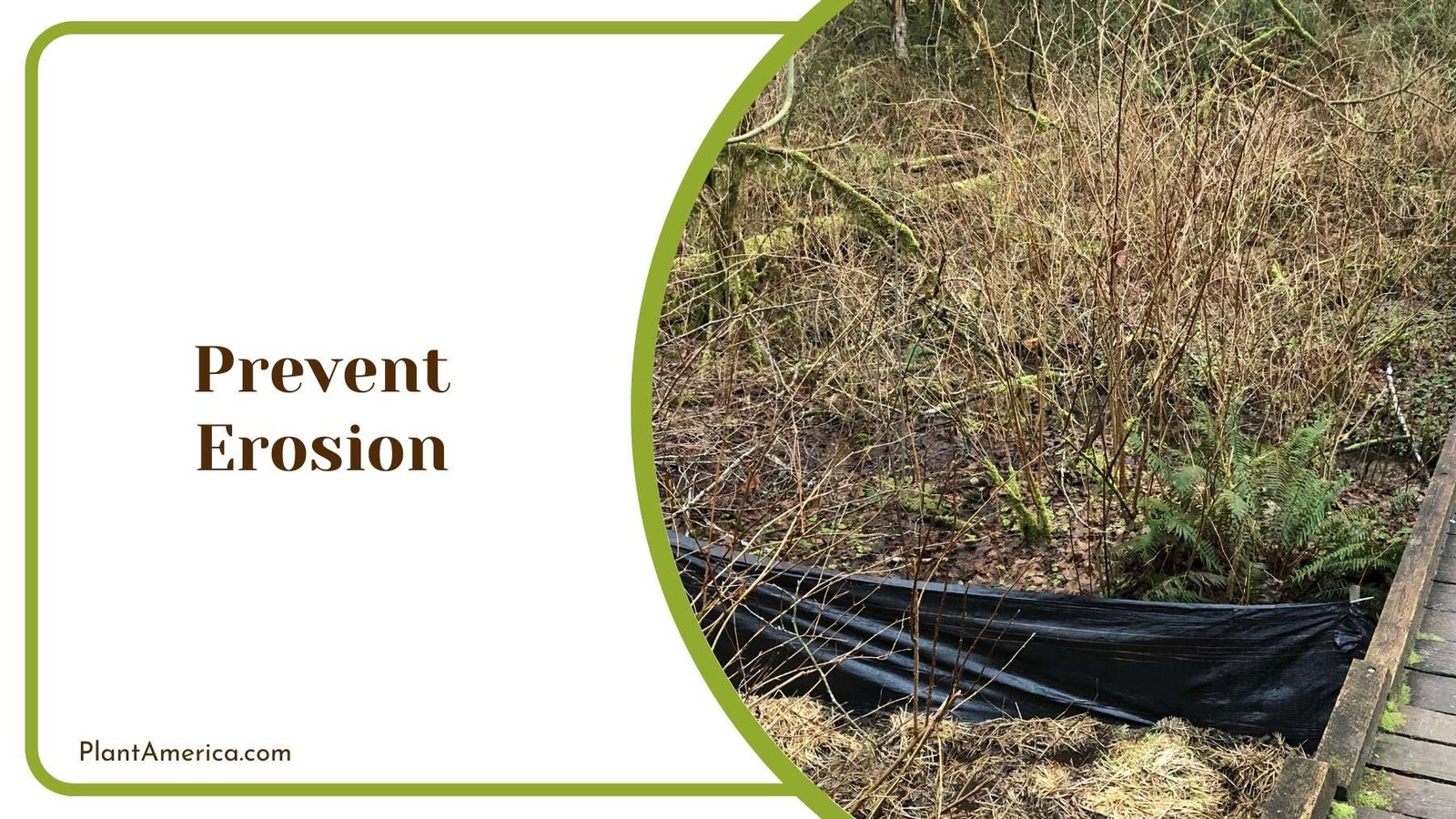
The deep, densely tangled root systems of native grasses, vines, shrubs and trees that developed naturally within the local terrain are superbly adapted for stabilizing soils. Their below-ground architectures form elaborate supporting networks binding minerals and preventing their washing away even during torrential rains or strong winds.
Additionally, perennial above-ground structures like knotty trunks and sturdy stems withstand torrents without uprooting to continue sheltered soil in place unimpeded throughout seasons. This allows vulnerable topsoil rich in nutrients to replenish in place instead of eroding downstream. Landscapes graced with their natural anchors will retain integrity on slopes prone to slipping and ravine degradation better than modified habitats.
9. Filter Air Pollutants

| Reason: |
|
| Impact: |
|
| Pros: |
|
| Cons: |
|
Through their constant life processes, all green growing things help temper their breathing spaces. However native flora are uniquely tailored for air remediation, thanks to extra pollutant-filtering structures. Pubescent or waxy coated leaves plus bark and woody tissues readily trap noxious gremlin like sulfur dioxide and particulate matter. Once absorbed, plant metabolic functions break down and sequester these toxins from re-release.
On a landscape scale, this continuous scrubbing virtuously ameliorates unhealthy air for humans, wildlife and serves environmental wellness intrinsically without machines. Thoughtfully arranged habitats featuring local plants form natural air purification systems attuned to each territory.
10. Sequester Carbon

| Reason: |
|
| Impact: |
|
| Pros: |
|
| Cons: |
|
Through their long lives, native trees, plants and grasses play a role in mitigating climate change by passively sequestering carbon from the atmosphere. Via photosynthesis, their leaves and other tissues absorb and retain significant amounts of carbon dioxide, preventing it from remaining airborne to further trap heat.
Each season new biomass growth occurs to expand carbon holdings. Even after senescence, residual woody material or roots persisting underground continue to lock away carbon long-term. Decomposition by soil microbes incorporates this organic carbon into dirt carbon reserves, stabilizing it for decades. Establishing crops and meadows of indigenous flora creates long-living carbon sinks compatible with ecosystem functioning.
11. Save Money on Landscaping

| Reason: |
|
| Impact: |
|
| Pros: |
|
| Cons: |
|
Lower Water Costs – Native plants are adapted to regional rainfall and most do not require supplemental water beyond occasional drought periods. This results in major savings on water bills each month during the growing season.
Reduced Fertilizer & Pesticide Use – Because natives have co-evolved with local soils and pests, they rarely suffer from nutrient deficiencies or outbreaks requiring intervention. Commercial treatments are seldom needed, avoiding potentially toxic chemical costs.
Less Pruning & Weeding – Without formal shapes or restraints, native understory perennials spread in naturalized groundcovers needing occasional cleanup only. Trees and shrubs also keep tidier forms with infrequent trims compared to meticulous manicured exotics.
Fewer Plant Replacements – Well-matched native selections thrive robustly with minimal care. This reduces expenditures replacing any specimens lost to stress, compared to a high transplant failure rate of ill-suited ornamentals. No Irrigation Installation: in most cases, native-based landscapes do not require extensive underground sprinkler or drip systems that involve high initial installation charges.
Less Lawn Mowing – Low-growing natives encourage less turfgrass needing regular mowing and hedge work, lowering fuel and equipment maintenance costs long-term. Overall, cutting landscaping costs through native plantings allows savings to be reallocated towards other purposes, making outdoor spaces more sustainable long-term.
12. Encourage Biodiversity
| Reason: |
|
| Impact: |
|
| Pros: |
|
| Cons: |
|
Landscapes composed primarily of native plant species have far greater biological diversity than conventional non-native landscapes for several key reasons:
Species Abundance – A variety of native plants from trees to wildflowers provides a wealth of different ecological niches and resources. This allows more animal and insect species to coexist in the same area without much competition for limited resources. Studies have shown native plant gardens support up to 20 times more wildlife species.
Food Web Complexity – Different native plants flower, fruit, and seed at varying times. They also provide foliage and nesting habitat all year. This seasonal abundance of diversely structured food sources nurtures a complex web of interdependent species from pollinators and insects to birds and small mammals.
Habitat Connectivity – When native landscaping is expanded across neighborhoods and parks using local plant mixes suited to the ecoregion, it creates biologically connected habitat corridors. This allows wildlife populations to interact and disperse through the broader landscape to meet their needs without significant barriers.
Ecosystem Stability – Rich biodiversity equates to greater ecological stability as if one species declines others can fill similar functions. With multiple conservational safeguards in place, biological communities flourish resiliently despite environmental disturbances from weather to predator-prey fluctuations.
By engineering landscapes to mimic the biological riches of the area’s natural heritage instead of sculpted sameness, homeowners can make urban settings more hospitable for countless life forms great and small through their gardening choices.
Conclusion
Planting native species offers numerous sustainable benefits for both landscape and landowner
- Attract abundant local wildlife through compatible habitats
- Thrive with minimal care requirements suited to regional conditions
- Beautify yards everywhere while enriching environmental health
By choosing plants that evolved along our local soils, nurturing biodiversity and the natural cycles becomes easy through gardening. Each native variety we grow strengthens the fabric of interconnected life supporting our backyards as caregivers.
Through small individual efforts, together we can foster habitats where generations of life can flourish freely as intended.