
Are wandering jew plants toxic to cats, is a question that can upset you and get you thinking, if you have the plant and also a cat. The wandering jew plants of the Commelinaceae family are ones that would look beautiful if you place them around, but you must also consider if they will be in harmony with your pets, or if they may intoxicate them.
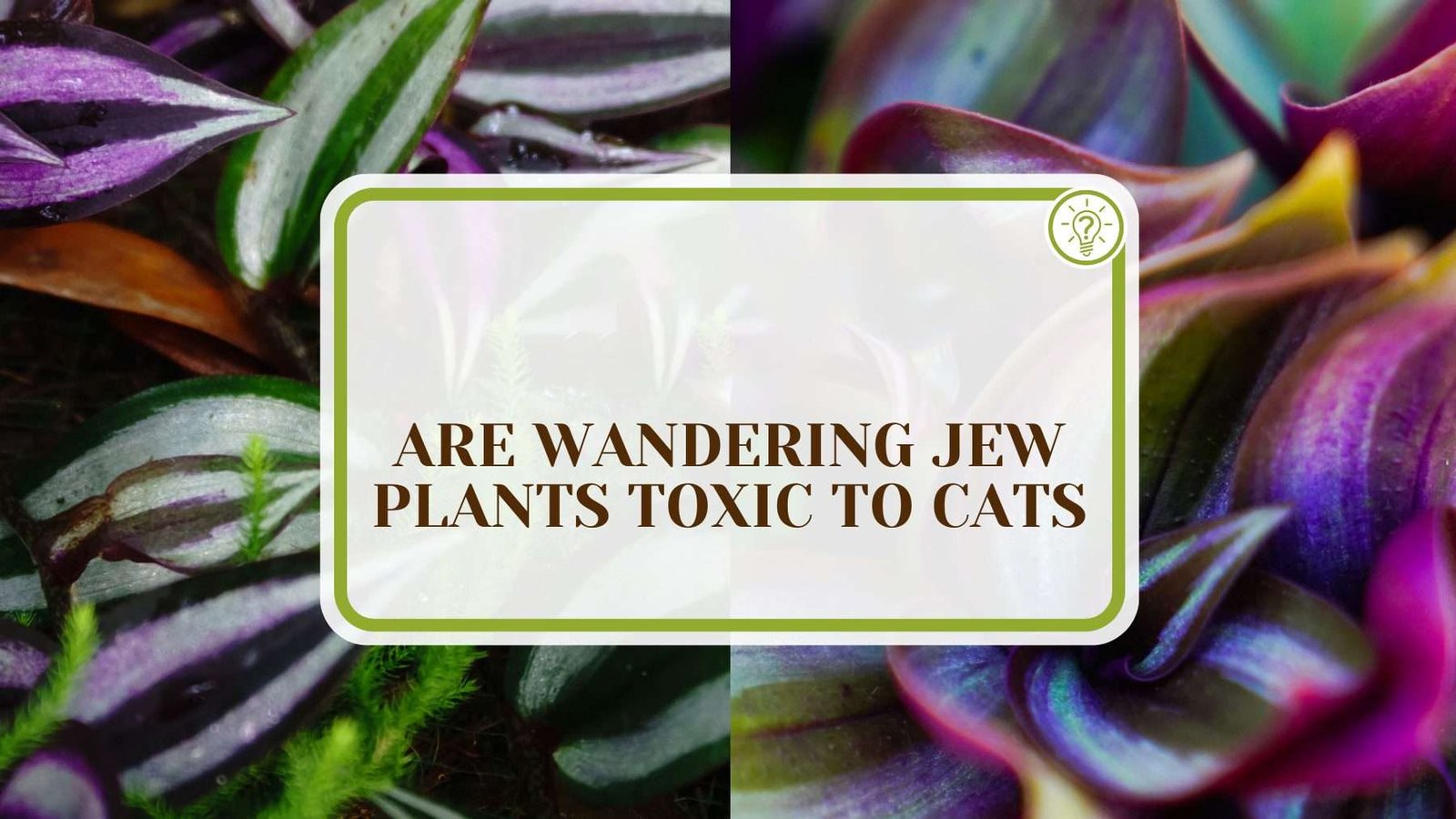
The answer to this question is a big “Yes”. Keep on reading our article, as our gardening team has all the details written about keeping your cat safe from this plant.
Are Wandering Jew Plants Toxic and Harmful to Cats?
💥 Yes, wandering Jew plants are toxic and harmful to cats because these plants contain certain compounds that can be harmful if your cat eats it. As the toxic substances are primarily found in the leaves and when they ingest it, it will damage their health.
Wandering jew poisoning symptoms may include oral irritation, drooling, vomiting, loss of appetite, and sometimes diarrhea. Skin irritation can also occur upon contact with the plant’s sap. If this happens, the best recourse you can take is to contact the nearest veterinarian in your area.
What Are Ways to Forbid Your Cat from Eating Wandering Jew Plants?
Ways to forbid your cat from eating wandering Jew plants are to place them on higher placements and to install physical barriers. In addition, you can also use cat deterrents around, place distractions, and provide the right training, and make sure to place cat-safe plants instead.
– Consider High Plant Placement
When it comes to keeping your furry friend away from those tempting but dangerous plants, a bit of strategy goes a long way. By being mindful of where you place the plants in your home, you can effectively keep them out of your cat’s curious paws.
Look for elevated surfaces or high shelves beyond your cat’s easy reach or jumping abilities. This way, the wandering Jew toxic possibilities remain safely out of sight and out of mind.

Another clever option is to hang the plants in suspended planters from the ceiling. This creates a physical barrier that prevents your cat from getting too close to the plant. Your cat won’t be tempted to explore or nibble on those luscious leaves with the plants up high.
Take a moment to consider the layout of your home and designate specific areas as cat-free zones. You can accomplish this by using barriers like baby gates or mesh to create boundaries that restrict your cat’s access to spaces where the plant resides. By doing so, you create a safe environment where your curious feline can roam without any worry.
– Install Physical Barriers
When safeguarding your cat from wandering jew plants, it’s crucial to consider physical barriers as a reliable solution. These barriers create a tangible separation between your curious kitty and the plant, effectively preventing any potential interactions that could be harmful.
One effective approach is to set up baby gates strategically. These gates can be placed in specific areas or rooms where the plant is located, creating a designated cat-free zone. This ensures your feline friend doesn’t get too close to the plant, keeping them safe.
If you want a more stylish option, you can explore plant stands with protective fencing. These stands maintain a safe distance between your cat and the plant and add an appealing touch to your home decor. Another alternative is to use mesh or pet gates, which allow you to create a designated area where your cat cannot enter.
These physical barriers gently remind your cat to stay away from the plant. By incorporating these measures, you add an extra layer of protection, ensuring the well-being of your furry companion and minimizing any potential risks associated with the plant.
Several common plants are considered poisonous plants for cats, including lilies, aloe vera, and pothos, so make sure to place them on higher shelves as well. It’s important to research the safety of plants before introducing them into your home to avoid possible health risks for your pet companions.
– Use Cat Deterrents
If you’re looking to keep your curious cat away from your cherished wandering jew plants, there are effective cat deterrents available for you to try. One option is to use bitter sprays or pet-safe repellents that can be directly applied to the plant’s leaves.
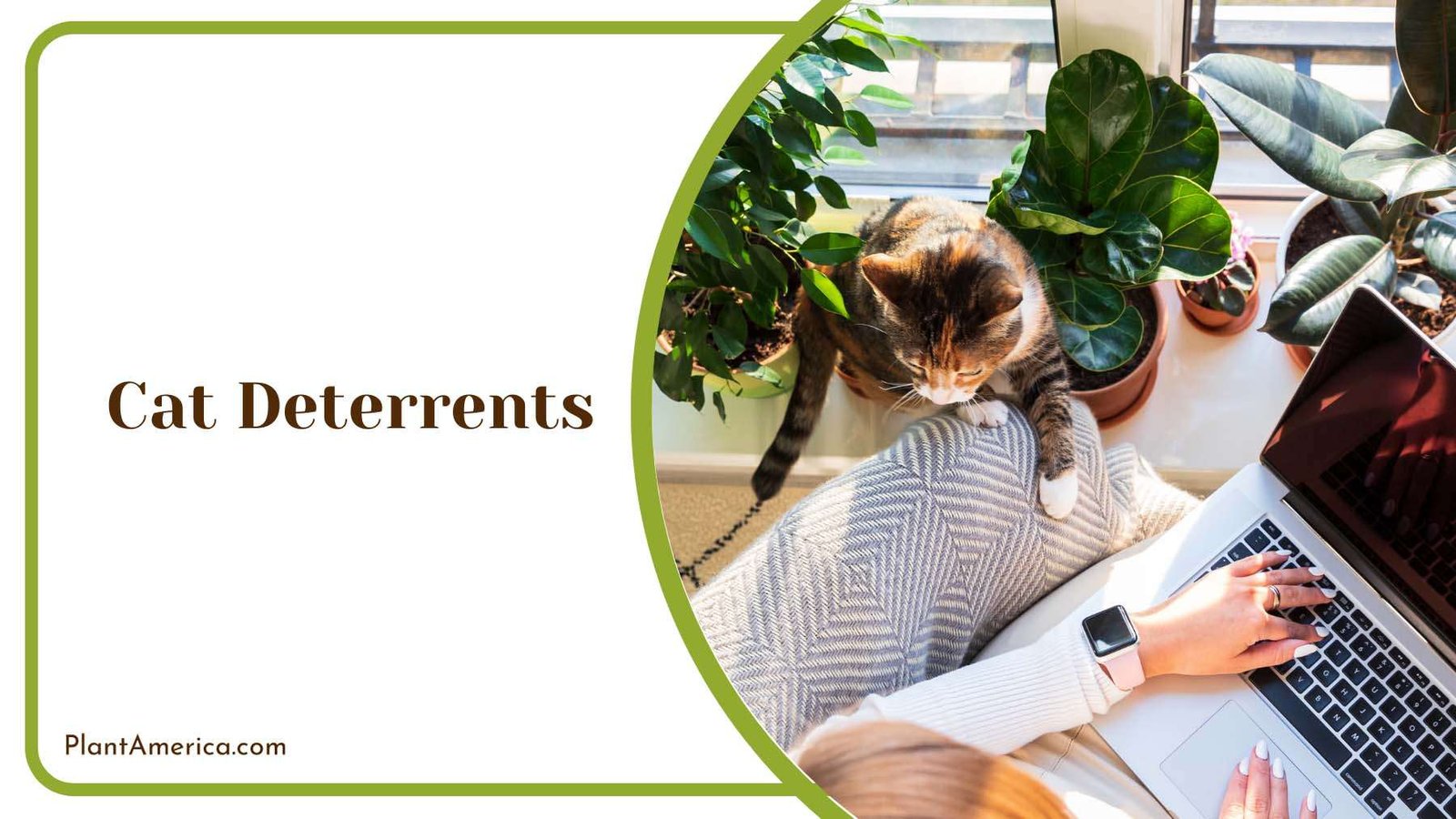
These sprays are specially formulated to have a taste or scent that cats find unappealing, deterring them from getting too close to or interacting with the plant. Using these deterrents, you’re sending a clear message to your furry friend that the plant is off-limits. It helps establish boundaries and ensures the safety of both your cat and the plant.
When selecting a deterrent, be sure to choose products that are safe for cats and don’t contain harmful chemicals that could harm your feline companion. Consistency is important when using cat deterrents, so follow the instructions and reapply as needed.
With time, your cat will associate the plant with the unpleasant taste or scent, making them less likely to approach it. By prioritizing your cat’s safety and well-being, you can peacefully coexist with your plants while keeping your curious cat at a comfortable distance.
– Supply Distractions and Alternatives
To keep your cat’s focus away from the toxic plants, creating an engaging environment filled with distractions and alternatives is important. One effective method is to offer a variety of captivating toys that can capture your cat’s attention and keep them mentally stimulated.
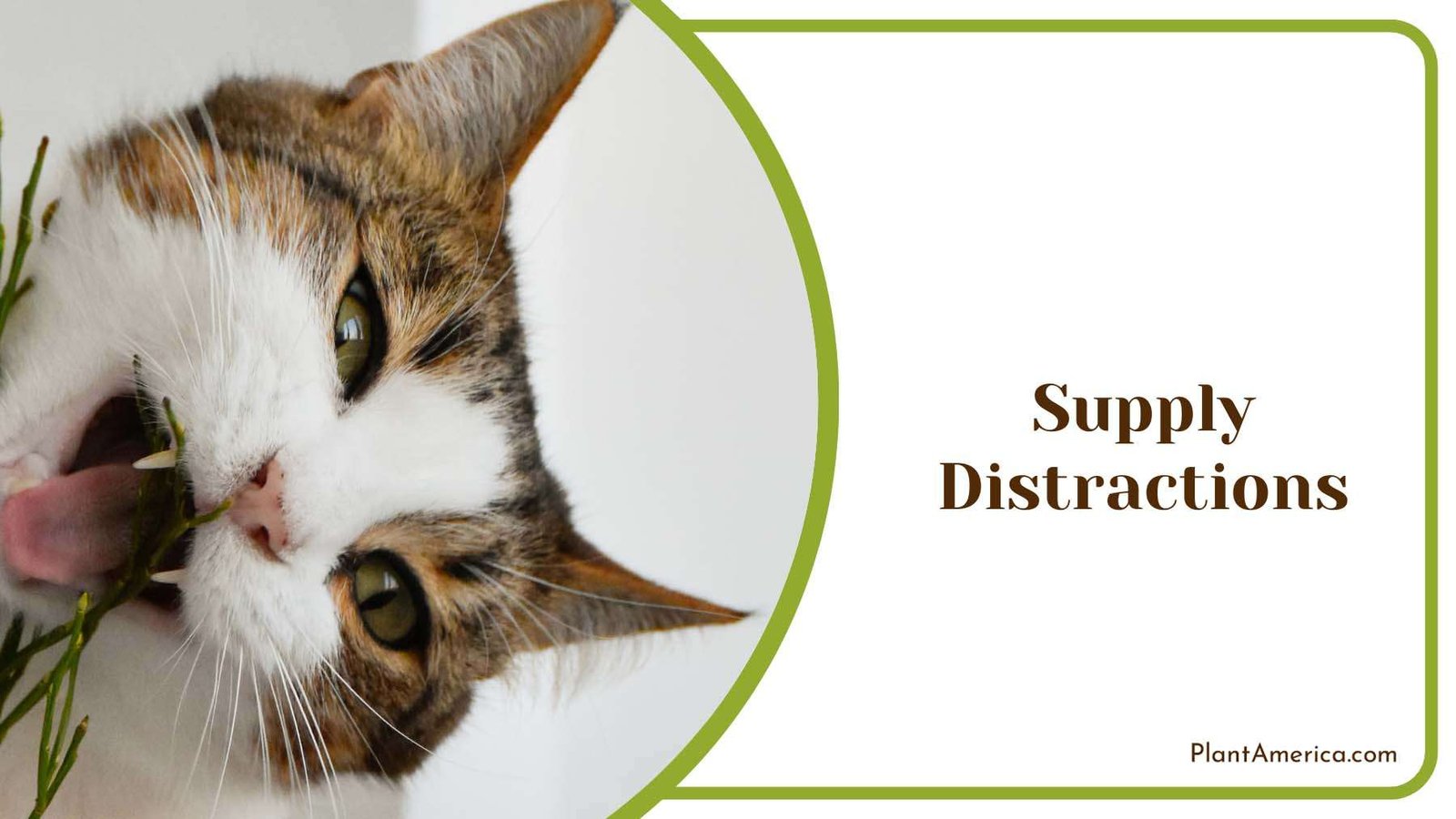
Interactive toys that feature feathers, catnip, or treat dispensers are particularly enticing for our feline companions. Not only do these toys provide entertainment, but they also tap into your cat’s instincts. They offer opportunities for interactive play and serve as a healthy outlet for their hunting and exploring behaviors.
In addition, puzzle toys that challenge your cat to solve a task to obtain treats or kibble can help keep their minds sharp and engaged. Providing a diverse selection of toys to cater to your cat’s preferences is crucial. Some cats enjoy playing with balls, while others prefer mice-like toys.
By offering a variety of toys, you ensure that your cat has ample opportunities for play and exploration. In short, you should also aim to be taking this approach has multiple benefits for your cat. Firstly, it ensures their safety by safeguarding them against potential hazards.
Additionally, it contributes to their overall well-being by providing mental stimulation and a sense of contentment. You will see how this approach is a win-win situation, as you would start seeing your cat is no longer interested in the plant, and they don’t have the intention to go around it because they have distractions.
Another great strategy to redirect your cat’s attention is to create cat-friendly alternatives. This involves designating specific areas for your cat to explore and engage with.
Installing a scratching post or a cat tree provides alternative outlets for your cat’s instincts to scratch and climb. These enticing structures offer designated spaces for play and exercise, encouraging your cat to interact with safe plants and designated play areas instead of the plant.
By incorporating these appealing alternatives, you effectively create an environment that diverts your cat’s attention and encourages them to engage with safe plants and designated play areas.
This keeps them away from potential dangers, satisfies their instincts, and promotes a happy and healthy lifestyle. It’s a proactive strategy that benefits you and your beloved feline companion.
– Provide Training and Redirection
Did you know you can teach your cat to avoid messing with wandering Jew plants? It’s all about using positive reinforcement and redirection techniques, and the way to keep them away from the plant, which is to their benefit.
When you notice your cat showing disinterest in the plant or engaging with their toys instead, reward them with treats, praise, or extra playtime. This positive feedback helps them associate good behavior with staying away from the plant.
Redirecting your cat’s attention is another important aspect of keeping them away from the plant. When you catch them curious about the poisonous plant, quickly divert their focus to a toy or another object. Interactive toys or even distracting toys that initiate playtime can be particularly effective in shifting their attention away from the plant.
You provide your cat with clear guidance and alternative activities by combining training methods with redirection. This creates a positive environment that discourages their curiosity toward the plant.
With patience and consistency, you can successfully train your cat to leave those plants alone and enjoy a more peaceful coexistence in your living space. That means you can go home without worrying about your cat’s health or any accidents it may have caused during your absence.
– Cultivate Cat-Safe Plants
Creating a cat-friendly living space involves considering the well-being of your furry friend and redirecting their attention away from potentially harmful plants like wandering jew. Replacing toxic plants with safe indoor plants alternatives is crucial, ensuring a secure environment for your cat to explore and interact with plants worry-free.
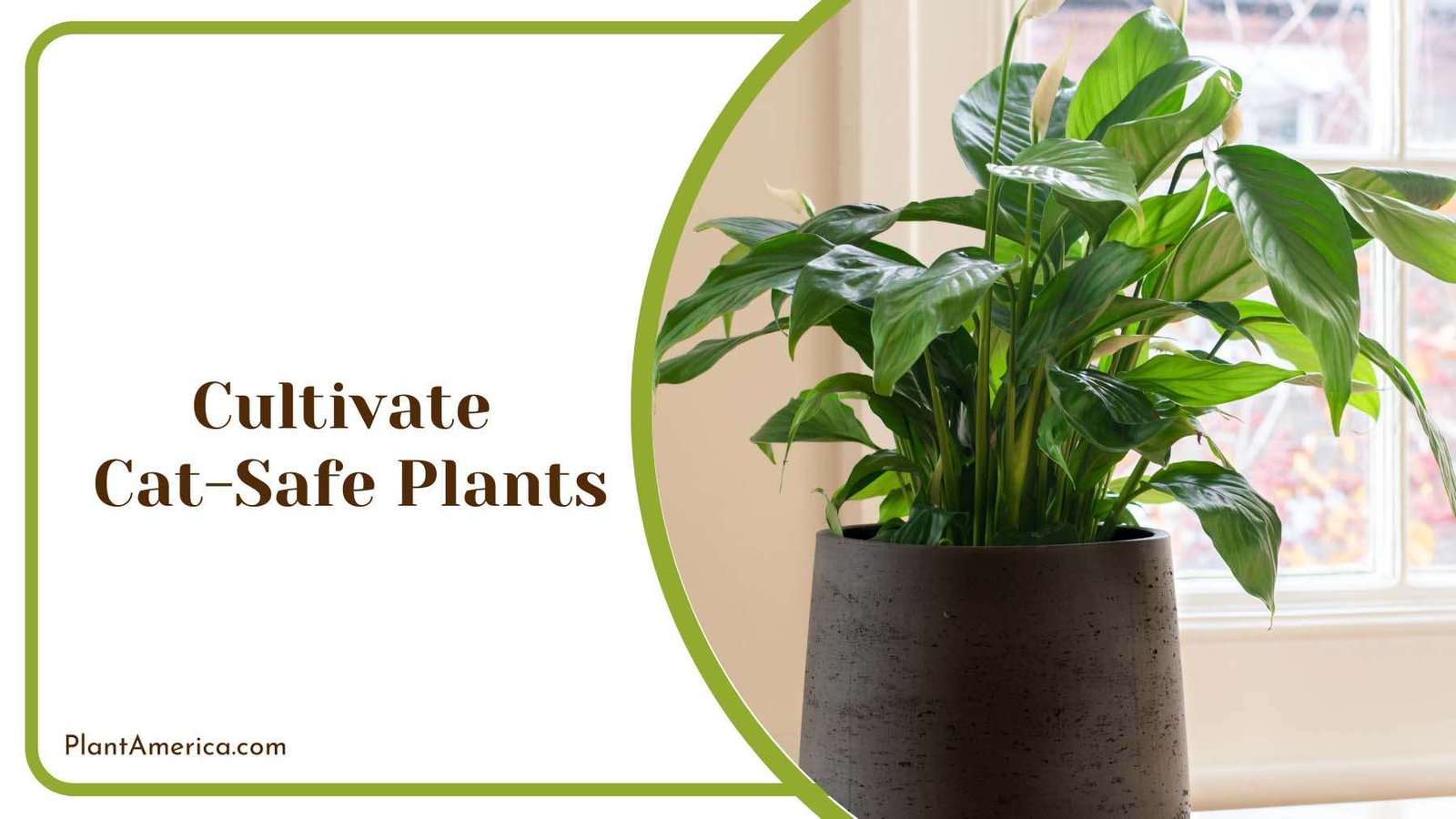
Fortunately, several plant options are considered safe for cats. With their cascading green leaves, Spider plants are visually appealing and non-toxic to cats. Moreover, Boston ferns, known for their lush foliage, are another cat-friendly choice that adds a touch of natural beauty to your home. Areca palms, with their elegant fronds, and catnip plants, which cats find irresistibly stimulating, are also safe options worth considering.
Before introducing any new plants to your home, it’s important to do your research and confirm their non-toxicity for cats. This can be easily done by consulting reputable sources or contacting local plant experts. Ensuring that the plants you select are safe for your feline companion is essential in a harmonious living environment.
Incorporating these safe plant varieties creates a space that adds beauty and freshness and stimulates your cat’s natural curiosity. Your feline friend can explore, interact, and even nibble on plants without the risk of toxicity.