
Aphids on peonies are quite a common sight, considering how these tender plants will have more than a few adversaries throughout their growing season. Aphids can become a nuisance that cost you the lives of countless flowers.
 Nevertheless, you can help them out by keeping your eyes open for certain clues and implementing some proven remedies. Join us as we uncover the intricacies of dealing with aphids on your peonies!
How To Identify Aphids on Peony Flowers
To identify aphids on peony flowers, check your flowers for malformations. Other symptoms involve the extraction of plant sap, causing the plant to weaken over time. Distorted leaves become the norm, frequently coated in the sticky honeydew that aphids excrete. In the gravest cases, plant demise is a real possibility.
Aphids are common pests prevalent in regions throughout the world. They exhibit a voracious appetite that spans a wide spectrum of plants — ranging from outdoor and indoor varieties to ornamentals and edibles, including your precious peonies.
As the mercury rises in the summer months, gardens often find themselves besieged by these tiny troublemakers. Measuring just a few millimeters in length, aphids possess a soft body and an insatiable craving for the sap of plants.
With a brisk life cycle, they breed swiftly, often congregating in substantial numbers. Their penchant for tender new growth leads them to gather around emerging points on plants.
Host specificity characterizes these critters, implying that if they develop a taste for a particular plant variety, they are likely to remain loyal to it rather than branching out to nearby varieties. This, along with a few telltale signs can mean your road to victory — let’s see what they are!
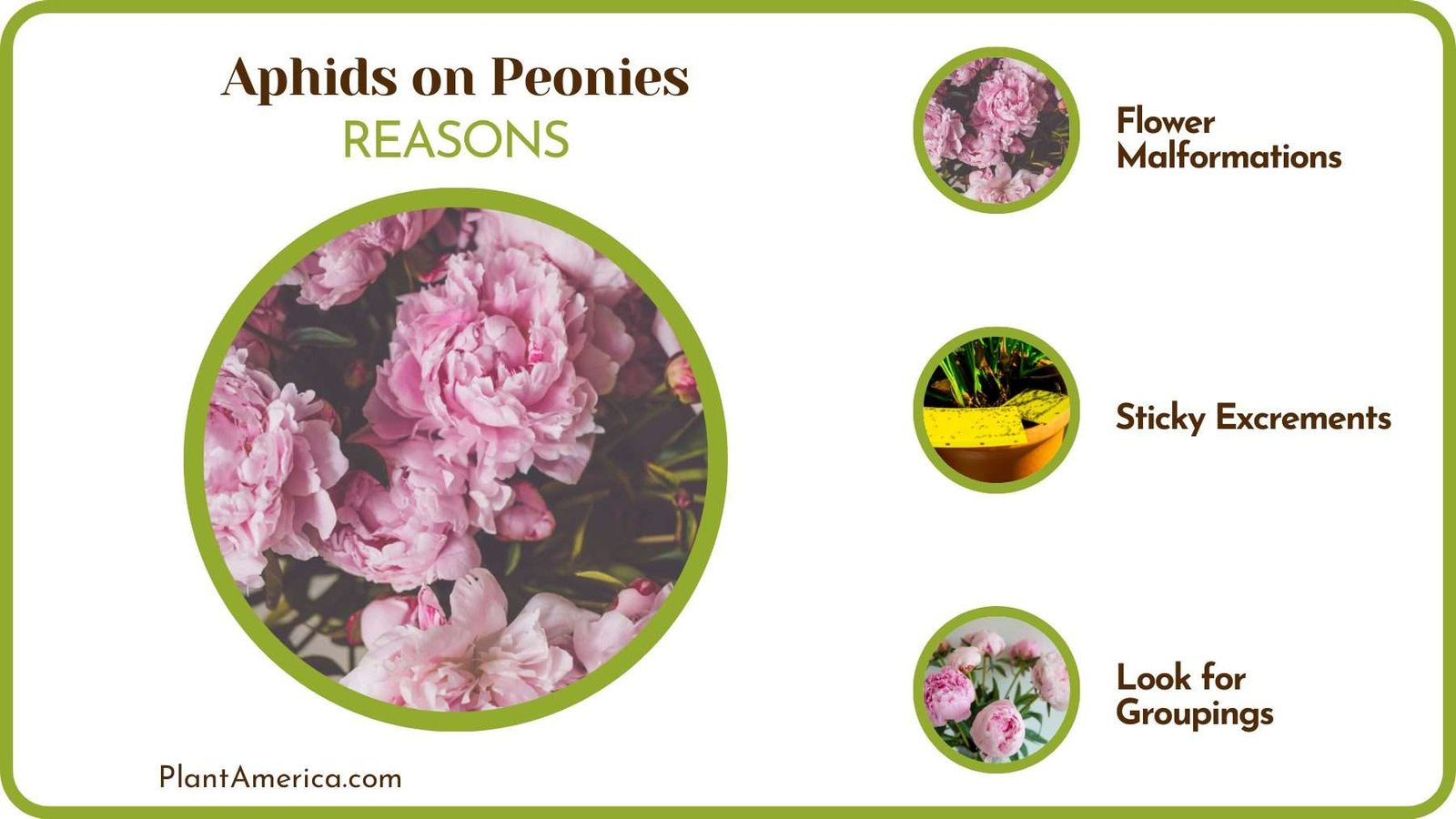
– Flower Malformations
These creatures tend to congregate beneath leaves, along stems, and on the very blooms of your flowers. Underestimating their potential harm is unwise, especially if peonies are already in a weakened state, as these pests capitalize on vulnerabilities for shelter and infestation.
The consequences of an aphid infestation manifest in various forms, with misshapen, yellowed, and curled leaves. As aphids extract vital nutrients from the plant, the distress might escalate to the point where the plant sheds its precious flowers.
– Look for Sticky Excrements
Another insidious outcome of aphid activity is the sticky residue they excrete, known as honeydew. This substance coats the leaves and stems of peonies, creating an ideal environment for the growth of molds and fungal ailments.
Sooty mold and powdery mildew, the most common of these, appear as dark, powdery layers on foliage and stems.
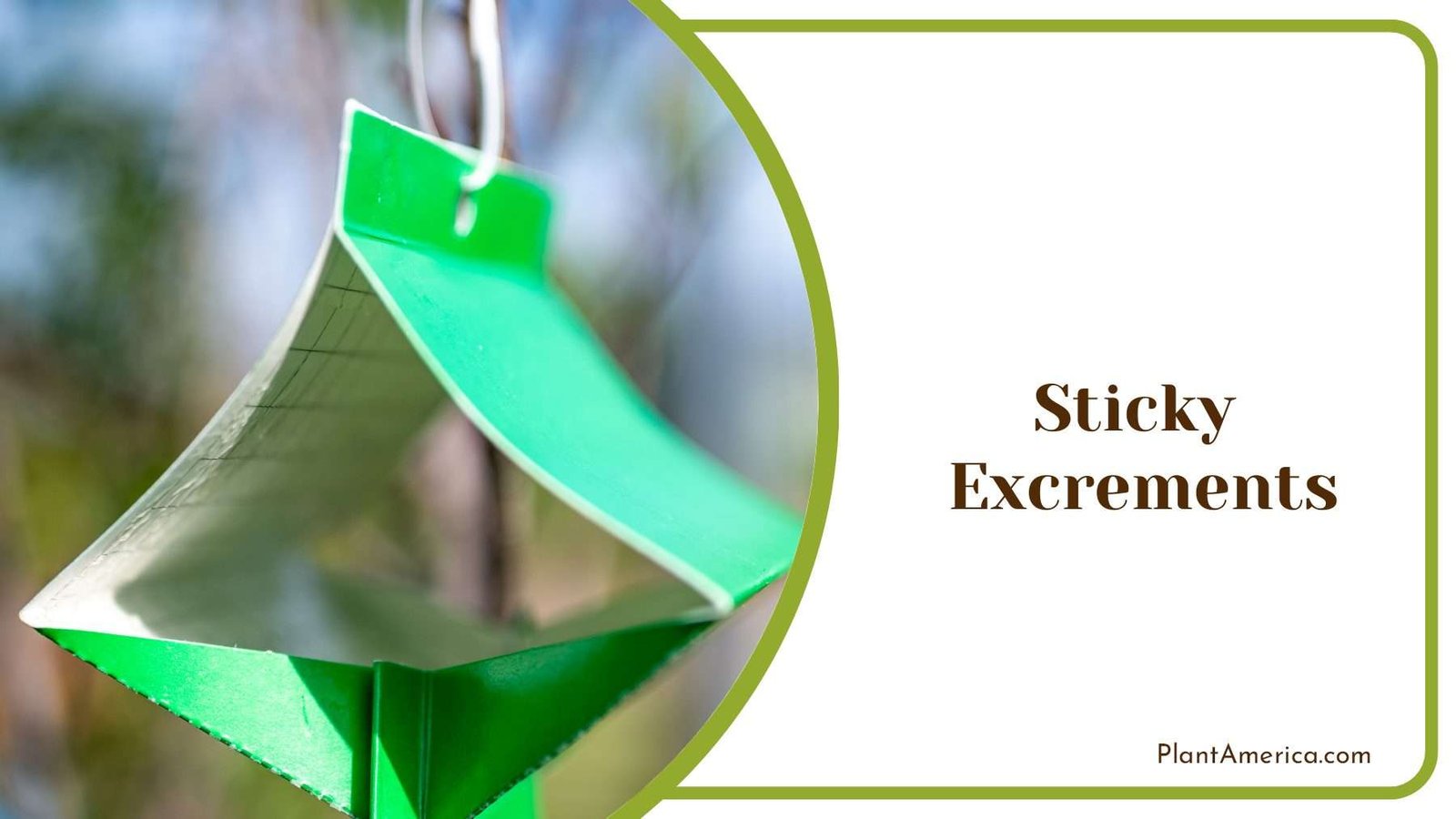
Ants are known to be attracted by aphids, caring for them and collecting the honeydew they produce. If you notice ants crawling on your peony plant’s surface or forming trails to and from it, this is a strong indicator of an aphid infestation.
– Look for Groupings
Careful inspection of the leaf undersides, neighboring buds, and plant stems can reveal clusters of these havoc-causing pests. As they progress through their life cycle, aphids shed their exoskeletons, leaving behind pale remnants on leaves and stems.
You’ll recognize them by the unique appendages called cornicles, which they use to exude a sugary nectar called honeydew, with their bodies looking almost like hair ticks. Often referred to as green peach aphids or melon aphids, these troublesome garden invaders might measure no larger than an eighth of an inch, but their impact can be far from minor!
Now that you know how to recognize them, let’s see what to do about them.
How To Deal With Aphids on Peonies
To deal with aphids on peonies, you can try manually removing the pests, spraying them with a hose, using insecticidal soap, dusting the leaves of the plant, introducing beneficial insects to the garden, or using neem oil. You can also use pesticides with care.
If your peonies become infested with aphids, there’s no need to worry excessively, as managing these pests becomes a breeze with some tried and tested methods! And you have plenty to experiment with — from natural remedies to chemical solutions.
– Manual Removal
For peonies facing a minor aphid infestation, a straightforward approach involves the use of a dry paper towel. If the aphid count is fewer than a handful, gently pluck them off individual leaves while using the paper towel.
As you do so, you can delicately squash these pests. To prevent potential resurgence, dispose of the removed aphids in a trash bag.
To safeguard against possible future attacks by aphids or ants, use a damp paper towel to wipe away any sap or residue from the leaves. Avoid brushing the deceased aphid bodies onto the grass.
Some of them have the ability to crawl rapidly, and some have eggs attached that may yet survive in the grass. By preventing their spread, you effectively thwart the possibility of re-infestation on your flowers.

– Spray With Hose
The high-pressure setting on your hose can be used to direct a forceful stream of water to dislodge the aphids. A gentler flow or regular watering may not achieve the desired results, so be careful with the pressure. If it’s too high, you can damage the tender flowers as well.
After spraying, allow the leaves to completely dry. In the evening, repeat the process and continue this routine until the aphids are removed. It’s recommended to follow this regimen daily until the aphids are completely eliminated.
If applied correctly, this approach not only discourages aphid propagation but also provides your plants with a much-needed drink!
– Insecticidal Soap
When confronted with a significant aphid population on your peonies, soap sprays prove to be effective remedies. Their success lies in their ability to eliminate substantial numbers of soft-bodied insects like aphids, all while ensuring the safety of your plants, animals, and humans.

Creating your homemade insecticidal soap is also a viable option. This involves mixing one cup of any kind of eco-sourced oil with one tablespoon of dish soap in a gallon of water.
As with traditional pesticides, apply this solution in the morning until the aphid infestation subsides. Keep in mind that visible results might take up to two weeks to fully materialize, and the efficacy might not match that of chemical alternatives.
– Organic Approach
A more potent and organic approach involves creating a spray by combining a few teaspoons of peppermint oil with water and soap. This intensified mixture can tackle even the resilient hard-shelled aphids!
Both the soap solution and the peppermint concoction should be applied during the early morning hours and left on the foliage for a maximum of two hours. It’s essential to avoid prolonged exposure, as this could potentially damage your tender flowers.
In cases where the peppermint and soap blends fail to produce results, you might consider an elevated home remedy using peppers. Boil water and add hot pepper varieties like cayenne or jalapeno, and for a slightly less aggressive option, you can create a mixture using garlic and onions!
– Dust the Leaves
Diatomaceous earth is renowned for its effectiveness as an insecticide, proving its worth not only against aphids but also a range of other garden invaders like spider mites and Japanese beetles.

Just remember to wear gloves during application to protect your hands from direct contact with the powder. After applying this remarkable powder, it’s time for some tidying up. Use a gentle approach, employing a soft cotton cloth or gloves to delicately remove both aphids and any remaining residue clinging to the plants.
– Give Peonies a Cut Back
If your peonies are overwhelmed by an aphid invasion, you can take a more proactive stance by removing entire sections of leaves and infected stems.
Start by targeting individual leaves as a preliminary step. Give it a day to see if the aphids persist. If they remain, consider removing a few more plant parts — peonies, like most flowers, react well to being pruned from time to time!
Dispose of the affected leaves or branches in a garbage bin. Keep them away from other plants to prevent possible aphid spread, and avoid composting them to prevent any potential recurrence.
– Beneficial Insects
When delving into the realm of biological control options, beneficial insects have got your back! These allies play a pivotal role in slashing aphid populations and putting the brakes on their rapid development.
Daisies, marigolds, and peonies themselves will attract ladybugs and hoverflies. Lacewings are also aphid devourers and can be summoned by incorporating flowering grasses into your garden. The pollen deposited by these grasses draws lacewings into the fold to aid in your ongoing crusade against aphid infestations.
– On Companion Plants
Put a halt to the cultivation of plants encircling your peonies that act as aphid magnets. This step not only wipes out aphids but also thwarts their resurgence. Certain plants such as asparagus, beans, corn, or lettuce have big, tender leaves that provide a welcoming haven for aphids to indulge in.
In the group of unfavorable neighbors, you’ll find peppers, potatoes, Brussels sprouts, and broccoli too. If maintaining these plant varieties is a priority, reallocate them to a distinct area of your yard. This tactic aids in limiting aphids’ access to your precious peonies.
Instead, introduce more aromatic alternatives around vulnerable plants. Fragrant selections like oregano, chives, and garlic can be strategically planted. Even sage and basil have exhibited success in preventing a diverse array of garden pests.
– Neem Oil
Through the utilization of cold-pressed neem tree oil, you can concoct a soil soak tailored to target aphids while preserving the well-being of beneficial insects like bees. This approach bolsters the plant’s resilience and suppresses aphid populations without inadvertently harming helpful organisms.
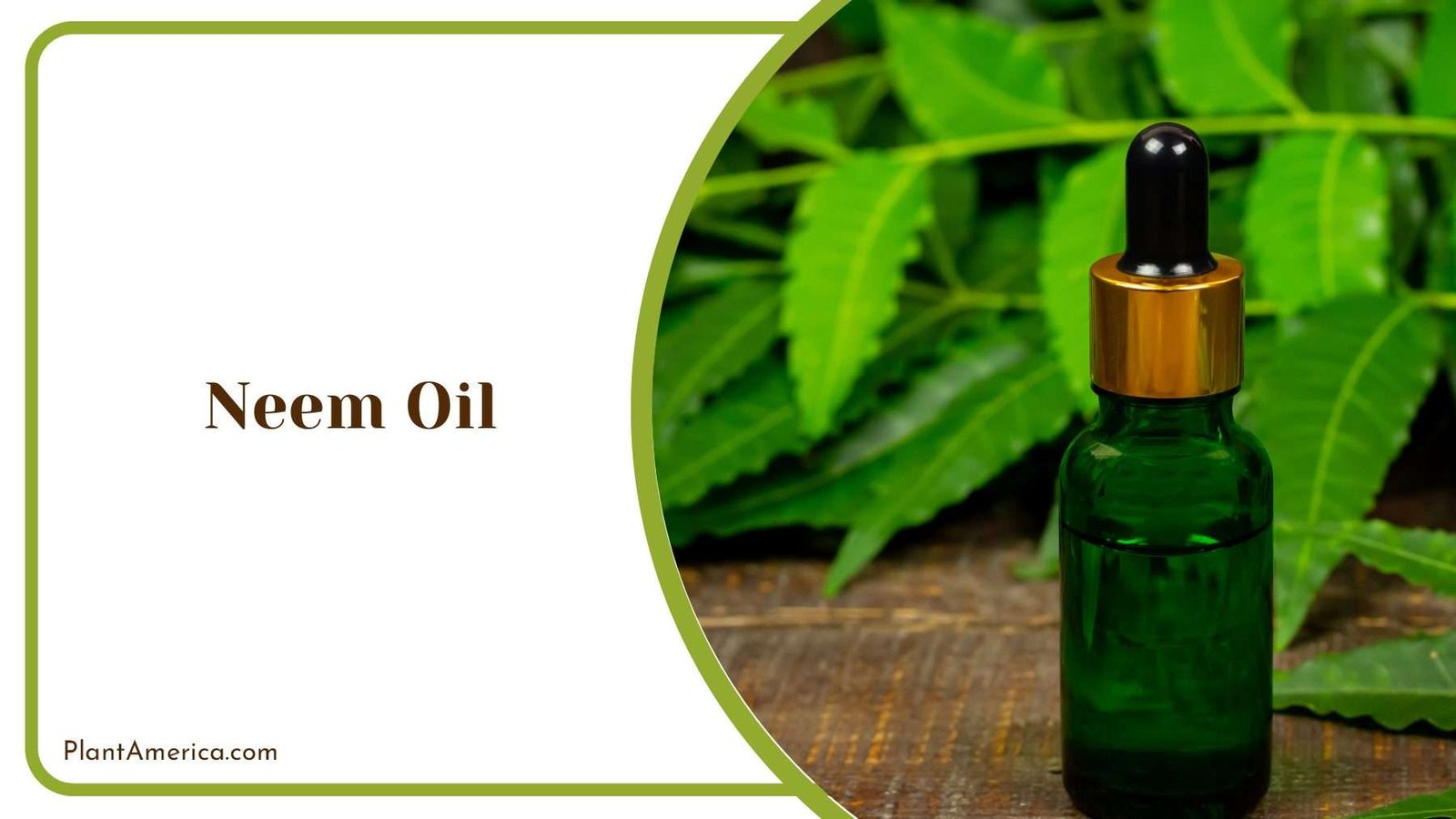
For a swift foliar solution, employing clarified hydrophobic neem oil, commonly found in commercial pesticides, proves efficacious. With consistent and regular application, this technique progressively proves efficient in controlling aphids.
Neem’s reputation as a safe and non-toxic solution allows for a bi-weekly preemptive application. Its gradual effects offer the perfect help to nurture a thriving garden ecosystem.
– Commercial Pesticides
If aphids persist despite your best efforts, consider using a systemic pesticide. These imidacloprid-based commercial compounds pose no risk to humans or beneficial pollinators, yet they prove lethal to harmful insects like aphids.
Adopt a consistent regimen of pesticide application until the aphids are successfully eliminated. Keep in mind that completely eradicating an aphid infestation might take several weeks of sustained treatment.

Conclusion
The presence of aphids is an all too familiar challenge for your peonies. These delicate blooms face an array of adversaries throughout their growth journey, with aphids emerging as persistent troublemakers that can threaten the vitality of countless flowers.
That’s why you should always have the following notes handy:
- Aphids’ destructive ways entail siphoning off plant sap, causing a weakening of the plants over time. Distorted leaves and the telltale sign of sticky honeydew excretions often mark their presence, with severe infestations even leading to the demise of plants. However, the aphid’s loyalty to specific plant varieties means that if they find a favored host, they often remain loyal to it.
- It becomes imperative to equip ourselves with an arsenal of remedies that prove effective in mitigating their impact. From the simple act of employing a hose to dislodge aphids to crafting homemade solutions using natural ingredients like soap, peppermint, and peppers, there is a strategy for every level of infestation.
- Beyond these natural solutions, the possibility of utilizing commercial pesticides presents itself, ensuring that aphids meet their demise while sparing beneficial pollinators.
- Fostering a garden ecosystem that welcomes aphid predators such as parasitic wasps, ladybugs, hoverflies, and lacewings can be a strategic move in the battle against these pests.
Armed with this knowledge and the remedies, let’s embark on this journey of preserving the charm of your peonies, one bloom at a time!