
Climbing flowers full sun have so much to offer your garden with their abundance of colorful blooms and low-maintenance nature.
In this post, we’ll cover 14 of the easiest climbing flowers to grow that thrive in sunny spots, providing gorgeously layered flower displays throughout the summer with minimal effort.
Whether you’re looking for fragrant blooms, eye-catching vines that require no staking, or perpetual bloomers to fill an empty fence or trellis, our selections have you covered to add maximum floral charm to your full sun garden!
Climbing Flowers in Full Sun for Bright, Stunning Blooms
1. Morning Glory
- Growing season: Spring, Fall.
- Leaf shape: Heart-shaped, Triangular.
- Specific needs: Full sun, Well-drained soil.
- Common pest: Aphids, Whiteflies.
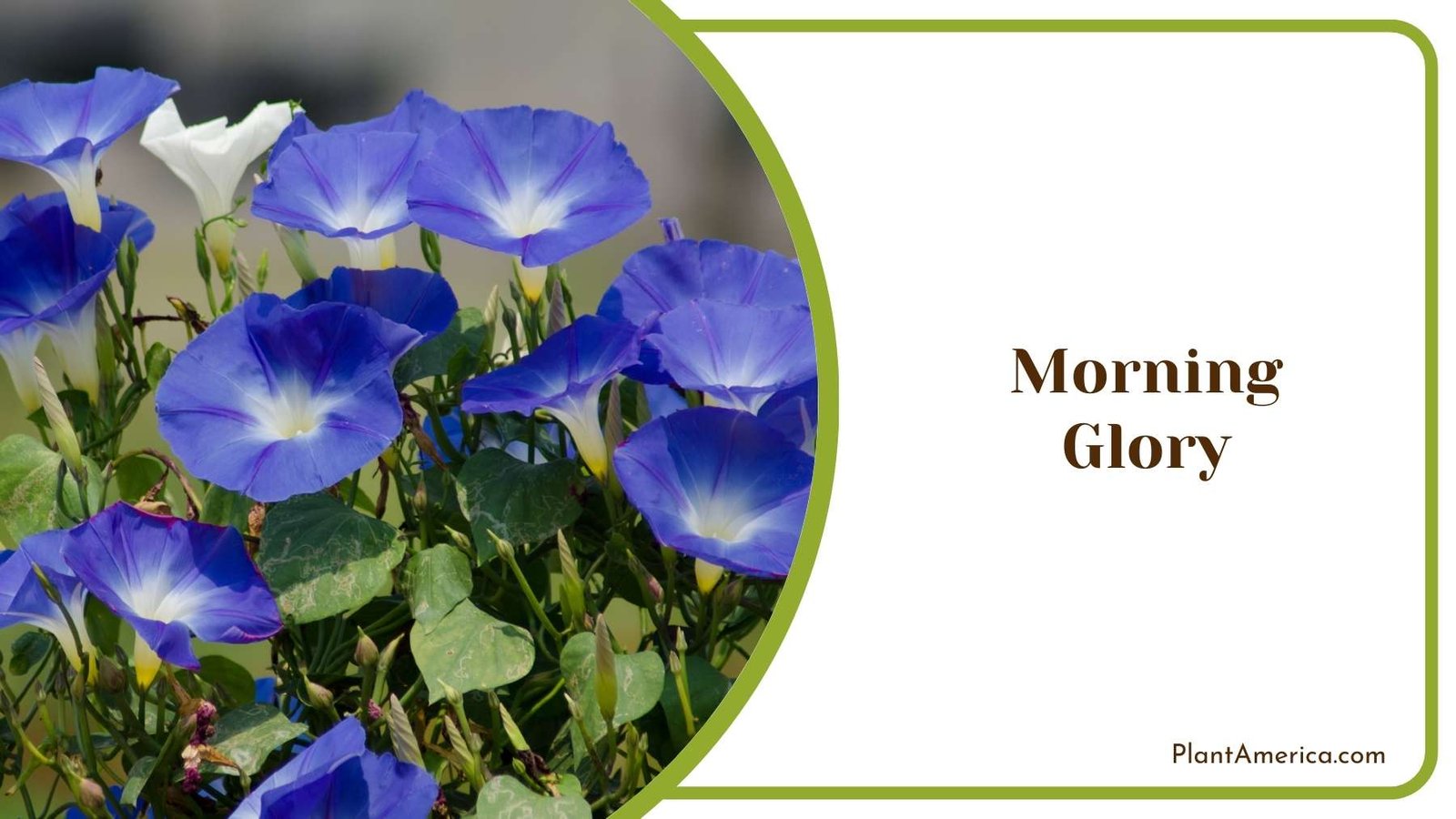
Masses of blue flowers cover the twining vines of morning glory from summer into fall. The heart-shaped leaves emerge green and provide little shade.
Morning glories thrive in hot, sunny locations with well-draining soil that is enriched with organic matter.
They require regular watering and staking to guide vigorous vines. Regular pruning and pinching back lateral shoots also help control exuberant growth rates.
With their fast growth, an abundance of colorful blooms, and the ability to cover unsightly walls or fences, morning glories offer flower power far greater than one might expect from such an easy-care flowering vine.
Clusters of trumpet-shaped flowers in shades of blue, purple, pink, and white open each morning and last until evening for months of continuous visual appeal.
If you have bare fences or walls in need of floral dressing, consider morning glories for their fast and furious blooming spree all through the growing seasons. Their non-fussy needs make them ideal flowering vines for covering expenses quickly without demanding high care inputs.
2. Black-Eyed Susan Vine
- Growing season: Late spring, Early fall.
- Leaf shape: Oval, Lance-shaped.
- Specific needs: Full sun, Well-draining soil.
- Common pest: Aphids, Japanese Beetle.
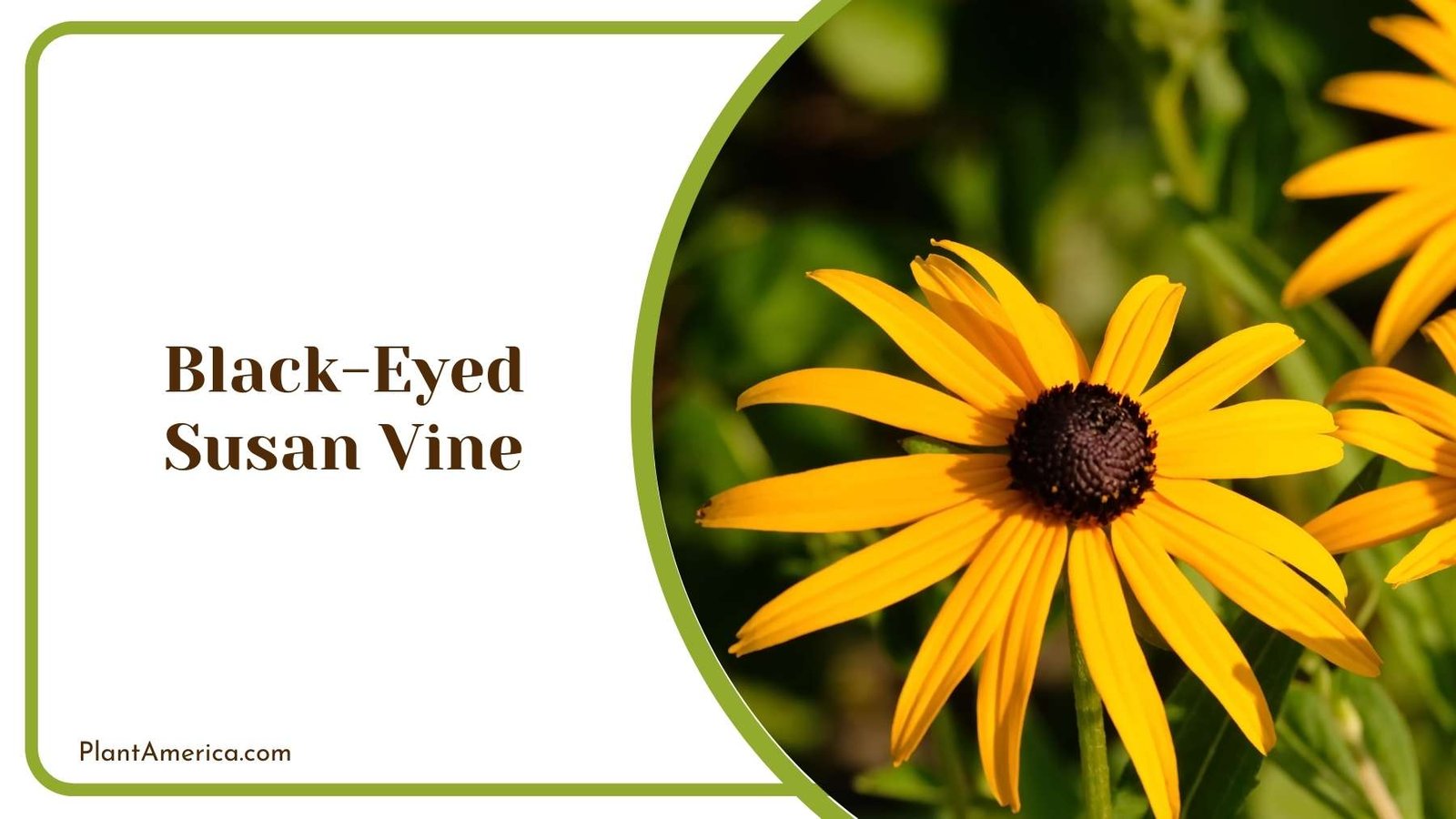
Masses of yellow flowers cover the climbing stems of the black-eyed Susan vine from summer into fall.
The palmate compound leaves are medium green and provide some shade. Black-eyed Susan vines thrive in hot, sunny areas and well-draining soil that is amended with organic matter. They require regular staking and pruning to guide vigorous growth.
With their fast growth, colorful blooms, and ability to cover fences and trellises, black-eyed susan vines offer huge flower power for relatively little effort. The cheery yellow daisy-like blooms provide nectar for pollinators and last for weeks.
If the soil is too fertile, the Black-eyed Susan vine can become leggy with fewer flowers. Pinching off developing side shoots and removing leggy growth encourages bushier growth with maximum bloom. Regular fertilizing improves flowering but excess can reduce bud formation.
Looking for an easy flowering vine to quickly fill an empty space with color? The black-eyed Susan vine is ideally suited to provide vertical interest all summer long while attracting butterflies, hummingbirds, and beneficial insects with its abundant flower nectar.
3. Trumpet Vine
- Growing season: Spring, Fall.
- Leaf shape: Palmate, Compound.
- Specific needs: Full sun, Well-draining soil.
- Common pest: Aphids, Japanese Beetle.
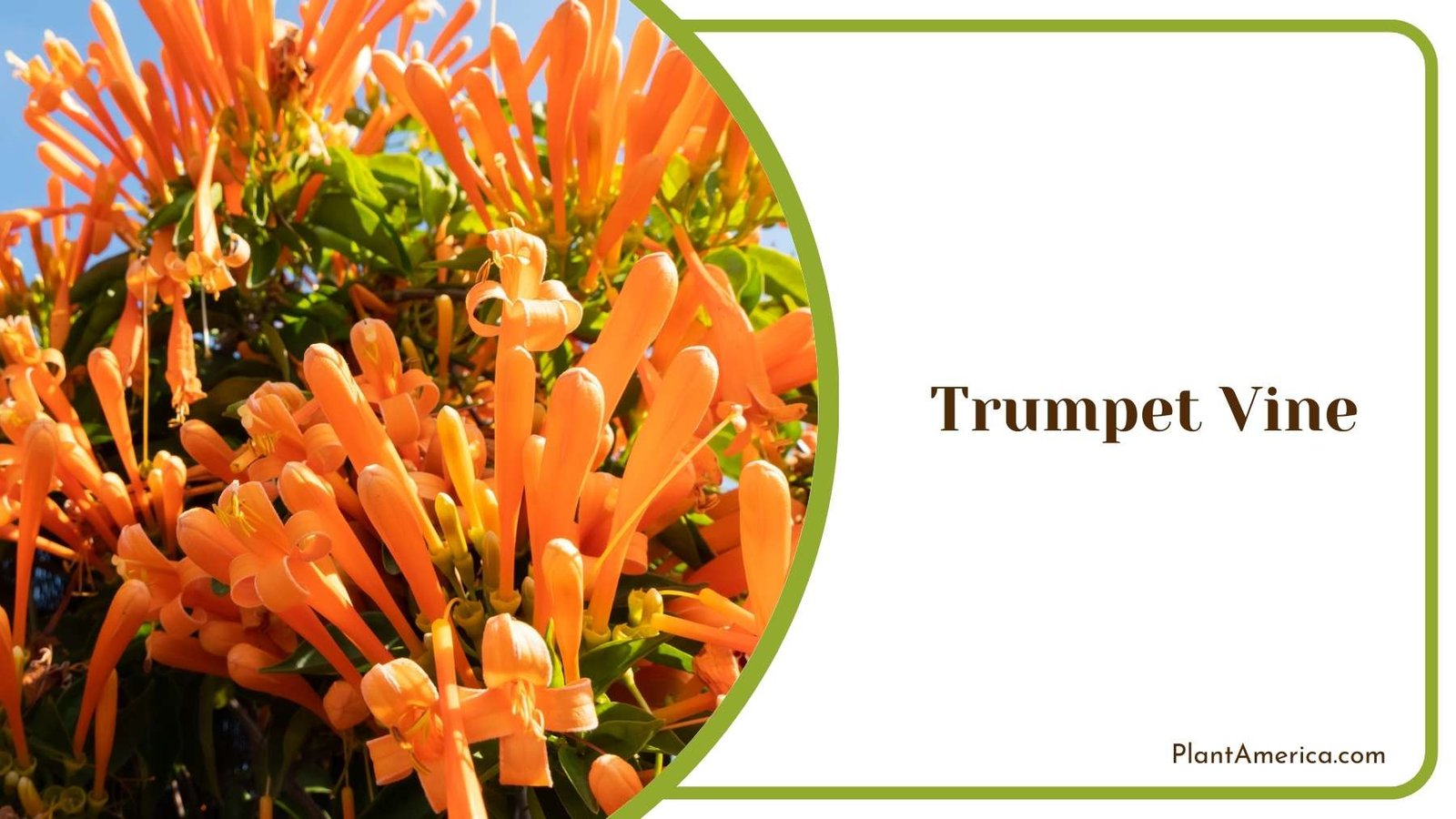
Trumpet-shaped red flowers hang from twining vines of trumpet creeper from summer into fall. Palmate compound leaves emerge and provide some shade as the plant matures.
Trumpet vines thrive in hot, sunny areas and well-draining soil with even moisture and fertilizer for optimum growth. They require regular staking and pruning to control rampant spreading.
With fast growth, an abundance of colorful tubular blooms, and the ability to quickly cover large areas, trumpet vines offer major floral impact for minimal effort. Hummingbirds flock to feast on nectar-laden blooms all summer.
Regular pruning throughout the growing season helps prevent trumpet vines from becoming overly aggressive.
Pinching back lateral shoots and removing seed pods as they form limits the spread. Left unchecked, trumpet vines can become highly invasive.
4. Climbing Rose

- Growing season: Summer, Spring.
- Leaf shape: Compound, Pinnate.
- Specific needs: Full sun, Well-draining soil.
- Common pest: Aphids, Rose Slug.
Fragrant pink flowers bloom on twisting stems of climbing roses from spring into fall. Pinnate compound leaves emerge green then turn dark green and provide a little shade for surrounding plants.
Climbing roses thrive in full sun with at least six hours of direct sunlight each day, well-draining soil amended with organic matter, and even moisture throughout the growing season.
They require regular fertilizing, pruning, and staking to support their weight as they grow upwards. Climbing rose stems are rugged enough to withstand wind yet pliable enough to wind around supports.
With continuous flowering, aromatic blooms appearing almost non-stop, and the ability to cover fences, walls, and arbors, climbing roses offer abundant floral appeal at a monumental scale.
The long blooming period of climbing roses spans much of the garden’s growing season from early summer into fall.
For maximum flowers and repeat blooms, gardeners should prune climbing roses immediately after their initial flush of bloom in spring. Pruning removes spindly, damaged or crossing stems to open the plant structure for good air circulation.
Gardeners should fertilize climbing roses with a balanced rose food every four to six weeks while the plant is actively growing new canes and flower buds.
Adding a one to two inch layer of organic matter like compost or shredded leaves around the base of established plants helps retain moisture and add nutrients over time.
With little effort beyond regular feeding, pruning and staking, climbing roses reward gardeners with months of fragrant blooms and foliage that engulf fences, walls, and arbors in just a few growing seasons.
Their beautiful abundant flowers and heady fragrance transform otherwise ordinary outdoor spaces into romantic, awe-inspiring garden escapes.
5. Star Jasmine
- Growing season: Summer, Spring.
- Leaf shape: Elliptical, Simple.
- Specific needs: Full sun, Well-draining soil.
- Common pest: None.
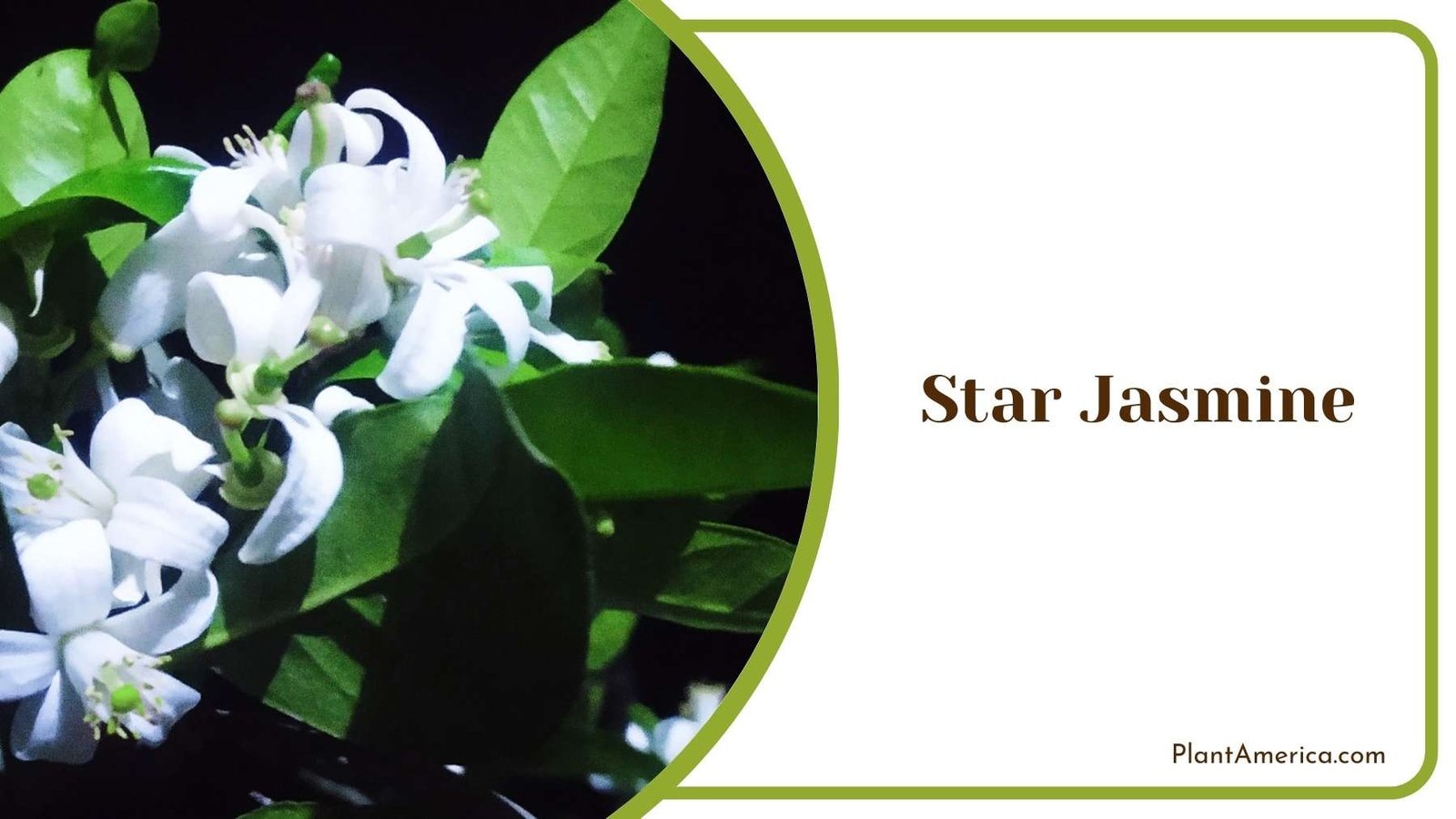
White star-shaped flowers bloom along twisting stems of star jasmine from spring into fall. Simple leaves emerge and provide minimal shade as the plant fills in.
Star jasmines thrive in hot, sunny, and well-draining soil with even moisture throughout the growing season.
They require regular pruning, staking, and shaping to maintain their form when used as groundcovers or to cover fences and walls.
Star jasmine plants grow rapidly, sometimes several feet per year. String-thin twining stems allow star jasmines to cover arbors, trellises, and other structures.
With fast growth, an abundance of aromatic white star-shaped blooms appearing almost continuously, and the ability to cover walls and trellises, star jasmine offers huge floral potential for gardeners.
The sweetly fragrant star-shaped flowers open at dusk and perfume surrounding areas at night, attracting moths and other night-flying insects.
For best performance in the hottest climates, star jasmines require partial shade to prevent leaf scorch and stem dieback.
Gardeners should prune plants back immediately after spring bloom to encourage bushier growth and maximize flowering throughout the season.
Star jasmines need fertilizer infrequently as they thrive in nutrient-poor soils. Gardeners can apply a balanced fertilizer only as needed to promote flowering, but they should avoid using nitrogen-rich products that cause excessive leaf growth at the expense of blooms.
With minimal effort, star jasmine plants reward gardeners with months of fragrant blooms and twisting foliage that can cover fences, trellises, and walls in just a few growing seasons.
The flowering vine adds sweet perfume and a soft touch of greenery to sunny garden corners.
6. Hyacinth Bean
- Growing season: Summer, Spring.
- Leaf shape: Palmate, Simple.
- Specific needs: Full sun, Well-draining soil.
- Common pest: Japanese Beetle, Aphids.
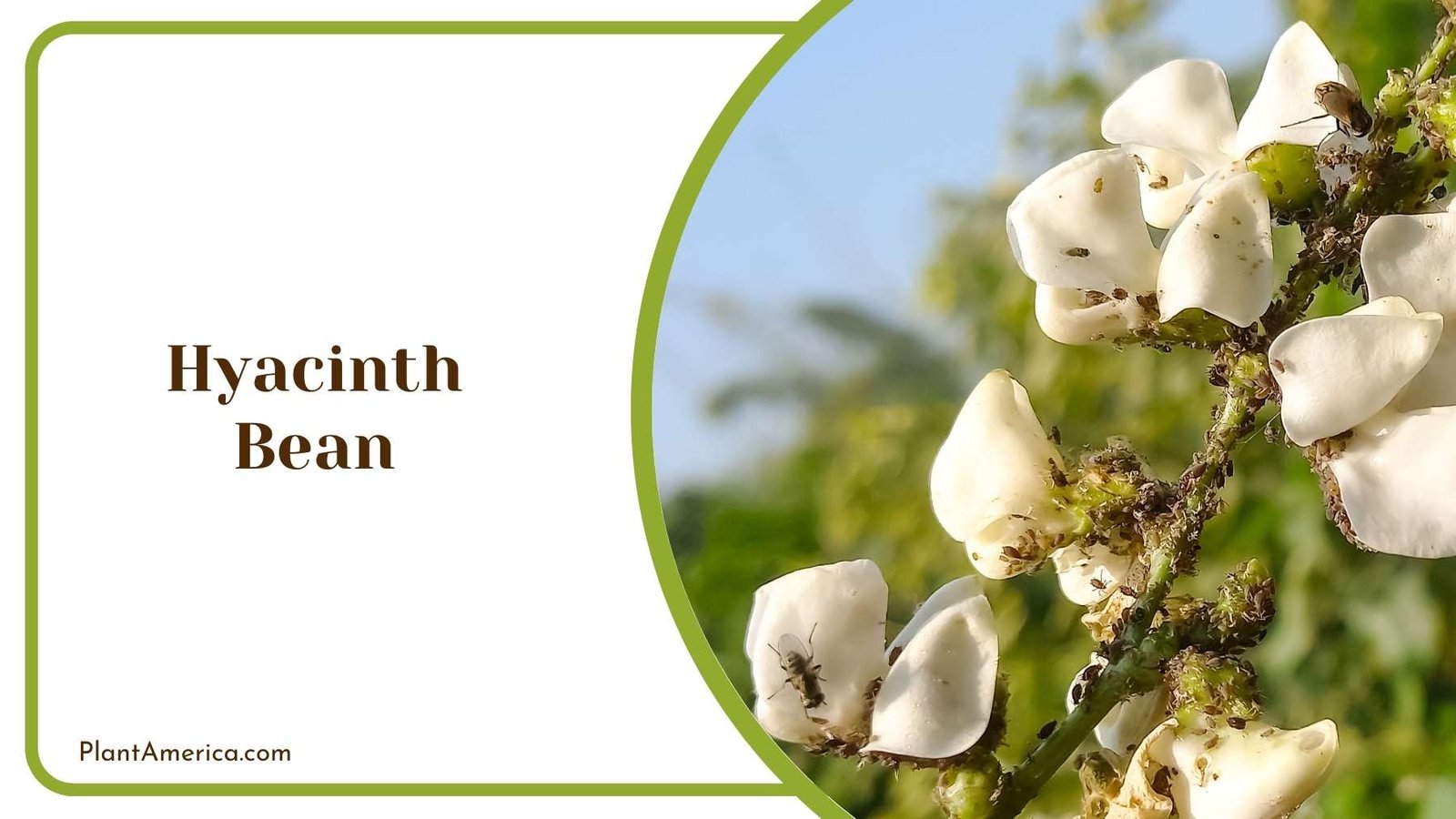
Clusters of purple flowers decorate twining vines of hyacinth bean from summer to fall. Palmate compound leaves emerge and become medium green and provide some shade.
Hyacinth beans thrive in hot, sunny areas with well-draining soil and even moisture. They require regular staking, pruning, and pinching back to control rampant growth.
With fast growth, an abundance of colorful blooms, and a tendency to quickly cover trellises, hyacinth beans offer huge flowering vine potential in a small package. Brilliant red, purple, or pink ornamental seed pods follow flowers.
For best bloom production, hyacinth beans require consistent moisture and a balanced fertilizer. Pinching off developing side shoots encourages plant energy to go into main stems and produce more blooms.
Select climbing hyacinths that are sterile to avoid unwanted reseeding, which can make hyacinth beans invasive in some climates. Deadhead blossoms before seeds form to further reduce self-sowing.
With their fast spread, bright colors, and ability to fill gaps quickly, hyacinth beans offer huge returns for minimal care costs. Consider hyacinth beans to instantly create vertical interest using vivid hues and ornamental seed pods all season long.
Ideal for beginning climbing plant gardens, hyacinth beans are tough and undemanding while packing a visual punch far greater than their slight frames suggest. Their short lifespan also makes hyacinth beans good options for those willing to replace plants annually for a continuous show.
Hyacinth bean vines tend to grow quickly, sometimes shooting up several feet in just one week. They twine themselves around any available support using small tendrils at stem tips. Regularly staking vines help elevate flower clusters for better visibility.
7. Sweet Pea

- Growing season: Summer, Spring.
- Leaf shape: Pinnate, Simple.
- Specific needs: Full sun, Well-draining soil.
- Common pest: Slugs, Aphids.
Fragrant pastel flowers adorn the climbing vines of sweet peas from spring into early summer.
Pinnate compound leaves emerge and provide little shade as vines climb. Sweet peas thrive in full sun and well-draining, nutrient-rich soil with consistent moisture. Plants require staking, trellising, and regular deadheading to prolong bloom time.
With fast bloom time, an abundance of aromatic flowers in an array of colors, and the ability to clamber quickly up supports, sweet peas offer massive floral potential on a small scale. The alluring fragrance fills the surrounding areas.
For the heaviest sweet pea blooms, provide optimal conditions by incorporating plenty of organic matter into planting holes. Fertilize regularly with diluted liquid plant food.
Searching for an enthusiastically fragrant flowering vine to delight the senses in spring and early summer? Consider sweet peas for their glorious mix of intriguing perfume, soft delicate blossoms, and cheery colors that fill the air with an olfactory symphony of sweet notes.
8. American Wisteria
- Growing season: Summer, Spring.
- Leaf shape: Pinnate, Lance shaped.
- Specific needs: Full sun, Moist soil.
- Common pest: Rare.
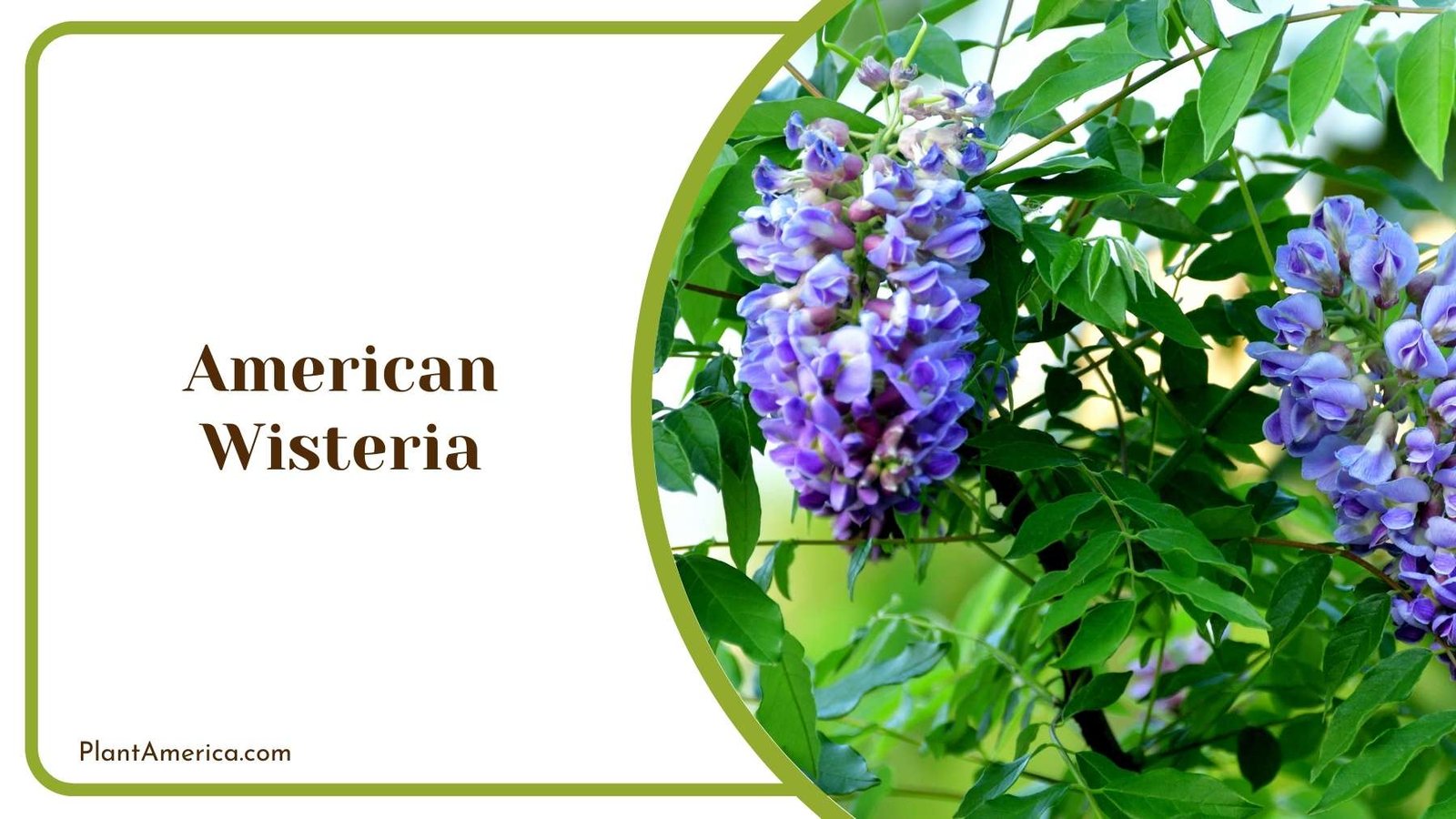
Fragrant purple flowers bloom in pendulous clusters on rapidly twining stems of American wisteria in spring before leaves emerge.
Compound leaves are pinnate. American wisterias thrive in full sun and well-draining slightly acidic soil. They require regular pruning, trellising, and shaping to control rampant growth.
With fast growth, an abundance of fragrant blooms in spring before leaves appear, and a tendency to cover large areas quickly, American wisterias offer huge floral potential in a tough little package. Grape-like clusters of perfume blossoms grace almost bare stems.
Only prune American wisteria immediately after spring bloom to avoid removing flower buds. Remove congested and crossing stems to improve air circulation. Regularly monitor moisture needs and fertility.
Looking for an exuberant spring-blooming flowering vine to shower a patio or pergola in purple perfume?
Consider American wisteria for its prolific bloom, powerful perfume, and magnificent bare-stemmed flowers that drape structures from eave to ground in clouds of lavender luminosity.
American wisteria’s twining stems twist themselves around any support, rapidly forming a wreath of pendulous grape-like clusters packed with fragrant flowers. Regular staking helps elevate magnificent blooms for better visibility.
When seeking spectacular floral fireworks that fill the entire neighborhood with their sweet perfume, few vines can match American wisteria.
Give these exuberant beauties room to flaunt their blossoms magnificently. Their brief reign will become the most unforgettable springtime display of the entire garden!
9. Bougainvillea
- Growing season: Summer, Spring.
- Leaf shape: Simple, Heart-shaped.
- Specific needs: Full sun, Moist soil.
- Common pest: Whitefly, Aphids.
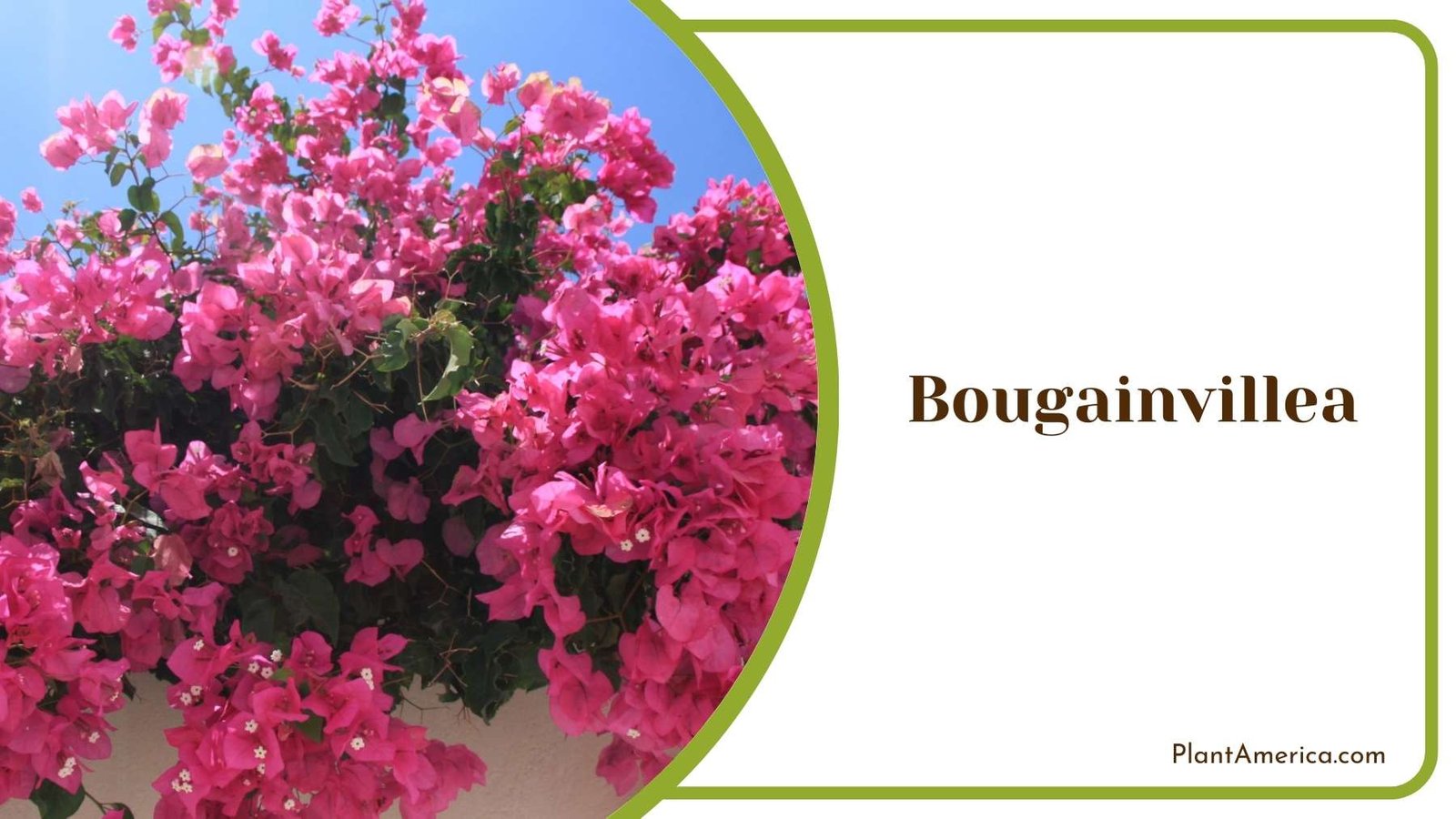
Clusters of vivid purple papery bracts adorn the thorny stems of bougainvillea from spring through fall. The thin simple leaves provide minimal shade.
Bougainvilleas thrive in hot, sunny weather with well-draining soil. They require regular pruning, shaping, and fertilizing to maximize blooms.
With abundant colorful bracts, impeccable drainage needs, and a sprawling growth habit, bougainvilleas offer big floral potential in a tough little package. These are gorgeous vines that flower freely for months on end.
For continued flowering, prune bougainvillea heavily in spring to encourage new growth before flowers appear.
Thin congested stems and remove dead interior shoots. Bougainvilleas benefit from balanced fertilizer applications along with regular watering.
Looking to dress a sunny trellis or fence with nonstop riotous color? Consider bougainvillea for its intensely bright blossoms in red, pink, orange, purple, and white that cloak supports from spring until frost. Layers of vivid bracts hide prickly stems.
While not true flowers, the showy bracts of bougainvillea are magnets for hummingbirds and butterflies seeking bright nectar sources.
Find a place where bougainvillea can ramble freely in full sun for maximum bract production — the more sunshine, the merrier blossoms!
For spectacular floral pyrotechnics that demands little beyond sunshine and good drainage, few flowering vines can surpass bougainvillea. Give these thorny beauties space to spread luxuriously in full sun for a vibrant explosion of color that dazzles the hottest days away.
10. Virginia Creeper
- Growing season: Summer, Fall.
- Leaf shape: Palmate, Compound.
- Specific needs: Full sun, partial shade.
- Common pest: None.
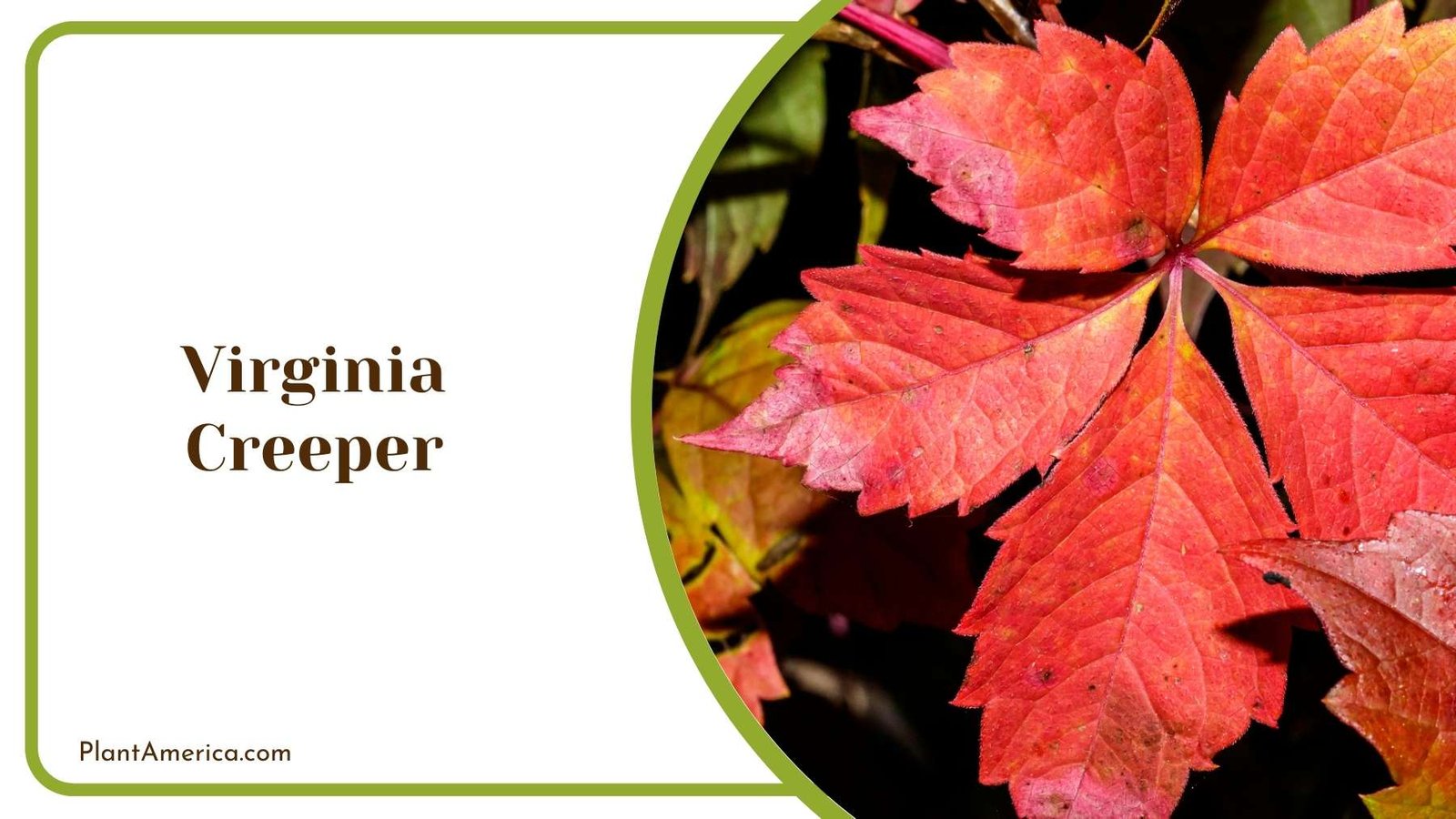
Clusters of red berries decorate the twining stems of Virginia Creeper in fall. Palmate compound leaves emerge green then turn crimson in autumn.
Virginia creepers thrive in full sun to partial shade with moist, well-draining soil. They require minimal care beyond pruning, staking, and occasional fertilizing.
With fast growth, profuse fall color, and a tendency to quickly cover walls and fences, Virginia creepers offer massive amounts of visual interest with very little fuss. Scarlet berries persist into winter, providing seasonal interest.
For the best fall color display, Virginia creepers require sufficient phosphorus and potassium. Prune vigorously in early spring before growth starts to keep their size in check.
Looking for an unfussy flowering vine to dress a fall space in glory with fiery fall foliage and clusters of bright berries? Consider Virginia Creeper for its dependable show that demands almost nothing in return beyond a little space to spread itself.
Known for its showy reputation, Virginia Creeper is a woody vine native to eastern North America. Its blazing crimson autumnal display offers one of the finest fall color spectacles for several weeks before winter dormancy sets in.
For maximizing annual visual rewards at minimal cost, Virginia Creeper ranks among the easiest and most brilliant flowering vine choices.
Give this unfussy vine plenty of space to spread its rustic beauty unchecked — its sprawling habit of crimson conformity will become the making of the fall season.
11. Kiwi Vine

- Growing season: Summer, Fall.
- Leaf shape: Simple, Compound.
- Specific needs: Full sun, partial shade.
- Common pest: None.
Fragrant greenish-white flowers adorn the twining stems of kiwi vine from spring into early summer. Simple leaves emerge and provide cover as the vine matures.
Kiwi vines thrive in well-draining soil and full sun to light shade. They require regular pruning, trellising, and shaping to control rampant growth.
With fast growth, an abundance of fragrant blooms in spring, and the ability to cover large surfaces quickly, kiwi vines offer massive visual and culinary potential. Sweet, edible fruits ripen in fall and winter.
Unless grown for fruit production, kiwi vines can become overly aggressive and invasive. Regularly prune and shape growth to maintain size. Fertilize as needed while vines are actively growing.
Looking to turn an ordinary fence, trellis, or wall into an edible landscape feature? Consider the kiwi vine for its vigorous growth habit, abundant sweet fruits, and ability to produce for decades with little attention.
Kiwi vine’s twining stems climb up structures, twisting themselves around any available space. Regular staking helps control spread while shaping vines makes them easier to harvest.
When aiming to maximize visual, culinary, and wildlife benefits all at once, few vines can rival kiwi. Give these vigorous beauties room to produce abundantly, and their harvest will become the highlight of the entire winter garden.
12. Cape Honeysuckle
- Growing season: Winter, Fall.
- Leaf shape: Palmate, Lance shaped.
- Specific needs: Full sun, partial shade.
- Common pest: Leaf Miners, Aphids.
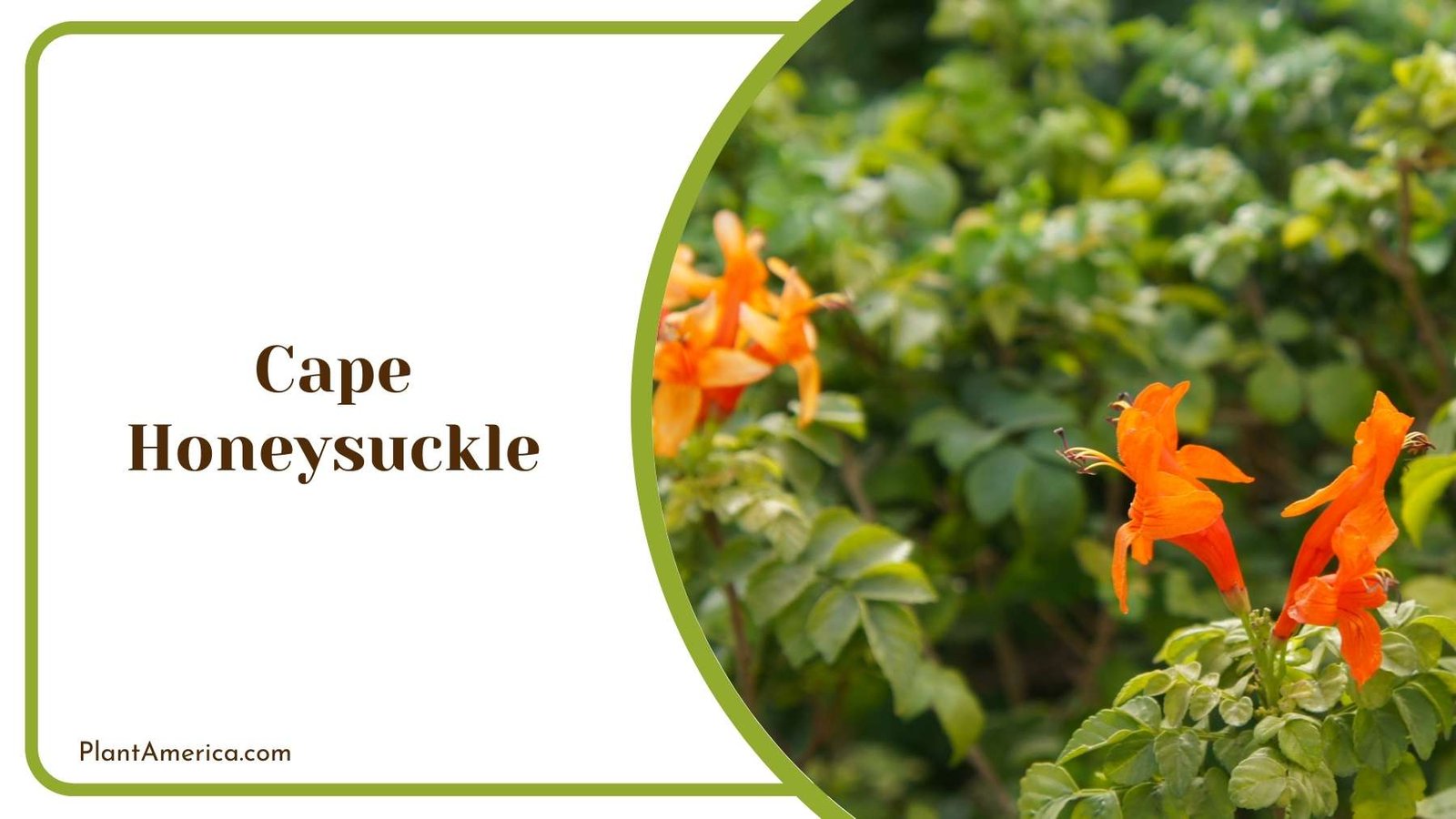
Cape honeysuckle vines erupt with cheerful clusters of tubular orange-red flowers from fall into winter, providing a burst of color during colder months when native blooms have faded.
Simple dark green foliage emerges to provide some ground cover and forage for birds throughout the year as well.
Thriving in well-draining soil and full sun exposure, Cape honeysuckles require regular pruning, staking, and training to encourage healthy growth up designated supports like lattices, arbors and fences. Left to sprawl, they can become unkempt.
Their fast-growing trailing stems quickly twine up any structure within weeks, thanks to small tendrils.
Feed monthly with balanced organic plant food to fuel this rapid growth while producing abundant nectar-filled blooms that persist for months.
After the initial spring flowers fade, pruning stimulates heavier re-blooms throughout fall. Remove excess, crossing and congested new growth regularly to improve airflow and prevent disease, shaping vines tidily against whatever surface they climb.
The fringed orange trumpet blossoms lure hungry hummingbirds that gather nectar constantly, their flashing iridescent feathers adding motion as they dart among the colorful tubed blooms on balmy winter days. Butterflies are also attracted to sip the plant’s sweet nectar.
Few vines offer such massive visual rewards for relatively minimum effort in the garden for both human and wildlife observers alike.
Alone or mixed in masses, Cape honeysuckles turn walls and fences into living tapestries blazing with fiery blooms through chillier seasons.
Plant generously wherever space allows come fall, and watch their vigorous stems festoon quickly to teem with trumpet corollas, filling remaining winter daylight hours with the cozy buzzing of lively hummers feasting happily nearby.
13. Climbing Hydrangea
- Growing season: Winter, Fall.
- Leaf shape: Simple, Heart-shaped.
- Specific needs: Full sun, Light shade.
- Common pest: Rare.
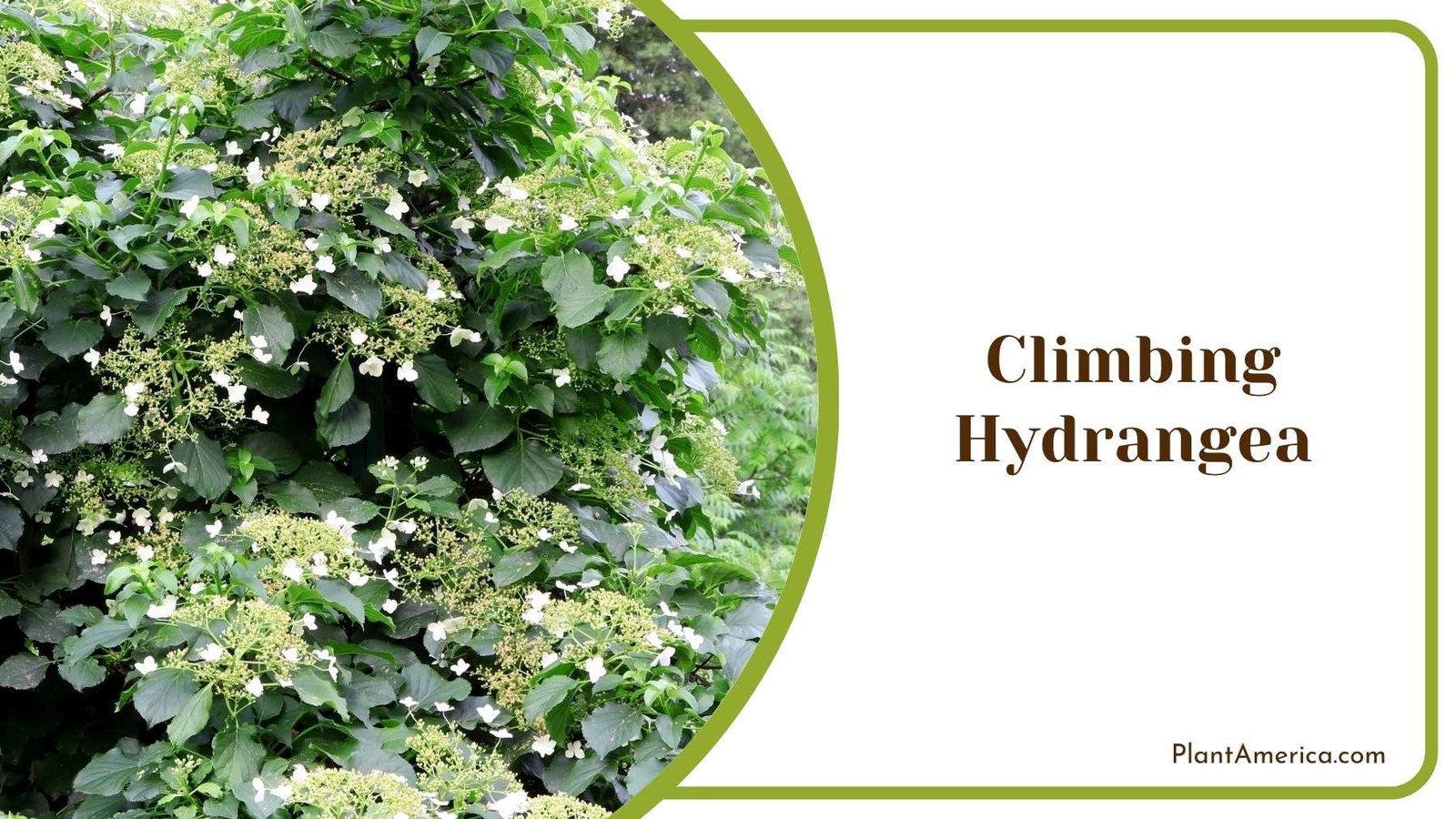
Clusters of white florets bloom on climbing stems of bigleaf hydrangea from spring into summer. Simple oval leaves emerge green and provide ample cover.
Climbing hydrangeas thrive in rich, moist but well-draining soil and full sun to light shade. They climb naturally up structures, requiring minimal staking or trellising.
With fast growth, an abundance of blooms throughout the growing season, and the ability to cloak structures in lush foliage, climbing hydrangeas offer massive visual rewards for little effort. Cheerful flowers transition to interesting seed heads through fall.
For heavy blooms, prune climbing hydrangeas lightly in late winter. Fertilize regularly throughout spring and summer with balanced organic products. Avoid excess water but irrigate thoroughly during dry spells.
Looking to dress a framework in lush greenery along with an abundance of summer flowers? Consider climbing hydrangea for its fast-growing habit, a profusion of blooms throughout the season, and the ability to completely cloak any support structure in botanical delight.
Climbing hydrangea’s tendrils twist themselves around any surface, quickly forming a canopy of generous blooms and glossy foliage. Only minimal staking may be needed to guide growth where desired.
When seeking to fill a space with a big volume of visual interest while attracting pollinators and providing cover for wildlife, few flowering vines have more to offer than climbing hydrangea. Give these vigorous beauties room to stretch freely, and their verdant drapery will become the backdrop for the entire gardening year.
14. Scarlet Runner Bean
- Growing season: Spring, Fall.
- Leaf shape: Palmate, Trifoliate.
- Specific needs: Full sun, Light shade.
- Common pest: Japanese Beetles, Aphids.
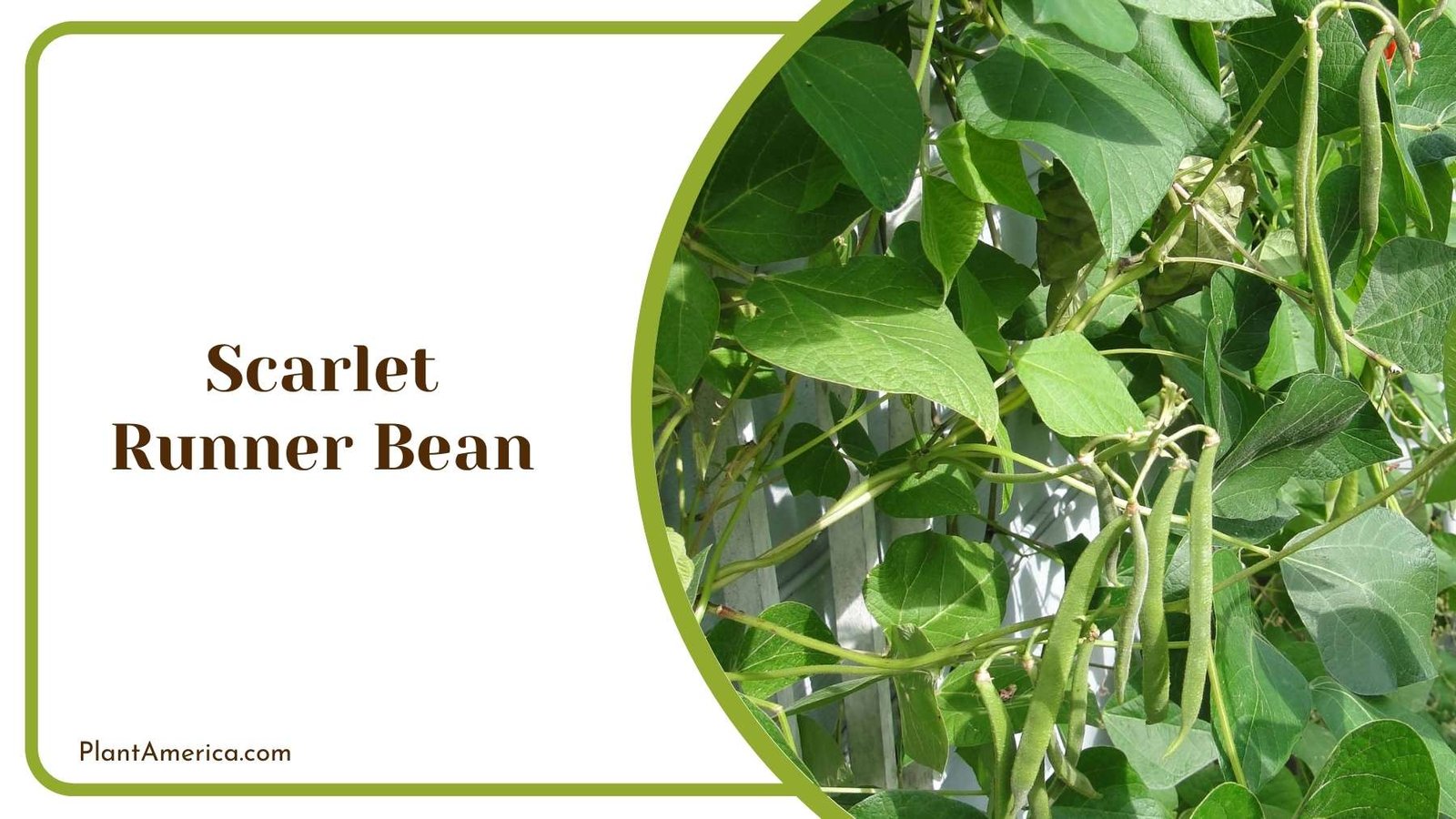
Clusters of scarlet red flowers decorate twining vines of scarlet runner bean from mid-summer to early fall. Palmate compound leaves emerge green and provide minimal shade. Scarlet runner beans thrive in well-draining soil and full sun. They require regular trellising and staking to guide climbing habits.
With fast growth, an abundance of colorful blooms in summer, and a tendency to quickly cover fences, scarlet runner beans offer huge visual potential on a small scale. Edible bean pods follow blooms if grown for consumption.
To maximize flowers, prune developing side shoots regularly, which encourages bushier growth with more flowering stems. Provide a balanced, organic fertilizer throughout the growing season for peak performance.
Looking to instantly fill an unsightly space with summer color that offers seasonal culinary delights? Consider scarlet runner beans for their twining habit, brilliant blooms, and ability to produce ornamental and edible riches with very little attention.
Scarlet runner bean vines twist up any trellis or support, quickly covering the space within weeks. Regular pruning and staking keep growth concentrated while showcasing bright scarlet blooms.
When aiming to maximize visual and culinary rewards simultaneously, few climbing plants compare the fast and furious gains of the scarlet runner bean. Give these vigorous beauties free range and their saturating scarlet will soon transform the entire view into an edible art installation.
Conclusion
Climbing flowers provide seasonal interests with their colorful foliage, fragrant blooms, and ornamental seed pods, and here are our top picks:
- Climbing roses are perfect for their steadfast flowering, a veritable rainbow of colors, and heavenly fragrance that rises to heights only limited by their sturdy support.
- Star jasmine is known for its fast-growing canopy of glossy foliage embellished with whitewashed blossoms that perfume the air effortlessly.
- Virginia Creeper ranks among the easiest and most brilliant flowering vine choices.
As with any garden, be generous. Give your climbing flowers the sunlight, water, and support they need, and watch them reward you a hundredfold by filling your space and senses with their radiant blooms. Tend to them with care, and for years to come they will remind you why gardening feels like magic!