
Bushes with thorns can be a natural and effective way to protect your yard from trespassers and unwanted animals. From classic choices like barberry to less common options like firethorn and hawthorn, you’ll discover an array of thorny bushes that offer security and privacy while adding ornamental value to your landscape design.
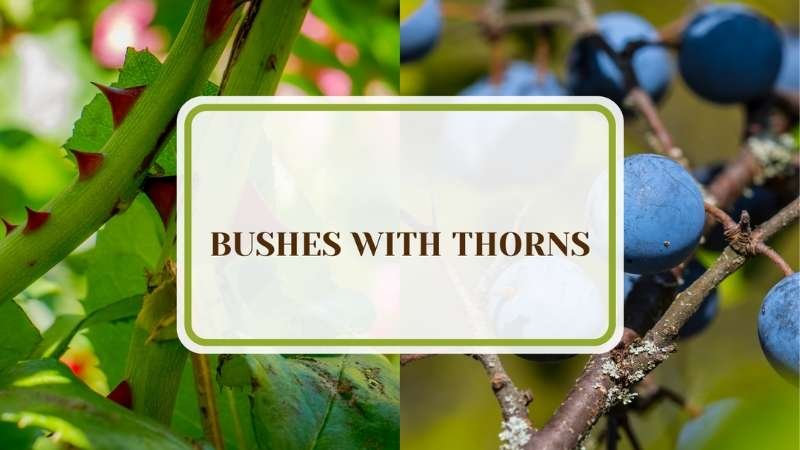
Whether you want to deter deer and other wildlife or simply restrict access to certain areas, the right thorny bushes and hedges can help you achieve that goal through practical, natural means. So join us as we explore this prickly yet beautiful topic together!
Bushes With Thorns You Need In Your Yard To Deter Intruders
1. Barberry
- Growing season: Summer, Winter.
- Leaf shape: Oval, Elliptical, Toothed edges.
- Specific needs: Full sun, Well-drained soil.
- Common pest: Aphids, Spider mites, Barberry rust disease.
Barberry is a versatile landscape shrub well known for its practical use in establishing defensive borders or barriers thanks to its prickly nature. Armed with pairs of sharp, stiff thorns along their woody stems, barberry varieties are certainly effective at discouraging intrusion or unwanted movement beneath their branching forms. The danger posed by these thorns is enough to keep most at bay, making barberry an excellent choice where a natural deterrent is desired.
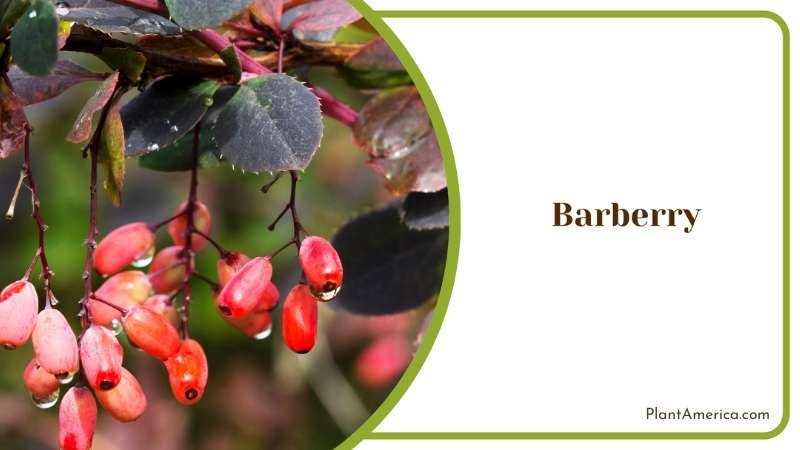
As a perennial shrub, barberry comes in both deciduous and broad-leaved evergreen varieties suited to different climates. Those accustomed to cold winters lose their foliage, while others maintain foliage year-round in warmer zones. Both thrive in full sun with moderate water needs. What they share is a reputation for hardiness and adaptability, tolerating a wide range of soil pH.
Homeowners and property managers can select from a broad assortment of barberry sizes for diverse landscape needs. Compact cultivars stay neatly beneath three feet, allowing use in tighter foundation plantings or containers. Alternatively, taller forms reaching six feet serve as specimen specimens or for creating thicker hedges.
Beyond their practical quality as a living barrier, barberry shrubs contribute vibrant ornamental value in the garden as well. Their colorful leaves provide interest through seasons, and clusters of bright red berries decorate stiff branches from fall through winter. An excellent habitat plant, barberry also supplies food and cover appreciated by birds and other wildlife. Overall, it presents a versatile, low-maintenance choice with dual purpose for any space.
2. Firethorn
- Growing season: Spring, Winter.
- Leaf shape: Oval, Glossy.
- Specific needs: Full sun, Well-drained soil.
- Common pest: Aphids, Spider mites.
Firethorn is an evergreen shrub that typically grows in United States Department of Agriculture plant hardiness zones five through nine. Some types lose their leaves in colder zones. The firethorn name stems from its sharp spines that curve out and upward, resembling flames, with thorns reaching from two to four inches in length and growing from stems and leaf axils, creating an effective deterrent against intruders.
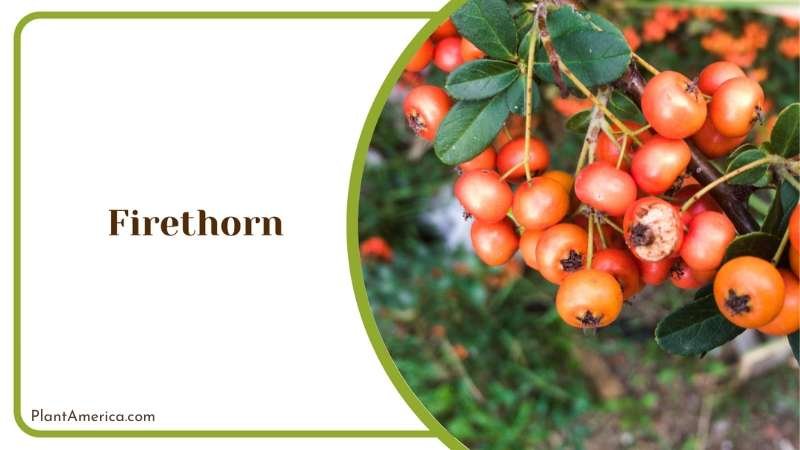
Firethorns bloom profusely in spring with large clusters of bright red or bright orange flowers. Many varieties are available in sizes ranging from five to 15 feet tall at full maturity. Proper care of firethorns requires regular pruning to maintain a dense habit and structure that maximizes blooming.
New growth stems, and flower buds need sunlight to properly form. Regular pruning and shaping throughout the year help stimulate abundant flowering the following spring. Firethorns produce the most blooms if pruned soon after flowering finishes in spring or early summer.
Firethorn shrubs require full sun and well-drained soil for optimum growth. In zones four and colder, firethorns often lose their leaves and require more winter protection.
Firethorns are drought tolerant once established and require little supplemental water beyond normal rainfall except during periods of drought. Fertilizing firethorns annually in spring with a slow-release fertilizer encourages vigorous growth and more flowers.
3. Hawthorn
- Growing season: Spring, Winter.
- Leaf shape: Oval, Oblong.
- Specific needs: Full sun, Well-drained soil, Partial shade.
- Common pest: Aphids, Spider mites, Cedar-hawthorn rust.
Hawthorns are deciduous or semi-evergreen woody plants that include shrubs and small trees. They typically grow in the United States Department of Agriculture plant hardiness zones four through eight though some hardier species can range into zone three.
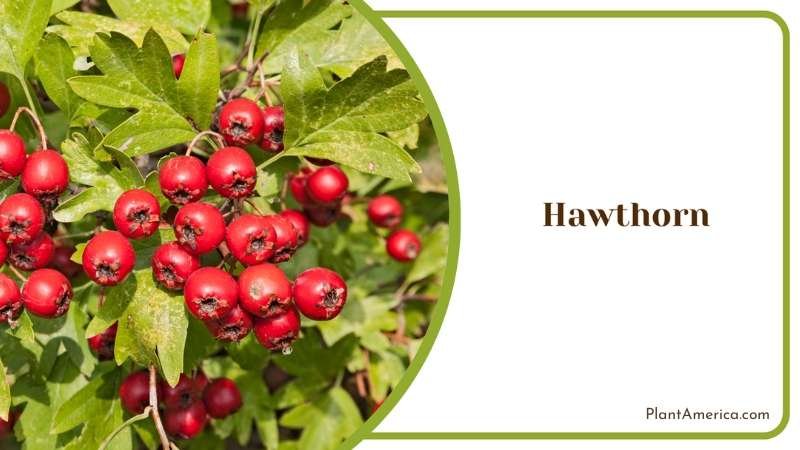
The branches and twigs of hawthorn plants are covered in sharp thorns that are around one inch in length. These thorns act as a strong deterrent against animals and intruders.
Hawthorn plants also produce showy clusters of white or pink flowers in early spring, followed by bright red or orange berries in late summer and fall that attract birds and wildlife. Due to their cold hardiness, dense growth habit, and ability to tolerate harsh conditions, hawthorns make excellent privacy hedges and shelterbelt windbreaks on farms and properties. Several sizes and varieties of hawthorn are available, ranging from four-foot high shrubs to 30-foot tall small trees.
Hawthorns require full sun and well-drained soil for optimal growth. They are adapted to a wide range of soil pH levels. Hawthorns tend to be drought tolerant once established, though supplemental watering during dry periods helps maintain the healthiest growth and maximum bloom production.
Pruning hawthorns promotes vigorous growth and abundant flowering. Either prune directly after flowering in early summer or in late winter before new growth begins. Fertilizing hawthorns annually in spring with a slow-release fertilizer also boosts growth and flowering. Depending on the species and cultivar, hawthorns may be susceptible to apple scab, fireblight, and cedar-hawthorn rust.
4. Buffalo Berry
- Growing season: Spring, Winter.
- Leaf shape: Alternate, Simple, Oval.
- Specific needs: Full sun, Well-drained soil, Partial shade.
- Common pest: Aphids, Spider mites, Cedar-hawthorn rust.
The buffalo berry gets its common name from the berries produced by the plant that was traditionally eaten as a staple food by Native Americans and American bison. Buffalo berry plants are hardy, deciduous shrubs that generally grow in the United States Department of Agriculture plant hardiness zones two through seven. They produce an abundant crop of red, orange, or purple berries in summer that attract wildlife species like birds and small mammals.

Dense thorns up to one inch in length cover the stems of buffalo berry plants, making them an effective barrier or deterrent against both animal and human intruders. Heights of buffalo berry shrubs range from three to ten feet depending on the particular species, with some cultivars remaining more compact. Proper pruning of buffalo berry plants soon after they finish flowering in early spring helps maintain a dense, thorny habit that deters animals and people.
Buffalo berry shrubs require full sun and well-drained soil for optimal growth and berry production. They are quite drought tolerant once established, though supplemental watering during periods of extended drought helps maintain plant health. Buffalo berry plants produce the most fruit if fertilized annually in early spring. Pruning right after plants finish flowering in spring stimulates vigorous new growth and maximizes fruit production the following summer.
Several buffalo berry species and cultivars are available, varying in hardiness, size, berry color, and fruit production. All feature those same attractive characteristics of producing abundant berries and dense, sharp thorns that benefit wildlife and provide a natural barrier.
5. Buckthorn
- Growing season: Spring, Winter.
- Leaf shape: Alternate, Oval.
- Specific needs: Full sun, Partial shade.
- Common pest: Aphids, Spider mites, Japanese beetles.
Buckthorn is a deciduous woody plant that grows as either a shrub or small tree. It is native to Europe and parts of Asia but has been widely introduced throughout North America. While some buckthorn species can tolerate colder climates, most buckthorn varieties grow successfully in United States Department of Agriculture plant hardiness zones five through eight.
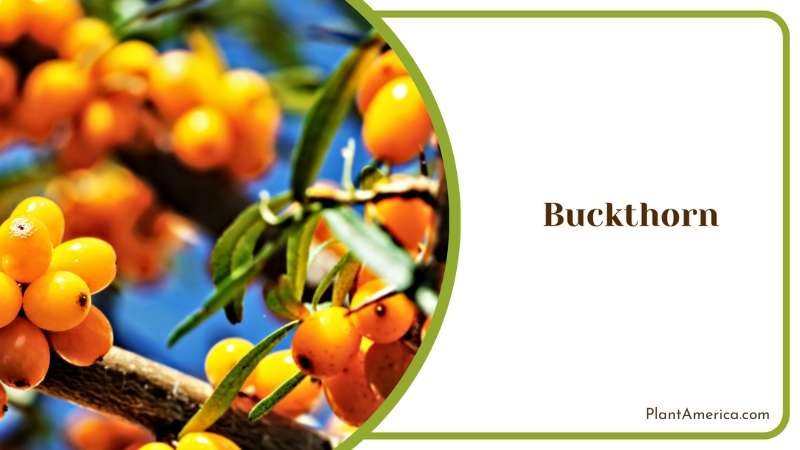
Buckthorn is prized for its dense, upright growth habit and profusion of long, sharp thorns that emerge directly from branches, reaching lengths of up to two inches. Heights of buckthorn shrubs and trees range from six to 20 feet depending on the particular species and variety. Several buckthorn types also produce clusters of edible or ornamentally attractive berries.
Caution is advised when planting buckthorn species due to their invasive tendencies in parts of North America. Once established, buckthorn can spread aggressively and displace native plant species. However, appropriate pruning and removal of seedlings helps keep buckthorn plants from becoming invasive.
Buckthorn shrubs and small trees require full sun and well-drained soil for optimal growth. While quite drought tolerant once established, supplemental water during periods of extended drought helps maintain plant health. Pruning buckthorn plants directly after flowering in early summer promotes vigorous regrowth and maximizes fruit production for the ornamental varieties. Fertilizing buckthorn annually in spring with a balanced, slow-release fertilizer boosts overall growth and health.
While some buckthorn species provide excellent barrier effects due to their sharp thorns and dense growth, their invasive tendencies limit their use in some landscapes. Regular monitoring and good horticultural practices help keep non-invasive buckthorn varieties from spreading where they are not wanted.
6. Spirea
- Growing season: Spring, Winter.
- Leaf shape: Oval, Lance-like.
- Specific needs: Full sun, Partial shade, Neutral to slightly acidic pH.
- Common pest: Leafhoppers, Spider mites.
Within the extensive genus of spirea shrubs are several selections particularly useful for establishing natural barriers or boundaries due to their thornyatures. As deciduous plants, spireas are winter hardy across the temperate zones from three to nine, reaching varying mature heights based on cultivar – some only a couple feet while others achieve eight feet or more at full size.
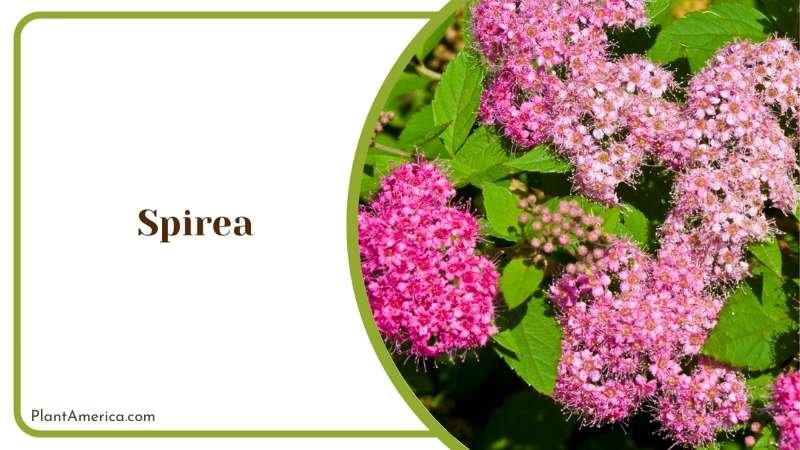
The level and type of thorn they bear also differs between spirea types, ranging from bristly or prickly protrusions to actual sharp points emerging at intervals along branches, stems, and even leaf axils. These serve to effectively dissuade unwanted animals or humans from intruding into protected areas, making spireas an excellent organic choice for non-toxic deterrence.
Beyond their barrier applications, many thorny spirea varieties offer handsome ornamental value through prolific flowering displays. Scores of small blooms in pinks, reds, whites and purples cover the bushes from spring through mid-summer, delighting visitors with their cheerful color shows. Abundant nectar and pollen rewards beneficial pollinators as well.
Come fall, decorative red or copper berried panicles persist to provide winter forage.
With their adaptability, low maintenance needs once established, and dual uses for security and floral appeal, thorny spireas make exemplary additions along property lines, foundation plantings or in confined naturalized spaces like rain gardens where a protective function is required from attractive perennials. Their bold architectural forms also lend themselves beautifully to pruning gardens.
7. Blackthorn
- Growing season: Early spring, Winter.
- Leaf shape: Alternate, Simple, Elliptical.
- Specific needs: Full sun, Partial shade.
- Common pest: Aphids, Spider mites.
The blackthorn shrub has earned its name through the formidable armor of dense, inky black thorns that dissuade intrusion along its stems and branches. In clusters reaching up to two inches in length, these wicked spines form an intimidating natural security system to keep most at bay. Capable of piercing leather boots and inflicting painful injuries, even the brambles beneath are lined with smaller thorns – ensuring those who dare to cross it will think twice.
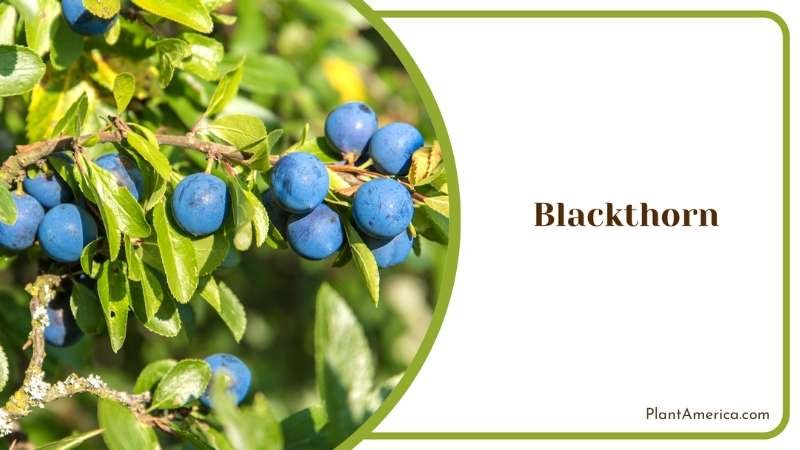
Taller cultivars can achieve heights between eight to fifteen feet at full maturity, developing a naturally sculpted rounded form of similar spread ideal for establishing impenetrable privacy screens or boundaries. Meanwhile more compact selections stay around six feet, suiting smaller gardens or foundation plantings where a protective function is desired from an ornamental addition.
Early in the spring before leaf emergence, blackthorn erupts in clusters of fragrant white blossoms lighting up drab landscapes with their floral abundance and sweet scent. When summer arrives the developing berries transform from green to rich indigo hues, providing eye-catching nested drupes appreciated by birds through late season.
Blackthorn’s natural attributes make it exceptionally well-suited to traditional hedgerow applications, defining pastures or acreages. Planted en masse along property edges, its brambly barricade deters trespassing while also hosting valuable habitat.
Cold hardy and tolerant of poor soils, it remains low maintenance once established with only periodic pruning required where space allows. An excellent choice when an unassailable organic boundary is required from an attractive dense screening shrub.
8. Nellie Stevens Holly
- Growing season: Early spring, Winter.
- Leaf shape: Glossy, Holly-like.
- Specific needs: Full sun, Partial shade.
- Common pest: Aphids, Thrips.
The Nellie Stevens holly features sharply-spined foliage and dense growth that deters intruders through physical means. The numerous leaf spines reach up to one inch long and curve upward. Heights range from four to eight feet depending on growing conditions.
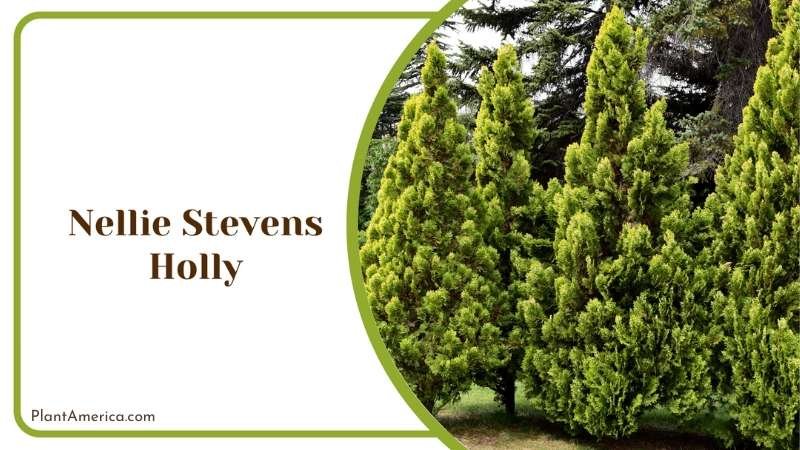
In addition to its barrier usefulness, this holly variety boasts ornamental value through its evergreen foliage and orange-red berries that persist into winter. Nellie Stevens holly is also popular for use in borders, hedges, and foundation plantings due to its density, hardiness, and low maintenance needs.
9. Meserve Holly
- Growing season: Early spring, Winter.
- Leaf shape: Glossy, Holly-like.
- Specific needs: Well-draining soil, Acidic soil, Full sun.
- Common pest: Spider mites, Beetles.
Meserve holly is a pyramid-shaped evergreen shrub growing six to 12 feet tall. It is hardy in planting zones five through eight. The foliage of Meserve holly features sharply-toothed margins and spiny tips that deter intruders through physical means. Leaf spines reach up to one inch long and curve upward.
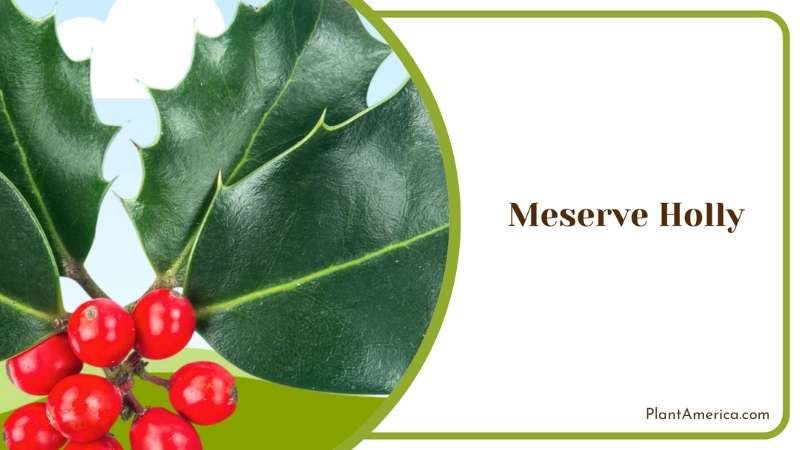
In addition to its barrier usefulness, this holly variety offers winter interest through its holly-like evergreen leaves and bright red berries that persist into colder months. Meserve holly boasts a dense, pyramidal form suited for hedges, foundation plantings, and borders where its physical barriers help reinforce property lines. Owing to its moderate size, Meserve holly is well-suited for medium-sized landscapes.
10. Inkberry
- Growing season: Early spring, Winter.
- Leaf shape: Leathery, Ovate.
- Specific needs: Full sun, Partial shade.
- Common pest: Aphids, Thrips, Spider mites.
Inkberry holly is an evergreen shrub growing three to 12 feet tall, depending on the cultivar. It is hardy in planting zones five through nine. Inkberry holly earned its name for the glossy black berries that persist into winter. However, the physical thorns on its spiny foliage also make it an effective barrier shrub.
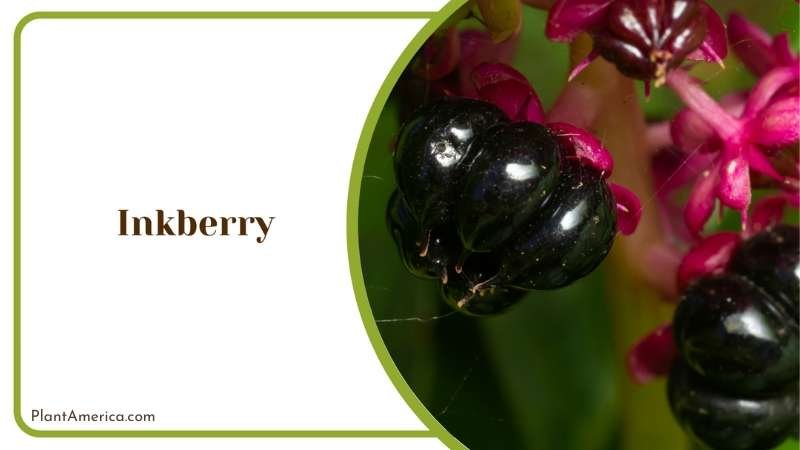
In addition to its barrier usefulness, this holly variety offers winter contrast and interest through its dark green leaves and eye-catching inkberry fruits. Inkberry holly grows well in borders, foundation plantings, groupings, or as a specimen and features densely-packed branches for privacy.
11. Russian Olive
- Growing season: Early spring, Winter.
- Leaf shape: Alternate, Pinnately compound.
- Specific needs: Full sun, Well-draining soil.
- Common pest: Aphids, Sucking insects on new growth.
Russian olive is a deciduous tree that normally grows in zones three to nine, though some varieties can tolerate colder zones. The physical characteristics that make the Russian olive effective as a thorny barrier plant also contribute to its invasive tendencies. The tree produces long, thin thorns up to two inches long along its branches, creating an effective deterrent against grazing animals and potential intruders.
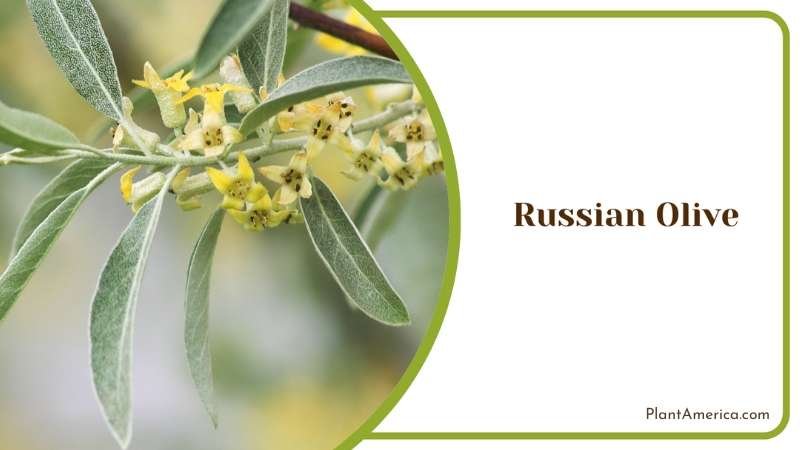
At maturity, Russian olive reaches heights between 20 and 30 feet with a similar spread. While the fragrant white flowers and purplish-black fruit provide some ornamental value, the invasive tendencies of the Russian olive limit its landscape use in some areas.
12. Cockspur Hawthorn
- Growing season: Early spring, Winter.
- Leaf shape: Alternate, Simple.
- Specific needs: Full sun, Well-draining soil.
- Common pest: Cedar hawthorn rust, Caterpillar infestations.
Cockspur hawthron is winter hardy in zones five through eight. The spiny thorns of cockspur hawthorn jut out from branches at right angles, earning this variety its common name. Thorns measure up to two inches long and grow in clusters, forming an effective deterrent against animals and people.
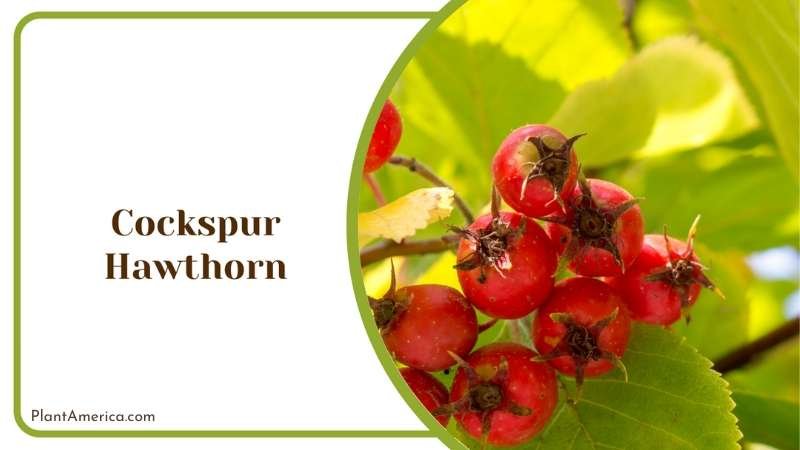
At maturity, the cockspur hawthorn develops a dense, mounded crown with upright branches. In addition to its physical barriers, this hawthorn produces aromatic white flowers in spring followed by clusters of red berries in fall that provide food for birds. Cockspur hawthorn grows well in hedges and makes an excellent barrier planting or screen.
13. Buckbrush
- Growing season: Early spring, Winter.
- Leaf shape: Alternate, Simple, Oval to oblong.
- Specific needs: Full sun, Well-drained soil, Slightly acidic soil.
- Common pest: None.
Buckbrush is an erect, deciduous shrub that generally grows in zones four through nine. Some varieties can tolerate colder zones. Buckbrush earns its name from the stout, upcurved thorns that cover its stems and branches, resembling antlers. Thorns measure up to two inches long, creating an effective barrier plant. Buckbrush typically reaches heights between three to eight feet at maturity depending on species and variety. The dense, coarse-textured foliage also contributes to the shrub’s barrier qualities.

In addition to preventing intruders, many buckbrush varieties produce showy flowers in spring and summer that range in color from white to pink to purple. Buckbrush is well-suited for barrier plantings, hedges, mass plantings, and as a wildlife cover crop and habitat.
14. Winterberry
- Growing season: Early spring, Winter.
- Leaf shape: Alternate, Elliptical to oval.
- Specific needs: Moist, Acidic soil, Full sun.
- Common pest: Aphids, Webworms, Powdery mildew.
Winterberry is a multi-stemmed, deciduous shrub that grows three to 12 feet tall. It is native to the eastern U.S. and hardy in zones three to nine. The thorns and thorny branches of winterberry make this shrub an effective barrier plant, helping to delineate and protect spaces. Thorns reach up to one inch long and branch densely from stems, deterring animals and potential intruders.
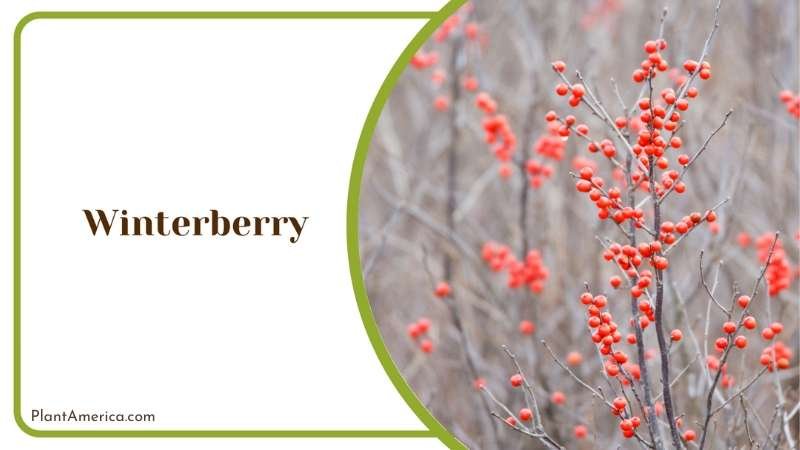
In addition to its physical barriers, winterberry offers winter interest through clusters of bright red berries that persist into colder months. Mature sizes range from six to 20+ feet depending on species and cultivar. Winterberry grows well in groupings, along borders, as a screen, or in naturalized areas where its berries provide food for birds and wildlife.
15. Ninebark
- Growing season: Early spring, Winter.
- Leaf shape: Oval to rounded, Toothed edges.
- Specific needs: Full sun, Well-draining soil, Slightly acidic soil.
- Common pest: Aphids, Spider mites.
Ninebark is a deciduous shrub growing three to nine feet tall and wide. It is winter hardy in zones two through eight, depending on the variety. The thorny branches and stems of many ninebark varieties make them effective as barrier shrubs. Thorns range in size from small prickles to sharp points measuring around one inch long. At maturity, average ninebark heights range from three to eight feet depending on the variety.
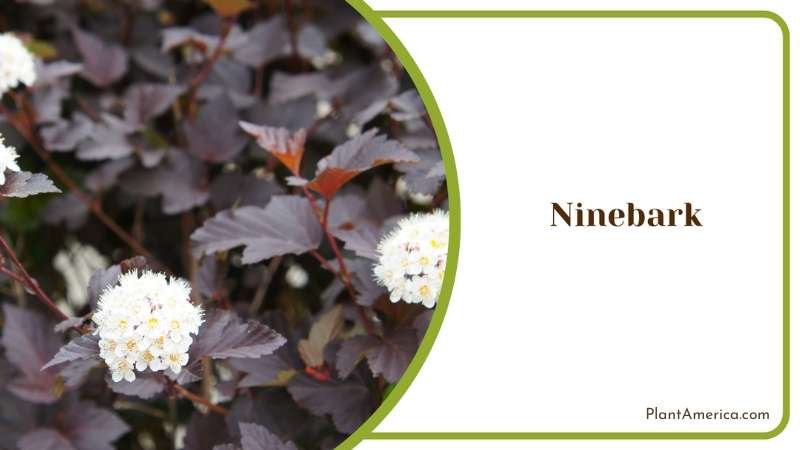
In addition to its physical deterrent qualities, ninebark produces showy spring or summer flowers followed by interesting peeling bark in winter that further contributes to interest. Ninebark grows well in hedges, foundation plantings, groupings, and other contained areas where its thorns help deter foot traffic and wildlife.
16. English Yew
- Growing season: Early spring, Winter.
- Leaf shape: Flat, Dark green.
- Specific needs: Full sun to light shade, Well-draining, Acidic soil.
- Common pest: Spider mites, Yew shoot gall mites.
English yew is an evergreen coniferous shrub or small tree growing into an irregular shape. It is winter hardy in zones five through six. The branches and twigs of English yew are covered with sharp, woody thorns that act as a deterrent against intruders.
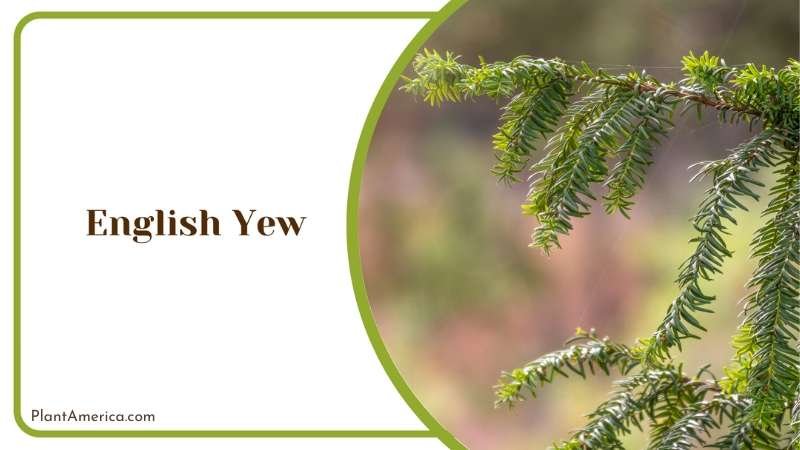
Thorns grow directly from wood and reach up to one inch long. At maturity, English yew typically forms an irregular, broad-rounded shape between 10 and 20 feet tall and wide. In addition to its barrier qualities, English yew offers winter interest through its needles, plus ornamental value from red berry-like structures that form along female plants.
The dense growth habit and thorns allow English yew to function as a screen, barrier planting, and informal hedge. Caution is advised, however, as all yew parts are poisonous.
17. Oregon Grape Holly
- Growing season: Early spring, Winter.
- Leaf shape: Leathery, Spiny holly-like leaves.
- Specific needs: Well-draining soil, Acidic soils, Full sun.
- Common pest: Thrips, Spider mites.
Oregon grape holly is an evergreen shrub native to the Pacific Northwest. Hardy from zones six through nine, retains foliage year-round. The sharp spines on the foliage of Oregon grape holly make it effective for barrier purposes.
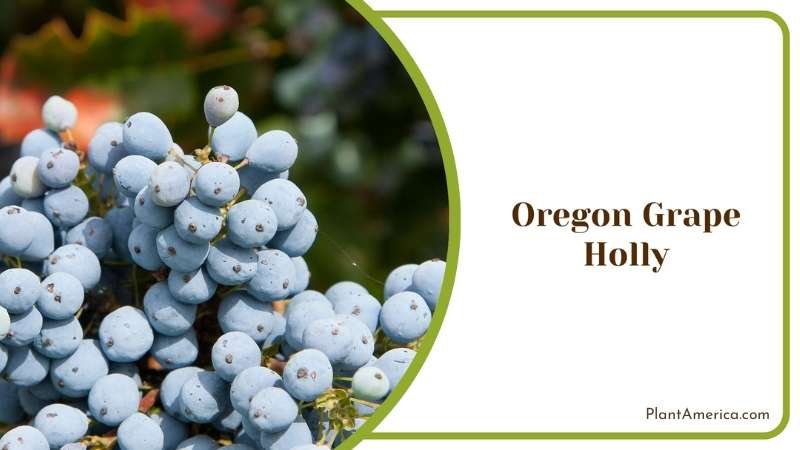
Leaf edges contain spines that curve inward and extend up to half an inch, deterring browsing animals and potential intruders. Oregon grape holly usually grows three to six feet tall and as wide as the spreading habit allows.
In addition to its thorny barrier qualities, this holly produces yellow flowers in spring followed by clusters of blue-black berries that persist into winter. Oregon grape holly grows well in borders, hedges, mass plantings, and other situations where its thorns can reinforce property lines and enclosure.
18. Chinese Holly
- Growing season: Early spring, Winter.
- Leaf shape: Leathery, Holly-like.
- Specific needs: Well-draining soil, Acidic soil, Full sun to partial shade.
- Common pest: Aphids, Spider mites.
Chinese holly is an evergreen shrub or small tree with dense foliage. Hardy in zones six to nine, it retains leaves year-round. The sharp spines that fringe and tip Chinese holly leaves make it a good barrier plant. Leaf edges contain spines that extend upward as much as half an inch, deterring browsing animals and potential intruders.
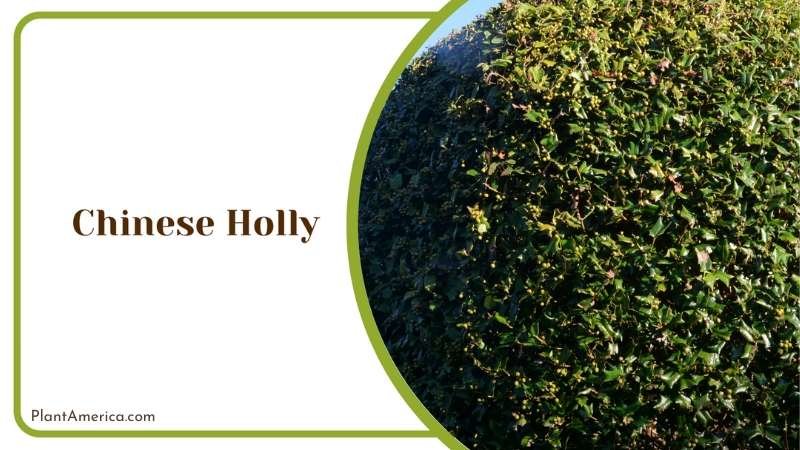
At maturity, Chinese holly typically forms a dense, rounded shape between eight to 20 feet tall and wide. In addition to its thorny foliage, this holly produces clusters of showy red berries that persist into winter.
Chinese holly can be transplanted in hedges, mass plantings, borders, and foundation beds where its physical barriers reinforce property lines and help contain spaces. Its multi-use properties and ornamental characteristics make the Chinese holly a valuable landscape plant.