
Mealybugs on Roots is an unwelcome sight for any passionate gardener, turning the joy of cultivation into a frustrating battle against these pesky invaders. We all know that when roots don’t perform their function, there is a risk of plant death.
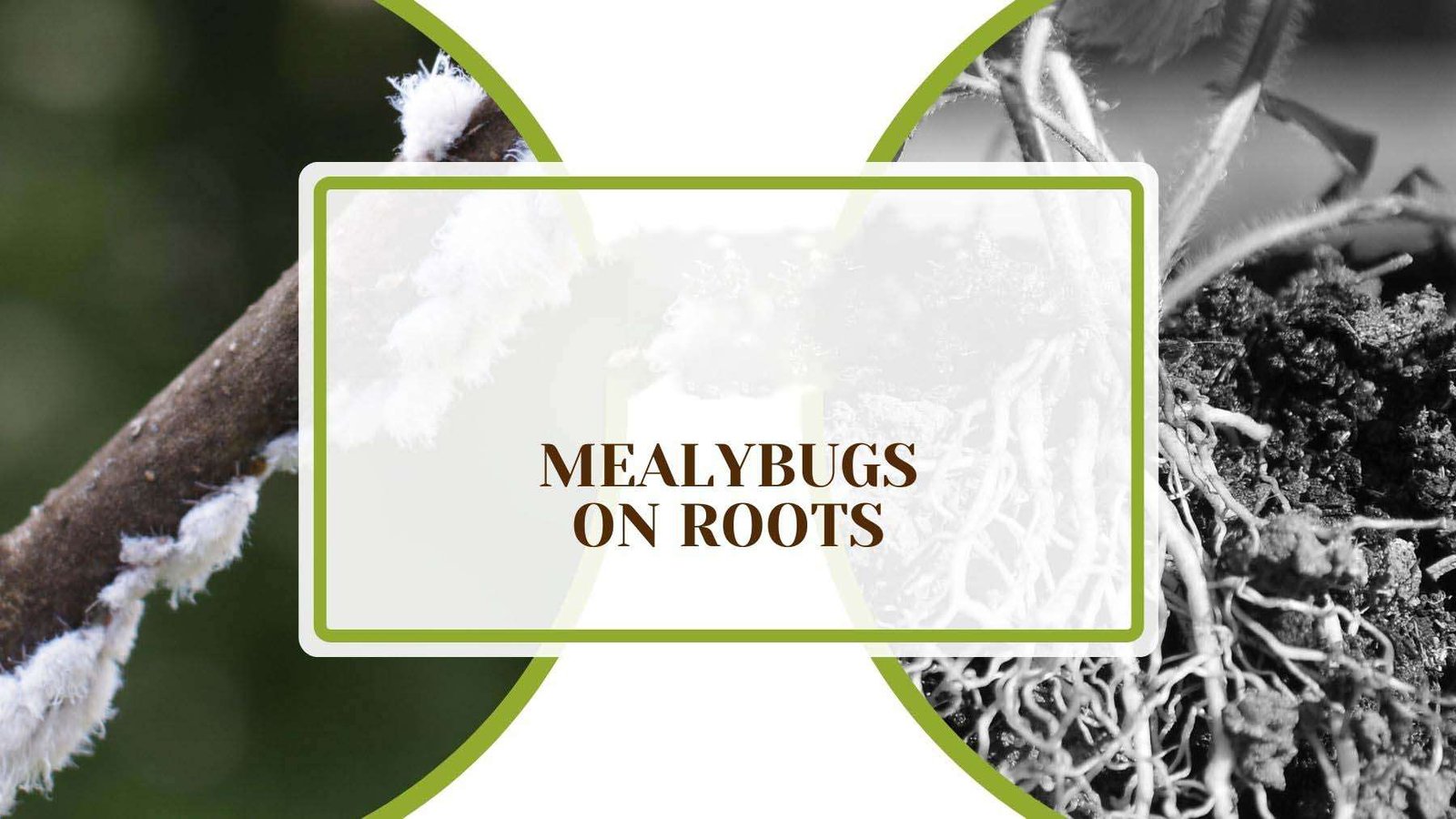
No need to stress; let’s dig into the problem of infestations and how to save your plants from mealybugs.
Why Do Root Mealybugs Come and Attack Plants?
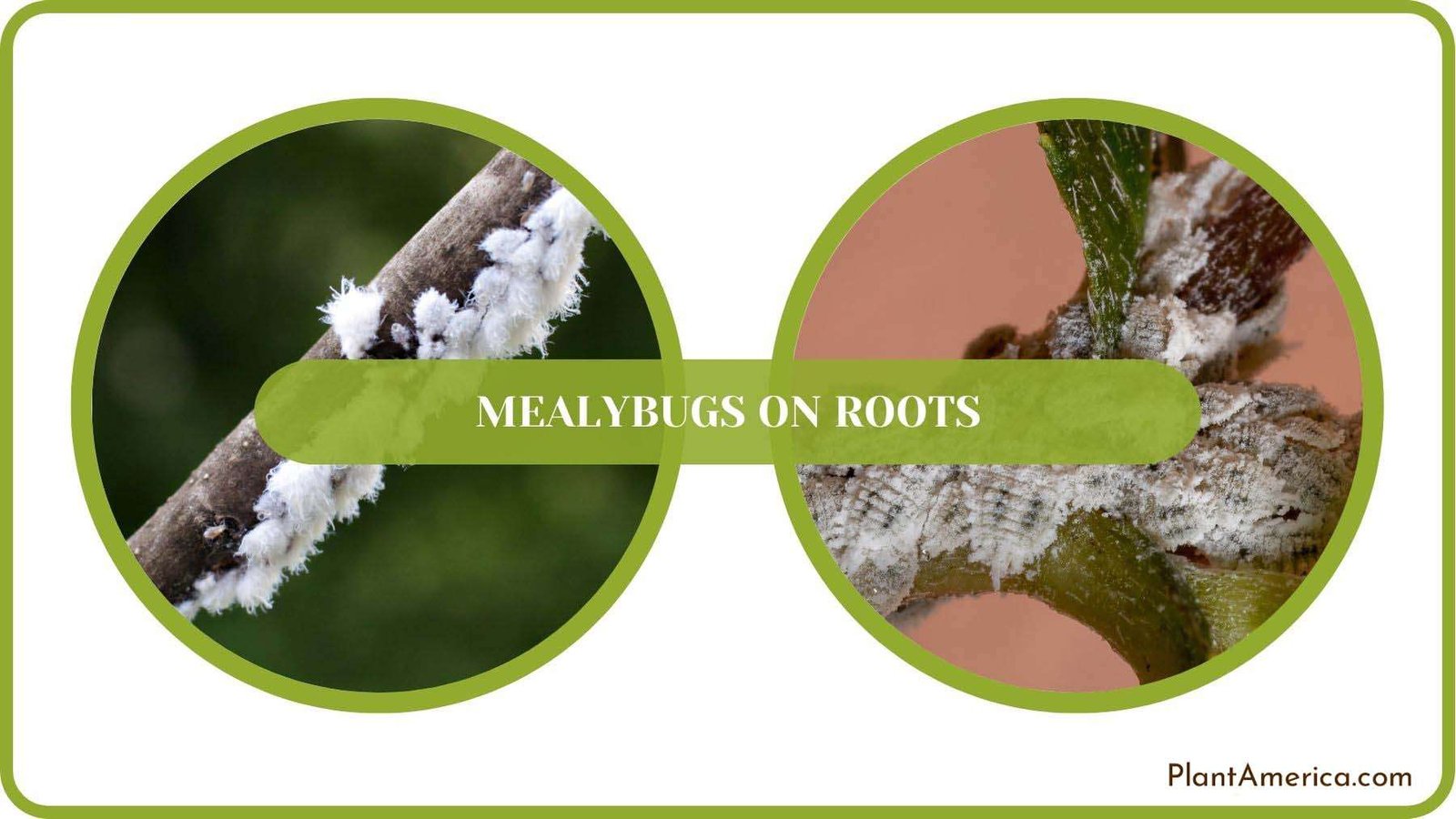
Root mealybugs come and attack plants from different places, like cracks in pots, dirty tools, or too wet soil. They get into plants through the roots and cause harm by sucking on plant sap. The infestation often goes unnoticed until significant damage is done due to their below-soil activities.
– Cracks on Pots
One potential starting point for a mealybug infestation is surprisingly common: cracks on pots. These gaps have a rough texture and hidden nooks. Mealybugs love hard-to-reach spaces because it keeps them safe from the weather. When a plant is placed into a cracked pot, the mealybugs can quickly move in, start feeding, and begin their damaging work.
– Usage of Infected Tools
Another source of the mealybug attacks is contaminated gardening tools. They can easily move from one plant to another by catching a lift on pruning shears, shovels, or trowels. Insects can stick to your shears if you’re pruning a plant infested with mealybugs.
Later, when you use the same shears on a healthy plant, you could inadvertently introduce the mealybugs to a new environment where they can thrive. Always clean your gardening tools after using them on any plants. If you sterilize them before using them again, then it would be icing on the cake.

– Keeping the Soil Moist
Mealybugs are drawn to moist environments. So, if you overwater your plant, it is more likely to become infected. When the soil is damp, it provides the water these pest needs for survival, while the roots supply the food.
Not just that, overwatering can stress the plant, making it more sensitive to insect infestations. A stressed plant becomes an easy target for mealybugs to feed on its roots without much difficulty.
If your plants’ roots get infested by these bugs, immediately take timely action to get rid of them.
How To Get Rid of Mealybugs From Roots? 7 Ways!
To get rid of mealybugs from roots, start by taking a multi-pronged approach, and changing the infested soil. Then consider warm water dips, the application of neem oil, and sprinkling diatomaceous earth around your plants. For stubborn infestations, you can use hydrogen peroxide drenches, sticky barriers, and pesticides.
– Replace the Infested Soil and Clean the Pot
The first step in combating mealybugs is to isolate the infested plant and change the soil. Pest management is mainly about minimizing the area of infestation and eradicating it. In this case, you’re dealing with mealybugs, meaning the entire potting soil is their playground.
To begin, carefully unpot the plant and remove as much infested soil as possible from the roots. After removing the plant, you’ll need to discard the infested soil. Please don’t use it for compost or as a top layer for other pots. Mealybugs can spread quickly and cause another outbreak. It’s safer to throw it away in a sealed bag.
The next step is to clean the pot. Scrub the inside and outside of the pot with hot soapy water/insecticidal soap, making sure to get into any crevices where bugs might be hiding. Rinse thoroughly, then let it dry in the sun, which will also help to kill any remaining pests.
Once the pot is clean, you can repot your plant with fresh, sterile soil. Please check your plant’s requirements first before purchasing a soil. If you plant likes moisture, then it is better to get clay soils. If it prefers dryness, then get a sandy soil or a mix of sandy-clay soil, as they don’t retain much moisture.
Before repotting, you should also check the roots. If there is any sign of insect attack, trim the roots or apply insecticide before repotting them. Be sure to choose a product labeled safe for the particular plant you’re treating.

– Warm Water Dips Method
Another tried-and-true method for removing mealybugs from roots is using hot water dips. The heated water can effectively kill mealybugs. But this method should be done with extra care.
The idea is simple – you dip the plant’s roots in water for a long time. Here you have to be careful with the temperature of the water. It should be hot enough to kill mealybugs but not so hot to damage the plant itself.
A safe temperature is typically around 120 degrees Fahrenheit. The water is hot enough to kill the mealybugs at this temperature but generally cool enough not to harm the roots.
Before dipping the roots, remove as much soil as you can. Then, immerse the roots in the heated water for about 10 minutes. This duration will be enough to kill off the bugs.
Once you’ve completed the dip, rinse the roots under cold water. Doing this will cool them down and wash off any dead bugs. After the rinse, let the roots air dry before repotting the plant in fresh soil.
– Apply Neem Oil/Horticultural Oil Drench
Neem oil is the most effective natural remedy against mealy bugs. It has a natural ability to repel pests.
When dealing with an infestation, neem oil can be used as a soil drench – a potent remedy that tackles the bugs right at their source.
However, getting the right neem oil is critical. We suggest Bonide neem oil concentrate, Monterey neem oil 70% concentrate, southern ag triple action neem oil, and safer neem oil.
- Mix two tablespoons of neem seed oil with a gallon of water to prepare the neem oil drench.
- Stir the mixture until it’s thoroughly combined.
- Now, it’s time to apply it. Drench the soil with this mixture, ensuring that it penetrates deep into the root zone where the mealybugs reside.
The mealybugs’ lives are disrupted by the neem oil, which prevents them from maturing and reproducing. We suggest applying the neem oil drench every week for about a month. This period should be sufficient to handle most infestations. If you still notice signs of mealybugs after this time, continue the treatment until they are completely eradicated.
Remember that neem oil can harm beneficial insects, so use it sparingly and only when necessary. Using Neem oil can be very effective against mealybugs, but it’s important not to go overboard with it, as it can disrupt the PH of the plant if used excessively.
– Sprinkle Diatomaceous Earth Near the Roots
Another effective remedy against mealybugs is diatomaceous earth. It is an organic powder that fights against pests like mealybugs. Unlike harmful chemicals, it won’t harm your plants. When Diatomaceous Earth is applied to areas infested with mealybugs or other pests, its particles come into contact with the insects’ bodies.
The tiny, sharp particles of Diatomaceous Earth easily penetrate the mealybugs’ exoskeleton (outer covering)- which can kill the mealybugs easily.
To use diatomaceous earth, simply sprinkle it around the base of the infested plant. Make sure the powder comes into direct contact with the mealybugs to be most effective. Therefore, you might need to slightly disturb the soil around the base of the plant to ensure the diatomaceous earth penetrates to where the bugs are.
Remember that diatomaceous earth is effective when dry. If it gets wet, it loses its sharpness and, consequently, its effectiveness. Therefore, it’s best applied during dry weather.
– Go For Hydrogen Peroxide Drench
When we spray hydrogen peroxide on the infested plants, it releases oxygen molecules. These oxygen molecules smother the mealybugs and cut off their air supply. Without air to breathe, the pests can’t survive.

Its efficiency is particularly noticeable when dealing with root mealybugs Hoya plants.
What you need to do is mix hydrogen peroxide with water. A typical ratio is one part hydrogen peroxide to four parts water. Once your mixture is ready, apply it as a soil drench, similar to the neem oil application we discussed earlier.
Not just that, hydrogen peroxide releases oxygen in the air when it comes into contact with the soil. This extra oxygen can kill the mealybugs and their eggs by suffocating them. The added oxygen of hydrogen peroxide benefits the roots of the plant.
In addition to its use as a drench, hydrogen peroxide can be considered part of a broader biological control strategy, along with root mealybug predators like ladybugs, lacewings, and certain parasitic wasps. These insects prey on mealybugs and kill them.
– Try Sticky Barriers
Sticky barriers serve a dual purpose: to prevent mealybugs from moving onto the plant and trap those trying to leave the soil.
To use a sticky barrier, you’ll need to apply it around the base of the plant and on the pot’s sides. Any mealybugs trying to climb onto the plant or escape the soil will get stuck in the sticky material, halting their progress and interrupting the root mealybug life cycle.
However, they require regular checks and cleaning, as they can lose their effectiveness once they’re covered in bugs.
– Choose Imidacloprid Root Mealybugs Treatment
If you’ve tried the above methods and are still struggling with an infestation, consider using pesticides. A systemic insecticide for root mealybugs (imidacloprid) can be a good option. When you apply a systemic insecticide, it is absorbed by the plant and transferred throughout its system, protecting the inside out.
But remember, pesticides should always be the last option. Also, use them responsibly by following the label instructions for safe and effective use. In addition, don’t go to that spot where you apply pesticides for at least 24 hours. It is because there might be chemical fumes in the air, which can cause lung problems for you.
We also suggest applying chemical treatments in those areas where there is proper ventilation. It will protect your plants and keep you safe from the pesticide residues.
Conclusion
In-inclusive, mealybugs on roots can be a challenge, causing significant damage if not addressed. We have some effective strategies to cope with mealybugs and other harmful insects. In tackling mealybugs, we recommend you:
- Start the management by changing the infested soil, effectively removing the immediate source of the infestation.
- Consider using water dips to kill off mealybugs on the plant roots.
- Apply natural remedies such as a neem oil drench and diatomaceous earth to target pests without harming your plants.
- Employ hydrogen peroxide as a soil drench, and create sticky barriers to prevent future infestations.
- Resort to root mealybugs pesticides, like systemic insecticides, as a last resort when other methods are ineffective.
Follow these strategies mentioned above to get rid of mealybugs. Remember- it’s an ongoing process that will help ensure the health of your plants’ roots.