
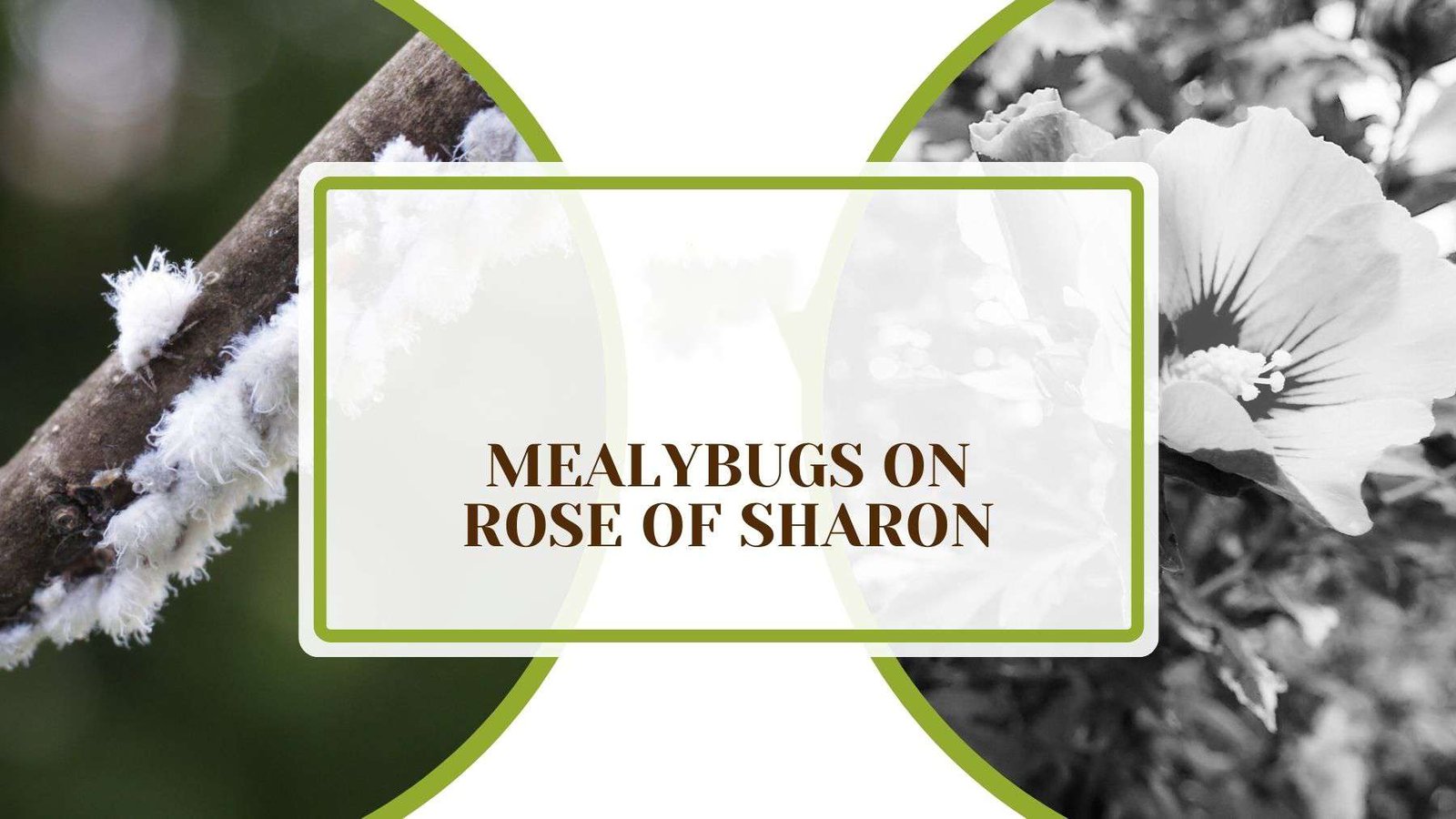
Mealybugs on Rose of Sharon is a garden mystery that many of us have encountered. What starts as a small problem can soon overtake your beautiful blooms, leaving them weak and lifeless.
But don’t let these tiny bugs steal the show! We have some effective solutions to cope with this issue. Read on to find the answers to all your questions!
What Damage Do Mealybugs Cause on the Rose of Sharon?
Mealybugs cause damage to the Rose of Sharon by drinking sap. This feeding makes leaves change color and wilt. They also leave behind sticky residue that makes mold and brings in other pests. That means not just your Rose of Sharon gets destroyed but can damage all the nearby plants.

– Look for a Powdery Thing
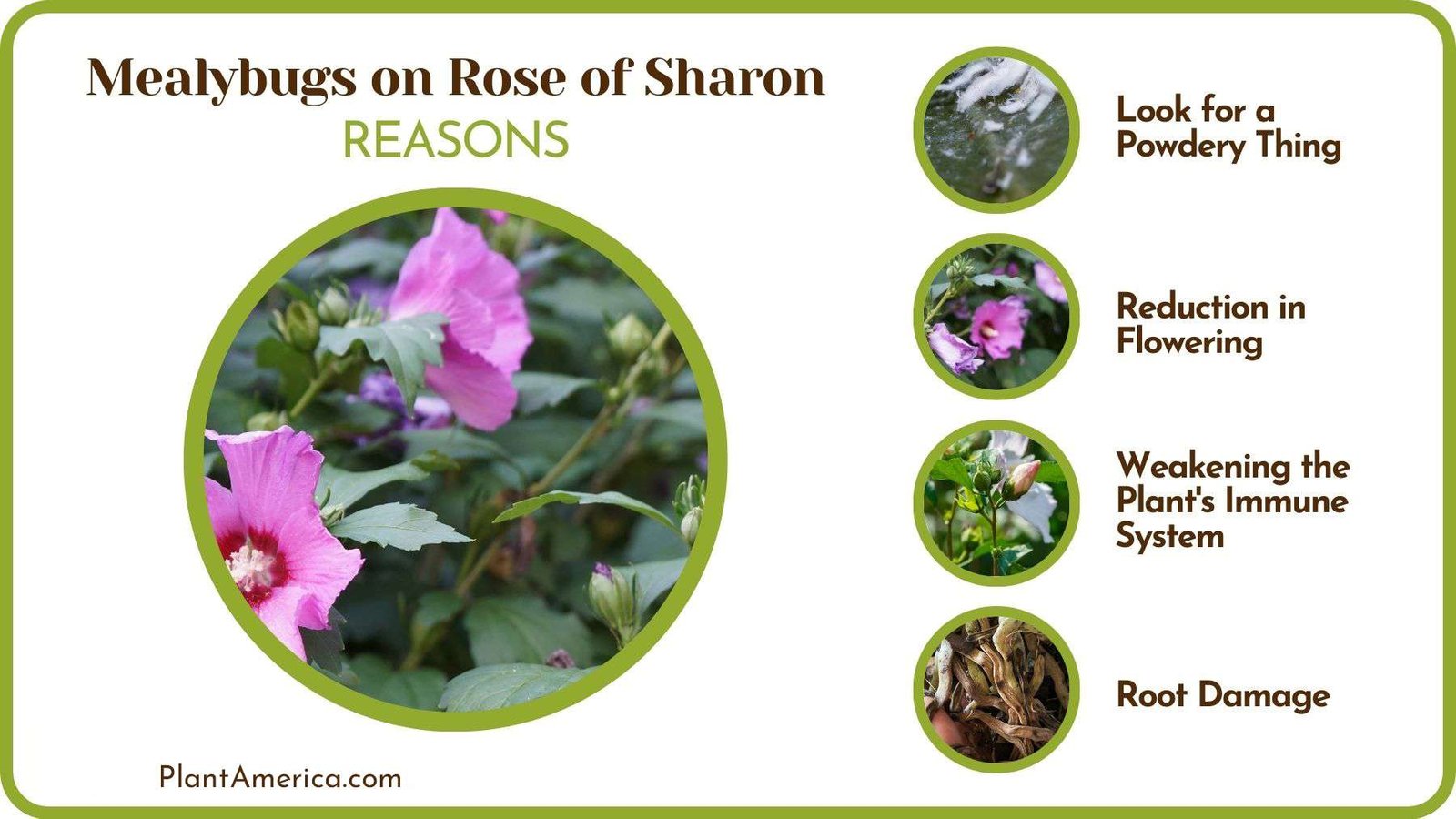
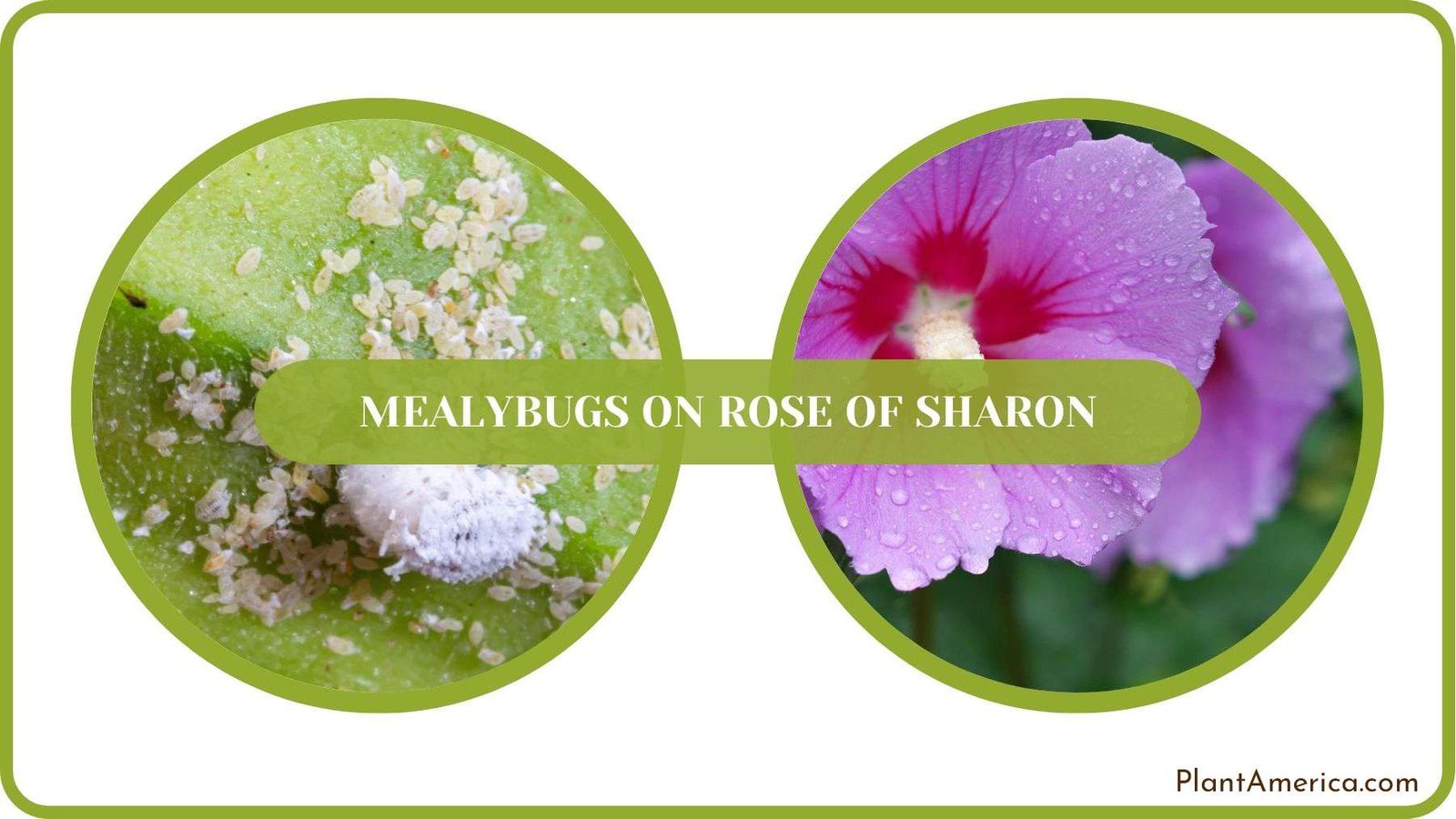
One of the first and most obvious signs of mealybugs on the Rose of Sharon is the appearance of a powdery, white substance on the leaves and stems.
This substance is a sticky secretion called honeydew, which mealybugs produce as they feed on the plant’s juices. The honeydew itself isn’t dangerous, but it indicates that the bugs are present and feasting on your plant.
After a while, this powdery stuff becomes a place where mold grows, making the plant look dark and unhealthy.
– Stunted Growth and Deformed Leaves
Mealybugs don’t just settle on the surface of the Rose of Sharon; they burrow into the plant, sucking the essential nutrients from it. This feeding frenzy leads to some severe consequences:
- Slow Growth: By depriving the plant of vital nutrients, mealybugs can cause the Rose of Sharon to grow more slowly. The plant may look weak, with pale leaves. They also lack the lush green appearance you’d expect from a healthy shrub.
- Deformed Leaves: As the bugs continue to feed, the leaves of the Rose of Sharon may begin to curl and twist. It’s a clear sign that the plant is struggling to survive.
– Reduction in Flowering
The Rose of Sharon is famous for its pretty, big flowers that show up in the late summer. Mealybugs can rob the plant of this beauty. While mealybugs keep eating, the plant can’t make as many flowers. So, you end up with fewer blooms and a less colorful garden.
– Weakening the Plant’s Immune System
Mealybugs are not just on the surface – they can also mess up the plant’s natural defense system. When they eat, they put toxins in the plant that can damage the plant for a long time. This makes the Rose of Sharon more likely to get sick from other things, and it makes the plant’s health go downhill.
– Root Damage
Mealybugs chomp on the roots, making them weak and shriveled. Once the decay sets in, it can be challenging to save the Rose of Sharon. Unfortunately, mealybugs can quickly move from one plant to another, especially if they are close. This will affect multiple plants in your garden.
By weakening or killing off the Rose of Sharon, mealybugs can create an imbalance in your garden’s ecosystem. Other plants may overgrow to fill the void, leading to an uneven and unattractive garden layout.
How To Eradicate Mealybugs on the Rose of Sharon?
To eradicate mealybugs on the Rose of Sharon, start by pruning out light infestations, releasing predatory bugs, and applying soap solutions directly on the plants. Alcohol wipes, garlic spray, reflective mulch, and pyrethrin insecticides can also quickly wipe out the bug population.
– Prune Out If Infestation is Light
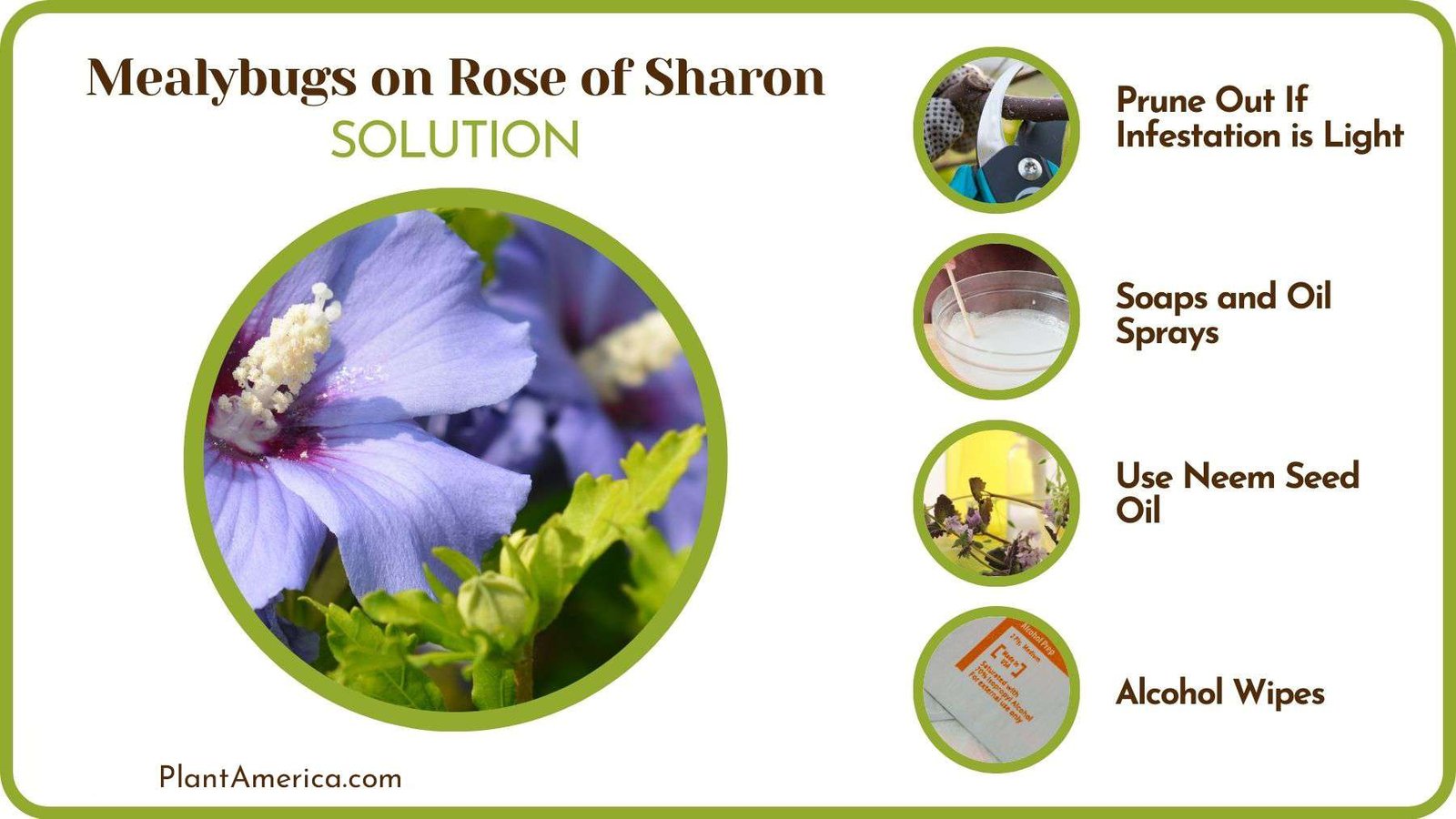
Pruning can be an effective and immediate solution when dealing with a light infestation of mealybugs on your Rose of Sharon. This way involves cutting off the plant’s parts with a problem, so you have to be careful. Here’s how to do it right:
- Identify the Infested Areas: Look closely at your Rose of Sharon, particularly the undersides of leaves and hidden crevices. Mealybugs love to hide, so be thorough in your examination.
- Use Clean, Sharp Tools: Ensure your pruning shears are sharp and clean before cutting. You can clean them with alcohol to ensure they have no contaminants on them.
- Cut With Precision: When you find a lightly infested area, carefully cut it away, removing the entire infested section. It’s essential to be precise and not leave any part of the infestation behind.
- Dispose of the Infested Material Properly: Don’t just throw the cuttings on the ground; that could spread the infestation. Bag them up and dispose of them properly.
- Clean Your Tools Again: After you’ve finished pruning, clean your tools again with alcohol. This ensures that you don’t accidentally spread the mealybugs to other plants.
Pruning out light infestations is an excellent first step, particularly when dealing with a small number of mealybugs. You can do it fast and don’t need any chemicals or special stuff.
– Soaps and Oil Sprays
Turning to soaps and oil sprays can be an effective strategy when the infestation is more substantial or when you want to be sure you’ve eradicated every last mealybug. Here’s how to utilize these tools in the fight against mealybugs on your Rose of Sharon:
- Use the Right Soap: Specially formulated soaps are designed to combat mealybugs. Insect-killing soap is good at getting rid of pests without hurting your plants.
- Prepare the Spray: Follow the instructions on the packaging to mix the insecticidal soap with water. Getting the proportions right is crucial, as too strong a mixture can harm the plant, and too weak a mixture may not be effective.
- Apply Thoroughly: Using a spray bottle or garden sprayer, apply the mixture to the Rose of Sharon, paying particular attention to the areas where you’ve noticed the mealybugs. The undersides of leaves and hidden crevices are common hiding spots.
- Oil Sprays: If the mealybugs don’t quit, you could use oil sprays. These sprays can choke the bugs and work great with insecticidal soaps for the best results.
- Do It Again If Needed: You should do this more than once to eliminate all bugs. Follow the instructions closely, and don’t use more than is recommended.
– Use Neem Seed Oil
Neem oil disrupts the life cycle of pests like mealybugs, hindering their ability to feed, mate, and lay eggs. It’s a slow-acting solution but very effective over time.
- Get Quality Neem Seed Oil: Look for a high-quality, pure neem seed oil product. Ensure it is designed for garden use and is free of any additives that might harm your plants.
- Prepare the Solution: Mix the neem seed oil with mild soap and water, following the instructions on the bottle. The soap makes the oil mix better with water by turning it into a smooth mixture.
- Spray the Affected Areas: Use a spray bottle to apply the solution generously on the affected parts of your Rose of Sharon. Focus on both the tops and undersides of leaves where mealybugs usually hide.
Monitor the infestation, and repeat the treatment weekly or bi-weekly as needed. Neem seed oil is gentle on plants but persistent in its action against pests.
Neem oil can be sensitive to sunlight, so it’s often best to apply it in the early morning or late afternoon to prevent any potential damage to the leaves.
– Alcohol Wipes
Sometimes, simplicity is the key, and that’s where alcohol wipes come into play. A straightforward and highly effective method, using alcohol wipes can be a game-changer when it comes to fighting off those persistent white bugs on hibiscus buds or your precious Rose of Sharon.
Here’s how you can make the most of this technique:
- Choose the Right Alcohol: For this method, rubbing alcohol is preferred. It’s strong enough to kill the mealybugs without damaging the plant.
- Prepare Your Wipes: You can purchase pre-made alcohol wipes or create your own by soaking a clean cloth in alcohol.
- Identify the Target Areas: Look for the clusters of mealybugs, paying close attention to the undersides of leaves and the joints where leaves meet stems.
- Wipe Gently but Firmly: Using the alcohol-soaked cloth, gently but firmly wipe the areas infested with mealybugs. The alcohol will kill these white and black bugs on the Rose of Sharon without harming the plant.
- Don’t Forget the Hidden Spots: Mealybugs are experts at hiding. Check crevices, joints, and undersides, and apply thoroughly.
Keep an eye on the plant for a few weeks to ensure no new mealybugs appear. Repeat the wiping process if necessary.
– Garlic Spray
For those dealing with white bugs on hibiscus plants, a garlic spray might be the solution you’ve been seeking. Here’s how you can create and use this fragrant remedy:

- Prepare the Garlic: Take a few cloves of garlic and crush or mince them. The pungent odor of garlic will repel the pests, so you want to release as much of that aroma as possible.
- Create the Infusion: Place the crushed garlic in a jar with two cups of boiling water. Allow it to steep overnight, infusing the water with the garlic’s essence.
- Strain the Mixture: In the morning, strain the mixture to remove the solid garlic pieces, leaving only the infused water.
- Add Some Soap: Mixing in a few drops of liquid soap will help the spray adhere to the plant’s surface, making it more effective.
After this, fill a spray bottle with the garlic infusion and spray the affected areas of your hibiscus plant, focusing on where you’ve seen the white bugs.
The beauty of garlic spray is that it’s a natural and effective mealybug on hibiscus treatment. It helps you deal with pests without chemicals, which is how nature works.
– Get Help from Good Bugs
Everything is linked in the natural world, and when battling garden pests, you’ve got some surprising friends. Beneficial bugs are enemies of many annoying garden bugs, and they can be a massive help in keeping your Rose of Sharon happy and mealybug-free. Here’s how you can put these helpful bugs to work:
- Identify the Right Insects: Ladybugs, lacewings, and predatory beetles are among the insects that prey on mealybugs and other pests. Knowing which insects are beneficial for your particular problem is the first step.
- Create a Welcoming Environment: Planting flowers that attract these insects and providing shelters can help establish a population of predatory insects in your garden.
- Avoid Harmful Pesticides: Using natural solutions like diatomaceous earth can be a way to target pests without harming your helpful bug allies.
- Consider Purchasing Beneficial Predatory Insects: Some garden centers and online retailers sell beneficial insects like ladybugs that you can release into your garden.
– Reflective Mulch
Reflective mulch is an effective way to handle pests in your garden, especially for people thinking about how to get rid of bugs on Rose of Sharon. This way uses the shine of special stuff to mess up and scare pests.
Let’s delve into how you can utilize reflective mulch:
- Choose the Right Material: Reflective mulches are often made of silver or metallic-colored plastic. They are designed to reflect light in a way that disorients insects.
- Prepare the Ground: Before laying the mulch, clear the area of debris and weeds. You want the reflective mulch to have good contact with the soil.
- Lay the Mulch: Apply the reflective mulch around the base of your Rose of Sharon, making sure to cover the soil thoroughly. The reflective surface should face upwards.
- Monitor Its Effectiveness: Monitor the plants to see how the bugs respond. You should notice a decrease in the presence of pests over time.
- Consider the Environmental Impact: Even though reflective mulch can work well, it’s good to consider how it affects the environment.
For the best results, reflective mulch can be used with other pest control methods, offering a comprehensive approach to handling the problem.
– Pyrethrin Insecticides
Pyrethrins attack the nervous system of insects, quickly incapacitating them. They are biodegradable and usually break down within a day or two, reducing their environmental impact.
- Choose the Right Product: Many commercial insecticides contain pyrethrins. Look for one that specifically targets the pests you are dealing with.
- Follow the Instructions Carefully: Each product will have specific instructions regarding concentration, application method, and timing.
- Monitor the Effects: As with any treatment, observing how the plants and pests respond is essential. Adjust your approach as needed based on what you see.
Pyrethrin insecticides provide a potent yet natural way to combat garden pests. By understanding how they work and using them responsibly, you can harness their power to protect your Rose of Sharon without harming the broader ecosystem.
Conclusion
In-inclusive, getting rid of mealybugs on the Rose of Sharon requires effort, but you can do it. Here are the essential steps to keep your garden flourishing:
- Combine Methods: Use techniques like pruning, soaps, oils, and alcohol wipes to target the problem effectively.
- Embrace Eco-Friendly Solutions: Opt for environmentally responsible options like neem seed oil, reflective mulch, and beneficial insects.
- Monitor and Adapt: Regularly check your plants and adjust your strategies as necessary to respond to changing conditions.
- Focus on Overall Health: Aim for a balanced garden ecosystem, not just a quick fix for the pests.
It’s that easy to create a thriving garden free from mealybugs.