
Mealybugs on string of hearts of the Apocynaceae family is an alarming problem that might chill any plant lover’s spine. These white pests are almost invisible to the naked eye, but they can devastate your beloved Ceropegia genus plants before you even notice them. Luckily, like any other plant-related problem, there are solutions to cope with this one too. So, without any further ado, let’s confront this pest to regain our plant’s health.
What Causes Mealybugs on String of Hearts? (Main Reasons)
Mealybugs on strings of hearts are caused by an attraction to their sweet sap and the warm, dry indoor conditions these String plants often inhabit. Overwatering and poor ventilation can contribute to infestations as well. Moreover, the pests also usually spread when gardeners propagate an infected plant.
– Spreading of Mealybugs Through Cuttings
It’s common knowledge among plant enthusiasts that stem cuttings are a popular way to propagate strings of hearts or ceropegia woodii. Believe it or not, this method can also be a source for mealybug infestations.
If an infected plant is used for cuttings, the mealybugs, and their eggs hidden on the plant, can easily be transferred to the new growth. This means that you should not transplant it while having a mealybug infestation.
– Inadequate Inspection Leading to Infestation
Many plant lovers may not realize that their newly bought string of hearts already carries these pests. The plants, known by their common names like rosary vine and sweetheart vine, are often infested when you bring new plants from outside.
It means the nurseries or stores haven’t correctly inspected or treated them. As the string of hearts is a favored hangout for mealybugs, this could easily result in an infestation in your home or greenhouse.
– Leaves Getting Yellow and Curling: Signs of Infestation
Mealybugs feed on the sap of plants. The signs of their feeding habits are leaves turning yellow and wilting. Sometimes, leaves curling also indicates insects attack.
So, if you’ve noticed these signs, it means mealybugs may have taken up residence. Unfortunately, these pests can invade your every string of heart or Ceropegia woodii without being detected until they’ve caused noticeable damage.
– Temperature Fluctuation Promotes Mealybug Growth
Mealybugs can survive in a wide temperature range, but ceropegia woodii prefers warm temperatures (which is mealybugs’ favorite one). If the climate is too cozy for them, say within the 60 to 90 degree Fahrenheit range, it can encourage a rapid multiplication of the mealybug population.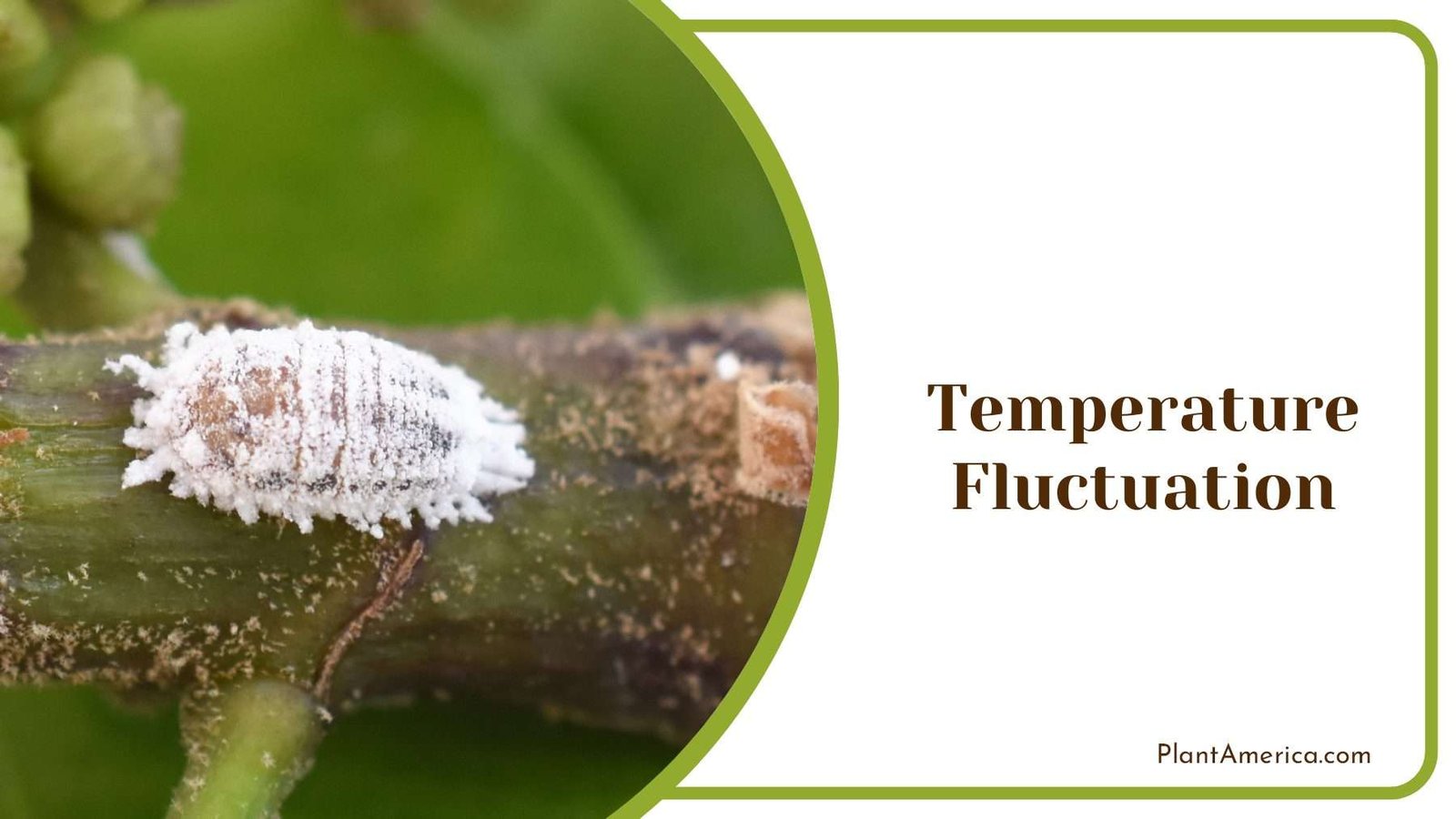
– Overwatering and High Humidity
While not directly linked to mealybugs’ appearance, overwatering and high humidity levels can make the string of hearts more vulnerable to mealybug infestations. As a result, the defense mechanism of the plant gets weak, and it becomes an easy target for mealybugs.
Not just that, the high humidity makes a favorable environment for mealybugs to reproduce more quickly.
How To Get Rid of Mealybugs From String of Hearts?
To get rid of mealybugs from string of hearts involves controlling ants, releasing beneficial insects, and washing the plant with diluted soap. Homemade remedies like cinnamon powder and hot pepper spray can also be used.
Apply chemical treatments like Imidacloprid, Diazinon, or Malathion in severe cases.
– Ant Control: Your First Line of Defense
Surprisingly, there is a symbiotic relationship between ants and mealybugs. This is one of the most common problems plant lovers face when dealing with mealybugs. Ants’ farm’ mealybugs, protecting them from predators and spreading them to other parts of the plant or to other plants in exchange for honeydew, a sugary substance that mealybugs produce.
So, to get rid of mealybugs, you must first tackle the ant issue.
You can use ant bait stations as they can control the ant population. Choose a bait that ants carry back to their colony, thereby eliminating the foraging ants, the queen, and the rest of the colony. Remember that ants might take a while to carry enough bait back to their nests, so patience is crucial here.
Also, consider barriers. A band of sticky material around the pot or plant stem can prevent ants from reaching the mealybugs. Such bands should be inspected and cleaned regularly, and if the infestation is severe, it might be necessary to prune the plant to prevent ants from reaching the mealybugs via other routes.
– Beneficial Insect Release: A Long-Term Strategy
Luckily, some beneficial insects feed on mealybugs, like lacewings, ladybugs, tiny parasitic wasps, etc. These predatory insects can be bought online or from gardening supply stores and introduced to your infested Ceropegia woodii to help manage the mealybug population.
Interestingly, the hearts flower can attract these beneficial insects when blooming. This plant’s beautiful flowers can play a crucial role. That is beautifying your space while inviting mealybug predators.
But don’t expect quick results from this “Insect introduction” method. Beneficial insects need some time to eat all the bugs in your garden, which can sometimes take months if the infestation is severe. So, don’t solely rely on it if you want to eradicate the bugs right now. Insect release is a strategy that gardeners include in their long-term strategy plans.
– Trim or Pull off All Infested Leaves- A Simple Yet Effective Strategy
When you notice mealybugs on your string of hearts, one of the initial steps you can take is to remove the infested leaves physically. It is handy if the infestation is not spread and is limited to specific plant areas.
Also, note that this method can benefit variegated string heart plants. Ceropegia woodii variegata plants often grow slower and are more susceptible to damage than their non-variegated counterparts. So, they are the prime targets for mealybugs.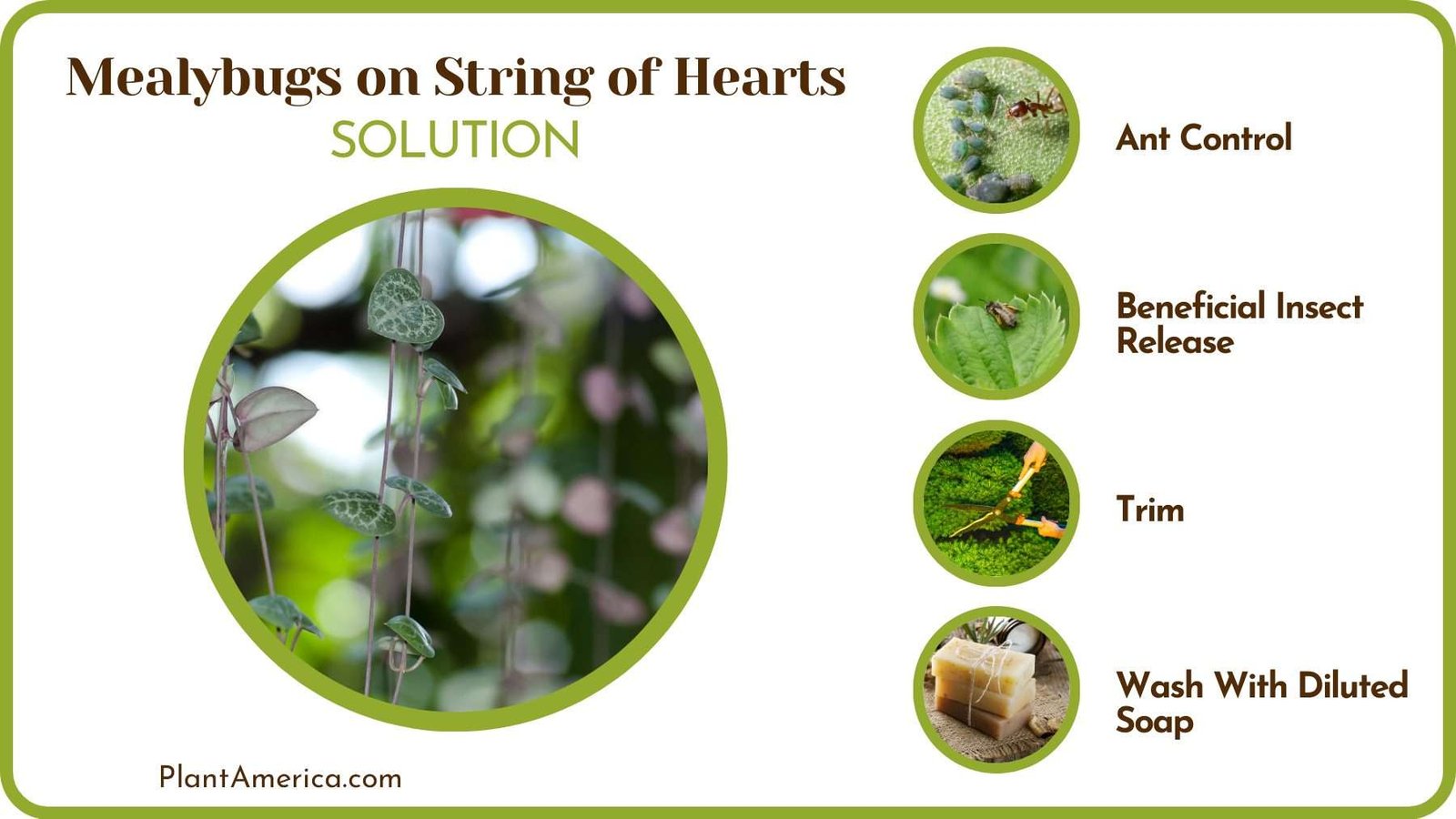 But trimming off the infested hearts leaves can help protect the rest of the string plant and prevent the bugs from spreading further.
While doing so, dispose of the removed leaves properly. Also, sanitize your pruning tools before and after using them to prevent cross-contamination.
– Wash With Diluted Soap: Suitable For Small Infestations
Sometimes a little housekeeping can go a long way in the face of mealybugs. A gentle wash with diluted soap can be an effective solution for treating mealybug infestations, including the problem of scale on string of hearts.
Mix 2-4 drops of mild liquid soap (preferably organic or plant-based) with water to create a soap solution. Then, thoroughly spray the affected areas of your ceropegia woodii using a spray bottle. The soap will work by breaking down the waxy outer layer of the mealybugs, leading to their dehydration and death.
Remember that the soap solution should be weak, as a potent solution might harm the plant. Also, if you want to avoid a leaf burn problem, it is a good idea to keep the plant out of direct sunlight. This process may need to be repeated over several days or weeks until the mealybugs are gone.
– Use the Insect Control Powers of Cinnamon Powder
Among the many tools in your arsenal against mealybugs, one might surprise you with its simplicity and effectiveness – cinnamon.
This powder has natural antifungal properties, which bugs hate. Also, they don’t like the scent of cinnamon and prefer to stay away from the area where they smell it.
So, it means cinnamon can create an environment less conducive to their survival. We suggest creating a defensive layer (like a barrier) against these invaders by sprinkling cinnamon powder over the soil mix.
To do this, first, ensure that the soil is dry to avoid creating a mushy mess. Then, dust a light layer of cinnamon powder across the potting mix.
Since cinnamon powder has antifungal properties, it will prevent fungal infections. other fungal diseases. Long story short- sprinkling cinnamon is a simple yet powerful step in maintaining the health of your string of hearts.
– Mist the Infested Plants With Hot Pepper Spray
If you are one of those who want a simple yet effective solution against mealybugs, this one’s for you. Capsaicin, which gives peppers their heat, can also kill mealybugs.
To make this spray, blend one or two hot peppers with a cup of water and strain the mixture to eliminate any solids. You can then add the spicy water to your spray bottle and mist your heart’s plants, paying particular attention to the mealybug-infested areas.
But be careful: capsaicin can irritate the skin and eyes, so always wear gloves and avoid touching your face while using this spray.
Try to limit the application of capsaicin to the plant’s leaves and stems. Avoid direct contact with the soil as much as possible because capsaicin can affect the beneficial microbes present in the soil of your plant.
– Use Imidacloprid, Diazinon, or Malathion (But With Care)
When home remedies or natural tactics aren’t enough, or if the mealybugs have overrun your plant, you might need to use chemical solutions. Imidacloprid, Diazinon, and Malathion are usual bug killers that deal with common pests, including mealybugs.
Imidacloprid is a bug killer that plants soak up and give to the bugs when they suck on their juice. Diazinon and Malathion, on the other hand, work on contact, eliminating bugs as soon as they touch them.
While these bug-killing treatments can be pretty powerful, you need to handle them carefully. Always follow the guidelines on the bottle, use the right amounts, and wear safe clothing while applying to avoid contact with your skin.
Also, remember that these bug killers can hurt helpful insects, too, so use them as a final option when everything else has failed.
– Maintain Garden If You Don’t Want To See Mealybugs Again
It’s true what they say: prevention is better than cure. A significant part of heart care is maintaining a suitable environment for your string plants to flourish.
An integral part of the plant care guide includes routine checks for pests, proper watering techniques, and ensuring a well-balanced plant guide to nurture your string of hearts.
When hearts grow in healthy conditions, they’re less susceptible to infestations and diseases. Giving a plant too much water, like overwatering, can cause sickness like root rot. This makes the plant weak and easier for mealybugs to attack.
If you ensure the plant gets the correct sunlight and water and is put in soil that lets water flow away, you can lower the chances of mealybugs causing trouble.
Regularly inspect your string of hearts for any signs of mealybugs or other pests. Check under leaves first as this is where bugs usually prefer to hide. You should also never neglect stems and roots.
Look for changes in your plant’s health, such as yellowing leaves or slow growth. Remember- early detection can help you avoid a full-blown infestation and save your plant from severe damage.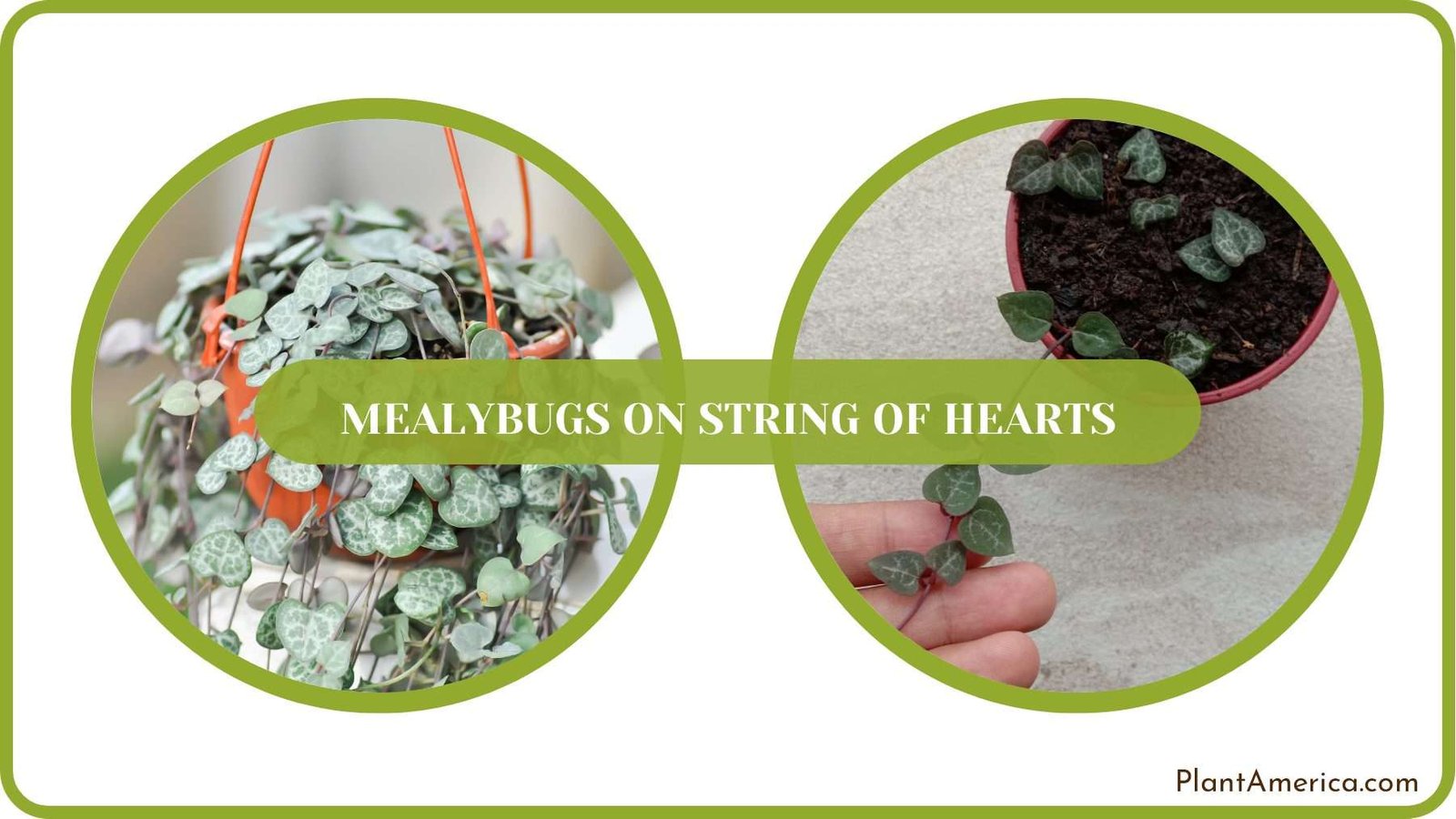
Conclusion
In conclusion, removing mealybugs from a string of hearts plant can be a daunting task. Nevertheless, you can still effectively manage these pesky invaders and maintain the vitality of your plant by implementing the following key strategies:
- Initiate and control measures to manage ants that may contribute to mealybug infestations.
- Release beneficial insects like ladybugs and lacewings.
- Physically remove infested leaves, and wash the plant with a diluted soap solution to cleanse it.
- Use home remedies like cinnamon powder and hot pepper spray to deter these pests.
- When natural methods are insufficient, apply chemical treatments like Imidacloprid, Diazinon, or Malathion.
By following all the tips and tricks mentioned above, you can ensure your string of hearts continues growing. Mealybugs or other pests won’t deter them. Have fun gardening!