
Best succulents for indoors are not only beautiful plants that add a pop of vivid color and texture to your home, but many require very little light to survive and thrive, and choosing the right succulent and make simple adjustments to its care can allow you to grow an indoor garden effortlessly.
Succulents have evolved to thrive in arid conditions, storing water in their thick leaves and stems to survive long periods without water. We’ll show you which plants are predominantly indoor growing so you can fill your spaces with beautiful greenery that requires minimal care. So if you want to grow striking plants for your home that need next to nothing from you, keep reading to discover our list of easy succulents for low light!
Best Succulents for Indoors That Thrive With Minimal Light
1. Jade Plant
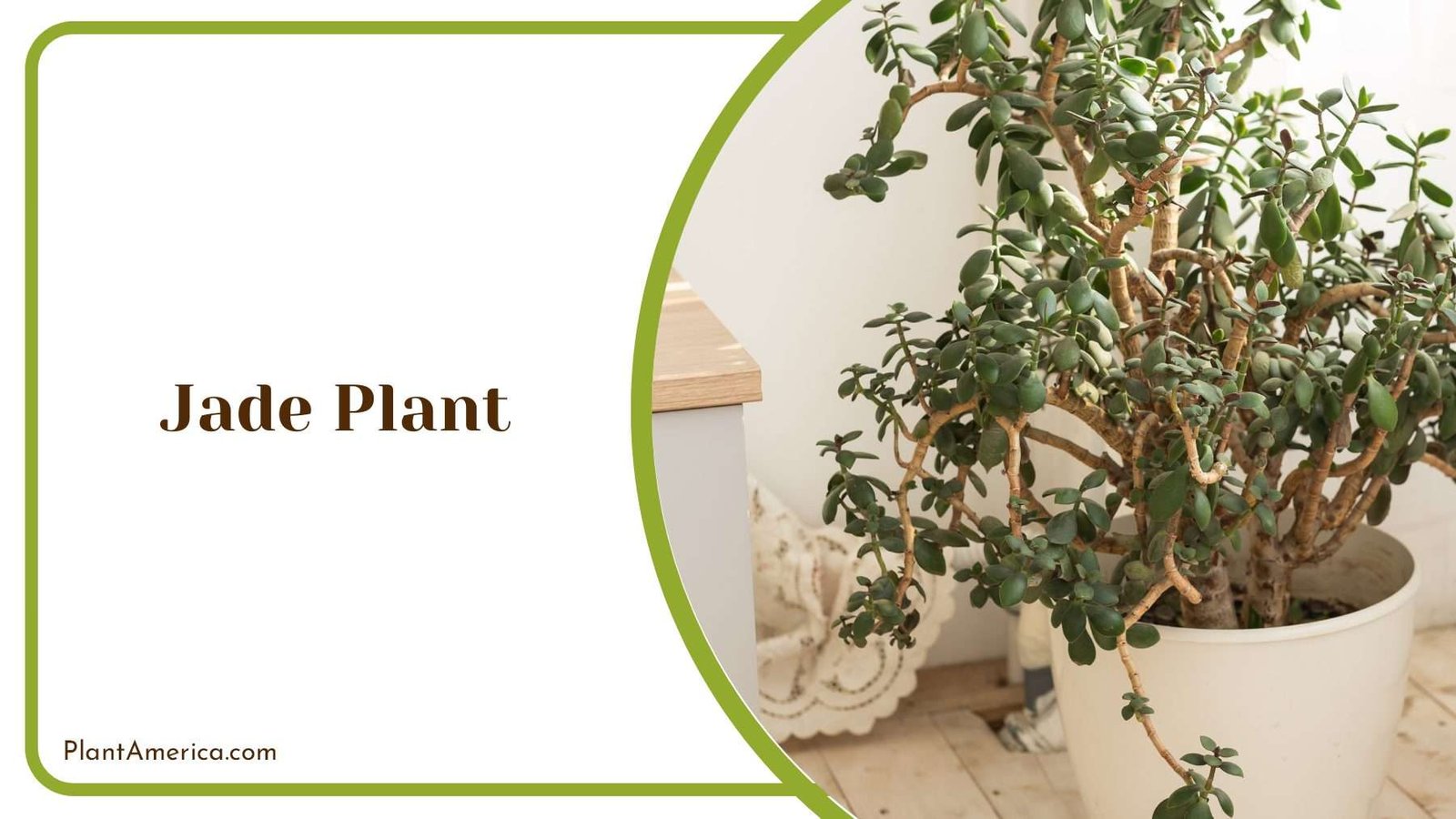
- Growing season: Year-round, Winter to spring.
- Leaf shape: Oval, Thick.
- Specific needs: Filtered sunlight, Low watering.
- Common pest: Mealybugs, Spider mites.
The Jade plant is one of the easiest low-light succulents to grow. Its thick, fleshy leaves allow it to store water and go for long stretches without watering. Jade plants tolerate cold temperatures and are forgiving of neglect, making them suitable for novice plant owners. Thoroughly water the jade when the soil is dry to the touch, then allow the plant’s soil to dry out completely before giving it water again.

The jade’s waxy coating and thick cuticle help it retain water, so infrequent watering is key to creating a healthy succulent. Overwatering is a common problem for jade plant owners, so monitoring the soil well is important for proper care and growth.
Fertilize the jade once a month during the spring and summer growing seasons using a diluted liquid succulent fertilizer high in phosphorus to promote root and leaf growth. Reduced fertilizing during fall and winter is recommended for jade plants in colder climates.
2. Snake Plant
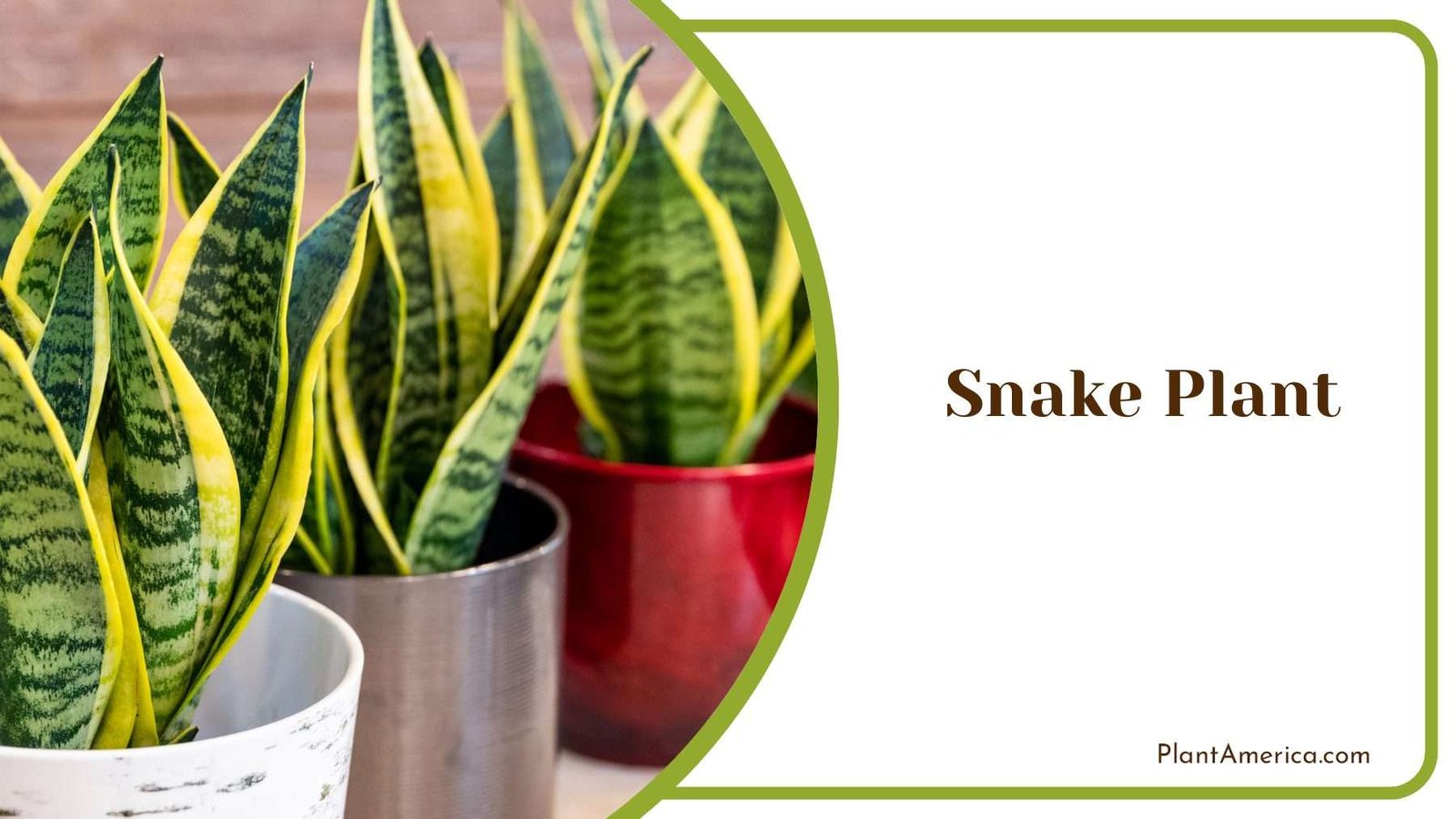
- Growing season: Year-round, Prefers cool temperatures.
- Leaf shape: Long, Narrow, Upright.
- Specific needs: High humidity, Low watering, Resistant to pests.
- Common pest: No significant pests.
Snake plants (sansevieria trifasciata) are prized for their resilience and ability to thrive in low-light indoor conditions with minimal care. Their succulent leaves allow snake plants to survive for long periods with very little water, requiring watering as infrequent as once a month.
It is best to allow the potting soil around snake plants to dry out completely between waterings. Only water when the top one to two inches of snake plant soil are dry to the touch. Place snake plants in an area with high light levels from an indirect, eastern-facing window to optimize growth with minimal direct sun exposure.
Snake plants increase humidity and help purify the air passively without much effort from the gardener. Their thick, waxy leaves transpire moisture while also trapping and absorbing common indoor air pollutants like formaldehyde and benzene.
To propagate more snake plants for your collection, simply snip off and root leaf cuttings in water. Place cut ends in a glass or jar of water and change the water every two to three days. Roots should develop within four to six weeks and new shoots will emerge from the cut leaf bases.
3. ZZ Plant
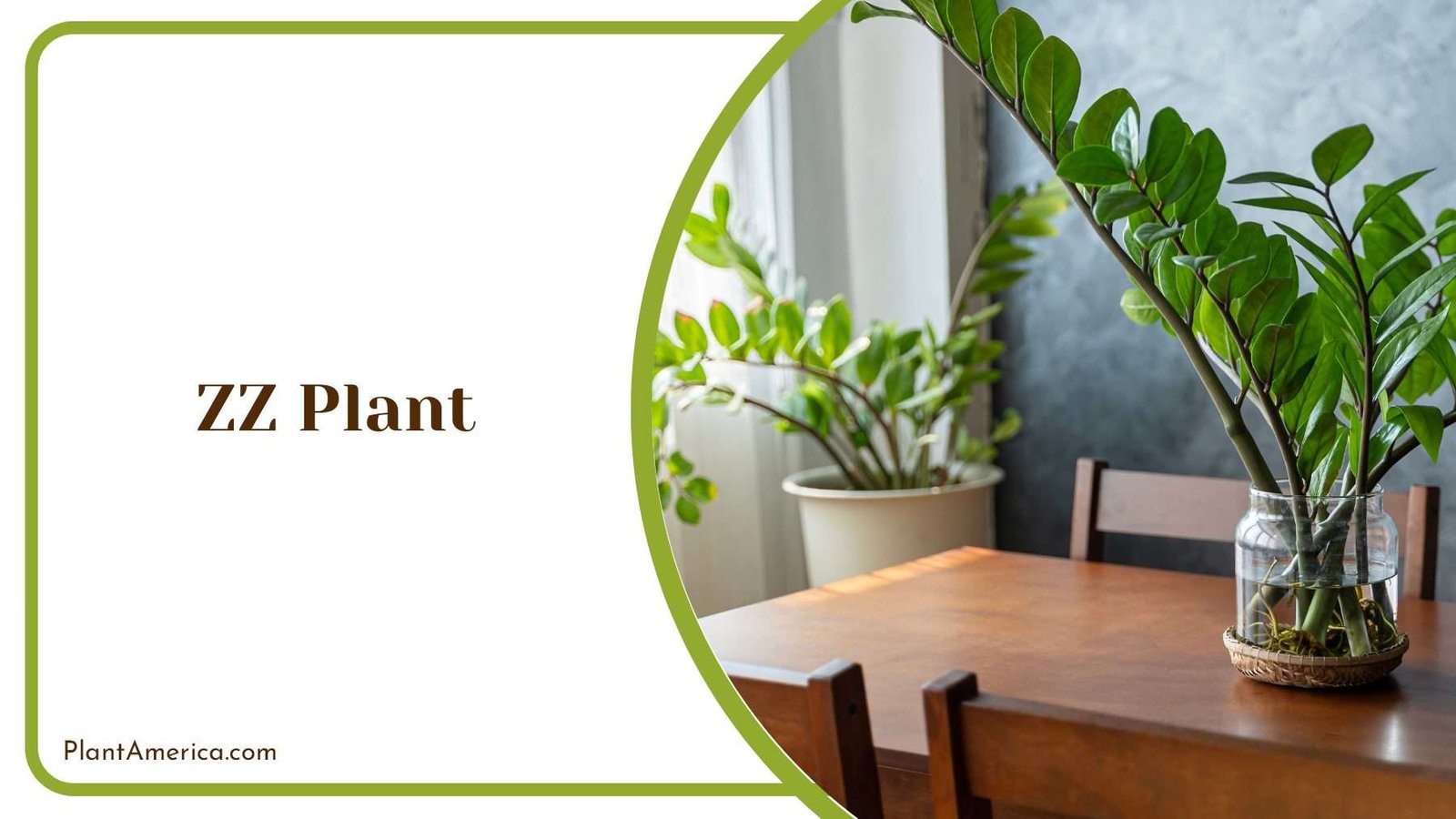
- Growing season: Year-round, Prefers warm temperatures.
- Leaf shape: Thick, Waxy cylindrical.
- Specific needs: High humidity tolerant, Low watering.
- Common pest: No significant pests.
The ZZ plant (botanical name Zamioculcas zamiifolia) is celebrated for being one of the easiest succulent plants to care for indoors. Native to Africa, ZZ plants are adapted to survive a wide range of conditions. They can handle temperature fluctuations, high and low humidity levels, and long periods without water.
This makes ZZ plants ideal for those who struggle to care for indoor plants regularly. They require very little maintenance beyond spacing waterings far apart. Water ZZ plants only when the top one inch of potting soil is dry. This will typically be around once per month for most indoor conditions.
During the day, ZZ plants primarily perform photosynthesis, absorbing carbon dioxide and releasing oxygen. This occurs even in low light conditions, passively purifying the air indoors without much effort from the plant owner.
More ZZ plants can be propagated by dividing rhizomes or rooting leaf cuttings in water or moist soil. Simply snip off offshoots from parent plants and allow cut ends to callous before replanting.
4. Panda Plant
- Growing season: Spring to Fall, Prefers Warm Temperatures.
- Leaf shape: Thick, Paddle-shaped.
- Specific needs: High light, Evenly moist soil.
- Common pest: Spider mites, Scales.
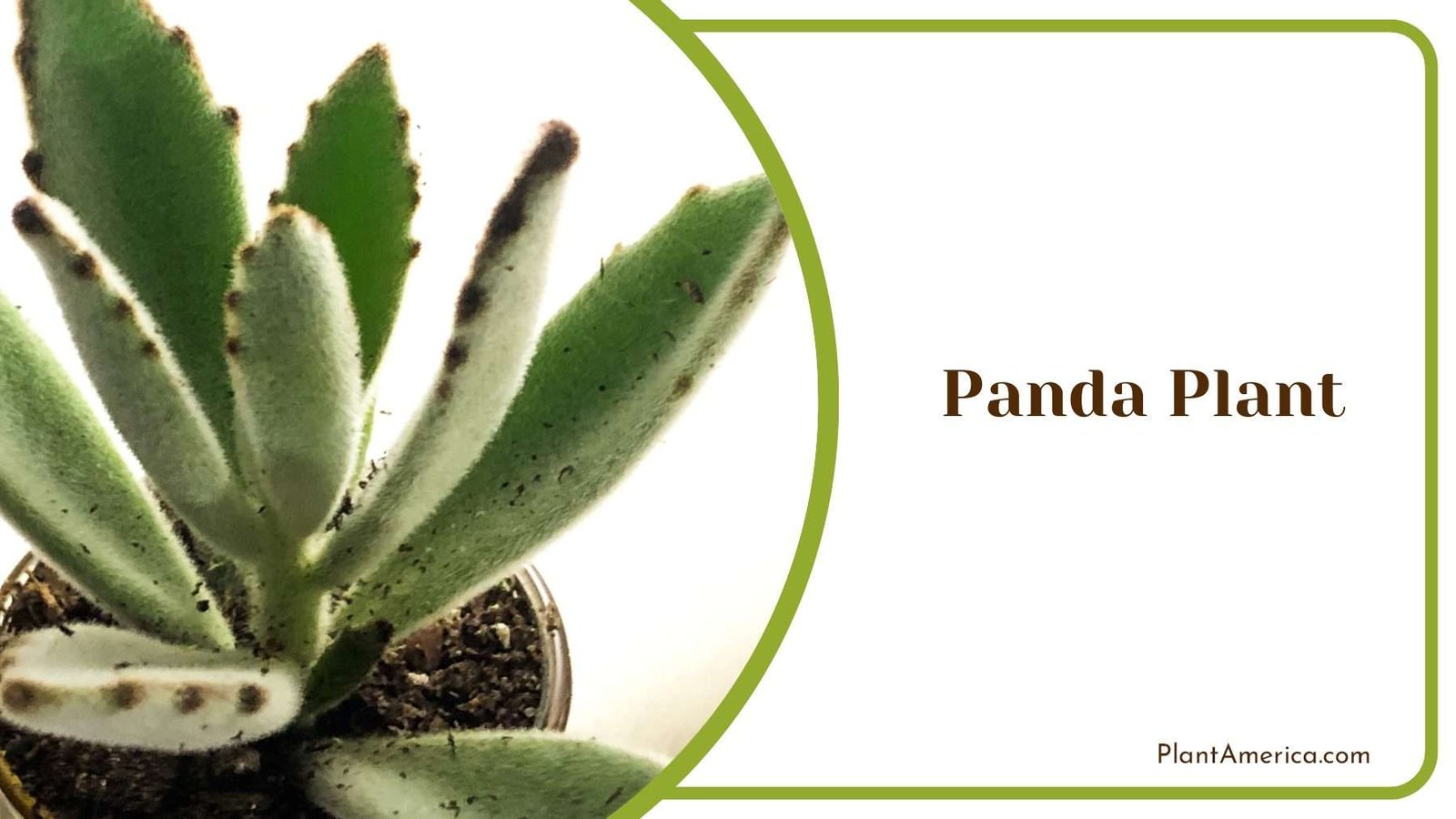
The panda plant (botanical name kalanchoe tomentosa) is an easy-care succulent with thick, felted grey leaves that make it a popular choice for beginner plant parents.
Though panda plants thrive in bright, indirect light, their ability to withstand lower light conditions makes them viable options for medium to even low light indoors. The thick foliage helps panda plants retain moisture, allowing them to go longer between waterings under low light conditions.
Water panda plants thoroughly when the top one inch of potting soil is dry. Allow excess liquid to drain from the pot to prevent root rot. The plants can then typically go one to two weeks between waterings, depending on light levels.
Panda plants prefer warm temperatures above 50 degrees Fahrenheit. They may drop their lowest leaves during periods of cold temperatures in winter. Placing the pots on heated plant mats or near a radiator can help minimize leaf loss.
Propagate new panda plants by taking leaf or stem cuttings from mature plant stems. Allow the cut ends to be callous for a few days before placing the cuttings directly into cactus or succulent soil. Keep the panda plant soil lightly moist until roots begin to form. Though panda plants thrive in bright light, their ability to adapt to lower light conditions makes them suited for medium to low-light indoor environments as well.
5. Aloe Vera
- Growing season: Spring to Summer, Prefers Warm Temperatures.
- Leaf shape: Thick, Triangular.
- Specific needs: High light, Evenly moist soil.
- Common pest: Mealybugs, Aphids.
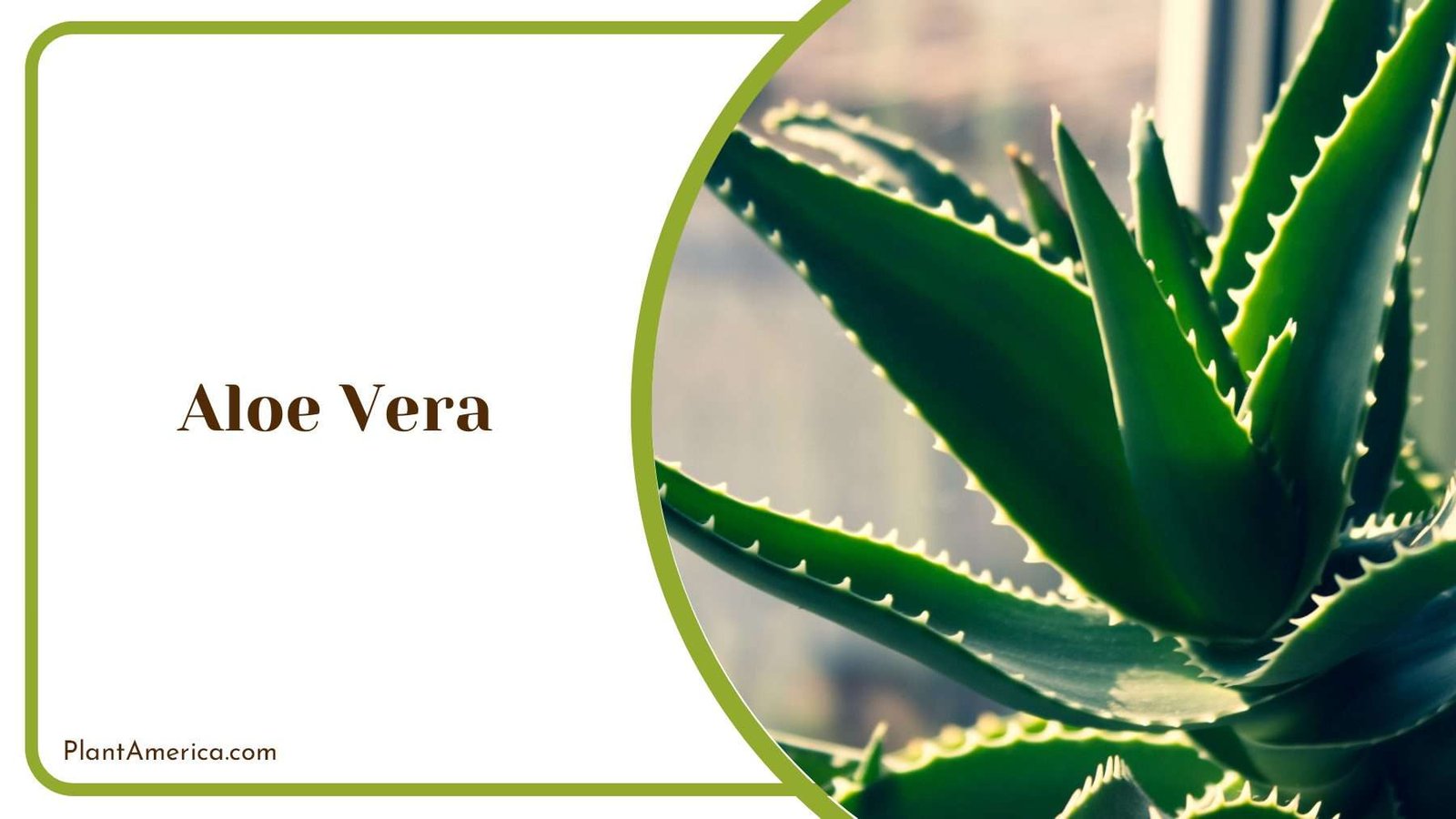
Aloe vera does well in medium to low light and handles long periods without light indoors. Its thick leaves store water to withstand dry conditions, requiring watering only every one to two weeks during its active growing season in warmer months.
In winter, water once a month or when the soil becomes dry. Place aloe in a spot that gets morning sun and indirect light the rest of the day. Cut off “pups” to propagate and make new aloe plants. Avoid overwatering, as this causes root rot.
6. Haworthia
- Growing season: Spring to Summer, Prefers Warm Temperatures.
- Leaf shape: Thick, Pointed leaves.
- Specific needs: Well-draining soil, High humidity.
- Common pest: Mealybugs, Aphids.
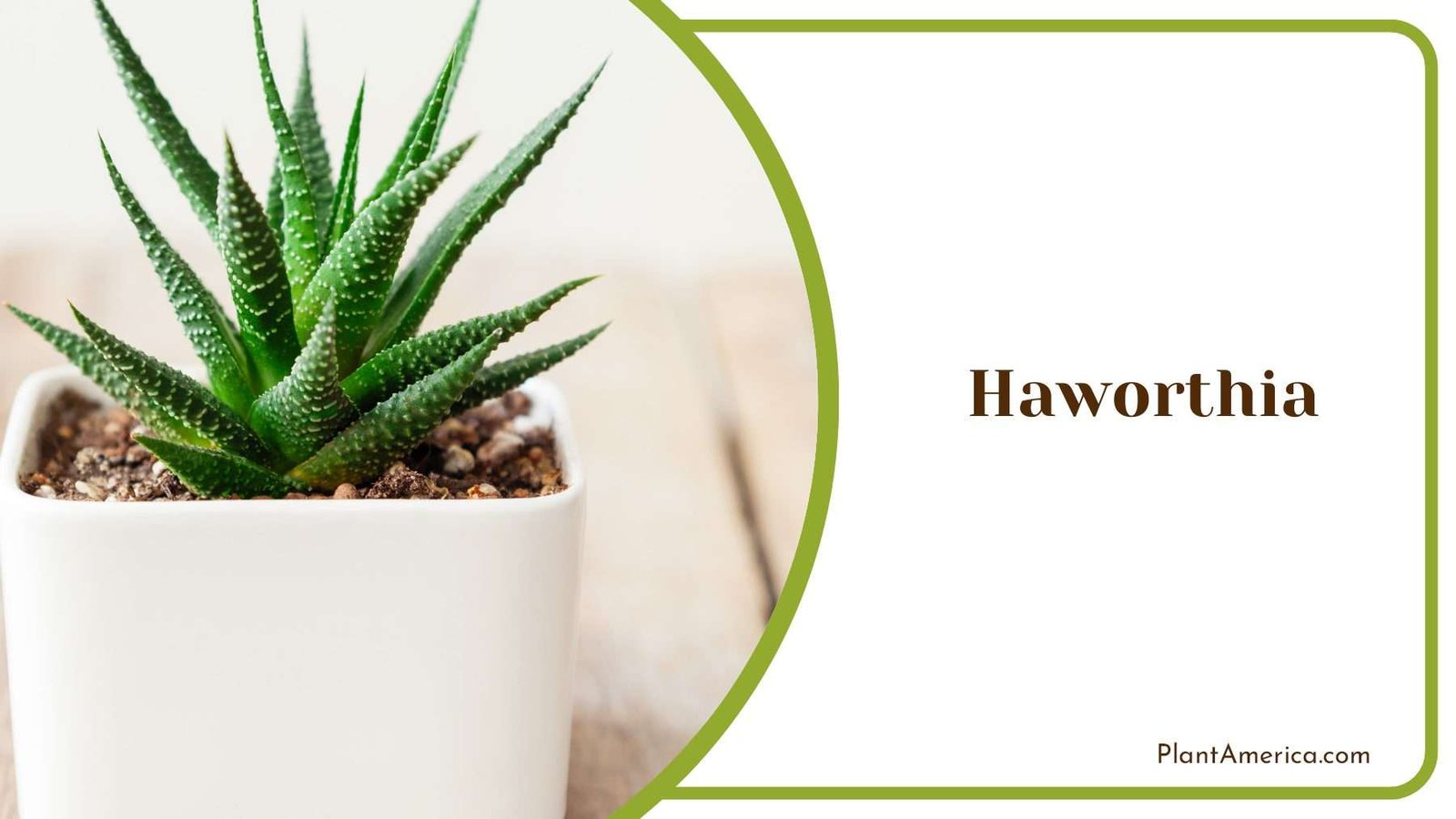
Haworthia can handle dimly lit conditions and do well as indoor succulents. They enjoy high humidity and require infrequent watering, around once every two to three weeks. Allow the Haworthia’s soil to dry out between waterings.
Place Haworthia in an east or south-facing window to ensure they get enough indirect sunlight. During winter months, reduce the frequency of watering to once a month. Propagate Haworthia by dividing offsets from the mother plant or by leaf cuttings.
7. Burro’s Tail
- Growing season: Spring to Summer, Prefers Warm Temperatures.
- Leaf shape: Green succulent, Cylindrical.
- Specific needs: Average to low water, Bright light.
- Common pest: Mealybugs, Scales.
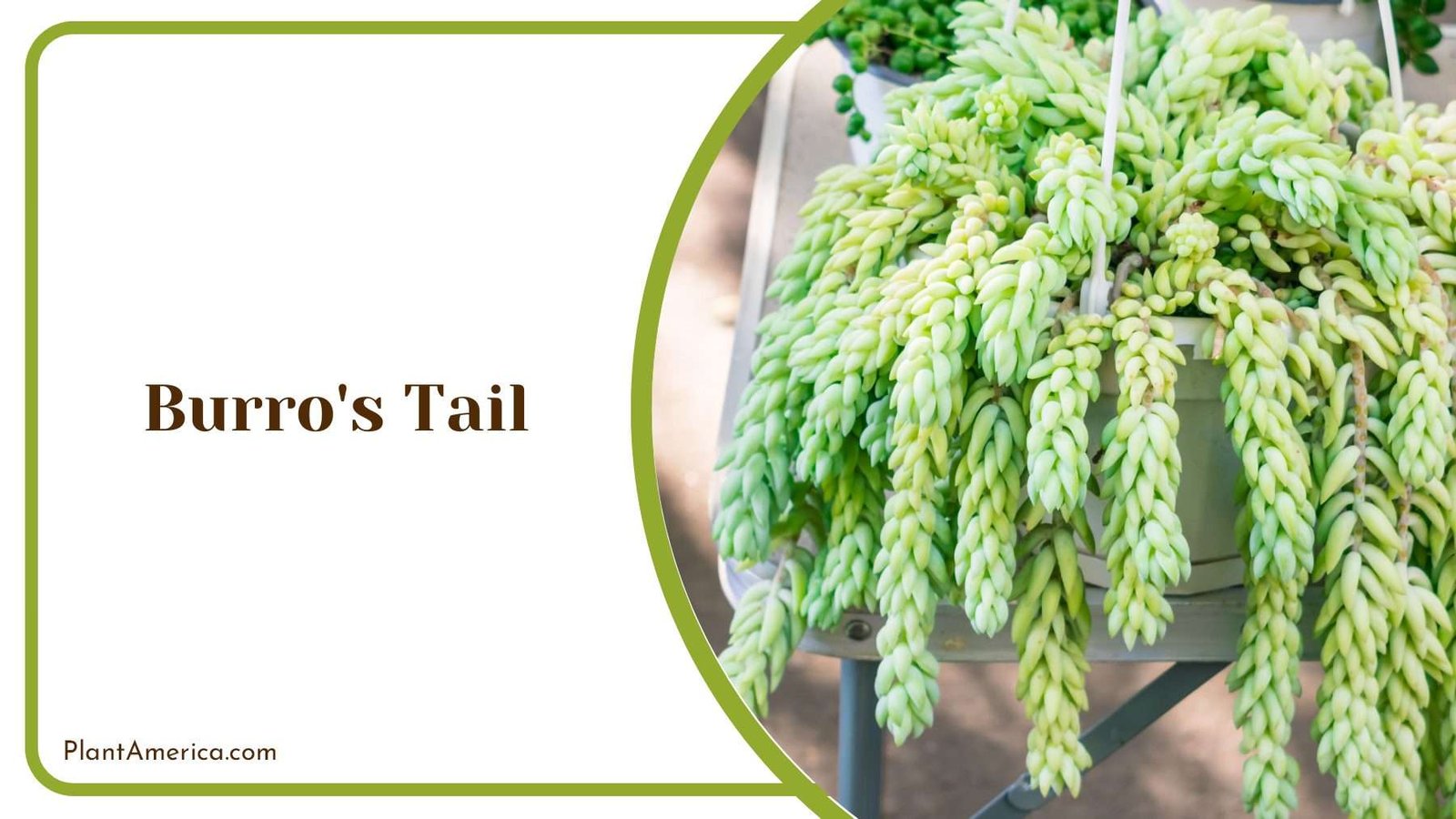
Burro’s Tail, or sedum morganianum, is a great succulent for indoor conditions as it thrives in medium to low light. The long, hanging, strappy leaves allow the plant to store water and survive with infrequent watering.
Water burro’s tail only when the top inch of soil is dry, which may be once every two to three weeks during active spring and summer growth. Reduce the number of watering to once a month in the winter.
Place the burro’s tail in a spot that gets morning sunlight and indirect light the rest of the day. Too much harsh direct sun may burn the leaves. Trim four to six-inch stems from the plant and propagate them in damp soil to grow more burro’s tail specimens for your indoor succulent collection.
8. Ponytail Palm
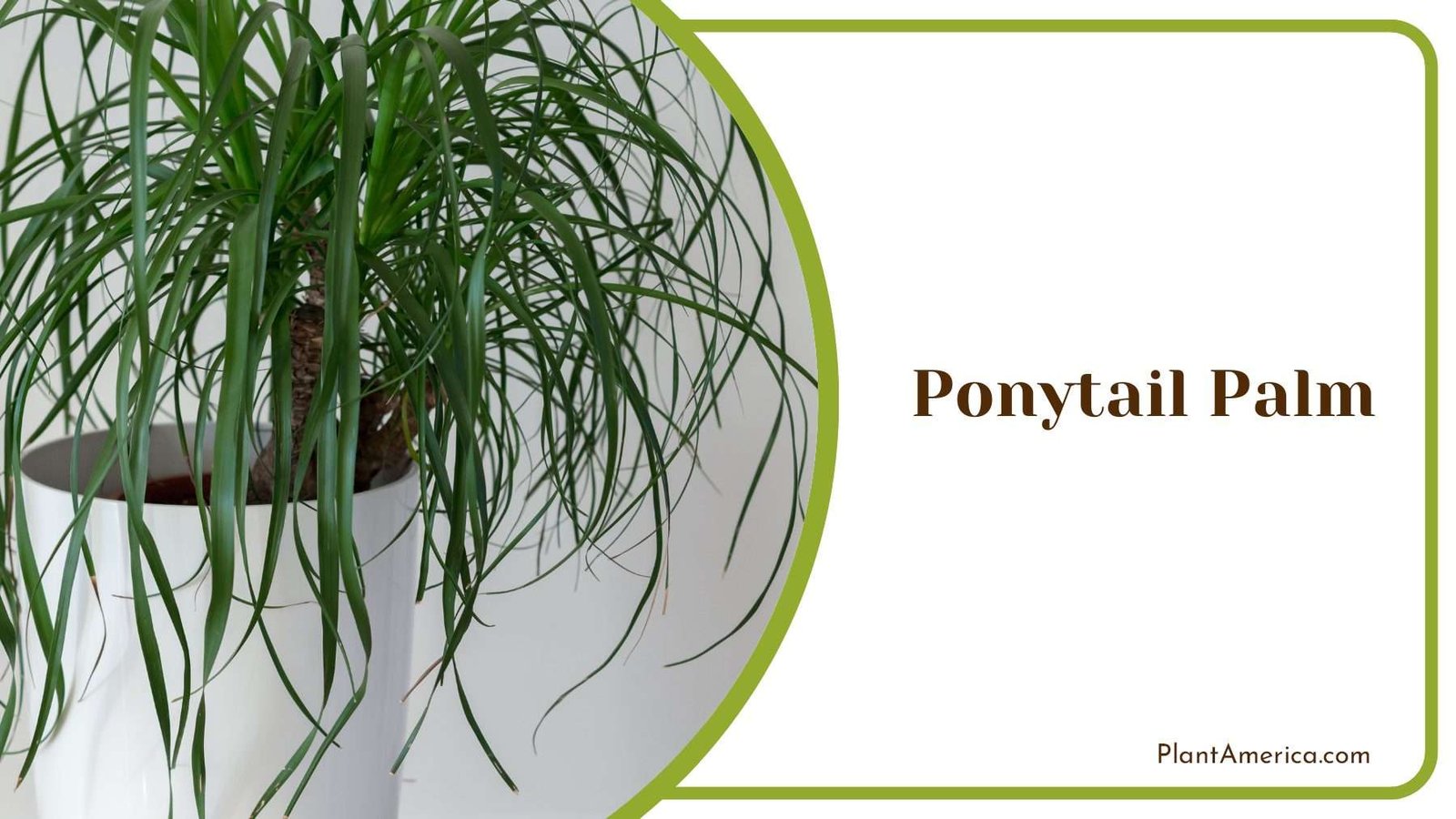
- Growing season: Spring, Summer.
- Leaf shape: Twisted, Cylindrical.
- Specific needs: High humidity, Evenly moist soil.
- Common pest: Spider mites, Aphids.
The ponytail palm (beaucarnea recurvata) thrives in low light conditions but prefers bright filtered light for optimal growth. Wavy cylindrically shaped leaves store water, allowing this indoor plant to handle infrequent watering.
Water thoroughly when the top inch of soil feels dry, and reduce watering to once a month in winter. Spray leaves with water to boost humidity. Place in an area with morning and indirect light for the rest of the day. Propagate by dividing offsets from the mother plant.
9. Christmas Cactus

- Growing season: Spring to Summer, Prefers Warm Temperatures.
- Leaf shape: Flat, Segmented succulent leaves.
- Specific needs: Bright indirect light, Moist soil when actively growing.
- Common pest: Mealybugs, Thrips.
The Christmas cactus (Schlumbergera bridgesii) thrives indoors in medium to low-light conditions. During its peak growing season from spring through summer, keep the potting mix evenly moist and water the plant once a week. Fertilize monthly using a dilute cactus fertilizer to encourage blooming. Trim off any dead or sick leaves to maintain a healthy appearance.
Reduce watering to once every two to three weeks in fall and winter when the plant becomes dormant. Place the Christmas cactus where it gets morning sun and indirect light for the rest of the day. Too much direct sun may cause leaf burn.
Monitor the soil closely during this resting period; allow it to dry out slightly between waterings. If leaves start to drop, the potting mix may retain too much moisture. The lobed leaves of the Christmas cactus unfurl like tiny hands reaching skyward. Their waxy surfaces reflect what little light infiltrates their dim corners.
Though demanding so little beyond infrequent watering and an occasional trim, Christmas cacti reward observant growers with their everlasting presence and resilient nature. Their ability to survive long periods of austerity reveals an inner strength expressed through outer frugality.
As with all succulents, Christmas cacti teach the virtue of conserving resources within. Their slowly unfurling buds show that beauty emerges gradually through patience. With presence of mind, Christmas cacti reveal life’s persistence in the smallest of forms — a reminder to seek abundance among unlikely places.
10. Ox Tongue Plant

- Growing season: Year-round, Prefers Warm Temperatures.
- Leaf shape: Narrow, Fleshy leaves.
- Specific needs: High humidity, Low water.
- Common pest: Mealybugs, Thrips.
Ox tongue plants (sansevieria trifasciata laurentii) tolerate low light conditions and require very little care as indoor plants. Its fleshy leaves allow the plant to store water, enabling it to withstand long periods without watering. Only water when the top inch of soil is dry, and reduce watering to once a month in winter.
Ox tongue plants release oxygen at night, which helps purify indoor air. Propagate by dividing offsets from the mother. Trim yellow leaves to keep the plant looking full and healthy. The erect blades of ox tongue plants seem hewn from stone rather than plant material. Their waxy surfaces refract what little light finds them, intensifying the plant’s structural presence.
Though demanding so little beyond occasional watering, ox tongue plants repay observant growers with their sculptural permanence and resilience. Their ability to survive long periods of drought speaks of an inner strength revealed through frugality.
As with all succulents, ox tongue plants teach the virtue of conserving resources within. Their slowly unfurling blades show that beauty often emerges gradually, over time. With patience and receptivity, ox tongue plants reveal life’s persistence in the smallest of forms — a reminder to seek abundance in unlikely places.
11. Flaming Katy
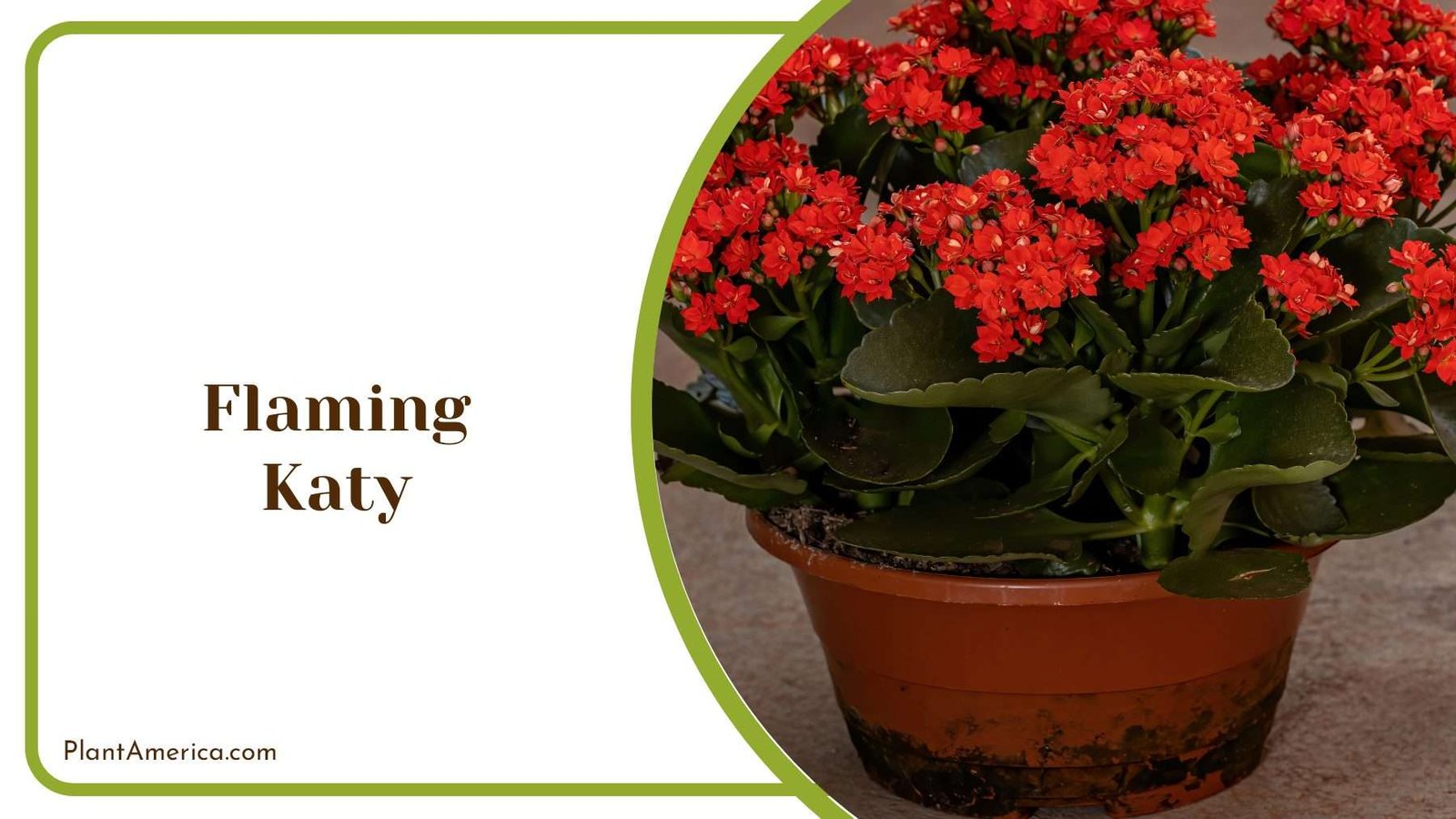
- Growing season: Spring, Fall.
- Leaf shape: Paddle-shaped leaves, Fleshy.
- Specific needs: High humidity, Moist soil.
- Common pest: Spider mites, Thrips .
The flaming Katy plant (Kalanchoe blossfeldiana) thrives best in medium to low-light environments. Though they prefer indirect sunlight, flaming Katy plants can tolerate relatively low light conditions for short periods.
Water thoroughly whenever the top inch of the soil becomes dry. Allow excess water to drain away, and do not water the plant again until the top inch of the soil is completely dry. Flaming Katy plants store water in their thick leaves and stems, allowing long periods between waterings.
Propagate new flaming Katy plants by taking four to six-inch stem cuttings and rooting them in a damp potting mix. Remove leaves from the bottom half of each stem cutting to promote root growth. Keep the soil lightly moist and maintain high humidity until roots form.
The thick succulent leaves of flaming Katy plants seem carved from stone rather than plant material. Their waxy surfaces reflect what little light finds them, intensifying the plant’s sculptural presence.
Though demanding so little beyond occasional watering, flaming Katy plants reward observant growers with their structural permanence and endurance. Their ability to survive long periods of drought speaks of an inner resilience revealed through outer austerity.
As with all succulents, flaming Katy plants teach the virtue of conserving resources from within. Their slowly unfurling buds show that beauty often emerges gradually over time. With patience and perception, flaming Katy plants reveal life’s persistence in the smallest forms — a reminder to seek abundance in unlikely places.
12. Senecio Rowleyanus
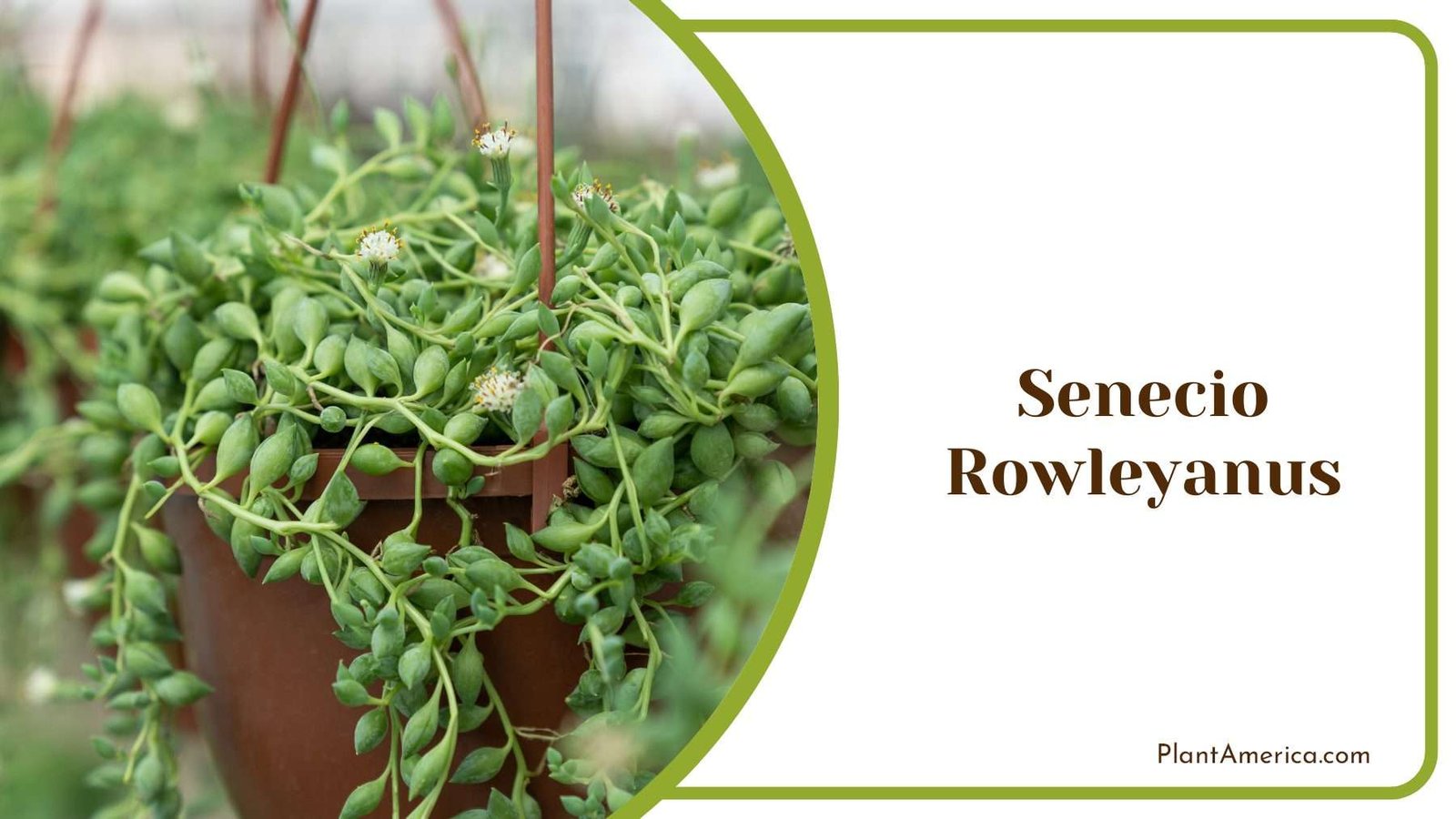
- Growing season: Spring, Summer.
- Leaf shape: Narrow, Lancet-shaped leaves hanging down.
- Specific needs: Bright indirect light, Drier soil.
- Common pest: Spider mites, Thrips.
A string of pearls (Senecio rowleyanus) grows long dangling stems of bead-like succulent leaves that prefer medium to low light conditions. These hanging plants require infrequent watering, around once every two to three weeks or when the soil completely dries out between waterings. Reduce watering even further during winter to once a month.
A string of pearl plants grows best in temperatures between 50 and 70 degrees Fahrenheit. Propagate by snipping off stem cuttings with at least three beads on the vine and allowing the cut end to be callous before replanting.
The cascade of delicate beads that compose string of pearl vines seems fashioned by an eye for whimsy and balance. The diminutive succulent leaves cling tenaciously to slender stems, unaffected by long periods of drought and darkness.
Though demanding so little beyond infrequent watering, string of pearl vines reward the attentive grower with their lighthearted beauty and adaptive nature. Their ability to persevere reveals an inner vitality that overflows space and time.
Succulents like string of pearl vines teach that life’s essence often lies in containment and composure. Their staggered beads show that equanimity arises from counterpoise. With patience and perception, string of pearl vines reveal nature’s persistence in simplicity — a reminder to seek abundant possibility among the unassuming and overlooked.
13. Ceropegia Woodii
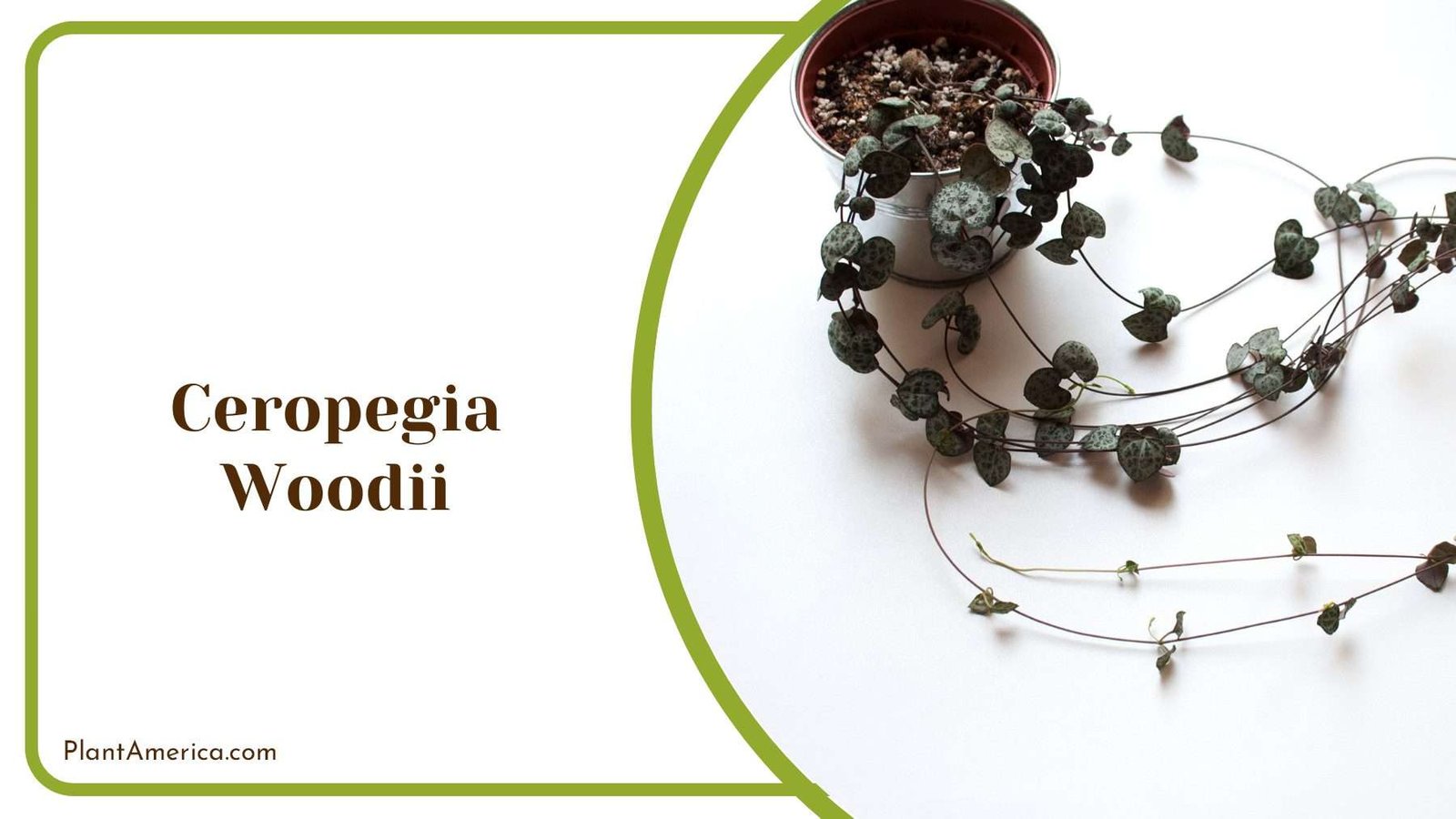
- Growing season: Spring, Fall.
- Leaf shape: Fleshy, Oval leaves, Spiral.
- Specific needs: Low water, Humidity tolerant.
- Common pest: Spider mites, Aphids.
A string of Hearts Vine (aerophagia woodii) grows long hanging stems with round succulent leaves that prefer indirect or low light conditions. These trailing plants only require watering once every two weeks and can handle long periods without light. Allow the soil to dry out completely between waterings.
A string of hearts plant grows best in temperatures between 60 and 85 degrees Fahrenheit, releasing oxygen at night to humidify indoor air. Propagate by snipping stem cuttings with three to five leaves and allowing the cut end to callous over before replanting.
The dangling stems of string of hearts vine seem fashioned by a careless hand, yet they hold perfection in their aimless arrangement. The pendant tear-shaped leaves clasp one another as if conspiring to defy gravity, their waxy surface reflecting what little light finds them.
Though demanding so little beyond infrequent watering, string of hearts vines reward the astute grower with their serendipitous beauty and adaptable nature. Their ability to endure long periods of drought and darkness speaks of an inner vitality that persists despite deprivation.
Succulents like string of hearts vines teach that the essence of life often lies in conserving what is held within. Their staggered leaves show that balance arises from counterpoise and complement. With patience and presence of mind, string of hearts vines reveal life’s persistence in starkness and shadows — a reminder to seek abundant possibility in the overlooked and unadorned.
14. Aeonium Arboreum
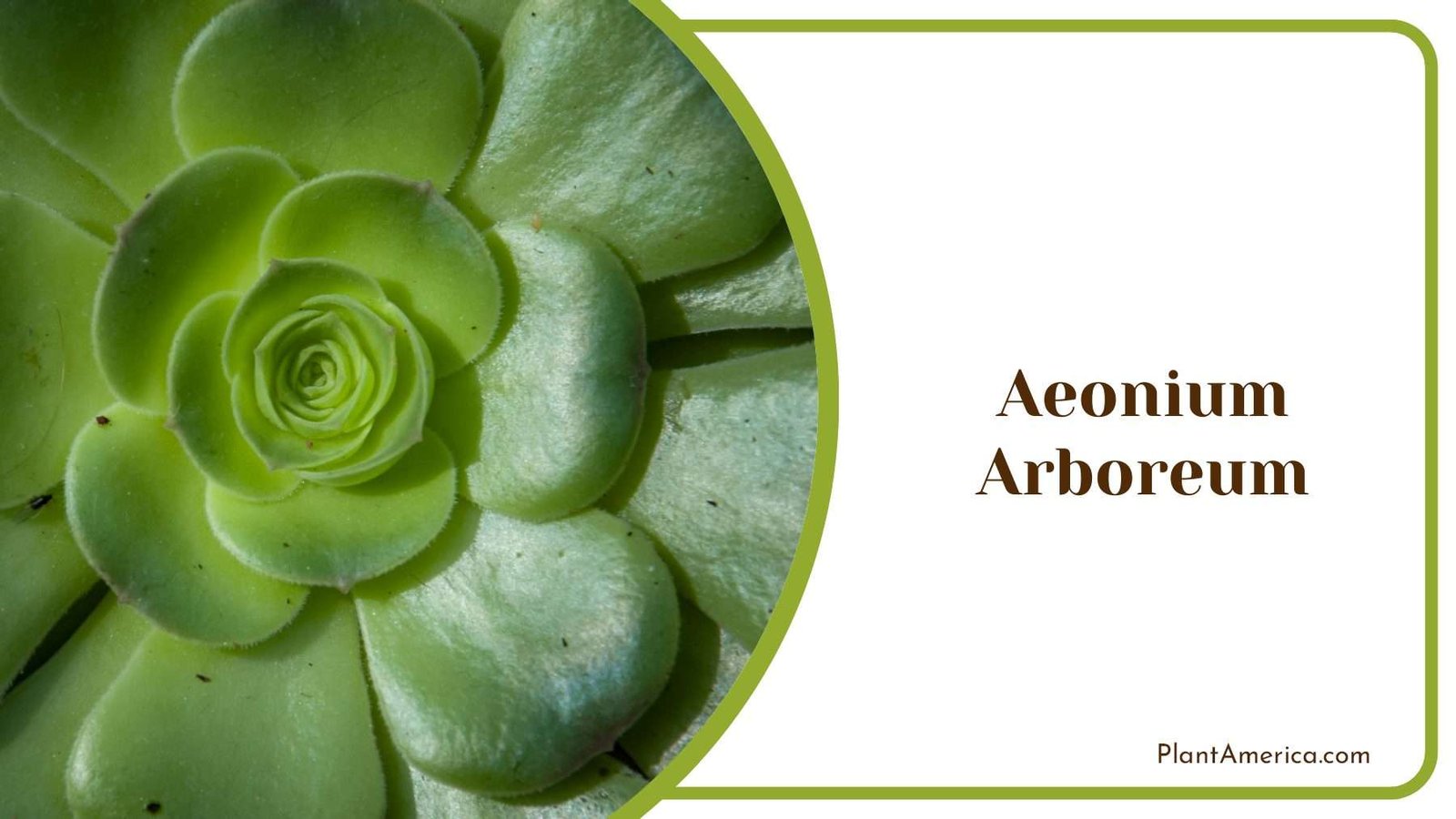
- Growing season: Spring, Fall.
- Leaf shape: Fleshy, Broad rosette of dark green leaves.
- Specific needs: Well-draining soil, Tolerates low humidity.
- Common pest: Mealybugs, Fungus gnats.
The tree aeonium (arboreum) grows evenly spaced rosettes of fleshy leaves on thick stems that prefer medium to low light conditions. As a succulent, these plants can withstand infrequent watering when growing indoors.
Water thoroughly when the top inch of soil becomes dry, and reduce watering to once a month in the winter. Tree aeoniums prefer temperatures above 45 degrees Fahrenheit and may drop leaves during cold periods. Propagate new plants from leaf cuttings or divide mature stems in spring.
The succulent rosettes of the tree aeonium seem sculpted from stone rather than plant material. Their waxy leaves clasp thick stems ridged with remnants of past growth. Together, stem and rosette form a timeless tableau of survival against the odds.
Though demanding little care beyond occasional watering, tree aeoniums reward observant growers with their sculptural presence and endurance. Their ability to persevere through seasons of neglect speaks of an inner resilience revealed through outer austerity.
As with all succulents, tree aeoniums teach the virtue of holding what is essential close within. Their slowly unfurling rosettes show that beauty often emerges gradually, over time. With patience and a discerning eye, tree aeoniums reveal life’s persistence in the smallest of forms — a reminder to seek abundant possibility where few would think to look.
Conclusion
Many attractive succulents thrive under minimal care, like low light and infrequent watering, and these plants can easily fill indoor spaces with minimal effort from you:
- The panda plant or chocolate soldier (kalanchoe tomentosa) is an indoor succulent that grows well in low to medium light.
- The ponytail palm (beaucarnea recurvata) thrives in low light conditions but prefers bright filtered light for optimal growth.
- The ZZ plant (zamioculcas zamiifolia) is one of the hardest and easiest succulent plants to grow for low light conditions.
By choosing the right succulent and making simple adjustments to its care, you can grow a variety of charming spiked rosettes, air-purifying columnar leaves, and unusually shaped “pincushions” in your home. Focus on the positive — you now have more opportunities to fill your space with lively plants that require minimal effort!