
Pothos cuttings not rooting is a common problem amongst home gardeners. This might happen if the cuttings are too long, or they’re unhealthy, you haven’t included a node, there isn’t enough light or heat, you let them callous over, and you’re not changing the water.
Luckily, this doesn’t mean your Araceae family plants are doomed, as our gardening experts will tell you the best way to deal with these easy-to-grow cuttings.
Why Are The Pothos Cuttings Not Rooting?
The pothos cuttings are not rooting because the cutting may be too long, and missing nodes in the cutting. Due to the surroundings being cold or dark, or you let them callous over, the cutting is unhealthy, it’s the wrong season, the water is dirty, or you must wait.
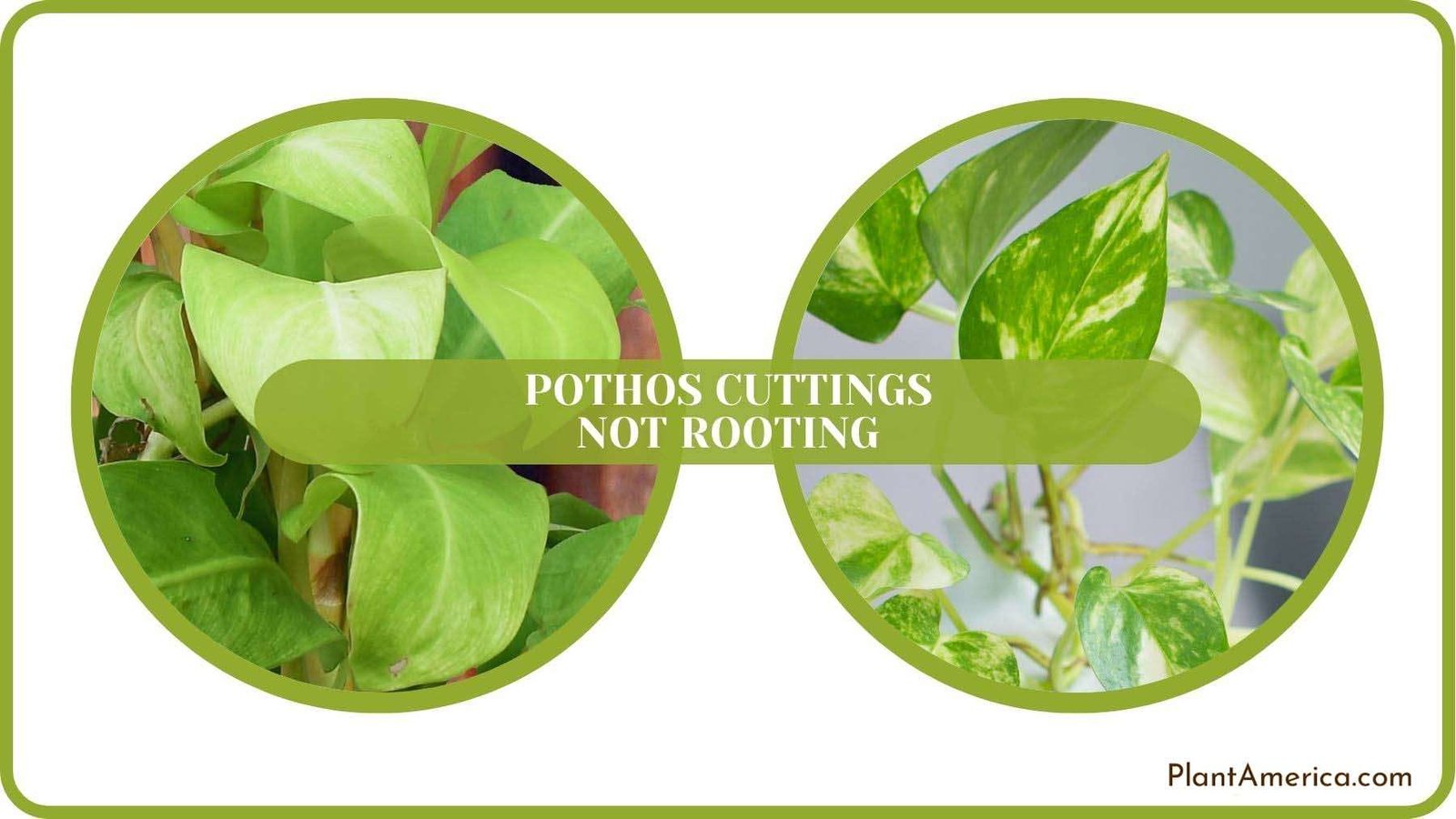
Pothos is among the easiest plants to grow and propagate, but you may ask, why are my cuttings not rooting in water? It sounds like one of the most frequently asked questions. But you could be doing something wrong if they’re not rooting in water.
Pothos propagation might fail because you’ve chosen an unhealthy vine, cut it wrong, kept cuttings too long, or are not changing the water regularly. You might also have been keeping them in the dark or a cold place trying to let them callous over, or not being patient enough.
– Cuttings Are Too Long
Long cuttings are less likely to root successfully than short ones. You’re probably making one of these mistakes and wondering why pothos cuttings fail to root, and you must know that having a cutting that is too long is a problematic issue.
This is because the only moisture available to support the cuttings is at the root tip, so you’ll see the pothos leaves yellowing and wilting when the cuttings are too long. This happens because the cuttings won’t be able to absorb any water or nutrients so they won’t grow any roots.
– There’s No Node
A node is where the leaf meets your pothos vine, and without including one in your cuttings, your new pothos plant won’t be able to root successfully. The new vine and roots will start forming from the node.
So, if you didn’t include one, your pothos won’t root, and the absence of a node is the key that will abstain the plant from rooting the right way, as it doesn’t have the right energy.
– It’s Too Cold or Too Dark
Pothos grow in bright yet indirect sunlight, yet this plant can tolerate some shade. However, if you’re keeping the cuttings in the dark, they will fail to root. Cuttings need access to sunlight to perform photosynthesis and grow new roots. Without light, the new cuttings will wilt and die, and you won’t be able to propagate your pothos.
Ideally, pothos plants will thrive when the temperature is between 65 and 70 degrees Fahrenheit. However, they can tolerate short periods of cold spells where the temperature drops to 50 degrees Fahrenheit.
Yet, cuttings are more vulnerable than well-established plants, and when the water may be a bit colder, this is an issue that the cutting would go through. To be more specific, if the temperature is below 60 degrees Fahrenheit, pothos roots won’t grow.
– You Let Them Callous Over
Callousing is a propagating technique where you let the cuttings air-dry for a few days before trying to propagate them. Yet, this technique doesn’t work for pothos, and when you leave them in such a condition, they may go through stress and skip development.
People usually use this technique when they’re trying to propagate succulents because the leaves contain too much water. This will protect them from rotting and guarantee successful rooting. However, propagating pothos plants is different. As a matter of fact, this technique will dry your cuttings and kill them. If you propagate them later, they will wilt and die.
– You’re Cutting Unhealthy Vines
If you choose the wrong vine, your cuttings won’t root. Unhealthy or sick cuttings are likely to die. Severely pruned vines will also fail to grow, and your pothos won’t root. This can be from the start that the stem was not a healthy one, so you will see stress and no development of roots.
– It’s the Wrong Season
Pothos are hardy and will look good all year long, but if you’re trying to propagate cuttings in fall or winter, they might not root. As the temperature drops, the plant goes into dormancy, saving all its energy for survival.
During this time, the plant will grow slowly or not grow a all. So, if you attempt to propagate cuttings, they won’t have enough energy to grow new roots. In addition, if you consider growing it in winter, or the end of fall, that is when you will see that it isn’t the right time for the stem to start growing roots as the surrounding is colder than the temperature it needs.
– Water Is Dirty
Pothos aren’t heavy feeders, but they can benefit from the added nutrients if you’re trying to propagate cuttings in a jar. During this period, the plant will consume the dissolved nutrients to support the growth of new roots. Adding a fertilizing solution to the water will make this process more successful. Propagating pothos in soil without rooting hormone will take more time.
However, the water can become dirty over time. The waste in the water will affect the growth of the roots, and the oxygen will be depleted. Pothos water propagation root rot might happen because of the pathogens in the water.
You might also have used softened water, where the softeners replace calcium and magnesium with sodium. But, unfortunately, sodium is toxic to plants, especially the young ones. So your propagated pothos won’t root, because these can be harsh for the stem.
– You’re Not Patient Enough
As a less experienced gardener, it’s normal to ask questions about the ideal way to propagate pothos plants, like how long for pothos to root in water. If you’re rooting cuttings in water, they’ll start growing new roots within two weeks.
But you should wait for four to six weeks until the roots are strong enough. By the end of this period, your plant will produce new roots, so you can later transfer your cuttings and grow them in a pot with a suitable potting mix.
So, how long does it take pothos to root in soil? The plants will probably take more time. This is why most gardeners prefer to root them in water first.
Some novice gardeners believe their cuttings have failed to root when they’re just taking their time. However, the weather conditions, the amount of nutrients in the water, and the nature of the cuttings you’ve propagated can all affect this period.
How to Help Pothos Cuttings Root Properly?
To help pothos cuttings root properly, you should trim the cutting right, and pay attention to the nodes. You must keep the cuttings in the right heat, avoid keeping them dry, pick a healthy stem and the right season, use clean water and change it, and give them some time.
If your cuttings aren’t rooting, you need to ensure that you’ve picked healthy vines and a node on your cutting to support its growth. In addition, your cuttings shouldn’t be too long, and you shouldn’t keep them in the dark or cold. Moreover, you shouldn’t let the vines dry out, leave the water dirty, or pick the wrong season. Finally, give the cuttings time to propagate appropriately.
– Trim Your Cuttings Right
How to propagate pothos cuttings is one of the easiest things any novice gardener can learn. Just take a cutting from an established plant and put it in a water jar. It’s the easiest and most popular way of having a new pothos.
Ideally, the cutting should be four to eight inches long, allowing it to absorb nutrients and oxygen from the soil. Some people can choose cuttings about the length of their finger, but a tall cutting won’t be able to root.
When the cuttings are too long, the roots absorb enough nutrients to support the growth of a new root system. Trim the air shoots to help the cuttings grow, and this can be a trigger for them to grow again. Note that the cuttings you choose should be about the thickness of a pencil to grow. When the cuttings are too thin, they’ll be unhealthy and eventually die.
– Pay Attention to the Nodes
A healthy cutting should contain at least two nodes to be able to root. This is where the leaf attaches to the stem, and the new leaves will grow.
Locating the nodes on your cuttings isn’t easy, which is why if you can’t see them, rub away the dirt where the leaves meet the stem until you can see one. In some time, you will start to see some tiny bulges on the cutting, and these will help the cuttings root and grow.
– Keep Your Cuttings in the Right Light and Heat Conditions
These plants live in the shade, but pothos grow faster when they receive enough indirect sunlight. Unfortunately, cuttings are more vulnerable, so they won’t be able to withstand the shade until they root.
During this period, you should keep cuttings in a spot where they can receive enough indirect sunlight. At the same time, you should protect them from direct light, which might scorch them. You should also note that the propagated cuttings shouldn’t be kept in a cool place like a basement. You should ensure the temperature doesn’t drop below 60 degrees Fahrenheit at night, or your cuttings will die.
– Don’t Let the Cuttings Dry
Callousing can help succulents when rooting, but common pothos doesn’t tolerate these propagation methods. If you do this, you can quickly kill your cuttings, and they won’t root. At the same time, if you plan to grow pothos from cuttings, you should immediately put them in water or potting soil to root.
– Pick Healthy Stems
Plant propagation is affected by the plant cuttings you pick. Old and sick vines are less likely to root when you try to propagate them. Also, when you prune back the stems too much, they will also struggle to root.
So, if you have a sick or yellow vine, don’t attempt to take cuttings from this one. Instead, make sure that you pick green and healthy vines with enough green leaves for successful propagation. You should also pick several cuttings because some might not root successfully, and this wil not hinder the growth.
– Pick the Right Season
Pothos not growing roots in water might be due to bad timing. During the spring and summer, your pothos plant will have more energy. This energy will enable it to root and grow when you propagate it from cuttings. You might try propagating your pothos in late fall or winter, but there are high chances that rooting will fail.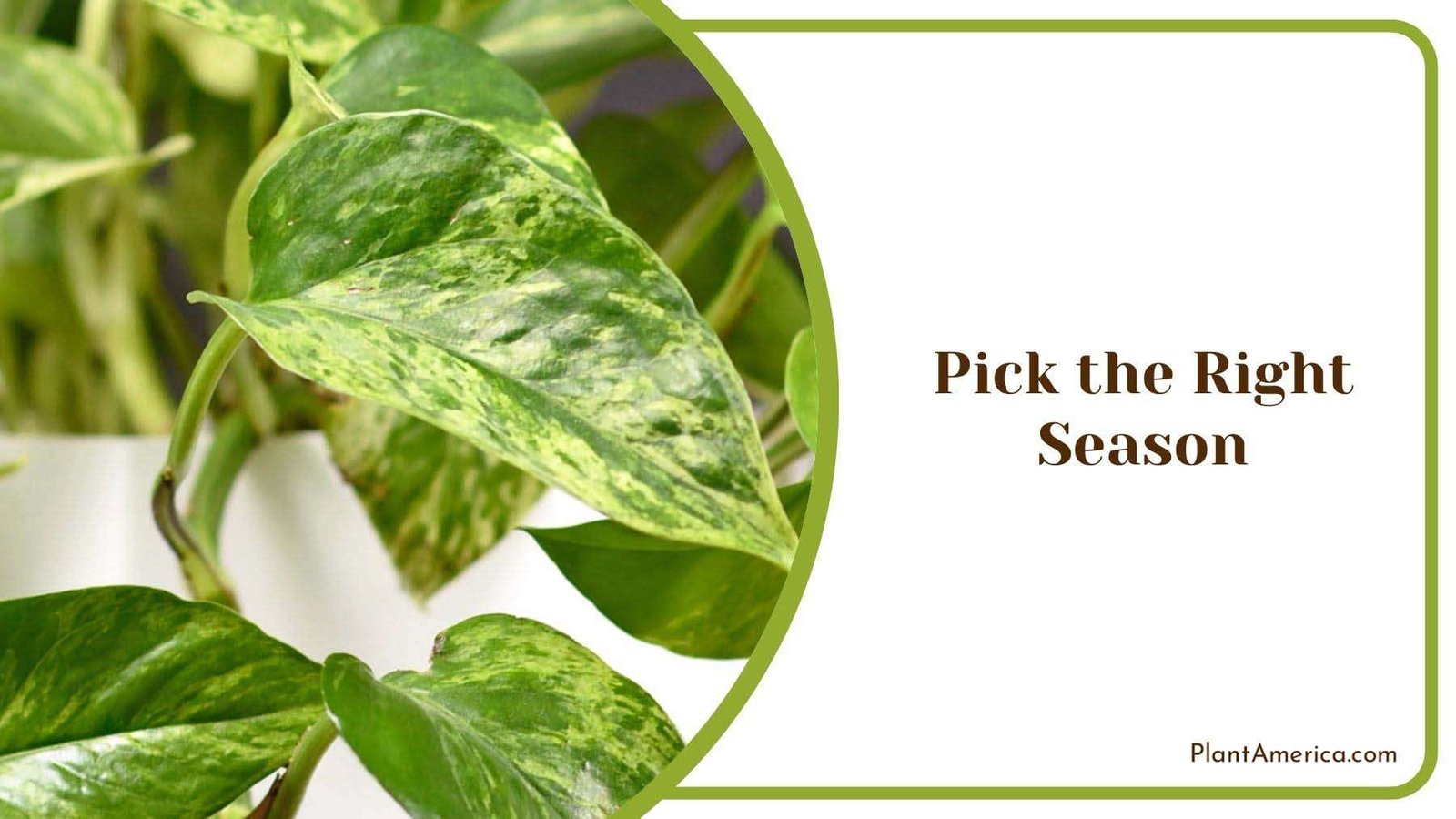
– Use the Right Water and Change it Regularly
Pothos live in less-than-ideal conditions, but tap water might not be suitable for your propagated cuttings because it might contain minerals that harm your plant. Soft water contains too many salts that deposit in the cuttings and prevent their rooting.
You can let the water sit overnight for the harmful minerals to evaporate. However, distilled or rainwater is better for your pothos. You should also use a fertilizing solution to help the cuttings root.
Weekly water changes are essential to keep your new rooted cuttings healthy and boost rooting while protecting the plant from root rot. While making these changes, you should add a tablespoon of fertilizer per gallon of water to encourage cuttings to root.
– Give Them Time
There are about 15 types of pothos, and determining how long stem cuttings will take to root depends on the type you’re growing. Ideally, pothos will root within an average of four to six weeks, but some plants will take less or more time. So, if you see the cutting not rooting but still alive, you should just be more patient.
Applying fertilizer and growing the plant in adequate conditions will encourage fast growth. Once the roots are established, transfer them into a suitable pot and keep the soil moist but constantly wet.
Conclusion
Growing pothos is suitable for less experienced gardeners, but you might see that your cuttings aren’t rooting successfully, so remember:
- Root pothos that comes from healthy vines and include nodes in your cuttings to support the new growth.
- Yet, you can make some adjustments to guarantee successful rooting for your new pothos by following the step-by-step instructions for successful plant care.
- Propagate pothos cuttings in warm conditions and ensure they receive enough indirect light.
- Cuttings don’t need callousing as they might dry and die.
- During weekly water changes, fertilize your cuttings to boost the growth of roots.
You can successfully grow your pothos from cuttings by following these care guide tips.