
Is cigarette ash good for plants is a question to worry about, whether indoor plants, flowering plants, or vegetables. There are people who believe so, but still, if you search the internet, there are also many who say otherwise.

Continue reading this article, so you will know the right considerations that you may take when you see someone throwing ash in thee soil of the plant.
Is Cigarette Ash Good for Plants?
💥 No, cigarette ash is not good for plants; this is because it contains different chemicals that can harm plants. In addition, the ash that is coming from the burnt nicotine does not help the plant’s health in the right way, unless the ash is burnt completely.
Keeping this in mind, you must consider how cigarette ashes are useful to house and garden plants, as long as the cigar is burned thoroughly and turned into ash. Meanwhile, those who oppose this say that cigars, their smoke, their ashes, and all their components are overall harmful to plants.
Ash can be helpful when added in moderation to your garden, but instead of ashes from cigars, you can use wood ashes or rice hull ashes instead. These options are safer to use compared to ashes from cigars and tobacco.
It seems that cigar ashes good effects are outweighed by their harmful effects. If not burned thoroughly, the ash could harm your houseplants, especially when a large amount is applied. Thus, one must be very careful when using this ingredient for your plants, as the damage may be irreversible.
– Tobacco Mosaic Virus
When discussing cigarette ash, the topic of tobacco mosaic virus has always been talked about on a full scale. Accordingly, TMV, as it is usually referred to, is a type of virus that adversely affects plants. TMV comes from the virus of the tobacco component of a cigar.
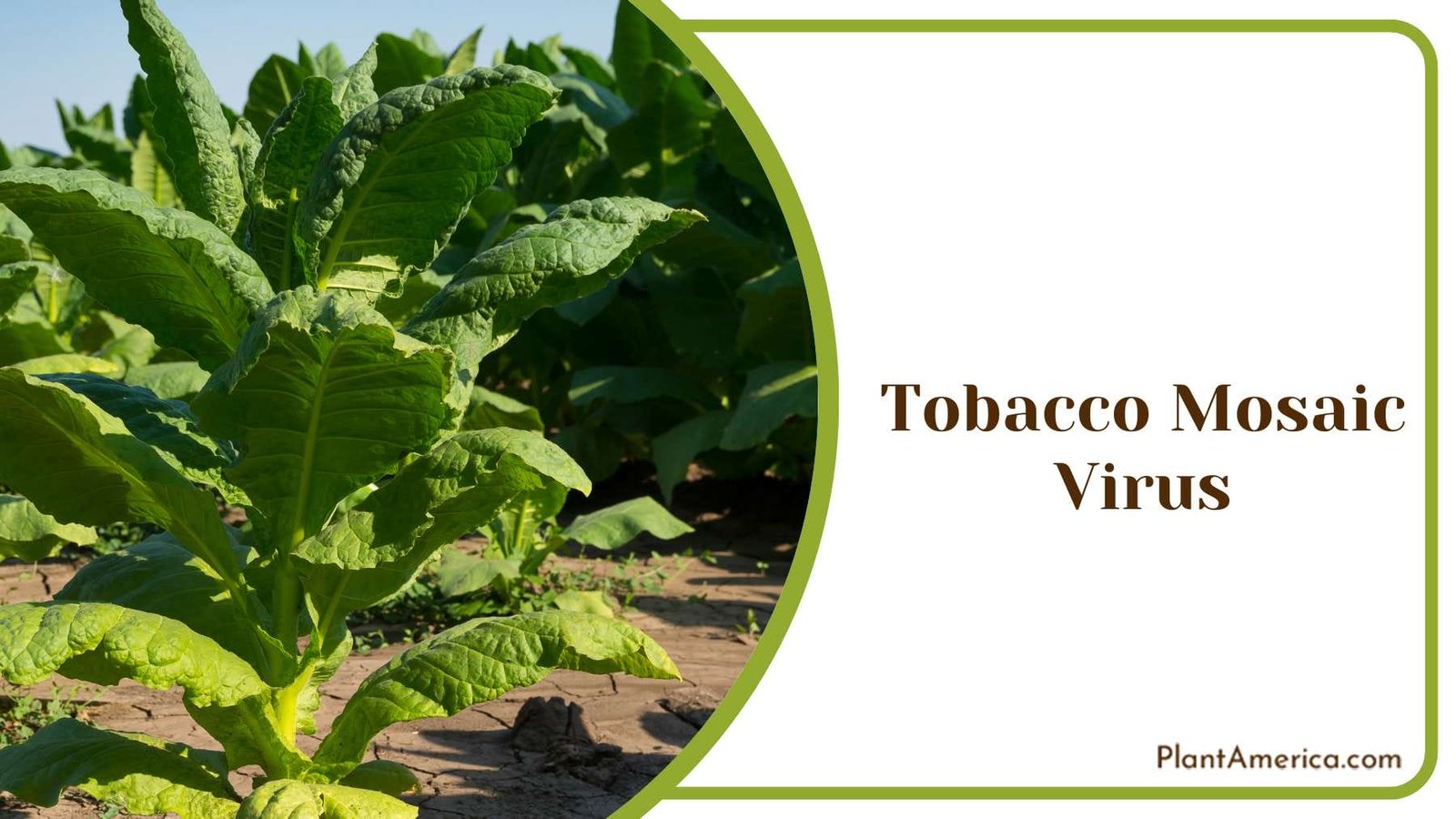
TMV is spread among plants by gardeners who smoke tobacco. Contamination typically starts from contaminated hands, tools, or perhaps by simply passing from one area of the garden to another.
The touched plants, tools, and nearby garden surfaces make it possible for the virus to come into contact with plants. Once this happens, it would be difficult to eradicate the virus because it spreads everywhere undetected.
The virus doesn’t kill your houseplants or vegetables immediately, but it makes the plants suffer with blotches on the leaves, stems, and fruits, hence the name “mosaic.” When it begins to spread, at first glance, one would think that it is caused by an imbalance in minerals and other elements, only to discover that the problem is more than that.
What’s worse, there might not be a solution to cure the plants infected with the tobacco mosaic virus. In this case, you should consider that the TMV disturbance results in stunted growth, low yields, and even loss for plant owners, as this virus dwells in the plant’s tissue, making it impossible to eradicate.
– Toxic Substances
Cigarettes are full of toxic substances like zinc, lead, nickel, and titanium, making them dangerous not only to the human body but to plants as well. Although plants don’t smoke, these toxins still affect them, especially when nicotine, unburned tobacco, or even cigar’s ash is applied to them, whether intentionally or not.
When the ash is applied, harmful substances injure the plants and the surrounding soil. This especially occurs when the chemicals are leached into the soil and nearby surfaces, and you would see that the plant shouldn’t have been exposed to it.
– Chemical Stress
Cigars are not entirely made of organic and biodegradable materials. The filters and paper used are made up of synthetic components that are laden with various chemical contents. These components are not easily burned, resulting in chemicals and heavy metallic compounds leaching onto the soil and into the plants.
As plants absorb these chemicals, they become stressed. Moreover, you will see how stress caused by chemicals present in the ashes of cigars would disturb plants’ growth patterns and behavior, which would then cause an unhealthy plant.
When burned completely, small amounts of cigarette ashes are good for plants and can provide benefits when placed in compost along with some wood ash or rice hull ash. However, if you’re still determining, it would be best to use something other than it because it might affect the quality of your compost.
The possible negative effects it could bring to your compost are the risk of tobbaco mosaic virus contamination and nutrient imbalance, and the plant will look weaker as time goes by.
What Are Ways To Use Cigarette Ash in Plants the Right Way?
The way to use cigarette ash in plants the right way; you must make sure that the ash is very well burnt, and know which plants you would use them in. Use it as pesticide juice, take advantage of the minerals, and help a few plants to balance their pH.
Cigarette ash refers to the residue that is left when tobacco or a cigarette is burned either by smoking or merely burning it. It contains minerals like potassium, calcium, sodium, and nickel and toxins like lead and potassium nitrate.
The ash appears whitish or grayish in color and is often deemed poisonous to the human body and plants. A cigarette containing tobacco must be burned wholly to work for plants.
The backers of the belief that cigarette ash is good for plants have cited a few arguments on its benefits. Like any other organic ashes used as soil additives, alternative fertilizers, and even pest controllers, ash that comes from burned cigarettes is also considered to have some possibility of being beneficial.
It must be noted, however, that the perceived benefits of cigarette ashes to plants can only be acquired when a cigarette is completely burned. Of course, these notions come from cigar-lover gardeners and are not popular among the majority.
– Use As Juice Pesticide
They can be used as tobacco juice pesticides, which can easily be made at home. This solution is an effective alternative to commercial nicotine sprays that are available in garden stores because it is mild enough not to kill good insects.
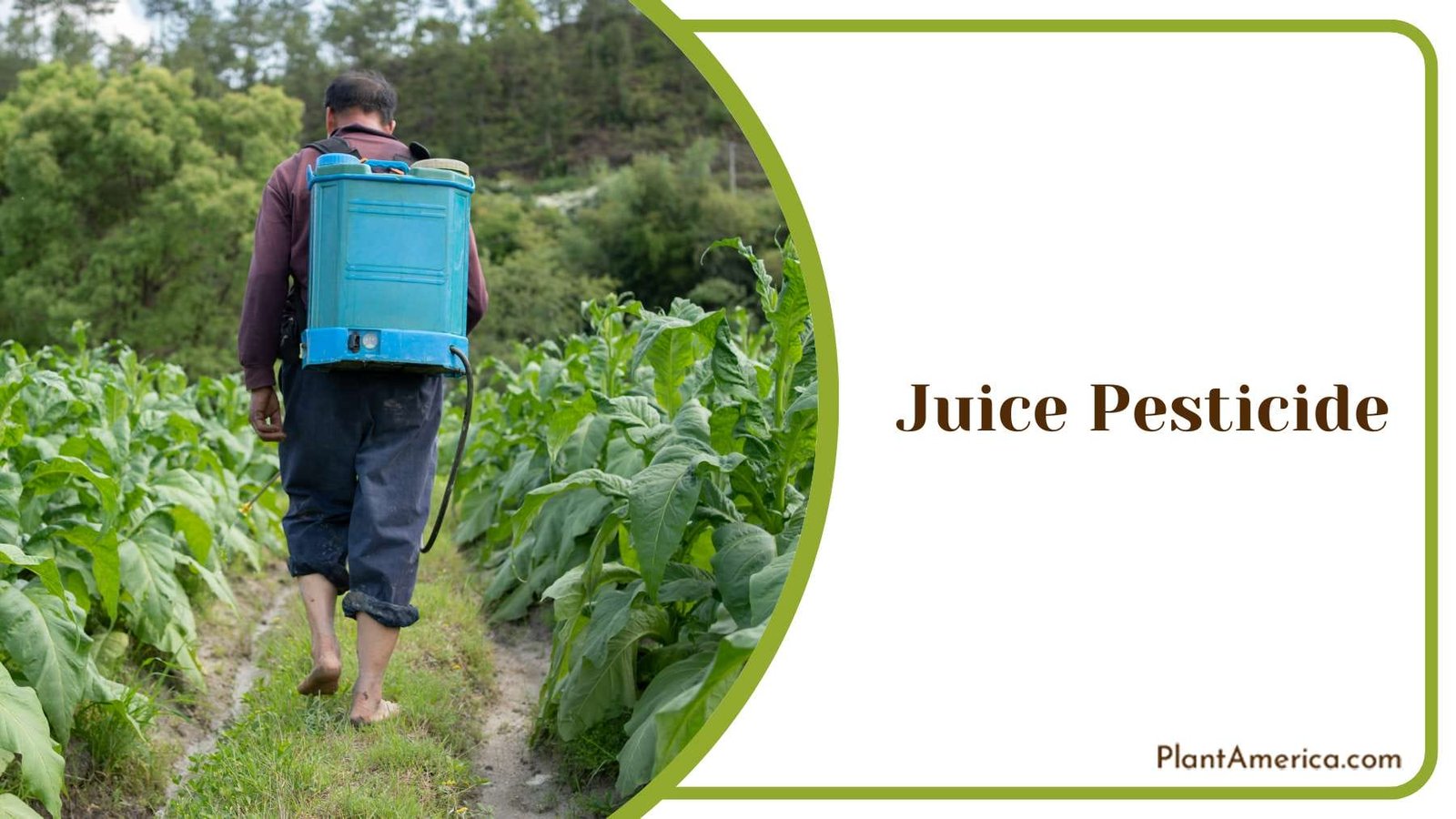
To make this pesticide, soak one cup of cigarette butts, as you would gather around a cup of cigarette’s ashes, which could take time to collect, in a gallon of water. Combine it with a few drops of liquid detergent, and let it steep for an hour or even more. Afterward, filter the solution, and keep it in a dry container.
Spray it directly on the affected leaves and the nearby soils; if it is too acidic, you can add a bit more water. These homemade pesticides may resolve problems with gnats, flies, aphids, and other pests. Do not apply it on the edible parts of your plant, though, especially within a week before harvesting.
– Make Use of the Minerals
Ashes from burned cigars are found to have minerals in them, touted to be useful among plants. On top of the list are potassium and calcium, which are typically found in ashes burned from a stick cigar.
These two components make up almost 50 percent of all components. Followed by magnesium, sulfates, and other remaining minerals in lower proportion, but this would be out of the regular context.
Potassium is a macro-nutrient needed by plants, along with calcium and magnesium, all of which are essential in plant growth, whether it’s a houseplant, vegetable plant, or even a flowering one. Potassium promotes strong root development, green and healthy leaves, as well as better fruit-bearing ability among plants.
At the same time, you must also consider how it would aim to improve plants’ overall robustness; calcium and magnesium can also help maintain the soil’s pH level and aid in producing chlorophyll.
With these minerals present, the ash can be a great fertilizer alternative, especially if you have limited options available. Nonetheless, you should try careful evaluation is needed before applying anything to your beloved green plants.
– May Help Few Plants Balance Soil pH
With a pH level of nine to eleven, ash from cigars is best to use in soils with low alkalinity, such that when it is added, there is a bigger chance that a pH level of six or seven would be achieved, which is a balanced level. A pH of six to seven is ideal for some vegetable plants.
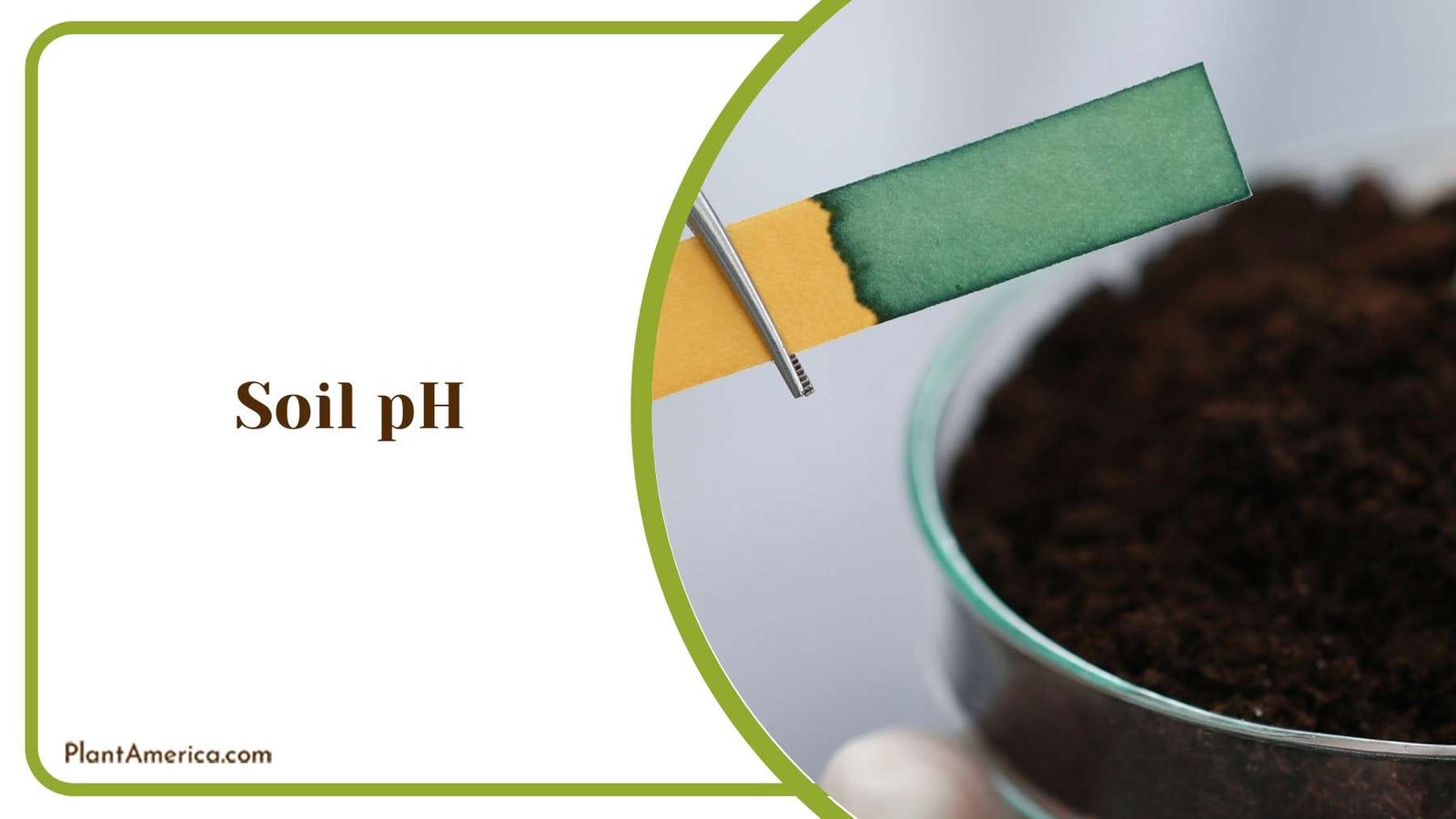
Vegetable plants like cucumbers, onions, beans, turnips, and squash are considered for planting when the soil pH is balanced through ashes from cigars. Also, flowering plants like roses and hydrangeas are deemed to get a buzz from cigar ash good effects.
Aside from these plants, no other plants have undergone similar scrutiny regarding the positive outcomes of ash use. Needless to say, further exploration is needed to ascertain how cigar ashes affect soil pH and plants in general. However, a soil test is needed to determine your soil’s current pH level to take advantage of this fully, so for this, take note, though, that a soil test of this kind is a bit pricey.