
Trees with red and green leaves will work for you if you’re looking for unusually colored foliage in your landscape. Luckily, several trees with vibrant shades can grow in your garden according to the climate and soil conditions.
Keep reading this article, to know all about the best trees that have both green and red colored leaves that you can plant to add vibrancy and significance.
List of Trees With Red and Green Foliage
1. Red Maple
| Distinguishing characteristics |
|
| Care |
|
| Uses |
|
| Common issues |
|
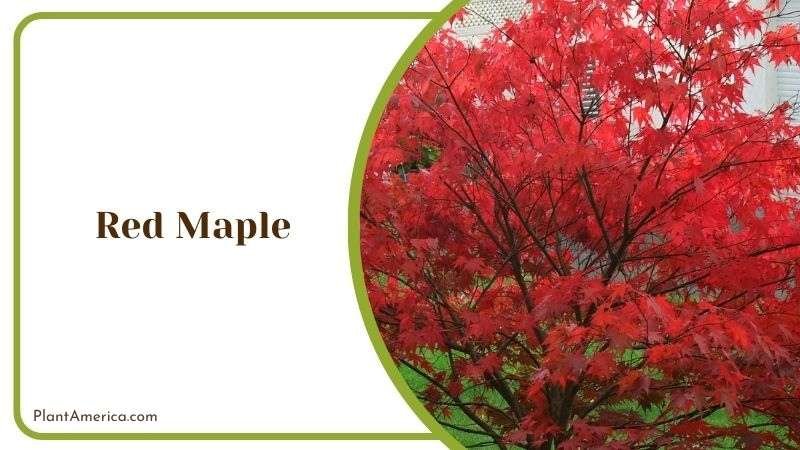
The Acer rubrum is a popular choice for landscape designs thanks to its distinctive red leaves. Although maple’s foliage becomes greenish in the spring and summer, the twigs and branches remain bright red.
The flowers and fruits are also bright red, adding color to your garden throughout the year. You can pair it with the red hawthorn, which bears dark red berries in the fall. Moreover, make sure that the tree will thrive in the right conditions, especially being placed in well-draining soil and a location where it will receive a proper amount of sun.
2. Copper Beech
| Distinguishing characteristics |
|
| Care |
|
| Uses |
|
| Common issues |
|
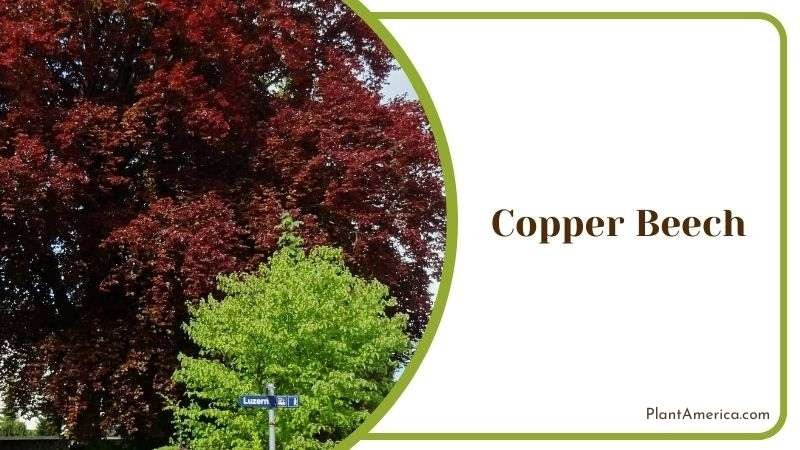
This is the type of tree that is also called European beech, this tree is relatively slow-growing, but it’s a popular choice for urban landscapes because of its ability to be pruned and clipped without losing leaves.
Each pair of female flowers is surrounded by a cup, which closes to form a beech nut when the flowers are pollinated. This is the tree that is home to different wildlife as it grows, which is where they will inhibit. Moreover, when growing it, make sure that you do not overwater it, because it will, then, be in risk of different fungal infestation.
3. Purple Leafplum
| Distinguishing characteristics |
|
| Care |
|
| Uses |
|
| Common issues |
|
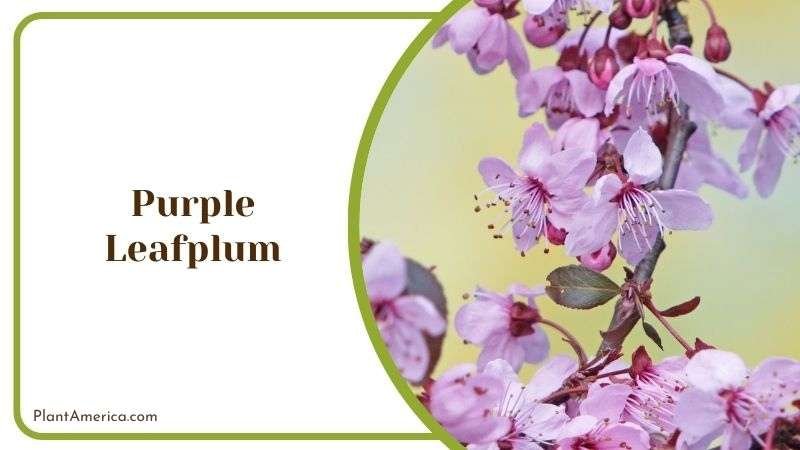
Known as the cherry plum, the Prunus cerasifera tree requires more maintenance than other landscape trees. It has green to burgundy foliage that adds beauty wherever the tree is planted. This is why you should keep the plant growing in its optimal conditions, one of which is having it in the full sun.
The tree is pretty hardy and doesn’t require winter protection, because it may be in a vulnerable state due to the frost. However, you can pair it with the burning bush spindle tree, which bears red berries in the fall as well, as this tree does. These berries are food for the wildlife that would be surrounding them, such as squirrels.
4. Katsura
| Distinguishing characteristics |
|
| Care |
|
| Uses |
|
| Common issues |
|
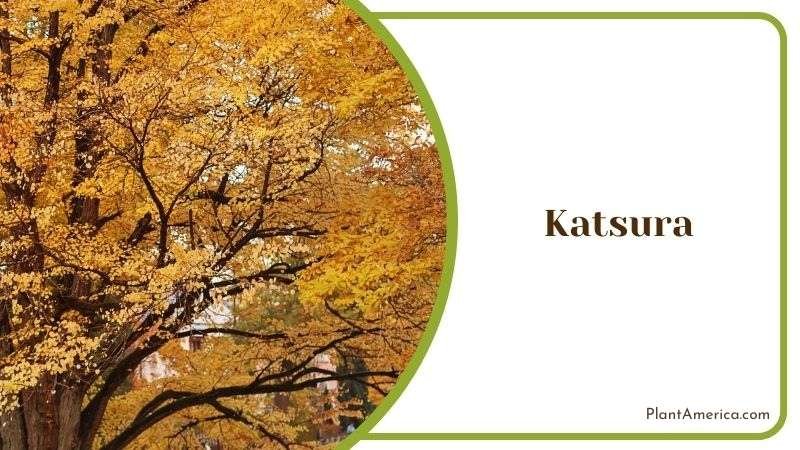
This tree is native to Japan, and the heart-shaped leaves turn from green to bright yellow, red, and purple shades in the fall, like the black gum tree. This tree is the type that adds beauty and vibrancy to your surrounding where it is planted. As a result, it should be taken care of in a very efficient matter, because the excess sunlight the leaves may weaken and scorch.
It’s an understory tree, and some shade is needed, especially in hotter climates to prevent leaf scorch. However, the trees need full sun in northern climates to achieve their attractive fall color, which is why you will see both green and red at the same time.
You can pair it with the red robin tree, which has green and red leaves at the same time, or the Cotinus coggygria, known as the royal purple smoke bush.
5. Forest Pansy Redbud

| Distinguishing characteristics |
|
| Care |
|
| Uses |
|
| Common issues |
|
This tree maintains its beautiful red-purple foliage and attractive seed pods well into winter. It reaches a height of 30 feet tall and can live up to 25 years in optimal conditions. You can pair it with the Cornus florida or flowering dogwood tree.
In spring, you will see this tree blooming with beautiful flowers, as the flowers will attract a number of pollinators. Moreover, remember that the tree will thrive when the soil is moist and the sun should be filtered. Transplanting this beauty to your garden with its electric pink flowers and colorful fall foliage.
6. Japanese Maple
| Distinguishing characteristics |
|
| Care |
|
| Uses |
|
| Common issues |
|
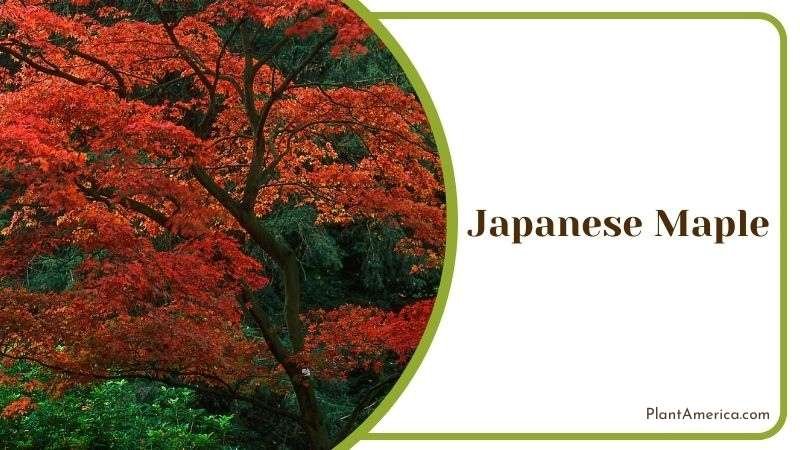
If you pick the right location for the Acer palmatum, it will grow strong on your land. These deciduous trees produce maple syrup, but most people grow them as ornamental trees as they are also used in traditional medicine usually used to treat eye issues and improve liver functions.
You can pair them with cherry trees and Japanese rowan or mountain ash trees which bear red berries to design your Japanese-style garden. On another note, this type of tree may grow aggressively, as the roots are strong enough to crack your driveway route.
7. Flowering Crabapple
| Distinguishing characteristics |
|
| Care |
|
| Uses |
|
| Common issues |
|
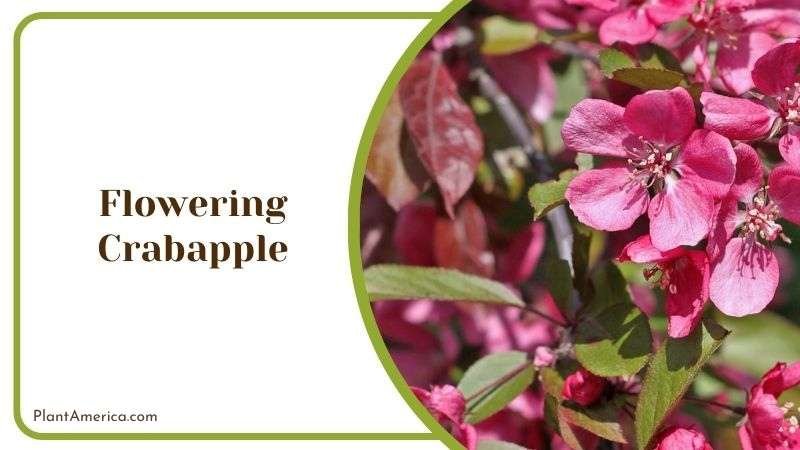
This tree is related to the apple tree but bears a small tart fruit. Larger individuals can grow as shade trees, while a smaller tree can be a focal point in your Asian or cottage garden.
This type of tree adds beauty in different ways, with the colors of the foliage and even with the beautiful flowers it provides in springtime. This is why you must make sure to grant all the needs, such as moist soil, and being kept in full sun.
Conclusion
Growing trees with red and green leaves will add color and vibrance to any landscape design.
- Some trees with red leaves in summer will maintain their attractive foliage throughout the year, like red maples.
- Trees with red leaves in autumn, like Katsura trees, have green foliage in the summer, then change color and turn red.
- Some flowering trees have gorgeous red and purple foliage, like the katsura and European beech.
- Although most trees achieve colorful foliage in full sun, the Japanese maple thrives in full shade.
With these colorful choices, which colorful tree are you planning to grow in your garden?