
Cattleya Labiata of the Orchidaceae family is a beautiful orchid with a spicy fragrance. It can be slightly challenging to grow this orchid if you are new to this type of flower. But if you follow our guide, you will be able to grow this gorgeous Cattleya genus plant without much difficulty.
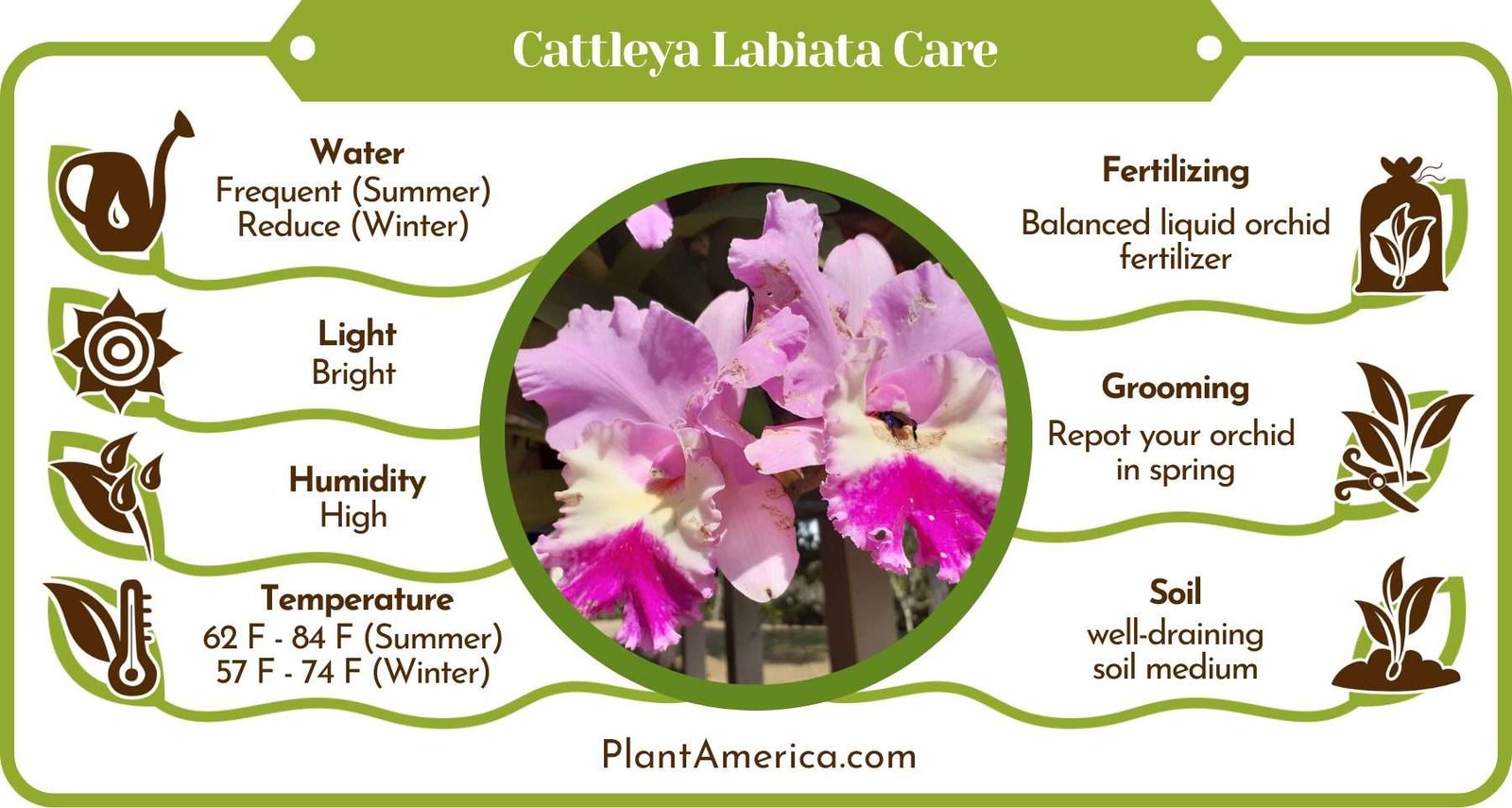
Read on to find out all there is to know about Cattleya Labiata.
Cattleya Labiata Care
Cattleya Labiata culture is not too difficult to care for if you provide it with the right growing conditions.
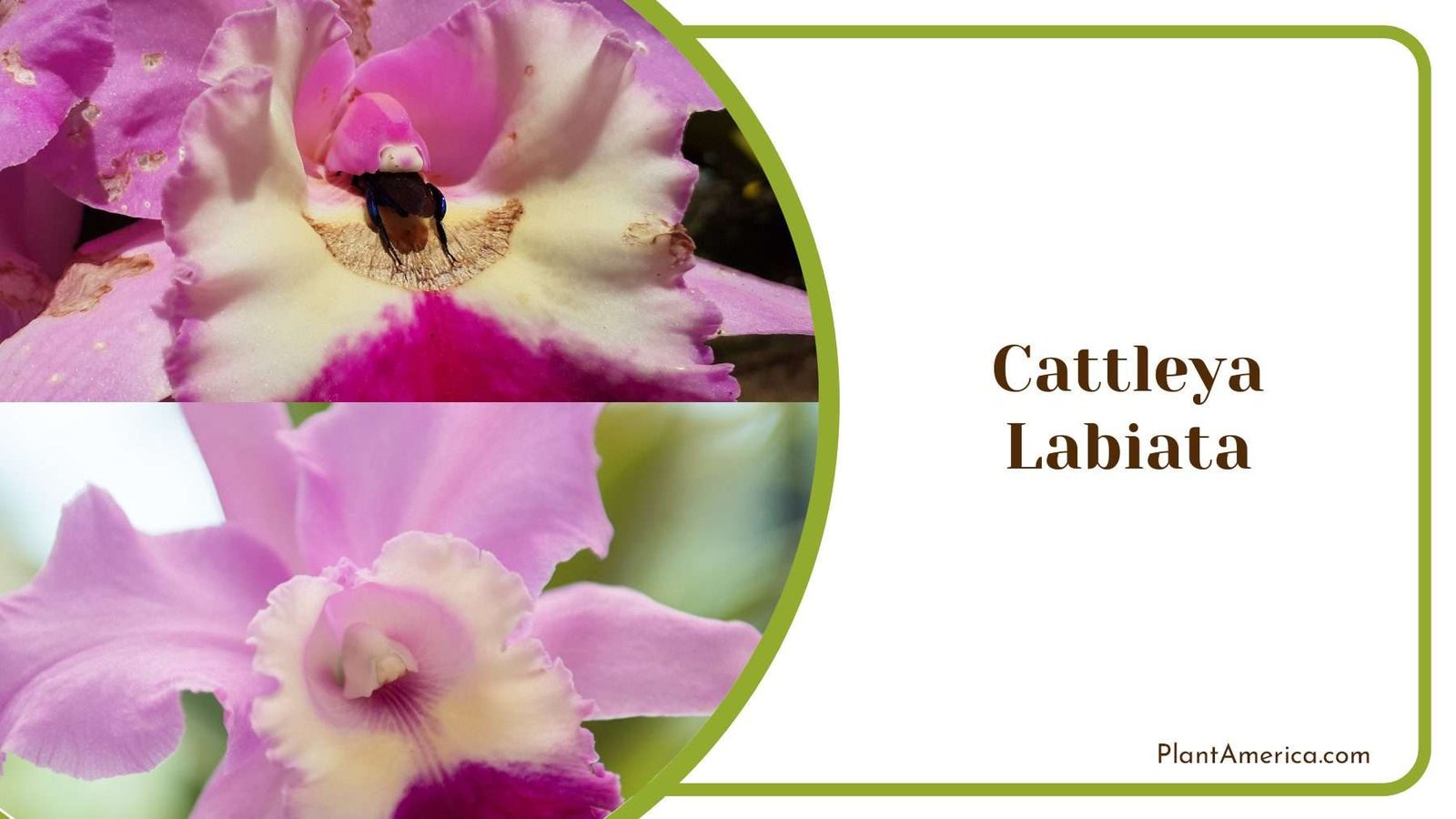
Follow our guide below to know all about its growth requirements.
 Light Requirements
Cattleya Labiata grows near the tops of old trees in tropical rainforests. It has high light requirements and needs bright light conditions to grow well. It also grows healthy under grow lights, but flowering may be reduced.
To initiate flowering, shorten the daylight during fall. Increase the light conditions gradually from early spring and maintain strong air movement with high light intensity. A south-facing window or balcony receiving bright, filtered sunlight is great for growing Cattleya Labiata.
 Water Requirements
The Brazilian Cattleya needs moderate to heavy watering depending on the conditions in your area. It prefers frequent watering during the growing season of summer and less during the dry periods of winter, when the plant goes dormant.
Increase the watering at the end of summer, when the plant is in bloom, and reduce it when flowering stops.

Allow the soil medium to dry out just a bit in between the waterings. However, never let it go bone dry for too long, as underwatering can cause your plant’s leaves to wrinkle. Allow it to go 60 to 80 percent dry in between the waterings for best growth.
Mounted orchids need more water than potted ones. If the summers are too hot and dry in your area, we would recommend you plant your orchid in pots or containers in a soil mix that can retain moisture for longer periods.
Water your plant early during the day as it keeps the plant roots moist throughout the hottest hours. In summer, water your orchid both in the morning and at late noon to keep the roots moist. Reduce the frequency during the winter months.
 Soil Mix
Cattleya Labiata prefers a thick, loose, and well-draining soil mix. It grows well in medium-thick fir bark chips. You can add some perlite or charcoal for extra drainage. The quickly drying bark chips medium helps in preventing root rot. It grows well in shallow and smaller pots, as large and deep containers retain moisture for longer periods.
You can also grow Cattleya Labiata mounted on tree fern or cork. On the downside, mounted orchids require more frequent watering as compared to the potted ones. You will have to water them several times during the day to keep the moisture level high.
 Temperature
Crimson Cattleya is a warm-growing orchid and does not enjoy cooler temperatures. In summer, it thrives in an average daytime temperature of 80 to 84 degrees Fahrenheit and an average nighttime temperature of 62 to 65 degrees Fahrenheit.
During the winter season, it prefers an average daytime temperature between 70 and 74 degrees Fahrenheit and an average nighttime temperature of 57 to 60 degrees Fahrenheit. The daily difference between daytime and nighttime temperature helps in flowering.
 Humidity
Cattleya Labiata loves high humidity, ranging between 80 and 90 percent throughout the year. In the dry, winter season, it can tolerate 75 to 80 percent humidity levels. Try to keep the humidity above 70 percent if you live in a dry area.
To maintain high humidity around your plant, use humidity trays or humidifiers. You can also group many plants to keep the humidity levels high. To prepare the humidity tray, fill a shallow tray with some water and pebbles and keep the plant above it. As the water will evaporate, the plant will absorb moisture and humidity levels will be maintained.
Maintain strong air movement with high humidity around the plant. High humidity levels with low or no air circulation lead to problems like root rot and fungal diseases. Keep your plant in a spot that receives adequate air movement, so that the plant roots do not rot.
 Fertilizer
Use a balanced liquid orchid fertilizer once every two weeks to fertilize your Cattleya Labiata. Use one-fourth to one-half of the recommended dose mentioned on the label of the fertilizer.
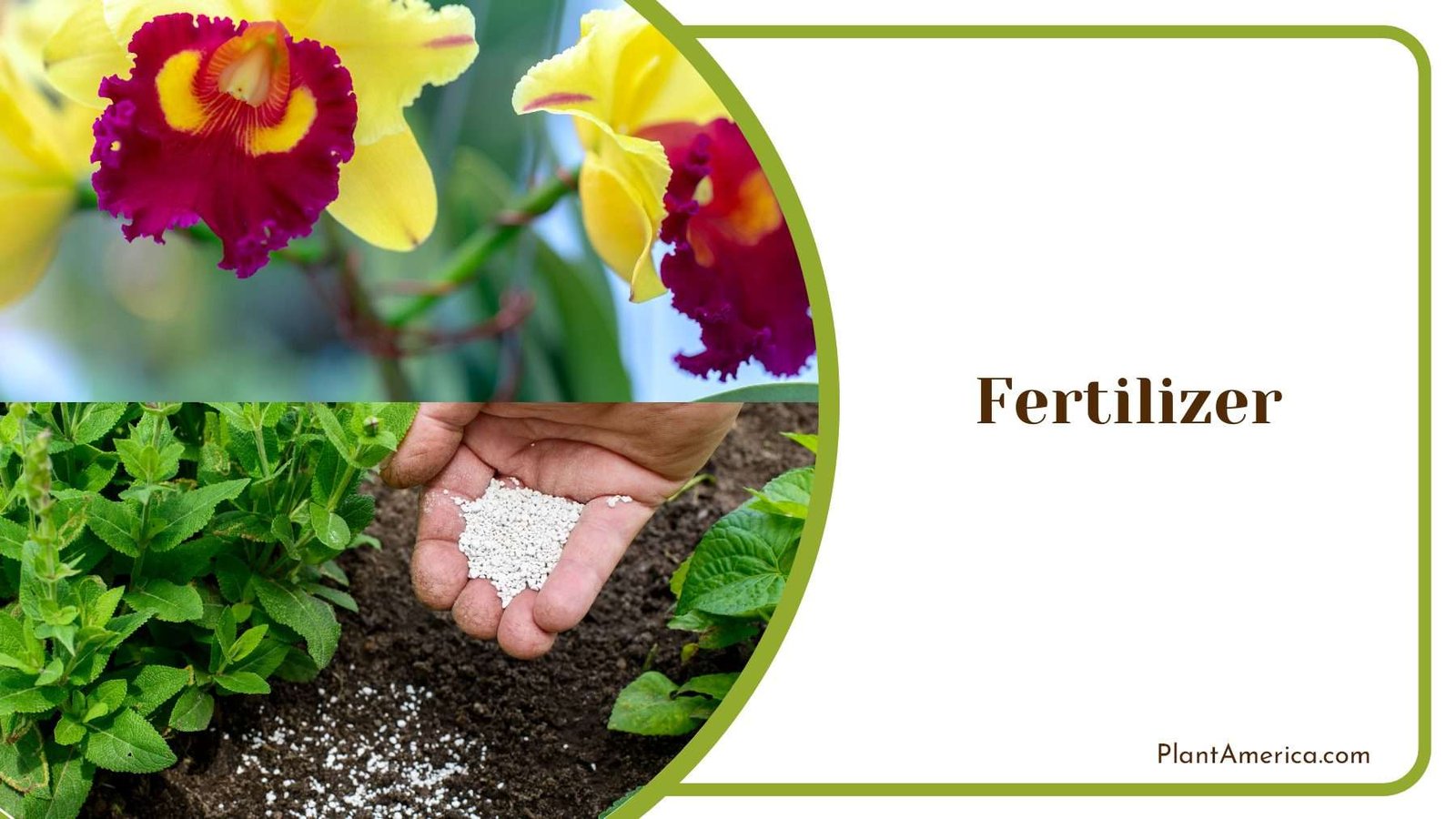
Use a nitrogen-rich fertilizer during spring and early summer and a phosphorus-rich fertilizer in late summer and fall. Do not fertilize your orchid during the winter season, as it goes into its rest period. Resume fertilization from early spring, when new growth begins to show.
Avoid overfertilizing your orchid. High amounts of fertilizer can cause salt accumulation near the plant roots and can kill them. To avoid the salt build-up, give your plant a good dip in fresh tap water every month.
Repotting
When your plant has taken over the entire pot, you can divide the plant and propagate the divisions. Ideally, repotting should be done every one to two years. Old, decomposed soil mix can cause the plant to rot and catch fungal infections. So, it is crucial to repot at an appropriate time.
Remove the old soil mix and wash the plant properly with tap water. Prepare new soil mix with bark chips and perlite. Place the plant in the new substrate and water it heavily. Keep it in shade for a few days to allow it to adapt to the new soil medium before moving it to a brighter spot. Use a pot one size bigger than the previous one.
Repotting and dividing should be done in early spring when new growth appears and new roots develop. It is important to repot your plant at the right time, as this helps the plant to adapt and grow easily in the new environment. Remember that there must be at least three to four pseudobulbs for effective propagation.
Final Note:
The Ruby-Lipped Cattleya has beautiful flowers that are sure to catch anyone’s attention.
Some of its common names are Crimson Cattleya, Ruby-Lipped Cattleya, and Brazilian Cattleya. William Cattley flowered it first in 1818 and Lindley described it first in 1821.