
Philodendron moonlight care is easy and straightforward, so even beginner gardeners can make it thrive.
This is a hybrid-grown plant and a top pick among avid houseplant collectors. With its amazingly vivid foliage and fairly basic growing requirements, there’s a lot to love about it. Growing your own Philodendron at home doesn’t have to be difficult, and in this care guide, we’ll show you all you need to know!
Philodendron Moonlight Care Guide
Philodendron moonlight is an easy-to-grow indoor plant. Let’s take a close look at what you need to do to keep this plant happy.
 Light Requirements
Keep your philodendron moonlight in a part of the house that gets plenty of bright indirect light. A room with eastern or western exposure would be ideal. You can also keep it in a room that’s facing south, but if you do, keep the plant at least two feet away from the window.
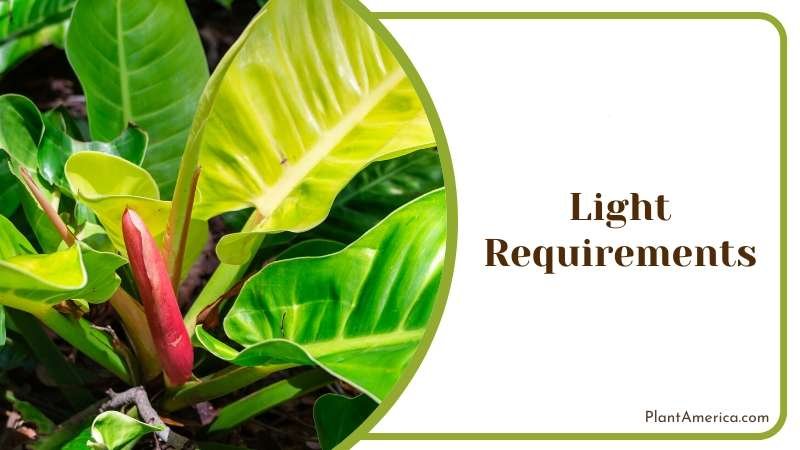
A couple of hours of direct sun in the morning and evening will help the plant thrive, but the intense midday sun will scorch the foliage.
 Temperature Requirements
The ideal temperature range for growing philodendron moonlight indoors is between 65 and 78 F (18 to 25 C). If you plan to grow it outdoors, you can do so in USDA zones 10 and 11. Keep in mind that all philodendron varieties will struggle to grow if temperatures drop below 60 F (15 C) and can suffer permanent damage if exposed to 50 F (10 C) for long periods.
 Water Requirements
Water your philodendron moonlight when the top inch of the soil feels dry to the touch. The soil should be kept moist but not soaked to prevent fungal and bacterial problems, such as root rot. We recommend using the soak and drain method for watering this plant.
This will ensure that the soil is evenly moist, will gradually flush out fertilizer salts, and will push out low-oxygen air pockets within the substrate.
On average, you will need to water your philodendron moonlight once a week throughout the growing season, from spring until mid-autumn. In winter, you can reduce your watering schedule to once every 7 – 10 days.
The plant’s water needs will change depending on temperature, humidity, amount of light, and size of the plant. As a result, you should always test the top inch of the soil with your finger before watering your philodendron again.
 Humidity Requirements
Philodendron moonlight is not as pretentious as other philodendrons when it comes to humidity. Ideally, this plant should be grown at a humidity level of at least 50 percent. However, its thick, leathery leaves allow it to withstand the average home humidity without developing dry, crispy edges. If you want to keep it happy, we recommend keeping it on top of a pebble tray and making sure that the soil doesn’t dry out too much.
 Soil Requirements
The best soil mix for philodendron moonlight should be well-draining, aerated, moisture-retentive, and rich in organic matter. This plant is not drought tolerant, but at the same time, it doesn’t like having ‘wet feet’. Using the right type of substrate will prevent problems caused by overwatering, such as root rot.

We recommend using the following blend of potting mediums for your philodendron moonlight:
- two parts peat moss
- one part perlite or pumice
- one part orchid bark
You can also add a handful of horticultural charcoal to the mix. This ingredient is an excellent addition to soil mixes for plants that need a moist substrate due to its antifungal and antibacterial properties.
 Fertilizer Requirements
Your philodendron moonlight will benefit from a monthly fertilizer application throughout the growing season. A balanced, universal fertilizer with a 10-10-10 nutrient ratio should be more than enough. Dilute the fertilizer to half the strength recommended on the label. The plant won’t need any additional feeding during winter.
 Pruning and Maintenance
Philodendron moonlight doesn’t require pruning. This plant does not produce long vines like other philodendron varieties, meaning that it retains a compact shape. On occasion, you may need to trim some of the older, yellowing leaves from the bottom of the plant. Always use a sharp, sterilized blade to prune the plant.
To keep the leaves healthy and glossy, we also recommend giving them a gentle wipe with a damp cloth once a week. This will remove the dust from the foliage, and it’s also a great opportunity to inspect the plant for any signs of pests.
Repotting
The philodendron moonlight growth rate is slow to medium, so you will only need to repot this plant once every two or three years. You can tell that it needs repotting when the roots start coming out of the drainage hole. When that happens, simply move the plant to a container that’s one size larger or 2 inches (5 cm) wider. Repotting philodendron moonlight is best done in spring or early summer when the plant is actively growing.
Propagation Guide
The easiest method to propagate philodendron moonlight is through stem cuttings. Nurseries and expert horticulturists usually propagate this plant through tissue culture. However, this method is too slow, complicated, and labor-intensive for most indoor gardeners. A large, mature plant can also be propagated through plant division by separating it into several clumps when repotting it.
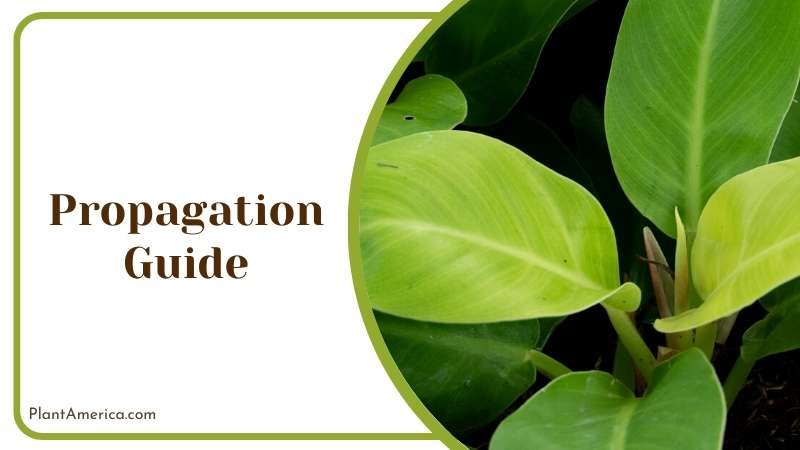
To propagate philodendron moonlight through stem cuttings, use a sharp, sterilized blade to cut the stem between two growth nodes. If you can, try cutting a stem section that has already developed some aerial roots. The leaves grow very closely together, so be careful not to damage their petioles in the process.
Once you have your cuttings, you can root them in water, sphagnum moss, or even plant them directly in the soil. The philodendron moonlight cuttings will take around two or three weeks to develop roots and another month to become established in the soil.
Common Problems
Philodendron moonlight is a hardy plant, and it shouldn’t give you too much trouble. The thick leaves are resistant to pests and diseases, as well as low humidity, but can easily be scorched by too much sun. Also, overwatering can lead to problems such as root rot. Here are a few signs that your plant is struggling.
– Leaves With Brown Spots
This can be a symptom of either too much sun or too much water. If the brown areas are soft to the touch, or if they have a yellow contour, this could indicate a fungal problem.
– Yellowing Leaves
If the leaves on your philodendron moonlight are paler than usual, this is a symptom of either not enough light or overwatering. In the case of stem cuttings, it is an early symptom of root and stem rot.
– Leaves With Yellow Streaks
Variegated philodendron moonlight does exist, but if you notice that the leaves are suddenly developing yellowing streaks, followed by the leaf becoming distorted, there’s a chance that your plant has the mosaic virus.