
Crying plants in your garden is not a significant reason for concern. The most common causes of what seems to be dripped water on your plants are dew droplets, transpiration, and guttation.
Throughout this article, we have spoken briefly about how and why these processes occur, as well as how issues might be solved.
Why Do You Have Crying Plants in Your Garden?
You have crying plants in your garden because of dew drops, which could be a natural process of transpiration. In addition, it could even be due to the guttation fluid that is released from your plant.
The Occurrence of Dew Drops
Condensation occurs on the plant’s leaves’ surface due to temperature variations between the plant and the surrounding air. If it is wet or dewy outside, water droplets will congregate on the leaves of the plant. You’ll find that it happens more often in the summer, mainly if the windows are left open.
The formation of dew drops is because colder air is unable to store the same or more moisture as warmer air. For further clarification, when the temperature lowers, the rate of condensation becomes more significant than the rate of evaporation, which results in the formation of water droplets; this would show you that the plant is crying when in reality, it is the due drops that are falling.
The Natural Process of Transpiration
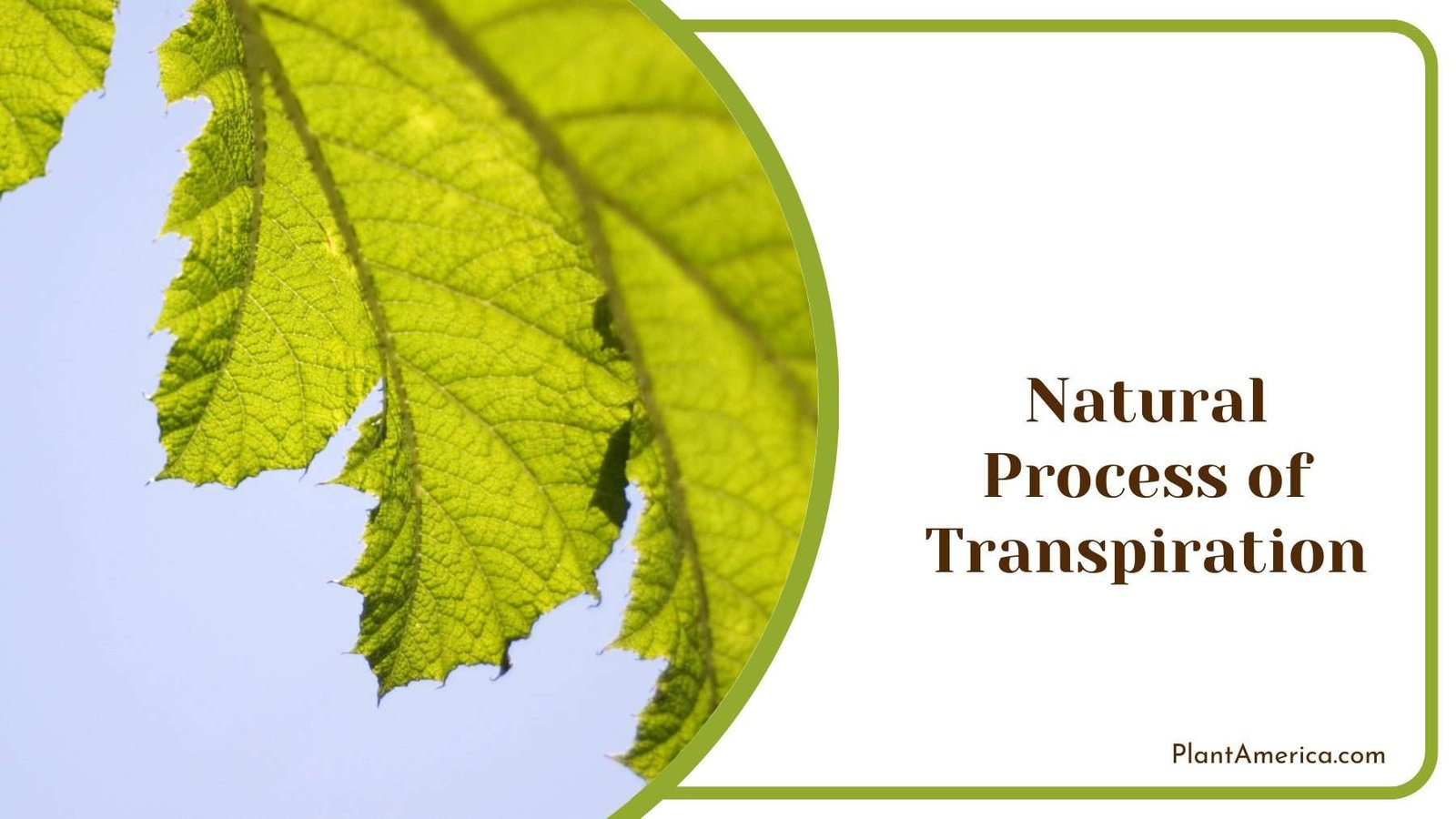
The droplets of water that form on plants are primarily the result of transpiration, the normal process that plants go through to exchange water. In other words, transpiration occurs due to water flowing through plants and evaporating from the stem, leaves, and flowers.
The formation of droplets of water on leaves is a natural process. When a plant has taken in too much water, it wants to get rid of the surplus, and it achieves this by releasing the water via the pores in its leaves that is where it “breathes” from.
Due to Guttation Fluid
Guttation is the mechanisms houseplants, as well as outdoor plants, utilize in an effort to manage the circumstances in which they thrive autonomously. Guttation may happen if a plant is overwatered or is under stress, but it can also happen if it is healthy and just wants to rebalance its nutrients or minerals.
A plant would generally lose water by mostly transpiration, but sometimes, a plant could experience guttation instead. Hydrathodes, a kind of pressure-release valve cells, may be found on the edges or tips of leaf blades. These cells allow plants to exude water and nutrients. Guttation is the process by which droplets of xylem sap are expelled from the ends or margins of the leaves of a plant.
This sap is often confused for water, but in reality, it is water that has nutrients or minerals added to it. The process of guttation is nature’s approach to reestablishing the equilibrium between the nutrition and water content of the plant. This process typically takes place throughout the night due to the closure of the stomata, the regular
 holes employed in transpiration.
During the day, the plant will shut down its stomata to save water for photosynthesis. The plant created a mechanism called guttation that used cathodes to release pressure when it was essential. Transpiration cannot take place throughout the night.
Even though the water lost by guttation includes nutrients and carbohydrates, outdoor plants usually do not suffer any harmful effects from these losses. But indoor plants may suffer. Therefore, even if you believe you are providing the best plant care possible for your houseplants, they may still have difficulty adapting.
What Can Be Done to Stop the Plant Crying?
To stop your plant from crying, you must prevent the formation of dew drops that would happen on the plant, and you must put an end to the process of heavy transpiration. Lastly, you can get a rod of the guttation fluid that the plant forms.
Preventing the Formation of Dew Drops
You have learned about why do plants cry, but now you will find out how you can prevent plant crying. Both the humidity that occurs throughout the day and the moisture that is present in the air when the dew sets in the morning have the potential to be absorbed, at least partially, by the leaves of plants.

So, you can only cover the plant with a plastic green-house like nylon, and it won’t let any dew settle on the leaves of your plant, however other than that, there is nothing you can do to prevent it as this is a natural process of the surrounding environment.
Putting an End to the Process of Transpiration
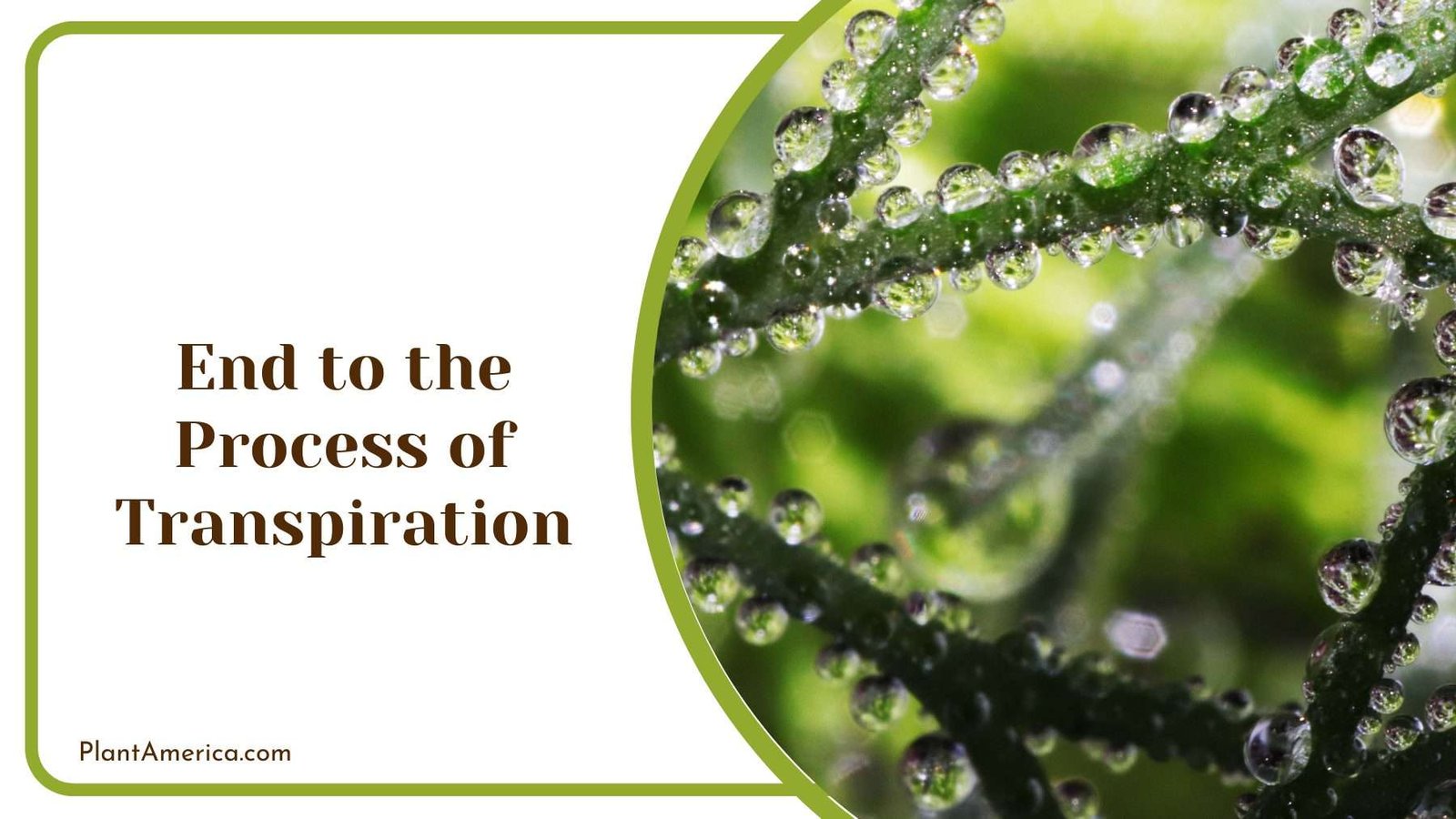
When leaves have taken in all the moisture, they can store, they begin to leak. Most plants don’t need as much water as they would typically need during periods of high humidity. You won’t notice a deluge of water; instead, there may be one or two droplets on the tips.
You have to adjust the amount of water you would be given to your plants based on the number of droplets. If you find too many droplets, reduce the watering frequency and keep a close eye on the plants to see if they are still dripping. The quantity of water a plant requires varies depending on the time of year.
You must be aware of the different plants that secrete a fluid from their leaves, stems, and roots. Some well-known crying plant names are Ficus Trees, Dracaena Plants, Palm Trees, Staghorn Ferns, Aloe Plants, and Air Plants.
However, guttation fluid is only seen in plants that are indigenous to tropical or subtropical parts of the planet but also be found on houseplants. The color of the fluid produced during guttation may range from transparent with a hint of a yellowish tinge to brownish-golden and even crimson colors.
Getting Rid of the Guttation Fluid
It is best to refrain from watering your houseplants in the evening to minimize the risk of rot. Instead of water from the tap full of minerals, you should water your plants with rainfall or soft water. Be careful about applying only a little fertilizer.
An excessive amount of it continues to add minerals to the ground. Instead of doing that, you should repot the plant or top-dress it. You will need to remove the stains by carefully rubbing them with a damp, soft cloth.
When there is an excessive amount of guttation, there is a possibility of harm to indoor plants. The guttation fluid disappears in the air, leaving white patches on the leaves behind. These splotches are the result of minerals that are left behind when water evaporates. On the leaves, they appear as white specks.
When minerals build up, they begin to cause damage to the leaf cells, which results in the formation of leaf burn spots. The color of these patches might range from yellow to brown to even black. This occurs more frequently on plants with thick leaves, such as orchids and jade.
However, if you have the question “Is guttation bad for outdoor plants?” in mind, the answer is “No.” In fact, guttation has always been and will continue to be entirely safe for plants that are kept outside. Rain washes away any deposits quickly enough to prevent any harm from occurring.
