
Oregon native flowers are a source of beauty and pride for nature lovers in the Pacific Northwest. In this post, we’ll tour stunning blooms perfectly adapted to our local landscapes.
From lush coastal fields to forest clearings high in the mountains, each native species thrives without fuss on regional soils and weather patterns. Sharing these gorgeous greenery gems inspires you to mix some biodiversity buzz into your yard or balcony box!
Show-Stopping Oregon Native Flowers for Your Gardens
1. Roundleaf Sundew
- Growing Season: Grows year-round as a perennial plant
- Leaf Type: Round, Fleshy leaves covered in sticky hairs, Leaves form basal rosettes
- Specific Needs: Well-draining soil that stays continually moist, Part shade to full shade
- Common Pests: Aphids can sap nutrition from plant if infestation is severe, None otherwise, being a carnivorous plant
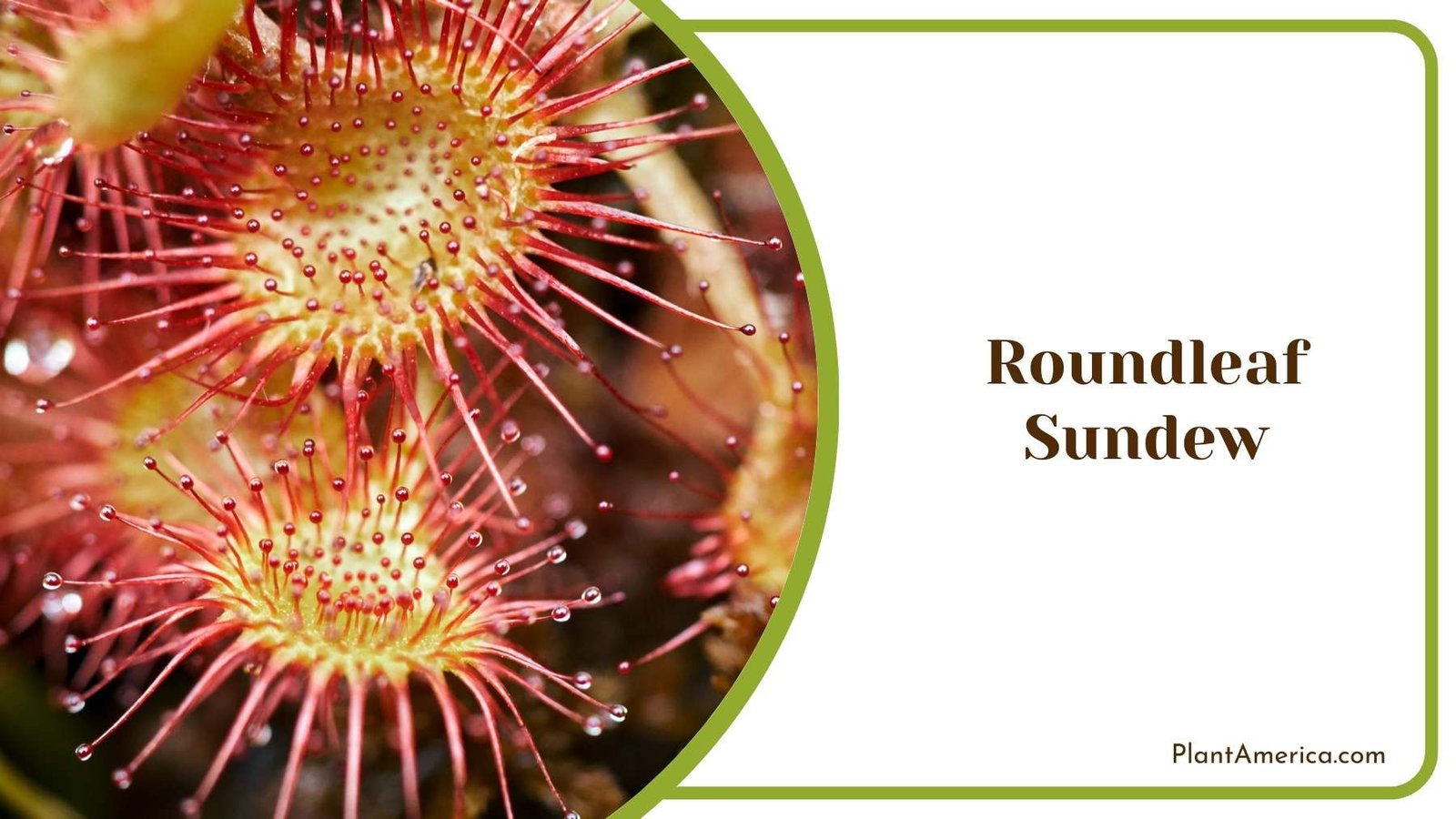
The roundleaf sundew is a carnivorous plant found inhabiting boggy areas in parts of northern North America including Oregon. It grows low to the ground in clumps or mats and features circular leaves covered in sticky glands that trap insects, providing nutrients its habitat lacks.
The roundleaf sundew blooms from June to August, bearing pink flowers on thin stalks. Its trapping mechanism provides an example of adaptation within the plant kingdom. This small but resilient native adds intrigue to any garden and can thrive with minimal care given moist soil and partial shade.
2. Western Trillium
- Growing Season: Blooms early spring then goes dormant, Emerges from rhizomes in late winter
- Leaf Type: Large three-part leaves form at base of plant, Single white flower rises above leaves
- Specific Needs: Woodland shade, Moist, and rich, Well-draining soil
- Common Pests: Slug, Drought can impact blooms, Low-maintenance woodland native
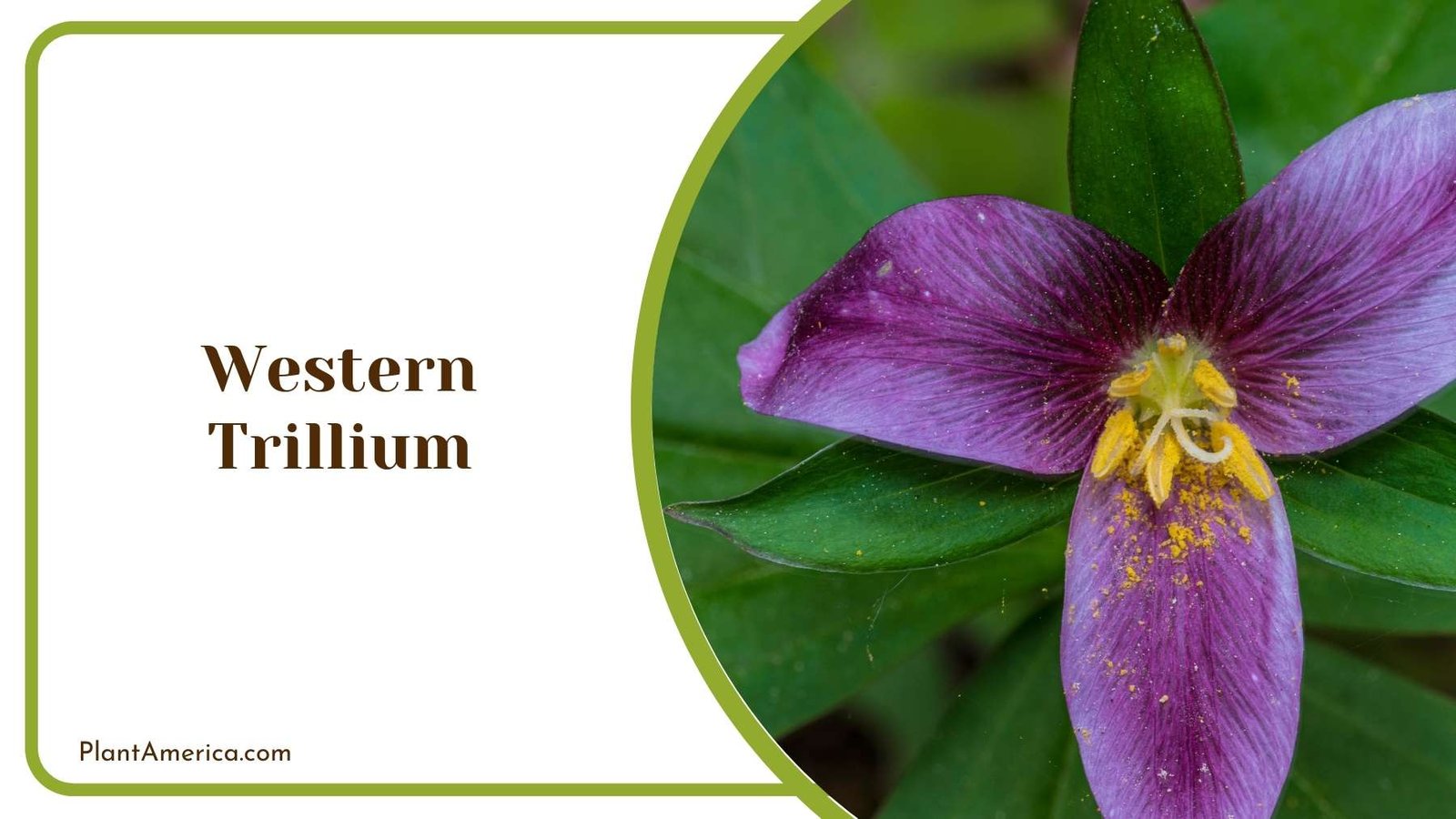
Blooming from April through June, the western trillium is an elegant addition to shaded woodland gardens. This forest floor perennial sprouts three large green leaves that emerge separately in early spring, forming a whorl around a solitary white flower. The western trillium’s leaves are mottled with lighter coloration, adding visual interest as they photosynthesize to fuel the following season’s blooms.
Come flowering time, the trillium’s petals constantly point downward, giving the illusion that each blossom is gazing upon its own reflection. Pollinated mainly by bumblebees, the western trillium seeds itself prolifically across the Pacific Northwest where it decorates moist soil under Douglas firs and bigleaf maples. Though short-lived as a cut flower, the western trillium makes a long-lasting impression when allowed to spread freely in its preferred woodland habitat.
3. Oregon Grape
- Growing Season: Evergreen shrub thrives year-round, Tolerates varied sun/shade
- Leaf Type: Oval leaves shiny dark green on top paler below, Dense clusters of yellow flowers
- Specific Needs: Well-draining soil, Drought tolerant, Deer resistantl
- Common Pests: Slug, Spider
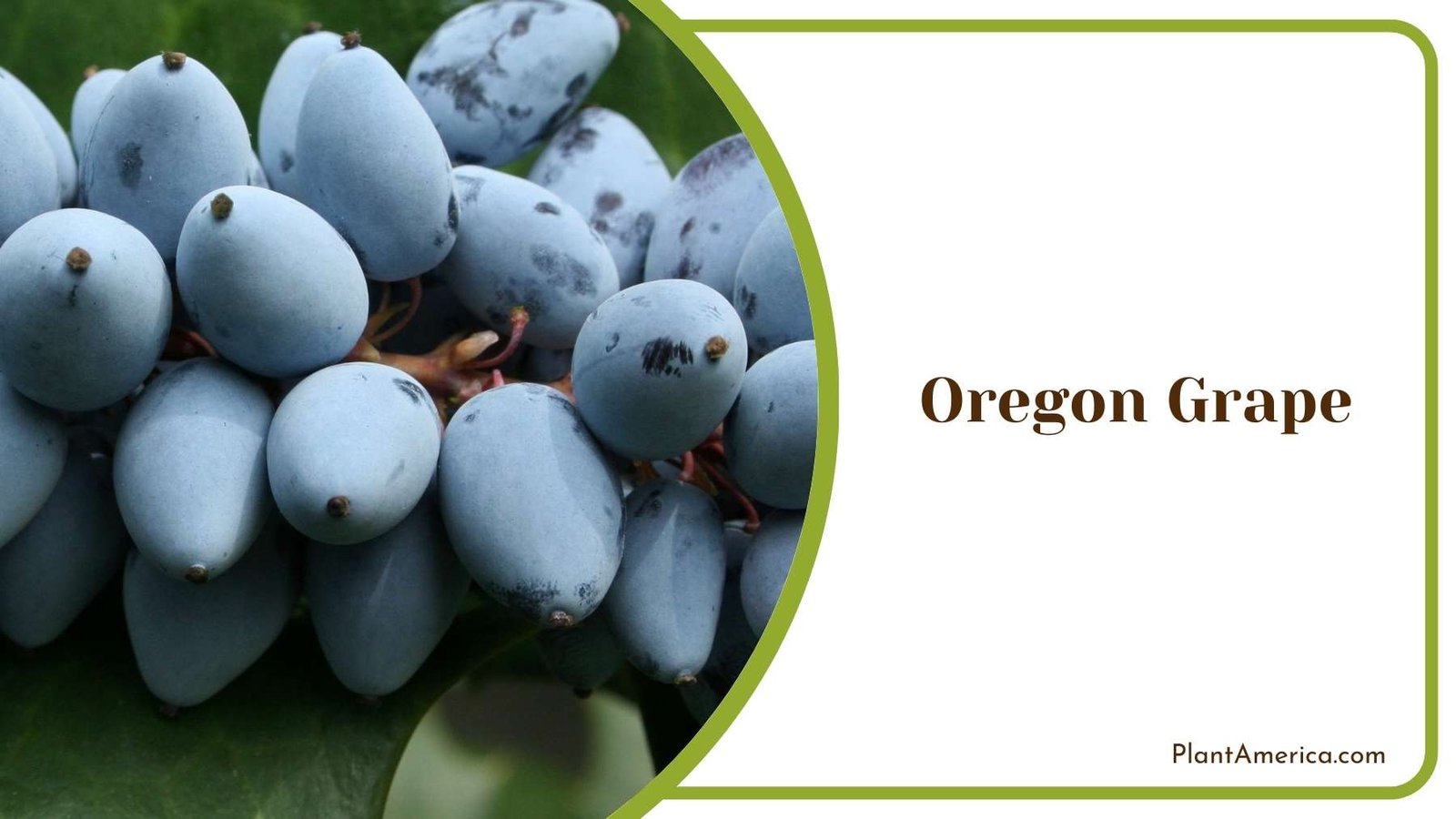
The evergreen Oregon grape is a quintessential element of Pacific Northwest forests and an ecologically important species that provides shelter and nutrients. This tough shrub produces jewel-toned blue-purple berries that persist through winter, a valuable seasonal food source for wildlife.
While poisonous to humans, Oregon grape berries were traditionally used by indigenous peoples to dye baskets and clothing a shadowy indigo hue. Families of holly-like leaves decorate arching branches bearing clusters of fruit, making Oregon grape an attractive addition year-round in shaded yards and gardens.
Both berries and foliage withstand browsing by deer, contributing to the hardiness of this native staple. Whether sprinkled among Douglas fir or highlighted as a focal plant, Oregon grape emanates the essence of Northwest woodlands.
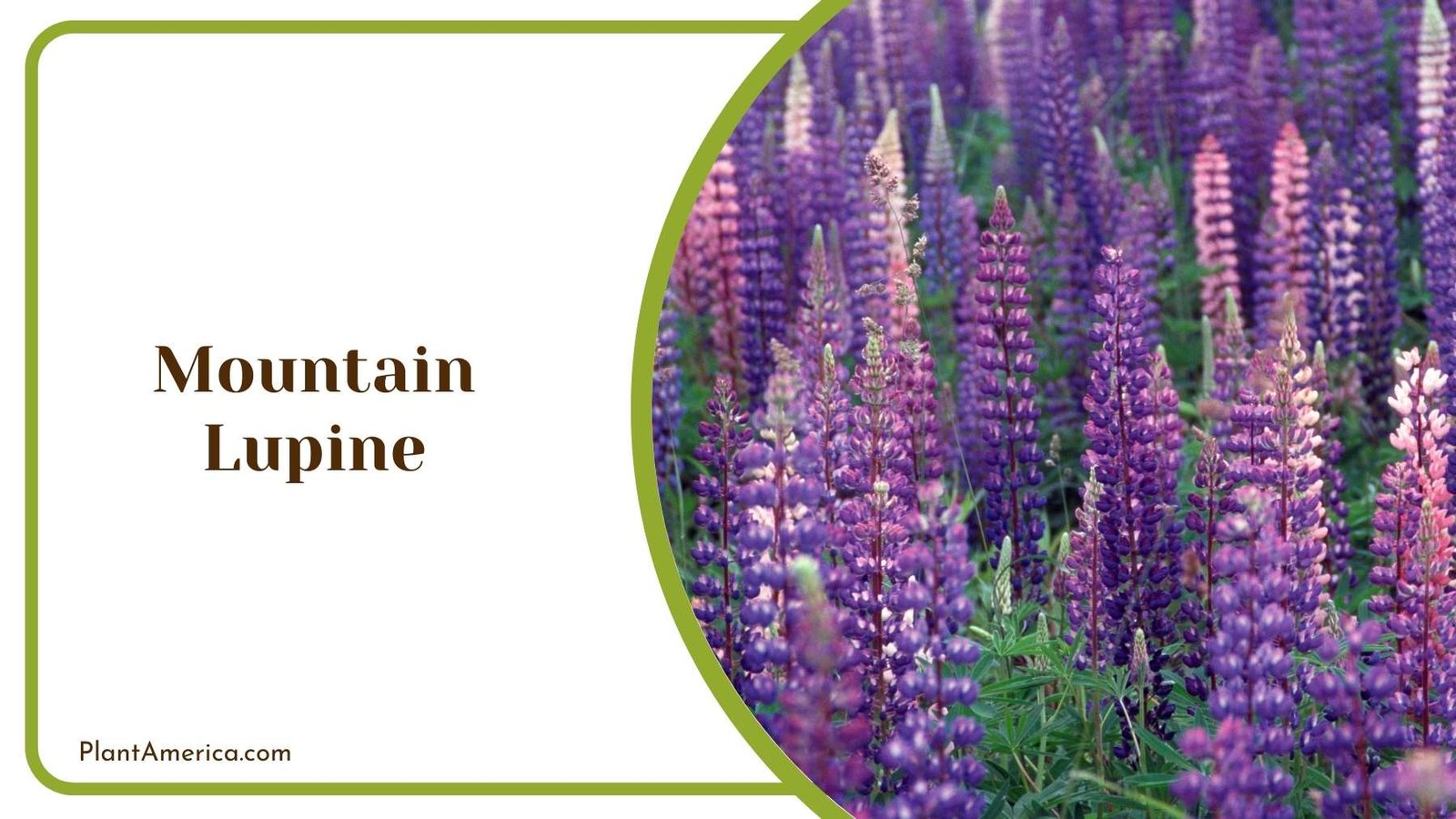
4. Mountain Lupine
- Growing Season: Blooms summer to fall
- Leaf Type: Palmate leaves composed of many leaflets, Tall spikes of pea-like flowers in blue/purple/pink/white
- Specific Needs: Well-draining soil, Drought tolerant, Deer resistant
- Common Pests: Aphid, Low maintenance
The mountain lupine is a colorful sight on gravelly meadows and rocky outcroppings across the high elevations of the West. This stately wildflower sprouts thick, noticeably hairy stalks holding an array of pea-like blooms in shades of blue, purple, and occasional peach or cream.
As early as June, mountain lupine’s tall spires begin to emerge above surrounding vegetation, rising to heights around three feet. Each stem displays numerous flowers along its length, sometimes exceeding one hundred blooms total. Due to its impressive stature and extended blooming period, mountain lupine adds a stunning seasonal accent to alpine cottage gardens as well as larger wilderness landscapes.
The mountain lupine’s flowers attract numerous beneficial pollinators, including several varieties of native bees and butterflies. These pollinator relationships are critical to the success of many plant and animal species endemic to mountain regions. Some pollinators, like bumblebees, have even adapted specialized behaviors to efficiently gather nectar from lupine’s unique flower structures.
By cultivating lupine in backyard habitats, gardeners can support regional pollinator populations and observe these intimate interactions that define fragile high-altitude ecosystems. Adapting well to periodic drought, the mountain lupine thrives with little care beyond occasional watering during our hottest summer months to maximize its blooming potential.
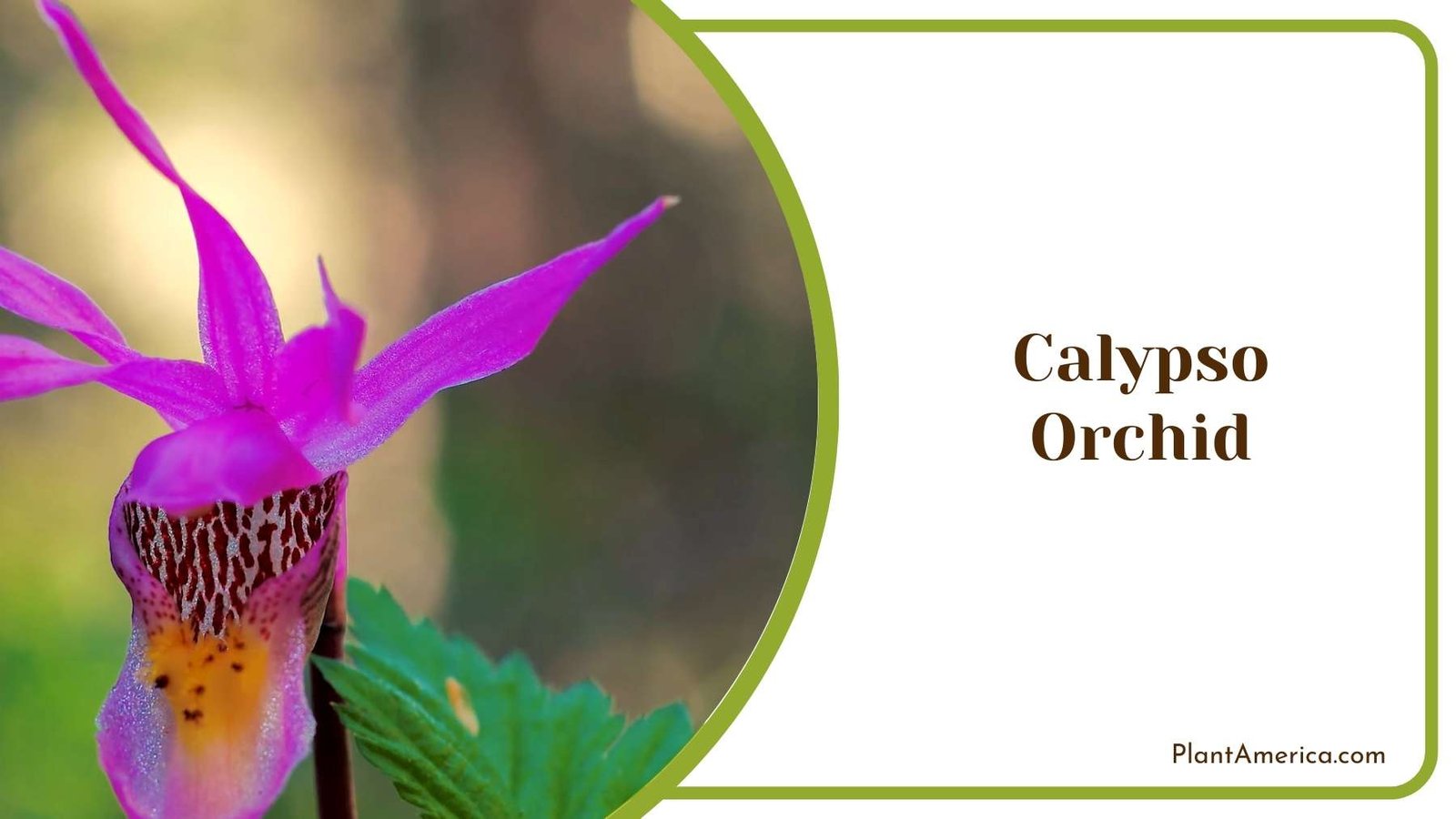
5. Calypso Orchid
- Growing Season: Blooms mid-spring to early summer
- Leaf Type: Single fleshy leaf emerges with flower stalk, Leaf remains after blooms fade
- Specific Needs: Woodland shade, Acidic, Humus-rich soil with good drainage
- Common Pests: Aphid, Low maintenance
The calypso orchid produces one of the Pacific Northwest’s most unusual and sought-after blooms. Also known as the fairy slipper, this exquisite native orchid pushes up a single, pouch-like flower from an underground bulb each spring. The waxy sepals forming the slipper spur are commonly shades of rose, salmon, or lavender.
What truly sets the calypso orchid apart are minute reproductive structures jammed inside the inflated lower petal. To entice skilled pollinators like certain flies, the flowers mimic the scent and shape of available fertilizer.
Though harvested for years, calypso orchids remain elusive to cultivate and are best experienced in remaining pockets of protected wetland forests, where their natural pollinators also congregate. Wherever they appear, the calypso orchid’s fleeting beauty is a marvel and a reminder of the endless mysteries in our native flora.
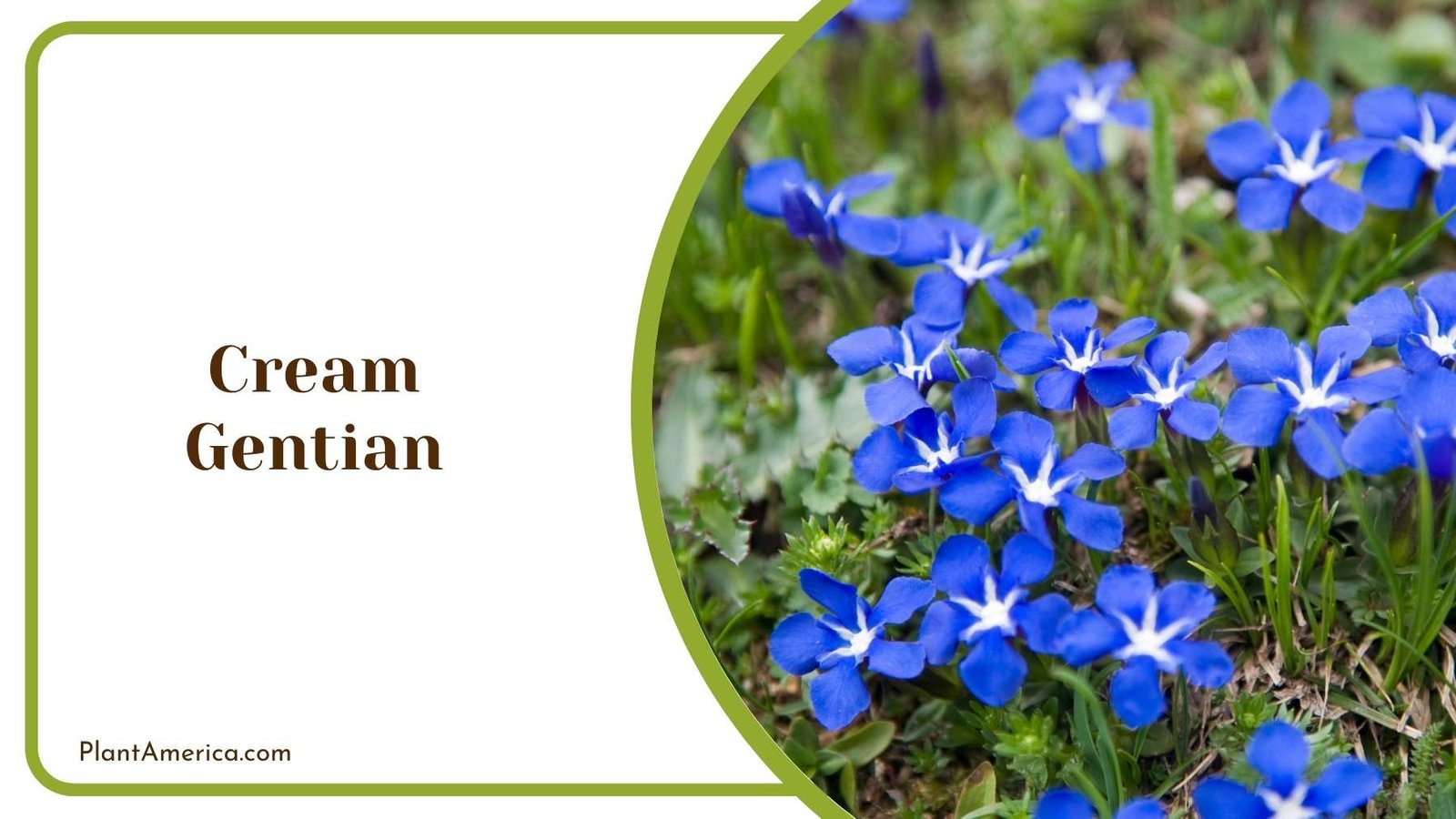
6. Cream Gentian
- Growing Season: Blooms late summer to early fall
- Leaf Type: Opposite, Lance-shaped leaves in basal rosette, Single tubular flowers shoot above leaves
- Specific Needs: High elevation meadows and forests, Moist, Well-draining soil in full sun
- Common Pests: Aphid, Slugs
In late summer and early fall, meadows and woodland edges in the Pacific Northwest are accented by the blooms of the cream gentian. This perennial herb develops basal rosettes of slender leaves from which arise multiple unbranched flowering stems reaching 2 to 3 feet in height.
Glistening trumpet-shaped flowers nod singly on the stems, their five lobes neatly overlapping like hands cupped in prayer. Ranging in color from white to pale cream or greenish-yellow, the blooms provide a last bright spot of nectar for hummingbirds as other floral resources dwindle with the coming of fall.
Cream gentian thrives in partial sun to light shade on moist but well-drained soils. While its blooming period is brief, the simple beauty of this native wildflower helps mark the transition into autumn’s quieter months across the diverse landscapes it inhabits.
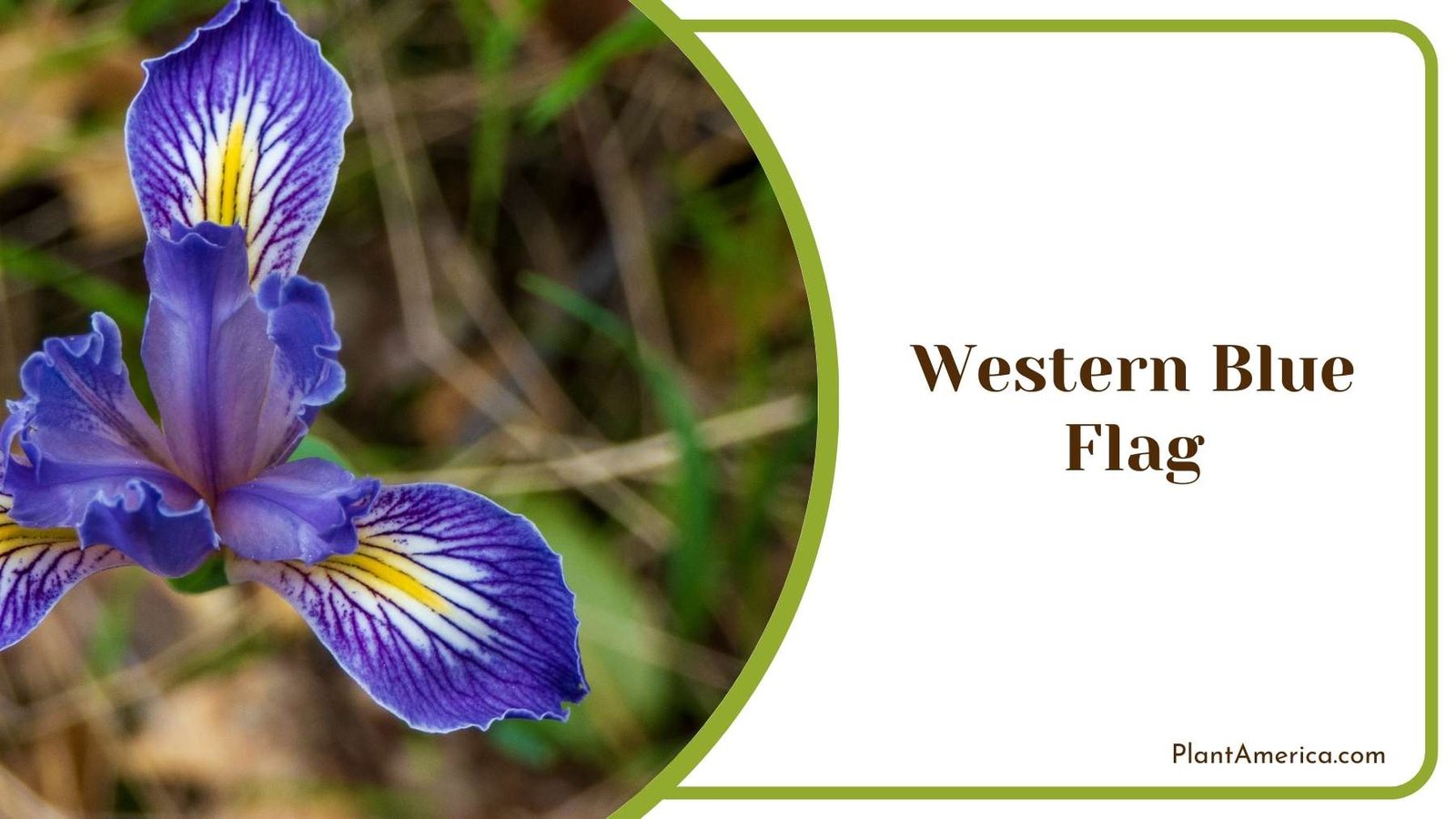
7. Western Blue Flag
- Growing Season: Blooms mid to late summer
- Leaf Type: Elongated iris-like leaves in basal fans, Upright flowering stalks bear blue blooms
- Specific Needs: Wet soils like bogs, Meadows and stream sites, Part shade
- Common Pests: Aphid, Slugs
The western blue flag is a striking iris that blooms in wetland areas of the Pacific Northwest from May to July. Its erect stalks can reach heights over 3 feet, topped with orchid-like blue to purple flowers. Each blossom has three upright petals and three drooping sepals with lighter colored veins.
The western blue flag grows from thick rhizomes situated in moist soil or even shallow water. Its leaves are sword-shaped and can exceed the flowering stalk in length. This iris prefers full sun and propagates readily when conditions are suited to its preferences of wet feet. The blue flag adds vibrant color to naturalized wetland gardens and treatment ponds, where its showy flowers also attract beneficial pollinators like bees and butterflies.
8. Western Columbine
- Growing Season: Blooms spring to early summer, Emerges from overwintering roots
- Leaf Type: Palmate leaves composed of leaflets, Flowers dangle on long stems with spurred backwards petals
- Specific Needs: Part shade, Moist, Well-draining soil
- Common Pests: Aphid, Slugs
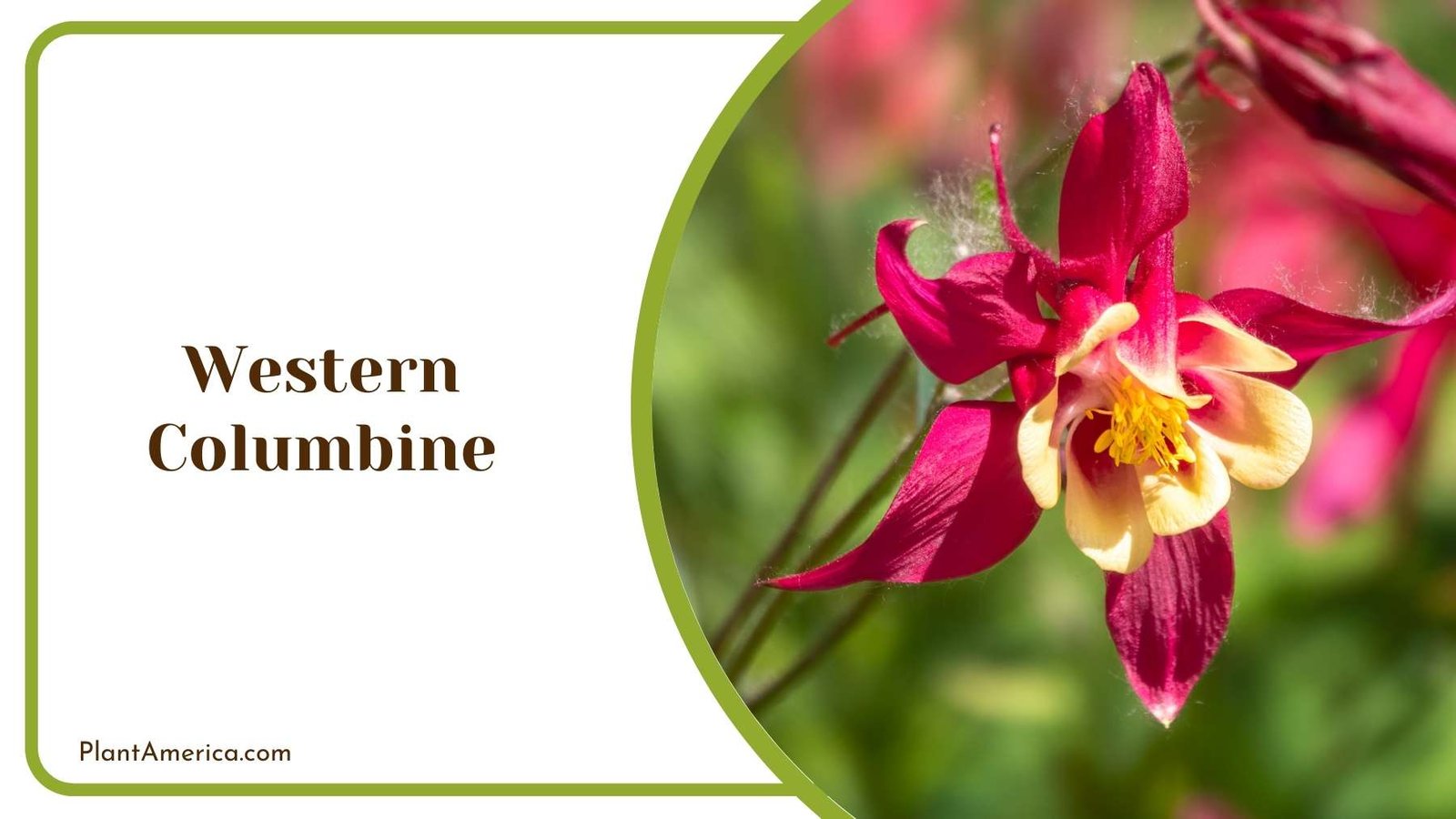
With colorful hanging bell-shaped blooms, the western columbine is a charming addition to woodland gardens and natural areas across western North America. From spring through early summer, diagnostic red and yellow flowers dangle from its branched stems, attracting hummingbirds and other pollinators with their nectar spurs.
Each flower features five backward-curving sepals in shades of pinkish-red, surrounding a central ring of 5 petals typically displaying contrasting yellow colors. Originally a component of moist conifer forests from British Columbia to California, the western columbine adapts readily to cultivated gardens when provided partial shade and consistent soil moisture.
Its deep taproot allows the plant to thrive with only natural rainfall in many regions. Both wild and cultivated populations of this hardy perennial provide lively accenting amidst the greenery of its native habitats.
9. Sea Pink
- Growing Season: Blooms spring through early summer, Spreads by rhizomes and stolons
- Leaf Type: Grass-like basal leaves, Umbrella-like flowers in shades of pink to white
- Specific Needs: Coastal sand dunes and bluffs, Full sun, Well-draining sandy soil
- Common Pests: Aphid, Slugs
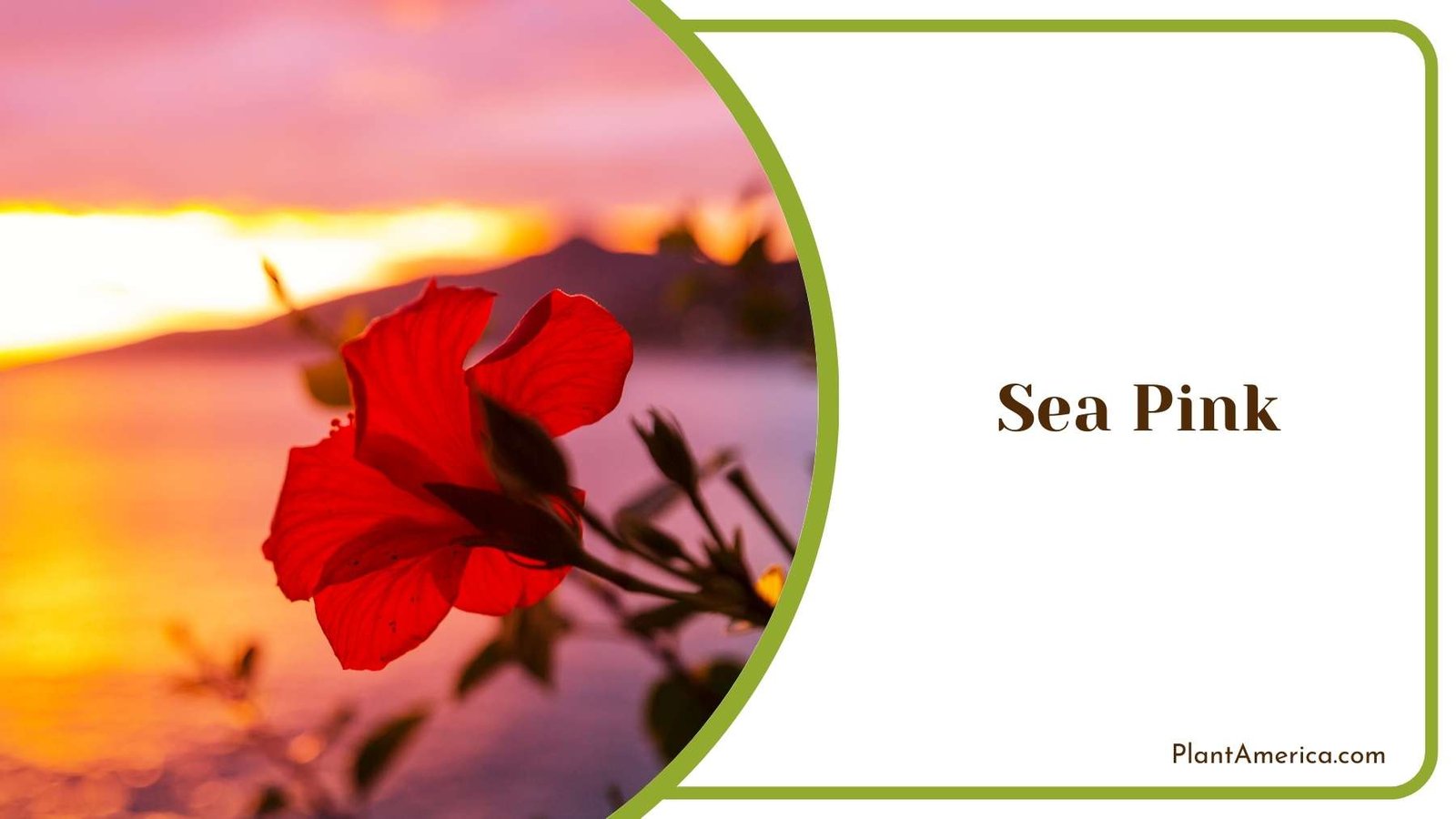
A familiar sight along Pacific Northwestern coastlines is the delicate blossoms of sea pink, an iconic wildflower of beaches and gravelly seaside bluffs. Clumps of narrow, grass-like leaves sprout each spring from rhizomatous root systems established above the high tide line. By early summer, the leaves give rise to wiry stems bearing spirals of five-petaled flowers in shades of white, pink, lavender or red.
With petals elegantly curled backward like sea shells, individual sea pink flowers are only around three-quarters to one-and-a-half inches wide. Their finer features are best appreciated near tidepools, where clusters of colorful blooms stand out against weathered driftwood and barnacled rocks.
Hardy and drought tolerant, sea pink is well-suited to coastal cottage gardens replicating its dramatic seaside setting. Its inconspicuous later-season seedheads also provide valuable food resources for shorebirds.
10. Sitka Valerian
- Growing Season: Blooms late spring through summer, Spreads by rhizomes
- Leaf Type: Heart-shaped leaves arranged in basal rosettes, Terminal heads of small pink flowers
- Specific Needs: Moist forests and meadows, Part shade
- Common Pests: Aphid, Slugs
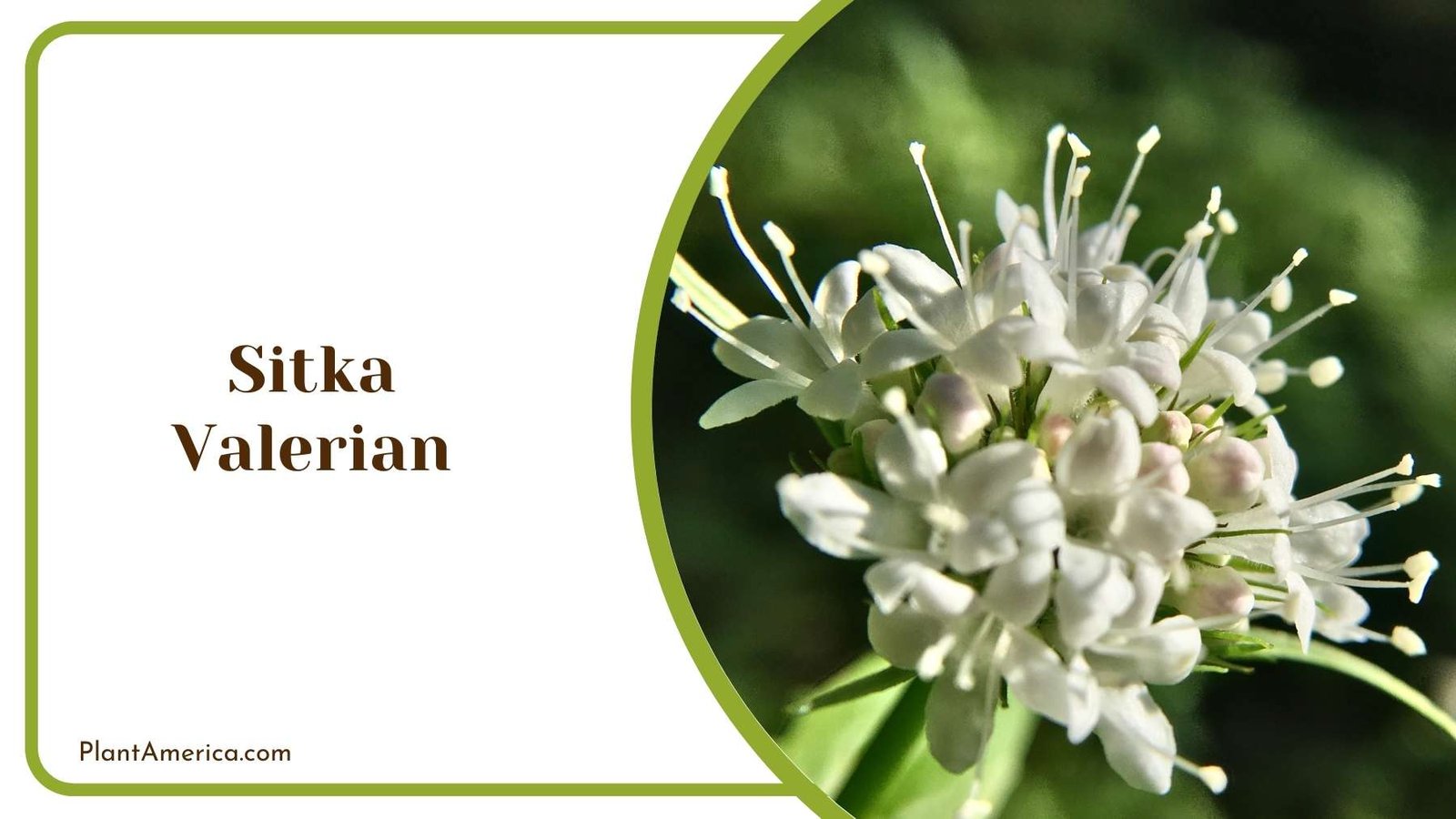
A familiar component of Pacific Northwest coastal rainforests is Sitka valerian, a herbaceous perennial found growing near streams and in moist clearings from Alaska to northern California. In summer, its thick basal leaves form dense clumped rosettes from which rise tall naked flower stalks reaching 3 to 5 feet in height. Tiny white or pale pink flowers cluster in flat-topped arrays at intervals along each stiff stem.
Attracting various fly pollinators, the flowers bloom from June through September depending on geography. While superficially resembling other valerian species, Sitka valerian is uniquely adapted to cool maritime climates through its dense foliage and ability to spread rapidly via rhizomes.
It provides valuable erosion control along creeks and allows moisture-loving epiphytes to establish on its strong upright architecture. In temperate native plant gardens, Sitka valerian lends a subtle woodland flair echoing its prevailing role in coastal rainforest understories.
11. Nodding Onion
- Growing Season: Blooms mid spring, Dies back by early summer
- Leaf Type: Grass-like leaves rising from bulbs, Umbels of starry white flowers nodding on weak stalks
- Specific Needs: Moist meadows and forests, Part shade
- Common Pests: Aphid, Slugs
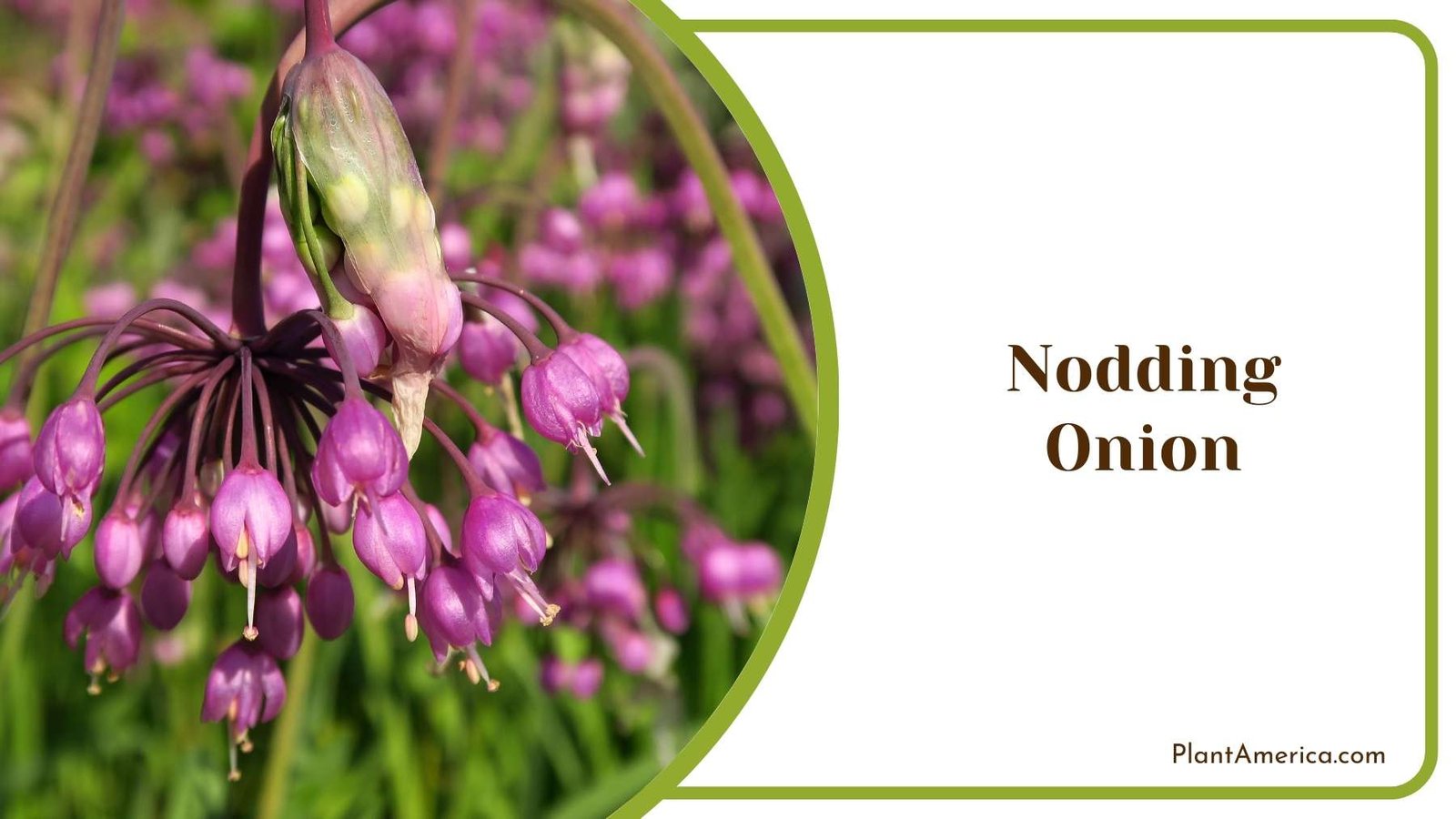
Found in grasslands and open woodlands across western North America, the nodding onion is an iconic wildflower blooming from early spring into summer. A bulb-forming perennial, it sends up narrow gray-green leaves and hollow flower stalks from underground rhizomes. At the ends of erect 18-24 inch tall stalks dangle clusters of small white to slightly pink, bell-shaped flowers.
Their six petal flowers spread open flat before becoming recurved with age. Most recognizable when nodding in the breeze, onion flowers attract native solitary bees and flies for pollination. Come summer, seed capsules develop in oval shapes below withering petals.
While superficially resembling true onions, all plant parts of the nodding onion are generally non-edible for humans. Its subtle beauty and adaptation to seasonal aridity make this wildflower well-suited to naturalized meadow and prairie restorations.
12. Globe Mallow
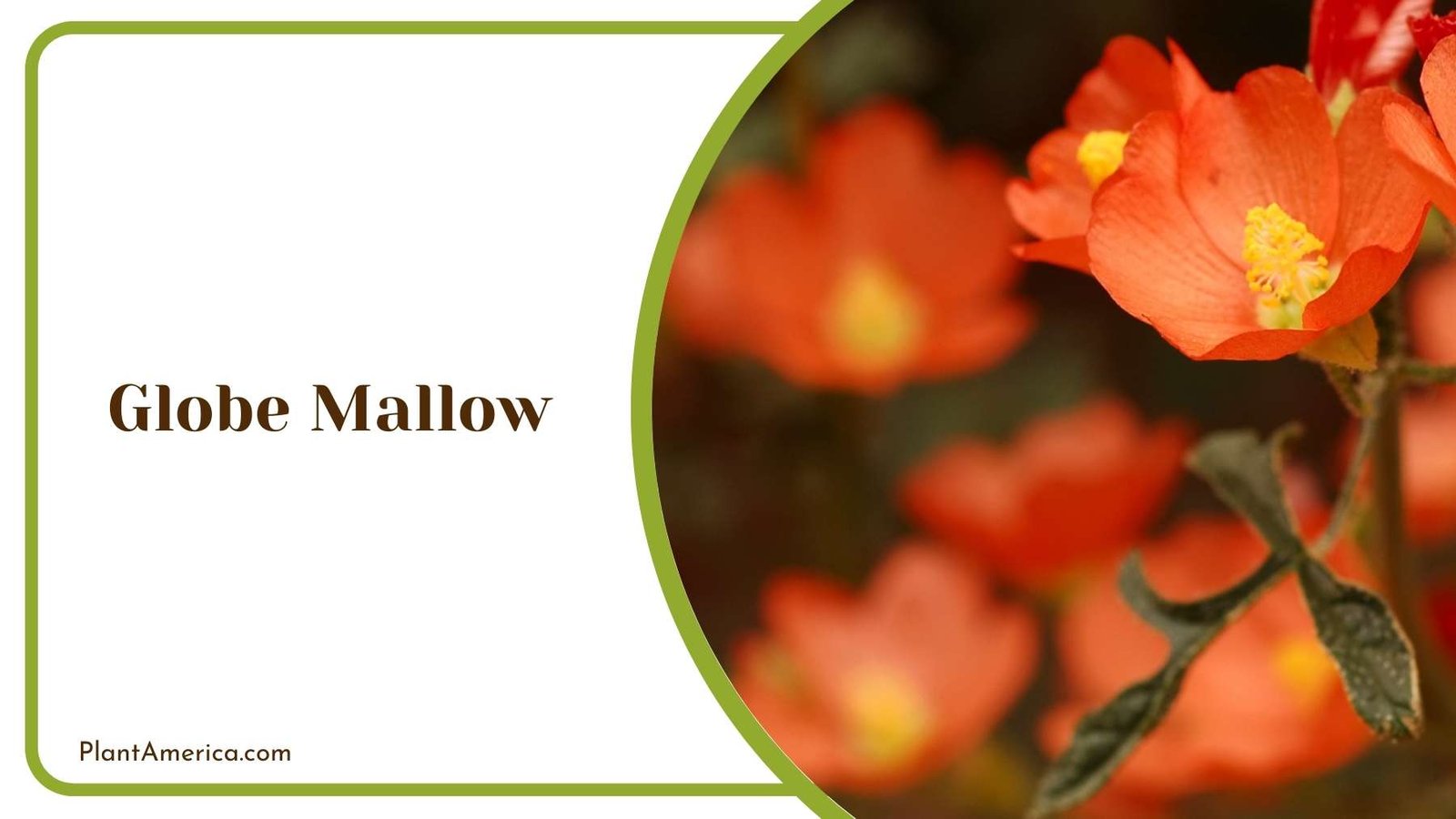
- Growing Season: Blooms summer to early fall, Spreads by rhizomes and reseeds easily
- Leaf Type: Palmate leaves with three to seven lobes, Large clustered pink flowers
- Specific Needs: Sunny, dry areas, Low water needs once established
- Common Pests: Aphid, Slugs
Found throughout western North America, globe mallow is a hardy perennial shrub recognizable by its beautiful bouquets of rose to lavender flowers. Emerging in early summer, multiple leafy stems grow 2-5 feet tall from a persistent woody caudex. The stems terminate in rounded clusters of flowers up to 2 inches wide, each with five oblong petals surrounding a central column.
As the common name suggests, the clustered blooms somewhat resemble small globes. After flowering, seed pods develop and split to release the black seeds. Preferring well-drained soils in full sun, globe mallow is remarkably drought tolerant once established.
Its nectar and seeds provide valuable resources for pollinators and birds. In naturalistic plantings, the shrub brings a touch of prairie charm while requiring very little maintenance beyond an occasional trimming after bloom time.
13. Saskatoon Serviceberry
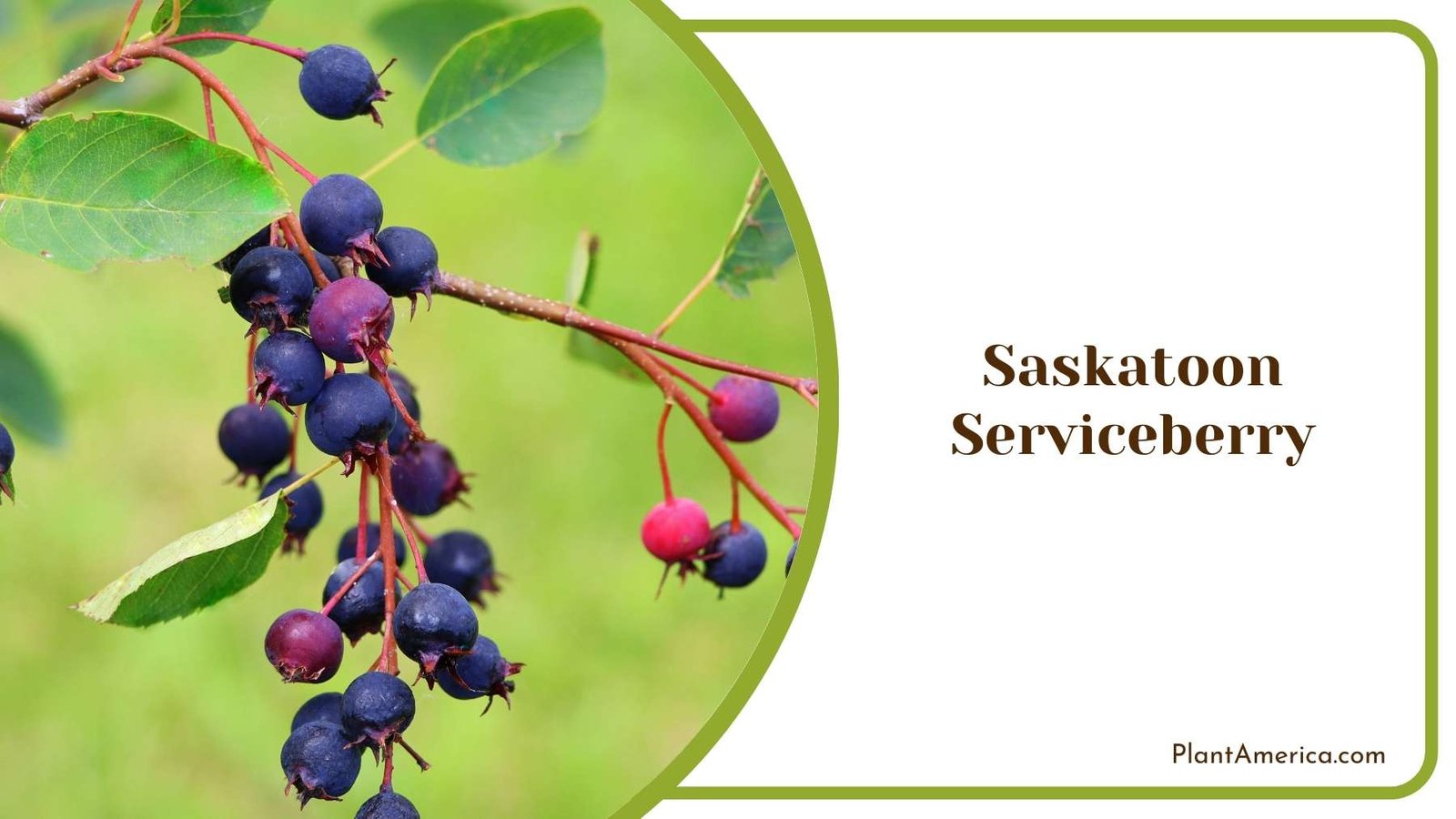
- Growing Season: Blooms mid spring, Berries ripen in late summer
- Leaf Type: Oval leaves with toothed edges, White flowers, Blue-black edible berries
- Specific Needs: Full sun to part shade, Well-drained, Mildly alkaline soil
- Common Pests: Aphid, Susceptible to fungal problems in some regions
A common small tree or large shrub of hedgerows and forests throughout western Canada and parts of the northern United States is the Saskatoon serviceberry. In spring it produces clusters of white flowers along the branches before the new leaves, followed by crops of edible blueberries-like berries in summer.
The alternate oval leaves turn shades of yellow, orange and red in autumn. Mature serviceberry can reach 15-20 feet tall with a vase-shaped crown wider than tall. Aside from its ornamental flowers and colorful fall foliage, it provides valuable food and cover for wildlife. The blue-purple berries are high in nutrition and flavor akin to blueberries, relished by birds and people alike.
Seed dispersal occurs via birds who consume the berries, helping the species spread widely. Often found growing naturally at forest edges, Saskatoon serviceberry adapts well to cultivation in open lawns, pastures or woodland gardens.
14. Rocky Mountain Bee Plant
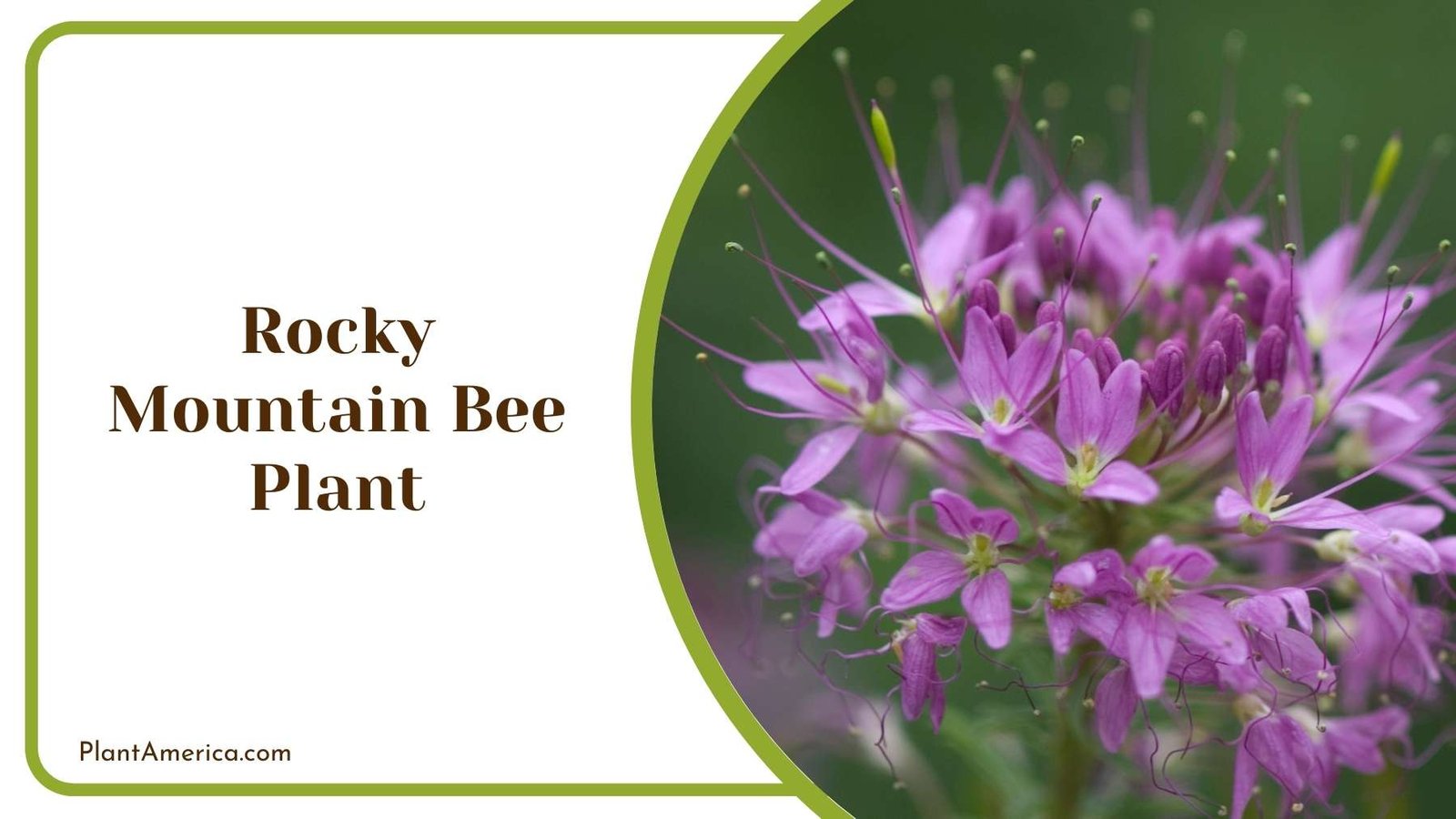
- Growing Season: Blooms throughout summer, Spreads by rhizomes and reseeding
- Leaf Type: Serrated leaves along reddish stems, Upright trumpet-shaped blooms
- Specific Needs: Full sun, Dry, Well-drained soil
- Common Pests: Aphid, Susceptible to fungal problems in some regions
A striking pollinator plant native to western North American rangelands is the Rocky Mountain bee plant. From summer into early fall, tall arching stems carry numerous tubular red, orange or yellow flowers in verticillate clusters. Hummingbirds and native bees flock to its nectar-filled blooms, which contrast vibrantly with the plant’s tapered gray-green leaves.
Native to rocky slopes, drainages and openings from Saskatchewan to Mexico, this hardy perennial thrives with minimal care. It spreads slowly via underground rhizomes to form large colonies over time. The Rocky Mountain bee plant prefers full sun and well-draining soil, withstanding drought periods once established.
Where summers are hot and dry, this xeric-adapted wildflower adds beauty and bountiful rewards for pollinators with little supplemental water needed. It is well-suited to naturalized gardens, meadow restorations or larger habitat plantings.
15. Yellow Pond Lily
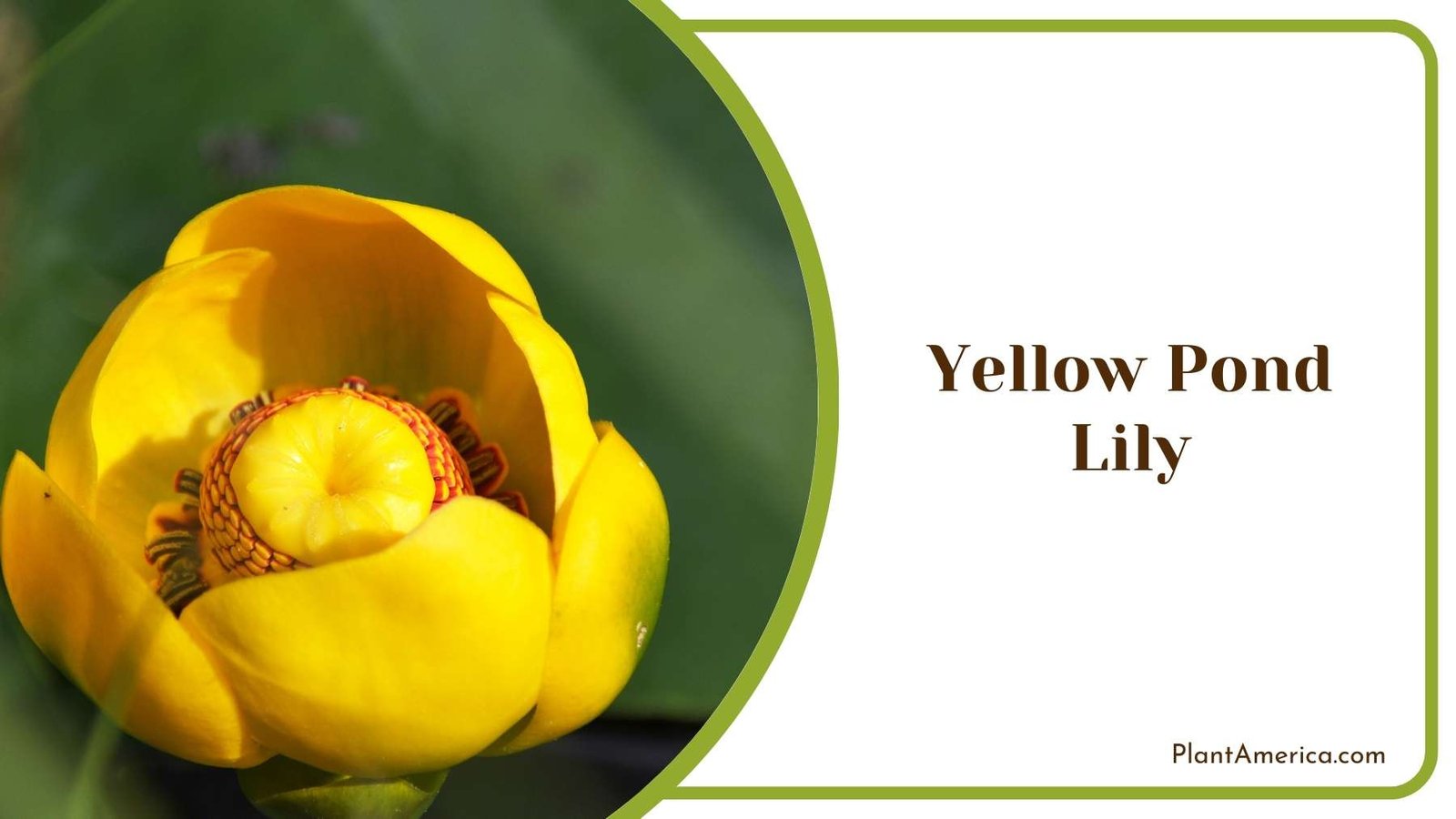
- Growing Season: Blooms summer, Flowering stalks emerge from rhizomes
- Leaf Type: Broad, Rounded, Waxy green leaves float on water
- Specific Needs: Shallow ponds, Lakes, and slow streams, Full sun
- Common Pests: Susceptible to fungal diseases, Bacterial diseases in polluted waters
A familiar floating plant found throughout ponds and slow-moving streams of North America is the yellow pond lily. From summer into early fall, it produces cheerful yellow flowers above broad glossy green circular pads. Each flower sits alone on a slender stalk rising 6-12 inches above thick rootstocks and rhizomes anchored in mud.
Underwater, the roots have short runners giving rise to new plants that spread slowly to form large picturesque colonies over time. Yellow pond lilies thrive in quiet waters that are full sun to partially shaded. Blooms appear as the pads float serenely on the water’s surface, providing nectar for insects, foliage for cover, and seeds for wildlife.
Often planted deliberately in ponds and water gardens, yellow pond lilies are a classic addition that brings a naturalized appeal while serving important ecological purposes in their wetland habitat.
16. Scarlet Gilia
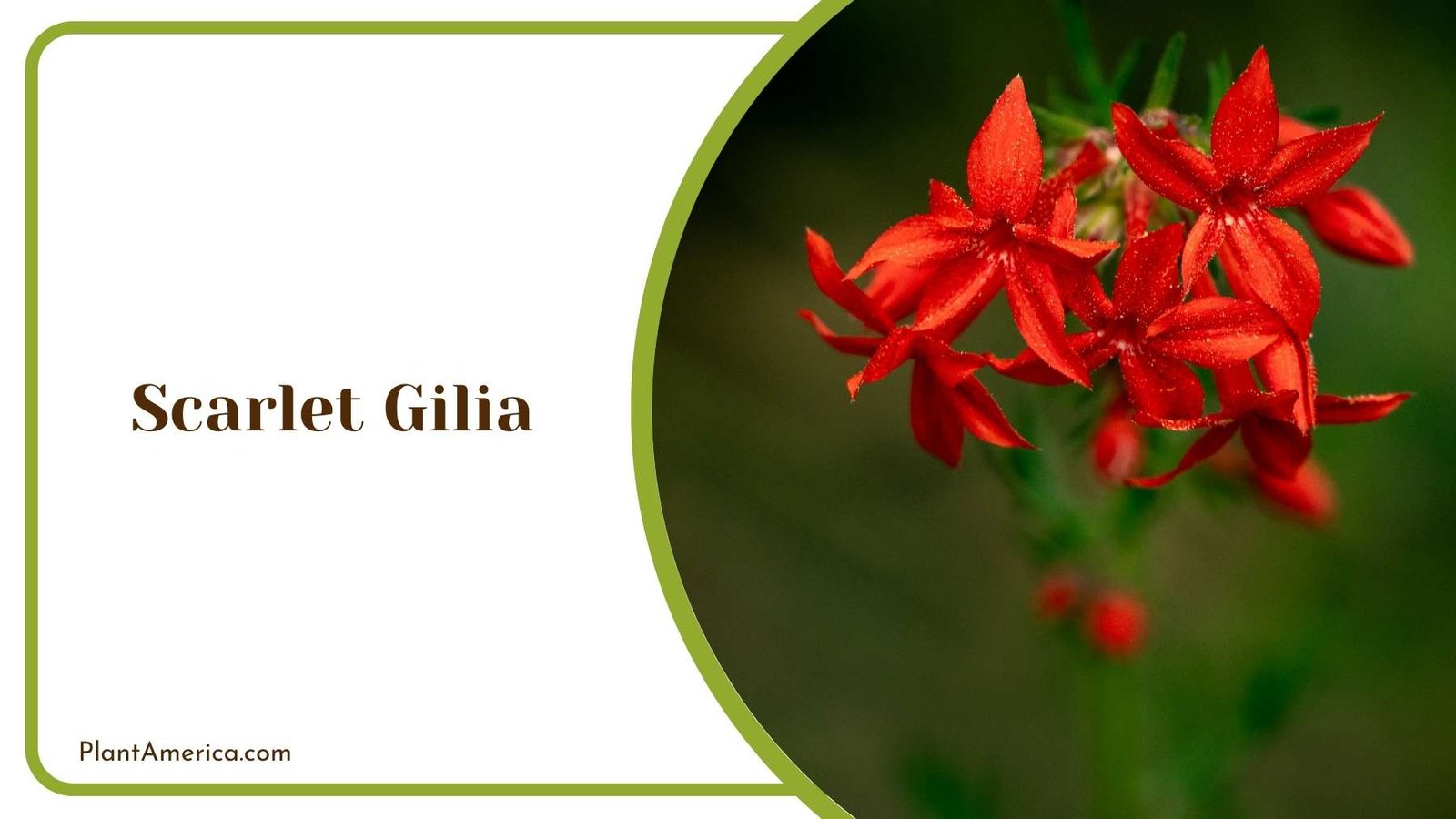
- Growing Season: Blooms spring through summer
- Leaf Type: Finely dissected basal leaves, Upright stalks bearing scarlet flowers
- Specific Needs: Dry, Sunny meadows and forests, Low water needs
- Common Pests: Susceptible to slug damage, Aphids
A brilliant splash of color in early summer meadows and sagebrush steppe from Washington to California is the scarlet gilia. This low-growing annual produces small green leaves in a basal rosette from which rise multiple wiry stems up to 16 inches tall.
Adorning the stems are tiny flowers that shine scarlet, orange or salmon, each with a tubular corolla divided into five pointed lobes. Blooming from May through July, scarlet gilia plants blanket the landscape as far as the eye can see in favored years. Hummingbirds are attracted to its nectar-filled blooms, which give way to seeds and seed capsules as summer proceeds.
Well-adapted to arid conditions, scarlet gilia requires only lean well-drained soils and sunshine to thrive prolifically. Its breathtaking shows make this wildflower a favorite of wildflower lovers across Western North America.
17. Salmonberry
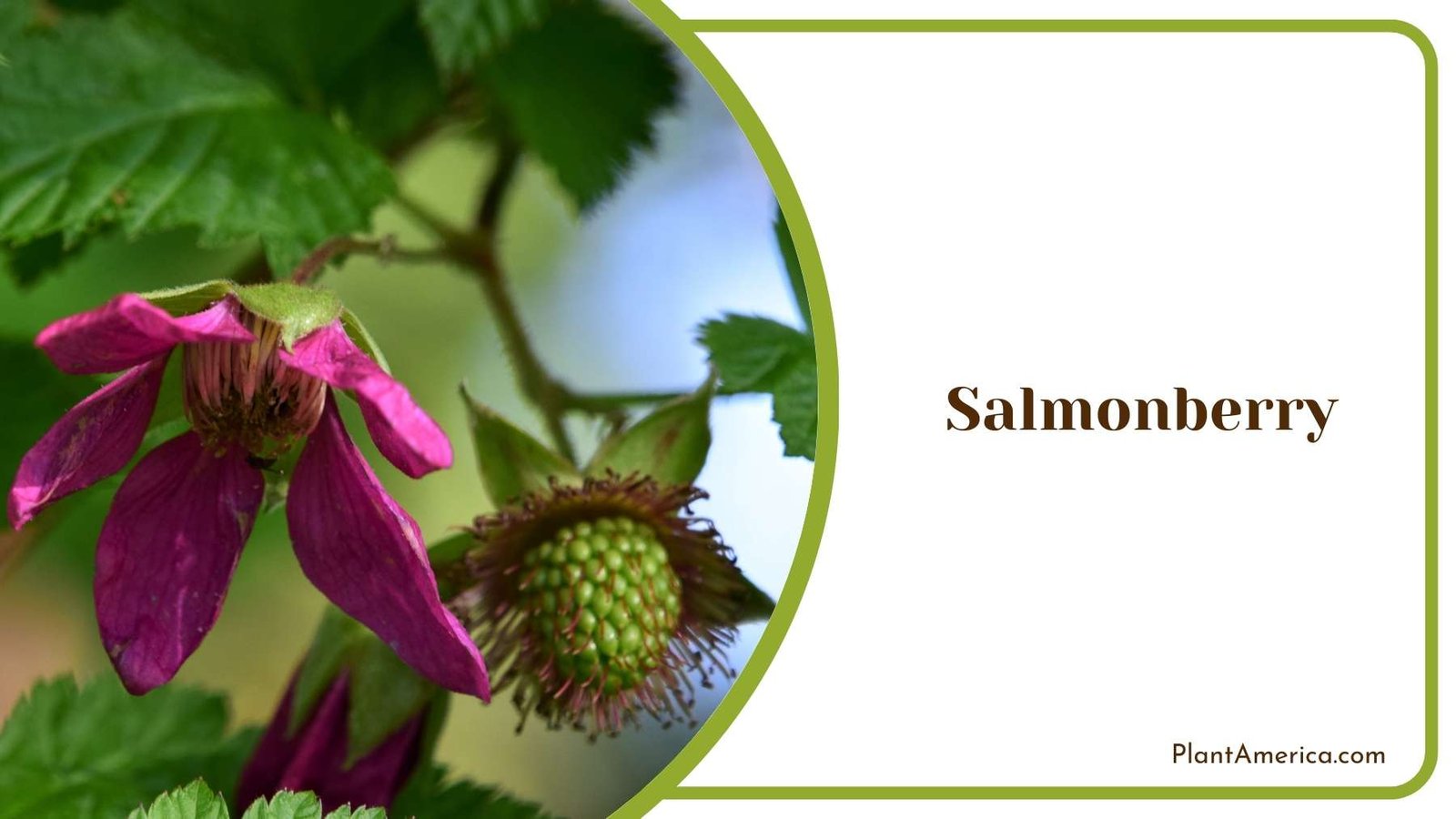
- Growing Season: Blooms early spring, Berries ripen in summer
- Leaf Type: Alternate, Heart-shaped leaves, White flowers
- Specific Needs: Moist forests and clearings, Part shade
- Common Pests: Susceptible to slug damage, Aphids
Common in Pacific Northwest forests and clearings from California to Alaska, salmonberry is a deciduous shrub prized for its tasty berries and ecological value. Growing 3-10 feet tall, it forms dense thickets via underground rhizomes. In spring, pinkish flowers giving way to spherical orange-red berries during the summer. These are relished by people as well as birds and mammals.
Each salmonberry sports numerous tiny seeds that pass undigested, aiding forest regeneration. Its greatest advantage over most berries is tolerance of partial shade. Come fall, foliage color ranges from yellow to vibrant purple before dropping.
Aside from fruit, salmonberry also provides cover for songbirds and small forest denizens. In natural gardens, just one plant can spread prolifically – so ample space should be allowed for this hardy, wildlife-nourishing native shrub to thrive.
18. Idaho Fescue
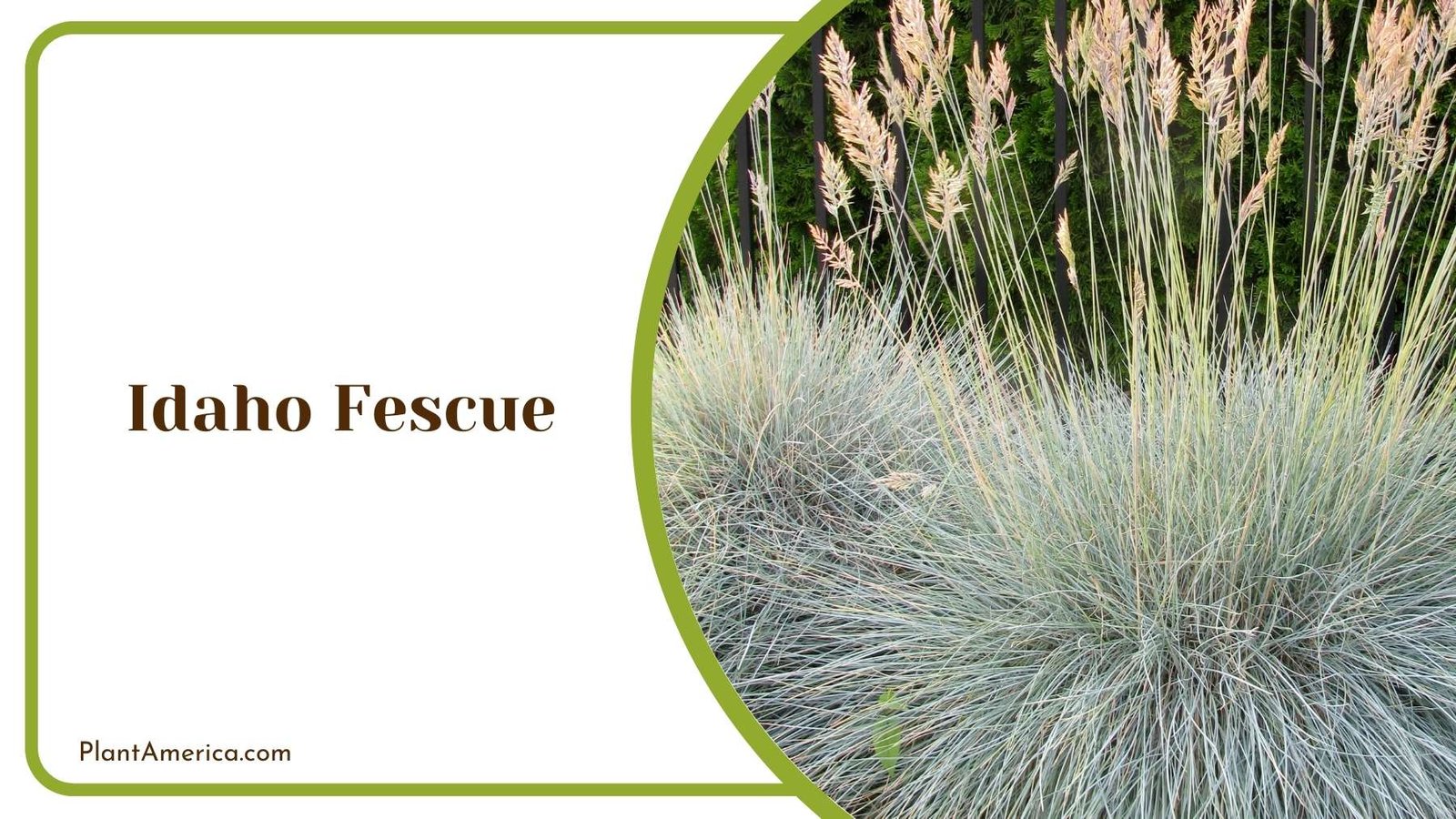
- Growing Season: Blooms late spring through summer, Spreads via seeds and rhizomes
- Leaf Type: Clumping culms of fine leaves, Grass-like flowers
- Specific Needs: Full sun, Dry, Well-draining soil
- Common Pests: Drought, Overgrazing threaten some populations
A hardy bunchgrass forming extensive swards across the Pacific Northwest is Idaho fescue. Found in dry grasslands, savannas, forest openings and disturbed sites, this native perennial forms loose tussocks or hummocks 8-28 inches tall. In spring, greenish-blueish stems carry slender nodding spikelets resembling pine needles.
From summer into fall, seeds disperse to ensure Idaho fescue’s persistence on diverse sites. Its deep, finely-branched root system allows drought tolerance while stabilizing soils, acting as a ‘nurse plant’ under which native forbs take root.
Enjoying full sun, this low-water bunchgrass requires no irrigation once established. Wildlife including sage grouse and mule deer rely on its forage and cover qualities. Idaho fescue’s adaptability makes it ideal for natural landscapes, restoration projects and drought-prone home lawns seeking low-input alternatives to water-hungry turfgrass.
19. Scarlet Paintbrush
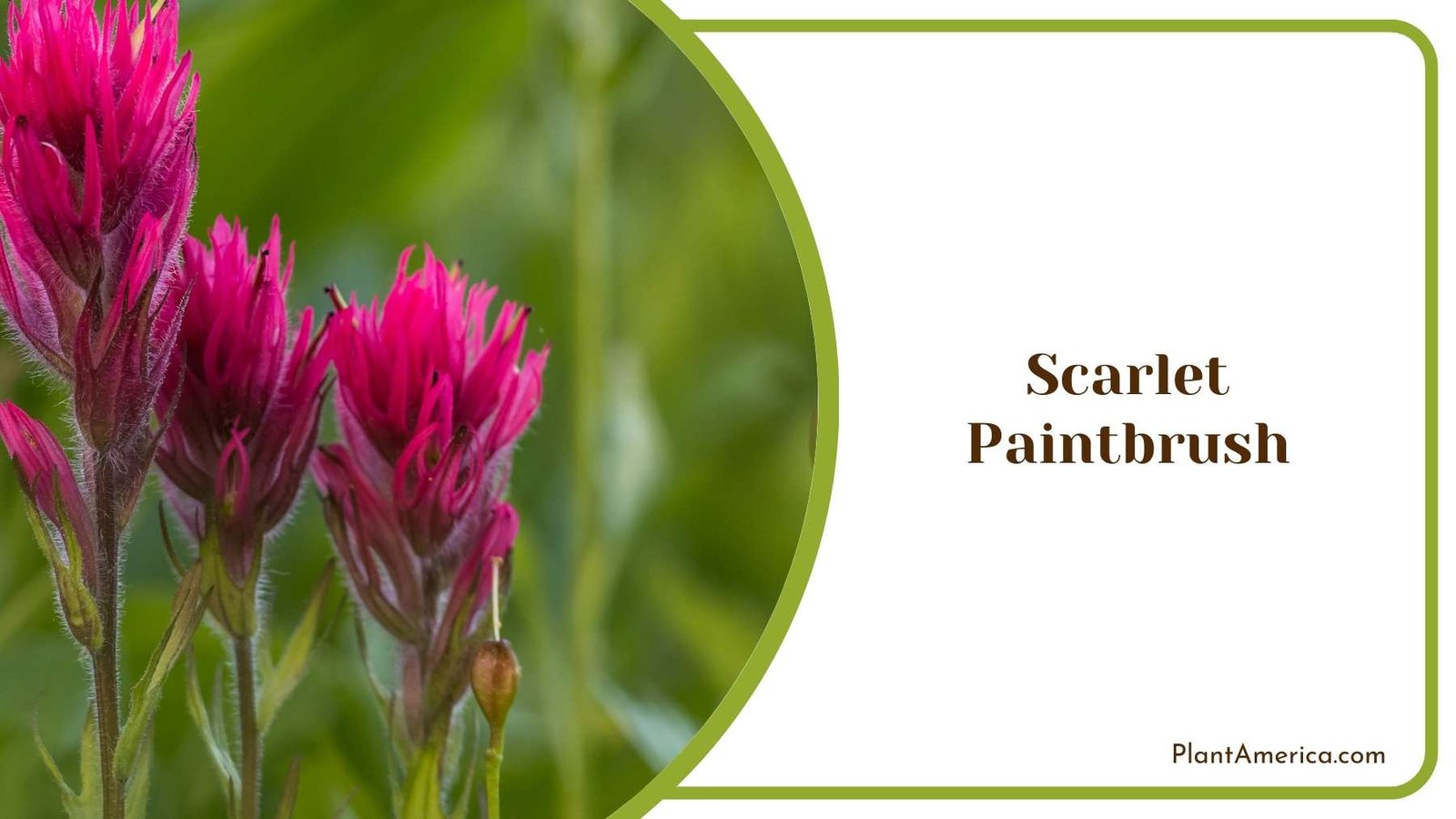
- Growing Season: Blooms spring through summer, Reseeds readily
- Leaf Type: Basal leaves form rosettes, Upright stalks bearing scarlet flowers
- Specific Needs: Open forests, Meadows and streambanks, Moist, and well-draining soil
- Common Pests: Susceptible to slug damage, Aphid
A quintessential wildflower of Western meadows and forests is the scarlet paintbrush. A branched annual or short-lived perennial reaching 1-3 feet tall, it produces bright green basal leaves and multiple upright stems crowned with showy blooms. From summer into fall, each flowering stem displays up to 20 beautiful red brush-like blooms that attract hummingbirds with their nectar.
Paintbrushes’ lightweight stem and brush-like inflorescence inspired its common name. Native to open areas, roadsides and forest clearings across western North America, this hardy wildflower colonizes disturbed sites readily with optimal conditions of well-drained soil and full sun.
Its spectacular showy blooms add vibrant spots of color loved by plant lovers and pollinators alike, while attracting little attention from grazing animals. Scarlet paintbrush is an ideal addition to naturalized meadow or prairie restorations.
20. Pearly Everlasting
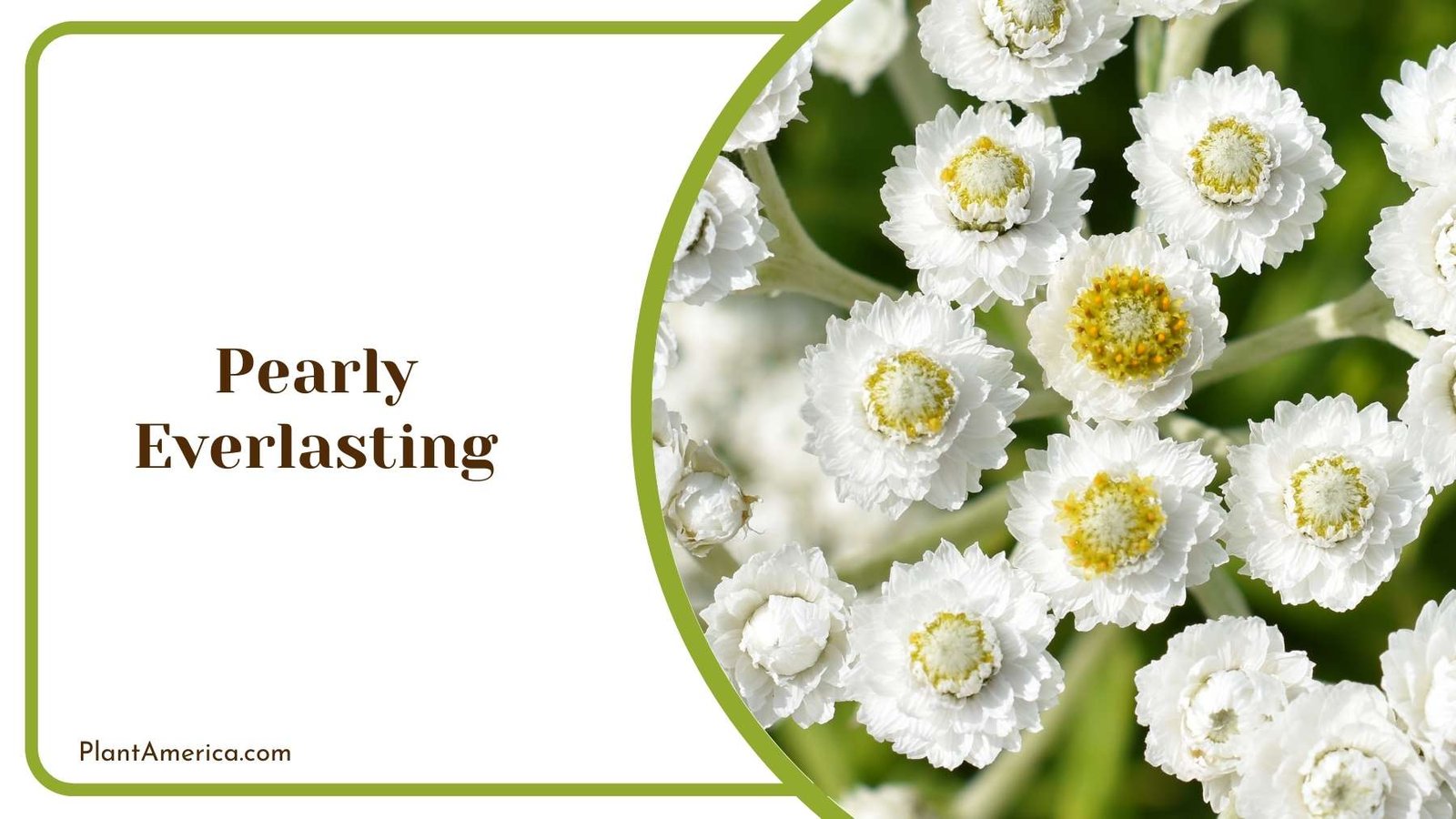
- Growing Season: Blooms summer to early fall, Spreads by rhizomes and reseeding
- Leaf Type: Grayish, Fuzzy leaves along woody stems, Clustered white flower heads
- Specific Needs: Dry, Open areas, Low water needs
- Common Pests: Susceptible to slug damage, Aphid
Pearly Everlasting (Anaphalis margaritacea) is a perennial herbaceous plant native to meadows and forests throughout North America. Growing 12-36 inches tall, it produces wooly gray-green leaves in a basal rosette from which emerge multiple leafy stems terminating in dense clusters of small white flower heads from summer into fall. These heads maintain their form long after blooming, taking on a pearly white appearance that has led to the common name.
Well adapted to disturbed sites, Pearly Everlasting thrives in full sun and tolerates lean soils with good drainage. It spreads gradually through rhizomatous roots. The plant’s persistent flower heads provide forage for songbirds and small mammals through winter. Native pollinators such as bees, flies and butterflies are attracted to its nectar rewards during summer blooming.
Due to its low maintenance requirements and ability to naturalize readily, Pearly Everlasting is well-suited for wildflower meadows, prairie restorations, and xeric or naturalized garden plantings. Its enduring ornamental flowers contribute aesthetic value for many months without irrigation needs once established. The species demonstrates characteristics making it a viable option for low-input, wildlife-supportive landscapes.
21. Common Fireweed
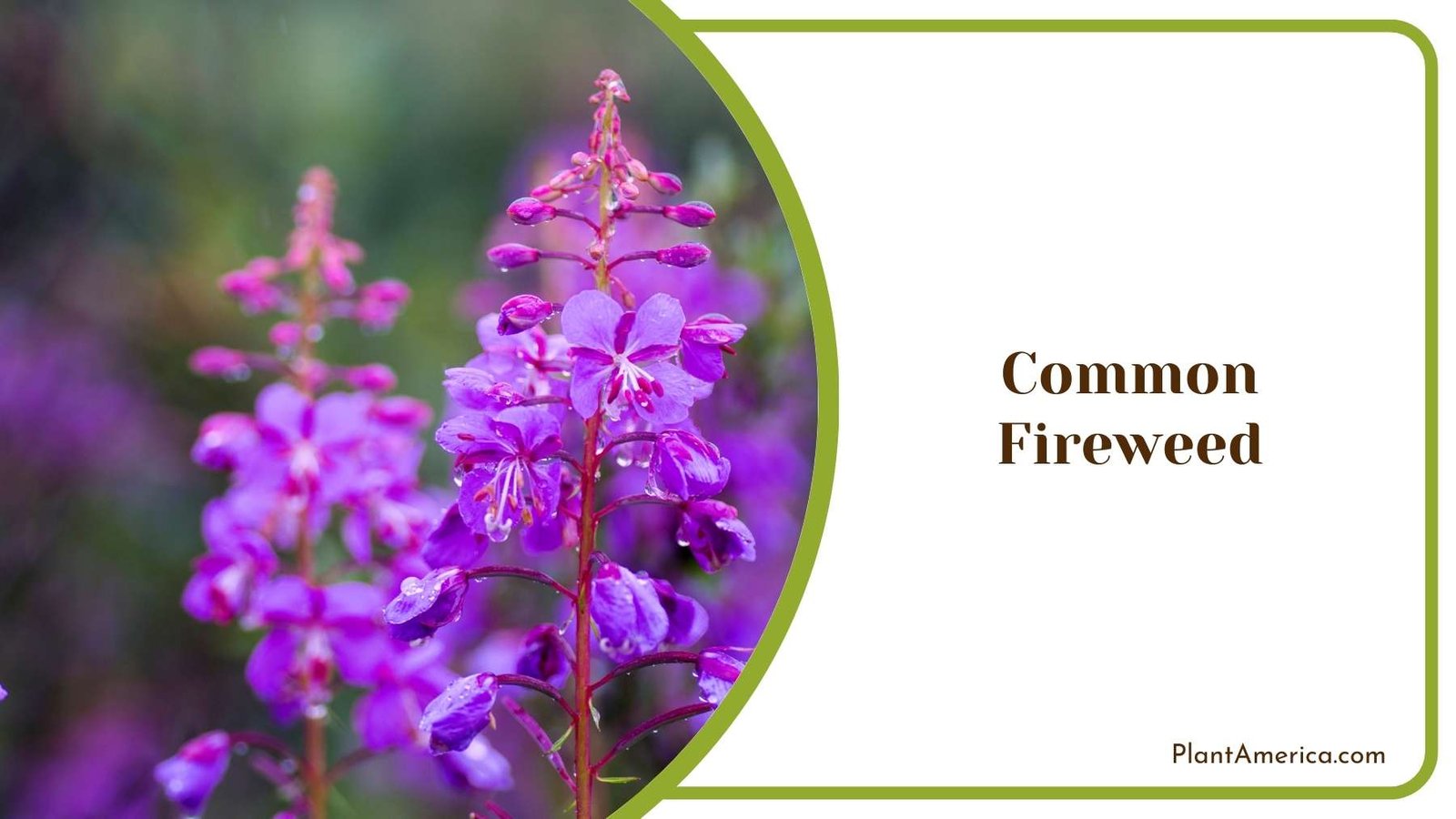
- Growing Season: Blooms summer, Emerges from rhizomes and reseeds freely
- Leaf Type: Alternate, Lance-shaped leaves, Terminal spikes of pink flowers
- Specific Needs: Moist forests, Meadows and edges, Part sun
- Common Pests: Susceptible to slug damage, Aphid
Common Fireweed (Epilobium angustifolium) is a hardy perennial herb well-known as a pioneer species of disturbed lands across northern temperate regions worldwide. Following wildfires, forest clearings, and other events that remove established vegetation, Common Fireweed emerges to colonize the exposed area.
Producing erect stalks up to 6 feet tall, Common Fireweed bears narrow green leaves and zigzagging stems tipped with narrow racemes of vivid pink flowers from summer into fall. These tubular blooms attract myriad pollinators with their copious nectar supplies. After blooming, seedpods develop containing hundreds of fine seeds well-equipped for wind dispersal.
Through vigorous rhizomatous growth, a single Common Fireweed plant can form large colonies in favorable conditions of full sun and moist, nutrient-rich soil. The species thrives in shaded or open areas and declines naturally as other vegetation develops. It plays a valuable role in ecosystem recovery through stabilization of loose soils, naturalization, and native wildlife foraging.
For land managers and restorationists, Common Fireweed is an ideal candidate species to establish quickly on disturbed lands seeking to revert to a self-sustaining native plant community with minimal inputs. Its ornamental appeal also makes it a sensible choice for naturalized landscapes.
22. Cusick’s Sunflower
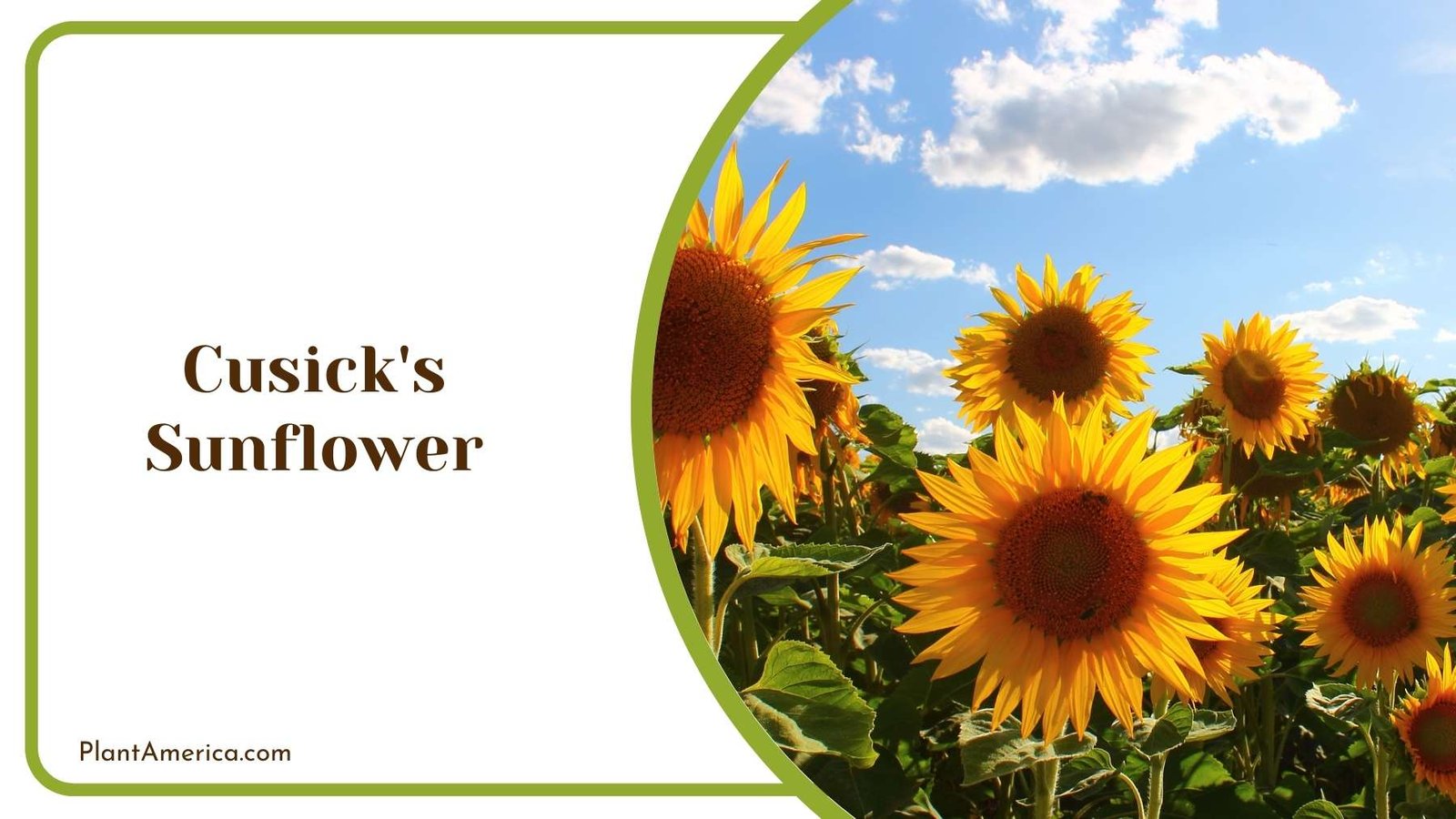
- Growing Season: Blooms summer into fall, Spreads by rhizomes and reseeds freely
- Leaf Type: Dry, Open areas, Low water needs
- Specific Needs: Prefers partial shade, Well-draining soil
- Common Pests: Susceptible to slug damage, Aphid
The Cusick’s Sunflower (Helianthus nuttallii) is a robust herbaceous perennial in the Asteraceae family, widespread throughout open areas in Oregon. Readily adapted to full sun and well-draining soils, it produces basal clumps of elliptical leaves up to 3 feet in height annually from late spring.
Showy compound flower heads up to 3 inches wide top each branched stem from summer into early fall. Golden yellow rays surround dark disc florets that mature into seeds much utilized by birds and small mammals. Through rhizomatous roots and self-sown seeds, Cusick’s Sunflower slowly spreads to dominate terrain and act as a larval host plant.
As a hardy native species, the Cusick’s Sunflower demonstrates tolerance for varied soil moisture levels and resilience in the face of natural disturbance. It contributes valuable forage for pollinators, cover for ground-nesting species, and structural diversity to prairies and meadows. For restoration projects in Oregon, the Cusick’s Sunflower is a suitable addition to seed mixes seeking to develop stabilizing plant communities with minimal inputs over time.
23. Arrowleaf Balsamroot
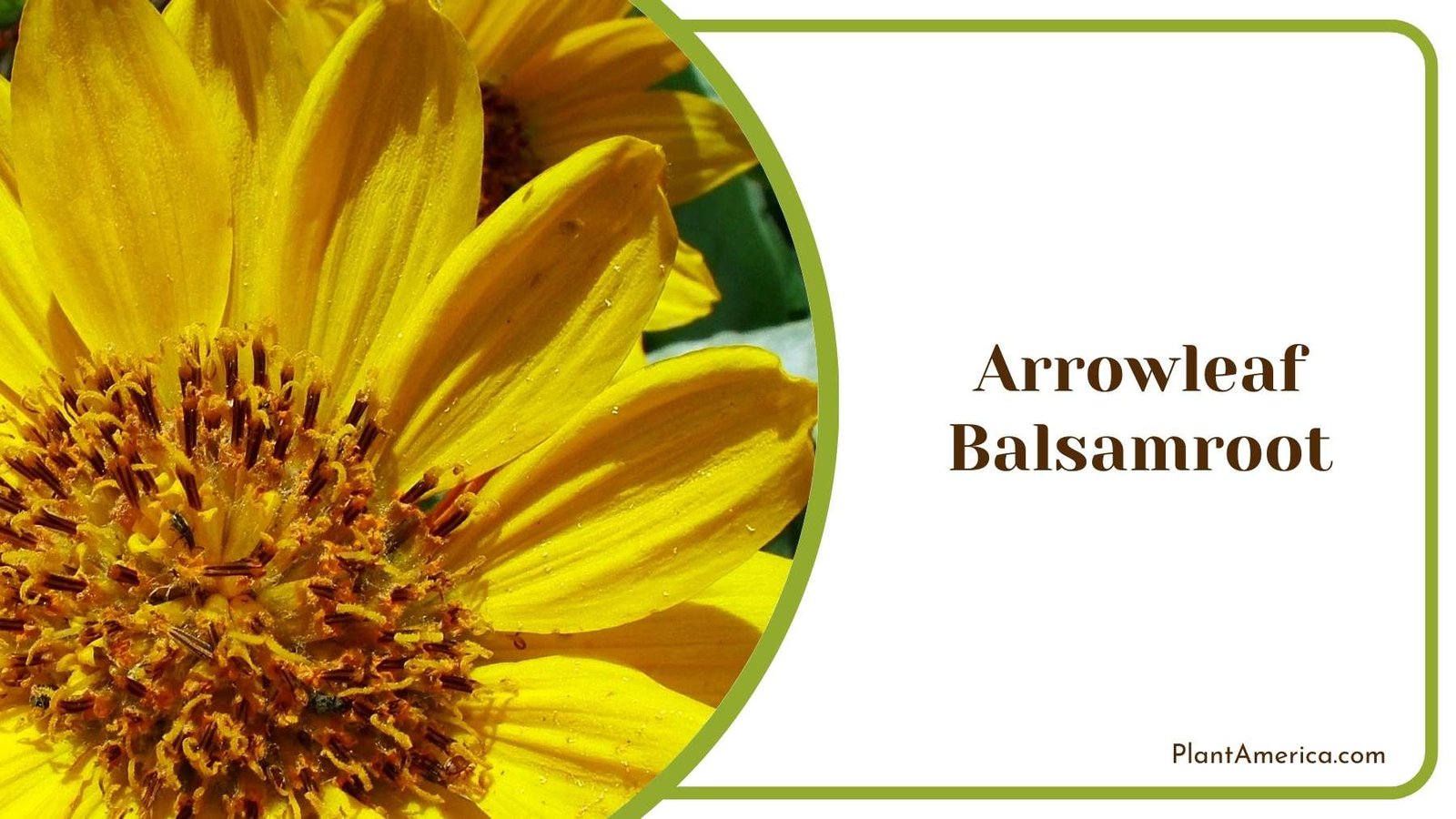
- Growing Season: Blooms early spring, Leaves remain after blooming
- Leaf Type: Arrowhead-shaped basal leaves, Sunflower-like yellow blooms
- Specific Needs: Dry, Open forests and grasslands, Full sun
- Common Pests: Susceptible to slug damage, Aphid
Arrowleaf Balsamroot (Balsamorhiza sagittata) is a showy herbaceous perennial endemic to eastern Oregon prairies and basin landscapes. Emerging early from a basal rosette, it sends up multiple hairy stems 1-3 feet tall in spring.
Large arrowhead-shaped basal leaves lend the species its common name. Opening yellow sunflower-like flowers appear in abundant numbers at stem tips from April through June, their nectar rewarding diverse native pollinators. Height and density can vary with local environmental factors.
Well-suited to soil compositions ranging from dry rocky bluffs to damp meadows, Arrowleaf Balsamroot tolerates full sun with moderate moisture. Its thick taproot enables survival of regular wildland fires or seasonal drought periods. Seedheads mature through summer, permitting wind dispersal.
Ecologically, this conspicuous native acts as larval host and fodder. Aesthetically, its bright bloom display adds textural appeal to working agriculture and restoration settings in eastern Oregon. Arrowleaf Balsamroot’s persistence and low demands make it a recommended selection for revegetation plans.
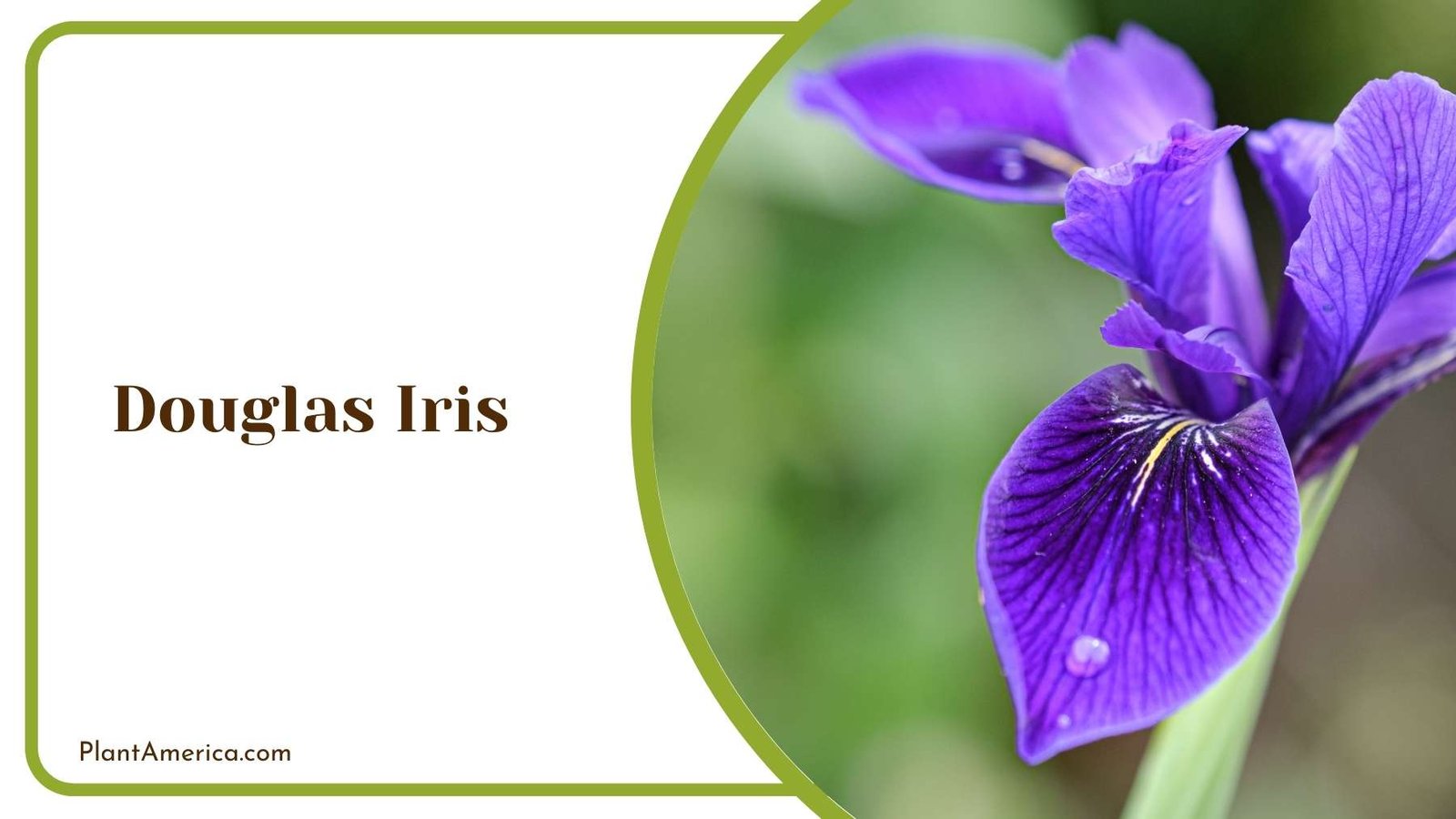
24. Douglas Iris
- Growing Season: Blooms mid to late spring
- Leaf Type: Elongated, Sword-like leaves in fans, Erect stalk bearing purple flowers
- Specific Needs: Moist forest, Meadows and stream banks, Part shade
- Common Pests: Susceptible to slug damage, Aphid
Douglas Iris (Iris douglasiana) is an erect perennial herb native to wetlands across western Oregon. Striking blue to violet flowers bloom in late spring on erect stalks reaching 1-3 feet above broad basal leaves.
Found in acidic peatland soils and streambanks receiving full sun to partial shade, Douglas Iris forms loose colonies via rhizomatous roots. Each three-petaled blossom is held aloft like a miniature flag to attract pollinators such as bees and hummingbirds through nectar rewards.
After blooming, seed capsules develop and leave photosynthesized through summer before dying back with the season’s end. A clumping growth habit permits stabilizing of riparian zones against erosion while also providing cover and forage.
Native Americans utilized this iris varietally for food, medicine and tools. In habitat restoration, Douglas Iris introduces beauty to wetland environments while fulfilling roles such as water filtration and wildlife support. With few demands beyond its preferred moist soil conditions, it proves a resilient choice for naturalistic landscaping as well.
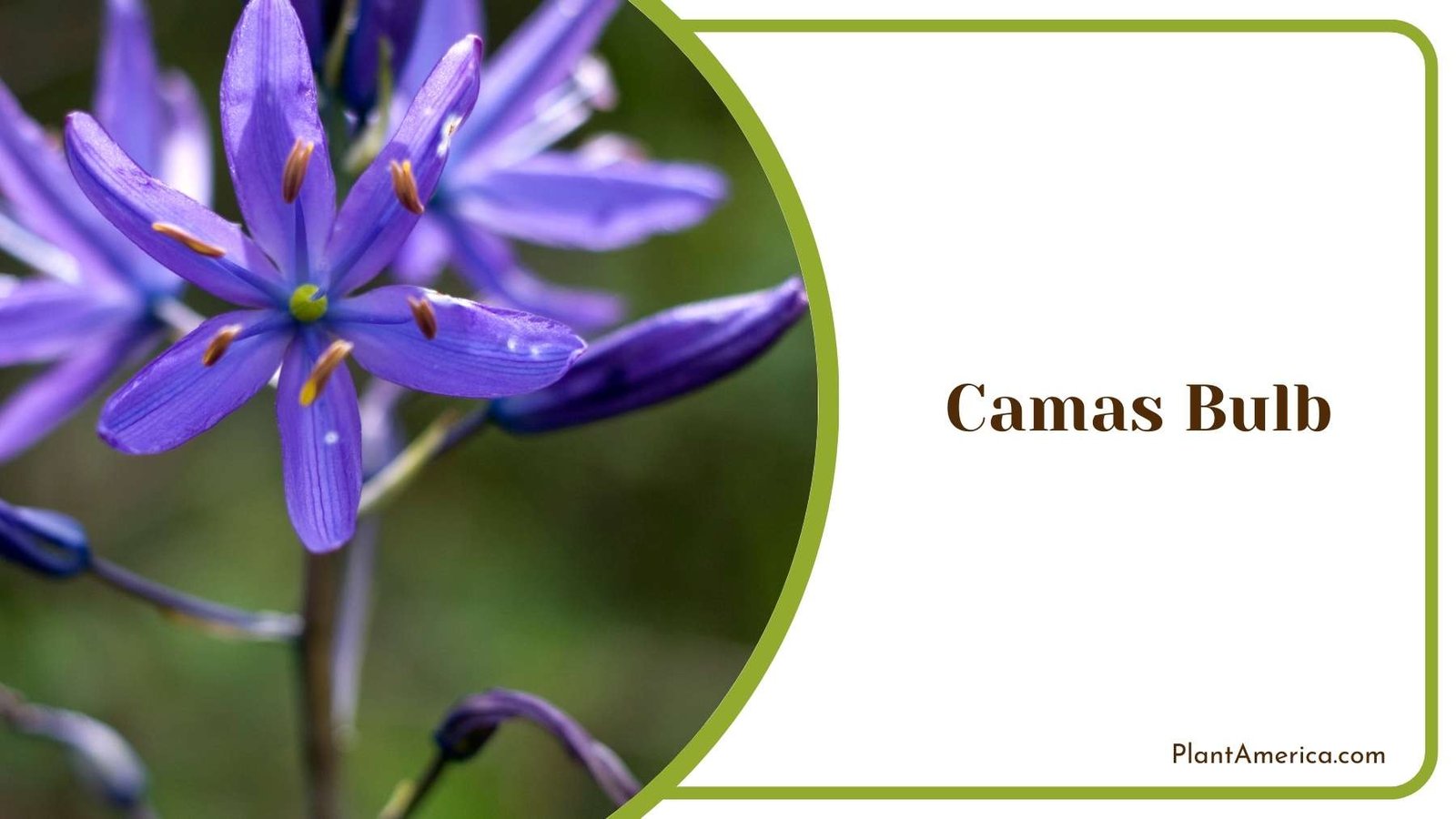
25. Camas Bulb
- Growing Season: Produces leaves and bulb annually, Dies back after blooming
- Leaf Type: Basal leaves arising from underground bulb, Umbels of small blue or white flowers
- Specific Needs: Moist prairies and meadows, Part sun
- Common Pests: Consumption by deer or gophers, Over populations of deer or gophers threaten some populations
Camas Bulb (Camassia quamash var. maxima) refers to the underground storage organs of the Common Camas plant, indigenous to prairie and meadow regions across Oregon. These corm-like bulbs were traditionally harvested by local Indigenous peoples on a sustainable basis.
Buried just below soil level in clusters, Camas Bulbs swell with starch reserves during the fall to support spring regrowth. When dug in late summer or fall after the plant has died back and flowers matured, they provide a calorie-dense food staple readily processed by drying or boiling.
Rich in carbohydrates with a mildly sweet flavor resembling sweet potato or salsify when cooked, Camas Bulbs sustained Native populations for generations prior to European settlement. Their harvesting required an intimate knowledge of prairie blooming cycles to avoid depletion.
While no longer a dietary mainstay, recognizing the importance of Camas Bulbs to original human inhabitants enriches understanding of how natural systems and indigenous cultures coevolved mutual dependencies. This vernacular knowledge may aid modern land stewardship and ecological restoration efforts related to Camas habitat.
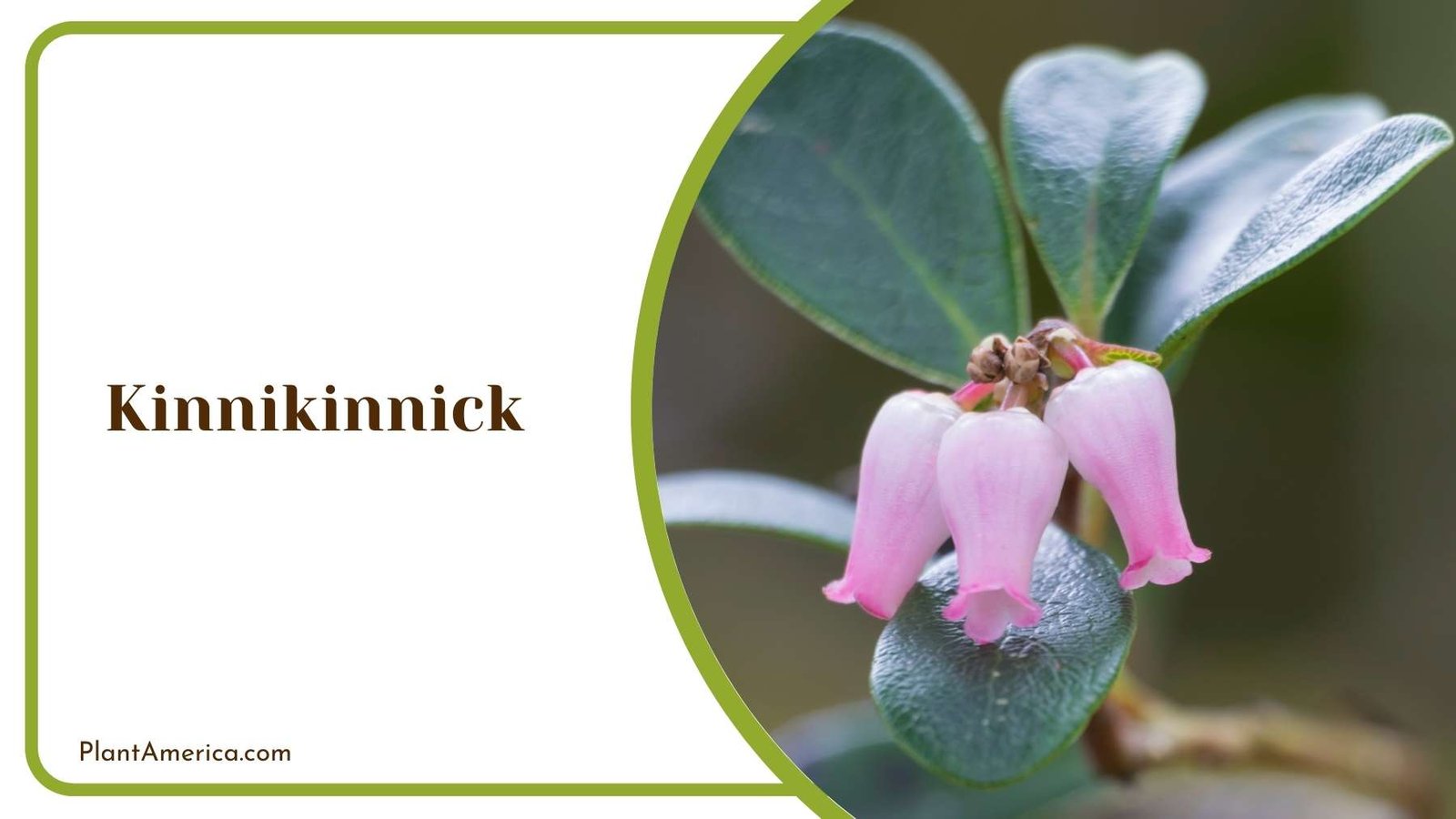
26. Kinnikinnick
- Growing Season: Blooms spring through early summer, Spreads by rhizomes and reseeding
- Leaf Type: Alternate, elliptical leaves, Terminal clusters of pink to white flowers
- Specific Needs: Dry, sunny forests and clearings, Low water needs
- Common Pests: Aphids, Slugs
Kinnikinnick (Arctostaphylos uva-ursi) is an aromatic evergreen shrub indigenous to the forests and woodlands of western Oregon. Also known as bearberry, it forms dense mat-like colonies via runners and hardy abilities to withstand seasonal variability.
Perennial leaves are leathery, rounded, and borne densely along woody stems reaching 6-12 inches tall. In early summer, clusters of urn-shaped pink flowers emerge, followed by bright red berries that ripen through fall. These berries were traditionally smoked or brewed as a medicinal tea by local tribes.
Preferring well-draining soils with partial sunlight, Kinnikinnick serves vital ecological functions under conifer canopies. Its foliage and fruits provide sustenance to wildlife while extensive root systems control erosion. The shrub forms symbiotic relationships with mycorrhizal fungi in nutrient exchange.
For land restoration, Kinnikinnick diversifies understory composition and naturally regenerates from seed or vegetatively. Low maintenance needs and ornamental qualities render it suitable for naturalized landscapes simulated after indigenous precedents in western Oregon forests.
Conclusion
Oregon’s native flora demonstrate exquisite diversity, with a vast array of shapes, sizes, colors, and uses
- Crimson sparkles arise across juniper hillsides each May as scarlet gilias emerge en masse, gloriously backlighting emerald foliage.
- The Yellow Pond Lily floats abundantly in temperate wetlands, its cheerful cup-shaped blooms sustaining myriad pollinators above while extensive rhizomes below help filter water and prevent erosion.
- Douglas Iris (Iris douglasiana) is an erect perennial herb native to wetlands across western Oregon.
- The Oregon grape shrub flourishes across western regions as an ornamental garden staple and a vital native species
These beautiful native species convey Nature’s teachings that diversity, cooperation, and patience are all necessary for communities to thrive through seasons of change. As advocates continue nurturing habitats where Oregon’s wildflowers have flourished for millennia, may their influence inspire broader recognition that diversity is life’s deepest strength.