
Summer flowers to plant bring loads of color into your outdoor spaces this season, whether you’re looking to dress up your front walkway, fill in empty spots in the garden beds, or add an array of blooms on the dining table.
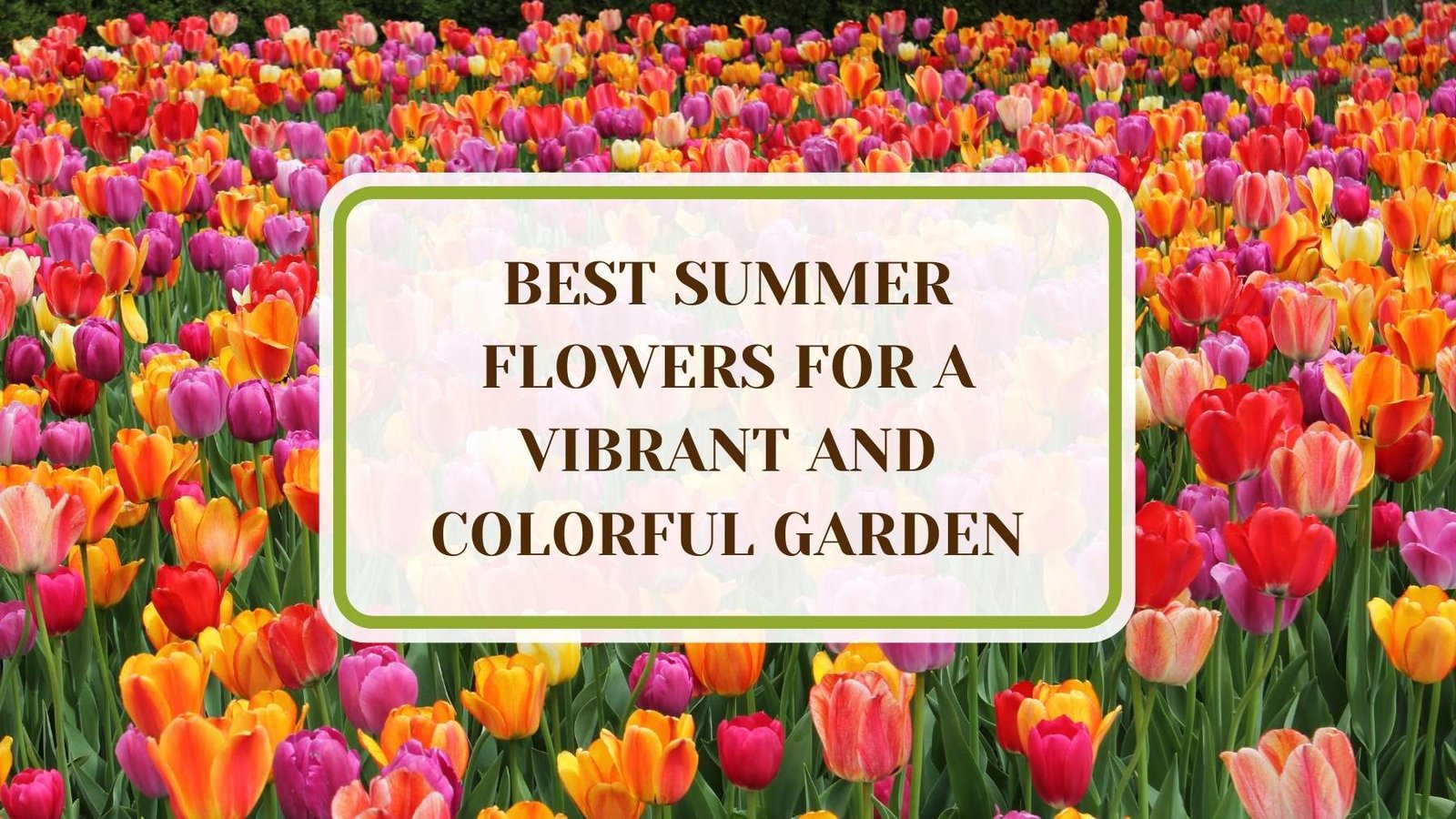
The easy-care flowers featured here will have you relaxing and enjoying your vibrant oasis more instead of slaving over maintenance. From tried-and-true favorites like petunias and marigolds to some trendy newcomers you may have yet to consider. Check them out!
Options for Easy and Eye-Catching Summer Flowers to Plant
1. Marigolds
- Growing Season: Spring, Summer, Fall
- Leaf Shape: Round, Ruffled edges
- Specific Needs: Full sun, Well-draining soil
- Common Pests: Spider mites, Aphids
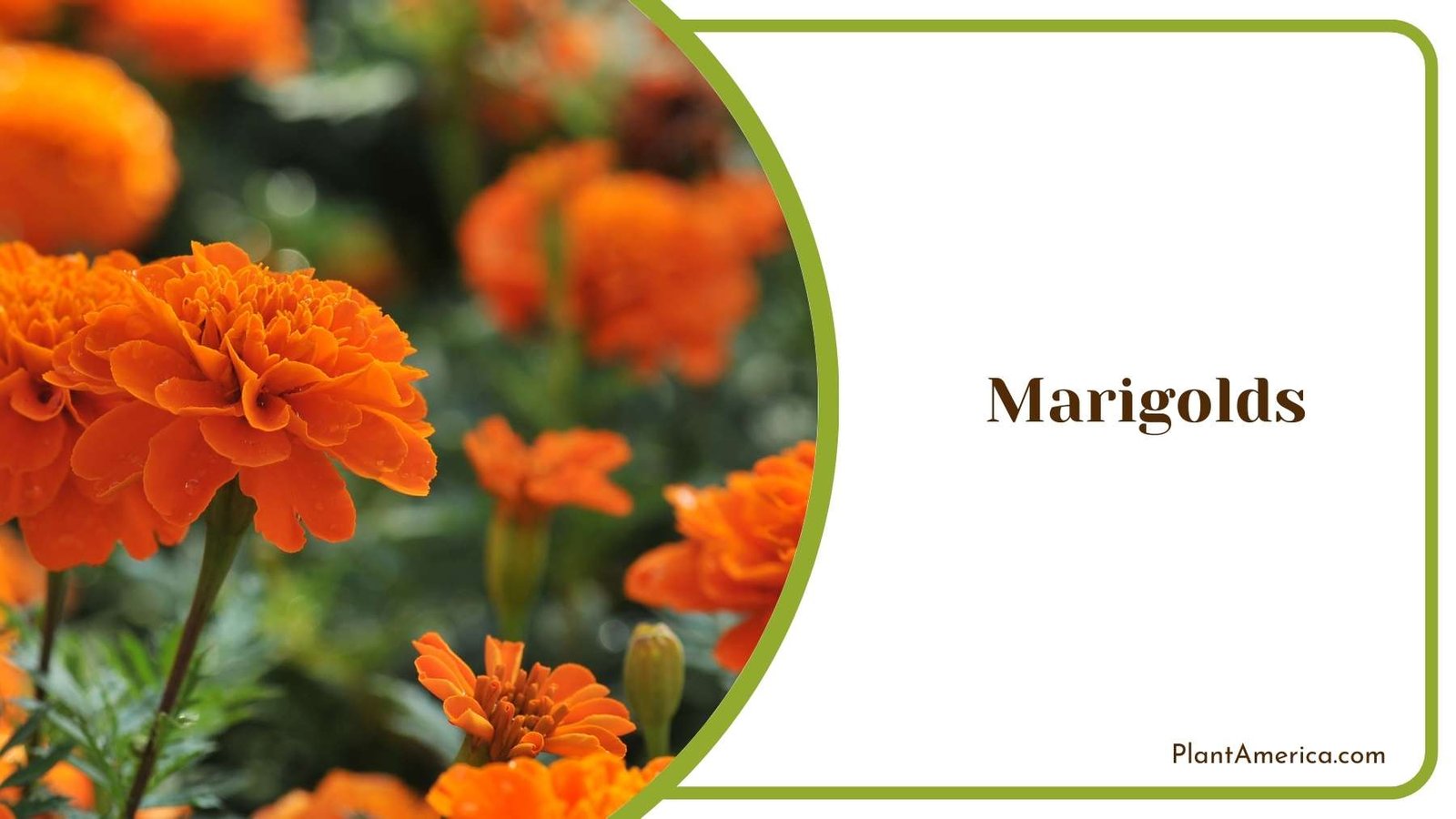
Marigolds are among the best summer flowers to plant to attract pollinators to your garden and add a bright splash of color. Don’t you just love how their cheery yellow, orange, and gold blooms shine brightest during the hottest summer days? Marigolds look vibrant in garden beds or patio containers, and their pungent odor helps repel annoying bugs like worms and mosquitoes.
As a bonus for busy gardeners, marigolds are low-maintenance beauties that don’t require much TLC once planted. Give them plenty of sunlight and watch them flourish all season long for constant color on even the most sweltering summer days.
2. Zinnias
- Growing Season: Spring, Summer, Fall
- Leaf Shape: Broad, Lobed leaves
- Specific Needs: Full sun, Average soil
- Common Pests: Leafhoppers, Aphids
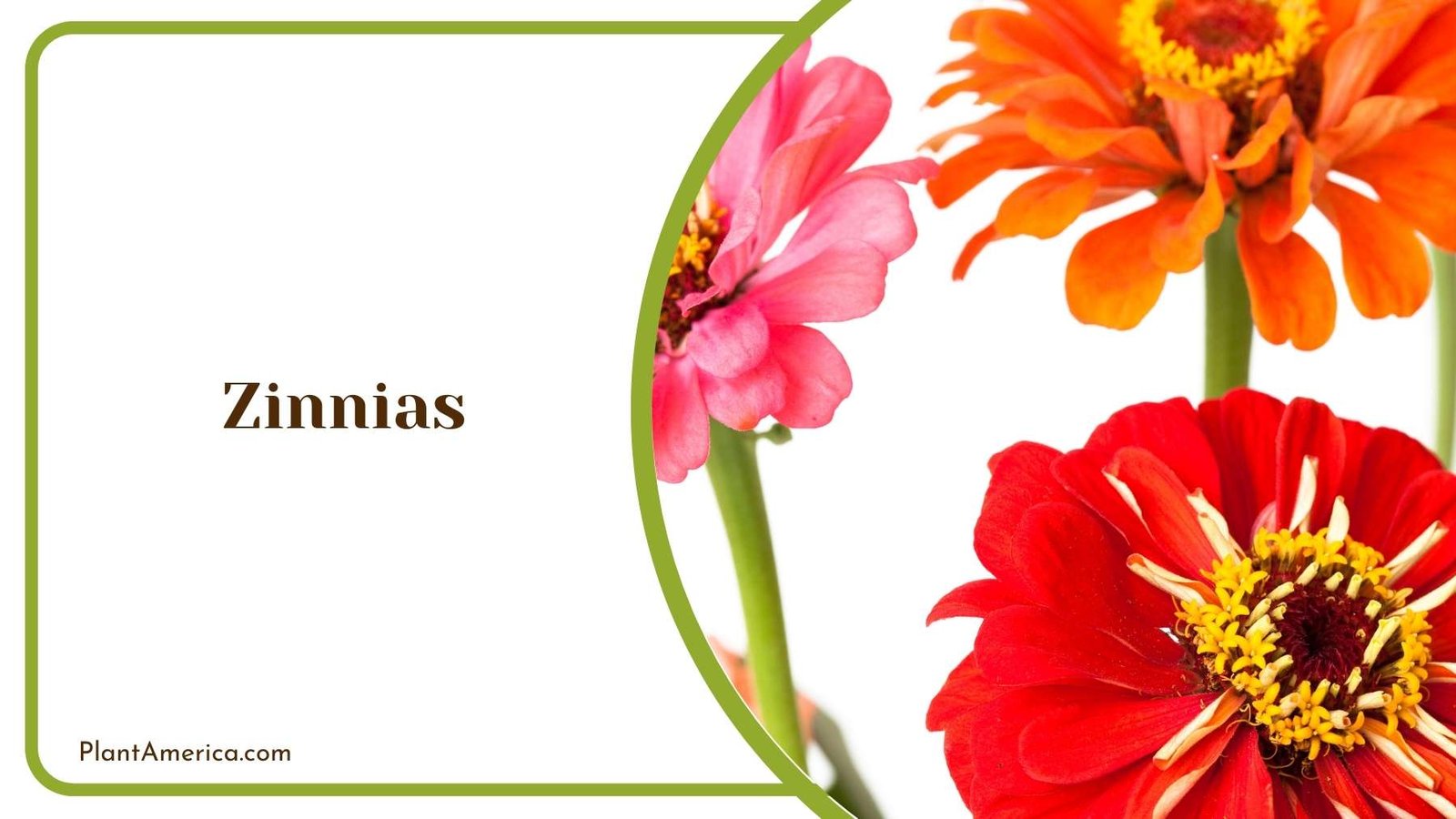
If you’re looking for summer flowers to plant that attract pollinators while also holding up well in the heat, look no further than zinnias. These eye-catching blooms come in various bright colors like red, orange, pink, purple, and yellow. Best of all, zinnias are low-maintenance beauties that continue flowering non-stop from early summer until the first frost.
As if their showy flowers weren’t reason enough to grow zinnias, these plants are known for their incredible durability. They resist diseases excellently and bounce back fast, even after heavy rain or wind.
Cutting zinnias is enjoyable, and their sturdy stems make them perfect for brightening your home with fresh bouquets. Whether as a border alongside your pathway or mixed into your garden beds, zinnias promise to deliver vibrant color throughout the summer.
3. Snapdragons
- Growing Season: Spring, Summer
- Leaf Shape: Long, narrow leaves
- Specific Needs: Full sun, Moist soil
- Common Pests: Spider mites, Aphids
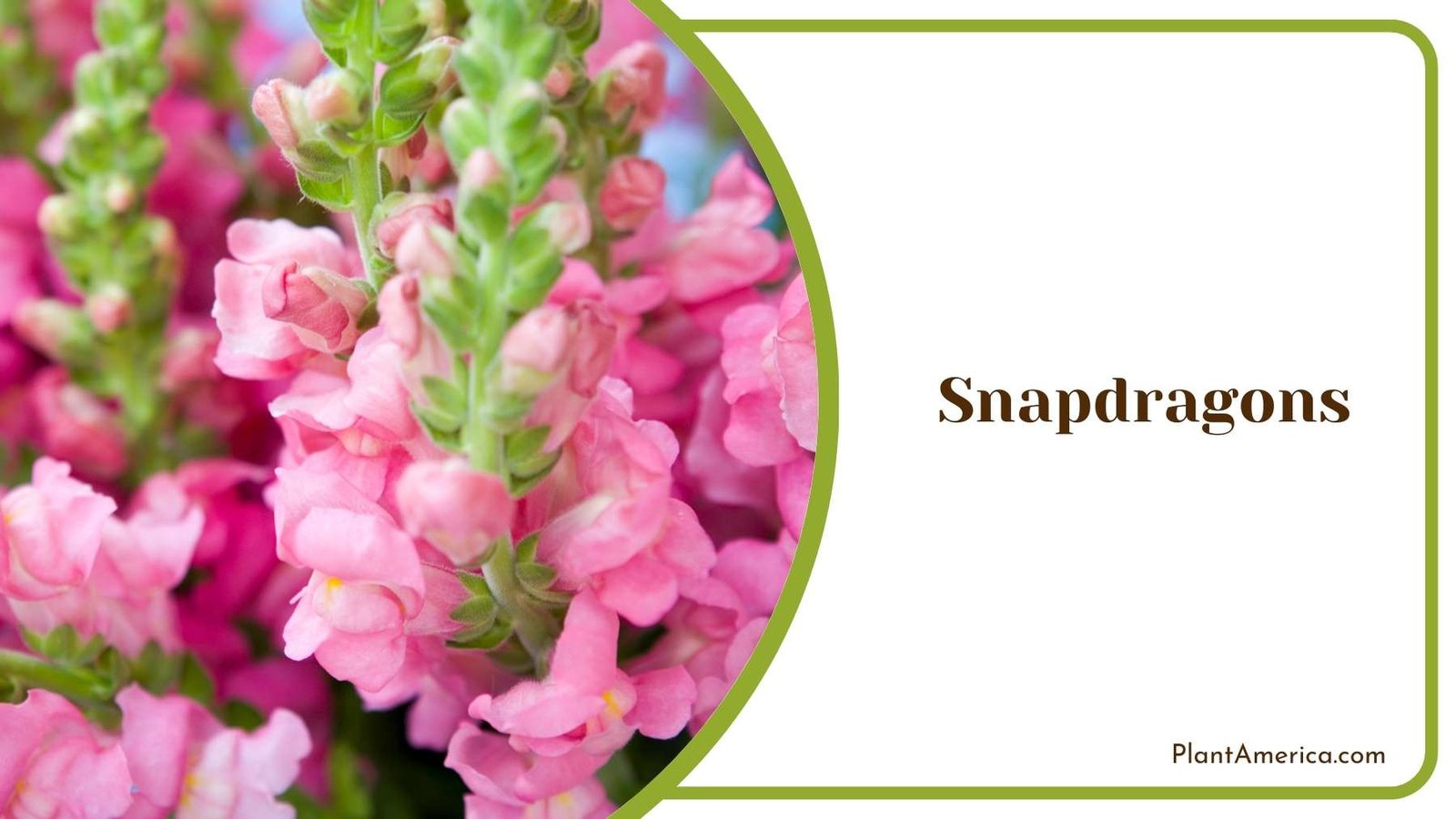
Consider snapdragons for a summer flower with unique architectural appeal and colorful blooms. Their whimsical shape attracts, and each flower resembles a playful dragon’s mouth waiting to snack on an unsuspecting insect. But snapdragons offer so much more than novelty. Their tall spires add lush texture and vertical interest to any outdoor space.
And with blooms reminiscent of lollipops adorning with green stems, snapdragons stand out vibrantly among more low-growing plants. Whether lining a garden walkway or accenting the edges of flowerbeds, snapdragons come in a wide palate of summer hues, including red, yellow, pink, and salmon.
With their adaptability, snapdragons continue enhancing landscapes from early spring until August’s hot and humid days. Deadhead spent flowers to encourage continuous reblooming throughout the summer months for a long season of color.
4. Sunflowers
- Growing Season: Late Spring, Summer, Early Fall
- Leaf Shape: Broad, Rough-textured leaves
- Specific Needs: Full sun, Moist, fertile soil
- Common Pests: Birds (pre-harvest), Aphids
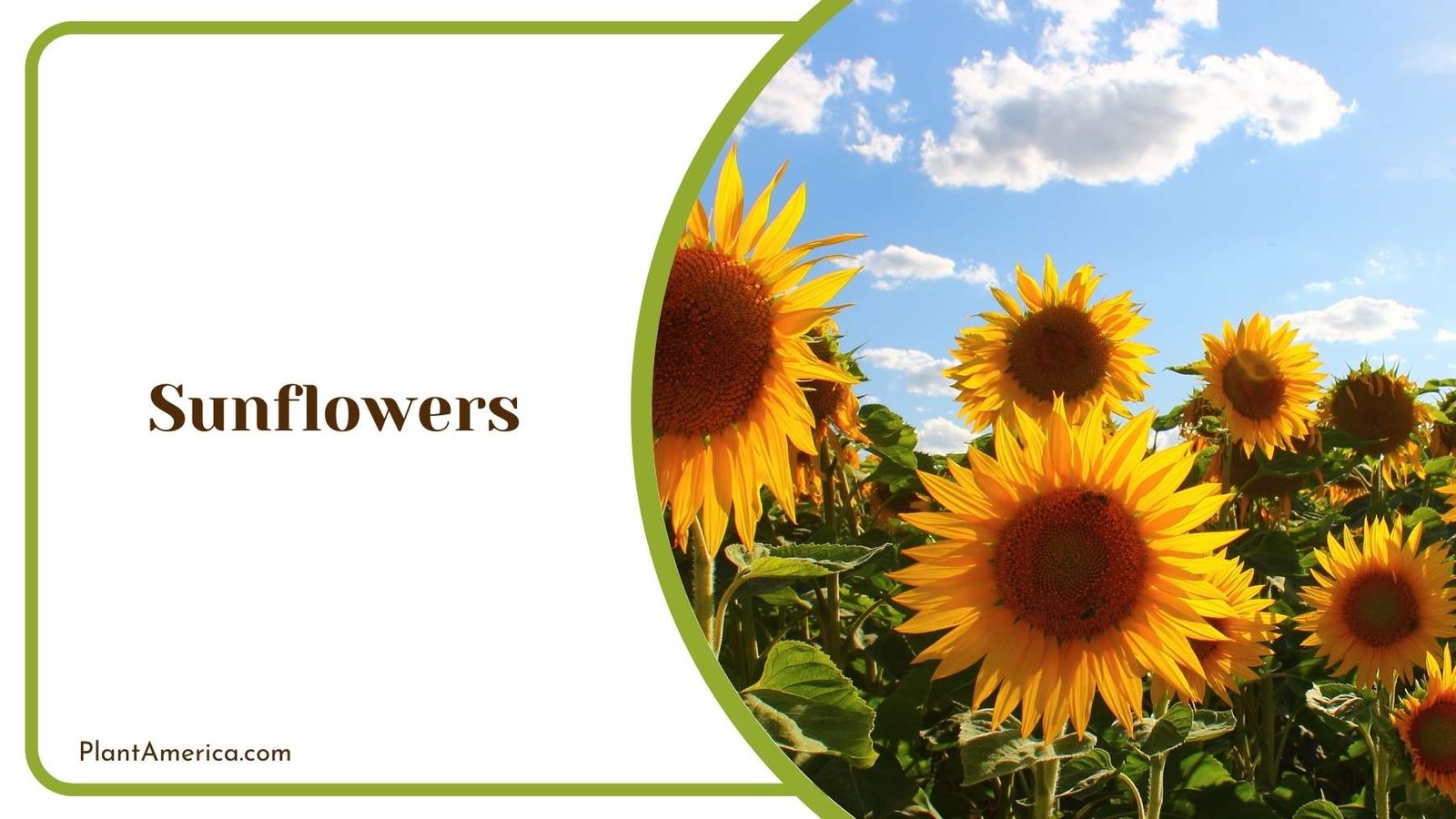
Sunflowers are one of the hardest working and happiest of all summer flowers to plant. We can’t help but smile when seeing their enormous, sun-seeking faces following the daylight across the sky. Sunflowers add so much cheerful charm to gardens, not to mention important pollinator habitats. What’s more, they require very little caretaking from busy gardeners.
Once seeded or transplanted into the ground with plenty of direct sun, these giants take off, thriving throughout the summer. A single impressive variety can reach heights over eight feet tall, but don’t let their size intimidate you.
Sunflowers come in many options that are perfect for even smaller yards. Besides their beauty, sunflowers can be appreciated for the multiple ways we can enjoy them, from cooking with their nutty seeds to using the bare stalks as living field fencing in autumn. Their late blooming habit provides sunshine even as cooler nights roll in.
5. Cosmos
- Growing Season: Spring, Summer, Fall
- Leaf Shape: Airy, Lacy foliage
- Specific Needs: Full sun, Average soil, Good drainage
- Common Pests: Leafhoppers, Aphids
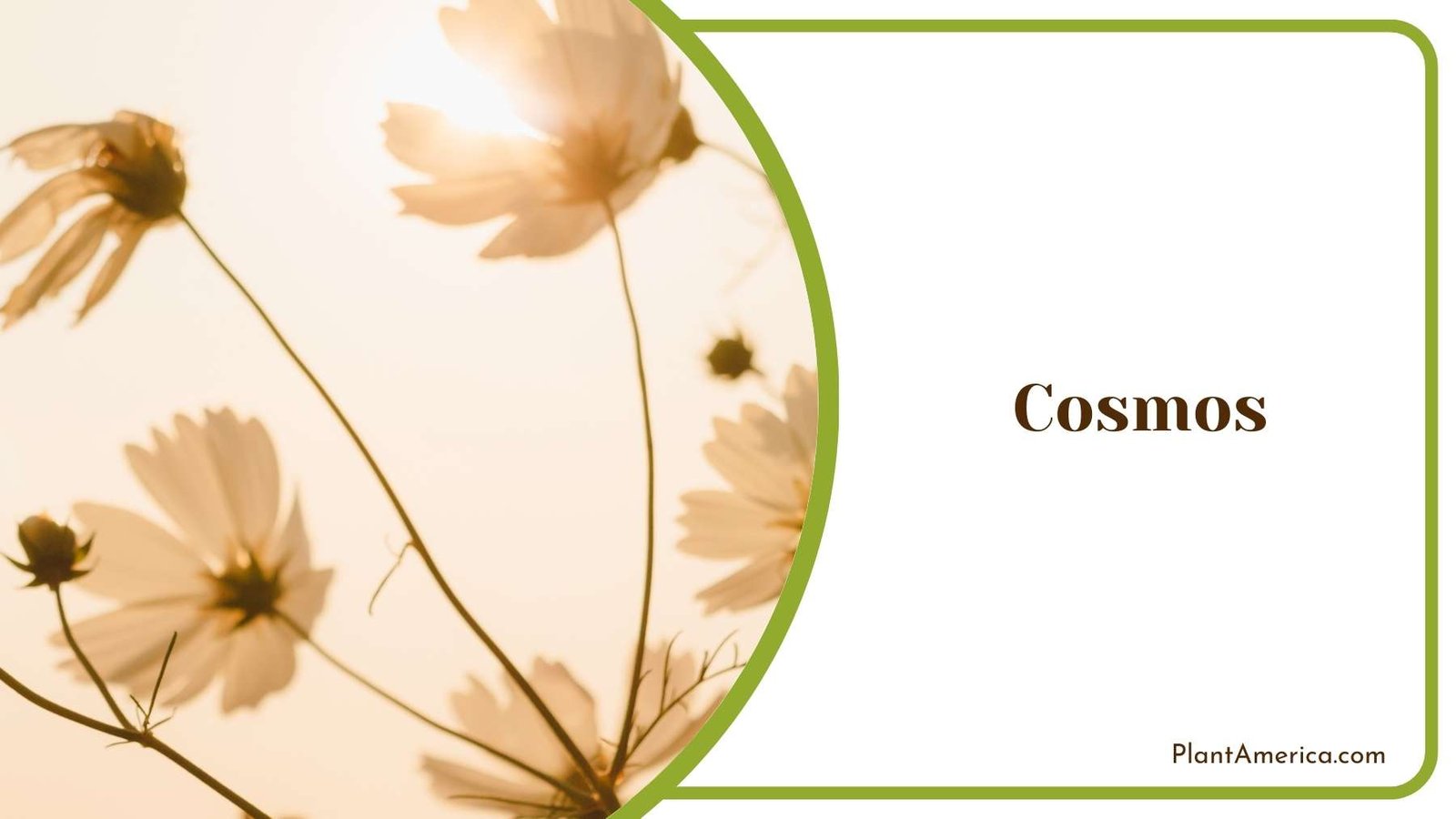
The cosmos should top your list of blooms to plant for a summer flower that puts on a non-stop color display. Their colorful daisy-shaped flowers in pink, white, and red hues seem to multiply across swaying, fragile stems as the season progresses. As a bonus, cosmos thrive in various growing conditions and continue flowering enthusiastically from early summer until frost.
These seasonal superstars are a gift that keeps giving—deadhead blooms to encourage bushier growth and more compact plants. Then, sit back and watch the cherry cosmos cascades frame your yard radiantly.
Best of all, these beauties attract pollinators like crazy with their abundant nectar. Select enlarged varieties for an airy accent in borders, or let the dainty cosmos dot your landscape freely as a carefree ground cover. Either way, their upbeat charm is bound to lift your spirits each sunny day.
6. Geraniums
- Growing Season: Spring, Summer, Fall
- Leaf Shape: Round, Palmate lobes
- Specific Needs: Full sun, Well-drained soil
- Common Pests: Spider mites, Leaf spots
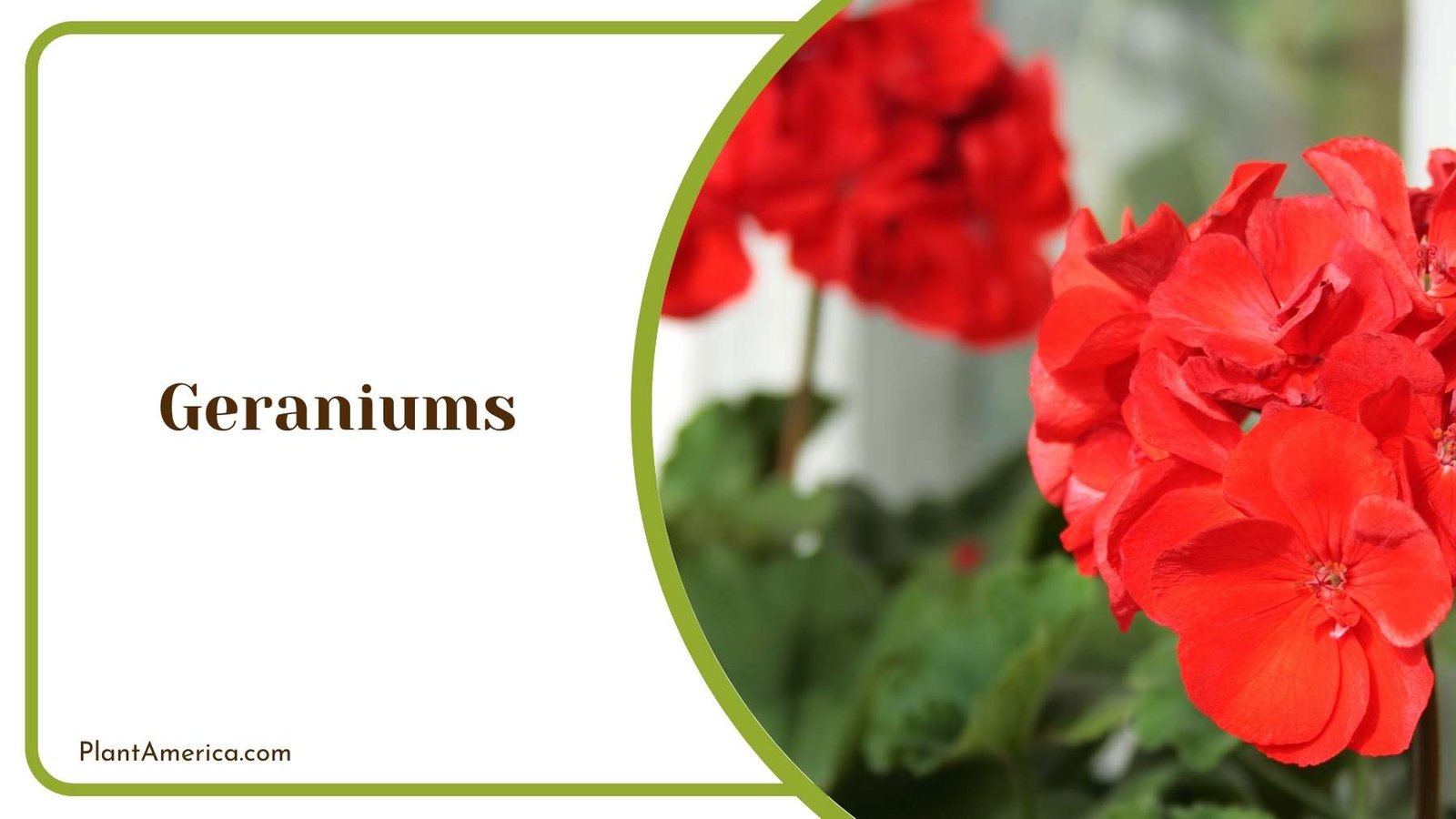
Geraniums are seasoned veterans among summer flowers to plant, thriving beautifully in gardens for decades. And with good reason, they bloom prolifically, withstand heat and drought with tenacity, and require little maintenance. Everyone loves their rounded blossoms dancing on lax stems above vibrant green foliage.
Geranium colors range from soft pastels to fiery coral, scarlet, and fuchsia. As early risers, many varieties start flowering in spring but save their best performance for the dog days of summer.
Unlike some finicky blooms, geraniums demonstrate superb adaptability regardless if planted in containers on the patio or sprinkled throughout borders. Deadhead as needed to maintain tidy plants bursting with lively blooms. Their neat mound shape and sturdy stems make geraniums ideal for crafting bouquets plucked fresh from the garden.
7. Lavender
- Growing Season: Spring, Summer
- Leaf Shape: Narrow, Aromatic foliage
- Specific Needs: Full sun, Well-drained soil
- Common Pests: Spider mites, Aphids
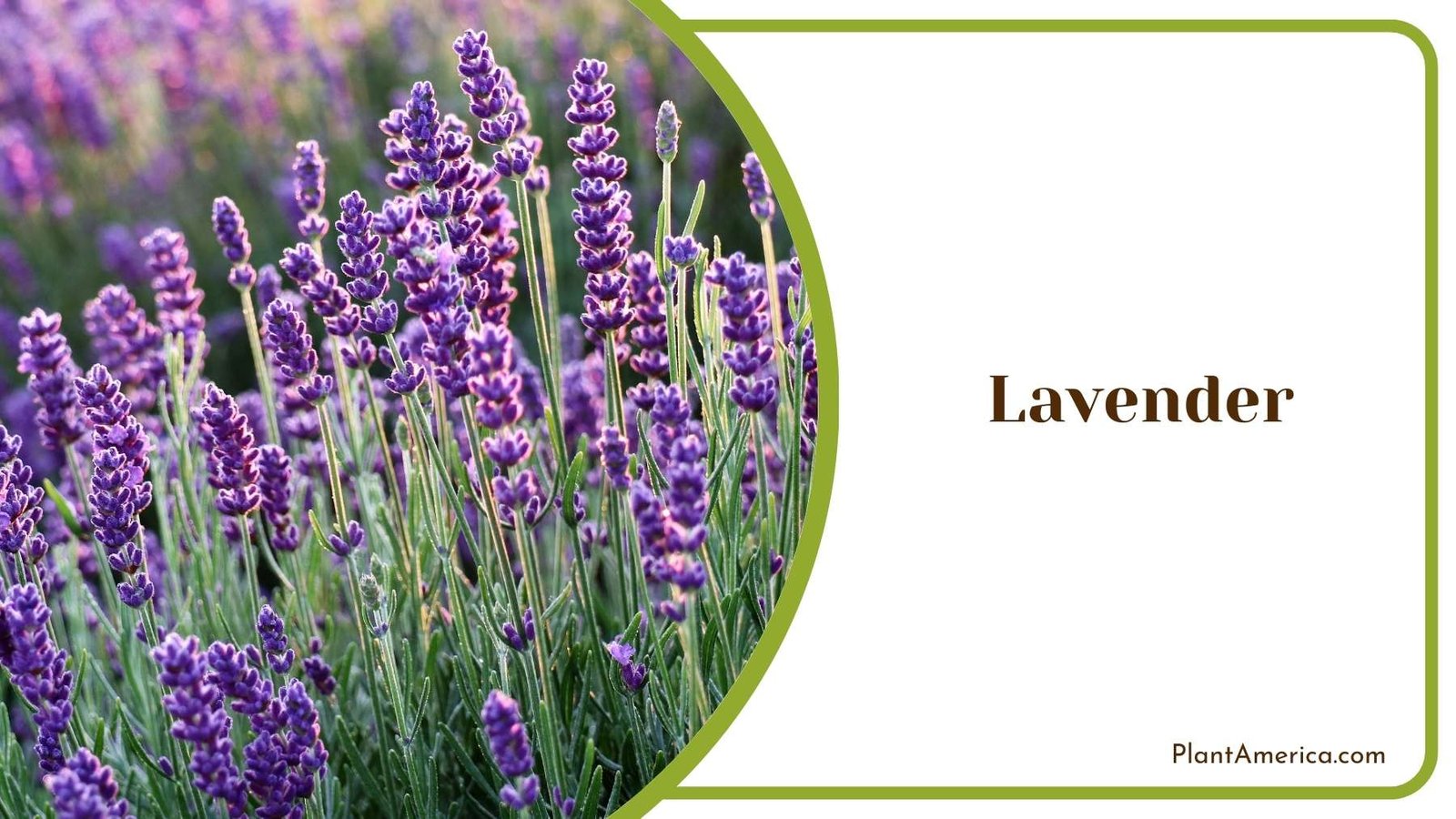
Planting lavender as a summer flower engulfs your outdoor surroundings with an intoxicating perfume. Eluding description, its sweet scent evokes summer nostalgia, relaxation, and renewedness. As if the great fragrance wasn’t enough, lavender cultivars offer an array of alluring flowers in lilac, plum, and royal purple shades.
These woody subshrubs form neat mounds ideal for edging walkways or mingling with other pollinator-friendly blooms. Lavender’s gray-green leaves enhance any landscape and remain handsomely sculptural even when not in flower.
Both drought tolerant and low maintenance, lavender proves the perfect low-fuss addition for summer gardens. Moreover, this aromatic herb attracts swarms of beneficial bees and butterflies. So consider planting lavender throughout your landscape to experience continual cupfuls of calm carried by each gentle summer breeze.
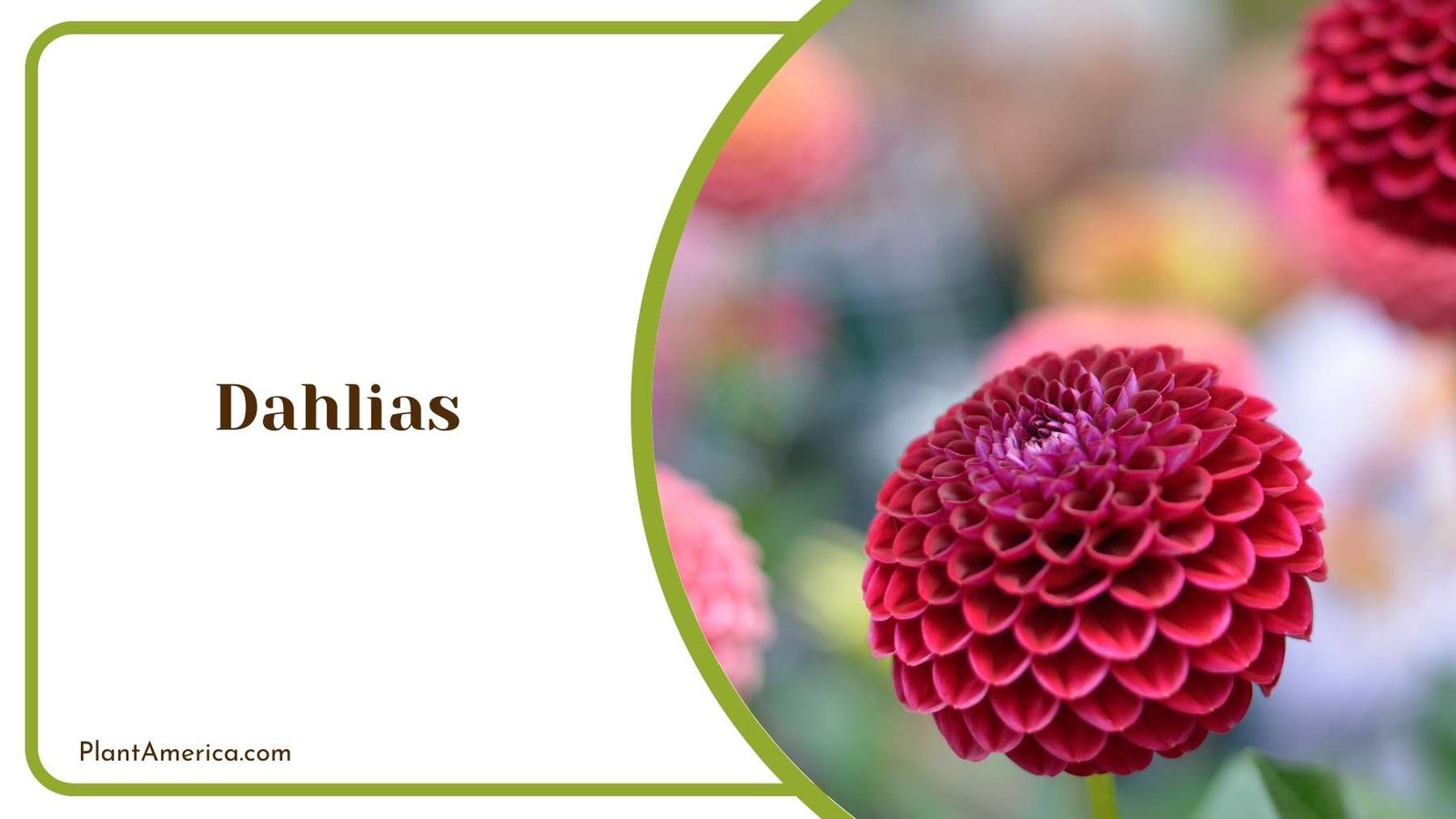
8. Dahlias
- Growing Season: Summer, Fall
- Leaf Shape: Broad, Lobed leaves
- Specific Needs: Full sun, Rich, moist soil
- Common Pests: Slugs, Aphids
For those searching for genuinely show-stopping summer flowers, dahlias should top the list to plant. Originating from Mexico, these perennial knuckle flowers have been cultivated into over 50 varieties that produce eye-catching blooms in a virtually endless combination of sizes, shapes, and vivid hues.
Dahlias welcome colors, from scarlet reds to creamy whites, oranges, pinks, yellows, and purples across formal decorative types and casual cactus varieties. With flowers that can exceed 10 inches wide, dahlias create an enthusiastic exclamation point in any garden space.
They demand very little care beyond the sun, water, and periodic deadheading, rewarding growers with months of beauty until fall frost. Whether a spry addition to mixed borders or elegant solo specimens, dahlias’ pillowy blooms combined with their staying power make them a must-try for serious summer flower enthusiasts.
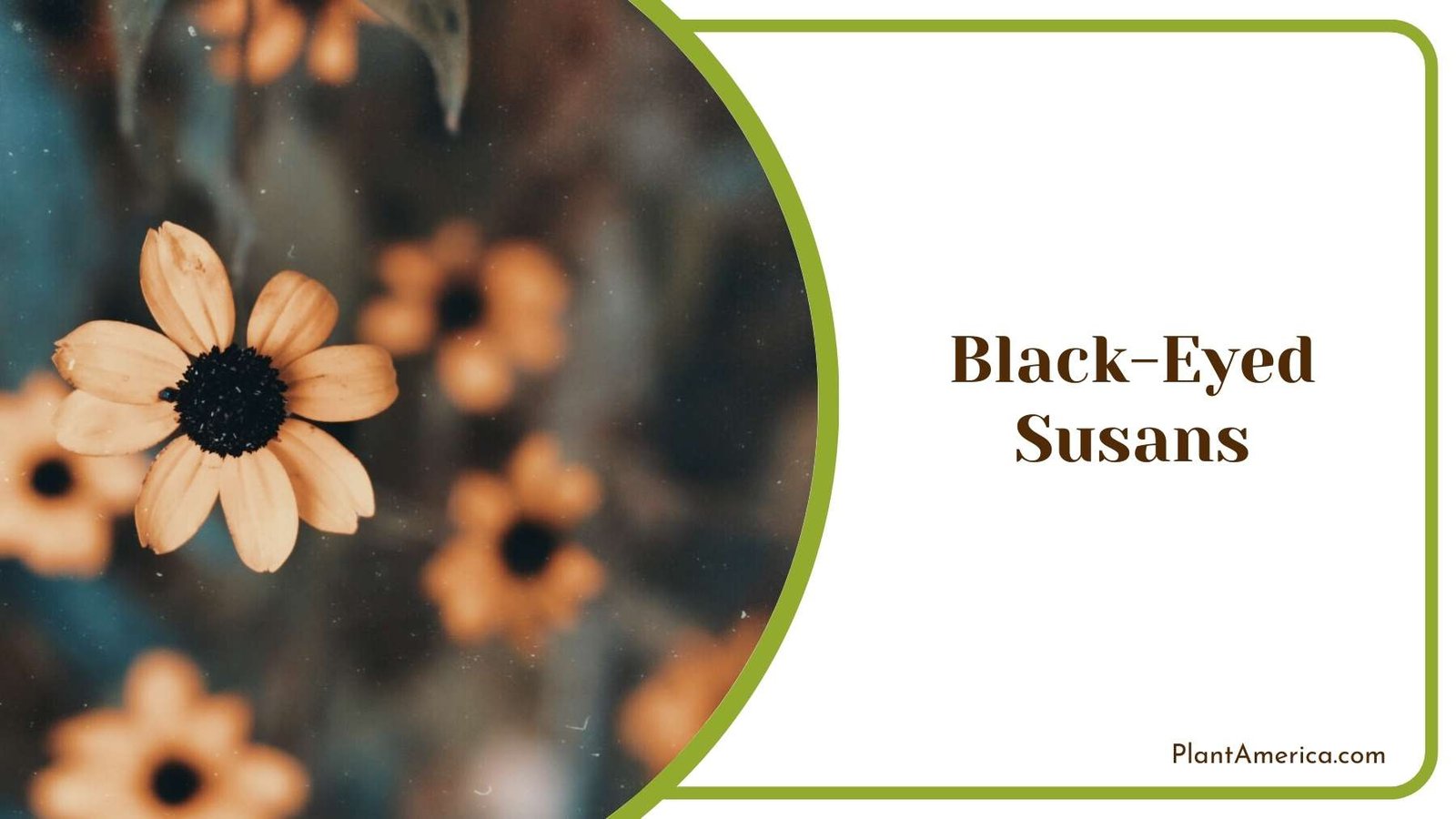
9. Black-Eyed Susans
- Growing Season: Summer, Fall
- Leaf Shape: Broad leaves, Deep lobes
- Specific Needs: Full sun, Average to dry soil
- Common Pests: Spider mites, Sometimes Aphids
If you want a carefree summer flower that adds consistent pops of sunshine to the landscape, plant Black-Eyed Susans. Distinctively marked yellow petals surrounded by chocolatey black centers give these cheerful blooms their unique identity. But beyond looks, Black-Eyed Susans are indeed rockstar performers in the garden.
After establishing, these tough-as-nails perennials return reliably each season in masses, requiring little water or maintenance from early summer into fall. Their airy habits make Black-Eyed Susans an adaptable addition, whether naturalized amongst shrubs or peppered throughout prairie plantings.
Best of all, these nectar-rich flowers generously feed beneficial pollinators when many others have called it a season. So, for carefree seasonal color that spreads and brightens each summer, Black-Eyed Susans belong in every gardener’s flower arsenal.
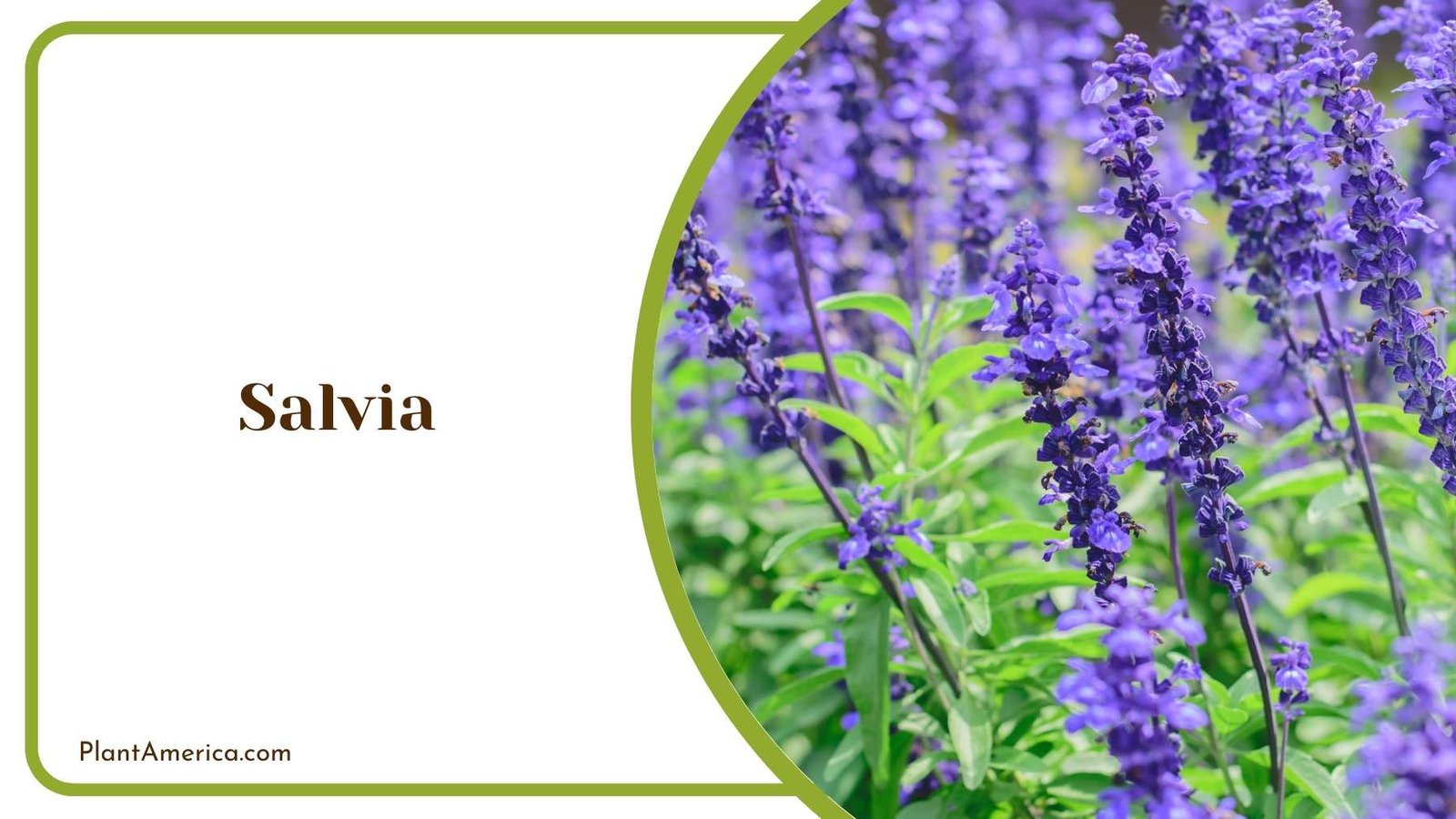
10. Salvia
- Growing Season: Spring, Summer, Early Fall
- Leaf Shape: Oval, Opposite leaves
- Specific Needs: Full sun, Well-drained soil
- Common Pests: Aphids, Sometimes powdery mildew
Consider planting salvias for summer flowers that burn as brightly as the season. Commonly called sage, salvias erupt into vivacious spires of vivid color that stand out among any plantings. Vibrant hues range from intense reds, oranges, and pinks to gentle blues and purples.
The fiery blooms of salvias attract swarms of hummingbirds and butterflies, and with good reason – each flower typically hides a delicious nectar reward.
A bonus is that salvias bloom non-stop for months, requiring very little more than sunshine and occasional water. Salvias offer proportion and presence as airy texture plants without dominating more delicate blooms.
Try expanding your palette by mixing varieties with different bloom times to elongate the color show. Salvias thrive in beds, borders, and containers with harmonious hardiness. Whether seeking lively accents or unified drifts, salvias won’t disappoint devoted summer gardeners.
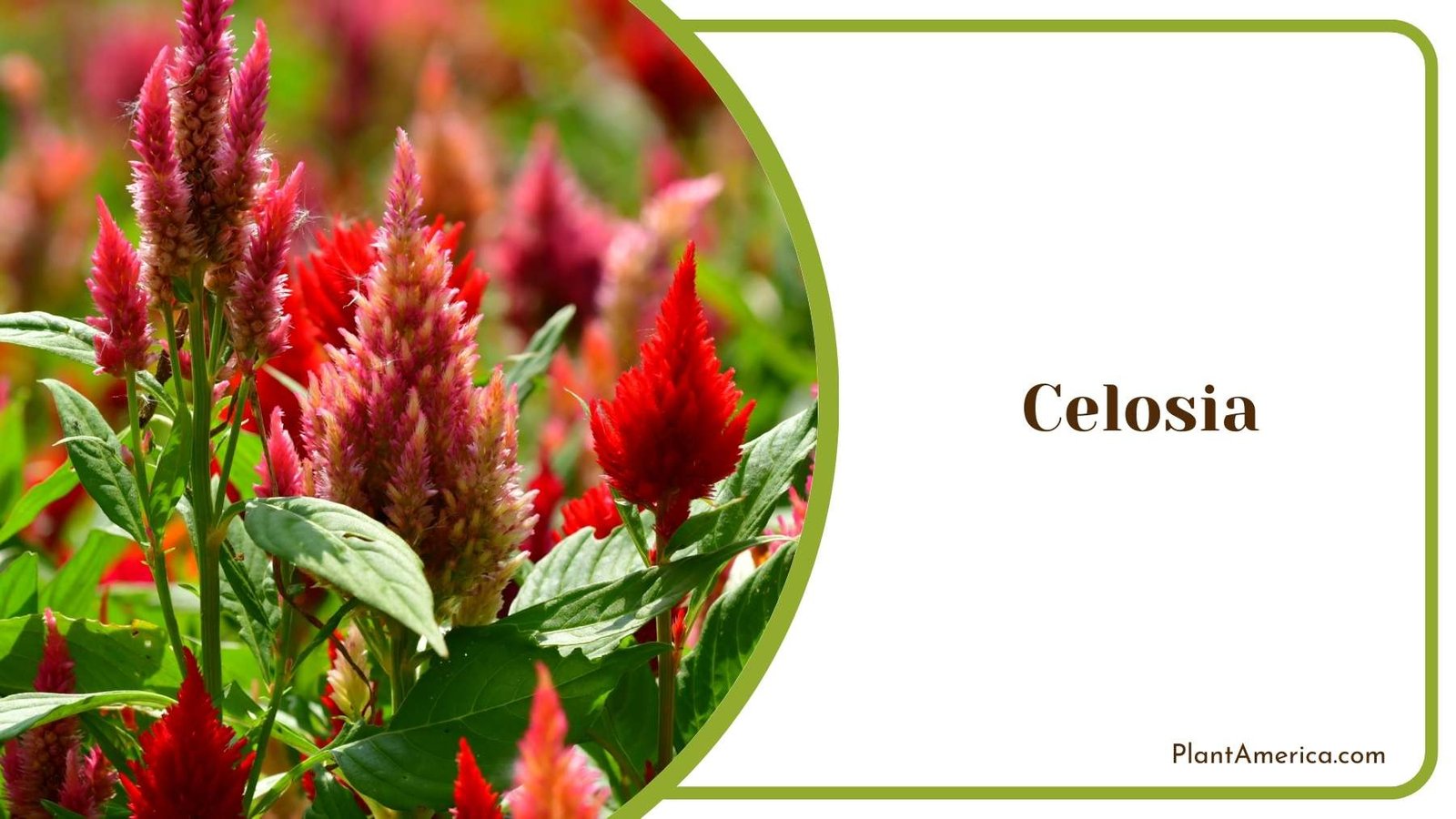
11. Celosia
- Growing Season: Spring, Summer, Fall
- Leaf Shape: Plum-like flower heads, Adorned branching stalks
- Specific Needs: Full sun, Well-drained soil
- Common Pests: Aphids, Sometimes powdery mildew
For a boldly unique flower that demands attention, try Celosia this summer. Famously grown for its unusual blooms resembling wild bursts of flames upon leafy green stems, celosia varieties range from sedate plumage to fiery feathery flowers. One cannot ignore their eye-catching presence, whether softened amongst zinnias or used as an exclamation point alone in patio planters.
Even better, celosias bloom continuously from summer’s start essentially until frosts arrive. Choose from a kaleidoscope of colors, including ruby red, fiery orange, goldenrod, peach, and rose, for a conversation-starting addition to any garden, large or small.
Despite their dramatic good looks, celosias remain low-maintenance beauty content in full sun and average well-drained soil. So whether seeking thriller focal points or filler for large borders, let Celosia’s electric flowers spark summer’s vitality.
12. Lantana

- Growing Season: Summer, Fall
- Leaf Shape: Rounded, Lobed leaves
- Specific Needs: Full sun, Well-drained soil
- Common Pests: Aphids, Sometimes spider mites
For a tough-as-nails flowering shrub that thrives in summer’s hottest climates, look no further than Lantana. Compact varieties and trailing types shower colorful blooms in perpetual abundance from early summer until frost. Its clusters of petite flowers offer a kaleidoscope of colors, from sunshine yellows and oranges to pinks, reds, and purples in one unified plant.
No matter the variety, Lantana’s cheerful display seems endless. As each flower fades, another bud eagerly takes its place. Lantana’s ability to rebound swiftly from drought, heat waves, or sporadic rain is equally impressive. Low maintenance and hardy, Lantana earns its keep amongst borders, in containers, or sprawling across retaining walls.
Best of all, its nectar-wealthy blooms nourish beneficial bees, butterflies, and hummingbirds throughout warm seasons. So whether seeking continuous cheerful color or tough landscape performers, Lantana fits the bill in style.
13. Delphinium
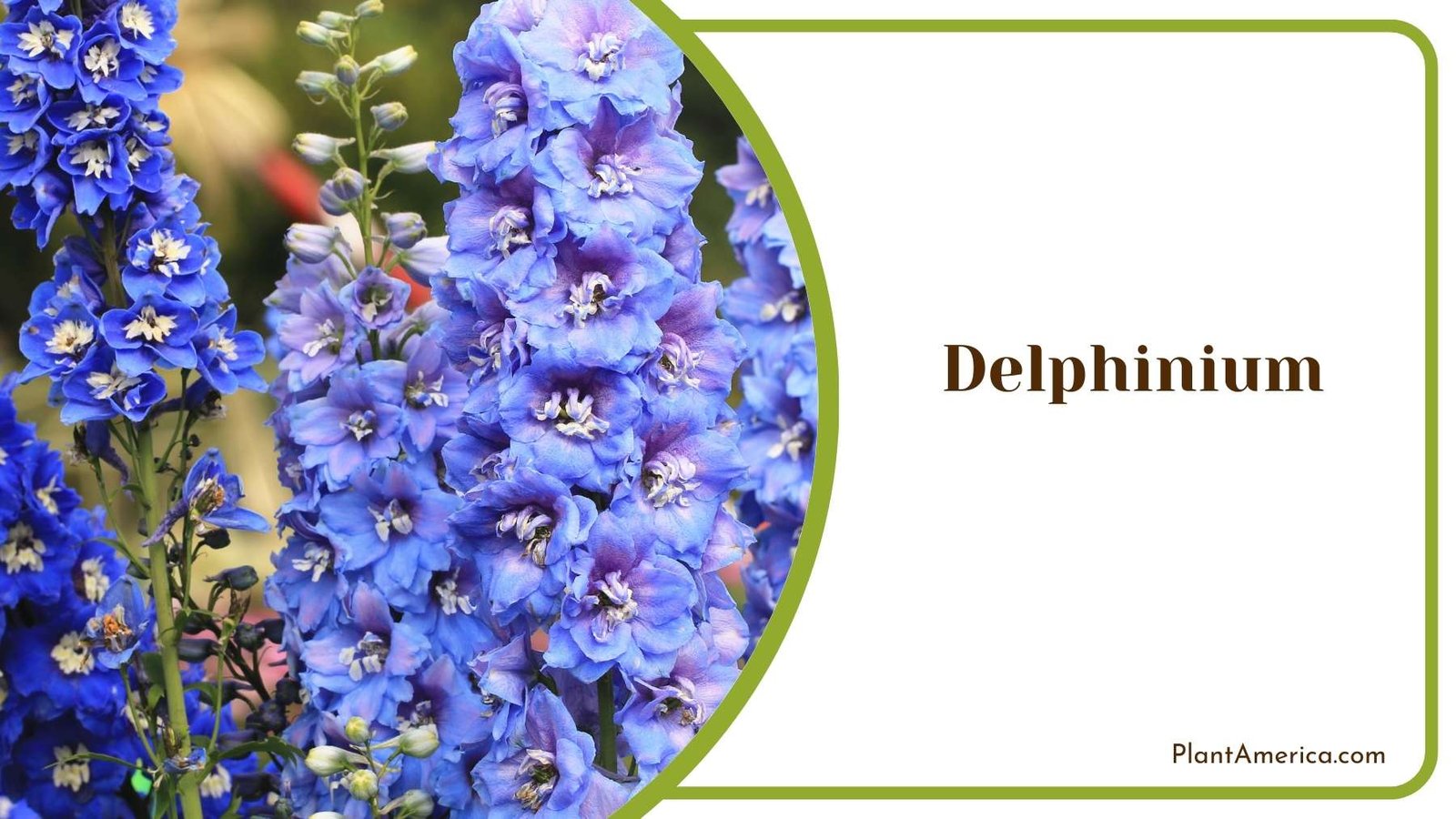
- Growing Season: Spring : Summer : Early Fall
- Leaf Shape: Bell-shaped, Palmately compound leaves
- Specific Needs: Full sun, Moist, fertile soil
- Common Pests: Slugs, Aphids
With towering spires of intriguing bell-shaped blooms offered in a cheerful rainbow, delphiniums are undoubtedly one of the most unique summer flowers to plant. With some varieties surpassing five feet in height, these flowering perennials lend an air of stately charm to any gardenscape.
A diligent gardener can expect delphiniums to flourish from spring until the first fall frost with little more than routine watering. Their adaptable leafy foliage remains pleasantly textural even when not in bloom.
While delphiniums may demand slightly more finicky soil than hardier options, their exquisite beauty makes the extra TLC worthwhile. Besides lone specimen placement, try massing delicate colors together for breathtaking drifts that stop passersby in their tracks.
14. Daisies
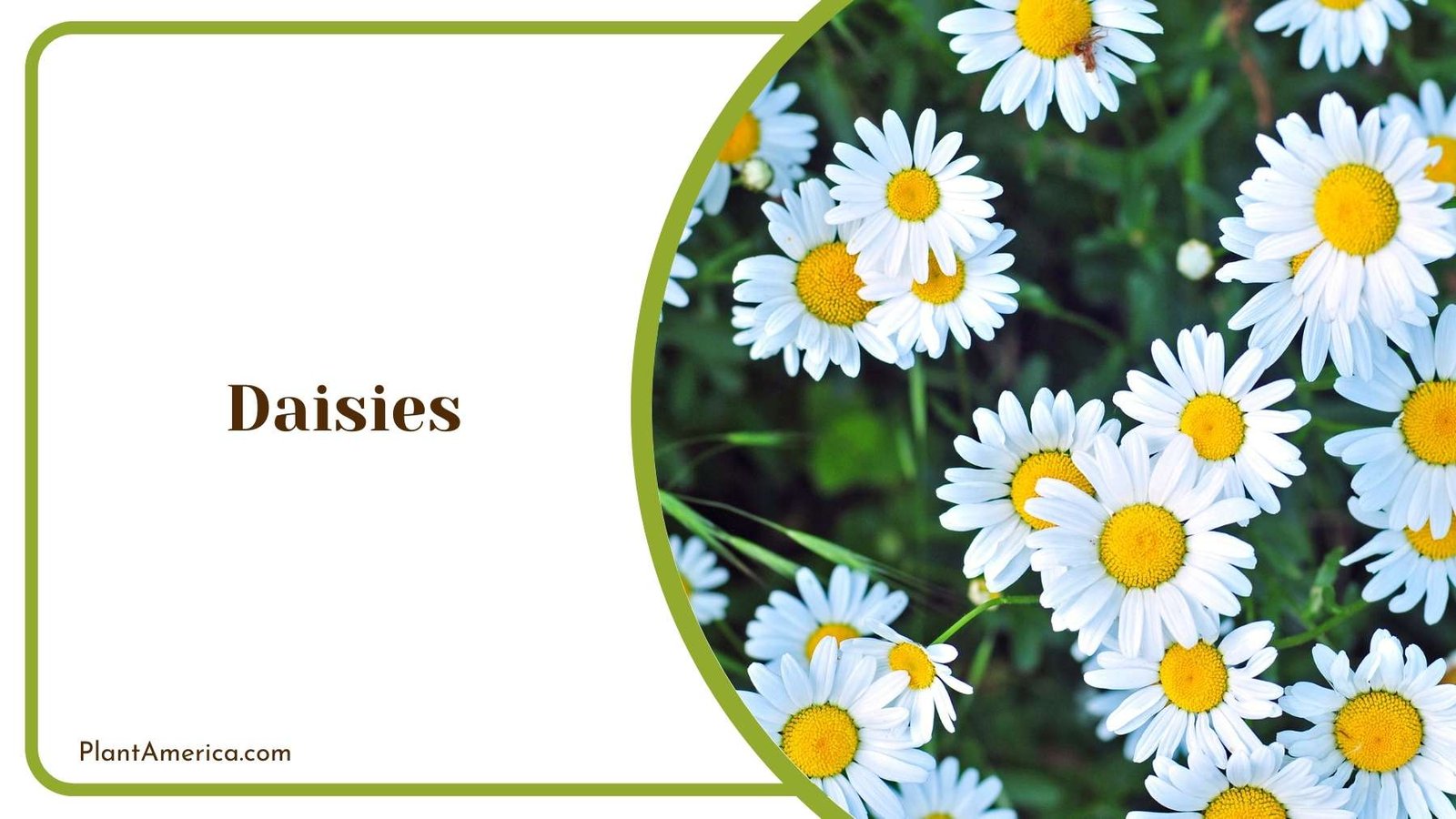
- Growing Season: Spring, Summer, Early Fall
- Leaf Shape: Linear, Oval leaves
- Specific Needs: Full sun, Average soil
- Common Pests: None significant
An iconic symbol of summertime, daisies should have a strong presence in any warm-weather flower garden. While commonly considered a weed, cultivated daisy varieties come in many sizes and irresistible colors that add charm in any context. Delivering densely packed blooms atop airy stems, daisies such as Shasta, painted, and Gerbera options steal the spotlight from spring until fall’s close.
Low fuss and hardy, they forgive average conditions with aplomb. Daisies’ gentle beauty and reliable nature make them a perennial staple, literally and figuratively. Whether massed along a border or sprinkled freely as a colorful lawn alternative, daisies convey summer’s magic with each cheerful face smiling at the sun.
15. Gladiolus
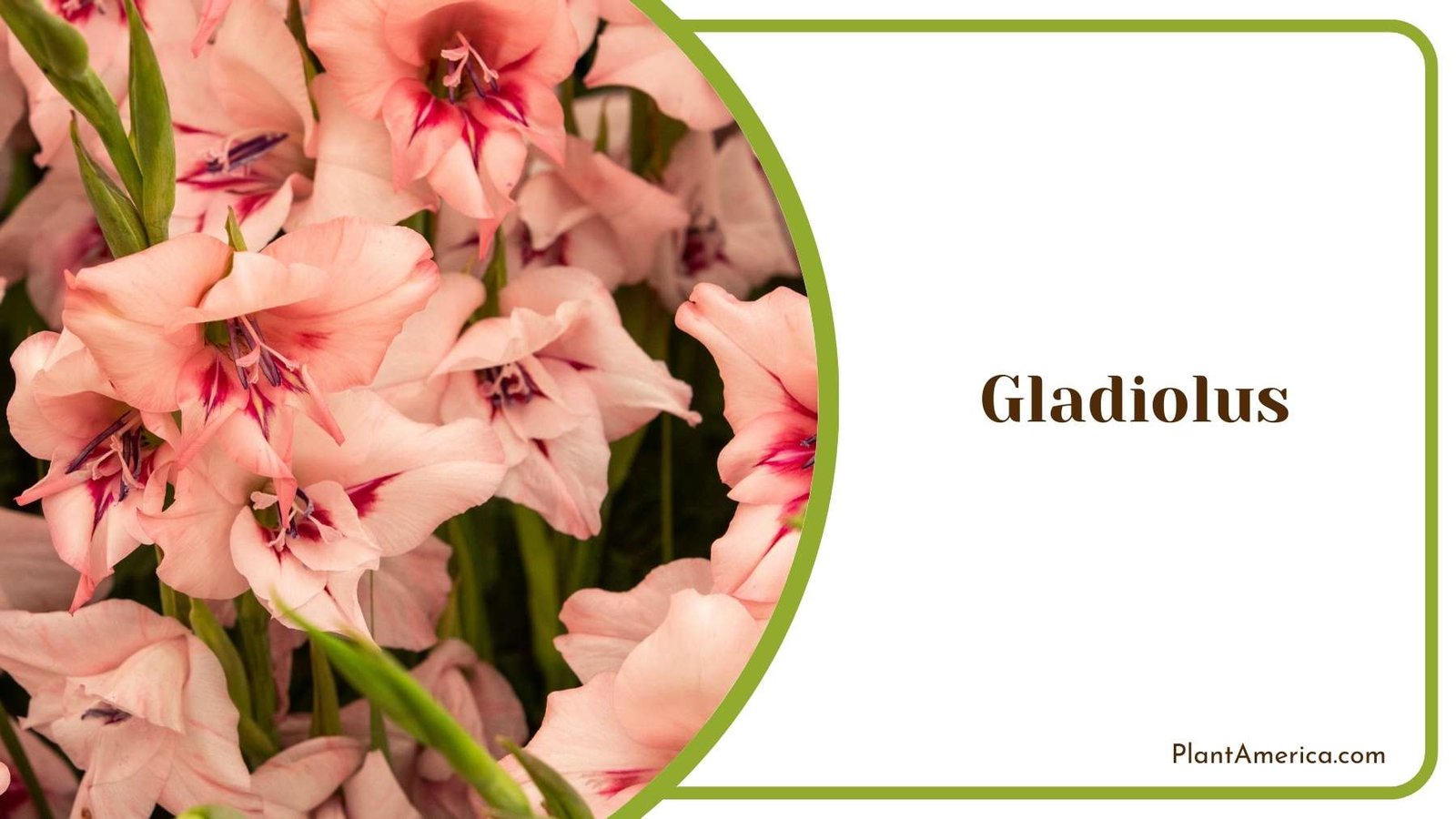
- Growing Season: Summer
- Leaf Shape: Narrowly linear, Sword-like leaves
- Specific Needs: Full sun, Well-draining soil
- Common Pests: Slugs, Snails
With their showy spikes of unique trumpet-shaped blossoms offering a distinctive splash of color, gladiolus is undoubtedly one of the most recognizable summer flowers to plant. Coming in hues as diverse as their exotic-sounding names, varieties range from soft yellows and pinks to vibrant oranges, reds, and purples.
Though often viewed as an annual, some gladiolus cultivars will reliably return from tender bulbs planted in autumn if given a winter dormancy period. Even for those treating them as annuals, gladiolus more than earn their space with their architectural beauty.
The tall spikes bearing multiple flowers at once provide a welcome vertical element among mixed borders, cutting gardens, or used as dramatic single specimens. With minimal fuss beyond sun and hydration, gladiolus delivers a vivid payoff throughout the heat of summer long after cooler blooming flowers have passed.
16. Torch Flowers
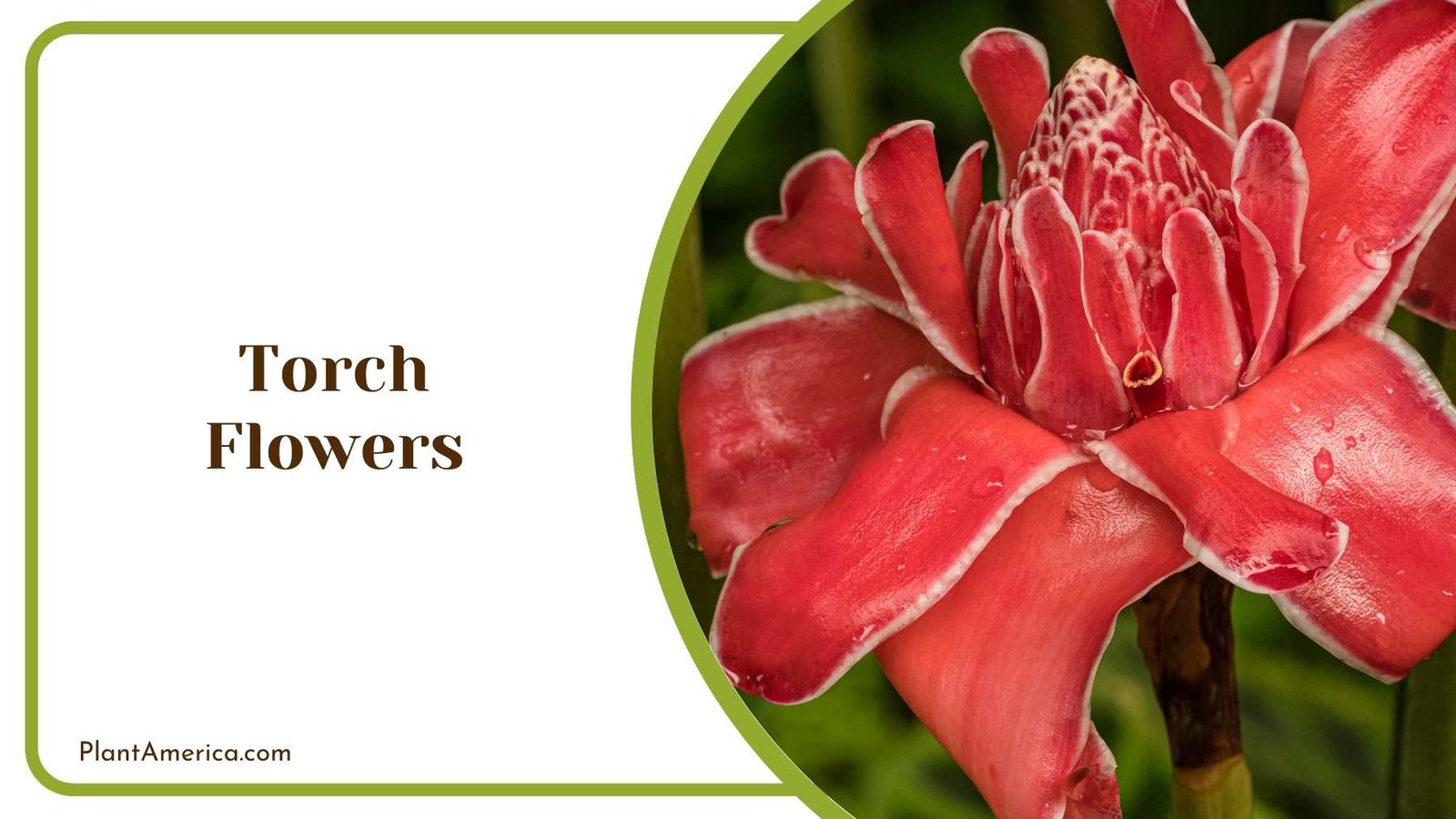
- Growing Season: Summer, Early Fall
- Leaf Shape: Broad, Lobed leaves resembling plantain
- Specific Needs: Full sun, Average well-draining soil
- Common Pests: Spider mites, Aphids
For an exotic yet carefree summer bloomer, torch lilies intrigue with their uniquely shaped red blooms resembling tiny flickering flames. Native to South Africa, these striking perennials form statuesque stalks carrying narrow buds that open to reveal their namesake fiery flowers.
Individual blooms last just three days yet are swiftly followed by new buds developing simultaneously up the stem for a fantastic firework-like show.
Torch lilies snowball from early summer through fall, topping around five feet tall with ample moisture. Excellent for creating dramatic tropical ambiance along garden edges or providing height paired with lower blooms, torch lilies leave quite an impression with minimal inputs besides sun and shelter from harsh winds with an ideal low-maintenance thriller for any season’s stunning sequence of color.
17. Petunias
- Growing Season: Spring, Summer, Early Fall
- Leaf Shape: Large, Vibrant hues
- Specific Needs: Full sun, Well-draining soil
- Common Pests: Occasional powdery mildew, Aphids
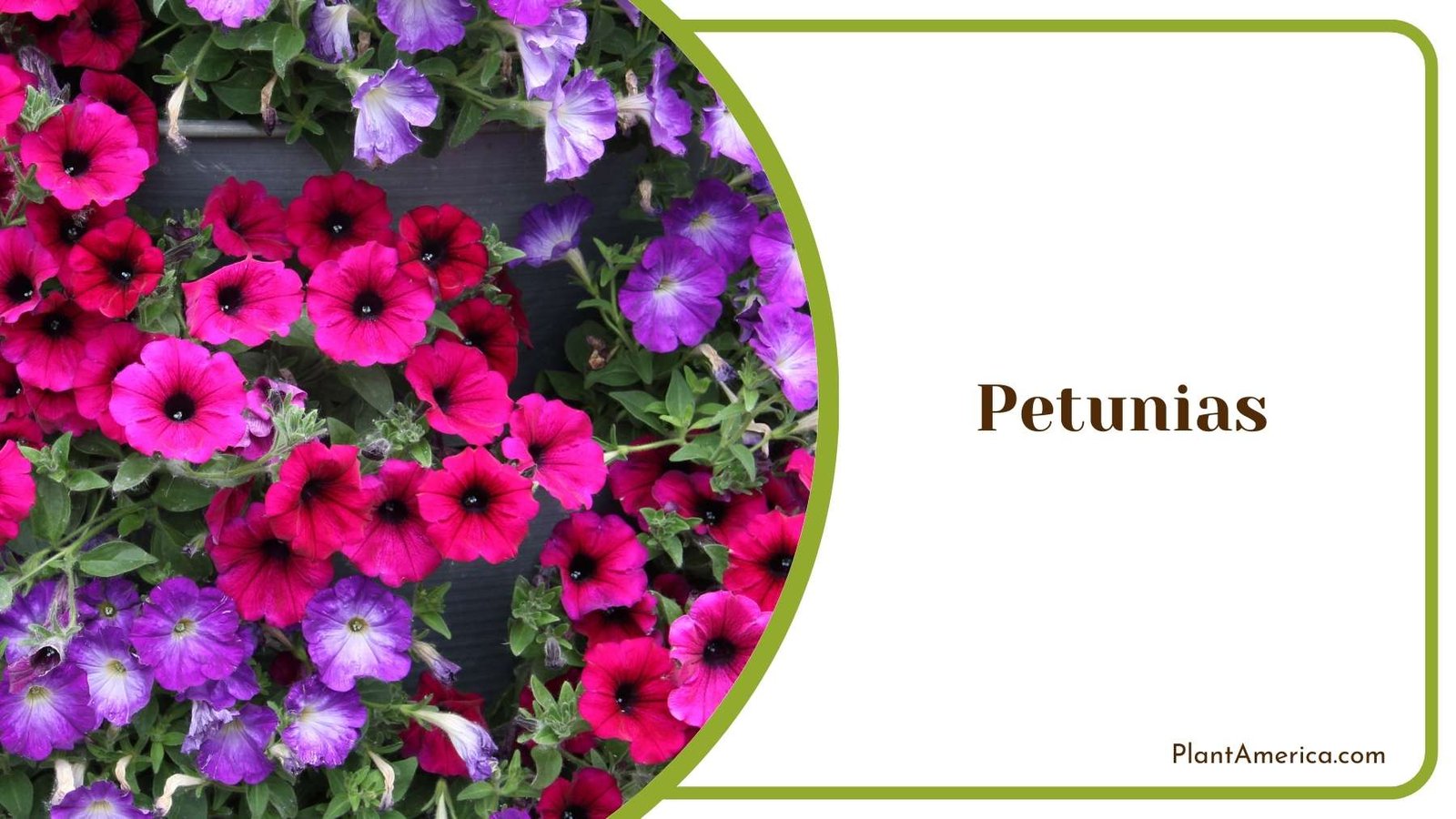
For cheerful pools of carefree color in gardens, both large and small, petunias are the ultimate summer flower to plant. Famous for trailing from containers in bursting displays, petunia varieties have exploded with novel options like petunias that flourish indoors or out. Hardworking performers bloom consistently from spring well into autumn’s arrival.
Vibrant hues range from soft pastels to deep jewel tones of fuchsia, burgundy, and violet. Though readily available as annuals, some hardy perennial types endure year after year as reliable returners.
Low maintenance and wildly adaptable to different conditions, petunias remain low-fuss all season and resist wilting even in intense heat waves. Whether draped from baskets, edging walks, or adding pops among plantings, few flowers fill summer landscapes with constant positive energy like bubbly petunias.
18. Lilacs
- Growing Season: Spring
- Leaf Shape: Round, Ruffled edges
- Specific Needs: Full sun, Well-draining soil
- Common Pests: Rust disease, Occasionally aphids
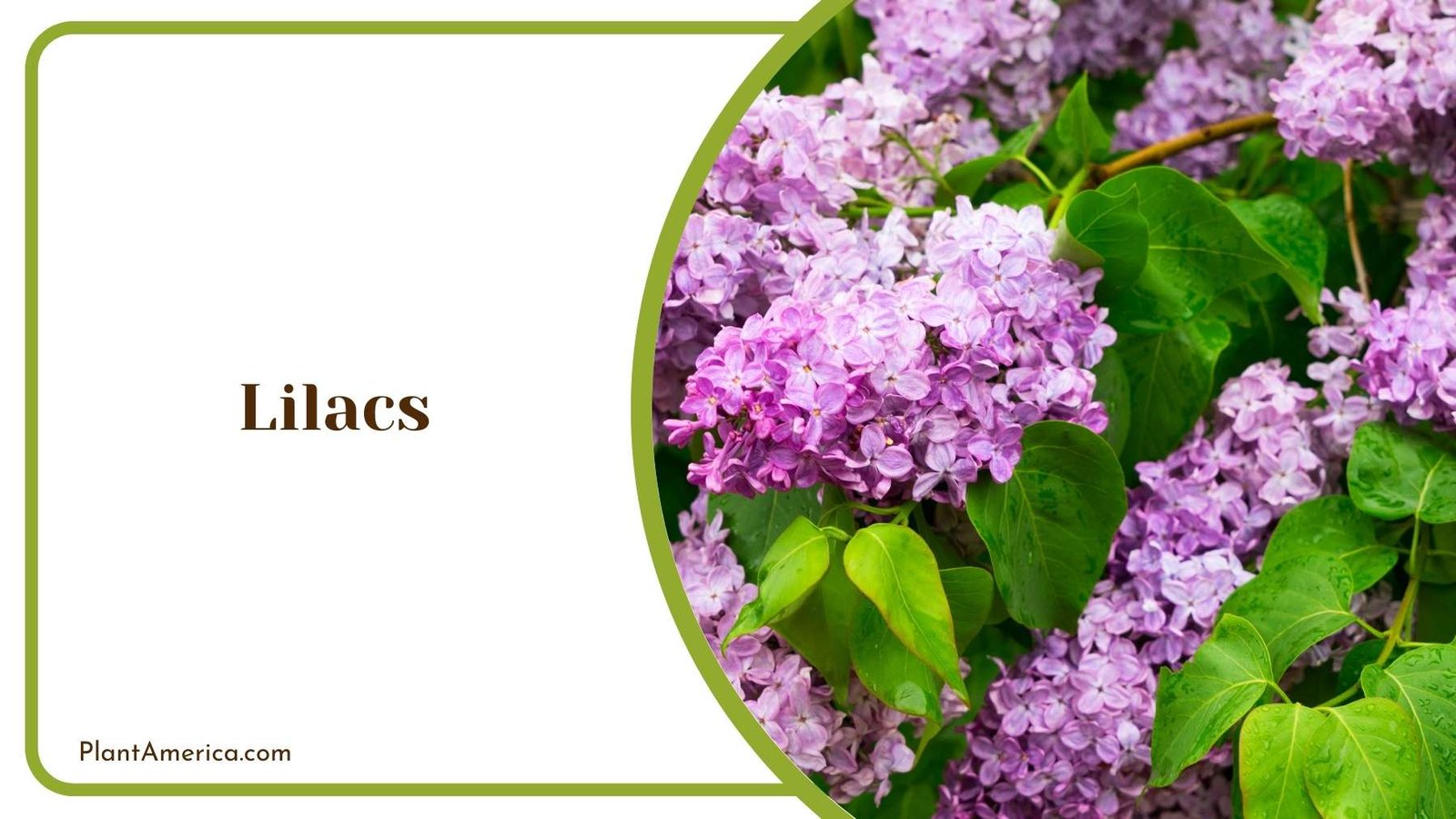
For an intensely fragrant flowering shrub that ushers in springtime romance, lilacs deserve their place amongst classic garden delights. Originating from Eastern Europe and Asia, centuries of breeding have crafted different cultivars bearing full panicles of color in shades such as pastel pink, purple, or ivory white.
A profoundly ingrained cultural symbol of blooming youth and new romance, lilacs’ ephemeral beauty and nostalgic perfume have captured imaginations for generations.
These bold, bustling shrubs thrive in USDA zones three to eight with little other than strategically sited garden space, offering four to six weeks of scenic drama each spring. Expert pruners can encourage repeat blooming later in summer as well. Decorative seed pods follow when spent, leaving lilac’s legacy long after transient petals fade.
19. Yarrow
- Growing Season: Summer, Fall
- Leaf Shape: Ferny, Feathery leaves
- Specific Needs: Full sun, Average to dry, well-draining soil
- Common Pests: Rare issues, Strong growing perennial
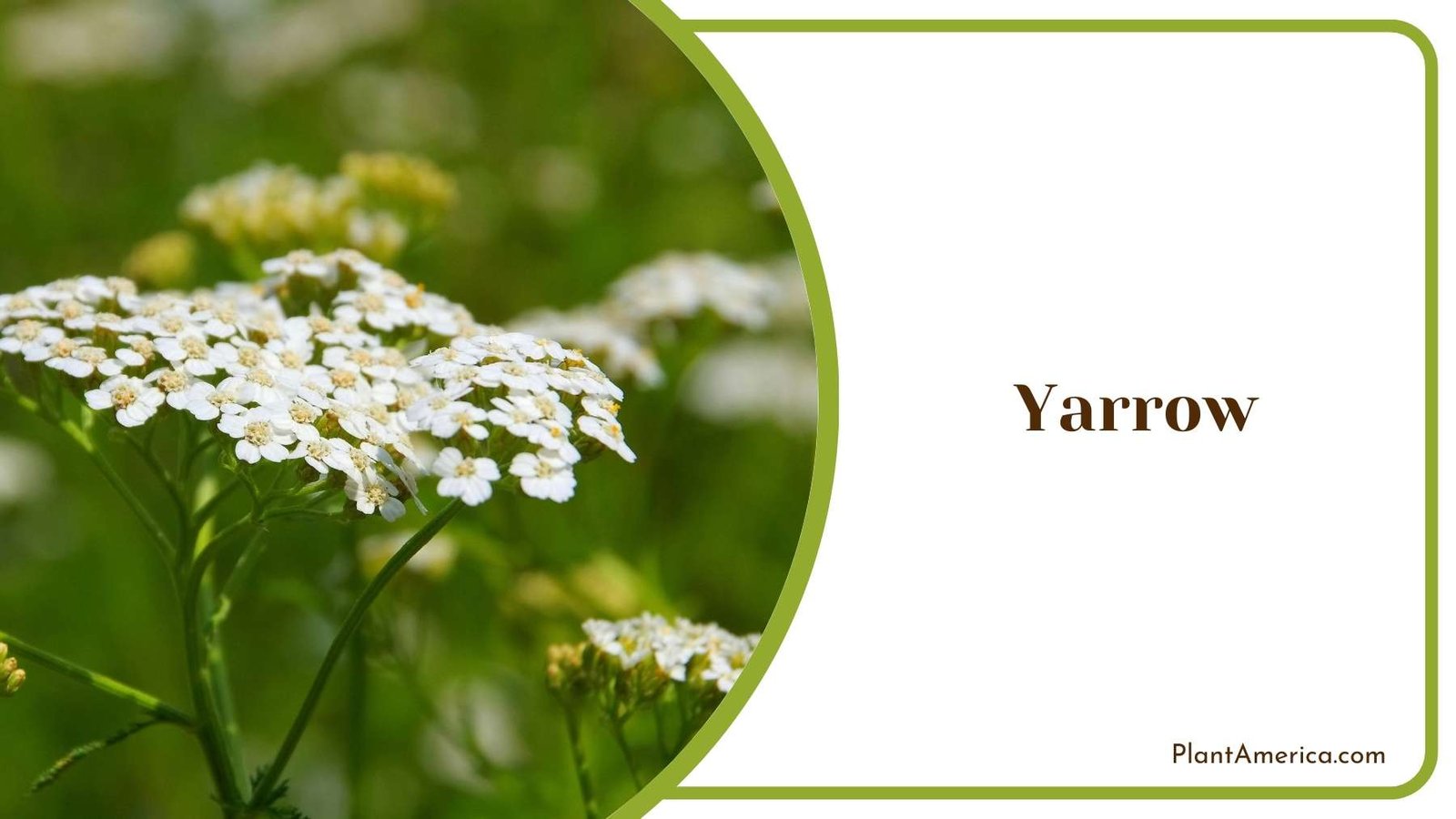
For hardy, drought-tolerant summer flowers that attract hordes of beneficial insects, look no further than planting yarrow. Low-maintenance perennial yarrows thrive in poor soil and spread vigorously yet never become invasive weeds. Delicate-looking plants bear poufs of petite flowers in white, pink, or crimson shades cascading atop slender stems like luminous fairy hats.
Some cultivars bring hints of yellow or mauve tones for added visual dimension. As heat and humidity rise, yarrow remains a cadre of delicate beauty, brightening hot borders or meadowscapes even as flashier blooms call it quits.
Furthermore, its ferny aromatic foliage remains lovely when relieved of spent flowers. Come autumn, yarrows welcome migrating monarchs with energy-providing nectar to sustain journeys south with reliable ecology pleasers from spring through the first frost.
20. Cleome
- Growing Season: Summer, Early Fall
- Leaf Shape: Delicate foliage, Resembles spiderwort
- Specific Needs: Full sun, Average well-draining soil
- Common Pests: Occasional aphids
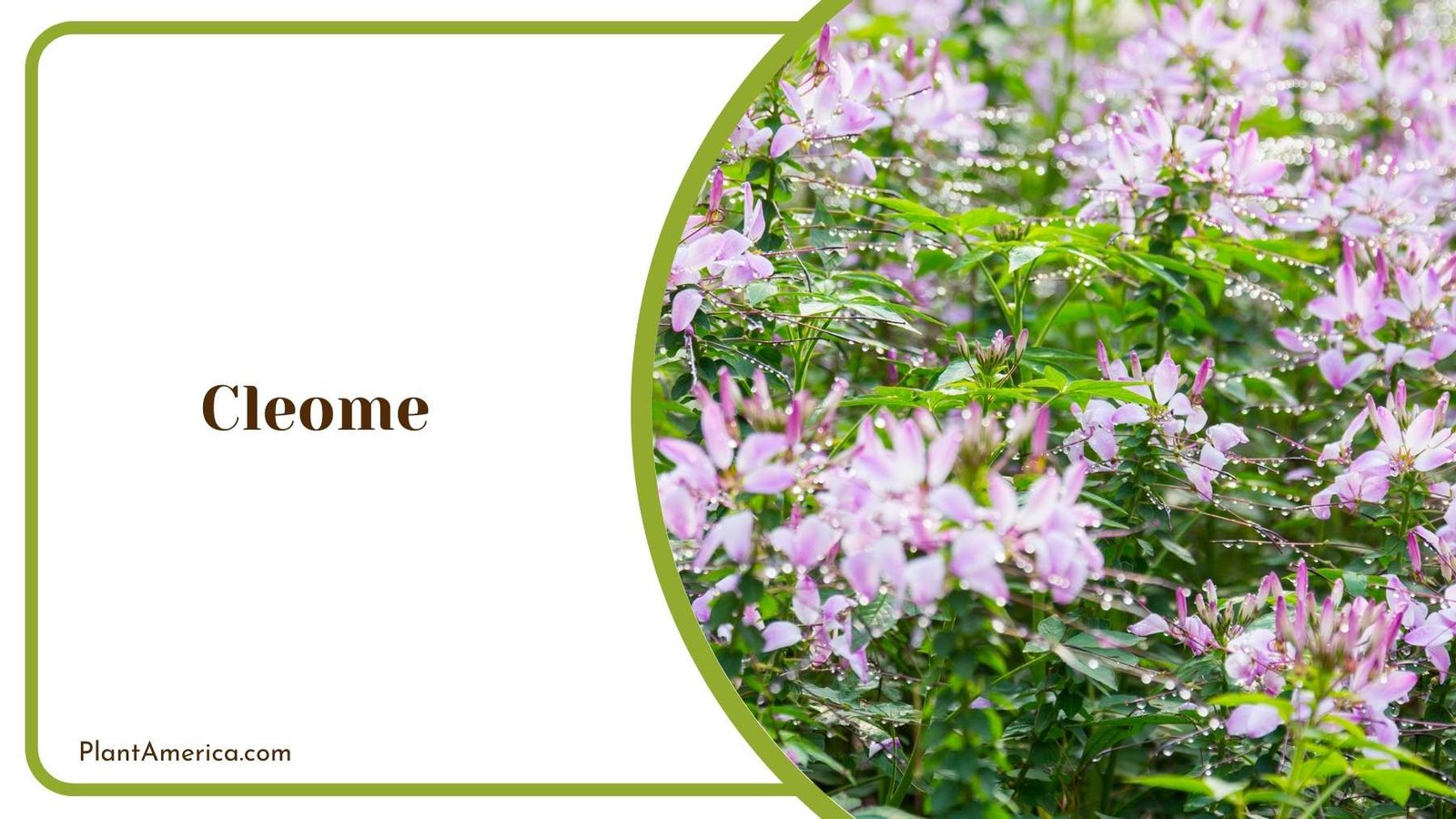
Cleome offers an ethereal presence among summer blooms with their wispy spider flower forms adorned by intriguingly unique flowers. Elegant cleomes emerge from low mounds of lacy foliage bearing dangling blooms resembling jellyfish or pink cotton candy puffs. Incredibly diverse hues range from classic white to lively shades of purple, lavender, rose, pink and deeper claret.
Slow to establish from seed but well worth nurturing, it thrives in hot conditions and attracts admirers well into fall. As a bonus, butterflies flock to their nectar-abundant blooms. Space plants for a fairytale-like floating effect among the flowerbed’s softer souls where feathery blooms can drift significantly. Sure to cast a whimsical charm, unique cleome cast their spell in any summer plot.
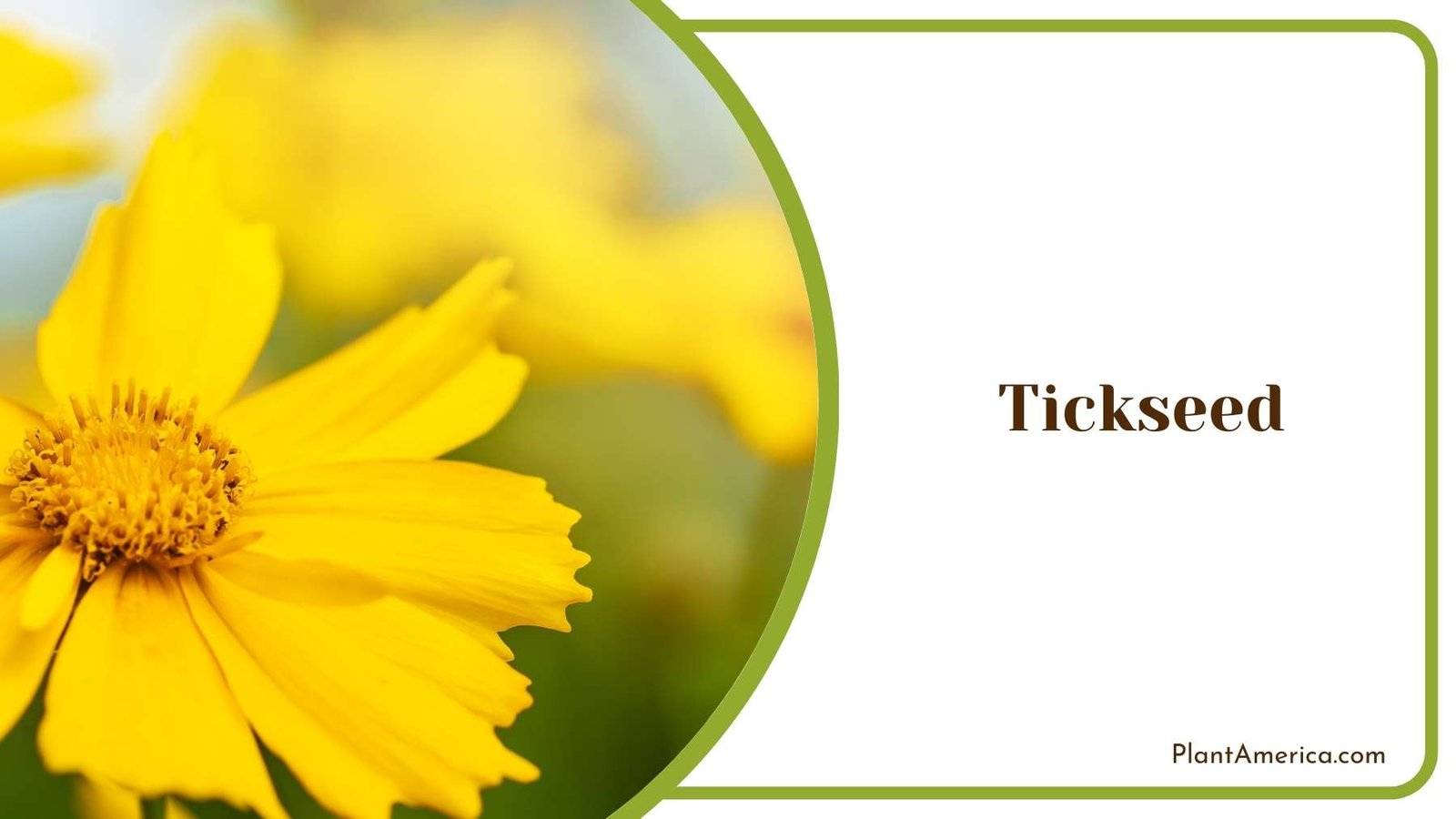
21. Tickseed
- Growing Season: Summer, Fall
- Leaf Shape: Narrow, Gray-green textured leaves
- Specific Needs: Full sun, Average well-draining soil
- Common Pests: Rare issues, Resistant sun lovers
Cheery little tickseeds spread vivacious splashes of color like mini sunshine throughout borders, containers, and meadow landscapes. Hundreds of tiny button-like blooms in vibrant yellow, orange, or crimson colors sprawl across low mounds of foliage, delivering perpetual cheer. Though delicate looking, these tough native perennials spring back readily from occasional stresses.
Various cultivars bloom through late summer into fall, transitioning into fluffy seed heads for ornamental essence long after petals fade. Tickseeds combine beautifully when intermixed with complementary hues, float atop the grass, or are left to naturalize with wild abandon, where paths may lead to lazy summer strolls. Bringing constant tiny joys, diligent little tickseeds lift spirits wherever planted.
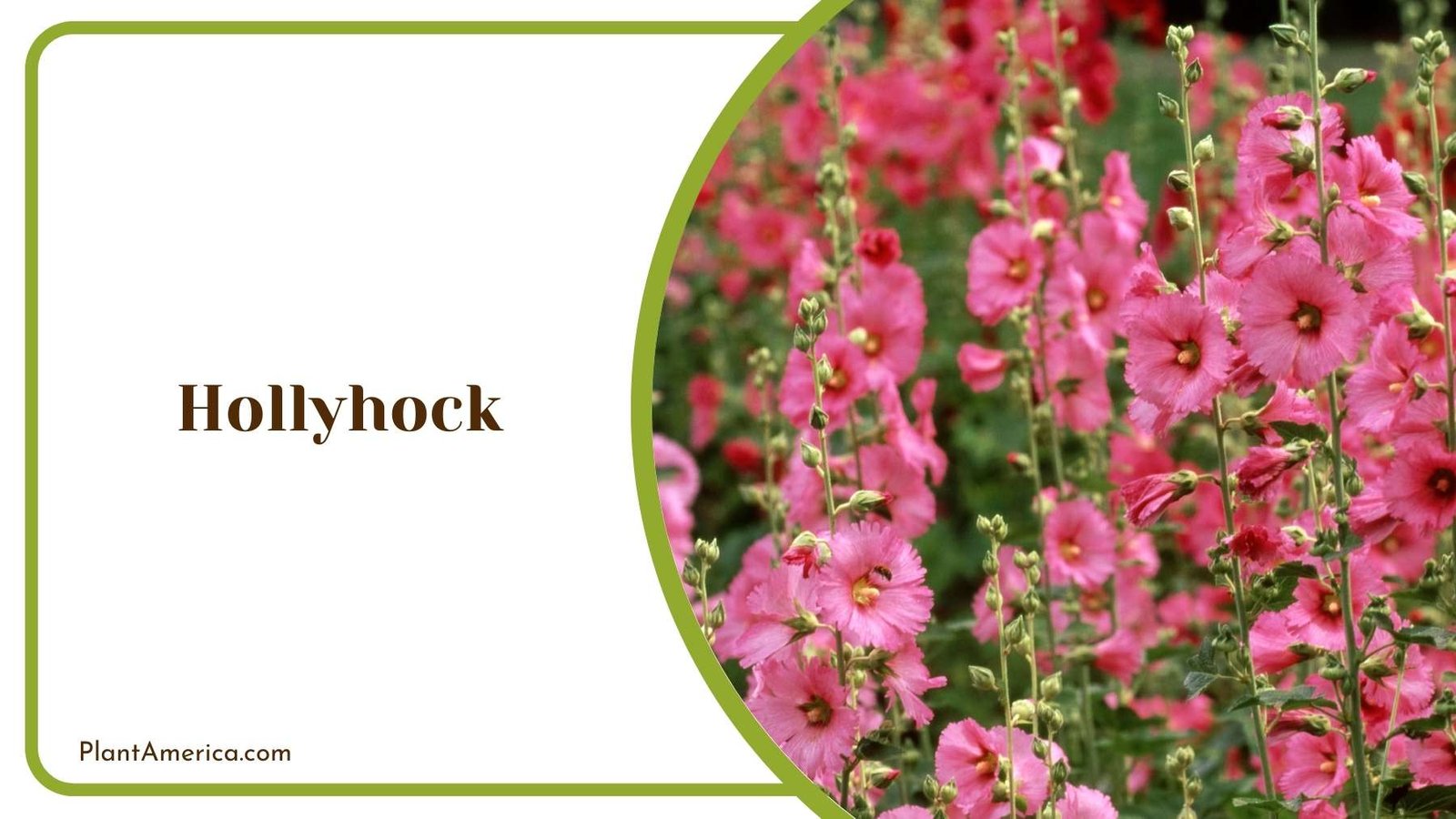
22. Hollyhock
- Growing Season: Summer
- Leaf Shape: Long stemmed, Hairy leaves
- Specific Needs: Full sun, Average well-draining soil
- Common Pests: Rust disease, Occasional aphids
With skyward spikes bearing elegant bell-shaped blooms in hues reminiscent of cotton candy and pastels more vibrant, hollyhocks offer an air of old-fashioned romance. Originating from Eastern Europe and Asia, these heirloom annuals stand proudly five to eight feet tall, their frilly faces nodding gently in summer breezes.
Hollyhocks flourish on edges and behind borders where their regal presence can be truly admired. Beyond sheer stature and charm, a bonus is hummingbirds hover to sip hollyhocks, inviting nectar reserves.
Exuding nostalgia simply with their presence, hollyhocks lend instant vintage elegance and require minimal care beyond the sun and adequate moisture. Even for small gardens with not an inch to spare, hollyhocks continue reinforcing why they remain sentimental summer favorites passed through generations of green thumbs.
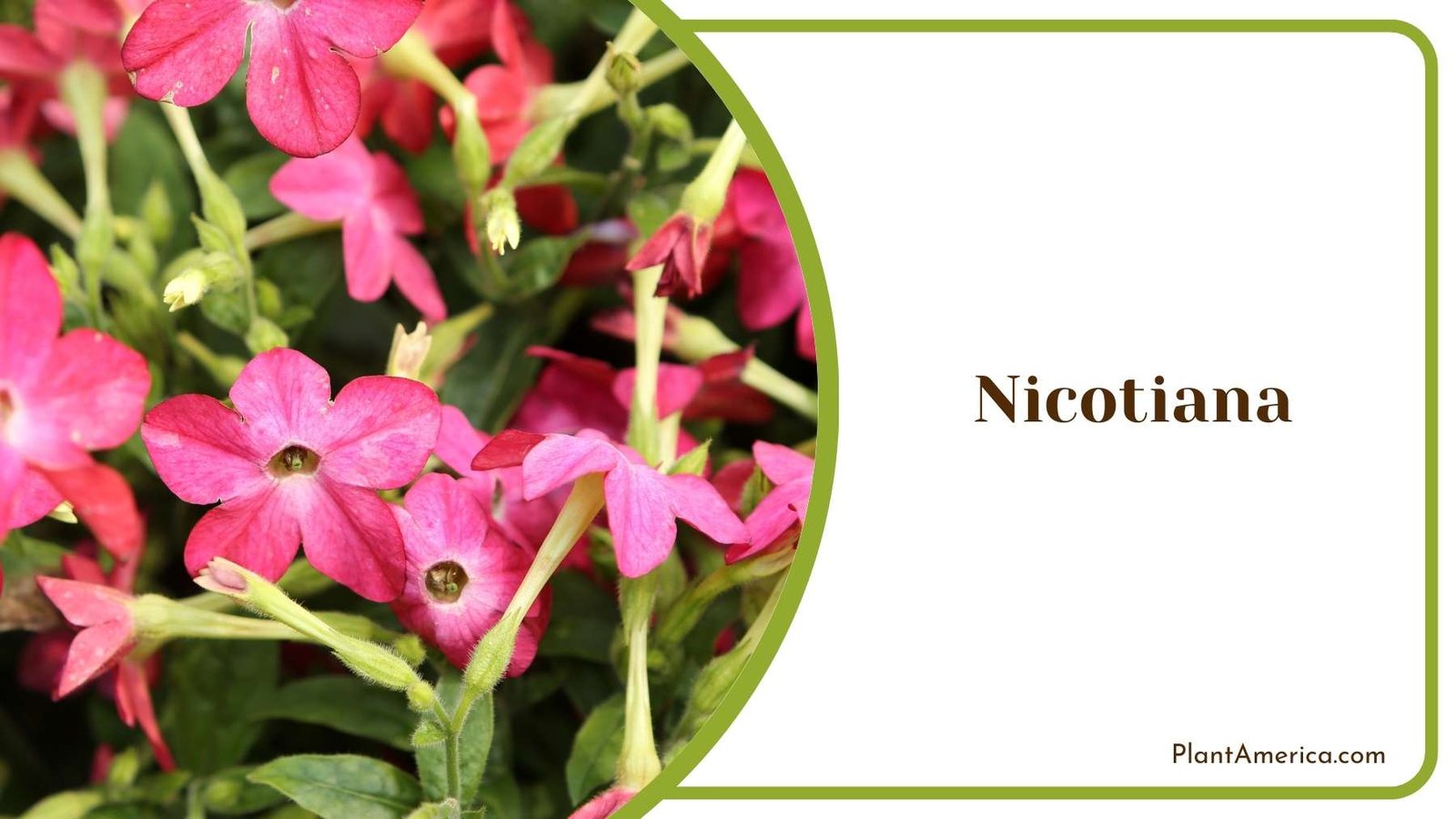
23. Nicotiana
- Growing Season: Summer, Fall
- Leaf Shape: Narrow, Tubular leaves with tapering tips
- Specific Needs: Full sun to partial shade, Moist soil
- Common Pests: Powdery mildew, Occasionally Aphids
Nicotiana offers a quintessential addition to any garden seeking to attract nighttime pollinators with its intoxicating perfume. Native to South America, specific cultivars such as ‘Fragrant Cloud’ and ‘Tasanai’ bear pyramid blooms mimicking tiny trumpets in off-whites, candied pinks, and sunny yellows.
Signature tobacco-like flowers unfurl as the sun dips below the horizon, disseminating a sweet, lulling scent certain to bewitch moths and draw butterflies even in dusk’s dimming demeanor. Though tropically inclined, cool-season nicotiana varieties mount spirited shows from mid-summer into fall before slowing with autumn’s arrival.
For such delicate beauties, nicotiana proves resilient, thriving in average soils with only the need for afternoon shade and regular water. Whether anchoring containers or lighting pathways with hues resembling soft sunsets, nicotiana lend an ethereal touch, enhancing summertime ambiance after dark.
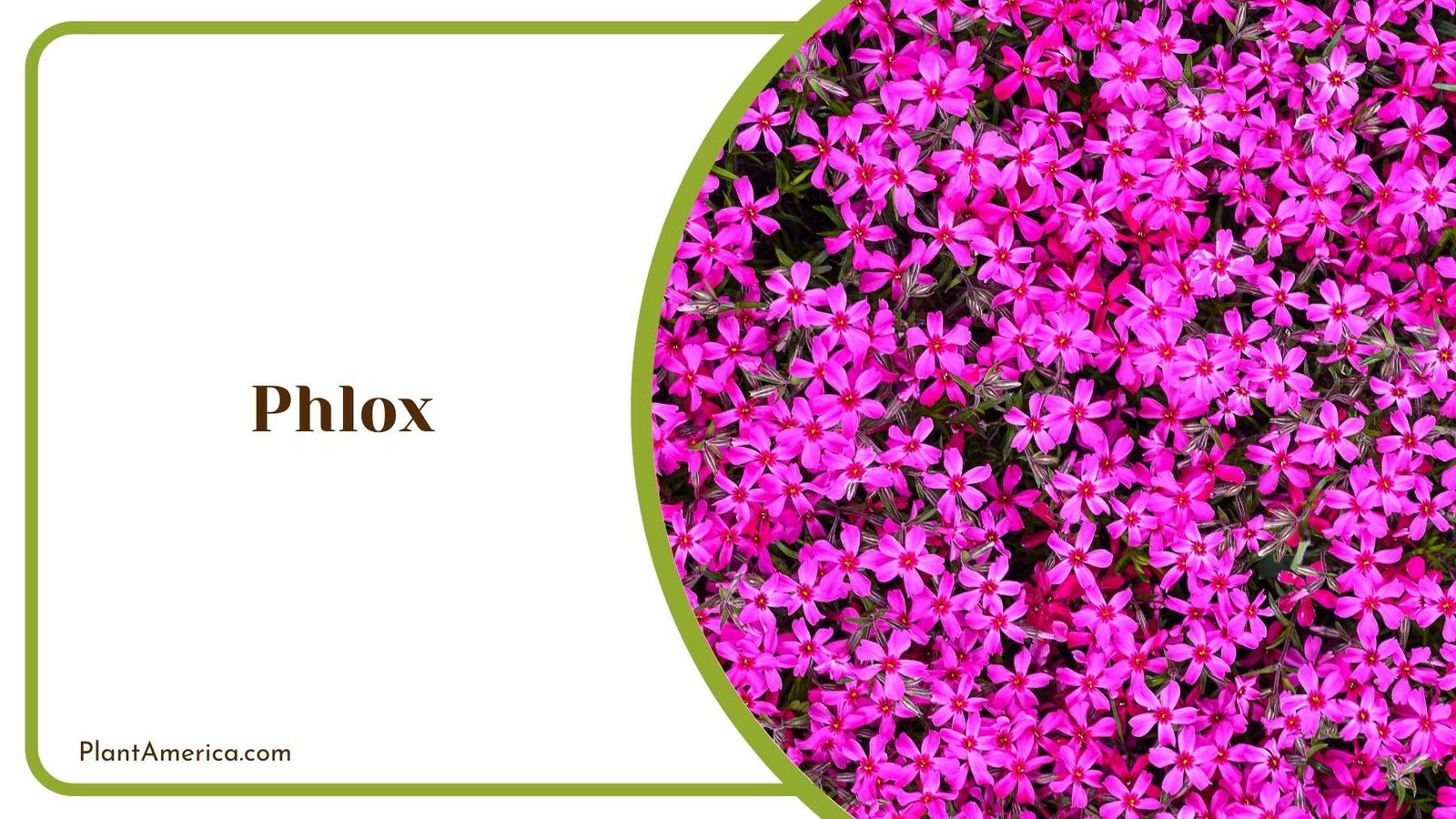
24. Phlox
- Growing Season: Summer
- Leaf Shape: Opposite oval, Lance-shaped leaves
- Specific Needs: Full sun, Fertile well-draining soil
- Common Pests: Occasional powdery mildew, Rust
One of the quintessential summer flowers of bold color, phlox offers a versatile group of perennials certain to add pop wherever planted. Dramatic carpet-forming varieties continue blooming for months, their pom-pom blooms delighting in shades of Fuschia, purple, pink, gold, white, and bi-colors. Like cheerful smiles, phlox brightens beds, borders, and even meadowscapes.
Additionally, divisions willingly spread their radiance yearly while attracting flocks of pollinators with abundant nectar. Deadhead spent stalks to maintain vigor through the season’s close. With adaptable habits and dependable toughness to face elements including humidity and rain, Phlox are finalists for the ultimate easy yet eye-catching summer MVPs. Bright beauty blooms eternal throughout scorching days and sticky nights.
Conclusion
Planting a variety of these summer favorites will bring your outdoor spaces to vibrant life:
- Cheery little tickseeds spread festive splashes of color like mini sunshine throughout borders, containers, and meadow landscapes
- Geraniums are seasoned veterans among summer flowers to plant, thriving beautifully in gardens for decades
- Marigolds are among the best summer flowers to plant to attract pollinators to your garden and add a bright splash of color.
Growing a dynamic collection of summer blooms will lift your spirits daily with cheerful displays. Whether seeking cheery colors, unique textures, or natural pollinator magnets, experimenting with new varieties each season leads to joyful discoveries and a garden brimming with life