
“How to transplant Confederate rose?” if you are wondering the same, you have come to the right place. Transporting a confederate rose might seem tricky, but with care and attention, you can master this art.
In this article, we will discuss the process of transplanting confederate roses in detail, so stick around and keep reading!
How Do You Transplant Confederate Rose in Seven Steps?
Your content goes here. This is a quick answer to your question or a brief explanation of the topic you are addressing. You can add as much text as you need.
To transplant the confederate rose, begin by selecting a suitable location. Then, gently dig up the plant. Replant in the prepared spot, ensuring the same depth. Water generously, add mulch, and monitor and care for the rose to ensure a successful transition.
1. Select the Right Transplantation Time
Transplantation is not possible at any time of the year. Every plant has unique transplantation requirements, and time is one of the important ones. Some plants grow well in cold weather, while others may need hot or warm conditions.
Like other plants, confederate roses also require the optimum season to grow. As we have discussed earlier, the confederate rose grows well during spring. They must develop strong roots because they can get enough water and sunlight exposure during this season.

So, if you plan to transform your confederate rose, choose the spring season to see it bloom. If you cannot transplant in spring, the next best time is fall. But make sure to transplant it in early fall so that the plant has enough time to develop roots before the arrival of the winter season.
3. Choose and Prepare the New Location
The next vital step in transplanting the Confederate rose is to select and prepare the new location. The Confederate rose requires specific translating conditions, including soil pH, water conditions, sunlight, etc. So, while transplanting the Confederate rose, select the correct location where the plant can receive enough water, sunlight, and good-quality soil.

Plant the confederate rose at a place where it can receive full or partial shade sunlight. It is essential for the growth of a plant’s root system and photosynthesis.
After you have chosen the right spot for transplantation, it’s time to prepare the location. Prepare it by removing any grass or weeds. Then, dig a hole twice as wide in parameter and as deep as the root ball of the confederate rose.
It gives the roots enough room to spread out and grow. But, if your soil is poor, consider enriching it with compost or a slow-release fertilizer to deliver a nutrient boost to your transplanted rose.
3. Water and Dig up the Confederate Rose
Then comes the step of pre-watering and digging up the confederate rose. Water is essential for the plant, especially when you are moving it. Confederate rose requires sufficient water and moisture for growth. So, before moving the plant, water it properly a day before transplant.
It is vital because it reduces stress during plant movement. Additionally, this will make the soil around the roots more pliable and easier to work with. Also, ensure that the soil is moist but not waterlogged because overwatering can cause root rot and other issues that could compromise the success of the transplant.
Next, start digging a few inches away from the base of the plant. To avoid damaging the roots, it is crucial to provide a buffer zone between where you are searching and the plant. The width and depth of the hole you dig should be sufficient to accommodate the entire root system of the rose.
A common query is, “How deep to plant Confederate rose cuttings?” Confederate cuttings should be planted 2 to 3 inches deep into the rooting soil.
4. Position the Plant in the New Hole
The next step for transplanting a Confederate rose is to position the plant in the new hole. Proper positioning is vital for the successful growth and development of roots. Start by placing the Confederate root in the center of the hole. It will help the plant to grow evenly from all sides.
Moreover, the depth at which you place the confederate rose is also essential. It should be evenly deep in the soil. The top of the root ball should be level with or slightly above the surrounding soil surface. Remember that planting too deeply can cause the stem to rot. Maintaining a balance is really important.
Most people ask, “How to transplant Confederate roses in pots?” To transplant a confederate rose in pots, prepare a pot with good drainage and then fill it with compost and garden soil. Then, dig up the confederate rose carefully and place it in the pot. After that, fill in around the plant with more soil, press down gently, and water thoroughly.
5. Backfill the Hole and Firm the Soil
After positioning the plant in the hole, it’s time to backfill it and firm the soil. Backfill the plant hole with the removed soil and press it to firm it completely.
Pressing the backfilled soil is vital to remove air bubbles. But don’t over-press it as it can stunt the root’s growth. So, like other steps, striking a balance in this step is equally important. Moreover, leave a
 slight depression around the base of the plant to help funnel water toward the roots.
You may ask, “How to grow Confederate rose from seed?” First, to grow a Confederate rose from seed, put the seeds in a light potting mix and cover them. Keep the soil wet; the seeds should sprout in about two weeks to a month. Once they have 4 to 6 true leaves, you can plant them in the garden or pots.
6. Thoroughly Water the Transplanted Confederate Rose
After successfully transplanting your confederate rose, the first step in post-transplant care is to water the plant thoroughly. This initial watering serves two crucial purposes. One is that it settles the soil around the root ball and eliminates any remaining air pockets that could hinder root growth.
The second one is that it provides immediate hydration to the plant, helping it recover from the stress of transplantation. Delivering this water deep into the soil to reach the root system is also essential. A light sprinkling won’t suffice; instead, use a slow and steady stream of water and allow it to sink deep into the soil.
You might wonder, “Can Confederate rose be rooted in water?” Yes, a confederate rose can be rooted in water. Place the cuttings in a water jar and wait for roots to develop before planting them in the soil.
7. Monitor and Provide Post-Transplant Care
For some time after transplanting, monitor the confederate rose closely. Pay attention to its water needs, especially during dry spells. Mulching around the plant base can help conserve moisture and suppress weeds.
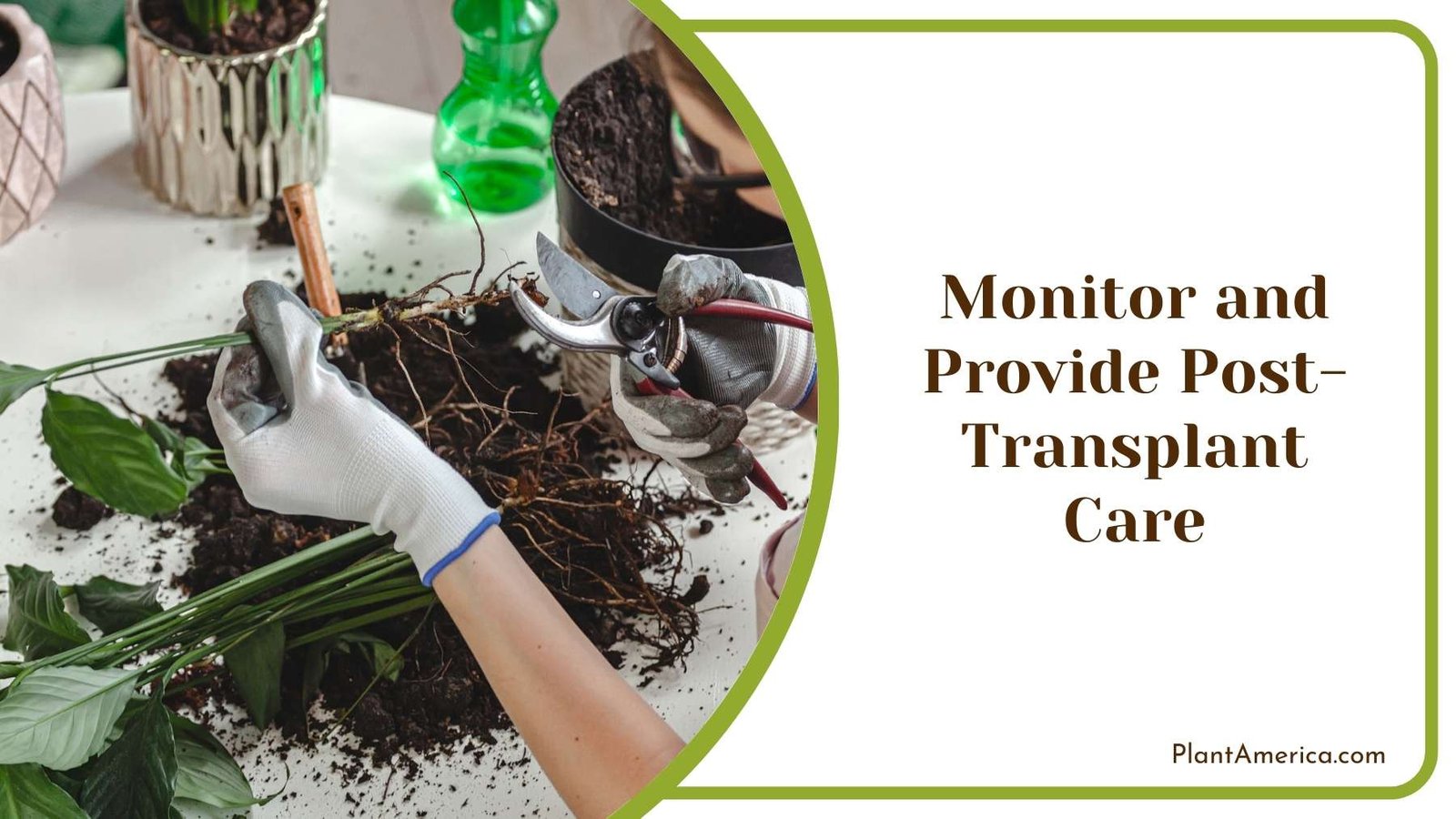
Pruning any dead or damaged branches keeps the plant healthy. Protecting the newly transplanted rose from harsh weather conditions like strong winds or frost until it is fully established is also a good idea. This protects the plant from common pests and ensures healthy development.
Factors to Keep In Mind While Transplanting Confederate Rose
Factors to keep in mind while transplanting Confederate rose plants include temperature, soil quality, and sunlight exposure. Watering requirements, potting medium, and transplant timing are also essential. By considering these key factors, you can successfully transplant your Confederate plant without causing significant stress.
– Temperature
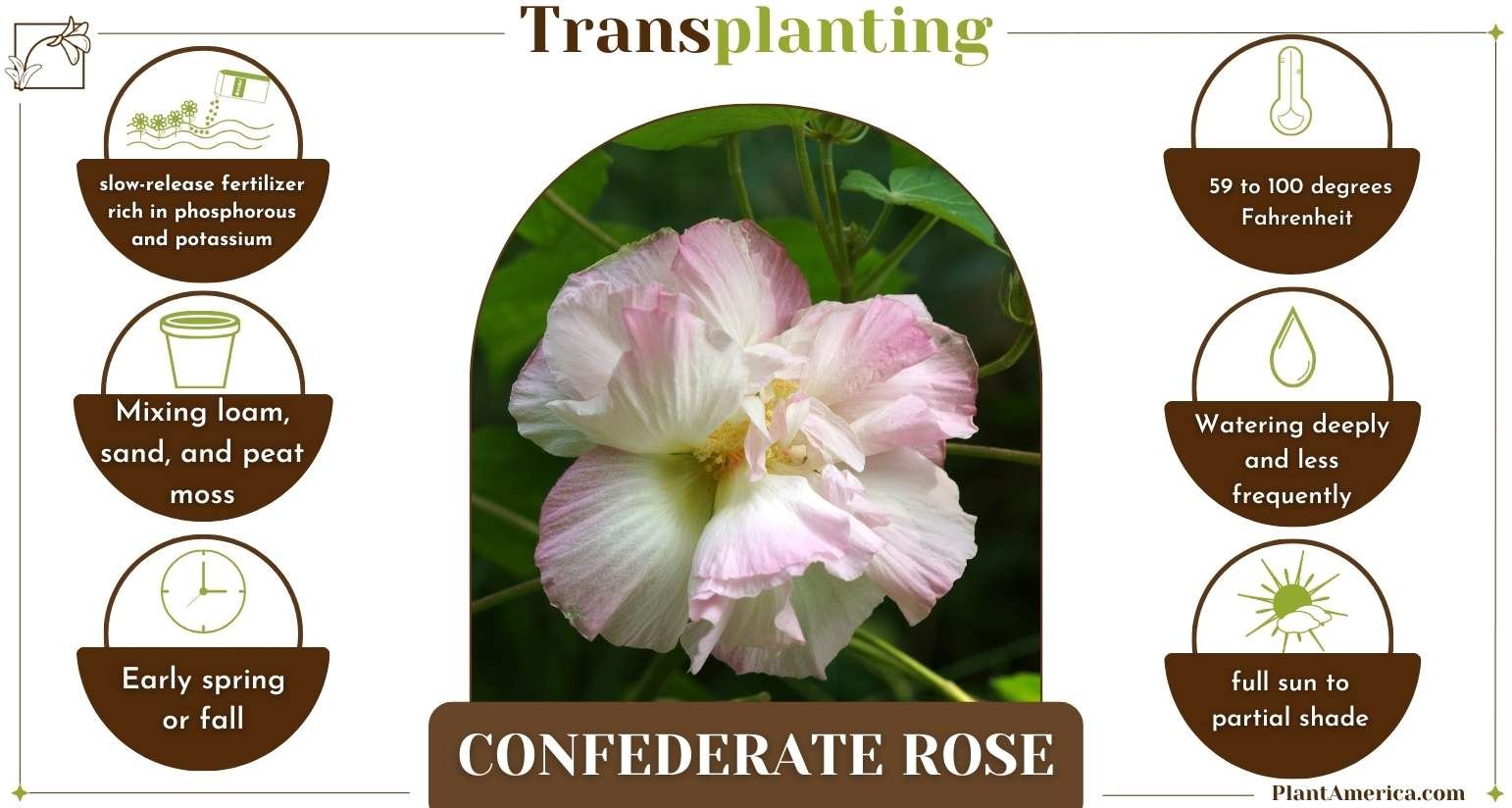
Confederate roses grow well in warm temperatures. They cannot survive in freezing temperatures. Their ideal temperature range lies between 59 to 100 degrees Fahrenheit. A suitable temperature range is necessary for the health and proper development of the confederate rose root system.
Any fluctuation in this range can affect the growth of the Confederate Rose. So, if you are also planning to transplant the confederate rose, make sure to do so in moderate temperatures during early spring or late fall.
– Fertilization
Another essential factor to consider when transplanting the cotton rose is fertilization. It also matters for successful transplantation. You can use slow-release fertilizer rich in phosphorous and potassium to ease the transplantation and improve growth.

Soil quality also matters when it comes to fertilization. Soil should ideally be well-draining because waterlogged soil can lead to many root diseases, such as rot. Properly drained soil allows the excess water to drain away instead of pooling around the plant’s root.
The pH of the soil also matters for the proper transplantation of confederate rose. Confederate rose likes slightly acidic and moist soil with a pH of around 5.5 to 7. So, if the pH of the soil does not fall within this range, it can get stuck or affect the plant’s growth as it will not absorb the essential nutrients.
– Light Requirement
Light exposure plays a crucial role in the growth and development of a confederate rose. These plants live best in the full sun to partial shade. Remember that the amount of sunlight a plant receives will decide its growth. Providing optimal sunlight is really important.
Make sure that your confederate rose receives six hours of sunlight every day. So, while transplanting, ensure that it is transplanted in an area where it can receive good sunlight and shade. But an ideal space receives good sunlight and some shade as well.
– Proper Potting Medium
Proper potting medium is also essential in the successful transplantation of confederate roses. They need loamy soil for good growth. You can create an ideal potting medium by mixing loam, sand, and peat moss. This medium can provide the right balance of water drainage and retention.

Also, the potting media must have sufficient space for the roots to grow properly. It should also have drainage holes. It will prevent waterlogging and retention and provide enough drainage.
– Watering
Water is another critical aspect when transplanting Hibiscus mutabilis (Confederate rose). Initially, after transplanting, the confederate rose requires frequent watering. This helps the plant establish itself in a new environment. Remember, sufficient moisture helps the plant absorb enough nutrients for its growth.
However, the soil should not be waterlogged, as this can lead to many problems with the Confederate rose. Maintaining a balance is really important for the optimal growth and disease prevention of the Confederate rose.
So, while transplanting the confederate rose, make sure to maintain a constantly moist planting bed, but it should be clean. Overwatering creates an environment where fungi can thrive, infecting and damaging the roots. Therefore, watering deeply and less frequently is better than watering a little daily.
A frequently asked question is, “How to transplant Confederate rose cuttings in water?” To transplant Confederate cuttings in water, first cut a foot-long section from the plant. Then, place this cutting in a container with a few inches of water. Leave it there until you notice roots growing. This will indicate that the plant is ready to be transplanted into the soil or a pot.
– Best Time to Transplant
Last but not least, transplantation timing also matters when transplanting Confederate plants. The ideal time for a Confederate or Cotton rose is during the early spring or fall when the plant is dormant. This time ensures the most vigorous root growth.
Early to late spring is the time of rainfalls, so the confederate rose will receive the required water during this season and develop into a deeper and more vigorous plant.
Moreover, transplanting during dormancy also reduces the stress because the plant is not actively growing its leaves and other parts during this period. As a result, the plant will focus on its root system and develop strong roots.
Conclusion
In conclusion, following the steps and techniques discussed in this article, you can transplant your Confederate or Cotton rose plant like a pro. Let’s quickly recap the highlights:
- Correctly positioning the Confederate rose in the hole is vital for its proper growth. Don’t place the plant too deep in the soil; ensure it receives sufficient sunlight.
- Thorough watering post-transplantation is vital in settling the soil and hydrating the plant.
- Maintaining consistent soil moisture without overwatering helps avoid root rot, and regular monitoring ensures optimal growth.
With these crucial points at your fingertips, you can successfully transplant your Confederate Rose. Happy gardening!