
Climbing perennials can give your garden walls and fences vertical interest all season long. In this post, we’ll share some of our favorite climbing plants that will look great while requiring minimal effort from you.
From fast-growing vines and climbers to flowers, these perennials will fill your vertical spaces with greenery and blooms for many months, whether you want something lush that thrives in partial shade or a colorful variety that soaks up the sun all day.
23 Climbing Perennials to Enhance Your Outdoor Garden Space
1. Mexican Flame Vine
- Growing Season: Spring, Fall, Summer
- Leaf Shape: Heart-shaped, Palmate
- Specific Needs: Full Sun, Support for vines
- Common Pests: Scale insects, Spider mites
As the name suggests, the Mexican flame vine brings sizzling color to any garden space. Throughout the warmer months, scarlet red blooms will ignite vertical surfaces. The flaming orange-red flowers against a bright blue sky are pure magic.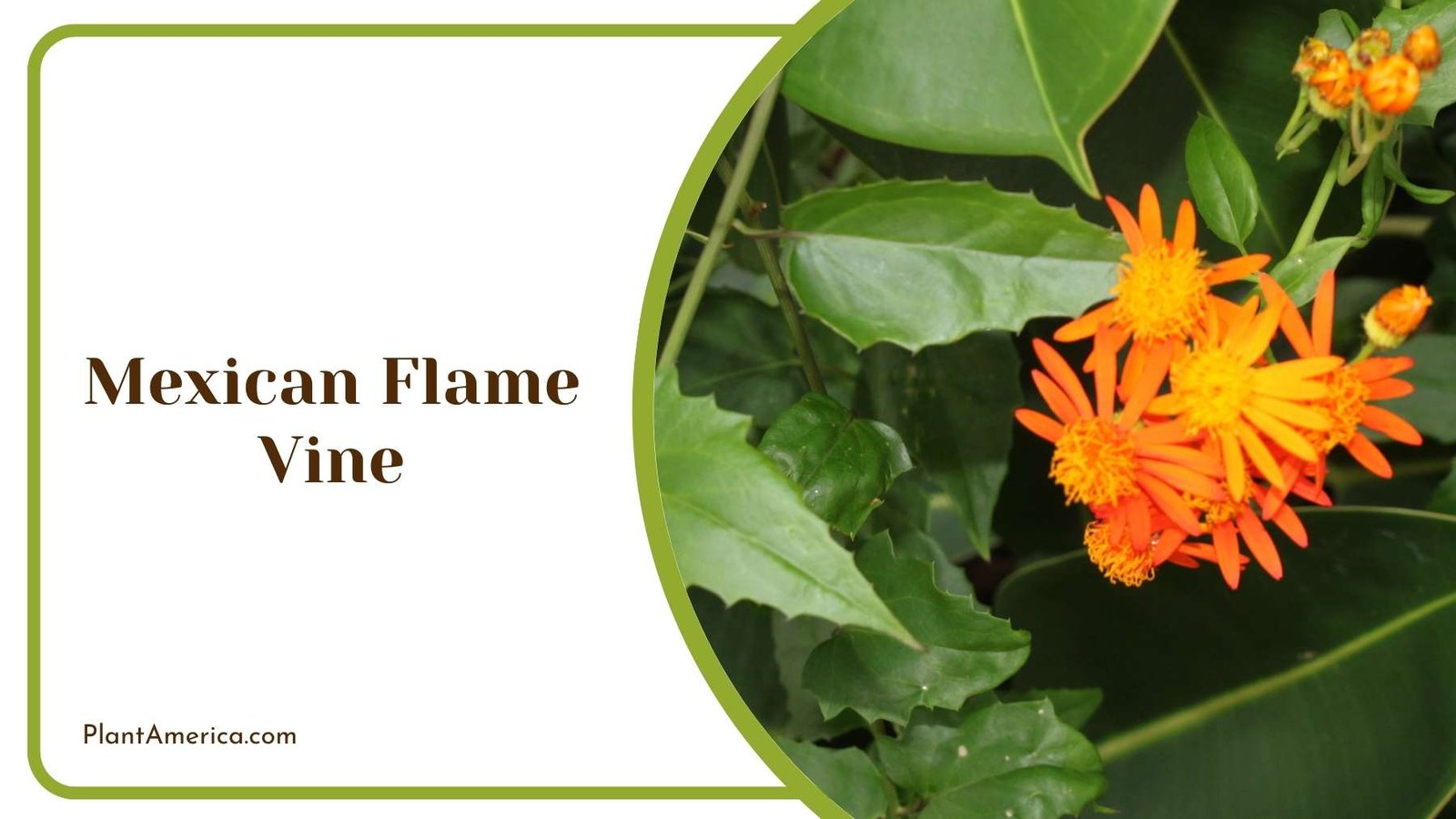
This twining climber prefers hot sun but will thrive with at least partial sun exposure. Just provide a strong anchor for its coiling stems, like sturdy fence posts or trellis. Then relax as it drapes and splays upward and outward unchecked.
As temperatures cool, the attractive heart-shaped leaves may take on reddish tints, too, almost glowing like embers amongst the fiery show. Keep an eye out for sap-sucking scale insects or tiny spider mites, which can impact the leaves, and prune away any affected growth. Otherwise, the Mexican flame vine is quite tolerant once established and will continue to burn brightly all season without much fuss.
2. Climbing Hydrangea
- Growing Season: Spring, Summer
- Leaf Shape: Broad, Oval
- Specific Needs: Partial shade, Consistent moisture
- Common Pests: Leaf spot disease, Japanese beetles
Climbing hydrangea is a top choice for a flowering vine that thrives in more moderate light. Unlike many other vines that preferably seek hot sun, this will max out its potential with dappled afternoon rays.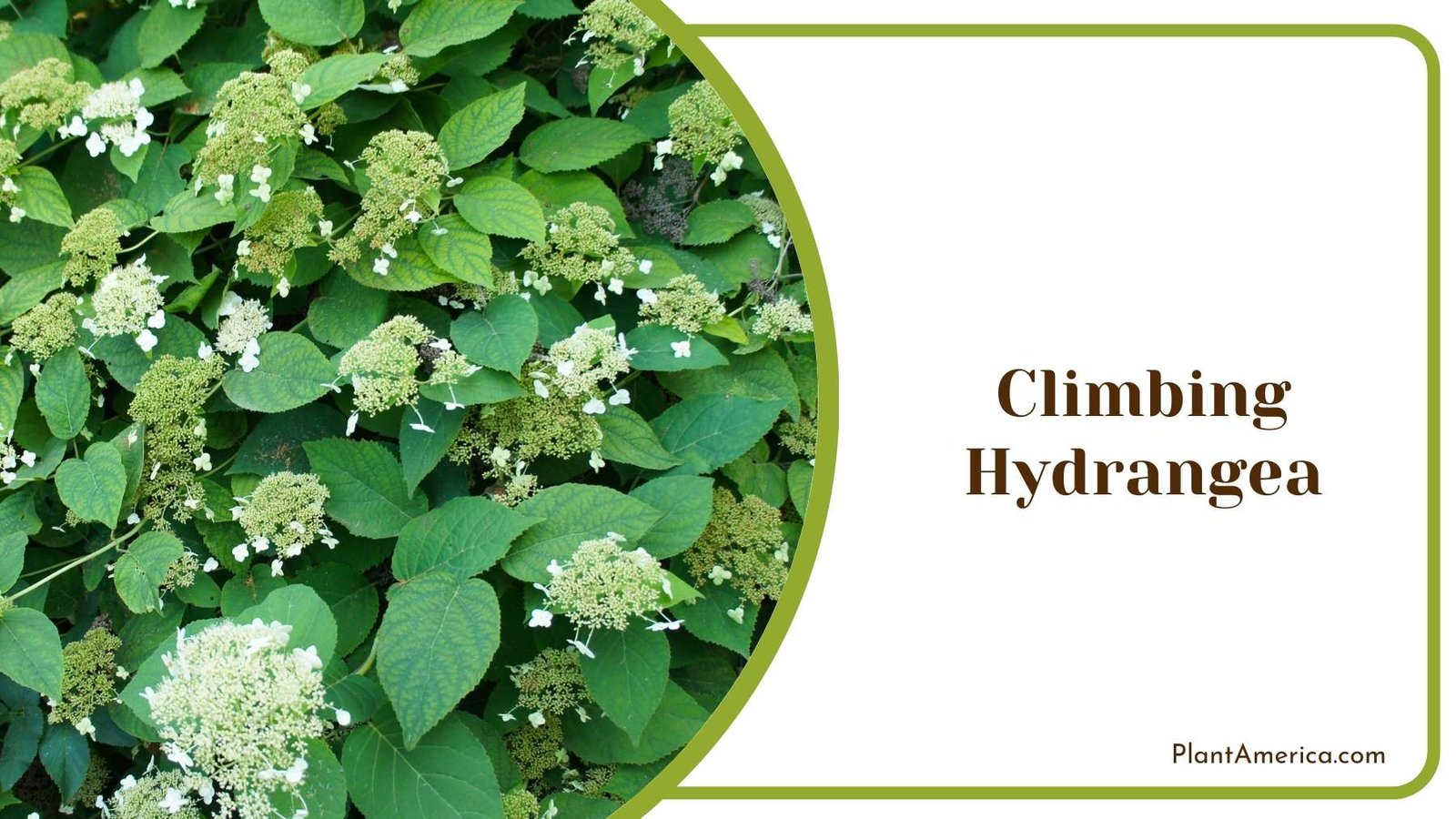 Spreading its lace cap flower clusters over trellises from June through August, climbing hydrangea fills the shade with a lovely sense of volume and texture day and night. Its big, bold leaves provide sturdy greenery for the rest of the season.
Be sure the climbing hydrangea finds consistently moist, well-draining soil. We don’t want soggy conditions, but it also doesn’t like dry spells. Catch the telltale signs of leaf spot disease, like yellow spots or blotches developing, and snip away any infected foliage.
With tender, loving care, this beauty will reward you with flowers transitioning from whites to subtle pink tones as summer unfurls above your partially shaded garden retreat. Climbing hydrangea is lovely when paired with other shade-loving partners for a beautiful vertical display, even on hot days.
3. Passion Flower
- Growing Season: Spring, Fall, Summer
- Leaf Shape: Ternately compound, Palmate leaves
- Specific Needs: Part shade, Support for vines
- Common Pests: Scale, Caterpillars
Originating in South America, Passionflower vines bring tropical flair to any garden. The intricate blooms almost look like intimate works of art, drawing eyes to the colorful petals and prominent styles dangling amidst dark green, palmate leaves. Provide a fence, arbor, or other support for these rapid growers, and the flowers will bloom throughout most of the season.
Passion Flowers prefer the morning sun with afternoon shade once summer kicks in. Give the roots consistently moist, well-draining soil. These vines also provide shelter and food for beneficial butterflies. Look closely, and you may even spot caterpillars munching underneath the leaves.
Check for sap-sucking scales, too. Once established, passionflower is quite hardy and will return eagerly each spring to grace your garden oasis with enchanting blossoms. Even after blooming, the fruit that forms will attract curious birds. All in all, these exotic vines bring beauty, interest, and life.
4. Dutchman’s Pipe
- Growing Season: Spring, Summer
- Leaf Shape: Heart-shaped, Arrow-shaped
- Specific Needs: Partial shade, Support
- Common Pests: None
Dutchman’s pipe should scale your landscape if you love unordinary blooms and generous foliage. Appearing in spring and summer, the unusual pipe-shaped flowers dangling amidst large heart-shaped leaves offer a conversation-starting element to your garden design. The botanical blooms are rather intriguing with their hanging nectar-filled tubes.
As a bonus, this vine rarely suffers pest issues, so your investment requires minimal subsequent care. Provide a sturdy frame like a trellis or archway for the vines to grip as they thrive skyward. They prefer morning to dappled afternoon sun once leaves appear.
Sit back and appreciate how the unique plumbing flowers and leaves transform your shaded spots into a whimsical wonderland every spring and summer. Delay major pruning until winter, so the nectar-filled blooms may attract hummingbirds for entertainment. All in all, Dutchman’s pipe delivers an eye-catching charm.
5. Star Jasmine
- Growing Season: Spring, Fall, Summer
- Leaf Shape: Glossy, Dark green oval leaves
- Specific Needs: Afternoon shade, Support
- Common Pests: Scale insects, Spider mites
Nothing beats a garden filled with the relaxing scent of star jasmine, especially on warm evenings. Offering cascades of small, fragrant white flowers nearly year-round, this charmer entices butterflies and fills the air with perfume. As the vines snake up poles or fences, their glossy oval leaves are perfect backdrops to highlight all those little stars.
While star jasmine thrives in zones nine to 11, gardeners in cooler areas can still cultivate it within the comfort of an enormous container, given proper winter protection. Provide afternoon shade once summer arrives; the vines may reach six to 12 feet long.
Its scent intensifies as darkness falls, so plan to unwind amongst its sweet aroma as fireflies begin to emerge. Water regularly throughout the growing season and prune only to shape if needed. Relax, and watch this carefree vine turn your yard into a tropical oasis!
6. Bougainvillea
- Growing Season: Spring, Fall, Summer
- Leaf Shape: Oval, Lance-shaped
- Specific Needs: Full Sun, Fast draining soil
- Common Pests: Mealybugs, Beet armyworm
Nothing says summer like the colorful bracts that Bougainvillea brings to the garden scene. As with Bougainvillea grown as shrubs, the vining varieties will drench walls and arbors year-round with hot pink, fuchsia, or vibrant purple hues, depending on the cultivar. Watch them cascade from above like a multicolored waterfall transported from a faraway tropical destination.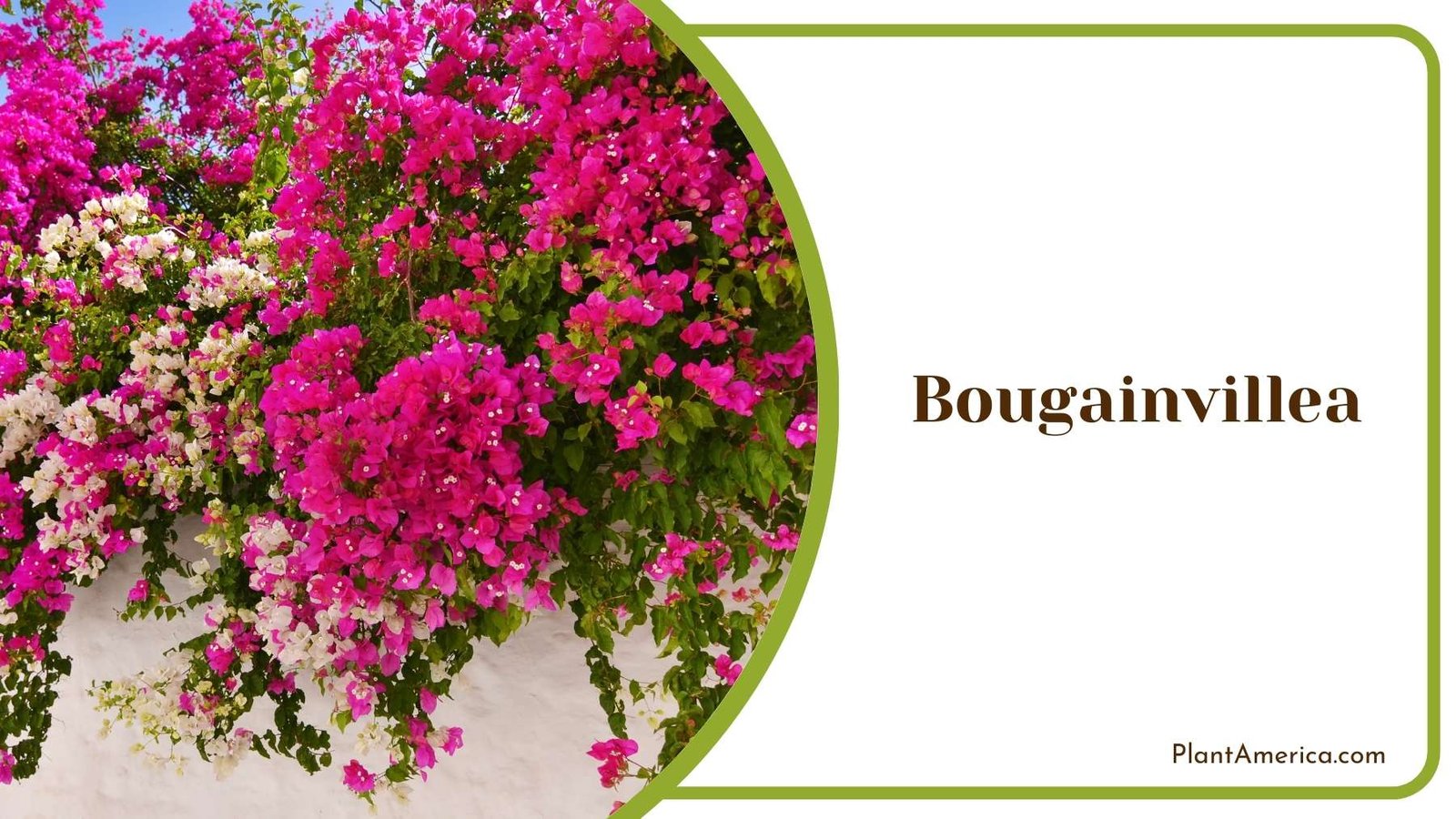
Though the actual flowers tend to be unassuming, the vivid papery bracts surrounding them make Bougainvillea impossible to ignore. Give the vines plenty of hot sun and a landscape bed featuring sandy loam soil, and they will reward you with blooms on display constantly. Watch for mealy bugs and other sucking pests that can weaken the vines. But with some summer tender, loving care, you’ll be dazzled year after year by bountiful blooms worthy of the tropics!
7. Wisteria
- Growing Season: Spring, Summer
- Leaf Shape: Seven to 13 leaflets, Compound
- Specific Needs: Sun to part shade, Pruning
- Common Pests: Aphids, Japanese beetles
Imagine entwining vines hung heavy with lush lavender, lilac, or robin’s egg blue blooms suspended like extravagant mobiles. That dreamlike scene is a reality with a wisteria-draped overhead. Being such prolific bloomers each spring, they create an airy bower that transports you to an ethereal wonderland. Leave the vines unpruned for longer racemes or trim regularly for fuller growth.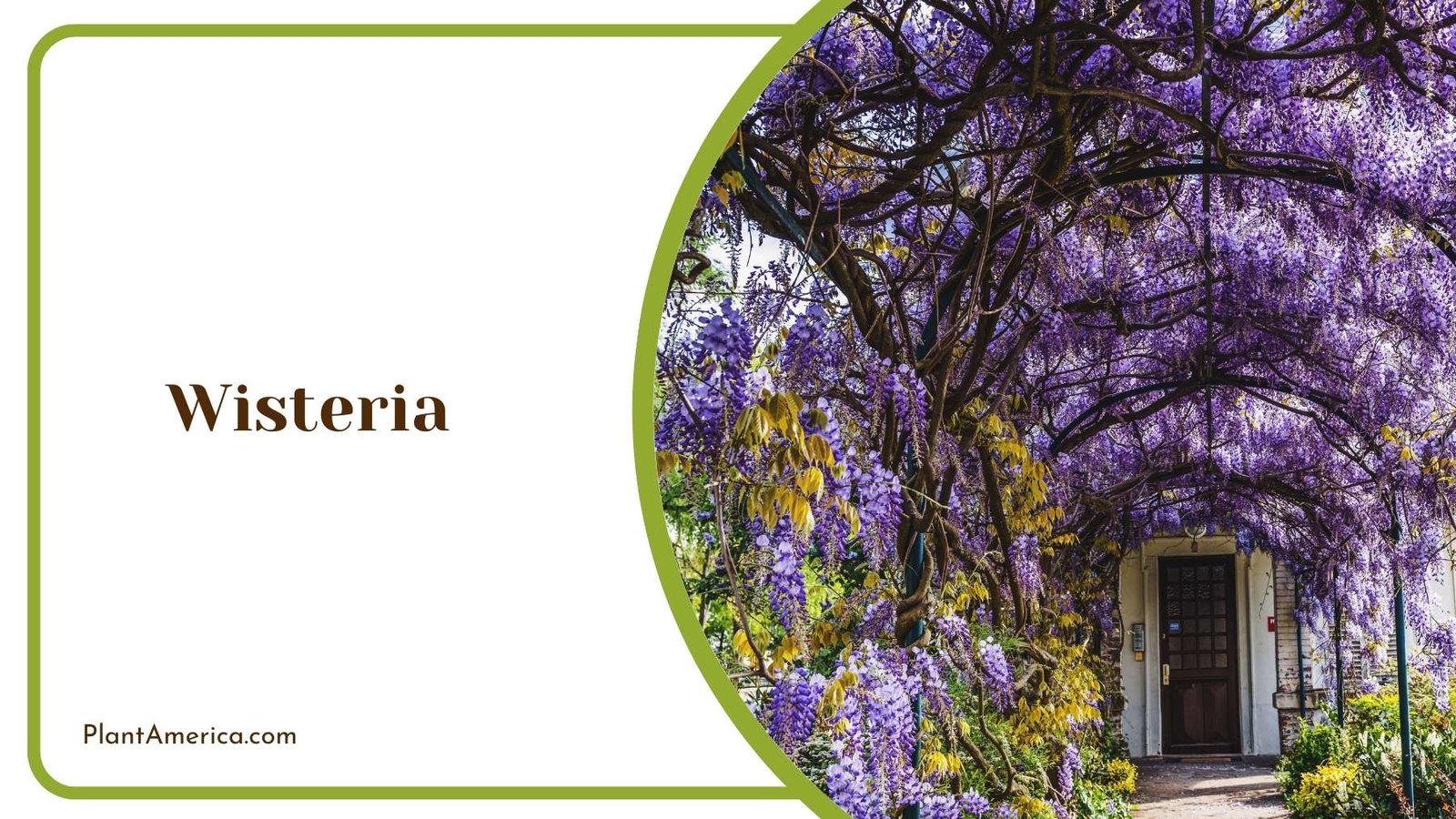
Allow Wisteria to climb strong frameworks like robust trees or sturdy trellises, giving it weekly water until established. Come summer, enjoy the leafy shadows cast below. Just beware of this rampant grower’s aggressive nature come autumn’s end – pruning keeps things tidy.
And once blooms fade, you’ll still appreciate the delicate, pea-like leaflets. Overall, the intoxicating fragrance and stunning floral display make Wisteria an ultimate classic for heady spring romance in your garden.
8. Mandevilla
- Growing Season: Spring, Fall, Summer.
- Leaf Shape: Heart-shaped, Arrow-shaped.
- Specific Needs: Full Sun to part shade, Support.
- Common Pests: Spider mites, Mealybugs.
For nonstop color waves throughout the growing months, mandevilla vines are an excellent pick. Their rounded blooms appear in hues spanning white, pink, red, and deep violet, making any wall or fence a creative canvas. The vines hold firm, supporting, full-bodied, trumpet-shaped flowers even on hot summer days.
Given a little pruned support for stems to latch upon, these tropical beauties thrive in many climates. Select a spot receiving full morning sun with afternoon shade once leaves emerge. Don’t overwater during winter when growth slows.
With so much constant color, hummingbirds will indeed find Mandevilla to be your garden’s party spot! Sign in pleasure as its bounty transforms the plainest surfaces into moving tapestries of joy.
9. Climbing Akebia
- Growing Season: Late Spring, Summer.
- Leaf Shape: Five to nine leaflets, Compound.
- Specific Needs: Sun or shade, Support.
- Common Pests: None.
 For exotic appeal, climbing akebia brings hints of far-flung destinations to your backyard bower. Its unusual ruffled violet or chocolate flowers seem plucked from botanical dreams in late spring. Their sweet fragrance mingles soft petals resembling dangling lanterns lit from within after dark.
Give akebia lattices or sturdy fencing to shimmy up as it pleases throughout summer’s lace-sensation blooms. Its glossy foliage stands out, too, providing interest through fall once the last flowers fade.
Chocolate-toned varieties hold their shapes like topiaries long after. With few pest issues and versatility, Akebia’s breathtaking blooms will cast their magic for years to color your evenings. One thing you can be sure of is this: You will enjoy all the moments shared in nursing this lovely perennial into full bloom.
10. Lady Banks’ Rose
- Growing Season: Late Spring, Fall, Summer.
- Leaf Shape: Seven to 15 leaflets, Compound.
- Specific Needs: Morning sun, Shelter.
- Common Pests: Aphids, Japanese beetles.
 Lady Banks’ rose earns a spot amongst the garden’s finest for its prolific blooms and intoxicating perfume. Clustering soft pink flowers reward you throughout much of the growing season. Their sweet fragrance wafts gloriously throughout the yard on warm evenings. One whiff, and you’ll understand this climbing rose’s charm and appeal.
Provide a sheltered nook for the vines to receive morning sun with dappled afternoon rays. Leave a little room for growth as the graceful branches stretch skyward, dotted with leaves resembling tiny ferns, and look forward to next spring when the process happily repeats endlessly! With few disease problems and a robust nature, Lady Banks’ rose brings nonstop beauty with very little work from you. Enjoy your honorary spot in the garden’s peerage!
11. Climbing Aralia
- Growing Season: Fall, Summer.
- Leaf Shape: Nine to 11 leaflets, Palmately compound.
- Specific Needs: Afternoon shade, Shelter.
- Common Pests: None.
 For splendid foliage providing strand after strand of bliss, climbing aralia deserves pride of place. Glossy dark green leaves frame lace curtains of small white flowers during summer. We appreciate its ability to add exotic appeal even to dappled light areas below woodland canopies.
Give this climber sturdy bamboo stakes or wire fencing to cling to, and you’ll receive untamed joy in return. Sit back as Aralia weaves an ethereal tapestry, carrying you to far-away tropical dreams. Its unwinding stems stretching peacefully heavenward reflect living art, ultimately gifting restful spaces not soon forgotten with their living sculpture. Garden goals aspire to find calm, imitating nature’s ease.
12. Climbing Fig
- Growing Season: Summer.
- Leaf Shape: Five to seven lobes, Palmately lobed leaves.
- Specific Needs: Full Sun, Shelter.
- Common Pests: Leafhoppers, Japanese beetles.
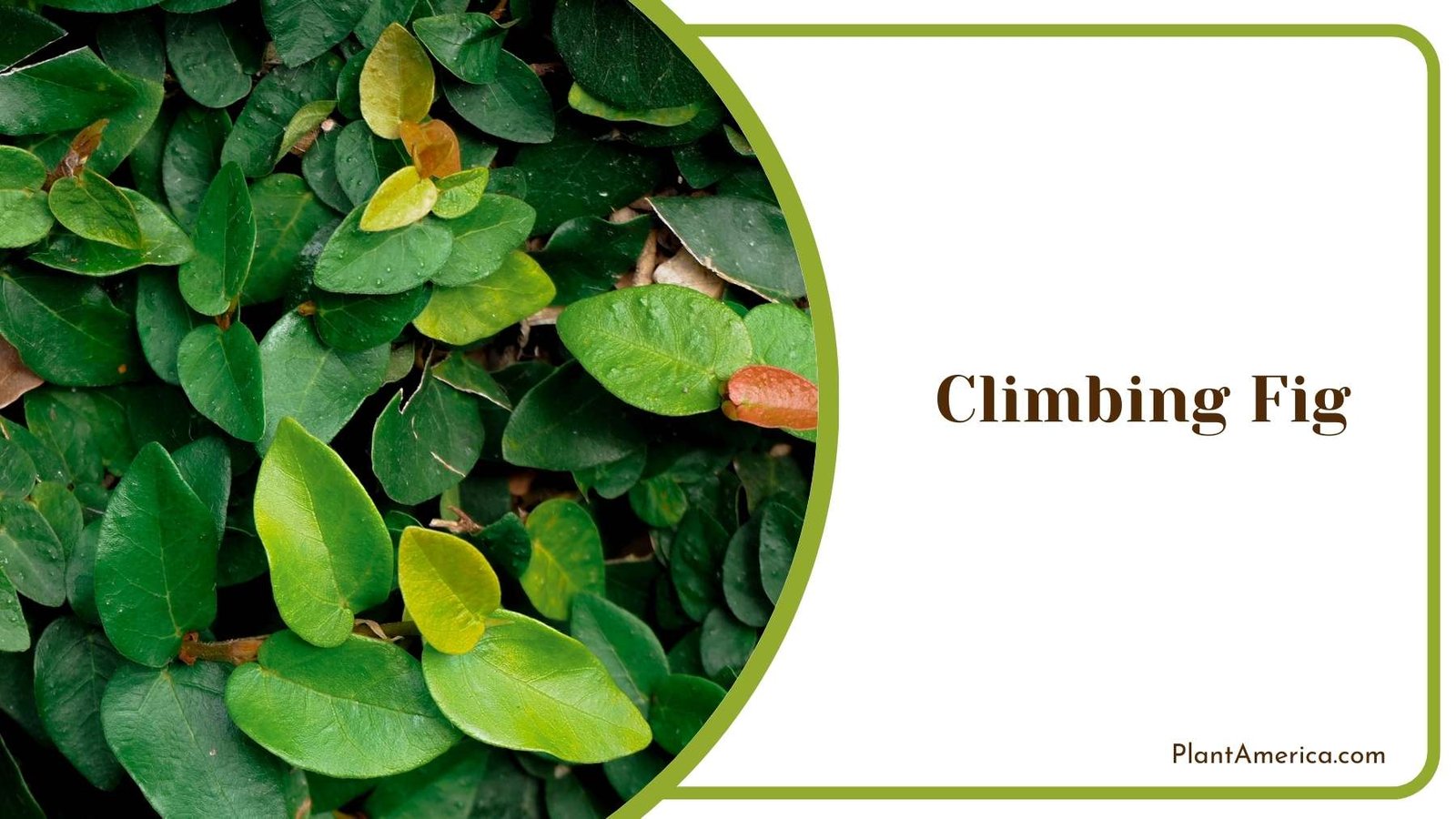 Imagine figs freely foraging your outdoor refuge throughout the lazy summer months. Climbing fig vines flourish, festooning any enclosure with lush greenery and bulbous fruit dangling heavily amidst leaves’ palm-fronded majesty. Their sap-filled figs ripening in various shades attract colorful birds throughout August’s fullness, often putting on quite the charming avian acrobatics display.
Best in heat, fig vines prefer sunny nooks where they may sprawl freely, sharing sweet rewards. Admire their spiraling habit of ascending high aloft while savoring figs straight off the vine during summer’s peak or come fall, dried for oft cadging many more months’ simple pleasures. A top choice for a low-fuss climber, adding grace and delectable moments, any gardener’s soul will relish beyond counting.
13. Virginia Creeper
- Growing Season: Summer.
- Leaf Shape: Leaves with five leaflets, Palmately compound.
- Specific Needs: Sun to partial shade, Sturdy support.
- Common Pests: Leafhoppers, Japanese beetles.
 No climber transforms landscapes in autumn quite like the Virginia creeper. Its leaves shine deep glossy green in summer, providing a mottled shade above. But come early fall, its magic shows — leaves ignite in brilliant scarlet, crimson, and orange flames. Try training a few vines upon sturdy walls and watch the entire surface burst alive as if ablaze, elevating any yard’s simple beauty.
The Virginia creeper thrives in most soil types with just morning sun, demanding little aside from some stout strings or rods to twine upon freely. Appreciate its hardiness and versatility, adorning settings from forests to cities with equal passion each September. Even after leaves fall, berry-like red clusters persist through winter feasts for birds — a gift that keeps giving. Understated yet remarkable, no climber ignites fall color more reliably sweetly.
14. Climbing Lonicera
- Growing Season: Spring, Summer.
- Leaf Shape: Opposite, Oval leaves.
- Specific Needs: Sun to shade, Shelter.
- Common Pests: Leafhoppers, Japanese beetles.
Lonicera vines intoxicate garden senses, commonly called honeysuckle due to their heavenly honeyed scent. Nestled within leafy bowers, clusters of white to pinkish trumpet-shaped blooms seep sweet nectar impossible to resist. On balmy summer evenings, you’ll find pollinators flocking within for an intoxicating buzz almost as lovely as the fragrance itself.
With various cultivars suiting most zones, climbing honeysuckle adds romance with little care. Let vines drape trellises or arbors receiving shelter from the hot western exposure. Admire fluttering visitors without distracting from the sensual experience in your woodland escape’s most intimate spaces. Where others fail, Lonicera’s allure endures beautifully.
15. Climbing Pea
- Growing Season: Spring, Summer.
- Leaf Shape: Leaves with six to 12 leaflets, Pinnately compound.
- Specific Needs: Full Sun, Support.
- Common Pests: Leafhoppers, Japanese beetles.
For carefree color, climbing peas unleash vivacious blooms swaying overhead in gentle spring breezes. We appreciate their buoyant coral, rose, and white blooms lighting any fence line ascending to the sky. Their racemes float ethereally aloft, adding a lovely fairy tale ambiance.
Train these sturdy vines upon tepees, pergolas, or walls, allowing pea flowers to float freely above like playful flamingos. Even after stems wither come summer, lovely pea-like foliage persists through early fall when temperatures warm once more. For undemanding grace, few climbers compare delicately gifting cherry blooms from above with nary a pest worry. Their nonstop dance animates the garden’s greater love story each joyous spring.
16. Climbing Petunia
- Growing Season: Spring, Fall, Summer.
- Leaf Shape: Opposite, Oval leaves.
- Specific Needs: Full Sun, Fast draining soil.
- Common Pests: Leaf miners, Slugs.
 No southern exposure feels complete without a splash of petunia purple sprinkled throughout warm months. Climbing petunia vines cascade waterfalls of vivid blooms, perfecting the backdrop on fences, sheds, or around herb beds below. Try pairing their display with fragrant sages or mints for a showstopping medley your cooking creations also relish.
Train vines on lattice screens to ensure soil drains freely beneath heavy rains. As the soil warms, their small starburst-patterned flowers abundantly reward. Deadhead regularly reinvigorated continual color expression. Whether you fancy bold solid hues or daintier bicolor blooms, petunias’ lifespan elevates any humble nook with perpetual bliss you’ll find hard to wean from winter’s return to slumber.
17. Climbing Nasturtium
- Growing Season: Spring, Fall, Summer.
- Leaf Shape: Alternate, Round leaves.
- Specific Needs: Full Sun, Well-draining soil.
- Common Pests: Leafhoppers, Japanese beetles.
Climbing nasturtiums are a uniquely lovely flowering vine suitable for beginning gardeners. Their bursting blooms, low care needs, and adaptability make them a garden favorite. Native to South America, nasturtiums come in a variety of colors including yellow, orange, red, and peach.
Climbing nasturtium vines grow rapidly to reach lengths of 3-10 feet if given a structure to climb on like a fence, trellis, or arbor. They may also be trained to cascade over edges of raised beds, walls, or containers. Sow seeds directly into the garden after all risk of frost has passed, spacing them one foot apart in well-draining soil with at least 6 hours of full sun daily. Seeds can also be started indoors four to six weeks before last spring frost for an earlier start.
Nasturtiums have palmate leaves and trumpet-shaped flowers. Blooms appear prolifically from summer into fall. Besides their visual appeal, all plant parts are edible! Enjoy fresh flowers in salads for a peppery flavor. Leaves have a similar taste and can be tossed into green salad mixes. Pick off leggy stems to encourage bushier growth.
These low-maintenance vines thrive with minimal care. They are heat and drought tolerant once established, needing only regular watering during heat waves. Nasturtiums naturally deter some pests and are rarely troubled by diseases either. Their spreading habit helps control weeds. Come fall, allow the spent vines to die back on their own without cutting them down.
Clusters of colorful blooms coupled with eye-catching foliage make nasturtium vines a vibrant, edible accent for gardens. Use them trailing over a garden wall, mingled with other flowers, or scrambling through shrubs. Though ephemeral, they offer beauty from summer until first frost. Climbing nasturtiums are low-cost, low-effort performers that add whimsy, color, and culinary options to any landscape..
18. Moonflower
- Growing Season: Fall, Summer.
- Leaf Shape: Alternate, Lobed leaves.
- Specific Needs: Full Sun, Support.
- Common Pests: Leafhoppers, Japanese beetles.
Moonflower is a towering tropical vine renowned for its spectacular night-blooming flowers. Native to tropical regions of North and South America, it thrives as an annual ornamental across USDA zones eight to 11 or as a houseplant elsewhere.
Vigorous tendrils allow moonflowers to rapidly climb 15 feet or more each growing season on fences and structures. Broad heart-shaped leaves provide dense foliage. From late summer to early fall, large white blooms nearly a foot wide unfurl only at night, remaining open until morning. Their mystical appeal and heavy fragrance has long captivated onlookers.
For best growth, moonflowers need consistently moist, fertile soil in a hot, sunny spot. They fare well in containers or draped over arbors. Come nightfall, these nocturnal blooms glow ethereally, lighting gardens like a living dreamscape. Their beauty provides insomnia cures for nature lovers everywhere.
Beyond visual splendor, moonflowers offer immense value. Their waxy blooms produce generous nectar, attracting moths and nocturnal pollinators like bats. Native peoples traditionally used moonflower medicinally and in ceremonies for its intoxicating properties. Today, its natural night magic conjures wonder and reconnects us to primal mysteries of the dark.
Requiring minimal care, moonflowers spread abundantly – the perfect solution for dramatic seasonal color. Come autumn, seed pods provide food and habitat. Even without blooms, their foliage adds privacy and texture year-round. No garden is complete without experiencing at least once this marvel of nature that glows solely by moonlight..
19. Hops
- Growing Season: Fall, Summer.
- Leaf Shape: Opposite, Heart-shaped leaves.
- Specific Needs: Full Sun, Support.
- Common Pests: Aphids, Japanese beetles.
Hops vines are a beloved garden staple renowned for their rapid growth, vibrant foliage, and role in brewing beer. Their botanical name, Humulus lupulus, references their wolf-like voracious appetite. Native to Europe and Asia, hops thrive in temperate climates worldwide climbing or sprawling over arbors, fences and more.
Starting as rhizomes in spring, hops emerge as modest green shoots exponentially gaining height through summer. Heart-shaped green leaves grow opposite each other along vigorous stemmed runners reaching 30 feet by season’s end. In fall, tiny green flowers called hops cones form borne among leaves. These impart the signature bitter flavor essential to beer production.
Hops prefer full sun but tolerate partial shade. Amend soil with compost and provide sturdy supports able to withstand their weight as they vine upward and outward aggressively seeking sunlight. Consider wooden arbors, wire fencing, or reinforced garden structures.
Come late summer, distribute warm sun-dried hops cones to be used for brewing or ornamentation. Hanging fresh cones indoors also spreads their woodsy fragrance before they harden for storage. Birds feed on seeds over winter providing further garden benefits.
Beyond beer, hops have astringent and mildly sedative qualities. Research explores other potential health promoting compounds too. Their bold foliage remains striking through fall changing saffron yellow before frost. Cut vines back annually to encourage new growth each spring.
Whether festooning over fences for functional beauty or contributing the essential beer ingredient, hops. Easy culture and robust habits make them a rewarding garden staple for generations to appreciate. Their industriousness earns them top honors as a favorite edible bedfellow..
20. Trumpet Honeysuckle
- Growing Season: Spring, Summer
- Leaf Shape: Opposite, Oval leaves
- Specific Needs: Sun to shade, Support
- Common Pests: Leafhoppers, Japanese beetles
Trumpet honeysuckle (Lonicera sempervirens) is a fast-growing, hardy and fragrant flowering vine beloved for its cheerful blooms and fall berries. Native to eastern North America, it twines gracefully up to 20 feet covering arbors, fences, and trellises from spring through first frost. Its evergreen leaves provide winter interest where it is cold-hardy.
This honeysuckle’s long tubular blooms appear in pairs, red without and yellow within resembling tiny trumpets. Delicate sweet fragrance perfumes surrounding areas from dawn to dusk, attracting hummingbirds and butterflies in abundance. Come autumn, bright red berries follow reliably to nourish wildlife through winter if male and female plants coexist for pollination.
Plant young potted vines or root cuttings in spring once weather warms, allowing stems to twine naturally as they climb. Complementary support ensures stability in windy areas. Once established, trumpet honeysuckle remains low-maintenance needing only occasional pruning after bloom to maintain shape and encourage dense habitat. This fast grower thrives in full sun to partial shade.
Its twining nature makes trumpet honeysuckle ideal softening fences or arbors in cottage gardens, parks or wastelands awaiting revival. Come summertime, trumpet crescendos fill the day’s end with joyous layers of melody, intoxicating birds and ears to linger outside its beauty. Most pleasing of all, its brilliance persists through fall and frost till snow unveils fruited skeletons. Reminder that some soft green gifts never truly depart us for long.
No flowering vine inspires as much cheer with beauty so lasting yet delicate. The way trumpet honeysuckle renews landscapes from undergrowth to treetop resembles nothing so much as descants weaving together in bright chorus, filling hearts with melody that knows no end..
21. Trumpet Creeper
- Growing Season: Fall, Summer
- Leaf Shape: Palmately lobed leaves, Alternate
- Specific Needs: Sun, Shelter
- Common Pests: Leafhoppers, Japanese beetles
 Trumpet creeper is a stunningly beautiful yet hardy woody vine valued for its prolific blooms. Native to eastern and central North America, it thrives in zones five to nine, twining over fences, arbors and small trees. Clusters of vivid red-orange trumpet shaped flowers emerge in midsummer, attracting hummingbirds and butterflies in droves.
This fast growing vine sends out long arching stems up to 30 feet each season. Alternate heart shaped leaves provide dense foliage. In autumn, leaves fade to yellows and reds before dropping. Hardy rhizomatous roots allow spreading for full coverage within a few years.
Trumpet creeper flourishes in full sun and average soil, requiring little care beyond occasional pruning or training. It adapts well to urban spaces and naturalized areas. Left uncontrolled, this vigorous vine may overtake shrubs, but regular guidance keeps it contained without harm.
Besides splendid flowers, trumpet creeper offers excellent vertical interest and habitat value in the landscape. Nesting songbirds utilize dense cover, while pollinators feast on nectar-rich blooms through late summer. Come fall, brilliant foliage and persistent seed pods continue attracting wildlife.
Using trumpet creeper, gardens create stunning draped effects over arches, pergolas or trellises. Its brilliant blooms light up hot spots or shade areas alike. Naturalizing patches attract butterflies to meadows or woodland edges.
With showy trumpets, climbing strength and environmental benefits, this hardy native vine decorates landscapes for generations with minimal care. Bright flowers and adaptability make trumpet creeper a resilient choice for beauty, shelter and sustenance in gardens near and far.
22. Purple Wandering Jew
- Growing Season: Spring, Fall, Summer
- Leaf Shape: Alternate, Rounded leaves
- Specific Needs: Afternoon shade, Well-draining soil
- Common Pests: Leafhoppers, Japanese beetles
 Purple wandering jew, or Tradescantia pallida, is a charming vining plant renowned for its stunning exotic blooms and spreading habit. Native to tropical and subtropical regions in the Americas, it thrives as a lush groundcover, hanging basket, or tabletop accent indoors year-round with minimal care.
Delicate violet purple flowers adorn eight-inch long stems rising above rosette-shaped succulent leaves colored deep green with purple accents on many cultivars. New leaves emerge similarly tinted, gradually fading to green. Leaves and stems root at nodes, busy trailing or cascading wherever able to take hold.
Ideal light includes morning sun with protection from harsh afternoon rays. Water just enough to keep the soil lightly moist, allowing it to partially dry in between. Fertile organic soil allows for active growth but it tolerates poor soils too.
Fast growing once established, purple wandering jew makes a lush groundcover when freely draped over walls or rocks. Train as an indoor hanging basket for colors that dance as it sways. Even single leaves easily root in water for new plants.
Beyond its ornamental traits, research suggests potential benefits from antioxidants and other compounds in leaves of Tradescantia pallida. Lightly scented flowers attract hummingbirds and butterflies as well.
With minimal care needs yet thriving in both rich and poor conditions, purple wandering jew brings continual exotic beauty indoors or out, training easily while spreading cheer. Few houseplants offer such versatility with lovely lavender blooms to appreciate for seasons to come.
23. Clematis
- Growing Season: Spring, Fall, Summer
- Leaf Shape: Opposite, Compound leaves with three to seven leaflets
- Specific Needs: Part shade, Support
- Common Pests: Clematis leaf miners, Japanese beetles
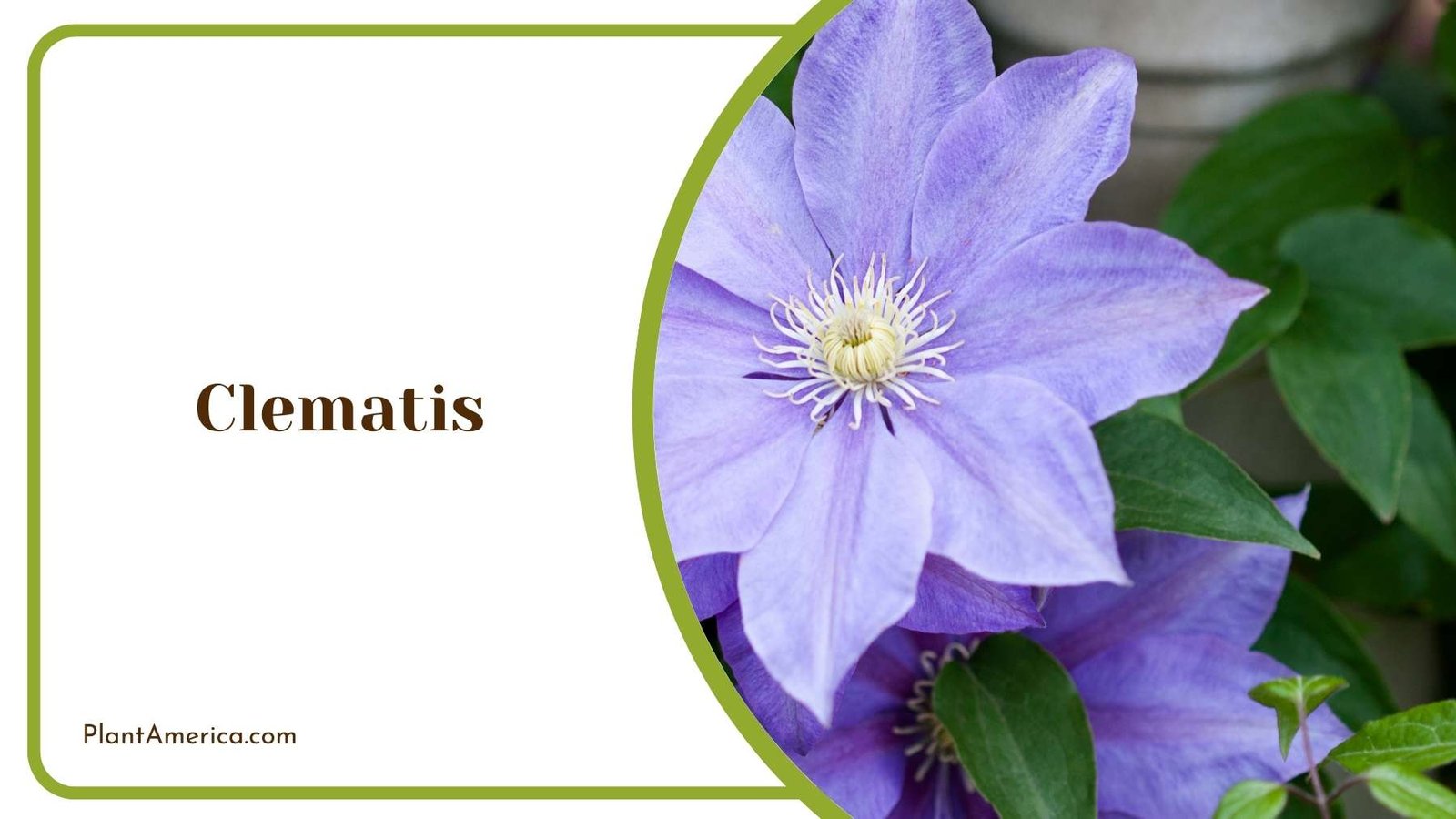 Clematis are beloved climbing vines renowned for gracing gardens with cascades of showy blooms from summer into fall. Originating from Europe, Asia and North America, over 300 species in various sizes now delight worldwide. Most thrive climbing on fences, arbors and trellises via fragile leaf stems or by twining, filling outdoor areas with artful beauty with ease.
Plant containerized clematis in spring once danger of frost passes for roots to establish before blooming begins. Cuttings root readily indoors for winter windowsill color or gifts. Amend soil with compost and provide sturdy supports to keep blooms’ own weight from snapping weak stems as flowers multiply.
After flowering ends, prune pollarded clematis varieties to basal growth buds for rebloom. Others may hold seed heads or leaf decoration through fall. All die back over winter unlessevergreen types. Supplemental water sustains summer shows, yet porous soil drains freely to prevent disease.
Fragrant blooms grace porches and enchant cottage gardens for cutting. Their cheerful vertical growth softens fences and walls with natural curtains. Late varieties revive falls, extending the season’s magic past summer’s heat through crisp evenings.
No vine more gracefully adds airy florals to trained trees or pergola frames surrounded by flowery feast for eyes and souls. Clematis fill hearts with joy and lift landscapes for months with minimal care – nature’s finest gifts that know not season’s bounds.
Conclusion
That covers superb climbing perennials to enhance gardens with vibration and visual interest throughout the growing season.
- Lonicera vines intoxicate garden senses, commonly called honeysuckle due to their heavenly honeyed scent.
- Lady Banks’ rose earns a spot amongst the garden’s finest for its prolific blooms and intoxicating perfume.
- Dutchman’s pipe should scale your landscape if you love unordinary blooms and generous foliage.
With minimal care requirements, all perennials on this list will surely deliver lifelong enjoyment. While this list showcased versatility in climate tolerance, cultural needs, and blossom displays, each selection reliably gives the gift of life witnessed through plant forms along our journey is unfolding.