
Aphids on fig tree are not a surprise to many gardeners. These insects attack figs because of their soft and chewable leaves and the overripe fruits. They also attack weak fig trees because these can hardly fight pests.

Read this complete guide to see how you can eliminate aphids through various methods!
What Causes Aphid Infestations on Fig Trees?
Aphid infestations on fig trees are caused by the plant’s new and soft leaves. The insects are attracted to newly produced leaves because their soft tissues are easy to chew. The leaves also produce fresh plant sap that aphids love to feed on.

You could also notice black aphids on fig trees that grow near a forest or those surrounded by weeds. The insects hide in the big weed leaves, laying eggs and continuing to multiply. Once they feed on the entire weed leaves, they slowly migrate to your fig garden.

Also, if your figs are weak and unhealthy, you could get a bug infestation. Weak figs are more vulnerable to insect and disease attacks because they can’t fight the infestations. The fig tree leaves also have little turgidity, making them easier to chew for the insects.
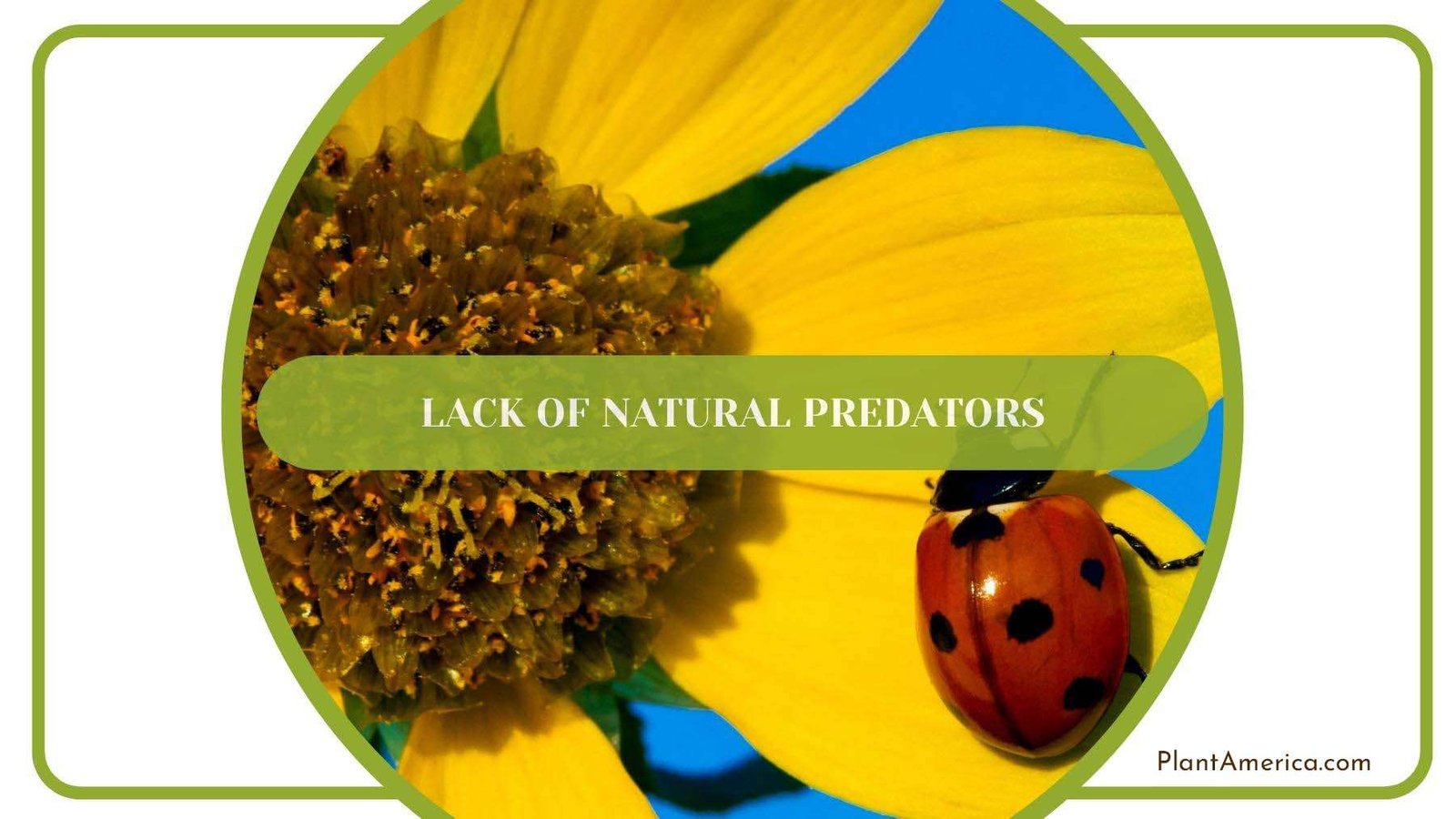
Have you heard about the importance of beneficial insects in a garden? These insects feed on pests and other destructive bugs, destroying their eggs to reduce the population. If you lack these natural predators in your fig garden, bugs could attack your plants. See more reasons for bug attacks on fiddle leaf figs below.
– Presence of New Leaves
Every gardener marvels at their plants’ growth, which is signified by new leaves. But the fresh leaves can be the beginning of fig plant problems. White aphids on fig trees are attracted to new plant leaves because they are softer to chew with their weak mouthparts. The new foliage also has a fresh phloem that is easy to get by tearing its soft tissues.
Aphids attack newly produced leaves on old fruit trees and can also attack seedlings. As they feed on the plant sap, they weaken the plant, and you can notice the yellowing of the foliage. This could kill young and weak seedlings.
Besides sucking on the plant juices, aphids chew on the new leaves as well. They cause leaf spots on the figs, and they can chew the entire plant leaves as their population increases. This slows down respiration and photosynthesis processes, which leads to little energy production and slow plant growth.
– Weeds and Forests
If you grow your figs near a forest or leave them amidst weeds, you can get leaf fig pests like aphids. As forests house many trees, they are also habitats for pests and insects. And since aphids fly and crawl, they can easily attack the fig garden to feed on the newly produced leaves.

If you have weeds in the fig garden, they can also house aphids without your knowledge. These unwanted plants have soft leaves and a sweet sap for the aphids to enjoy. And since the insect population increases fast, food in the weeds decreases fast, and they start hopping onto your figs.
Another reason weeds cause pest infestation to figs is because of plant weakness. Weeds absorb the same minerals and salts as figs, leaving the good trees with nothing to survive. This stresses and weakens the plants, making them vulnerable to pest infestation.
– Weak Plants
Plant weakness is another cause of yellow aphids on fig trees. Plant weakness is caused by insufficient water, overwatering, or insufficient supply of minerals and nutrients. Little moisture in the soil makes it harder for plants to absorb minerals and nutrients. A lack of nutrients stresses the plants and reduces their immunity.
Overwatering can lead to root rots and fungi infections, which weaken the plant. Also, when the roots are infected, they cannot transport minerals and water to other plant parts. Your figs will start wilting and have yellow foliage due to a lack of water and nutrients, making them vulnerable to insect attacks.
Another way plant weakness causes aphids, fungus gnats, and other common fiddle leaf fig pests is little turgor. When the plants experience drought, they don’t have enough water to maintain the turgor pressure. This keeps the leaves soft and easily chewable, unlike those of healthy plants. And since aphids like soft leaves, they will attack the figs.
Lack of Natural Predators
Natural predators in your fig garden are as important as water and good soil. The insects eat young and adult aphids and spider mites that attack figs and destroy their eggs. Luckily, these good insects don’t feed on the fig leaves, nor do they negatively affect the trees as they eliminate aphids.
Whether you have outdoor or indoor plants, you can introduce the insects to your greenhouse or garden. However, ensure you have plants that the beneficial insects like to keep them hanging around your garden.

– High Nitrogen Levels
One of the most essential nutrients to supply your figs with is nitrogen. It helps with plant growth and development by supporting photosynthesis, which produces energy used in plant growth. However, nitrogen also provides a suitable environment for aphid breeding and survival.
High nitrogen levels could be due to overusing nitrogen fertilization. This saturates the soil with nutrients, making it a breeding zone for insects. The nutrient levels could also be high if the earth initially had too much nitrogen.
How To Get Rid of Aphids on Fig Tree
To get rid of aphids on fig tree, you can use natural methods like handpicking and crushing the insects between your fingers, flushing them out with water, or planting aphid-repelling plants. Other gardeners use biological methods like introducing beneficial insects to feed on the bugs.

There are many other ways to remove little bugs in fiddle leaf fig soil. If you have a high aphid population, consider using margosa oil or stronger chemicals like pesticides. Here is a complete guide on how to eliminate aphids from figs.
– Crush the Insects
If you have just noticed the first aphid colony in your figs, pick and crush them between your fingers. This prevents more crop damage and kills the chances of the insect population growing. You can pick up the insects using a cloth or a paper towel and burn them once they are dead.
Although crushing aphids is a way of eliminating them, it is possible when the population is low. The method is time-consuming, meaning you won’t be able to kill a huge aphid infestation. Most farmers also apply this insect elimination method if they have one fig but not an entire insect-infested garden.
– Care for the Plants
Aphids attack weak and struggling plants because they cannot resist the infestation. These plants also have softer and easier-to-chew leaves, which aphids like because of their weak mouthpieces.
You can protect your figs from insect attacks by providing the required plant care. Don’t let your plants dry out excessively, and also don’t over-irrigate them — too little and too much water cause plant stress.
Another way to care for plants is by removing weeds. Weeds contribute to plant stress because they compete for nutrients and minerals, leaving figs with little to survive. Furthermore, the weeds are also hiding places for insects, which slowly migrate to the figs.
When removing weeds, choose the safest methods to do it. You can unroot the tiny plants with your hands or use other tools. You can also use safe weeding chemicals, but ensure you get the ultimate guide from a professional.
– Apply Neem Oil
If the aphid infestation has grown tremendously, consider applying neem oil to the figs. The oil is dense, and when it covers aphid coats, it suffocates them. The oil also contains an active ingredient called azadirachtin, which acts upon insects. Azadirachtin inhibits the production of feeding hormones, killing aphids by starving them.
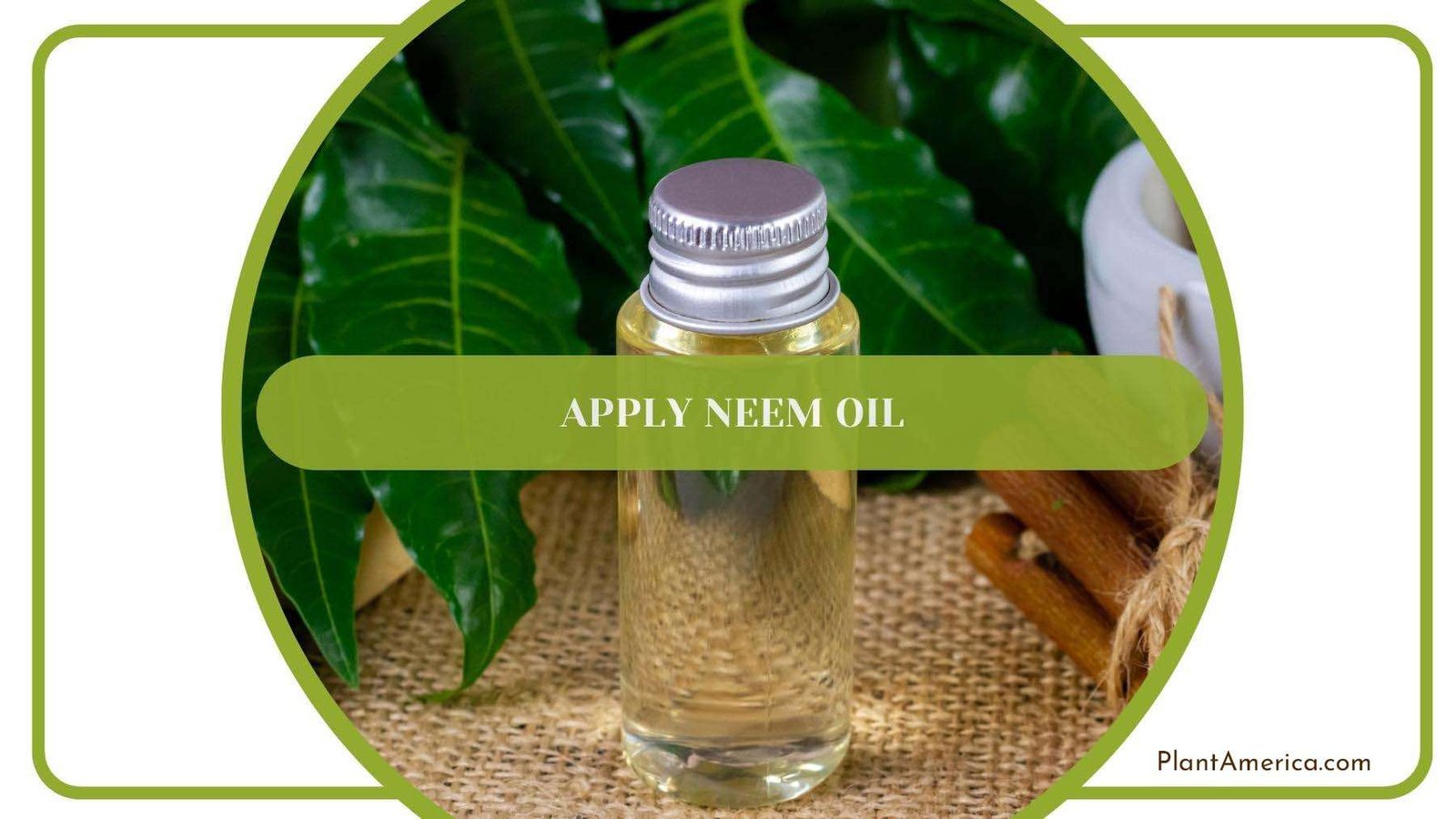
Besides azadirachtin, horticultural oil kills insects by smothering them. The oil destroys the outer coating, exposing the cell membrane. Gardeners should spray the oil in the morning or evening when the temperatures are cool to avoid burning the plant leaves.
You can also use insecticidal soap if you don’t have margosa oil. The soap also smothers insects and provides a protective coating on the leaves to protect them from being fed on by aphids. Ensure you rinse the plants after spraying the soap so as not to burn the leaves.
– Use Chemicals
If you still wonder what kills aphids instantly, chemicals would do the job perfectly. When choosing pesticides for your figs, choose those that will not hurt your plants. You should also buy a pesticide that kills aphids and other plant pests on your trees.
For example, some chemicals like bifenthrine (c23h22clf302) kill aphids, moths, and fire ants, and they act almost instantly. However, you must apply the chemicals in the correct ratios to avoid hurting your plants.
While some chemicals work on aphids instantly, others take time to kill the insects. You should reapply these after a week or two until all the aphids disappear. Consider hiring a professional to apply the chemicals because they can carefully handle them. A DIY application could leave you with irritated skin and dead plants.
– Spray With Water
If the insect infestation has not widely spread, consider washing the aphids away with water. Put water in a spray bottle and spray it on the upper and lower sides of the plant leaves. You should also spray the tree bark and branches.

The water washes away the insects because they are tiny and weak. The aphids fall and drown in the water puddles, and their eggs could die. Although water is a suitable pest control method, strong droplets could break the tree branches, leaving them with open wounds.
Also, don’t over-drench the soil with water. Too much water causes root rot and other plant problems, weakening the plant. Instead, wait three to four days for the soil to dry before the next spraying.
– Introduce Beneficial Insects
Beneficial insects like ladybirds and hoverflies help with insect control in figs. The insects feed on adult and young aphids, destroying the insect eggs to prevent breeding. You can buy them from your nearest plant store and introduce them to your garden.
– Reduce Nitrogen Fertilization
Nitrogen is an essential nutrient that helps with plant growth and development, but it also provides a suitable environment for aphid breeding. You can keep your figs safe from aphids and other insects by reducing the nitrogen fertilization you pour into the soil.
This keeps the plants growing but makes the environment less friendly to aphids. If your figs grow in highly nitrogenated soils, use other fertilizers to dilute the nitrogen levels.
Conclusion
Many possible reasons cause aphids on figs: the insects could attack seedlings and plants with newly produced leaves, which are easy to chew, or weak and struggling trees that cannot protect themselves from the attacks. Some important points to help you deal with aphids on figs include:
- Pick and crush aphids when you see them on your figs to avoid breeding. When picking the insects, use kitchen towels and wear gloves.
- You can spray water from a hose pipe on the fig leaves to remove aphids, but don’t use very high pressure so as not to remove the leaves.
- If you use pesticides to remove aphids, get the proper ratios to avoid burning your plants.
- Introduce good insects to your fig garden to feed on aphids, and remove weeds to prevent aphids from breeding in hidden sites.
Whether the aphids in your garden are due to high nitrogen levels or weak plants, you can use any of the mentioned removal methods to kill them!
