
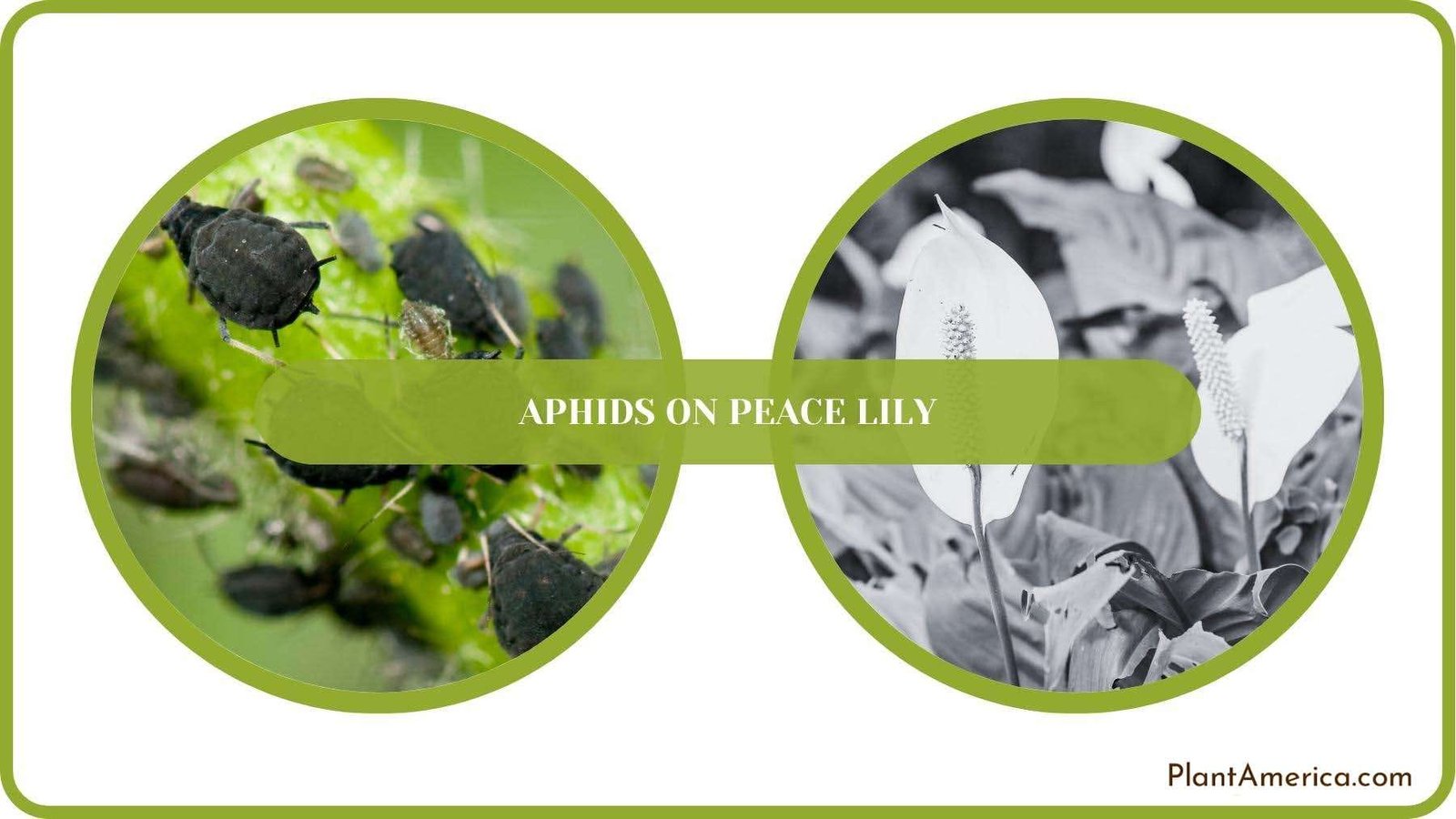
Aphids on peace lily of the Araceae family can be some of the deadliest bugs on your flowers. These tiny insects are attracted to lily plants’ flowers, sucking the plant sap and feeding on the leaves. They mostly attack weak lilies and those with nutritional deficits.

Read on to find out why your Peace Lily plants are being eaten and some effective ways to eliminate them.
Why Are There Little Black Aphids on Peace Lily?
There are little black aphids on peace lily because the showy flowers on these plants attract them. These insects attack the plant to suck its sweet sap and feed on the soft flowers. The presence of weeds and the lack of beneficial insects are also some common causes.
While most growers don’t take aphid infestations seriously, these bugs can destroy plants as their population grows. Another reason you have yellow aphids on Peace Lily is the soft leaves. Bugs have a weak mouthpiece that can only pierce through soft tissues to get the plant sap. As they feed on the juice, they chew the leaves for food. Since their mouth parts are weak, these insects attack seedlings with soft foliage or plants with newly produced leaves.
You will find white aphids on peace lily if there is nutrient deficiency. Nutrients like calcium, manganese, and potassium are essential for plant growth and development, and they protect the lilies from pests and diseases.
Also, although nutrients are essential for lily growth, too much can attract insects like aphids. For example, high nitrogen levels make a suitable environment for aphids’ growth. The high nitrogen levels can be caused by overfertilizing the soil with naturally high nitrogen levels. Here is a more detailed explanation of the causes of bugs on lilies.

– Flowers and Plant Sap
Humans are attracted to flowers, and so are bugs. The tiny destructive insects attack plants with showy flowers because most have pleasantly scented and sweetened plant sap. Besides, flower petals are velvety and soft, making them an easy-to-get food for insects.
Aphids have weak mouthpieces that can only pierce through soft tissue. They use their parts to get through the soft flower tissues and get the sap. And while a small infestation can look unproblematic, these pests can kill plants in high populations.
They suck the plant sap as they feed on the flower petals. With time, the flowers weaken and wither and could drop. The plant sap is essential because it helps transport water and nutrients within the plant, and a lack of it weakens the flowers.
– New Leaves
Another reason you have black aphids on Peace Lily is because of the newly produced leaves. While these bring pride to the gardener, the new leaves are an easy-to-get food for the bugs. They have soft tissues that are easy to tear with the weak mouthparts and get the plant sap.
These destructive insects also feed on the leaves. They slowly chew on the soft parts, leaving tiny holes on peace lily leaves. Besides newly produced leaves on old lilies, aphids attack young lilies because they have soft tissues. They can feed on the entire plant, including the tiny stems, roots, and shoots.
– The Presence of Weeds in the Garden
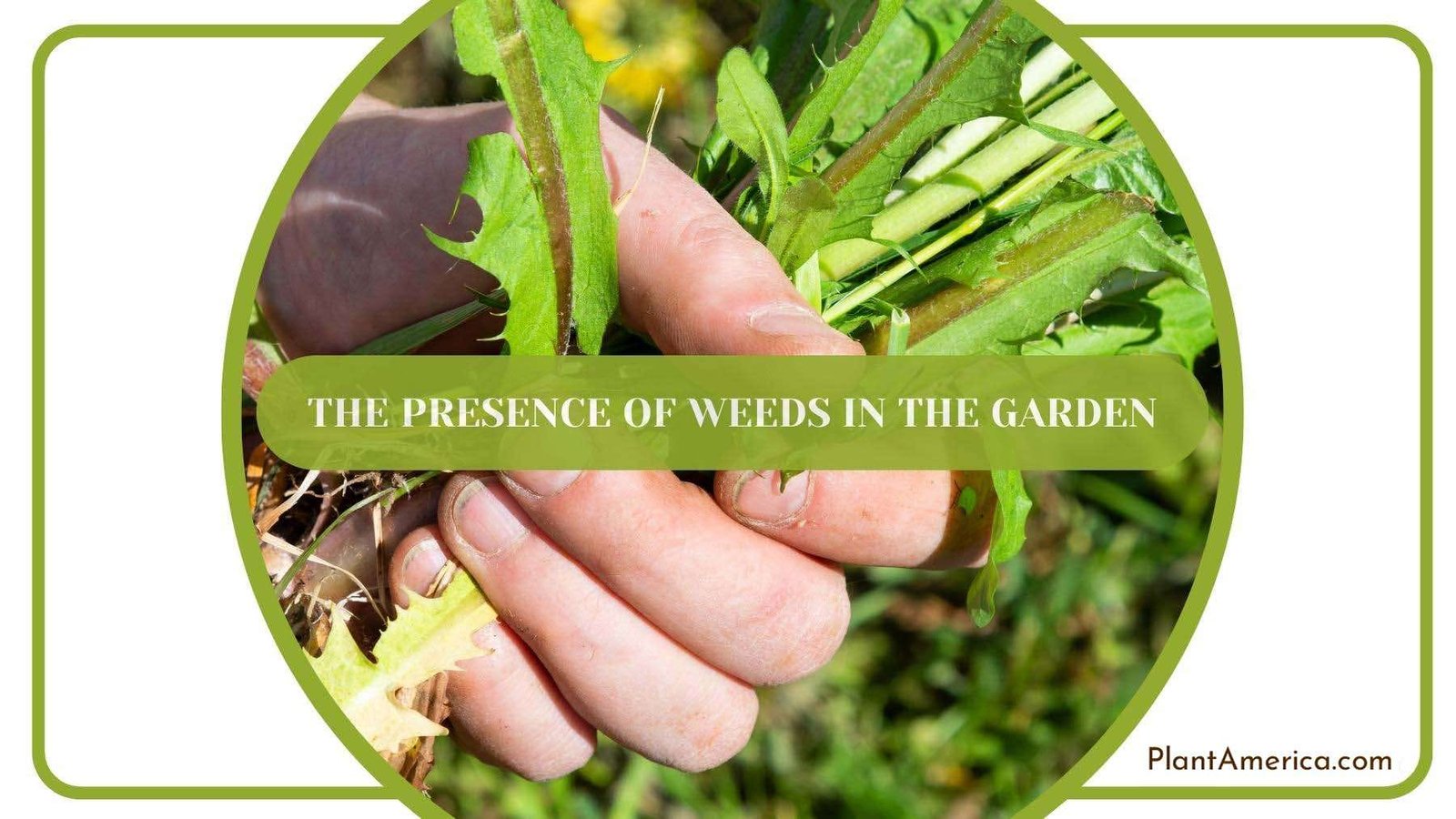
If you don’t mind having weeds in the garden, they could be the reason you have brown aphids on peace lily. Weeds are unwanted plants that insects like aphids and spider mites hide in. These plants have big leaves that act as insect habitats, providing a suitable breeding zone.
Since you will hardly see the tiny insects inside the weeds’ big leaves, they multiply without interruptions. As the population grows, the insects will have inadequate space in the habitat and start migrating to flowers and fruit plants in the garden.
Weeds also provide the insects with food. Some have soft leaves and a tasty sap that fungus gnats like. As the insect population increases, food becomes scarce. The older ones fly away to look for food in other plants, and if your lilies have flowers or new leaves, they could be the victims.
Also, weeds compete for water and nutrients with peace lilies, and they could be a reason for pest infestation. The unwanted plants take in more nutrients, leaving a nutrient and mineral deficiency in the lilies and exposing them to disease and peace lily bugs attack.
– Weak Plants
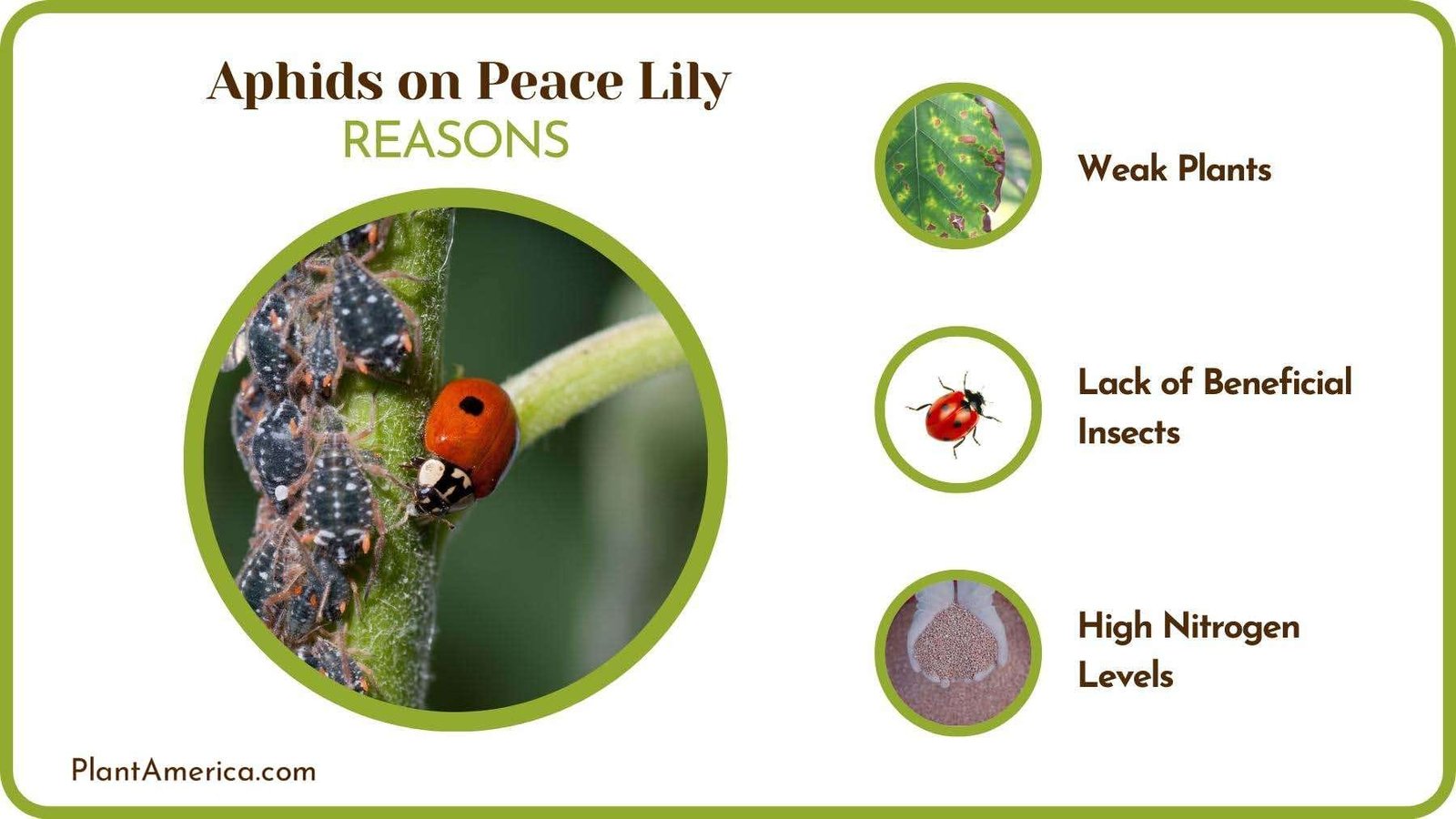
Are your lilies weak and struggling? Aphids and scale insects are attracted to vulnerable plants that cannot fight infestations. These plants are characterized by yellow leaves, wilted foliage, and discoloration.
Weakness in lilies is caused by poor plant care like underwatering, overwatering, and improper fertilization. Underwatering causes water deficiency, which makes mineral and nutrient absorption hard for the plant. This is because nutrient movement in the soil is aided by water, and roots also transport the nutrients through water in the plant.
Lack of water also reduces plant turgor pressure. This makes the leaves and other plant parts soft, which attracts bugs. A lack of the essential minerals also makes the plants vulnerable to bugs.
Overwatering causes lily problems. Too much water suffocates the roots, causing root rot and other complications. Infected roots cannot perform their functions like transporting water and mineral salts, which causes nutrient deficiency in the plants.
Another cause of peace lily weakness is weeds and wrong companion plants. Some companion plants compete with lilies for minerals and water, leaving the flowers weak and struggling. Gardeners should choose suitable lily companions to avoid the flowers becoming weak.
– Lack of Beneficial Insects
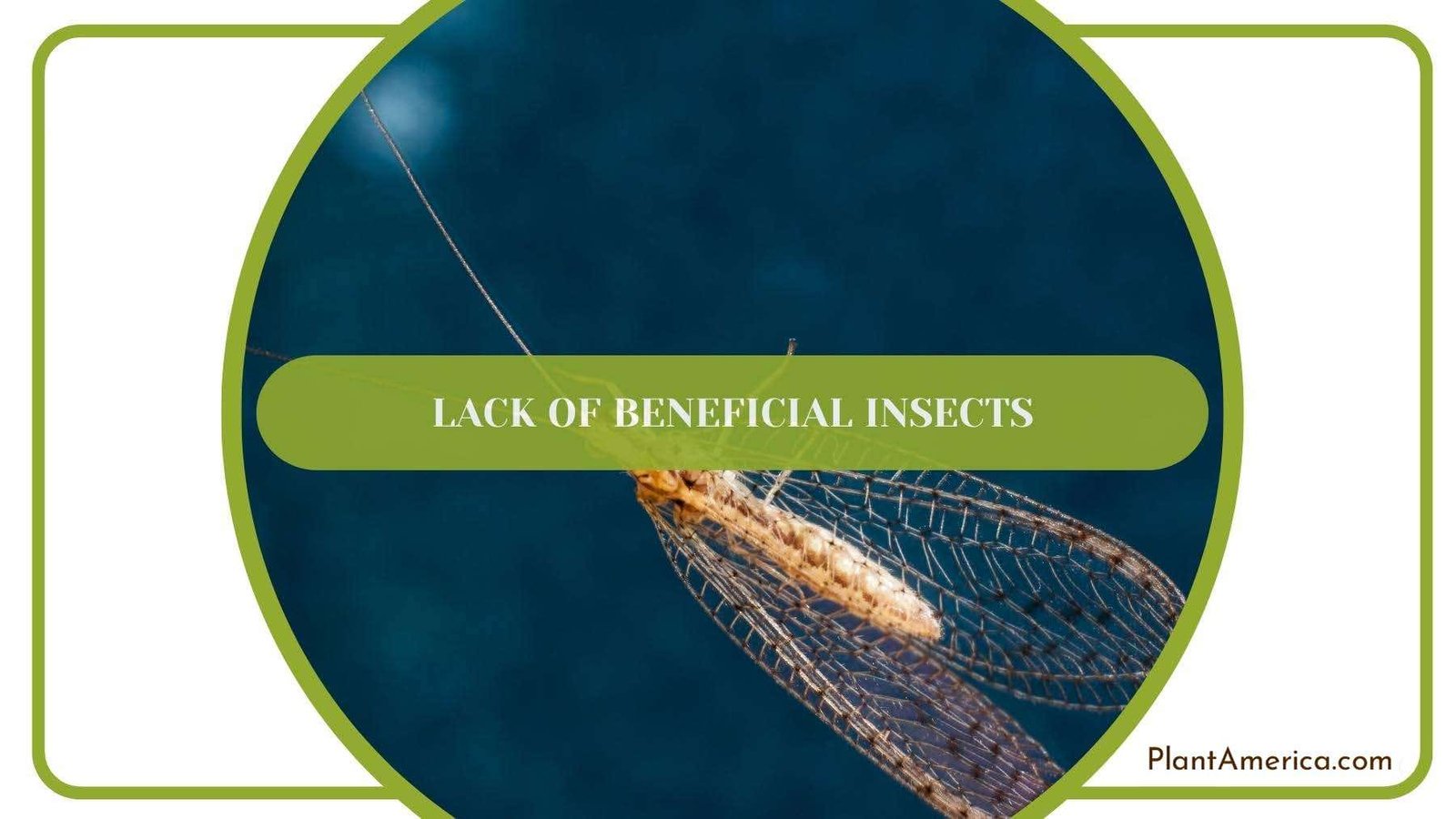
You could have red aphids on peace lily if your garden lacks beneficial insects. These are natural predators that feed on aphids and other destructive insects on flowers without damaging the plants.
The beneficial insects like lacewings and ladybugs feed on adult and young aphids and destroy their eggs. This controls the bug population, leaving your plants safe. You can introduce these insects to outdoor and indoor plants by buying them from the nearest plant store.
– High Nitrogen Levels
All plants require nitrogen for growth and development, and so do peace lilies. Nitrogen supports photosynthesis, a process that provides energy for plant growth. However, high amounts can attract peace lily pests.
The high nitrogen levels support the plant’s growth, meaning there will be constant production of new leaves that attract bugs. These leaves provide food for the insects, supporting their population growth and leading to more plant destructions.
High nitrogen levels also provide a suitable environment for aphids to grow. These insects thrive in highly nitrogenated soils, and since they are constantly laying eggs, their population grows fast. They then attack peace lilies.
High humidity also causes common peace lily pests like aphids. The moisture supports insect development and breeding, attacking lilies and causing destruction. High humidity can be due to lilies planted too close together or lack of aeration.
How To Get Rid of Aphids on Peace Lily
To get rid of aphids on a peace lily, you can try manually handpicking the insects, spraying them with water, making sure your plants are healthy and robust, using neem oil, and applying pesticides. Find a solution that works well for you and your precious peace lilies.
Now that you know “what is eating my peace lily leaves,” you can easily find the solution. Most gardeners prefer natural ways of eliminating pests, like using water spray, picking the insects with their hands, or pruning the plants.
You can also prevent bugs using less manual methods like neem oil, insecticidal soap, and other essential oils. Rubbing alcohol on lily leaves and providing the correct nutrients also help control bugs.
If these don’t work, you can consider stronger pest control methods like pesticides. These are factory-made strong chemicals that kill bugs almost instantly. However, they can cause brown leaves on lilies due to scorching and cause environmental pollution.

– Manually Handpick the Insects
Aphid infestation starts with a few small, teardrop-like red, black, or white insects on your plants. If you see these on your lilies, pick and crush them between your fingers. This ensures they don’t grow to lay eggs and multiply. But if you also see their tiny, hardly visible eggs, crush them, too.
Handpicking the insects is an easy aphid control method because it doesn’t have side effects on the plants. However, it is only possible at the onset of the infestation when the population is low. Killing the insects between your fingers is time-consuming, so you cannot do it on many lilies.
Also, although the method doesn’t hurt the plants, be careful not to cause them damage. Avoid crushing the insects between the lily flowers or leaves because the friction could injure the cells. Also, wear gloves and use a kitchen towel to kill the pests.
– Spray With Water
If you notice the aphid population is growing, remove them by spraying them with water. Use a hose pipe with a high-pressure setting to eliminate the pests. The tiny insects are weak and easily swept by strong water droplets. Others drown in the small water pods on the leaves and the ground.
When using water to remove aphids, don’t overuse it. Remember that overwatering causes the plants more problems, and pouring too much water can lead to overwatering. You should wait for three to five days for the soil to dry before the next spraying.
– Make Sure Lilies Are Healthy
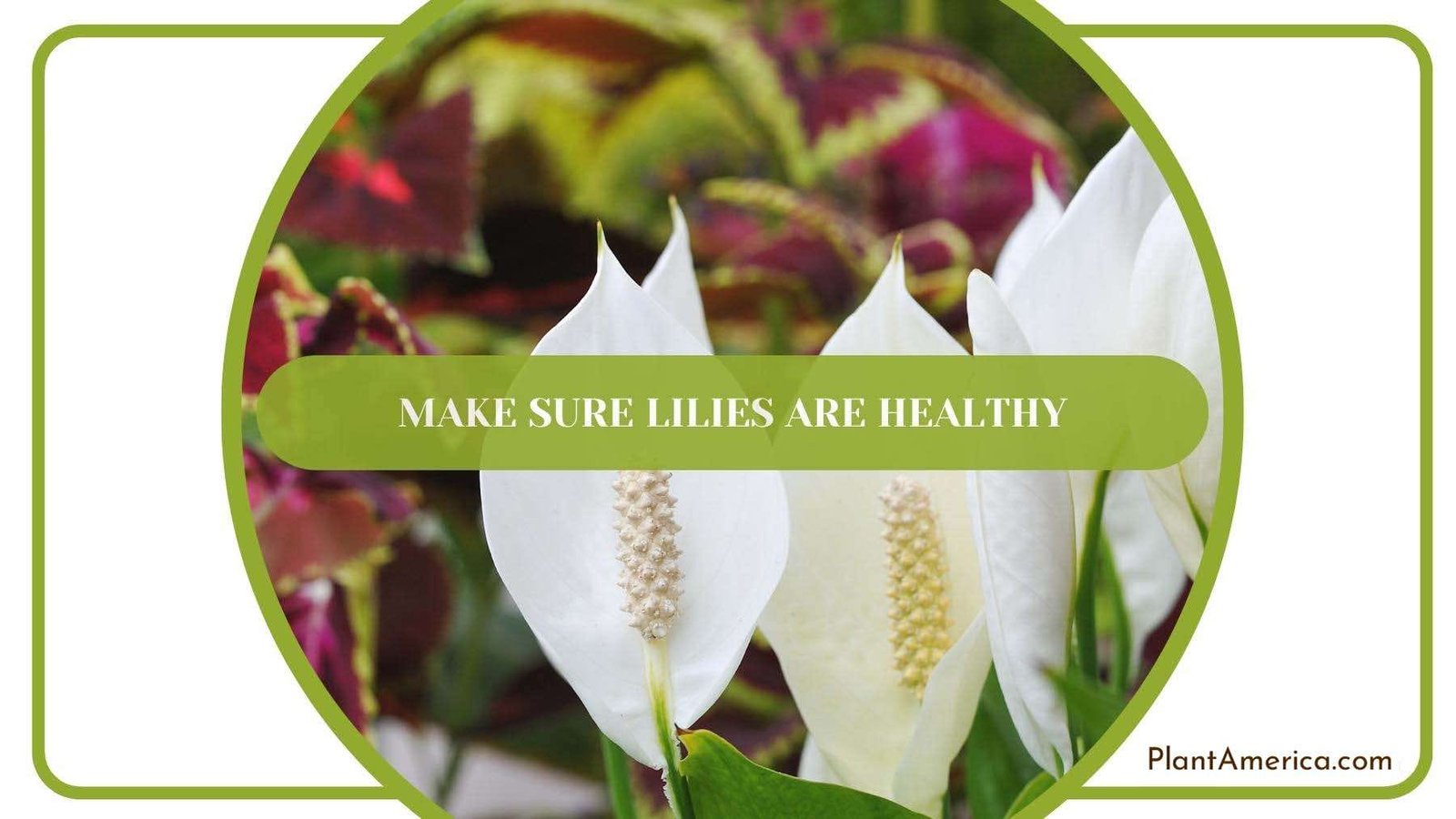
A weak peace lily attracts pests and diseases, and these can kill it. These plants don’t have enough defense mechanisms to protect themselves from infestations. They also have softer tissues, which are easy to chew by insects.
Peace-lily healthy plants can fight insect infestations and diseases before they worsen. The plants also have a high turgor pressure and hard tissues that are unattractive to aphids. You can maintain your lily health by following the plant care guide, like watering at the right time and providing enough nutrients.
If you notice your house plants’ leaves turning brown or yellow, provide the right nutrients. You should also remove your lilies from direct sunlight, which scorches them, leaving the plant with brown tips.
Another way to care for lilies is by removing weeds. These compete for water and nutrients, which make the lilies attractive to bugs. Also, ensure the nitrogen levels are right to support plant growth and protect them from bugs.
– Use Neem Oil
Neem or horticultural oil is a safe aphid prevention method for plants. The oil has an active ingredient called azadirachtin, which affects the production of essential hormones in the insect bodies and killing them.
The oil also works similarly with insecticidal soap, which kills insects by smothering them. When poured on insect bodies, these products destroy the outer coating, exposing its cell membrane and destroying the cell organelles.
Neem oil also causes suffocation in insects. It is heavy, and when sprayed on the bugs, it blocks their airways. Killing aphids is essential because it prevents plant damage and the spread of the mosaic virus that insects spread on plants.
If neem oil doesn’t work, use sticky traps. These sheets or tubes with sticky glue capture flying and crawling insects. As the aphids crawl on lily leaves and flowers, they will get stuck in the traps and die.

– Apply Pesticides
Sometimes, aphid infestation can be high, making them hard to control using water or oils. In this case, you can spray pesticides on the plants to kill the pests. These harsh chemicals kill bugs almost instantly and are suitable for commercial lily growers.
However, most gardeners avoid pesticides because some are harsh to the flowers, and others cause allergic reactions in humans. You should hire a professional to spray the pesticides on your lilies and avoid hurting your plants.
Conclusion
Aphids attack lilies because of their showy flowers, new leaves, or weak health. You could also suffer an infestation if your lilies lack the essential nutrients or have excess nitrogen and many weeds. Some ways to control aphids are by weeding and caring for the plants.
- Aphids attack peace lilies with new leaves because these have softer tissues to feed on and suck the sap from.
- Lack of nutrients and proper growth conditions for lilies can lead to aphid infestations.
- Failure to remove aphids on lilies leads to an increase in their population, causing more damage to the plants.
- You can remove aphids by picking them from the lilies or spraying pesticides.
Now that you know the causes of aphids on lilies and ways to remove them, it is time to grow healthy lilies!