
Learn how to transplant sunflowers of the Asteraceae family so that your sunflowers will grow successfully after you transplant them. Transplanting the beautiful flowers is easy as long as you stick to the necessary steps.
Don’t worry, we have prepared a step-by-step guide to help you transplant your sunflowers easily. Read this article to learn all that you need to know.
How to Transplant Sunflowers
To transplant sunflowers, wait until the appropriate time. When you see that the seedlings are ready for transplanting, water them to keep them hydrated and then remove them from their current spots. Bury them afterward with soil and then water them again. Continue caring for your sunflowers after transplanting them.
1. Select the Best Time
You have to wait for the best time or season to transplant your sunflowers. If you started your sunflowers indoors in late winter or early spring, mid-spring is the best time to transplant them. In mid-spring, the temperature will become suitable for them, so you can transfer them outside.
If you transplant your sunflowers too early, they will either grow very slowly or die within a few days. This is because the temperature is not yet ideal for them. If you transplant them too late, you may wait a little bit longer before your plants will bloom, as they didn’t start growing in a suitable environment in time. Therefore, only transplant them at the right time.
2. Gather Everything You Need
When the suitable time for your sunflowers is approaching, you have to gather some needed items. These are the items you will use to transplant your sunflowers:
- Shovels or trowels: you will use your handheld tools to dig holes that can accommodate the roots of your sunflowers.
- Water: watering sunflowers before and after transplanting them is important.
- Fertilizer: you have to feed the plants, especially if the soil is not very nutritious.
- Substrate: you need soil for sunflowers growing in the ground and potting mix or potting soil for potted sunflowers.
As you can see, you don’t need a lot of things. Just ensure that you gather everything you need first so that nothing will stop you from transplanting the sunflowers.
3. Wait Until the Seedlings Are Mature Enough
Earlier, you waited for the right time, ensuring that the environmental conditions are suitable for your sunflowers. For now, you will wait until your sunflower plants are ready for transplanting. If you start the sunflower seeds inside in late winter, they should be ready for transplanting in three to four weeks. You can tell that they are ready for transplanting when you see the true leaves.
True leaves are the new leaves that sunflowers produce after their first leaves or cotyledons. True leaves are the leaves that resemble the actual sunflower leaves while cotyledons are just baby leaves. When your seedlings have two pairs (or more) of true leaves, they are ready for transplanting. If they have just baby leaves, wait a few weeks extra.
4. Consider the Temperature Requirements of Sunflowers
Everything is almost in place, you just have to consider a few things to ensure that your sunflowers will grow successfully. The first and most important factor to consider is the temperature of the new location. Does the yard outside have suitable temperatures to grow sunflowers? If not, you cannot grow sunflowers in such a place.
Sunflowers need 60-80 degrees Fahrenheit to grow successfully. If the temperature of your yard (during the growing season) is significantly lower or higher than the sunflower’s optimal range, sunflowers cannot grow in the yard successfully. If your yard is not suitable for sunflowers because of temperature, consider growing the plants in a controlled environment such as a greenhouse.
5. Consider the Light Requirements of Sunflowers
Another important factor to consider is the light requirements of sunflowers. Sunflowers, like other plants, need light to grow, as the process of photosynthesis relies on the exposure to light. Therefore, you must ensure that you choose the right place in your yard to grow sunflowers. The plants need six to eight hours of daily sunlight.
If the spot for the plants in your yard does not have enough light exposure, try clearing out the objects that are blocking sunlight. Just ensure that the plants get as much light as they need. Remember that sunflowers need a lot of sunlight so that they can produce beautiful and healthy flowers.
6. Start Exposing the Sunflowers
Even though the new location for your sunflowers is suitable for growing the plants, it is a very good practice to introduce the plants to the place slowly. Remember that you started the sunflower seeds indoors. Starting sunflowers indoors is good but you have to prepare them for the outside world. To do this, take them outside daily.
Seven to ten days before you finally transplant the sunflowers, start taking the seedlings outside for some hours then bring them back inside. This will help them get used to the environmental conditions outside, especially light and temperature. Take them outside during the day, especially near noon.
7. Prepare the New Location
Before you transfer your sunflowers to their new location, fix the place. A sunflower grows in nutrient-rich and well-drained soil, so remember to amend the soil. If you mix compost with the soil, it can become both nutritious and aerated. Consider adding perlite and other products to the soil if you see the need.
After making the soil suitable for your sunflowers, you have to dig holes for the seedlings. You are most likely growing the seedlings in a grow tray or little cups, so dig holes that can accommodate the cups. The larger the holes, the easier you will plant your seedlings when it’s time to transfer them to the new place.
8. Prepare the Sunflower Seedlings
It is almost time to transplant the seedlings. You just have to prepare them first. Don’t worry, preparing the seedlings is simply watering and thinning them. To prevent transplant shock, water the seedlings some minutes or hours before transplanting them so that they can be hydrated. Watering them also helps soften their substrate so that you can easily remove the seedlings.
You also have to remove the unwanted seedlings and this is known as thinning. Select the best seedlings. These are the seedlings that are fast-growing and very healthy. They are also pest-free. If you grow only the best sunflowers, your sunflower garden will be a very productive one.
9. Transplant the Sunflowers
It is time to transplant your sunflowers. Carefully remove the roots of the seedlings from their current container. If you like, you can collect the substrate as well so that you don’t cut any roots. Plant the sunflowers immediately after removing them from their containers so that you don’t shock them.
If you wish to wait a little while longer before you transplant the seedlings, keep them in a cool spot so that they won’t get dehydrated quickly. However, try to cover their roots in the soil as quickly as you can. Remember to be extra careful with the seedlings so that you don’t harm any.
10. Cover and Water the Roots
Don’t fail to cover the roots of your sunflowers while transplanting them. While covering them, ensure that you eliminate all the air pockets so that the roots will have full access to the nutrients in the soil. While covering the roots with soil, pat them gently to eliminate all the air pockets.
Growing sunflowers is not complete without watering them. Water the seedlings so that their roots will start adjusting to the new environment. Watering them will also eliminate the remaining air pockets. If the soil becomes depressed after watering your sunflowers, add more soil. Also, don’t overwater your sunflowers so that you don’t harm them.
11. Fertilize the Sunflowers
Sunflower plants need nutrients to grow. To ensure that your sunflowers grow successfully, give them nitrogen-rich fertilizer occasionally. To avoid spending too much on nutrients, amend the garden soil or potting mix so that it can be nutritious. However, you still need to occasionally feed them. You can use organic or inorganic fertilizers for your sunflowers.
Note that if you fertilize your garden with organic nutrient sources such as compost and coffee grounds, the nutrients will not be instantly ready for your plants. This is because not every particle in the product has decomposed. Therefore, if you need readily available nutrients for your sunflowers, give them inorganic nutrients or well-rotted manure.
12. Mulch and After Care
Your sunflowers may need standing support, especially if you did not bury them deep in the soil. You can use a wooden or any type of stake to support the plants so that they can stand upright. Sunflowers that are growing also need mulch for their roots. Mulch them so that you can protect their roots from fluctuating temperatures, weeds, pests, and other foreign objects.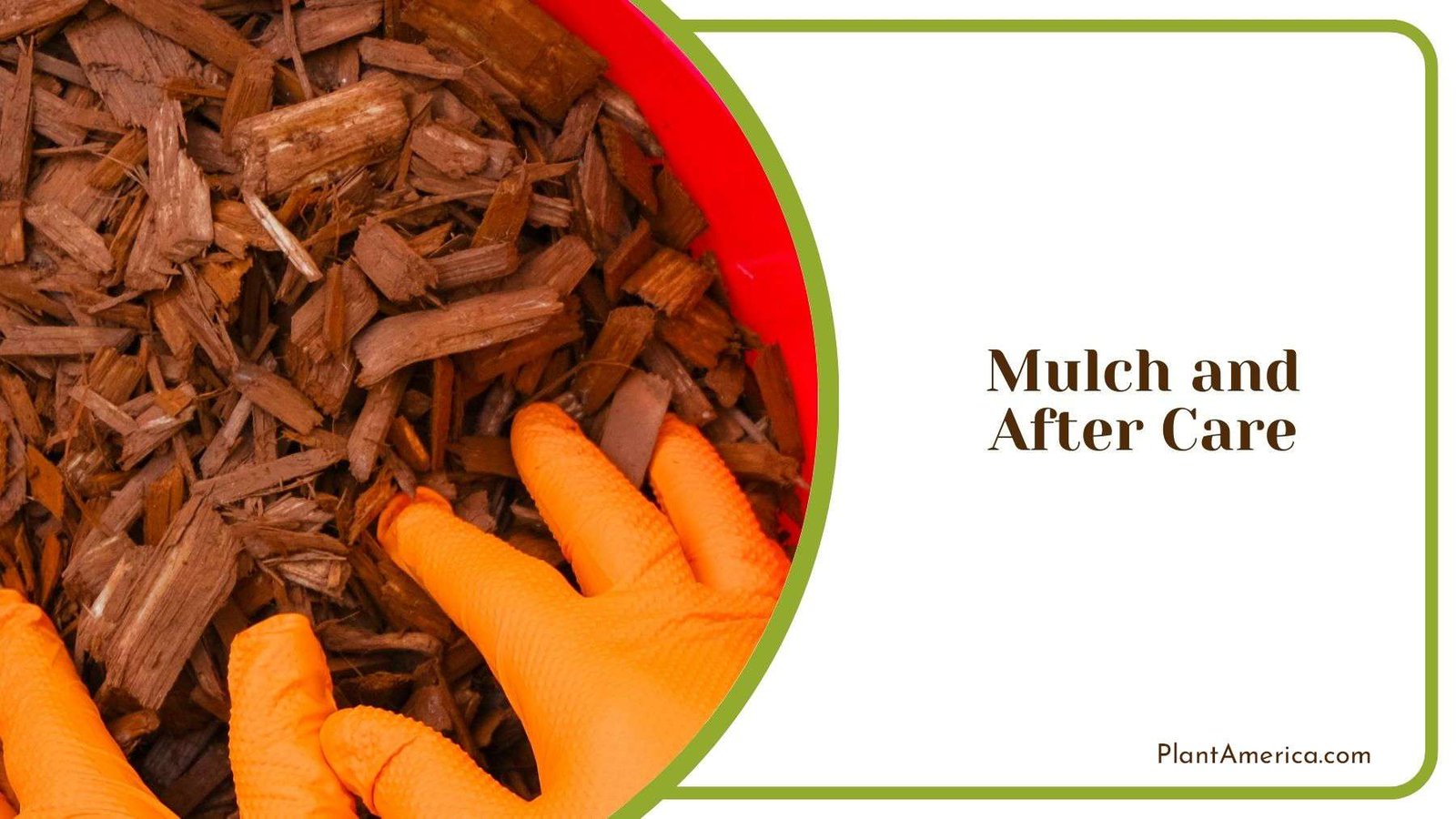
You also have to continually pay attention to your sunflowers. Ensure that you prevent pests from reaching your plants. Also, remove weeds as you see them. While paying attention to your sunflowers, search for problems (if any) and fix them immediately. With this, you will help your plants grow successfully and safely.
Frequently Asked Questions
– What Should You Consider Before Transplanting Sunflowers?
Before transplanting sunflowers, you should consider how mature the seedlings are, as transplanting them too early can lead to their loss. Also, consider the temperature and light exposure of the new location so that the seedlings will grow safely in a suitable environment.
– How Can You Prevent Sunflower Transplant Shock?
You can prevent sunflower transplant shock by watering the plants before and after transplanting them, transplanting them in the right season and at the right time, staying extra careful with their roots, and planting them quickly after removing them from the soil. Try to be gentle when transplanting your sunflowers.
– Can You Transplant Mature and Blooming Sunflowers?
You can transplant mature and blooming sunflowers if you like. However, note that when you transplant large sunflowers, they might lose their flowers, especially if there’s a difference in any growing condition like light, temperature, and nutrients in their old and new environment. Also, losing roots is stressful for sunflowers.
– What Sunflower Transplanting Mistake Should You Avoid?
Some sunflower transplanting mistakes that you should avoid are damaging the seedling roots while digging them out, using unsterilized tools, not protecting yourself with gloves, and exposing the roots of your seedlings for too long. These mistakes can lead to the loss of your sunflowers.
Conclusion
Surely, planting sunflowers and moving them to a new place will be a super easy activity for you after reading this article. While you prepare to get started, here are a few tips that you should remember:
- To transplant your sunflowers successfully, wait until the seedlings are mature enough.
- You can tell that the seedlings are mature enough when you see them growing two or more sets of true leaves.
- Grow sunflowers in suitable locations. Consider their needs such as temperature, light, and substrate.
- Ensure that you keep the roots safe. Try to save as many roots as you can.
- Water and fertilize your seedlings after transplanting them.
What are you waiting for? Transplant sunflower seedlings into your yard right away.