
Homeowners prefer to get rid of frogs in their garden areas due to many reasons. While frogs can be beneficial animals to have around, but, as they increase, the situation gets problematic.
Instead of being beneficial animals in our gardens, frogs and toads can take over areas, in addition, to attracting predators, and turning gardens into battlefields.
Luckily, keep reading as we have compiled all things you need to know about how to keep frogs away, get rid of toads, and keep frogs out of yard areas for good.
How To Get Rid of Frogs
Getting rid of frogs and toads can be a bit tricky especially when your aim is to do it as humanely as possible. Many frog species are protected by state or federal laws and cannot be moved or harmed.
Here are the steps and techniques you’ll need to get rid of frogs using the most humane and environmentally friendly ways possible:
– Determine The Reason For Their Presence
The most common attractants for frogs and toads in properties are the presence of water and insects. These two factors can ensure that frogs can live and reproduce in the area. Pools, fountains, or areas and containers that often store water can become ideal breeding grounds for frogs and toads.
– Remove Amphibian Attractants From Your Home
Make sure to drain or cover all water features in your property such as pools and fountains. For areas that are sunken and encourage water pooling, you can even fill in the area with soil. Keep grasses and plants neatly trimmed to eliminate any possible hiding places for frogs and toads.
Pet food left outside can be a source of attraction not just to frogs and toads, but to other wildlife as well. Pet food has been designed to appeal to animals and gives off a strong enticing scent. This is because you will be better off feeding your pet inside your house, or hiding their outdoor dishes inside once your pet has finished eating.
– Eliminate Sources Of Food
Reduce or eliminate all possible sources of food that attract frogs and toads. Clean your garden well to ensure that insects do not hide in secluded areas. Mosquitoes, flies, crickets, and other insects will be less prone to stay in areas where they cannot hide or reproduce.
At night, turn off any outdoor lights that attract nocturnal insects which are prime food sources for frogs and toads.
You can even use insect repellents to keep insects away, depriving frogs and toads of their meals, additionally note that some insect repellents can be in the form of sprays or plants with insect-repelling qualities.
Combining these methods with keeping your garden clean, your garbage bins covered, and eliminating stagnant water sources, you can easily control the insect population in your property.
– Catch Them if You Can
Given that you’ve identified the frog population as being harmless and not endangered, you can now opt to catch them if you are not too squeamish about the task. If you are hesitant about capturing them and releasing them somewhere else we’ve got some ideas for you to think about.
You can use a long-handled net to capture frogs and toads in your area. Some people prefer to use a long-handled gig pole. When capturing frogs and toads, be sure to wear protective clothing as some people are allergic to frogs and toads.
The best time to capture frogs and toads is at night. Shining a light in their eyes can make them stop and freeze in their tracks. When the frogs and toads stop moving, they can be more easily captured.
Place the captured amphibians in a container that can keep them from escaping. You can even add ice to the container to force the frogs and toads into hibernation. You can then relocate these frogs and toads somewhere else far from your property.
– Employ Frog Repellents
Frog repellent mixtures are quick solutions to get frogs out of your yard. While these frog repellents can successfully repel frogs and toads, sometimes they leave your soil ecosystem in a bad shape. We’ve listed some natural alternatives that can help repel frogs and toads.
– Coffee Grounds
Sprinkling coffee grounds on your property can help lessen the presence of frogs and toads. The acidic nature of the coffee grounds affects the pH level of the soil, making the ground uncomfortably for sensitive amphibian feet. You’ll need to make sure that when you place coffee grounds on your property, your plants can tolerate acidic soils.
– Saltwater
Spraying saltwater on your walkways and gardens discourage the presence of frogs, toads, and slugs. The salt can act as a dehydrating agent upon contact with the tender skins of amphibians and slugs.
When they are exposed to salt, these garden critters tend to move away immediately due to the stinging sensation.
You may have to face the possibility that frequent spraying of saltwater can cause salt accumulation in your soil. Excess salt can render even the most healthful soil inhospitable to plants.
– Vinegar
Equal parts of vinegar and water have been found to have some levels of success when it comes to getting rid of frogs in yard areas. The acidic quality of the vinegar can hurt the sensitive skin of the frogs and toads, discouraging them from venturing even nearer to your property.
In this case, some extra care has to be exercised when using this technique to ensure that the vinegar solution does not harm plants, pets, or other wildlife in the nearby areas for safety purposes and to make sure no damages will be caused.
– Citric Acid in Water
There has been some reported success in using citric acid mixed with water. Citric acid is the chemical compound in citrus foods that give them their sour and tart taste. As citric acid can be found sold commercially in many physical stores as well as online.
Additionally, citric acid in water sprayed on frogs and toads has been found to deter many of them, although further studies need to be conducted to fully explain this method.
– Bleach
Bleach has been alleged to help repel frogs and toads from yards, gardens, and other outdoor spaces. By using a diluted solution of bleach and water, some homeowners found that the strong pungent scent of the bleach was able to deter frogs and toads.
It is crucial that care be exercised when using this method, as bleach might affect your plants, pets, and other materials on your property that may be affected by bleach.
– Snake Repellents
Snake repellents have been known to work on frogs and toads, although the exact explanation still has to be fully determined. The snake repellents won’t harm the frogs or toads but rather discourage them from settling in your property.
Do not use mothballs as frog repellents. While they can help deter frogs and toads from entering your property, mothballs do more harm than good. Their chemical formulation is not suited for exposed areas, and using mothballs other than their intended use is illegal in many regions.
– Put up Physical Barriers
Putting up barriers around your garden can be ideal, except that doing so may be costly and require frequent maintenance.
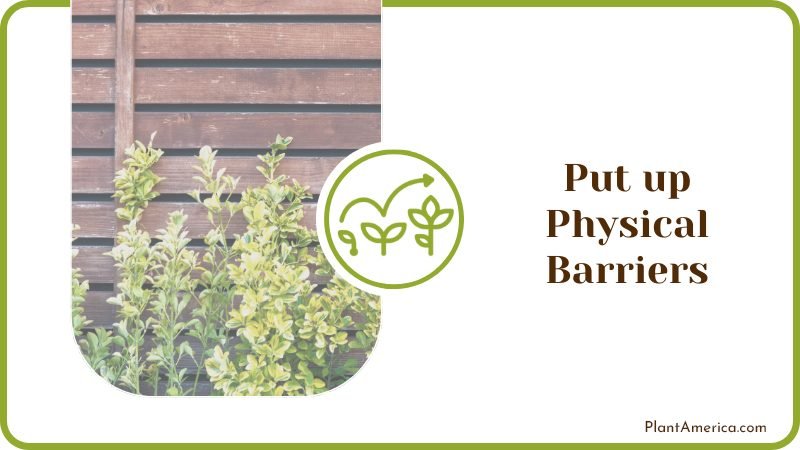
Frogs can jump, and toads can be known to slip past fences, so a tall physical barrier with small holes can be the most practical solution out there. To lessen your work and your costs, you can place your barriers around pools, fountains, and other water features instead.
– Obstruct Their Reproduction Cycle
When you spot frog and toad eggs in water, you can simply scoop them out with a net and leave them out to dry. You can even use the same technique when you see tadpoles in the water. By doing this, you interrupt their whole reproductive process and lessen their population on your property.