
How to transplant switchgrass (Panicum virgatum) is important knowledge if you intend to fill your yard with grasses. These grasses may be easy to transplant, but not doing it correctly can lead to you losing your grasses.

You have to be gentle with the grasses, especially their roots when transplanting them. Read this article to learn all the needed steps for transplanting switchgrasses.
How to Transplant Switchgrasses
To transplant switchgrasses successfully, water them and then dig them out of the soil. After planting them in the new spot, cover their roots with soil and then water them deeply. So long as you continue watering and caring for them, they will grow just fine.
1. Choose the Right Time
To transplant your switch grasses, you have to wait for the appropriate time. Usually, transplanting and other gardening activities take place before the growing season commences. This will give your plants enough time to heal and adapt to their new environment before they start growing. Transplant your switchgrass in winter (late) or early spring.
The time of the day you choose to transplant your grasses also matters. If you transplant them at noon or whenever the sun is intense, the stress might be too much for your grasses. Therefore, only transplant them late in the evening or early in the morning. Just ensure that they have enough time to start adapting to the new soil before the sun fully comes out.
2. Gather Your Needed Materials
To transplant your ornamental grasses, you need a few items. The items that you need are:

- Shovels: to dig holes. Also, you will use shovels to remove your grasses from their current location.
- Gloves: to keep your hands safe. Also, wear boots and other safety clothing.
- Water: you have to water the plants before and after transplanting them to keep them hydrated.
- Fertilizer: every plant needs nutrients to grow. Fertilize your grasses if the soil isn’t nutritious.
- Disinfectant: don’t use dirty tools for your grasses. Clean them first.
- Knife: in case you want to divide your grasses for propagation.
- Compost: to add nutrients to the soil as well as correct its properties.
Have you gathered everything you need? It’s time to start the transplanting process.
3. Check the Temperature of the New Spot
To transplant your ornamental grass so that it will grow successfully, you have to check certain things. The first and most important growth condition to check is the temperature. Temperature is important, as it regulates almost every process of growth in plants. Switchgrass plants need 60-90 degrees Fahrenheit for optimal growth.
If the temperature in the new location is significantly different from the optimal range for switchgrasses, the grasses will get stunted growth. Therefore, only transplant your grasses to a place that is suitable for them. You can consider growing them under shade if the new location gets too hot during the day.
4. Check the Light Exposure of the New Spot
Another growing condition you must consider for your switch grass is the exposure to light in the new location. The grasses will grow just fine if they get four to six hours of direct daily light. If the new spot for your grasses does not have enough light exposure, you have to remove all the shade to bring in more light.

One awesome way to help your grasses so that they can grow without stress after you transplant them is by planting them exactly the way they were in their old location. This means that you should plant the grasses so that the front-facing blades or parts continue to face the front. This will help your grasses to receive light just the way they received light in the previous spot.
5. Prepare the New Spot
Before you bring the grasses to their new spot, you have to prepare the place first. To prepare the soil for your grasses, add compost to make it more nutritious and well-drained. If there are weeds and debris present, clear them so that the place becomes neat. A few hours before you bring the grasses, water the soil so that the grasses will not grow in dry soil.
You also have to dig holes for your grass. The holes don’t need to be too large, as the grass roots will do just fine in small holes. Dig as many holes for the grasses that you want to transplant.
If you want to grow the switches in pots, ensure that the pot and potting mix is well-drained. Remember to make holes in the pots so that excess water can leave quickly.
6. Prepare Your Switchgrasses for Transplanting
You also have to prepare your grasses for transplanting. If there are dead or dying blades, remove them. Also, now is the time to start searching for the best grass that you’d love to transplant. Select the ones that are healthy and fast-growing so that the grasses in the new location will grow quickly.
Water the grasses deeply. This will keep them hydrated throughout the entire transplanting process. Watering the grasses will also help loosen and soften the soil below so that you can easily pull the grasses when it’s time to transplant them. Water the grasses for at most 12 hours before digging them out of the soil.
7. Dig Out the Switchgrasses
It is time to start digging out the grass. If the soil is soft or loose, you can easily pull the grasses from their base to remove them from the soil. However, remember to be extra careful with the roots. If you lose the roots, you will lose the plants. The more roots you can collect with the plants that you oil, the vet for you.

Collect as many grasses as you want. If you have a lot of grass growing, just dig out a patch and separate it later. Don’t worry, the grasses will grow and cover the empty patch when the active season of growth starts.
8. Divide the Grasses
After collecting your switchgrasses, divide them. You can divide the grass into as many parts as you want so long as each part has roots. Using your knife, divide the grasses from their base. Remember to be careful with the roots so that you don’t harm them. Also, remember to wear gloves for your safety.
After dividing your switchgrass varieties, wait a few hours before you move on to the next step. The fresh cuts need to dry out before you plant your grasses. If you plant grasses with fresh cuts, you may expose them to harmful microbes in the soil and you don’t want that.
9. Plant the Grasses
After collecting and dividing your grasses and ensuring that their fresh cuts are dry, it is time to plant them. Plant the switchgrasses in the little holes that you made earlier. If you did not dig any holes earlier, you can place the grasses on the bare ground and then cover their roots with soil or compost. Remember to take switchgrass spacing seriously so that you can fill the entire area with grasses.

If you dug holes earlier, ensure that you fill them with soil and reduce the number of air pockets present in each hole. You can pat the ground as you add more soil to it so that there will not be any air pockets. Don’t damage the grass blades as you plant them in their new location.
10. Water the Grasses
After planting your switches in their new location, water them so that they don’t dry out. Water them deeply so that every part of their roots will get water. Using your hose or sprinkler, ensure that even the farthest grasses are hydrated. So long as the soil is well-drained, you have nothing to worry about.
A few days after transplanting your grasses, you may notice that their blades look weak. Don’t stop watering them even though they look weak. Never wait until the soil is completely dry before you water your grasses again. In a few weeks, you will see new leaves growing.
11. Fertilize the Grasses
If the soil is nutritious, you only need to occasionally fertilize your plants to keep them growing. However, if you did not add compost or nutrients to the soil before bringing the grasses, ensure that you feed them after transplanting them. Feed them with fertilizer, especially inorganic fertilizer, to make nutrients readily available for your grasses.
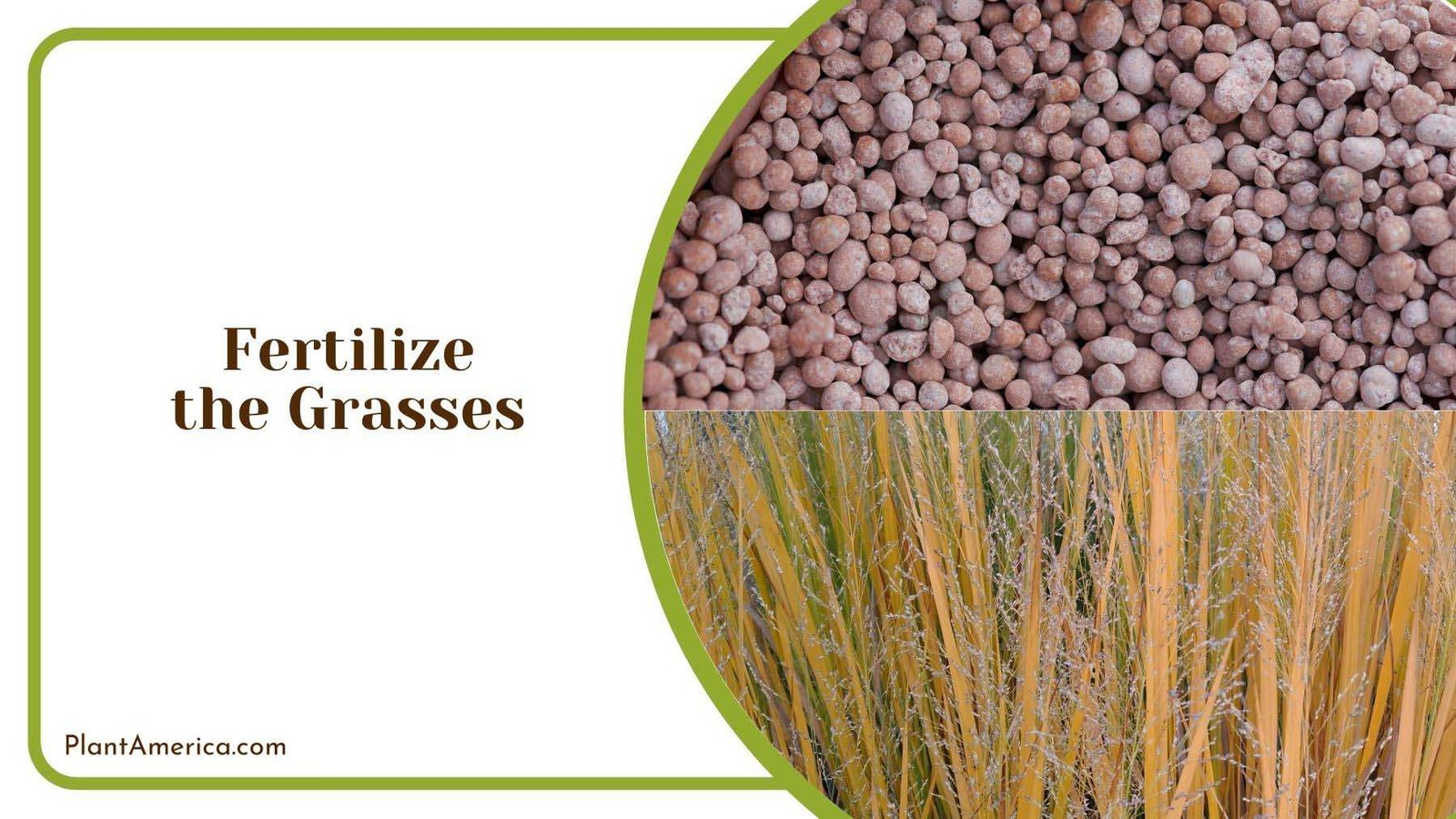
If you choose to use organic fertilizer, ensure that the nutrients are readily available. Use only well-rotted manure instead of fresh manure for your grasses. You can also use coffee grounds if you like. However, note that the nutrients will only be available for your plants in a few weeks and not immediately.
Mulch your grasses as well. Organic mulch such as wood shavings will slowly release nutrients back to the soil for your grasses. Mulch also helps to protect the roots of your grasses.
Frequently Asked Questions
– What Should You Consider Before Transplanting Swicthgrasses?
Before transplanting switchgrasses, you should consider the temperature and light exposure in the new location. Check if the growing conditions are suitable for switchgrasses. Also, consider the soil composition and structure and ensure that it is richly nutritiously and well-drained for your grasses.
– What Transplanting Mistakes Should You Avoid?
Some transplanting mistakes you should avoid are transplanting with dirty tools, damaging your grass roots, not watering the grasses before transplanting them, transplanting the grasses at the wrong time of the day or the wrong season, and not watering or feeding your grasses after transplanting them.
– How Can You Care For Transplanted Grasses?
You can care for transplanted grasses by watering and feeding them even when they are yet to show signs of growth. Other switchgrass care tips include repelling pests, removing weeds, adding compost to the soil, and trimming the grasses to make them beautiful and presentable.
– How Can You Tell That Your Transplanted Grasses Are Growing?
You can tell that your transplanted grasses are growing when you carefully reveal the roots and see new roots growing. The grass blades may not grow for some weeks, as you transplanted them in their dormant season and their roots need time to anchor well in the new location.
Conclusion
Surely, transplanting your switchgrasses will be super easy for you now, right? Before you get started, remember the following points from the article:
- Transplant the different types of switchgrasses before their active season of growth starts.
- Prepare the grasses and new location first before you start transplanting them.
- Remember to be careful with the roots so that you don’t harm your grasses.
- Consider propagating your switchgrasses while transplanting them to get more grasses.
- Don’t stop watering and caring for your grasses even when you have yet to see significant signs of growth.
You’re ready to go transplant your switchgrasses. What are you waiting for?