
How to transplant wheatgrass becomes relatively effortless when you have enough knowledge. You will need to handle the roots carefully, provide adequate moisture, and properly prepare the soil with organic matter.
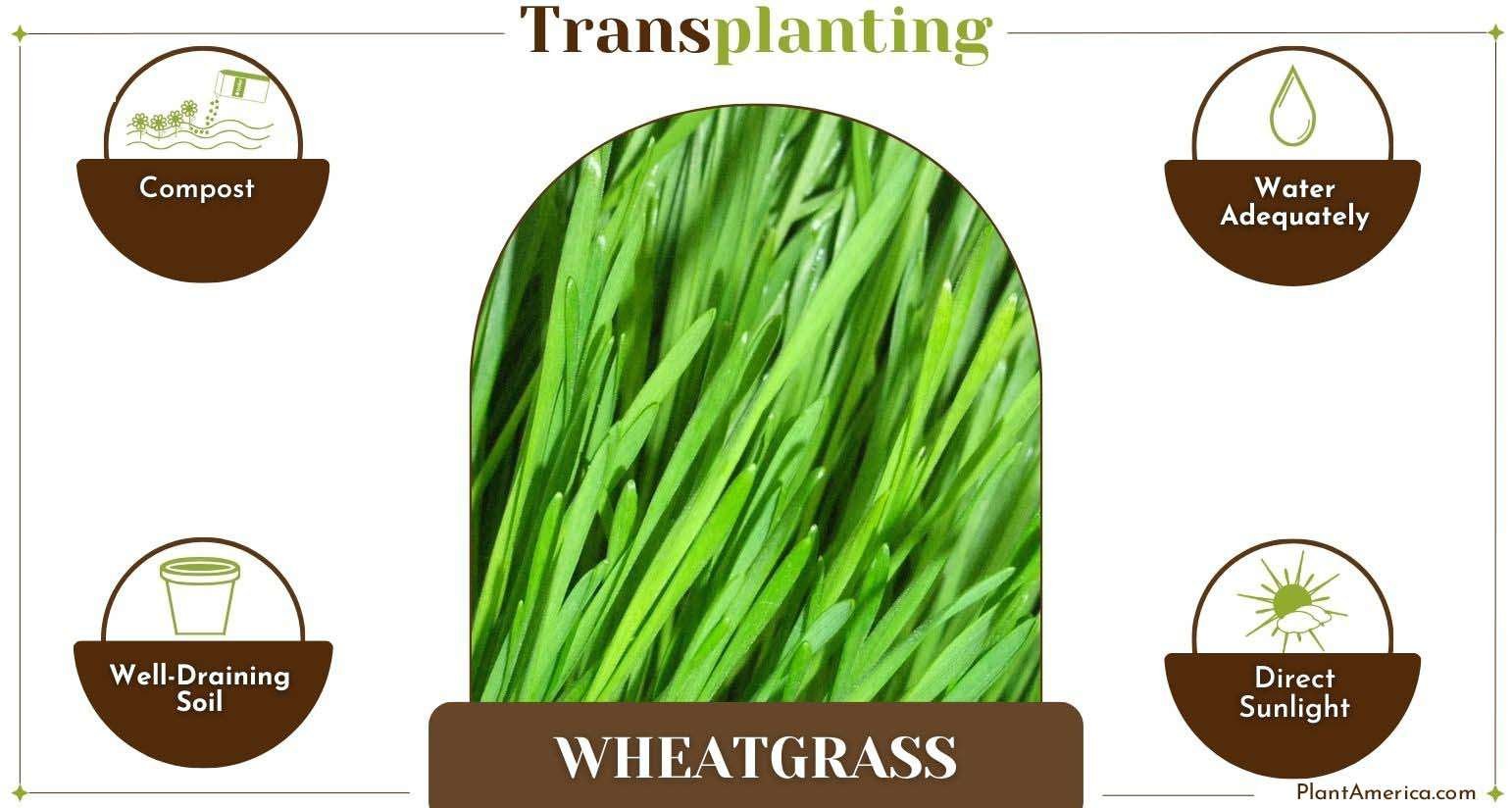
See more nuggets on how to successfully transplant wheatgrass as you go through this article.
How to Transplant Wheatgrass Successfully
To transplant wheatgrass successfully, start by preparing the transplanting area, watering the seedlings before planting, and carefully removing the plants from their previous environment. You should dig holes, replant your seedlings, and water them. Taking care of your plants is of paramount importance when you are done.
1. Prepare Your Transplanting Area
First, when selecting a container or bed, choose the one with an appropriate size. If you love containers, opt for a wide and deep one, making sure that it can accommodate the root system of the wheat grass. Ensure that the container has drainage holes and consider putting coconut coir as media. If you are preparing a garden bed, choose a suitable area that receives ample sunlight, as long as it has well-draining soil.
Remove any weeds, rocks, or debris that may interfere with the growth of the wheatgrass on the place you have chosen. This ensures that your plants have sufficient space, which helps to reduce competition for nutrients. Land preparation is crucial for providing the right growing conditions. For containers, fill them with a potting mix or a combination of soil and compost.

Make sure the new area for your plants receives ample sunlight. Choose a location that gets at least six hours of direct sunlight per day. Additionally, these plants prefer well-draining soil with a slightly acidic to neutral pH range of 6 to 7.
2. Water Before Transplanting
To water your plants in their original wheatgrass trays before transplanting, you will need a can filled with water. The original container is where your wheatgrass seeds were planted before you decided to transplant the young plants. The water you use should be at a comfortable temperature. This means that it should neither be too hot nor too cold.
Check the soil in the original container where the wheatgrass seedlings are growing. You can do this by gently sticking your finger about an inch into the soil. If it feels dry to the touch, it means the wheatgrass needs water. You should slowly pour the water into the container to avoid overwhelming your plants.
Consider focusing on watering around the base of the plants where the roots are located. You should pour the water gently and evenly to ensure it soaks into the growing medium and reaches the roots. Make sure the growing medium is saturated enough so that removing the wheatgrass seedlings becomes relatively easy.
3. Remove the Wheat Plants
Please, practice caution as you remove the growing wheatgrass from its original container. Start by turning the container upside down while supporting the base of the plants with your hand. This will assist in preventing the growing wheatgrass from falling out too quickly or getting damaged.
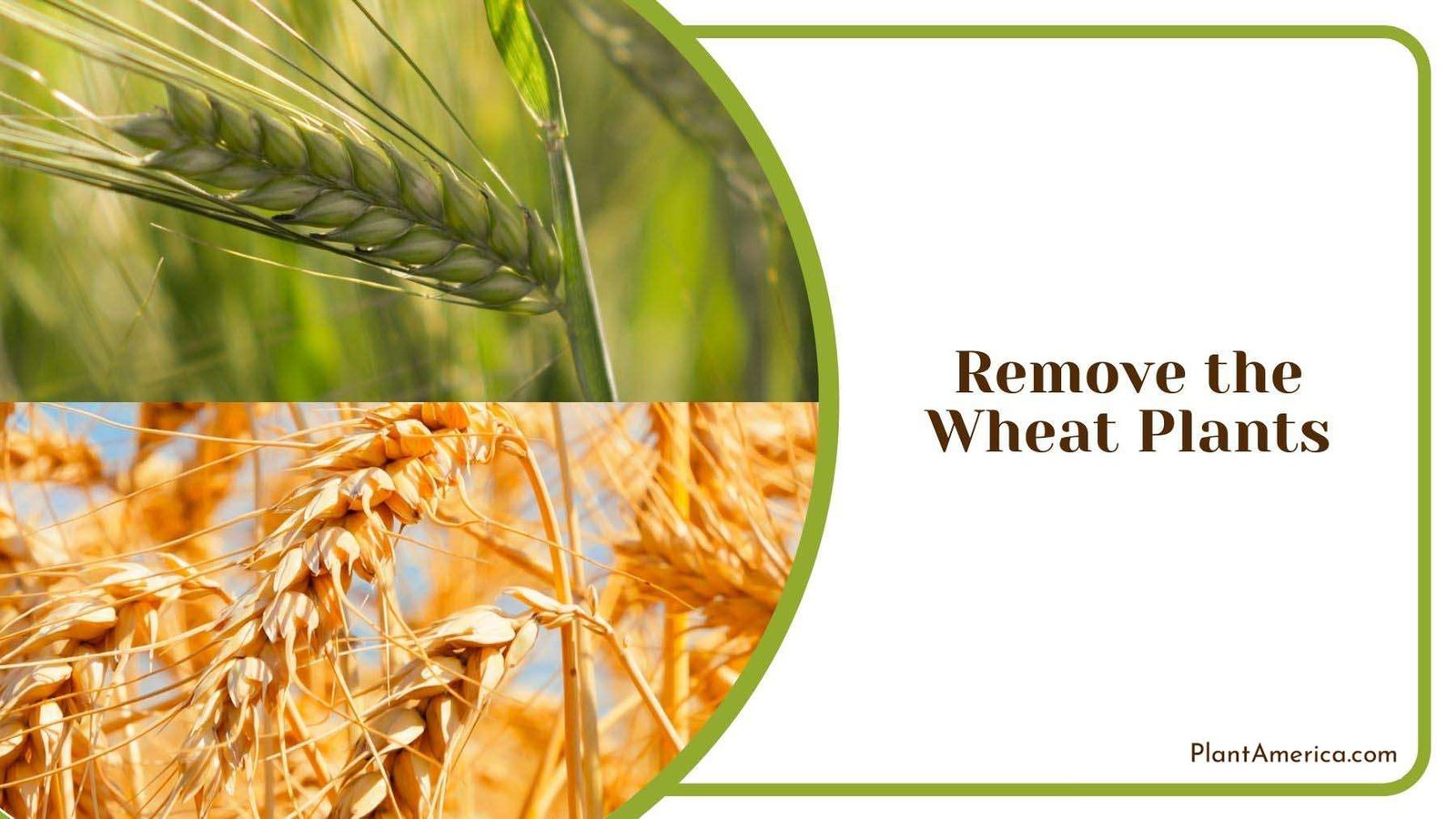
Give the container a light tap or if possible, gently squeeze the sides to loosen the root ball, which is the clump of soil and roots that holds the wheatgrass seed together. If the wheatgrass seed seems to be stuck, you can lightly loosen the edges of the root ball with your fingers.
As you remove the wheat seedlings, continue to support the base of the plants to keep them stable. You should lift the wheatgrass seeds out of the container, making sure to support the root ball so that it doesn’t fall apart. Transplanting this plant can be a delicate process, so we advise that you handle it with care.
4. Separate the Seedlings
You need to separate the plants once you have removed them from their original container. Sometimes, multiple seedlings can grow closely together in a clump. To ensure proper growth and prevent overcrowding, you should separate them.
Start by untangling the roots of the wheat seeds. Carefully examine the root system and gently separate the individual plants. You may need to use your fingers to carefully gently separate the roots, being cautious not to pull or break them. Take your time and be patient as you work through the tangled roots.
5. Dig Holes in the New Area
Once you have your transplants, you should create holes of the accurate size. The size of the holes should be slightly larger than the root ball of each plant. This will give the roots enough space to spread out and establish themselves in the new area. As a general guideline, make the holes about two to three times wide compared to the root ball.
Before digging the holes, mark their locations in the new area where you plan to transplant the wheatgrass. You can use small stakes or markers to indicate where each hole should be dug. This will help you to maintain proper spacing between the plants and ensure a uniform arrangement. The spacing between the holes will depend on the density that you desire for your wheatgrass plants.
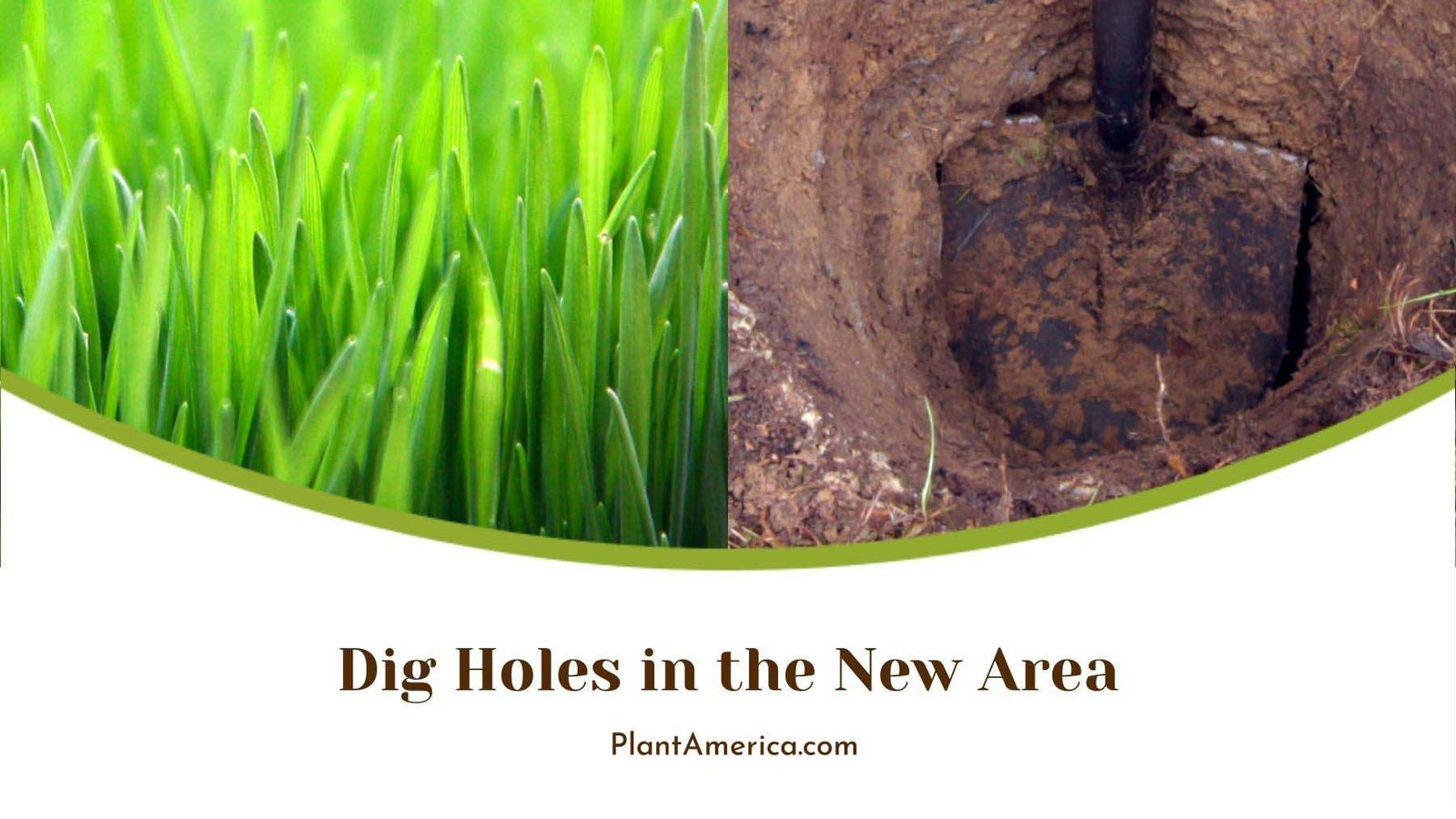
Generally, leave about two to four inches of space between each hole to allow the plants to grow and spread. Once the hole locations are marked, use a garden shovel or a hand trowel to dig the holes. Insert the shovel or trowel into the soil, slightly away from the marked spot, and push it down into the ground. Lift the tool, bringing the soil up and out of the hole.
6. Grow Wheatgrass
To grow wheatgrass, take one plant at a time and carefully place it into a separate hole. Remember to ensure that the hole is slightly larger than the root ball of the plant. Gently position the root ball in the center of the hole, making sure the plant stands upright. That is a crucial part of the procedure on how to grow wheatgrass at home.
Gently spread out the roots of the wheatgrass plant in the hole. This step helps the roots to establish and acclimatize to the new area. Using your fingers or a small gardening tool, carefully separate and arrange the roots in a natural, outward direction. This encourages the roots to grow and spread, thereby supporting the overall health and stability of the plant.
Proceed by filling the hole with soil. Gradually add more soil, using your hands or a small shovel to cover the roots and the lower part of the stem. Take care not to bury the plant too deeply by making sure that the top of the root ball is level with or slightly above the surface of the soil. While filling the hole, gently press the soil at the bottom part of the plant to secure it in place.
7. Water the Seedlings
After transferring your plants to their new home, you should water them. This will help to settle the soil around the roots and provide the moisture that is essential for the newly transplanted wheatgrass to successfully establish itself. Consider using a can or a gentle spray nozzle on a hose. Slowly and evenly pour water around the base of each plant, directing the flow towards the soil and roots.
Ensure that the water reaches the root zone by watering until the soil feels moist but not waterlogged. This may require watering for a few minutes and allowing the water to penetrate the soil deeply. Regularly check the moisture level of the soil over the following days after transplanting.
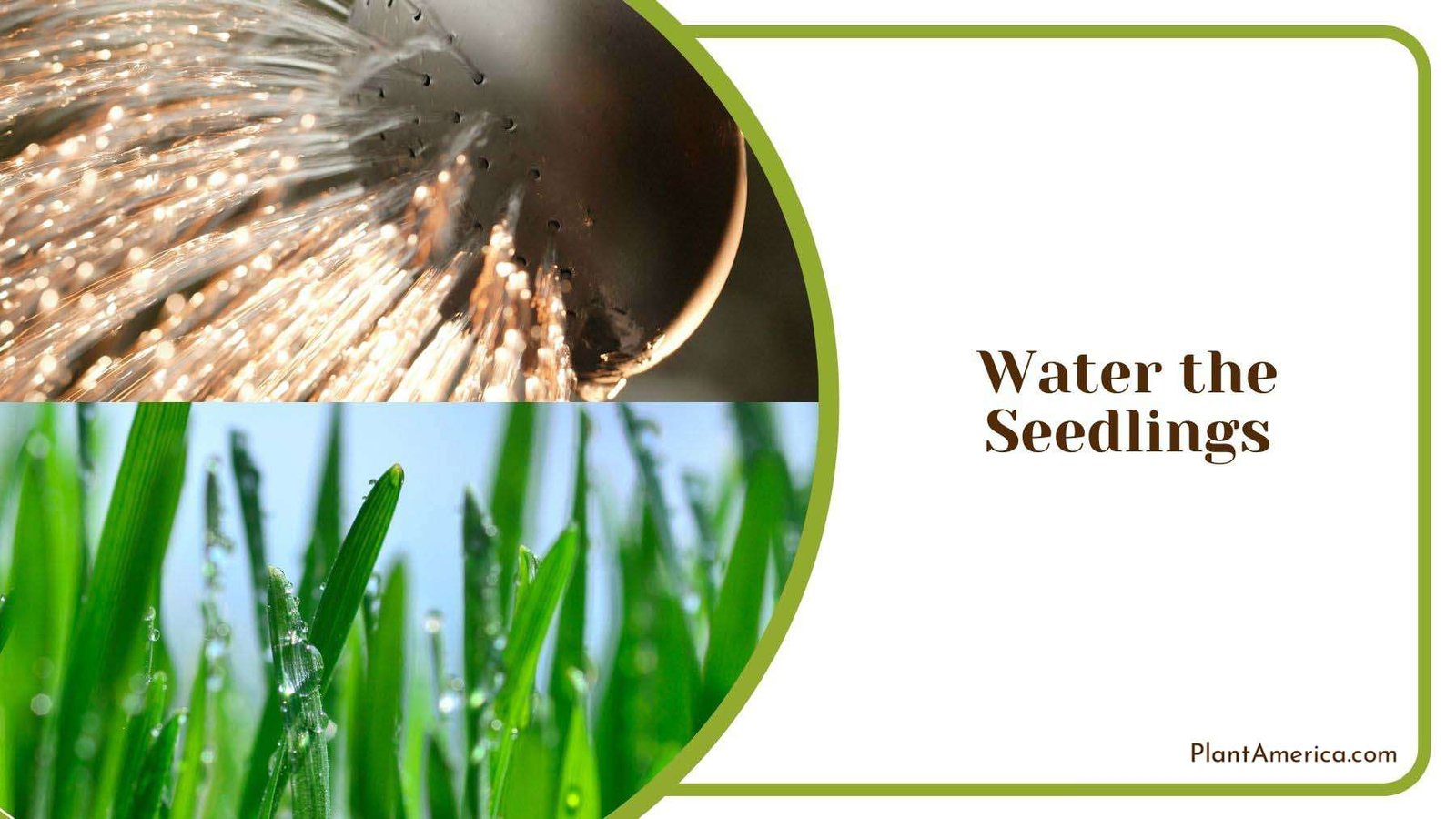
When you see that the soil feels dry to the touch, this shows that the plants need a drink. Adjust the watering frequency based on the environmental conditions and the specific needs of the wheat seedlings. By providing adequate water to the transplanted seedlings, you give them the best chance to establish themselves and thrive in their new location.
8. Gradually Increases Sunlight Exposure
When transplanting seedlings that were previously grown indoors or in a shaded area, you will need to introduce them to increased sunlight in a gradual manner. Sudden exposure to intense sunlight can shock your plants and lead to stress or damage. Begin by placing the newly transplanted wheatgrass in a location that receives partial sunlight or dappled shade.
Consider leaving the seedlings in this partially sunny spot for a few hours each day and gradually increase the exposure time over the course of several days. As the days progress, closely monitor the wheat seedlings to see if they are stressed out. Check out for yellowing leaves or any other indications that the plants might be struggling with the increased sunlight.
If you notice any adverse effects, move the wheatgrass back to a slightly shadier spot and continue the gradual acclimation process until the plants adjust. It is essential to be patient and attentive during this period so that the wheatgrass adapts smoothly to the new light conditions.
9. Monitor Wheat Seedlings
You are advised to keep an eye out for weeds that may compete with the wheatgrass for nutrients and resources. Regularly inspect the planting area and remove any weeds that may emerge. Be careful when weeding to avoid disturbing the wheatgrass roots. That is how to keep wheatgrass growing.
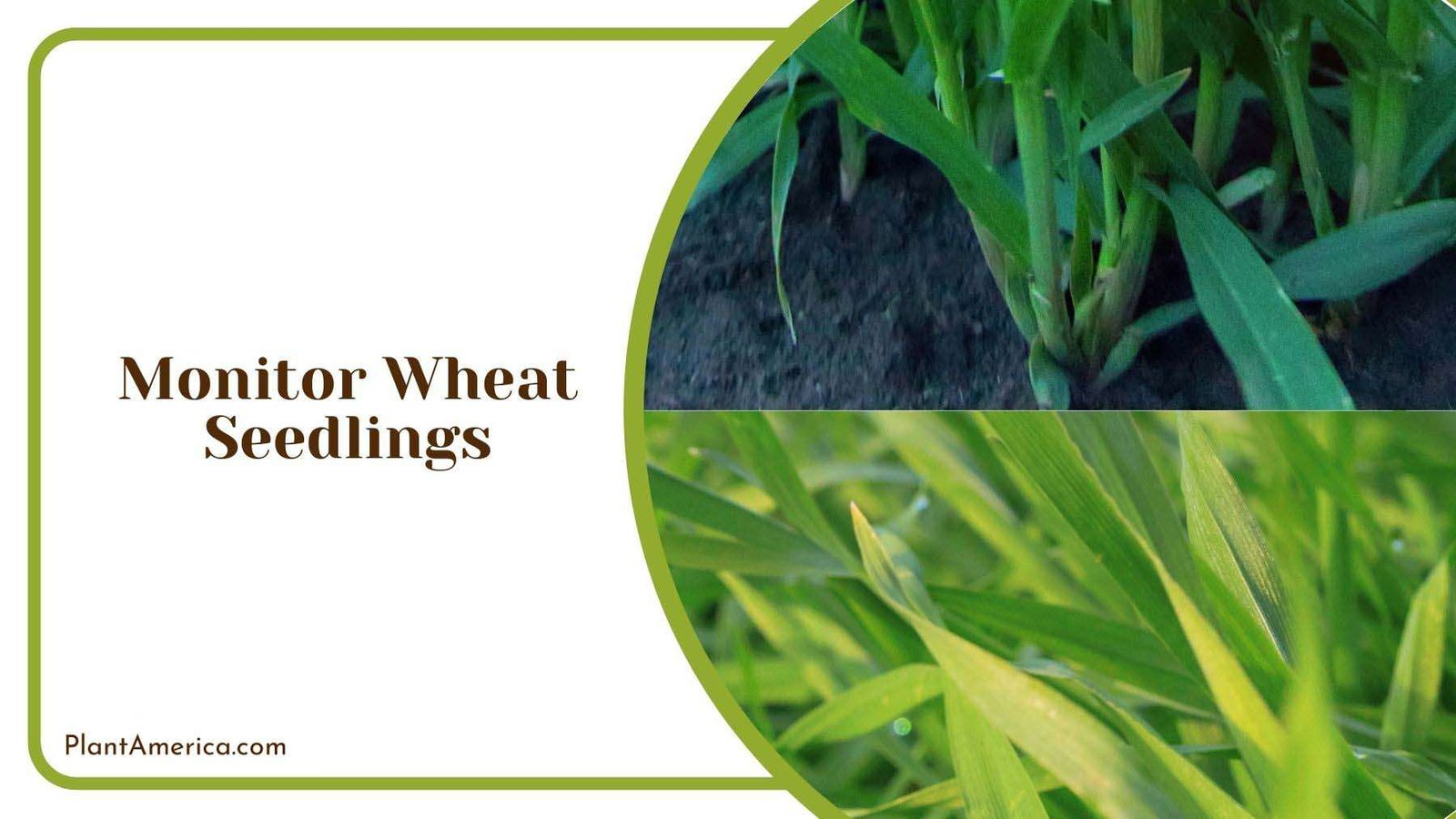
For nutrition, consider using organic fertilizers, especially those that are formulated for grasses. Look for directions on the packaging of the fertilizer for proper application and frequency. Applying a thin layer of compost around the base of the wheatgrass can also provide a slow-release source of nutrients. You can also use a plastic wrap to cover the seedlings, thereby providing a greenhouse-controlled environment.
For you to protect beneficial insects, opt for organic pest control methods whenever possible. As your wheatgrass seedlings mature, you can begin trimming and harvesting them for enjoyment. Wait until they reach a height of around six to eight inches, and then use sharp scissors or a clean knife to trim right above the soil surface.
Frequently Asked Questions
– How Can You Grow Wheatgrass Without Soil?
You can grow wheatgrass without soil when you use hydroponics. All you need to do is soak the seeds, transfer them to a hydroponic tray, and provide adequate light, nutrient-rich water. You can harvest when the wheatgrass reaches six to eight inches in height.
Remember to clean the system between cycles for successful soil-free wheatgrass growth.
– Does Wheatgrass Spread?
No, wheatgrass does not spread. The grass is typically grown from seeds, and it forms dense clumps rather than spreading through rhizomes or stolons. Each wheatgrass plant grows independently from the seeds planted, and it does not naturally send out runners or spread to new areas on its own.
– What are the Benefits Associated With the Wheatgrass Plant?
One of the benefits associated with the wheatgrass plant is that it provides essential nutrients like vitamins A, E, and C. Wheatgrass also supports detoxification, boosts the immune system, enhances energy, aids digestion, reduces inflammation, and promotes skin health and vitality.
Conclusion
Become a transplant expert for the wheatgrass using these steps. Before you go, here is a quick review of the key points for transplanting your seedlings!
- You will need to handle wheat seedlings’ roots with care to prevent damage during the transplanting procedure for successful growth and establishment.
- Keep the soil consistently moist, but don’t go overboard with watering to maintain optimal moisture levels.
- Ensure the wheat grass receives ample sunlight by placing it in a sunny location for at least six to eight hours daily.
- Provide balanced nutrition through organic fertilizers or compost to promote healthy growth.
- Wait until the wheatgrass reaches a height of six to eight inches before trimming it.
With these guidelines in your gardening arsenal, you will be all set to transplant wheat seedlings like a pro and watch your garden thrive. Enjoy the rewarding journey!