
Mealybugs on autumn ferns of the Dryopteridaceae family are unsightly creatures that can potentially wreak havoc among other plants in your garden.

Fortunately, we have the answers as to why they’re there in the first place and how to get rid of them!
Why Do Mealybugs Infest Autumn Ferns?
Mealybugs infest Autumn ferns due to their favorable habitat created by dense foliage and moist conditions. This is coupled with the lack of natural predators, plant nutrient availability, plant stress vulnerability, ease of propagation, and potential transportation through various means.

– Ideal Habitat
Autumn fern plants, with their dense and intricate foliage, offer shelter and protection for mealybugs, allowing them to hide and reproduce effectively. The damp and humid setting often linked to fern growth creates an ideal situation for these common pests to flourish.
The leaf structure not only provides shelter but also keeps moisture intact, crucial for their survival. However, mealybugs living in an autumn fern in winter might be less active during the winter months. Regular monitoring is important regardless of the season.
Just know that mealybugs can infest potted ferns in containers. Indoor plants can still be susceptible to mealybug infestations, especially if they are introduced from outdoor sources or if conditions like high humidity are favorable.
– Plant Nutrients
Mealybugs are present on ferns as they extract plant sap, rich in nutrients, for sustenance. By tapping into the vascular system of the ferns, these pests access essential carbohydrates and amino acids, facilitating their growth and reproductive cycles.
This way of feeding makes the ferns weak, causing stunted growth, yellow leaves, and less overall strength. The nutrients in the ferns also help mealybugs thrive, letting them stick around and potentially causing infestations.
– Lack of Natural Predators
Mealybugs showing up on ferns often happens when their usual predators like ladybugs, parasitic wasps, and certain beetles are nowhere to be found in enough numbers. Without these helpful predators around, mealybugs can easily take over.
They reproduce a lot and spread quickly without anything to stop them. This is why you end up with those annoying infestations on your ferns.
– Environmental Stress
Environmental stress significantly contributes to the presence of mealybugs on autumn fern plants. When ferns face less-than-ideal situations like not getting enough light, not getting the right amount of water, or dealing with extreme temperatures, their built-in defense system can take a hit.
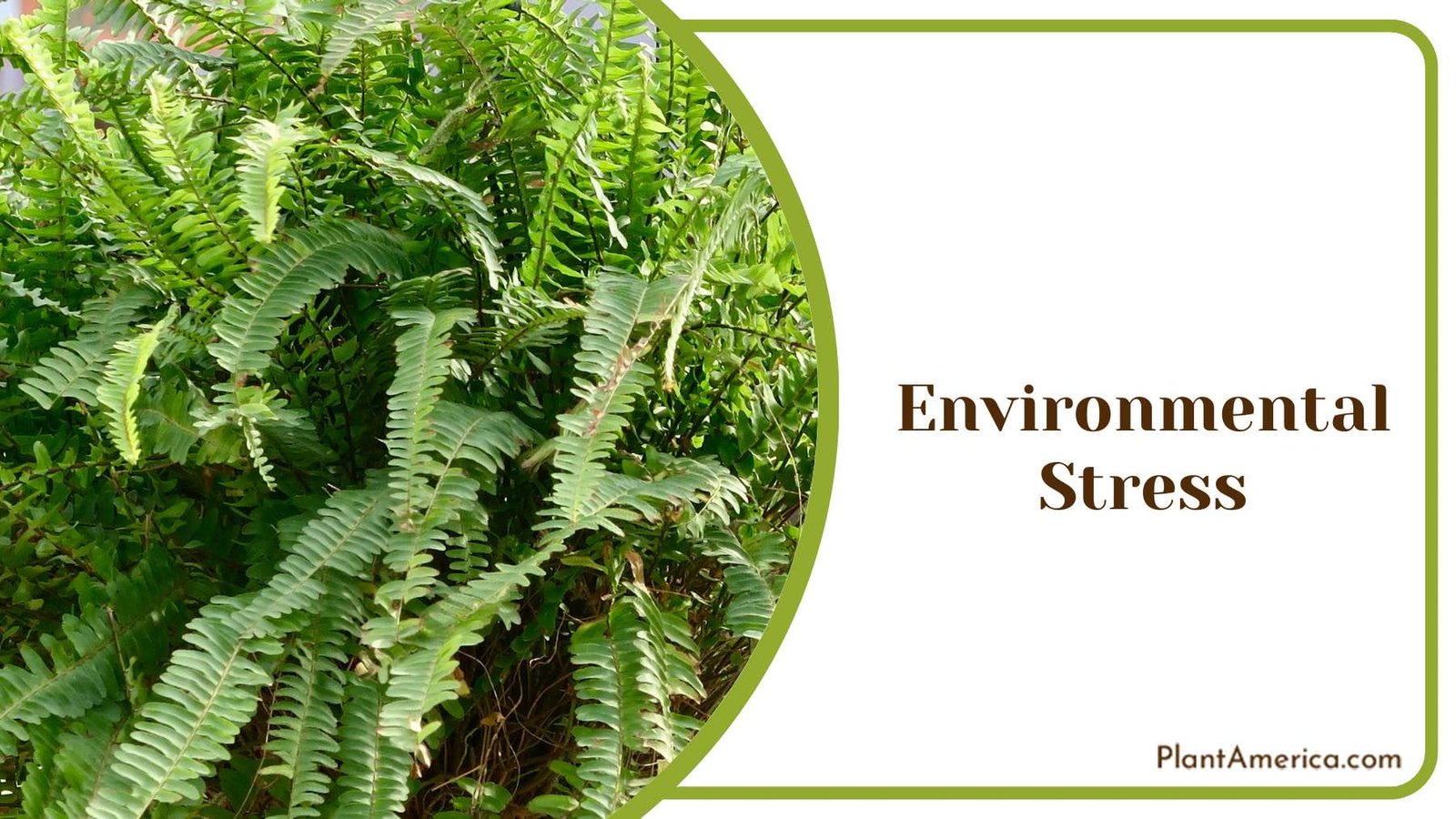
This weakened state makes ferns an easier target for those pesky mealybugs. These bugs find it easier to settle in and cause trouble because the ferns can’t fight them off like they normally would. When ferns are stressed, they can’t put up a good defense, giving mealybugs the chance to chow down and multiply without much resistance.
– Propagation
Propagation plays a pivotal role in the presence of mealybugs on ferns. These pests are adept at reproducing rapidly, with females laying numerous eggs in hidden crevices and on the plant’s surface.
As the eggs hatch, young mealybugs can quickly disperse, infesting nearby ferns and creating new colonies. Their ability to reproduce and spread easily contributes to the persistence of mealybug infestations on these ferns, exacerbating the challenge of managing these pests effectively.
– Transportation
Mealybugs can be inadvertently transported to ferns through multiple avenues. Wind can carry these pests over short distances, while human activities like gardening, plant handling, or movement of infested materials can introduce them to new areas. Mealybugs can hitch a ride on plants, tools, or gear, and even catch a lift with pets or wildlife.
These sneaky bugs are quite the travelers, and they stick to surfaces easily. This means they can quickly move around and hop onto ferns, starting up new infestations. So, keeping an eye out for infested plants and being cautious with your garden visitors can go a long way in stopping their unwanted journey.
How To Prevent Mealybugs on Autumn Ferns
Prevent mealybugs on Autumn ferns by inspecting and isolating new plants, maintaining cleanliness, promoting plant health, fostering natural predators, pruning infested areas, manually removing bugs, managing soil drainage, and using neem oil or soap spray as needed. Combining these methods will eradicate and prevent mealybugs.

– Inspect New Plants
When bringing new plants into your garden, it’s essential to thoroughly inspect them for any signs of mealybug infestations. Examine both the upper and lower surfaces of leaves, stems, and the plant’s overall condition. Search for white cottony clumps, small crawling bugs, or sticky residue, as these are usual signs of mealybugs.
Check carefully in plant nooks and joints where these pests commonly lurk. If you notice any possible indications, think about keeping the new plant separate for a while, observing it closely before adding it to your current garden. Regularly inspecting new additions aids in avoiding mealybug infestations and protecting the well-being of your ferns and other plants.
– Isolate New Plants
To prevent mealybug infestations on autumn fern plants, it’s important to isolate new plants before incorporating them into your garden. This practice involves placing the newly acquired plants in a separate area from your existing vegetation.
While you’re in isolation mode, keep a close eye on those solo plants for any mealybugs or pests. This step helps catch and tackle any possible bug issues before they hitch a ride to your existing fern gang. Once you’re sure the newcomers are bug-free, it’s all good to let them join the garden party.
– Maintain Cleanliness
Maintaining cleanliness in your garden environment is essential to prevent mealybug infestations on your ferns. Make sure to clean your gardening gear regularly for those sneaky mealybugs. Check under leaves, stems, and nooks for any unwanted pests.
Toss out debris and fallen leaves, perfect hiding spots for mealybugs. Keep fern surroundings clear from weeds and dead plant bits – they’re cozy homes for these pests. A clean garden is key to protecting your ferns from mealybug troubles.
– Promote Plant Health
Maintaining the health of your autumn fern plants is a fundamental aspect of preventing mealybug infestations. Start by planting them in well-draining soil to prevent waterlogging, which attracts pests. Adequate sunlight boosts fern health and resilience. Water consistently, letting the soil slightly dry between watering to avoid weakening due to excessive moisture.

Use balanced, slow-release fertilizer for regular feeding, enhancing natural defenses. Check leaves for stress, discoloration, or wilting, addressing problems promptly. Strong plants discourage mealybugs and improve resistance. Cultivate a robust environment to deter infestations and nurture thriving ferns.
– Natural Predators
Natural predators play a significant role in managing mealybug populations on autumn fern plants. These beneficial insects include ladybugs, lacewings, and parasitic wasps, which feed on mealybugs at various life stages.
Ladybugs, or lady beetles, are amazing at eating up tons of mealybugs and their eggs. Lacewings, with their delicate wings, are real mealybug enemies, with both grown-ups and their little ones munching on these pests. Parasitic wasps play their part too, quietly laying eggs inside mealybugs, putting an end to them.
Steer clear of strong bug sprays that could accidentally hurt these helpful predators. By mixing up your garden with all different plants and giving beneficial insects comfortable homes, you can pull in and keep these good bugs around.
– Pruning Infested Areas
Regularly inspect your ferns for signs of mealybug infestations, characterized by the presence of white, cottony clusters on the plant’s foliage and stems. If you spot areas with bugs, act by carefully cutting them back.

Grab clean, sharp pruning shears to snip off these parts, and toss them far from your garden. This not only stops the bugs right there but also keeps them from invading the rest of your fern. After trimming, keep an eye on the plant for more bugs, and keep up with prevention to keep your fern fit and fend off those pesky bugs down the line.
– Physical Removal
Physical removal involves directly removing mealybugs from autumn fern plants using gentle methods. To try out this method, begin by wearing gloves to shield both the plant and yourself. Delicately examine the fern’s leaves, paying special attention to spots where mealybugs usually gather, like the undersides of leaves, stems, and crevices.
Use a gentle brush, cotton swab, or a slightly damp cloth to softly wipe or brush away the mealybugs. Another option is to use a gentle stream of water to dislodge them but be careful not to use too much pressure that might harm the fern.
– Soil Management
Mealybugs are attracted to moisture, so ensuring proper soil drainage is essential. Use a well-draining soil mix that allows excess water to escape easily, preventing the buildup of damp conditions that these pests thrive in. When you’re about to plant or move ferns, check the drainage of your chosen spot.
Give the planting area a gentle lift or mix in some compost to help with drainage. Keep an eye on how moist the soil is, and tweak your watering schedule to keep the ferns happy. You want to give them enough water without making things too soggy, which can invite mealybugs.
– Neem Oil or Soap Spray
Neem oil or insecticidal soap sprays are effective natural remedies to prevent and control mealybug infestations on plants. Neem oil, derived from the neem tree, contains compounds that disrupt mealybugs’ growth and reproduction. To use, combine neem oil as directed on the package, with water, and a few drops of dish soap for mixing.

Spray this solution onto the fern’s leaves, ensuring full coverage, especially underneath where mealybugs tend to hide. Insecticidal soap works similarly, either store-bought or homemade with mild soap and water. It eliminates mealybugs on contact.
Mix the soap solution and directly spray onto the affected spots, repeating as required, being careful not to harm the plant. Apply regularly, usually weekly, without over-saturating. Consistent monitoring and application help keep mealybugs in check effectively.
FAQs
– Is the Autumn Fern Invasive in Certain Regions?
No, autumn ferns are not generally invasive plants in certain regions. They are native to East Asia and are cultivated as ornamental plants in many regions. However, it’s essential to check with local invasive species lists to ensure that a particular variety of fern is not invasive in your area.
– What Is the Autumn Fern Hardiness Zone?
The autumn fern hardiness zone is that it comfortably thrives in zones 5 to 8, with some variability based on its specific variety. If you’re situated in warmer zones, be cautious of mealybugs causing potential issues. These pesky pests thrive in regions with extended growing seasons.

Conclusion
You now have the perfect growing tips to keep mealybugs away from your autumn fern, so let’s do a quick recap:
- Mealybugs infest ferns due to their ideal habitat, lack of natural predators, plant nutrient availability, plant stress vulnerability, and potential transportation.
- Prevent infestations by inspecting new plants, isolating them, maintaining cleanliness, promoting plant health, fostering natural predators, and using neem oil or soap spray as needed.
- Neem oil disrupts mealybugs’ growth, while insecticidal soap suffocates them.
- Regular monitoring and early intervention are crucial for effective mealybug control.
- Tailor prevention methods based on your situation for best results.
The next time you see mealybugs on your autumn fern, you know what to do!